Library
Browse and search books
13,360 novels found
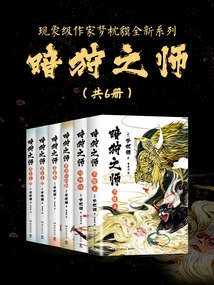
Phenomenal Writer Meng Zhentapir's "master of Dark Hunting" Series (6 Volumes in Total)
General Fiction现象级作家梦枕貘“暗狩之师”系列(共6册)
P
The novel "The Master of the Dark Hunt" by the master of Japanese fantasy literature, Yumezuku Tapir, is the complete series. "The King of Lanling", "The Onmyoji", "Huang Shigong's Dog", "The Blue Beast Ghost", "The King of Kunlun (Part 1)" and "The King of Kunlun (Part 2)".
The novel "The Master of the Dark Hunt" by the master of Japanese fantasy literature, Yumezuku Tapir, is the complete series. "The King of Lanling", "The Onmyoji", "Huang Shigong's Dog", "The Blue Beast Ghost", "The King of Kunlun (Part 1)" and "The King of Kunlun (Part 2)".
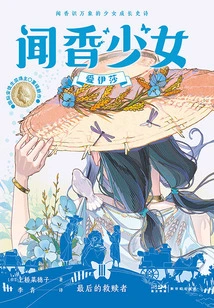
Scented Girl Aisha: the Last Redeemer
General Fiction闻香少女爱伊莎:最后的救赎者
J
Aisha, a girl with a keen sense of smell, discovered the secret of the "Rice of Hope", but she also found herself in danger. The news that there was Oraku rice on Gilam Island that was not afraid of pests spread quickly. The Umaru Empire improved the new Oraku rice and distributed the rice seeds to the feudal kingdoms. Facing this "rice of salvation", people cried with joy, and the voices of praise spread throughout the empire. Only Ayesha felt vaguely that this kind of rice was a bit scary. Soon, someone brought back a type of locust from the bank of the Shenxiang Praying River that was said to be able to eliminate the Oyoma insect. However, it was discovered that they could multiply their larvae quickly and eat up the Ora rice and all other plants quickly. Seeing the large-scale destruction of new rice, Aisha decided to burn the Ora rice within a certain area together with the locusts before the locust disaster arrived, so that they would not be able to reproduce. This is a battle against time, and no one knows whether they will be the final winner...
Aisha, a girl with a keen sense of smell, discovered the secret of the "Rice of Hope", but she also found herself in danger. The news that there was Oraku rice on Gilam Island that was not afraid of pests spread quickly. The Umaru Empire improved the new Oraku rice and distributed the rice seeds to the feudal kingdoms. Facing this "rice of salvation", people cried with joy, and the voices of praise spread throughout the empire. Only Ayesha felt vaguely that this kind of rice was a bit scary. Soon, someone brought back a type of locust from the bank of the Shenxiang Praying River that was said to be able to eliminate the Oyoma insect. However, it was discovered that they could multiply their larvae quickly and eat up the Ora rice and all other plants quickly. Seeing the large-scale destruction of new rice, Aisha decided to burn the Ora rice within a certain area together with the locusts before the locust disaster arrived, so that they would not be able to reproduce. This is a battle against time, and no one knows whether they will be the final winner...
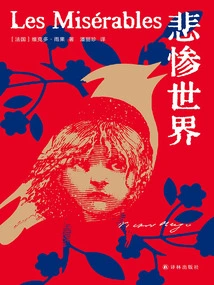
Les Misérables (hugo Collection)
General Fiction悲惨世界(雨果精选集)
G
"Les Misérables" is another magnificent masterpiece written by the famous French romantic writer Victor Hugo after "The Hunchback of Notre Dame". It is a novel that represents Hugo's thoughts and artistic style. With outstanding artistic expression, the book shows people a picture of the French Revolution from 1793 to 1832 through the description of the tragic experiences of Jean Valjean and others and a series of touching deeds done by Jean Valjean after he was converted by Bishop Myrière. The brilliant picture of French social and political life during the Paris Popular Uprising in 2006 profoundly exposed and criticized the decadent nature of French society and its criminal phenomena at that time, and expressed compassion and sympathy for the exploitation, fraud and cruel persecution suffered by the poor people under heavy pressure.
"Les Misérables" is another magnificent masterpiece written by the famous French romantic writer Victor Hugo after "The Hunchback of Notre Dame". It is a novel that represents Hugo's thoughts and artistic style. With outstanding artistic expression, the book shows people a picture of the French Revolution from 1793 to 1832 through the description of the tragic experiences of Jean Valjean and others and a series of touching deeds done by Jean Valjean after he was converted by Bishop Myrière. The brilliant picture of French social and political life during the Paris Popular Uprising in 2006 profoundly exposed and criticized the decadent nature of French society and its criminal phenomena at that time, and expressed compassion and sympathy for the exploitation, fraud and cruel persecution suffered by the poor people under heavy pressure.

隔壁的中国人:内山完造眼中的中国生活风景
L
Mr. Lu Xun's closest Japanese friend, Mr. Uchiyama Zenzo, who has lived in China for decades, described in detail his life experiences in Shanghai in humorous and vivid language. Through the vertical comparison of the past and present and the horizontal comparison of China and Japan, we express our admiration for the Chinese people's long-standing wisdom in life and their infinite confidence in the Chinese people to build a good New China.
Mr. Lu Xun's closest Japanese friend, Mr. Uchiyama Zenzo, who has lived in China for decades, described in detail his life experiences in Shanghai in humorous and vivid language. Through the vertical comparison of the past and present and the horizontal comparison of China and Japan, we express our admiration for the Chinese people's long-standing wisdom in life and their infinite confidence in the Chinese people to build a good New China.

Ancient Classic Novel: Legend of Swordsman
General Fiction古代经典小说:剑侠传
H
"The Legend of Swordsman" is generally believed to have been written by Wang Shizhen of the Ming Dynasty. It compiles thirty-three swordsman novels from the Tang and Song Dynasties and is an essential selection of ancient classical Chinese martial arts novels. Later, Ren Weichang (Ren Xiong) drew the Thirty-Three Swordsmen based on this book. This book is available in four-volume and one-volume editions, and is included in the series "Ancient and Modern Yishi", "Twenty-One Secretaries", "The Preliminary Collection of Collections", the re-edited "Shuo Yong", "Novel of the Five Dynasties", and "Collection of Tang Dynasties". This book is a relatively refined selection of ancient swordsman novels and has a profound influence on later literary creations.
"The Legend of Swordsman" is generally believed to have been written by Wang Shizhen of the Ming Dynasty. It compiles thirty-three swordsman novels from the Tang and Song Dynasties and is an essential selection of ancient classical Chinese martial arts novels. Later, Ren Weichang (Ren Xiong) drew the Thirty-Three Swordsmen based on this book. This book is available in four-volume and one-volume editions, and is included in the series "Ancient and Modern Yishi", "Twenty-One Secretaries", "The Preliminary Collection of Collections", the re-edited "Shuo Yong", "Novel of the Five Dynasties", and "Collection of Tang Dynasties". This book is a relatively refined selection of ancient swordsman novels and has a profound influence on later literary creations.
Frontier Heroes
General Fiction边塞英雄谱
H
Since the Qing troops entered the Pass, China was on the verge of collapse. By the Kangxi and Yongzheng dynasties, the rebellion had been suppressed and deeply rooted. At that time, a group of remnants of the old ministers gradually felt that their situation was becoming increasingly dangerous and they could no longer survive. They had no choice but to flee with their loyalty and passion to the northwest, southwest and other frontier areas to go to Lanlui on Falcon Road to start their journey. Pi Caolai lived by farming, fishing and animal husbandry in the Ming Dynasty, but secretly he still worshiped Zhengshuo in the Ming Dynasty. When the life gathering was successful and the wealth was increasing, he gradually called on relatives and friends and recruited exiles, hoping to wait for the opportunity to revive the big plan.
Since the Qing troops entered the Pass, China was on the verge of collapse. By the Kangxi and Yongzheng dynasties, the rebellion had been suppressed and deeply rooted. At that time, a group of remnants of the old ministers gradually felt that their situation was becoming increasingly dangerous and they could no longer survive. They had no choice but to flee with their loyalty and passion to the northwest, southwest and other frontier areas to go to Lanlui on Falcon Road to start their journey. Pi Caolai lived by farming, fishing and animal husbandry in the Ming Dynasty, but secretly he still worshiped Zhengshuo in the Ming Dynasty. When the life gathering was successful and the wealth was increasing, he gradually called on relatives and friends and recruited exiles, hoping to wait for the opportunity to revive the big plan.
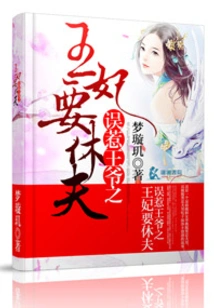
误惹王爷之王妃要休夫
P
One-sentence synopsis: This is the story of a cute and arrogant woman who is infatuated with a sinister and loyal man, but is turned against him by him! *** Full text introduction When you travel through time and accidentally offend a sinister and loyal man... When he was escaping, he said: "You will never escape from the palm of my hand. If you can't escape, then you will perish!" When he confessed his love, he said: "I don't know what love is. Since I have given my heart to you, you must treasure it well!" When he was jealous, he said: "Do you think I, the king, would not do such a disgraceful thing?" When leaving, he said: "In this life, I will only insist on one thing - waiting for you!" She said that my sister came from time-travel and just wanted to eat, sleep, play beans every day, and catch a beautiful man to sleep in; He said, I am the king of the world, I just want to see you, miss you, favor you every day, and by the way, I will give birth to a bean to trap you! From now on, she can no longer escape, nor does she want to escape! *** [Introduction to the female protagonist version] Once in time, I messed with a virgin by mistake! However, this man is too handsome! Nani, or the prince who takes life and death? It doesn't matter whether you are as handsome as a pear blossom crushing a begonia, or whether you turn your hands to make clouds and turn your hands to make rain! Sister is an avant-garde woman of the new era. If I don't go to hell, who will? They say that women chase men with spacer yarn! Little fresh meat, let's see how I will clean you up! But, didn't we agree to sublimate our revolutionary friendship to fight monsters? In the blink of an eye, he and White Lotus actually changed sides? Okay, okay, sister, I have a basketful of peach blossoms, and I won't miss you even one! I'm throwing a divorce note to you. Get away as far as you can from me! *** [Introduction to the male version] Thirty thousand miles of river flows eastward into the sea, and five thousand miles of mountains reach the sky! Where the flames of war are gone, the country is in chaos! How can grievances and hatreds be balanced? Among the beauties, which one is more important? The heart of the world, one emperor through the ages! There is only one woman who can enjoy thousands of miles of mountains and rivers with me side by side! For her, the queen position is vacant and the six palaces are scattered! Just waiting for the continuation of that dream! *** PS: ①This article is one-to-one, a pair for life! ② Warm and sadistic love, both men and women are clean, the male protagonist is strong, and the female protagonist is growing!
One-sentence synopsis: This is the story of a cute and arrogant woman who is infatuated with a sinister and loyal man, but is turned against him by him! *** Full text introduction When you travel through time and accidentally offend a sinister and loyal man... When he was escaping, he said: "You will never escape from the palm of my hand. If you can't escape, then you will perish!" When he confessed his love, he said: "I don't know what love is. Since I have given my heart to you, you must treasure it well!" When he was jealous, he said: "Do you think I, the king, would not do such a disgraceful thing?" When leaving, he said: "In this life, I will only insist on one thing - waiting for you!" She said that my sister came from time-travel and just wanted to eat, sleep, play beans every day, and catch a beautiful man to sleep in; He said, I am the king of the world, I just want to see you, miss you, favor you every day, and by the way, I will give birth to a bean to trap you! From now on, she can no longer escape, nor does she want to escape! *** [Introduction to the female protagonist version] Once in time, I messed with a virgin by mistake! However, this man is too handsome! Nani, or the prince who takes life and death? It doesn't matter whether you are as handsome as a pear blossom crushing a begonia, or whether you turn your hands to make clouds and turn your hands to make rain! Sister is an avant-garde woman of the new era. If I don't go to hell, who will? They say that women chase men with spacer yarn! Little fresh meat, let's see how I will clean you up! But, didn't we agree to sublimate our revolutionary friendship to fight monsters? In the blink of an eye, he and White Lotus actually changed sides? Okay, okay, sister, I have a basketful of peach blossoms, and I won't miss you even one! I'm throwing a divorce note to you. Get away as far as you can from me! *** [Introduction to the male version] Thirty thousand miles of river flows eastward into the sea, and five thousand miles of mountains reach the sky! Where the flames of war are gone, the country is in chaos! How can grievances and hatreds be balanced? Among the beauties, which one is more important? The heart of the world, one emperor through the ages! There is only one woman who can enjoy thousands of miles of mountains and rivers with me side by side! For her, the queen position is vacant and the six palaces are scattered! Just waiting for the continuation of that dream! *** PS: ①This article is one-to-one, a pair for life! ② Warm and sadistic love, both men and women are clean, the male protagonist is strong, and the female protagonist is growing!

Wait Until My Crown Covers the Capital
Ancient Romance待我冠盖满京华
D
When Li tide woke up, she was transported back to ten years ago. When she was ten years old, the Li family had not been raided and executed, and she was still the third girl of the Li family.
When Li tide woke up, she was transported back to ten years ago. When she was ten years old, the Li family had not been raided and executed, and she was still the third girl of the Li family.

Dark Lord
Fantasy暗尊
Expect
The false world collapsed at this moment, and the magical world appeared.
The false world collapsed at this moment, and the magical world appeared.
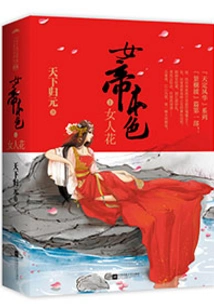
The True Nature of the Empress
Ancient Romance女帝本色
W
There is a lake in the east, named Dahuang. According to rumors, they are ignorant, poor, backward and barbaric. --Bullshit. The Queen of the Wilderness is as cold as frost. He was supported by the Imperial Master, and he and the Imperial Master's golden boy and daughter had a deep love for each other. --Bullshit. The Queen died suddenly, and the Imperial Master mourned. Following the instructions of fate, he traveled thousands of miles and finally found his reincarnated lover. From then on, the prince and princess lived happily in the castle... --Bullshit! --I am the dividing line between truth and cup-- She said: "People are tough! I don't want to be this queen at all! Reincarnation, reincarnate in your sister's life, I was a research monk in my previous life! Tianding Fenghua Research Institute, have you heard of it?" He said: "I set such harsh conditions for the queen's reincarnation, and you actually complied with it. This is God's will. God's will allows you to smash your life chart and fall into my hands. How can I go against God's will?" She said: "You are tired and don't love me! Don't pretend to be evil, or pretend to be evil and get struck by lightning! It was obviously the queen in front who had an affair with someone else and cuckolded you, but you were so angry that you killed her and prepared to become the emperor yourself. But a beautiful Jing Hengbo fell from the sky and took the position. When you see me, you think of her, and you are all kinds of depressed! You really want to kill me now, so much!" He said: "Be your queen and remember that the skirt is not allowed to be so short." She said: "I'll cut off another three centimeters tomorrow." He said: "Tomorrow all the beauties in your palace will be sent to my palace." She said: "... Don't you just hate me for stealing your position? I'll compensate you. Isn't it okay for me to compensate you?" He said: "Huh?" She said: "Well... Xiao Yinyin, don't be angry. I will compensate you for myself, okay?" ---------------------- Will you be my royal husband? Don't want. Do I smell good? Does it smell good? Body odor. ... For so long, we have been separated, we have been together, we have been separated, we have been together, we have had good times, we have broken up, we have had good and bad times, and now I am tired, and I think you are tired too. Now I ask you for the last time, do you want me? ! ... You ignored me again! I knew you still wouldn't pay attention to me! Well, that's it... ---------------------- Quotes from the Gods: "When you are ogling, your left eye moves up half an inch, and your right eye moves down half an inch. Your facial texture moves seven places, causing the corners of your mouth to become crooked. I am always a little worried that you will have a stroke in an instant." "Dear Your Majesty, your collar is loose, please tie it up quickly for me, okay?" "I decided to reluctantly take out the bottle of nail polish you gave me as a betrothal gift for you." ---------------------- Friendly reminder: The plot may be adjusted, and the introduction is for reference only.
There is a lake in the east, named Dahuang. According to rumors, they are ignorant, poor, backward and barbaric. --Bullshit. The Queen of the Wilderness is as cold as frost. He was supported by the Imperial Master, and he and the Imperial Master's golden boy and daughter had a deep love for each other. --Bullshit. The Queen died suddenly, and the Imperial Master mourned. Following the instructions of fate, he traveled thousands of miles and finally found his reincarnated lover. From then on, the prince and princess lived happily in the castle... --Bullshit! --I am the dividing line between truth and cup-- She said: "People are tough! I don't want to be this queen at all! Reincarnation, reincarnate in your sister's life, I was a research monk in my previous life! Tianding Fenghua Research Institute, have you heard of it?" He said: "I set such harsh conditions for the queen's reincarnation, and you actually complied with it. This is God's will. God's will allows you to smash your life chart and fall into my hands. How can I go against God's will?" She said: "You are tired and don't love me! Don't pretend to be evil, or pretend to be evil and get struck by lightning! It was obviously the queen in front who had an affair with someone else and cuckolded you, but you were so angry that you killed her and prepared to become the emperor yourself. But a beautiful Jing Hengbo fell from the sky and took the position. When you see me, you think of her, and you are all kinds of depressed! You really want to kill me now, so much!" He said: "Be your queen and remember that the skirt is not allowed to be so short." She said: "I'll cut off another three centimeters tomorrow." He said: "Tomorrow all the beauties in your palace will be sent to my palace." She said: "... Don't you just hate me for stealing your position? I'll compensate you. Isn't it okay for me to compensate you?" He said: "Huh?" She said: "Well... Xiao Yinyin, don't be angry. I will compensate you for myself, okay?" ---------------------- Will you be my royal husband? Don't want. Do I smell good? Does it smell good? Body odor. ... For so long, we have been separated, we have been together, we have been separated, we have been together, we have had good times, we have broken up, we have had good and bad times, and now I am tired, and I think you are tired too. Now I ask you for the last time, do you want me? ! ... You ignored me again! I knew you still wouldn't pay attention to me! Well, that's it... ---------------------- Quotes from the Gods: "When you are ogling, your left eye moves up half an inch, and your right eye moves down half an inch. Your facial texture moves seven places, causing the corners of your mouth to become crooked. I am always a little worried that you will have a stroke in an instant." "Dear Your Majesty, your collar is loose, please tie it up quickly for me, okay?" "I decided to reluctantly take out the bottle of nail polish you gave me as a betrothal gift for you." ---------------------- Friendly reminder: The plot may be adjusted, and the introduction is for reference only.
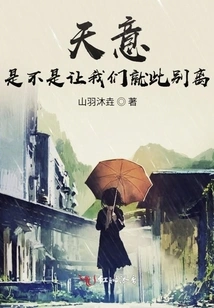
Does God Want Us to Part Ways Like This?
Slice of Life天意是不是让我们就此别离
G
At the beginning of my life, I beautified my marriage and looked forward to it. The separation between me and Yu Yu could actually predict our future in a certain part of the union. The encounter that carries the will of God can never wait for the word "separation"! .................. No matter what the past is, In the end, we will quietly exit each other's lives, Or sad, or angry, or desolate, Among the thousands of you and me, Let's take a walk together, All the confusion of youth, The hasty ending of the marriage was consummated, Even with all the glitz and vicissitudes of life, I am also generous! ............ This article is about family and marriage life. It is inspired by the thoughts of women in marriage. The style is roughly similar to prose. If you don't like it, don't enter!
At the beginning of my life, I beautified my marriage and looked forward to it. The separation between me and Yu Yu could actually predict our future in a certain part of the union. The encounter that carries the will of God can never wait for the word "separation"! .................. No matter what the past is, In the end, we will quietly exit each other's lives, Or sad, or angry, or desolate, Among the thousands of you and me, Let's take a walk together, All the confusion of youth, The hasty ending of the marriage was consummated, Even with all the glitz and vicissitudes of life, I am also generous! ............ This article is about family and marriage life. It is inspired by the thoughts of women in marriage. The style is roughly similar to prose. If you don't like it, don't enter!
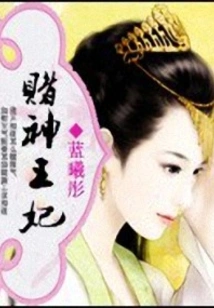
God of Gamblers
Ancient Romance赌神王妃
V
New article "The Evil Husband Robs His Wife" http:\u002F\u002Fread. Xxsy. Net\u002Finfo\u002F294284. Html Before time travel, she was a powerful jewelry master in the 21st century. After traveling through time, she became an abandoned woman who was ridiculed by everyone in the world. Open your eyes again, A hint of indifference gradually appeared in his arrogant eyes. She was powerless to change her fate, so she accepted it silently. She endured hardships, but what she got was not the answer she wanted. Play around in the world, travel all over the north and south. He looked back with a smile that was pitiful. * He is a famous and wealthy young master. Elegant and unrestrained, fragrant and charming. Just because she looked back and smiled, he unconsciously gave up the Yingying Yanyan around him and returned to her side. He is the ruthless and ruthless King of Cangming. Elegant and graceful, he has power over everything. But only in front of her, he did not hesitate to throw away his pride and tried his best to gain her favor. He is a charming and arrogant young man who doesn't care about anything. Unrivaled in elegance, arrogant and arrogant. But after losing her, I was in so much pain that I couldn't sleep every night. When one person after another appears in her life, When the war is fierce and the smoke is everywhere, Who is it, whose heart has been stolen, whose soul has been stolen? And who is it that can win the heart of a beautiful woman and hold her in her arms? ((((((((((((((((((((( Abandoned by his family at the age of seven, he entered an orphanage. At the age of twelve, she was recognized by Qian Wang as his goddaughter by chance. Her dim childhood made her unaware of what family love was. The cruel experience made her unable to trust everyone around her. Friends? It's just someone who can be used when needed. Lover? She, Lan Xiaomo, will never need this kind of thing in her life... He is a romantic prince in everyone's eyes, but he has hidden ambitions and conspiracies. A ridiculous edict forced him to accept this woman who disgusted him to the extreme. But everything changed when he finally couldn't control the anger in his heart and wanted to kill her. With a contract, she would be his mute princess and he would be her financial backer. I thought I could live the life I wanted happily, But why did my heart hurt so much when I learned that she was leaving... Classic dialogue~ chapter① She doesn't want to fall in love, but bad love blossoms happen frequently. "Mo'er, I love you, I really love you." "Oh?" Looking up and down at the serious-faced Ling Xiaohan in front of her, Lan Xiaomo smiled disdainfully, "Man, do you love my looks or my body...?" Chapter② She doesn't want to be serious, but the people around her always give her sincerity. "Xiao Mo, I will never let you get hurt at all. Stay by my side, no matter what you want, I can give it to you!" Without raising her head or opening her eyes, she punched Situ Xuan in the face who was following her, "I don't want anything, as long as you stay away from me in the future!" Chapter③ She didn't want to be with him, but fate seemed to have already decreed it. "Lan Xiaomo, do you think you can escape my grasp this time?!" He grabbed her wrist tightly and looked at the woman he had been looking for for a whole year. Long Chenxuan wanted to rub her into his body and prevent her from leaving him again. "Get away from me, I said, I have nothing to do with you anymore!" "Really? Didn't you say that women's words are the most untrustworthy? Sometimes saying no means yes, so can I understand that you will never leave my side again..." Http:\u002F\u002Fread. Xxsy. Net\u002Finfo\u002F242448. Html Lan Xitong "The God of Gamblers" http:\u002F\u002Fread. Xxsy. Net\u002Finfo\u002F239855. Html Landie Bingyu's "The Black-bellied Concubine" http:\u002F\u002Fread. Xxsy. Net\u002Finfo\u002F214658. Html[Crazy King's Prison Pet]Source He Laifei http:\u002F\u002Fread. Xxsy. Net\u002Finfo\u002F250236. Html[President, you are so bad]Ye Qinghuan http:\u002F\u002Fread. Xxsy. Net\u002Finfo\u002F244552. Html Fantasy Love [My husband is very flirtatious] http:\u002F\u002Fread. Xxsy. Net\u002Finfo\u002F247173. Html Ultra Blue [The five-year-old secret wife who drags the boss] http:\u002F\u002Fread. Xxsy. Net\u002Finfo\u002F239003. Html Yinxiao [Training the Demon Lord]
New article "The Evil Husband Robs His Wife" http:\u002F\u002Fread. Xxsy. Net\u002Finfo\u002F294284. Html Before time travel, she was a powerful jewelry master in the 21st century. After traveling through time, she became an abandoned woman who was ridiculed by everyone in the world. Open your eyes again, A hint of indifference gradually appeared in his arrogant eyes. She was powerless to change her fate, so she accepted it silently. She endured hardships, but what she got was not the answer she wanted. Play around in the world, travel all over the north and south. He looked back with a smile that was pitiful. * He is a famous and wealthy young master. Elegant and unrestrained, fragrant and charming. Just because she looked back and smiled, he unconsciously gave up the Yingying Yanyan around him and returned to her side. He is the ruthless and ruthless King of Cangming. Elegant and graceful, he has power over everything. But only in front of her, he did not hesitate to throw away his pride and tried his best to gain her favor. He is a charming and arrogant young man who doesn't care about anything. Unrivaled in elegance, arrogant and arrogant. But after losing her, I was in so much pain that I couldn't sleep every night. When one person after another appears in her life, When the war is fierce and the smoke is everywhere, Who is it, whose heart has been stolen, whose soul has been stolen? And who is it that can win the heart of a beautiful woman and hold her in her arms? ((((((((((((((((((((( Abandoned by his family at the age of seven, he entered an orphanage. At the age of twelve, she was recognized by Qian Wang as his goddaughter by chance. Her dim childhood made her unaware of what family love was. The cruel experience made her unable to trust everyone around her. Friends? It's just someone who can be used when needed. Lover? She, Lan Xiaomo, will never need this kind of thing in her life... He is a romantic prince in everyone's eyes, but he has hidden ambitions and conspiracies. A ridiculous edict forced him to accept this woman who disgusted him to the extreme. But everything changed when he finally couldn't control the anger in his heart and wanted to kill her. With a contract, she would be his mute princess and he would be her financial backer. I thought I could live the life I wanted happily, But why did my heart hurt so much when I learned that she was leaving... Classic dialogue~ chapter① She doesn't want to fall in love, but bad love blossoms happen frequently. "Mo'er, I love you, I really love you." "Oh?" Looking up and down at the serious-faced Ling Xiaohan in front of her, Lan Xiaomo smiled disdainfully, "Man, do you love my looks or my body...?" Chapter② She doesn't want to be serious, but the people around her always give her sincerity. "Xiao Mo, I will never let you get hurt at all. Stay by my side, no matter what you want, I can give it to you!" Without raising her head or opening her eyes, she punched Situ Xuan in the face who was following her, "I don't want anything, as long as you stay away from me in the future!" Chapter③ She didn't want to be with him, but fate seemed to have already decreed it. "Lan Xiaomo, do you think you can escape my grasp this time?!" He grabbed her wrist tightly and looked at the woman he had been looking for for a whole year. Long Chenxuan wanted to rub her into his body and prevent her from leaving him again. "Get away from me, I said, I have nothing to do with you anymore!" "Really? Didn't you say that women's words are the most untrustworthy? Sometimes saying no means yes, so can I understand that you will never leave my side again..." Http:\u002F\u002Fread. Xxsy. Net\u002Finfo\u002F242448. Html Lan Xitong "The God of Gamblers" http:\u002F\u002Fread. Xxsy. Net\u002Finfo\u002F239855. Html Landie Bingyu's "The Black-bellied Concubine" http:\u002F\u002Fread. Xxsy. Net\u002Finfo\u002F214658. Html[Crazy King's Prison Pet]Source He Laifei http:\u002F\u002Fread. Xxsy. Net\u002Finfo\u002F250236. Html[President, you are so bad]Ye Qinghuan http:\u002F\u002Fread. Xxsy. Net\u002Finfo\u002F244552. Html Fantasy Love [My husband is very flirtatious] http:\u002F\u002Fread. Xxsy. Net\u002Finfo\u002F247173. Html Ultra Blue [The five-year-old secret wife who drags the boss] http:\u002F\u002Fread. Xxsy. Net\u002Finfo\u002F239003. Html Yinxiao [Training the Demon Lord]
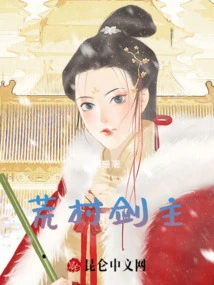
Sword Master of Deserted Village
Xianxia Fantasy荒村剑主
J
Come to China Literature's website to read more of my works!
Come to China Literature's website to read more of my works!

I Must Make You Happy
Slice of Life我一定要你幸福
W
Zheng Wanwan and Li Lixuan were good friends. After high school, they dropped out of school and worked together, just to let their parents live a happy life. However, the reality was not so smooth. Every time they worked hard, they were met with setbacks. After repeated setbacks, they felt that life was hopeless and thought of committing suicide. So how should they make the final decision?
Zheng Wanwan and Li Lixuan were good friends. After high school, they dropped out of school and worked together, just to let their parents live a happy life. However, the reality was not so smooth. Every time they worked hard, they were met with setbacks. After repeated setbacks, they felt that life was hopeless and thought of committing suicide. So how should they make the final decision?
Orchid Crying Dew--liuyanxuan ●one of the Fleeting Series
Ancient Romance幽兰泣露——潋滟轩●流年系列之一
ミ
Liaoyanxuan The finale of "Remembering Jiangnan: The Time Series" - the beautiful spring scroll "Orchid Crying Dew", is currently being performed: She, Min Jialansu, a descendant of the royal family left behind in the south of the Yangtze River, is a fresh and dust-free orchid in the empty valley. He, Ling Shaolu Han, a civil and military guard of the inner court, the clear morning dew before the sun shines. In the warmth of spring in the south of the Yangtze River, he met her at the most beautiful time. It was still cold in Yanjing, and he and she looked at each other silently inside and outside the walled courtyard. ~~~~~~~~~~~~~~~~~~~~~~~~~~~~~~~~~~~~~~~~~~~~~~~~~~~~~ I still remember Kunming Lake. The dusty sand at the bottom of the lake buries too many regrets and too many misses. The lake is full of water and tears. They had a tacit understanding of each other but had no choice but to cross each other. After turning around, they suddenly realized that he and she at that time did not last forever, and there was no oath of love, but only a shallow love across a river... ~~~~~~~~~~~~~~~~~~~~~~~~~~~~~~~~~~~~~~~~~~~~~~~~~~~~~ Conspiracy and power play, secret wars in the palace. When her life changed dramatically, she, who used to be a noble princess, became a humble palace maid despised by everyone in vain for the crime of deceiving the king. It was he who escaped from the prison of the palace with her bruised and bruised, holding his son's hand, and wandering around the world... ~~~~~~~~~~~~~~~~~~~~~~~~~~~~~~~~~~~~~~~~~~~~~~~~~~~~~ The beacon fire is roaring and the north wind is strong. She could have returned to the empty valley to be a free orchid, so why did she become the chess piece offered to Beidi for marriage? What he gave her was just a splendid but out-of-reach dream. When her easy-going team passed by Kunming Lake again, she threw all the dreams with him into the lake, and the fate disappeared and turned into an illusion... Ink painting Jiangnan, painted by Lan Xinhuizhi for you The orchid weeps and the dew falls into pieces, you don't know ~~~~~~~~~~~~~~~~~~~~~~~~~~~~~~~~~~~~~~~~~~~~~~~~~~~~~ Fleeting series: Spring roll - "Orchid Crying Dew" Summer Scroll - "Speechless Lotus" Autumn Scroll - "The Chrysanthemum Is Still Young" Winter Volume - "No Joy When the Snow Dies" Welcome to read and support!
Liaoyanxuan The finale of "Remembering Jiangnan: The Time Series" - the beautiful spring scroll "Orchid Crying Dew", is currently being performed: She, Min Jialansu, a descendant of the royal family left behind in the south of the Yangtze River, is a fresh and dust-free orchid in the empty valley. He, Ling Shaolu Han, a civil and military guard of the inner court, the clear morning dew before the sun shines. In the warmth of spring in the south of the Yangtze River, he met her at the most beautiful time. It was still cold in Yanjing, and he and she looked at each other silently inside and outside the walled courtyard. ~~~~~~~~~~~~~~~~~~~~~~~~~~~~~~~~~~~~~~~~~~~~~~~~~~~~~ I still remember Kunming Lake. The dusty sand at the bottom of the lake buries too many regrets and too many misses. The lake is full of water and tears. They had a tacit understanding of each other but had no choice but to cross each other. After turning around, they suddenly realized that he and she at that time did not last forever, and there was no oath of love, but only a shallow love across a river... ~~~~~~~~~~~~~~~~~~~~~~~~~~~~~~~~~~~~~~~~~~~~~~~~~~~~~ Conspiracy and power play, secret wars in the palace. When her life changed dramatically, she, who used to be a noble princess, became a humble palace maid despised by everyone in vain for the crime of deceiving the king. It was he who escaped from the prison of the palace with her bruised and bruised, holding his son's hand, and wandering around the world... ~~~~~~~~~~~~~~~~~~~~~~~~~~~~~~~~~~~~~~~~~~~~~~~~~~~~~ The beacon fire is roaring and the north wind is strong. She could have returned to the empty valley to be a free orchid, so why did she become the chess piece offered to Beidi for marriage? What he gave her was just a splendid but out-of-reach dream. When her easy-going team passed by Kunming Lake again, she threw all the dreams with him into the lake, and the fate disappeared and turned into an illusion... Ink painting Jiangnan, painted by Lan Xinhuizhi for you The orchid weeps and the dew falls into pieces, you don't know ~~~~~~~~~~~~~~~~~~~~~~~~~~~~~~~~~~~~~~~~~~~~~~~~~~~~~ Fleeting series: Spring roll - "Orchid Crying Dew" Summer Scroll - "Speechless Lotus" Autumn Scroll - "The Chrysanthemum Is Still Young" Winter Volume - "No Joy When the Snow Dies" Welcome to read and support!
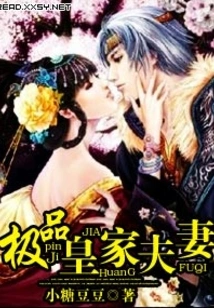
The Best Royal Couple
Ancient Romance极品皇家夫妻
W
As the saying goes, "A dragon matches a dragon, and a phoenix matches a phoenix." So is a silly girl a perfect match for a idiot? After a time travel and a marriage contract, the stupid daughter of the prime minister's family fell in love with the emperor's idiot and became a "superior" couple famous throughout the dynasty. The emperor is too brooding, the emperor's brothers are all too shady, the sister-in-law is sinister and gossipy, the concubine and the male partner are all enchanting. Let's see how a couple who are both laughing and laughing struggle to create their own leisurely life amid a series of conspiracies and plots. Wonderful quotes: Cui Yuan: Traveling through time and pretending to have amnesia, isn't it the safest and most bloody plot? Why did he get the reputation of a fool? He was also betrothed by a bullshit imperial edict to be married to a fool prince who was known throughout the court. As a young white-collar worker who had received more than ten years of modern education, he groaned and raised his head to the sky and screamed: "God will not let you play with people like this!" Seventh Prince: I am the son of the emperor and the son of a noble concubine. Wherever he stands, he will be like a jade tree and Lingfeng. He is suave and elegant, and he is a good son in troubled times! Isn't it just that your fists are a little harder, your voice is a little louder, and you are a little more sincere and simple, why are you called a idiot? Snort! This is definitely naked jealousy! Son Zhu Wu: "Mom, dad, do you think I'm nothing like you?" "Why?" "... Because everyone says that with your low IQ, you and your mother probably won't be able to give birth to a child with as high an IQ as me. People say this is called intergenerational inheritance, and the child will feel more like Grandpa Huang!"
As the saying goes, "A dragon matches a dragon, and a phoenix matches a phoenix." So is a silly girl a perfect match for a idiot? After a time travel and a marriage contract, the stupid daughter of the prime minister's family fell in love with the emperor's idiot and became a "superior" couple famous throughout the dynasty. The emperor is too brooding, the emperor's brothers are all too shady, the sister-in-law is sinister and gossipy, the concubine and the male partner are all enchanting. Let's see how a couple who are both laughing and laughing struggle to create their own leisurely life amid a series of conspiracies and plots. Wonderful quotes: Cui Yuan: Traveling through time and pretending to have amnesia, isn't it the safest and most bloody plot? Why did he get the reputation of a fool? He was also betrothed by a bullshit imperial edict to be married to a fool prince who was known throughout the court. As a young white-collar worker who had received more than ten years of modern education, he groaned and raised his head to the sky and screamed: "God will not let you play with people like this!" Seventh Prince: I am the son of the emperor and the son of a noble concubine. Wherever he stands, he will be like a jade tree and Lingfeng. He is suave and elegant, and he is a good son in troubled times! Isn't it just that your fists are a little harder, your voice is a little louder, and you are a little more sincere and simple, why are you called a idiot? Snort! This is definitely naked jealousy! Son Zhu Wu: "Mom, dad, do you think I'm nothing like you?" "Why?" "... Because everyone says that with your low IQ, you and your mother probably won't be able to give birth to a child with as high an IQ as me. People say this is called intergenerational inheritance, and the child will feel more like Grandpa Huang!"

It's Not Wrong for Your Husband to Be Too Bad
Ancient Romance夫君太坏不是错
Z
First meeting: She was a silly girl who was taken back to the general's mansion to eat and drink. Pretending to be crazy and acting stupid was her unique skill. We met again: She turned out to be the Seventh Princess of a neighboring country... I thought she was pretending to be crazy and acting stupid, but gradually I realized that the man she accidentally provoked was even more powerful. ***A certain male protagonist: It's dark tonight and the wind is high, it's a good opportunity to kill people and silence them... The heroine interrupted him enthusiastically: However, my knife has not been sharpened yet, so I cannot kill you tonight. Otherwise, let's go and bask in the moonlight together. Let's go, let's go, let's go together! Looking at the woman holding his wrist enthusiastically, a certain male protagonist was speechless! ***A male protagonist: What did you put on the ground? The heroine raised the bag in her hand: Nail! A certain male protagonist smiled bitterly: Girl, why do you carry nails on your body? It's very dangerous. The heroine smiled: Because you said you like me, and if you like me, you will be surprised. Bring it with you and I can surprise you at any time. A certain male protagonist lost his voice and said weakly in his heart: This is not a surprise, this is a shock! ***A certain male protagonist: I don't believe you're not pretending to be stupid! Hostess: Regarding this issue, I carefully studied this issue with my dog yesterday, and it snorted! A certain male protagonist seems to have seen a monster: What, can you understand what the dog said? A certain woman said proudly: Ha~~ A dog will talk when it meets someone it doesn't dislike. Don't speak so loudly, otherwise everyone in the general's residence will know that even the dog dislikes you... This article has no historical basis, and there is no gorgeous and moving love. What I have is words written with my heart, just to make you laugh and relax. If you like it, please remember to collect it! Recommend another article - (Pampering the Daughter of Gold) http:\u002F\u002Fwww. Xxsy. Net\u002Finfo\u002F431680. Html
First meeting: She was a silly girl who was taken back to the general's mansion to eat and drink. Pretending to be crazy and acting stupid was her unique skill. We met again: She turned out to be the Seventh Princess of a neighboring country... I thought she was pretending to be crazy and acting stupid, but gradually I realized that the man she accidentally provoked was even more powerful. ***A certain male protagonist: It's dark tonight and the wind is high, it's a good opportunity to kill people and silence them... The heroine interrupted him enthusiastically: However, my knife has not been sharpened yet, so I cannot kill you tonight. Otherwise, let's go and bask in the moonlight together. Let's go, let's go, let's go together! Looking at the woman holding his wrist enthusiastically, a certain male protagonist was speechless! ***A male protagonist: What did you put on the ground? The heroine raised the bag in her hand: Nail! A certain male protagonist smiled bitterly: Girl, why do you carry nails on your body? It's very dangerous. The heroine smiled: Because you said you like me, and if you like me, you will be surprised. Bring it with you and I can surprise you at any time. A certain male protagonist lost his voice and said weakly in his heart: This is not a surprise, this is a shock! ***A certain male protagonist: I don't believe you're not pretending to be stupid! Hostess: Regarding this issue, I carefully studied this issue with my dog yesterday, and it snorted! A certain male protagonist seems to have seen a monster: What, can you understand what the dog said? A certain woman said proudly: Ha~~ A dog will talk when it meets someone it doesn't dislike. Don't speak so loudly, otherwise everyone in the general's residence will know that even the dog dislikes you... This article has no historical basis, and there is no gorgeous and moving love. What I have is words written with my heart, just to make you laugh and relax. If you like it, please remember to collect it! Recommend another article - (Pampering the Daughter of Gold) http:\u002F\u002Fwww. Xxsy. Net\u002Finfo\u002F431680. Html

特工逃妃桃花多
S
Bai Xin, the golden scorpion, is the top of the three secret agents. She is cold and enchanting, cruel and devilish. However, due to her superior skills, her superiors secretly tricked her into traveling to another world. Bai Xin, the cowardly daughter of a general and a martial arts idiot, was regarded as a waste by everyone in the Nanling Kingdom where the strong were respected. He was frightened to death during a trial. However, when he opened his eyes again, his movements were unrivaled. [This article is a strong spoiler, strong women and strong men are stronger, there are many beautiful men, and the male protagonist is absolutely clean] What? She is the disciple of Old Man Qianji, and the one with the least talent. What? Bearing a blood feud, well, she will take revenge! A piece of engagement paper, okay, she will marry, it depends on whether he has the ability. What? She just wants to collect secret treasures, not men. She can defeat gangsters but cannot defeat handsome men. Pack her bags and run away! The domineering and sinister ugly king of the dynasty was shunned by the people of the country. "Even if you change your destiny, I won't let you escape!" The charming and enchanting Lord of the Romantic Castle has countless beauties and confidantes. "I am willing to keep you alone and never leave you." A cruel and lonely cold-faced killer, people in the world are frightened by him. "So what if I kill everyone in the world for you!" The infatuated and cheerful prince of the North is the dream lover of domestic women. "Although the country is beautiful, it cannot compete with your smiling face like a flower." Travel across the rivers and lakes, collect secret treasures, and if you don't go back to avenge her, the word "Bai Xin" will be written backwards! The loser turns into a genius, opens a red building, builds an organization, makes trouble in the military camp, and breaks into the palace. It's just that the prince is too difficult to deal with, and there is him, him, him! Fragment one: "Woman, do you want a secret treasure?" The beautiful man was good at tempting. "Yes!" Bai Xin looked calmly at the face that was three points more beautiful than the woman. "Then marry me." The beautiful man smiled. "No!" Bai Xin turned her head. "Then you don't want the secret treasure?" The man was a little angry. "Yes!" Bai Xin looked at him calmly. "Then marry me." The man sighed softly. "No!" Bai Xin refused again. "Hmph, you have to take it if you want it, and you have to take it if you don't want it! Someone, please send the princess back to her room and get married on a different day!" The man waved his sleeves and rushed out of the door. Fragment two: "Cousin, let me make the decision! Not only did this woman steal my hairpin, she also beat me!" The pretty woman covered her face and cried at the visitor. "Oh? How to make the decision?" The enchanting man raised his eyebrows coldly. "Hmph, give me back the hairpin and let me hit her once." The pretty woman said proudly. "Junior sister, give her ten hairpins and ten more hairpins!" The enchanting man looked at Bai Xin tenderly. Fragment three: "Report, my lord, Miss Bai escaped over the wall." The secret guard came to report hurriedly. "Oh." The cold-faced man turned around calmly and ordered, "Pass this order, if you hire the owner's wife at Lone Star Tower, you will be given a thousand-year secret treasure as a betrothal gift." "Report, my lord, Miss Bai has come to apply for the job." The secret guard came to report hurriedly. "You are shameless." Bai Xin kicked open the door and glared at Youya's cold-faced man. "Then do you agree or not?" The cold-faced man raised the corner of his mouth slightly. "... Heaven is going to kill me!" Bai Xin whipped her whip and rushed out of the door. Friends who like this article can add Oudi readers 198940629 as a stepping stone, any name in the article "The Enchanting Crazy Emperor" http:\u002F\u002Fread. Xxsy. Net\u002Finfo\u002F382540. Html "The Cowardly Princess" http:\u002F\u002Fwww. Xxsy. Net\u002Finfo\u002F386588. Html "Sexy Marriage" http:\u002F\u002Fread. Xxsy. Net\u002Finfo\u002F391642. Html High-ranking cadres + wealthy families + business wars + internal fighting within the family, all interlocking and pressing every step of the way. Not to be missed. "The Bloodthirsty Godfather, Be Gentle" http:\u002F\u002Fread. Xxsy. Net\u002Finfo\u002F394051. Html Men are strong and women are strong too. "Lady, don't run away" http:\u002F\u002Fread. Xxsy. Net\u002Finfo\u002F395732. Html
Bai Xin, the golden scorpion, is the top of the three secret agents. She is cold and enchanting, cruel and devilish. However, due to her superior skills, her superiors secretly tricked her into traveling to another world. Bai Xin, the cowardly daughter of a general and a martial arts idiot, was regarded as a waste by everyone in the Nanling Kingdom where the strong were respected. He was frightened to death during a trial. However, when he opened his eyes again, his movements were unrivaled. [This article is a strong spoiler, strong women and strong men are stronger, there are many beautiful men, and the male protagonist is absolutely clean] What? She is the disciple of Old Man Qianji, and the one with the least talent. What? Bearing a blood feud, well, she will take revenge! A piece of engagement paper, okay, she will marry, it depends on whether he has the ability. What? She just wants to collect secret treasures, not men. She can defeat gangsters but cannot defeat handsome men. Pack her bags and run away! The domineering and sinister ugly king of the dynasty was shunned by the people of the country. "Even if you change your destiny, I won't let you escape!" The charming and enchanting Lord of the Romantic Castle has countless beauties and confidantes. "I am willing to keep you alone and never leave you." A cruel and lonely cold-faced killer, people in the world are frightened by him. "So what if I kill everyone in the world for you!" The infatuated and cheerful prince of the North is the dream lover of domestic women. "Although the country is beautiful, it cannot compete with your smiling face like a flower." Travel across the rivers and lakes, collect secret treasures, and if you don't go back to avenge her, the word "Bai Xin" will be written backwards! The loser turns into a genius, opens a red building, builds an organization, makes trouble in the military camp, and breaks into the palace. It's just that the prince is too difficult to deal with, and there is him, him, him! Fragment one: "Woman, do you want a secret treasure?" The beautiful man was good at tempting. "Yes!" Bai Xin looked calmly at the face that was three points more beautiful than the woman. "Then marry me." The beautiful man smiled. "No!" Bai Xin turned her head. "Then you don't want the secret treasure?" The man was a little angry. "Yes!" Bai Xin looked at him calmly. "Then marry me." The man sighed softly. "No!" Bai Xin refused again. "Hmph, you have to take it if you want it, and you have to take it if you don't want it! Someone, please send the princess back to her room and get married on a different day!" The man waved his sleeves and rushed out of the door. Fragment two: "Cousin, let me make the decision! Not only did this woman steal my hairpin, she also beat me!" The pretty woman covered her face and cried at the visitor. "Oh? How to make the decision?" The enchanting man raised his eyebrows coldly. "Hmph, give me back the hairpin and let me hit her once." The pretty woman said proudly. "Junior sister, give her ten hairpins and ten more hairpins!" The enchanting man looked at Bai Xin tenderly. Fragment three: "Report, my lord, Miss Bai escaped over the wall." The secret guard came to report hurriedly. "Oh." The cold-faced man turned around calmly and ordered, "Pass this order, if you hire the owner's wife at Lone Star Tower, you will be given a thousand-year secret treasure as a betrothal gift." "Report, my lord, Miss Bai has come to apply for the job." The secret guard came to report hurriedly. "You are shameless." Bai Xin kicked open the door and glared at Youya's cold-faced man. "Then do you agree or not?" The cold-faced man raised the corner of his mouth slightly. "... Heaven is going to kill me!" Bai Xin whipped her whip and rushed out of the door. Friends who like this article can add Oudi readers 198940629 as a stepping stone, any name in the article "The Enchanting Crazy Emperor" http:\u002F\u002Fread. Xxsy. Net\u002Finfo\u002F382540. Html "The Cowardly Princess" http:\u002F\u002Fwww. Xxsy. Net\u002Finfo\u002F386588. Html "Sexy Marriage" http:\u002F\u002Fread. Xxsy. Net\u002Finfo\u002F391642. Html High-ranking cadres + wealthy families + business wars + internal fighting within the family, all interlocking and pressing every step of the way. Not to be missed. "The Bloodthirsty Godfather, Be Gentle" http:\u002F\u002Fread. Xxsy. Net\u002Finfo\u002F394051. Html Men are strong and women are strong too. "Lady, don't run away" http:\u002F\u002Fread. Xxsy. Net\u002Finfo\u002F395732. Html
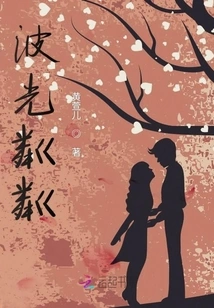
Sparkling
Short Fiction波光粼粼
I
This article is purely made up. Han Minming is a swimmer, and her father Han Yihong is a selfish person... Xia Tian is a painter, and my father Xia Tian and Han Yihong are very good friends. The two were forced to get married. After getting along, the two slowly accepted each other. In the following days, Han Mingming and Xia Tian lived a good life. They had three sons and a daughter. They watched their children grow up. When they were gray-haired, they passed away...
This article is purely made up. Han Minming is a swimmer, and her father Han Yihong is a selfish person... Xia Tian is a painter, and my father Xia Tian and Han Yihong are very good friends. The two were forced to get married. After getting along, the two slowly accepted each other. In the following days, Han Mingming and Xia Tian lived a good life. They had three sons and a daughter. They watched their children grow up. When they were gray-haired, they passed away...
Absurdist Story
Short Fiction荒诞派故事
I
Absurdist style, and the beginning of an unfinished novel. To be honest, writing short stories is more comfortable...
Absurdist style, and the beginning of an unfinished novel. To be honest, writing short stories is more comfortable...

War Water
Short Fiction战水
J
While nature is hard to beat, we still have a chance. Thank you for warning everyone who is lucky enough to take revenge on nature.
While nature is hard to beat, we still have a chance. Thank you for warning everyone who is lucky enough to take revenge on nature.
H
Short Fictionh
H
The rebirth of farmers #inspirational #rural #urban, showing the story of China's largest village - the countryside, the children in the southwestern mountains going out, from zero to millions, how did the rural man Daliang start from scratch and settle in Jiangnan? Is starting a family, buying a car and a house a coincidence? What hardships did you have to face from childhood to adulthood? Readership: 25116621 Reminiscing about hardships and thinking about sweetness, from the 1970s to today, what are the great changes in the era of great powers, and what are the sudden changes in people's lives? It spans several generations, recording every detail of the previous two generations, and focusing on showing the lives of the current two generations. In the past 50 years, there have been many changes, and the cast of participating characters is strong, integrating all kinds of life, joy, anger, sorrow, and entrepreneurship into one. It combines childhood memories, life growth, and real society. There are storms and rainbows, love, hate, affection... Welcome to collect, forward and recommend, thank you for your support and comments!
The rebirth of farmers #inspirational #rural #urban, showing the story of China's largest village - the countryside, the children in the southwestern mountains going out, from zero to millions, how did the rural man Daliang start from scratch and settle in Jiangnan? Is starting a family, buying a car and a house a coincidence? What hardships did you have to face from childhood to adulthood? Readership: 25116621 Reminiscing about hardships and thinking about sweetness, from the 1970s to today, what are the great changes in the era of great powers, and what are the sudden changes in people's lives? It spans several generations, recording every detail of the previous two generations, and focusing on showing the lives of the current two generations. In the past 50 years, there have been many changes, and the cast of participating characters is strong, integrating all kinds of life, joy, anger, sorrow, and entrepreneurship into one. It combines childhood memories, life growth, and real society. There are storms and rainbows, love, hate, affection... Welcome to collect, forward and recommend, thank you for your support and comments!
Rayquaza's Pokémon Journey
Short Fiction烈空坐的宝可梦之旅
F
Lin Feng touched his head, who am I? Where am I?
Lin Feng touched his head, who am I? Where am I?
Specializes in Treating All Kinds of Dissatisfaction
Modern Romance专治各种不服
J
The eldest sister Mingzhu's ex-boyfriend, everyone concluded, was a painting, a precious treasure painting. Mingzhu's second boyfriend is also a painting, but this painting is a bit abstract. Alias for this article: Three sisters of the Ming family, you are sick, I have medicine! * Please rate it as a must-read classic. Say important things three times. It is a must-read classic. This article is fictional and this story is purely fictitious. Any similarity is purely coincidental! "Of my two daughters, one is a hypocrite and the other is a real villain." Zhang Lu said. * "Doctor, what exactly is wrong with my sister?" "Sister, let me die, let me die..." "How is it possible? My sister is only fifteen..." Minglan shouted, how is it possible? Is there something wrong? She doesn't even have a boyfriend, how can she have X disease? Mingzhu's eyes were staring straight at Mingyue: "Who harmed you?" Minglan hugged the third child with tears streaming down her face. She must sue him until the other party dies. Mingzhu turned around and left the ward, her pace getting faster and faster. Minglan chased after her: "Where are you going? The third child was hurt like this. Can you bear this tone?" How old is Mingyue, and he hurt her like this just because he doesn't like her? "I can't wait for the legal verdict." Mingyue's voice became deeper and deeper. Mingzhu followed the two people in front of her upstairs. Yao Kezhen was about to close the door, but she found that Mingzhu, who was following closely behind, had not said a word. Mingzhu slapped him with a brick, beating Yao Kezhen to the point of bleeding. Yao Keke, who was standing aside, was frightened to death. Mingzhu was holding the fishing line with both hands, and Yao Kezhen fell to the ground, covering her head. Yao Keke looked at Mingzhu in horror: "What are you going to do?" "Send you to the west." Mingzhu said slowly. "This is illegal..." Yao Kezhen shouted. She was scared to death by Mingzhu at this moment. She suddenly remembered Zhang Lu's words in her mind. Mingzhu was a hypocrite. She would not take off her protective color until she had to. But what happened, Mingzhu actually wanted to kill her? Mingzhu's hands pulled the fishing line, and the fishing line strangled Yao Keke's neck. She used both hands to push on the wall behind her, and the smile on her face became bigger and bigger. "Go to hell."
The eldest sister Mingzhu's ex-boyfriend, everyone concluded, was a painting, a precious treasure painting. Mingzhu's second boyfriend is also a painting, but this painting is a bit abstract. Alias for this article: Three sisters of the Ming family, you are sick, I have medicine! * Please rate it as a must-read classic. Say important things three times. It is a must-read classic. This article is fictional and this story is purely fictitious. Any similarity is purely coincidental! "Of my two daughters, one is a hypocrite and the other is a real villain." Zhang Lu said. * "Doctor, what exactly is wrong with my sister?" "Sister, let me die, let me die..." "How is it possible? My sister is only fifteen..." Minglan shouted, how is it possible? Is there something wrong? She doesn't even have a boyfriend, how can she have X disease? Mingzhu's eyes were staring straight at Mingyue: "Who harmed you?" Minglan hugged the third child with tears streaming down her face. She must sue him until the other party dies. Mingzhu turned around and left the ward, her pace getting faster and faster. Minglan chased after her: "Where are you going? The third child was hurt like this. Can you bear this tone?" How old is Mingyue, and he hurt her like this just because he doesn't like her? "I can't wait for the legal verdict." Mingyue's voice became deeper and deeper. Mingzhu followed the two people in front of her upstairs. Yao Kezhen was about to close the door, but she found that Mingzhu, who was following closely behind, had not said a word. Mingzhu slapped him with a brick, beating Yao Kezhen to the point of bleeding. Yao Keke, who was standing aside, was frightened to death. Mingzhu was holding the fishing line with both hands, and Yao Kezhen fell to the ground, covering her head. Yao Keke looked at Mingzhu in horror: "What are you going to do?" "Send you to the west." Mingzhu said slowly. "This is illegal..." Yao Kezhen shouted. She was scared to death by Mingzhu at this moment. She suddenly remembered Zhang Lu's words in her mind. Mingzhu was a hypocrite. She would not take off her protective color until she had to. But what happened, Mingzhu actually wanted to kill her? Mingzhu's hands pulled the fishing line, and the fishing line strangled Yao Keke's neck. She used both hands to push on the wall behind her, and the smile on her face became bigger and bigger. "Go to hell."

G
Slice of Lifeg
G
Everyone comes into this world on a journey and experiences many good and bad things. Some people choose to forget, while others will occasionally recall it in their minds. And I chose to record it in this special way to be grateful to all the people who appeared in my life. I am grateful to those who have loved me, loved me, tolerated me, and hurt me. It's you who allowed me to grow up slowly. Meeting you is God's best arrangement.
Everyone comes into this world on a journey and experiences many good and bad things. Some people choose to forget, while others will occasionally recall it in their minds. And I chose to record it in this special way to be grateful to all the people who appeared in my life. I am grateful to those who have loved me, loved me, tolerated me, and hurt me. It's you who allowed me to grow up slowly. Meeting you is God's best arrangement.

P

狂医出笼:绝色女总裁拉我领证
Black
There was a bloody feast seven years ago, and Jiang Chen was the only survivor in his family! Seven years later, the army returns! He wanted to just break off the engagement and take revenge, but unexpectedly, the fiancée of the female CEO held his hand. "Let's go get the certificate!"
There was a bloody feast seven years ago, and Jiang Chen was the only survivor in his family! Seven years later, the army returns! He wanted to just break off the engagement and take revenge, but unexpectedly, the fiancée of the female CEO held his hand. "Let's go get the certificate!"
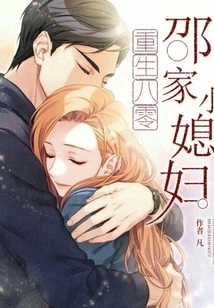
Rebirth in 1980: the Shao Family's Young Wife
Modern Romance重生八零:邵家小媳妇
Fan
After rebirth, like a phoenix in nirvana, I thought I knew everything and could control the wind and rain, but I met him. Director, there seems to be something wrong with the script...
After rebirth, like a phoenix in nirvana, I thought I knew everything and could control the wind and rain, but I met him. Director, there seems to be something wrong with the script...
Wang Junkai Dark Color Suddenly Late
Light Novel王俊凯深色忽晚
G
It is suddenly late in the world, and the mountains and rivers are already autumn. I saw that the young man was tall and tall, and in my heart was the love that has been worn away by the years.
It is suddenly late in the world, and the mountains and rivers are already autumn. I saw that the young man was tall and tall, and in my heart was the love that has been worn away by the years.

Seagren's Choice
General Fiction西格伦的选择
I
This book is a new novel by the famous contemporary German writer Bernhard Schlink. It tells the story of Birgitte, a female college student in East Germany who ran away from home with the help of her boyfriend Kaspar in the 1960s for the sake of love and freedom. She later married Kaspar... It was not until Birgitte passed away suddenly that Kaspar discovered how much his wife had paid to hide her secrets. He read the diaries and novel manuscripts left by his wife, tracked down her secrets, and searched for her relatives and friends in what is now eastern Germany. There he finally found the daughter's family that his wife had hidden for many years, and he and his "granddaughter" Siglen began a new life. The novel tells the fate of small people in the torrent of history, the dialogue between people who live in a world where they are strangers to each other, the current ideological differences in Germany and Europe, and the path of young people.
This book is a new novel by the famous contemporary German writer Bernhard Schlink. It tells the story of Birgitte, a female college student in East Germany who ran away from home with the help of her boyfriend Kaspar in the 1960s for the sake of love and freedom. She later married Kaspar... It was not until Birgitte passed away suddenly that Kaspar discovered how much his wife had paid to hide her secrets. He read the diaries and novel manuscripts left by his wife, tracked down her secrets, and searched for her relatives and friends in what is now eastern Germany. There he finally found the daughter's family that his wife had hidden for many years, and he and his "granddaughter" Siglen began a new life. The novel tells the fate of small people in the torrent of history, the dialogue between people who live in a world where they are strangers to each other, the current ideological differences in Germany and Europe, and the path of young people.
There is a Treasure in the Family
Modern Romance家有宝儿
E
A sophomore girl in high school travels through time and space! Is she traveling through ancient times or the unknown future? For no reason, she has a three-year-old son! And a husband she has never met! When he falls in love with his son and husband, the boy he liked before traveling through time and space also travels through time and space and comes here to ask her to go back! Does she want to go back? What exactly will she experience in the future? Dear friends, please support Han Ye's other book!
A sophomore girl in high school travels through time and space! Is she traveling through ancient times or the unknown future? For no reason, she has a three-year-old son! And a husband she has never met! When he falls in love with his son and husband, the boy he liked before traveling through time and space also travels through time and space and comes here to ask her to go back! Does she want to go back? What exactly will she experience in the future? Dear friends, please support Han Ye's other book!
被炒后,绑定了带我飞系统
L
Because Lan Xiaoxiao was dissatisfied with the continuous oppression by the department leaders, she angrily slapped her resignation report on the leader's desk. A small employee dared to provoke her as a leader and fired her with a wave of her hand. Lan Xiaoxiao was so angry that she didn't even want triple compensation. She raised her face and her hair She shook her head and walked away. According to her former colleagues, she walked away with a high spirits (surviving the disaster)... Ding, it was detected that the host had no money in his pocket, with a balance of 250 yuan, no car, no house, and a credit card debt of 25,000 yuan. The system identified him as a special poor person, so he was bound to the system...
Because Lan Xiaoxiao was dissatisfied with the continuous oppression by the department leaders, she angrily slapped her resignation report on the leader's desk. A small employee dared to provoke her as a leader and fired her with a wave of her hand. Lan Xiaoxiao was so angry that she didn't even want triple compensation. She raised her face and her hair She shook her head and walked away. According to her former colleagues, she walked away with a high spirits (surviving the disaster)... Ding, it was detected that the host had no money in his pocket, with a balance of 250 yuan, no car, no house, and a credit card debt of 25,000 yuan. The system identified him as a special poor person, so he was bound to the system...

Raise Your Head, It's Young Master
Modern Romance抬头是公子
Y
The love story between an art student who loves flowers, nature, art and painting, and "flowers". Raising his head, the flower moved a few times and turned into a beautiful man? !
The love story between an art student who loves flowers, nature, art and painting, and "flowers". Raising his head, the flower moved a few times and turned into a beautiful man? !
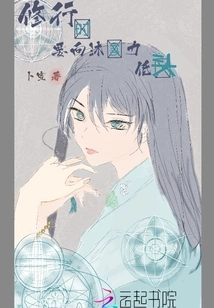
When Practicing, You Must Bow to Mu's Strength
Xianxia Fantasy修行时要向沐实力低头
G
Modern fictional fantasy, powerful forces join forces -- Introduction: In a city full of mystery, there is a Wu Mu who has no choice but to wash his hands in a golden basin, travels around the human world, and looks at everything with cold eyes. An unintentional contact can lead to many past events and past lives... When she picks up the ruler again, will it be the cry of the demon or the salvation of the common people? -- Protagonist: Wu Mu\\Qiu Yao The cold, inhumane and powerful female protagonist VS the evil, yandere, powerful and arrogant male protagonist -- Snippet: Wu Mu turned the beads on his wrist expressionlessly: "If you dare to plunder labor again, I'll slice it up and feed it to the giant fish." Qiu Yao raised his chin: "Are you referring to the giant fish in Minghai, or the giant fish in Qiuhai?" Wu Mu slapped her hand against it: "Is there any difference?" Qiu Yao rubbed his face: "You have chopped up the Minghai ones, and you have eaten and endangered the Qiuhai ones~" Wumu felt guilty: "..."
Modern fictional fantasy, powerful forces join forces -- Introduction: In a city full of mystery, there is a Wu Mu who has no choice but to wash his hands in a golden basin, travels around the human world, and looks at everything with cold eyes. An unintentional contact can lead to many past events and past lives... When she picks up the ruler again, will it be the cry of the demon or the salvation of the common people? -- Protagonist: Wu Mu\\Qiu Yao The cold, inhumane and powerful female protagonist VS the evil, yandere, powerful and arrogant male protagonist -- Snippet: Wu Mu turned the beads on his wrist expressionlessly: "If you dare to plunder labor again, I'll slice it up and feed it to the giant fish." Qiu Yao raised his chin: "Are you referring to the giant fish in Minghai, or the giant fish in Qiuhai?" Wu Mu slapped her hand against it: "Is there any difference?" Qiu Yao rubbed his face: "You have chopped up the Minghai ones, and you have eaten and endangered the Qiuhai ones~" Wumu felt guilty: "..."

仙女的爱情要不要
Z
Introduction to the novel: What, you are a fairy? I am still a great god, I said it! Do you like me? To repay the favor. Go, why do you think you are here for revenge... Zhou Zhou, a young diaosi who sweats and works hard all day long, works silently like countless people in the city. He thought he would live an ordinary life, but he did not expect that in times of crisis, he encountered He met a girl who claimed to be a fairy. From then on, his destiny changed unexpectedly. The Jade Emperor became his father-in-law, and he became his brother-in-law with gods such as Sun Wukong. He was omnipotent in heaven and earth, including gods, Taoism, and Buddha...
Introduction to the novel: What, you are a fairy? I am still a great god, I said it! Do you like me? To repay the favor. Go, why do you think you are here for revenge... Zhou Zhou, a young diaosi who sweats and works hard all day long, works silently like countless people in the city. He thought he would live an ordinary life, but he did not expect that in times of crisis, he encountered He met a girl who claimed to be a fairy. From then on, his destiny changed unexpectedly. The Jade Emperor became his father-in-law, and he became his brother-in-law with gods such as Sun Wukong. He was omnipotent in heaven and earth, including gods, Taoism, and Buddha...

X
General Fictionx
H
"Chao Sao" is a novella written by Yukio Mishima in 1953 after traveling to Kamishima. The story is set on an isolated island. The people on the island are simple-minded and have made a living by fishing for generations. Here, a pastoral and pastoral pure love sprouts. Shinji, a fisherman from a poor family, met and fell in love with Hatsue, a lady from a wealthy family. However, their relationship was not always smooth sailing. They were jealous of others and were also opposed by Hatsue's father. With their unswerving love, the two finally got married.
"Chao Sao" is a novella written by Yukio Mishima in 1953 after traveling to Kamishima. The story is set on an isolated island. The people on the island are simple-minded and have made a living by fishing for generations. Here, a pastoral and pastoral pure love sprouts. Shinji, a fisherman from a poor family, met and fell in love with Hatsue, a lady from a wealthy family. However, their relationship was not always smooth sailing. They were jealous of others and were also opposed by Hatsue's father. With their unswerving love, the two finally got married.
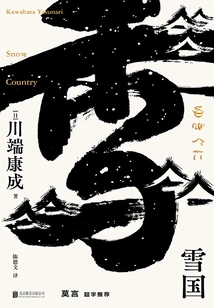
Q
General Fictionq
G
"Snow Country" is Kawabata Yasunari's highest masterpiece and a Nobel Prize-winning novel. The story begins with a train heading to the snowy country. The beautiful image descriptions in the work are integrated into the emotions of the characters, and the beauty of nothingness, cleanliness and sadness depicted reaches the extreme.
"Snow Country" is Kawabata Yasunari's highest masterpiece and a Nobel Prize-winning novel. The story begins with a train heading to the snowy country. The beautiful image descriptions in the work are integrated into the emotions of the characters, and the beauty of nothingness, cleanliness and sadness depicted reaches the extreme.
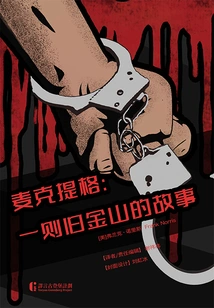
Mcteague: a San Francisco Story
General Fiction麦克提格:一则旧金山的故事
J
"McTeague: A San Francisco Story" is Frank Norris's masterpiece. It was published in 1899 and is known as the "Manifesto of American Naturalism." This book is based on real events. In 1893, a San Francisco man, Patrick Collins, murdered his miserly wife in an extremely brutal way and was eventually sentenced to hanging. Norris drew inspiration from the murder and wrote the classic novel "McTeague." The first half of the book truly describes the life of the lower class people in San Francisco at the end of the 19th century. The second half attributes the tragedy of the protagonist McTeague to a physical defect. The author describes his "kind appearance as an undercurrent of evil flowing from generation to generation." However, this work was once fiercely attacked by the American literary circle because of its bloody plot and comprehensive expression of the depravity of human nature. In the 1920s, the study of Norris experienced a renaissance. "McTeague" began to receive widespread attention again.
"McTeague: A San Francisco Story" is Frank Norris's masterpiece. It was published in 1899 and is known as the "Manifesto of American Naturalism." This book is based on real events. In 1893, a San Francisco man, Patrick Collins, murdered his miserly wife in an extremely brutal way and was eventually sentenced to hanging. Norris drew inspiration from the murder and wrote the classic novel "McTeague." The first half of the book truly describes the life of the lower class people in San Francisco at the end of the 19th century. The second half attributes the tragedy of the protagonist McTeague to a physical defect. The author describes his "kind appearance as an undercurrent of evil flowing from generation to generation." However, this work was once fiercely attacked by the American literary circle because of its bloody plot and comprehensive expression of the depravity of human nature. In the 1920s, the study of Norris experienced a renaissance. "McTeague" began to receive widespread attention again.

Small Portrait of British Migrant Workers
General Fiction英国农民工小像
L
There are two caravans in a strawberry field in Kent, England, one for men and one for women. Guests come from all over the world: Andrei, the son of a miner, from the old Ukraine, young and sexy Alina from the new Ukraine, as well as Poles Tomas, Marta and Yola, two Chinese girls, and Emmanuel from Malawi. They all go strawberry picking in Britain's delightful green lands. Today's Britain is not so pleasant for immigrants. There are people here who want to join the gang, such as Walker, who takes a liking to Alina at a glance and believes that kidnapping is the best way to court her. The same goes for Andre. He actually doesn't like Alina, but he must set out to find the girl he doesn't love...
There are two caravans in a strawberry field in Kent, England, one for men and one for women. Guests come from all over the world: Andrei, the son of a miner, from the old Ukraine, young and sexy Alina from the new Ukraine, as well as Poles Tomas, Marta and Yola, two Chinese girls, and Emmanuel from Malawi. They all go strawberry picking in Britain's delightful green lands. Today's Britain is not so pleasant for immigrants. There are people here who want to join the gang, such as Walker, who takes a liking to Alina at a glance and believes that kidnapping is the best way to court her. The same goes for Andre. He actually doesn't like Alina, but he must set out to find the girl he doesn't love...
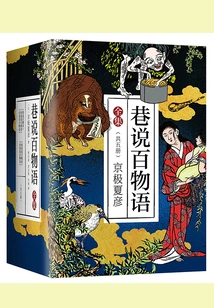
Tales from the Alley (complete Collection)
General Fiction巷说百物语(全集)
I
The well-known Japanese writer Natsuhiko Kyogoku is a masterpiece of monster novels, among which "A Hundred Monogatari in the Back Alley" won the 130th Naoki Award, and "A Hundred Monogatari in the West Alley" won the 24th Shibata Renzaburo Award. The texts in the series of "Hundred Stories of Stories from Alleys" are elegant, tactful, delicate and enchanting. They appear to be about monsters and chaos, but in fact they are about ghosts and ghosts. On summer nights, people dressed in green clothes gathered in a dark room, lit a hundred candles, and took turns telling scary stories, blowing out one candle after each story. According to legend, when all the candles are extinguished, a vision will be triggered and monsters will be awakened. The scholar Bai Jie traveled to various feudal states and collected monster legends. During the journey, he encounters three strange people: Youchi is a charming and well-mannered person, known as the "trickster"; Ayin, a geisha who is charming and graceful, is good at dancing with long sleeves and is good at operating puppets; Zhiping is a pirate who is sophisticated and good at disguise. Bai Jie began to get involved in a series of strange and ghostly things. He vaguely realized that these strange things were closely related to his three new friends...
The well-known Japanese writer Natsuhiko Kyogoku is a masterpiece of monster novels, among which "A Hundred Monogatari in the Back Alley" won the 130th Naoki Award, and "A Hundred Monogatari in the West Alley" won the 24th Shibata Renzaburo Award. The texts in the series of "Hundred Stories of Stories from Alleys" are elegant, tactful, delicate and enchanting. They appear to be about monsters and chaos, but in fact they are about ghosts and ghosts. On summer nights, people dressed in green clothes gathered in a dark room, lit a hundred candles, and took turns telling scary stories, blowing out one candle after each story. According to legend, when all the candles are extinguished, a vision will be triggered and monsters will be awakened. The scholar Bai Jie traveled to various feudal states and collected monster legends. During the journey, he encounters three strange people: Youchi is a charming and well-mannered person, known as the "trickster"; Ayin, a geisha who is charming and graceful, is good at dancing with long sleeves and is good at operating puppets; Zhiping is a pirate who is sophisticated and good at disguise. Bai Jie began to get involved in a series of strange and ghostly things. He vaguely realized that these strange things were closely related to his three new friends...
Sutri
General Fiction苏特里
H
Suttree gave up his privileged life, his wealthy family and his intellectual past, and chose to make a living by selling fish to restaurants on a dilapidated houseboat on the Tennessee River in Knoxville. The houseboat is located near a shanty town, populated by eccentrics and criminals: hermits, drunkards, thieves, scavengers, gravediggers, clam gatherers and witches. He became friends with Jones, the black man who owned the pub, and Harrogate, who was imprisoned for having a special fetish for watermelons. In this abandoned fringe of society, survive desolation and poverty with dignity with detachment and humor. At the end of the novel, Jones dies in a fight with the police, Harrogate is arrested for attempted robbery, Sutry suffers from typhoid fever and enters an endless dream, finally leaving Knoxville and heading towards a new life.
Suttree gave up his privileged life, his wealthy family and his intellectual past, and chose to make a living by selling fish to restaurants on a dilapidated houseboat on the Tennessee River in Knoxville. The houseboat is located near a shanty town, populated by eccentrics and criminals: hermits, drunkards, thieves, scavengers, gravediggers, clam gatherers and witches. He became friends with Jones, the black man who owned the pub, and Harrogate, who was imprisoned for having a special fetish for watermelons. In this abandoned fringe of society, survive desolation and poverty with dignity with detachment and humor. At the end of the novel, Jones dies in a fight with the police, Harrogate is arrested for attempted robbery, Sutry suffers from typhoid fever and enters an endless dream, finally leaving Knoxville and heading towards a new life.
S
General Fictions
H
"Oliver Twist" is a full-length realistic novel by the British writer Charles Dickens published in 1838. The work is set in the foggy city of London and tells the tragic life and experiences of an orphan. The protagonist Oliver grew up in an orphanage, experienced an apprenticeship, struggled to escape, accidentally fell into a den of thieves, and was forced to work with vicious murderers. He experienced countless hardships. Later, with the help of kind people, he found out his life experience and gained happiness. The book exposed many social problems at the time, such as workhouses, child labor, and gangs recruiting young people to participate in crime.
"Oliver Twist" is a full-length realistic novel by the British writer Charles Dickens published in 1838. The work is set in the foggy city of London and tells the tragic life and experiences of an orphan. The protagonist Oliver grew up in an orphanage, experienced an apprenticeship, struggled to escape, accidentally fell into a den of thieves, and was forced to work with vicious murderers. He experienced countless hardships. Later, with the help of kind people, he found out his life experience and gained happiness. The book exposed many social problems at the time, such as workhouses, child labor, and gangs recruiting young people to participate in crime.

Physical Harm
General Fiction肉体伤害
H
Renee, a female reporter for a popular magazine, had her left breast removed due to cancer, and her boyfriend left her to find a new love. With the desire to find a new life, she went to an island country in the Pacific to collect stories in the name of writing for a magazine. As soon as she sets foot on this tourist resort, she encounters a series of strange events. First, a mysterious woman asks her to deliver a suspicious box. Then Paul, a smart, capable and personable man, falls in love with her. However, his elusive behavior, like some of the weird tourists on the island, prevents Renee from seeing their true identity. In the end, a coup took place on the island, and Renee escaped after many hardships, and her outlook on life changed again... The novel depicts the undercurrent of desire for power in a satirical, thrilling and frightening way, and uses the image of disease to deeply depict the oppression of women by gender politics and the power relationship between the sexes.
Renee, a female reporter for a popular magazine, had her left breast removed due to cancer, and her boyfriend left her to find a new love. With the desire to find a new life, she went to an island country in the Pacific to collect stories in the name of writing for a magazine. As soon as she sets foot on this tourist resort, she encounters a series of strange events. First, a mysterious woman asks her to deliver a suspicious box. Then Paul, a smart, capable and personable man, falls in love with her. However, his elusive behavior, like some of the weird tourists on the island, prevents Renee from seeing their true identity. In the end, a coup took place on the island, and Renee escaped after many hardships, and her outlook on life changed again... The novel depicts the undercurrent of desire for power in a satirical, thrilling and frightening way, and uses the image of disease to deeply depict the oppression of women by gender politics and the power relationship between the sexes.
N
General Fictionn
H
"Gulliver's Travels" is a satirical travel novel written by the British writer Jonathan Swift, first published in 1726. The work uses the tone of Captain Rimel Gulliver to narrate his experience of traveling around four countries. Through Gulliver's adventures in Lilliput, Brobdingnag, the Flying Island Kingdom, and the Houyhnhnms Kingdom, it reflects the corruption and sin of the British ruling class in the first half of the 18th century. It also expresses the author's thoughts in a relatively perfect artistic form. The author used rich satire and fictional fantasy to write absurd and bizarre plots, which profoundly reflected the meaningless partisan struggle in the British Parliament at that time, the stupidity, decadence and profit-seeking of the ruling group, and exposed and criticized the cruelty of the colonial war; at the same time, it praised the heroic struggle of the colonial people against the rulers to a certain extent.
"Gulliver's Travels" is a satirical travel novel written by the British writer Jonathan Swift, first published in 1726. The work uses the tone of Captain Rimel Gulliver to narrate his experience of traveling around four countries. Through Gulliver's adventures in Lilliput, Brobdingnag, the Flying Island Kingdom, and the Houyhnhnms Kingdom, it reflects the corruption and sin of the British ruling class in the first half of the 18th century. It also expresses the author's thoughts in a relatively perfect artistic form. The author used rich satire and fictional fantasy to write absurd and bizarre plots, which profoundly reflected the meaningless partisan struggle in the British Parliament at that time, the stupidity, decadence and profit-seeking of the ruling group, and exposed and criticized the cruelty of the colonial war; at the same time, it praised the heroic struggle of the colonial people against the rulers to a certain extent.
P
General Fictionp
I
"Robinson Crusoe" is the representative work of the famous British writer Defoe in the 18th century. It is also the first true novel in the literary history of Britain and even Europe. The protagonist of the novel, Robinson Crusoe, was born in a middle-class family and aspired to travel around the world throughout his life. Once while sailing to Africa, he encountered a storm and drifted alone to an uninhabited desert island, where he began to live an isolated life. With his extraordinary will and unremitting efforts, he survived tenaciously on the desert island and returned to his hometown after twenty-eight years, two months and nineteen days. In this work, Defoe successfully created all the characteristics that a person should possess - bravery, wisdom, rationality, diligence, and strength. He also told people to survive tenaciously no matter what difficulties they encounter!
"Robinson Crusoe" is the representative work of the famous British writer Defoe in the 18th century. It is also the first true novel in the literary history of Britain and even Europe. The protagonist of the novel, Robinson Crusoe, was born in a middle-class family and aspired to travel around the world throughout his life. Once while sailing to Africa, he encountered a storm and drifted alone to an uninhabited desert island, where he began to live an isolated life. With his extraordinary will and unremitting efforts, he survived tenaciously on the desert island and returned to his hometown after twenty-eight years, two months and nineteen days. In this work, Defoe successfully created all the characteristics that a person should possess - bravery, wisdom, rationality, diligence, and strength. He also told people to survive tenaciously no matter what difficulties they encounter!
Writer's List Classics: the Moon and Sixpence
General Fiction作家榜经典:月亮与六便士
H
"There were six pennies all over the ground, but he looked up and saw the moon." Banker Charles, who was middle-aged and had a successful career, suddenly abandoned his wife and children and ran away from home in order to pursue his secret dream of painting. He knows very well that every identity of a person is a kind of self-kidnapping, and only losing it is the way to freedom. In a foreign country, he was poor and sick, but he became more determined and persistent in his dream. He said: I have to paint, just like a drowning person has to struggle. After experiencing various bizarre encounters, he came to an isolated island in the South Pacific, married a local girl and had children, and successfully created a series of stunning masterpieces. At this moment, he was struck down by terminal illness and blindness. Before he died, he made a decision that shocked everyone... The life is so long that it passes quickly. Some people can see dust, while others can see stars. Charles was the man who spent his life chasing the stars.
"There were six pennies all over the ground, but he looked up and saw the moon." Banker Charles, who was middle-aged and had a successful career, suddenly abandoned his wife and children and ran away from home in order to pursue his secret dream of painting. He knows very well that every identity of a person is a kind of self-kidnapping, and only losing it is the way to freedom. In a foreign country, he was poor and sick, but he became more determined and persistent in his dream. He said: I have to paint, just like a drowning person has to struggle. After experiencing various bizarre encounters, he came to an isolated island in the South Pacific, married a local girl and had children, and successfully created a series of stunning masterpieces. At this moment, he was struck down by terminal illness and blindness. Before he died, he made a decision that shocked everyone... The life is so long that it passes quickly. Some people can see dust, while others can see stars. Charles was the man who spent his life chasing the stars.
A Tale of Two Heroes
General Fiction双雄记
H
"The Count of Monte Cristo" is a work by the author Alexandre Dumas. It has been released for thirty years and is an eternal classic. It reproduces the original book illustrations. In France in 1799, the revolutionary blood had not faded. The king's head fell to the ground, the royalists were waiting for an opportunity to recover, and Napoleon wanted to seize power. Roland, Napoleon's right-hand man, and Morgan, a loyal nobleman of the previous dynasty. The two evenly matched people each belong to their own master. They have repeatedly clashed and fought with each other. Although their positions are different, they cherish each other. On the eve of the Wuyue Coup, various forces took turns to appear. This was a competition for power and a collision of beliefs. Should you live for your lover or die for your ideal?
"The Count of Monte Cristo" is a work by the author Alexandre Dumas. It has been released for thirty years and is an eternal classic. It reproduces the original book illustrations. In France in 1799, the revolutionary blood had not faded. The king's head fell to the ground, the royalists were waiting for an opportunity to recover, and Napoleon wanted to seize power. Roland, Napoleon's right-hand man, and Morgan, a loyal nobleman of the previous dynasty. The two evenly matched people each belong to their own master. They have repeatedly clashed and fought with each other. Although their positions are different, they cherish each other. On the eve of the Wuyue Coup, various forces took turns to appear. This was a competition for power and a collision of beliefs. Should you live for your lover or die for your ideal?
John Christopher Volume 3 Finale Volume
General Fiction约翰·克里斯朵夫·第三卷终结卷
H
Roland began brewing and conceiving in 1890 and completed the last volume in 1912, which took a total of more than twenty years. The novel describes the ups and downs but constant struggle of a talented musician of German descent, John Christoph. Creates a character full of unyielding spirit. This is a hero who belongs to the world, not a certain nation - Christophe constantly resists the decadent art and the vulgar social environment. After hitting the wall, he becomes more and more courageous, and constantly surpasses himself and pursues a higher spiritual realm. This is Beethoven's spirit and Roland's own spirit.
Roland began brewing and conceiving in 1890 and completed the last volume in 1912, which took a total of more than twenty years. The novel describes the ups and downs but constant struggle of a talented musician of German descent, John Christoph. Creates a character full of unyielding spirit. This is a hero who belongs to the world, not a certain nation - Christophe constantly resists the decadent art and the vulgar social environment. After hitting the wall, he becomes more and more courageous, and constantly surpasses himself and pursues a higher spiritual realm. This is Beethoven's spirit and Roland's own spirit.
Selected Novels by Chekhov
General Fiction契诃夫小说选
J
Chekhov was a writer with a strong sense of humor. In his novels, he cleverly produced laughter with subtly different emotional colors based on the different natures of the characters and events depicted. Light humor was often intertwined with bitter irony. Chekhov's novels are compact and concise, concise and concise, giving readers room for independent thinking.
Chekhov was a writer with a strong sense of humor. In his novels, he cleverly produced laughter with subtly different emotional colors based on the different natures of the characters and events depicted. Light humor was often intertwined with bitter irony. Chekhov's novels are compact and concise, concise and concise, giving readers room for independent thinking.