Library
Browse and search books
13,360 novels found
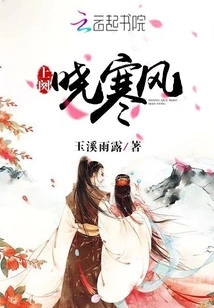
The Cold Wind at Dawn
Ancient Romance上阕晓寒风
S
Dear friends, be sure to give her more support and encouragement! She is the extremely noble princess in Yufeng City. She has been in a high position since she was a child. She is the fifth princess. She has a transcendent status and is above everyone else. Not only does she have an amazing and peerless appearance, but she is also extremely talented. Coupled with the careful cultivation in the palace, her talent and beauty complement each other. For her, her appearance is just the icing on the cake. Rumors circulated in the city: "The fifth princess is capable of bringing peace to the world with her pen, and is talented enough to calm the world's troubles; she is capable of riding horses to determine the world, and is brave and fearless enough to control the changes in the wind and clouds." People spread rumors that her appearance is like that of an immortal descending from the earth, otherworldly and admirable. However, fate seemed to have played a joke on her, causing her to marry Xiao Hong from Yuchanjian in a daze. Faced with this sudden change, her heart was filled with helplessness and struggle. In the end, she was forced to escape from the palace and embarked on a journey full of unknowns and hardships. On the way to escape, she was lucky enough to get acquainted with Han Xiaofeng, a literary and talented man, and Xiao Feng, a simple, kind-hearted, and powerful silly man. The three of them met and got to know each other. However, fate always seems to play tricks on people. During this journey, she gradually discovered that the two partners around her also had secrets, full of mystery and unknowns. Their true identities, past experiences, and scheming all seem to be shrouded in a layer of fog, making it difficult to grasp. Is the human heart as terrible as what is written in the picture book?
Dear friends, be sure to give her more support and encouragement! She is the extremely noble princess in Yufeng City. She has been in a high position since she was a child. She is the fifth princess. She has a transcendent status and is above everyone else. Not only does she have an amazing and peerless appearance, but she is also extremely talented. Coupled with the careful cultivation in the palace, her talent and beauty complement each other. For her, her appearance is just the icing on the cake. Rumors circulated in the city: "The fifth princess is capable of bringing peace to the world with her pen, and is talented enough to calm the world's troubles; she is capable of riding horses to determine the world, and is brave and fearless enough to control the changes in the wind and clouds." People spread rumors that her appearance is like that of an immortal descending from the earth, otherworldly and admirable. However, fate seemed to have played a joke on her, causing her to marry Xiao Hong from Yuchanjian in a daze. Faced with this sudden change, her heart was filled with helplessness and struggle. In the end, she was forced to escape from the palace and embarked on a journey full of unknowns and hardships. On the way to escape, she was lucky enough to get acquainted with Han Xiaofeng, a literary and talented man, and Xiao Feng, a simple, kind-hearted, and powerful silly man. The three of them met and got to know each other. However, fate always seems to play tricks on people. During this journey, she gradually discovered that the two partners around her also had secrets, full of mystery and unknowns. Their true identities, past experiences, and scheming all seem to be shrouded in a layer of fog, making it difficult to grasp. Is the human heart as terrible as what is written in the picture book?
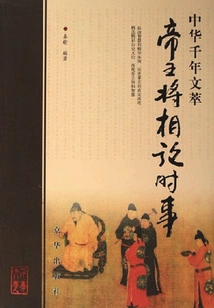
帝王将相论时事
I
Emperor Qin, Emperor Wu of Han, Emperor Zong of Tang and Song Ancestors, all these romantic heroes are "all gone". However, the merits and demerits and political wisdom they left to future generations have disappeared with the passage of time and the change of dynasties. On the contrary, it is with the passage of time and the change of dynasties that we are more impressed by the wisdom and strategies revealed by some of the incisive remarks of these emperors, generals and ministers. As the supreme ruler of a country, as the emperor, generals and ministers, they have the responsibility and obligation to maintain social order and maintain the stability of the country. The prerequisite for this is to have a deep understanding of the country under their rule and the current affairs at that time, which is related to the rise and fall of the country and the chaos of society. Therefore, their judgments on current affairs are often accurate and insightful.
Emperor Qin, Emperor Wu of Han, Emperor Zong of Tang and Song Ancestors, all these romantic heroes are "all gone". However, the merits and demerits and political wisdom they left to future generations have disappeared with the passage of time and the change of dynasties. On the contrary, it is with the passage of time and the change of dynasties that we are more impressed by the wisdom and strategies revealed by some of the incisive remarks of these emperors, generals and ministers. As the supreme ruler of a country, as the emperor, generals and ministers, they have the responsibility and obligation to maintain social order and maintain the stability of the country. The prerequisite for this is to have a deep understanding of the country under their rule and the current affairs at that time, which is related to the rise and fall of the country and the chaos of society. Therefore, their judgments on current affairs are often accurate and insightful.
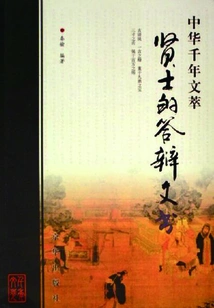
中华千年文萃:贤士的答辩文书
I
An old saying goes well: "One word of eloquence is more important than the treasure of the Nine Cauldrons; a three-inch tongue is stronger than a million teachers." In Chinese history, there have been countless famous eloquence talents. They relied on their "three-inch tongue" and "one word can build a country." These outstanding orators have left lasting stories for future generations. Looking back at the history of the development of human society, we will find that the role of defense in social development and people's own development is unquestionable. In order to provide readers with a broad world of eloquence and to improve the quality of their defense, the editor compiled this "Reply Documents of Magi" to classify and screen the defense documents of outstanding orators of all dynasties and select the best articles. The selected defense essays are clear in organization, thorough in reasoning, concise and beautiful in writing. They are popular in reading and profound in meaning. They can be regarded as eternal masterpieces. In the selection process, the editor consulted a large amount of information and referred to several versions, striving to include the best original works of all ancient and modern orators.
An old saying goes well: "One word of eloquence is more important than the treasure of the Nine Cauldrons; a three-inch tongue is stronger than a million teachers." In Chinese history, there have been countless famous eloquence talents. They relied on their "three-inch tongue" and "one word can build a country." These outstanding orators have left lasting stories for future generations. Looking back at the history of the development of human society, we will find that the role of defense in social development and people's own development is unquestionable. In order to provide readers with a broad world of eloquence and to improve the quality of their defense, the editor compiled this "Reply Documents of Magi" to classify and screen the defense documents of outstanding orators of all dynasties and select the best articles. The selected defense essays are clear in organization, thorough in reasoning, concise and beautiful in writing. They are popular in reading and profound in meaning. They can be regarded as eternal masterpieces. In the selection process, the editor consulted a large amount of information and referred to several versions, striving to include the best original works of all ancient and modern orators.

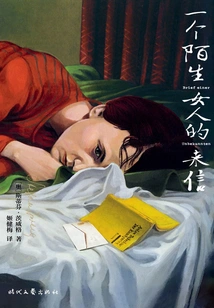
一个陌生女人的来信:茨威格中短篇小说选
H
This book is a collection of novels by the Austrian writer Zweig, including "Letter from an Unknown Woman" and five other masterpieces. The author's writing style is clear and delicate, with passionate emotion in the silence and pathos in the writing. "Letter from an Unknown Woman" was even evaluated by Gorky as "an astonishing masterpiece".
This book is a collection of novels by the Austrian writer Zweig, including "Letter from an Unknown Woman" and five other masterpieces. The author's writing style is clear and delicate, with passionate emotion in the silence and pathos in the writing. "Letter from an Unknown Woman" was even evaluated by Gorky as "an astonishing masterpiece".
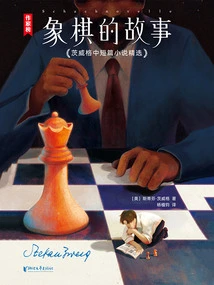
象棋的故事:茨威格中短篇小说精选
H
When you are in adversity and your life is at a loss, you must read "The Story of Chess"! On the large passenger ship sailing from New York, USA to the capital of Argentina, the world chess masters champion Centovic stole the show. He is a god in the minds of many chess enthusiasts - all passengers who play chess with him are mercilessly crushed by his three moves and two moves. However, when the figure of "Dr. B" appeared among the onlookers, the situation suddenly reversed. He thoughtfully and quietly gave instructions to his players until he succeeded in killing Centovic every step of the way. Witnessing all this, I became extremely curious about "Dr. When the pressure was so great that he was about to collapse, he accidentally obtained a compilation of chess games, memorized 150 chess games by heart, and began to play the game with himself in his mind. This honed his superb chess skills, and also made him often fall into anxiety and madness...
When you are in adversity and your life is at a loss, you must read "The Story of Chess"! On the large passenger ship sailing from New York, USA to the capital of Argentina, the world chess masters champion Centovic stole the show. He is a god in the minds of many chess enthusiasts - all passengers who play chess with him are mercilessly crushed by his three moves and two moves. However, when the figure of "Dr. B" appeared among the onlookers, the situation suddenly reversed. He thoughtfully and quietly gave instructions to his players until he succeeded in killing Centovic every step of the way. Witnessing all this, I became extremely curious about "Dr. When the pressure was so great that he was about to collapse, he accidentally obtained a compilation of chess games, memorized 150 chess games by heart, and began to play the game with himself in his mind. This honed his superb chess skills, and also made him often fall into anxiety and madness...
F
General FictionF
H
"The feelings that I once thought could only be understood and indescribable are now held in my own hands." Zweig's amazing talent and dual attainments in literature and psychology make his works unique. Gorky praised him as "no writer who understands women better than him", and Romain Rolland called him a "soul hunter". Freud, the master of psychoanalysis, marveled at his psychological description ability. This book includes famous "deep psychological" novels such as Zweig's "The Burning Secret", "Letter from a Strange Woman", "Emotional Confusion", "Twenty-Four Hours in a Woman's Life", "The Story of Chess", etc. It comprehensively and profoundly reveals the deep truth about desire, emotion and love. Each article is a research document regarded as a treasure by psychologists; each article is an excellent reading book for ordinary people to enjoy the charm of literature and understand their own emotions.
"The feelings that I once thought could only be understood and indescribable are now held in my own hands." Zweig's amazing talent and dual attainments in literature and psychology make his works unique. Gorky praised him as "no writer who understands women better than him", and Romain Rolland called him a "soul hunter". Freud, the master of psychoanalysis, marveled at his psychological description ability. This book includes famous "deep psychological" novels such as Zweig's "The Burning Secret", "Letter from a Strange Woman", "Emotional Confusion", "Twenty-Four Hours in a Woman's Life", "The Story of Chess", etc. It comprehensively and profoundly reveals the deep truth about desire, emotion and love. Each article is a research document regarded as a treasure by psychologists; each article is an excellent reading book for ordinary people to enjoy the charm of literature and understand their own emotions.
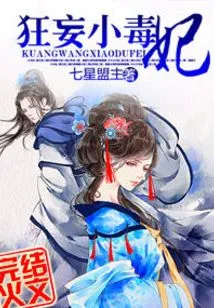
The King's Arrogant and Poisonous Concubine
Ancient Romance本王的狂妄毒妃
S
[This article is a house fight + cute baby + male and female protagonists who are physically and mentally clean + 1VS1 non-abuse female strong pet article] Feng Yunqing, the descendant of Yaogu, an ice beauty who was good at medicine and poisoning, died at the hands of her father's adopted sister. Shen Qingtong, the ninth lady of a family of imperial doctors, the most useless good-for-nothing in the family, was divorced before she was married, and hanged herself to death in shame and anger. When trash becomes a genius, what kind of wonderful reaction will occur? If she falls in love with someone, she will risk her life to save him; Even if someone who has nothing to do with her dies in front of her, she won't even bother to look at it! Even though he has the ability to rejuvenate, he has a perverse personality and should not be approached by strangers! Suddenly, the bad reputation of the poisonous woman spread throughout the world! However, even though her reputation is not very good, people who come to propose marriage are flocking to her, just because of her words: Only my people are worthy of my protection! Fragment one: One year, the queen's birthday was approaching. Wang (thought for a long time): It seems that I have never given her anything... Guard (face full of black lines): King, why not... Send flowers? So, the king searched all the flowers and plants in the palace, finally made up his mind, and picked a honeysuckle plant from a vine in the corner. He quickly held up the inconspicuous bouquet and handed it to the woman who was busy drying the herbs. A suspicious flush flashed across her stern face. "For you." A certain woman stared at the honeysuckle for a long time. After a long time, she said: "Honeysuckle, sweet and cold in nature, has a penetrating fragrance that can dispel evil spirits, disperse wind and heat, and clear away blood poison. King, are you feeling unwell?" Wang: No problem, I feel the wind and cold occasionally.
[This article is a house fight + cute baby + male and female protagonists who are physically and mentally clean + 1VS1 non-abuse female strong pet article] Feng Yunqing, the descendant of Yaogu, an ice beauty who was good at medicine and poisoning, died at the hands of her father's adopted sister. Shen Qingtong, the ninth lady of a family of imperial doctors, the most useless good-for-nothing in the family, was divorced before she was married, and hanged herself to death in shame and anger. When trash becomes a genius, what kind of wonderful reaction will occur? If she falls in love with someone, she will risk her life to save him; Even if someone who has nothing to do with her dies in front of her, she won't even bother to look at it! Even though he has the ability to rejuvenate, he has a perverse personality and should not be approached by strangers! Suddenly, the bad reputation of the poisonous woman spread throughout the world! However, even though her reputation is not very good, people who come to propose marriage are flocking to her, just because of her words: Only my people are worthy of my protection! Fragment one: One year, the queen's birthday was approaching. Wang (thought for a long time): It seems that I have never given her anything... Guard (face full of black lines): King, why not... Send flowers? So, the king searched all the flowers and plants in the palace, finally made up his mind, and picked a honeysuckle plant from a vine in the corner. He quickly held up the inconspicuous bouquet and handed it to the woman who was busy drying the herbs. A suspicious flush flashed across her stern face. "For you." A certain woman stared at the honeysuckle for a long time. After a long time, she said: "Honeysuckle, sweet and cold in nature, has a penetrating fragrance that can dispel evil spirits, disperse wind and heat, and clear away blood poison. King, are you feeling unwell?" Wang: No problem, I feel the wind and cold occasionally.
N
General Fictionn
H
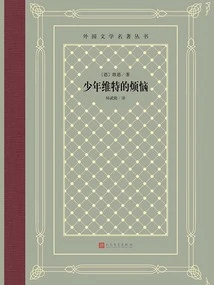
"The Sorrows of Young Werther" (1774) is a representative work of the "Sturm und Drang" movement. It is an epistolary novel written by Goethe based on his own experience. It depicts Werther's love tragedy and expresses the depression of a generation of European youth. After the novel came out, it became popular in Europe, setting off a wave of "Werther fever". When Napoleon was at war, he had this little book with him. For more than two hundred years, Werther's fate has touched generations of young people.
"The Sorrows of Young Werther" (1774) is a representative work of the "Sturm und Drang" movement. It is an epistolary novel written by Goethe based on his own experience. It depicts Werther's love tragedy and expresses the depression of a generation of European youth. After the novel came out, it became popular in Europe, setting off a wave of "Werther fever". When Napoleon was at war, he had this little book with him. For more than two hundred years, Werther's fate has touched generations of young people.
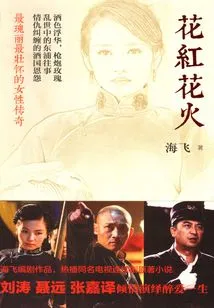
Bonus and Fireworks
General Fiction花红花火
I
The female winemaker's bonus was deliberately lost to Tian Shugen by her adoptive father. Tian Shucai took his brother's place to welcome the bride. On their wedding night, bandit Chen Sanpao robbed Tian's house and stole the bride's bonus. Before his death, Mr. Tian left a message to never allow the Tian family to take revenge on Chen Sanpao. Huahong Niang's wine won an international gold medal. Someone is coveting Tianjia Winery. In the open and covert competition, Huahong uses her mind to fight off the enemy and solve each difficulty. But the revenge flames of brothers and sisters Tian Shucai and Tian Mingliang have never been extinguished. The Japanese army entered the town and the world changed drastically. The war of resistance against Japan washed away and stirred up bonuses. With the help of the New Fourth Army, she put down the gang rebellion. Under the leadership of the New Fourth Army, she led her brothers to a surprise victory and cooperated with the New Fourth Army to successfully snipe the Japanese army amidst numerous crises.
The female winemaker's bonus was deliberately lost to Tian Shugen by her adoptive father. Tian Shucai took his brother's place to welcome the bride. On their wedding night, bandit Chen Sanpao robbed Tian's house and stole the bride's bonus. Before his death, Mr. Tian left a message to never allow the Tian family to take revenge on Chen Sanpao. Huahong Niang's wine won an international gold medal. Someone is coveting Tianjia Winery. In the open and covert competition, Huahong uses her mind to fight off the enemy and solve each difficulty. But the revenge flames of brothers and sisters Tian Shucai and Tian Mingliang have never been extinguished. The Japanese army entered the town and the world changed drastically. The war of resistance against Japan washed away and stirred up bonuses. With the help of the New Fourth Army, she put down the gang rebellion. Under the leadership of the New Fourth Army, she led her brothers to a surprise victory and cooperated with the New Fourth Army to successfully snipe the Japanese army amidst numerous crises.
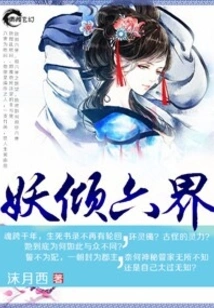
Demons Conquer the Six Realms
Fantasy Romance妖倾六界
A
What exactly happens after the graduation party? Was the time travel an accident or a conspiracy? The soul spans thousands of years, and the book of life and death no longer has reincarnation. Ring spirit bracelet? Weird psychic powers? Why is she so different? She swore not to be a concubine but was granted the title of princess. Why does the mysterious butler know everything? Or are you too ignorant? [Ignorant Foodie Chapter] Qian Xi: "If you follow my sister obediently, you will have meat to eat!" Hua Bai'er: "Stupid woman! Elves don't need to eat!" ... Qian Xi: "Look, this fruit is so beautiful!" After that, he took another bite of the fruit in his hand. Ming Xuan: "Princess, that is chickweed fruit, which is highly poisonous." Qian Xi: "Pfft!" She spit out all the fruit in her mouth. But it seems that someone has already eaten n. ... Qian Xi: "Is this chicken looking weird? But it tastes good!" In the dark. Ming Xuan felt helpless: "Princess, that's the Fengcrow Chicken. I'm afraid there will be a riot in the entire Qingling Village tomorrow." ... [Ignorant Alien Chapter] Qian Xi: "Bai'er, the man just now is very powerful. I promised him a condition, and he immediately rescued you." Hua Baier: "Stupid woman! He just lost his spiritual energy for me, you can do the same" There is a black line on Qian Xi's forehead. ... Qian Xi: "Look! The horse I caught is the most beautiful." Ming Xuan: "Xi'er, this is a Qilin horse." Qian Xi: "Doesn't it count as a horse? Then don't I lose?" Hua Bai'er: "Can you be more ignorant? That's the noble among horses, Even if they add up, you win. " ... Qian Xi: "Where does this silk come from? Is it so silky?" Maid: "Princess, this is the Red Demon Jade Clothes, which is the skin of a warm beast. The king specially hunted it for the princess from the Red Devil Mountain. " Qian Xi: "Oh? So, this is very precious?" Maid: "Yes, Princess." Qian Xi: "Then I will take back the horse that I rewarded you with." Maid: "Princess..." ... [Tenderness of Abuse] There is a river in the underworld, full of fragrance. The mirror looks like a phantom moon, bewitching people's hearts. The bottom of the river is full of bones, the end is bottomless, and the waterfall is silent. A glimpse of a figure, I didn't lose to anyone, I just lost to your empire, Your country... Thousands of years later, the story begins... [Male protagonist clip] What is life? What is death? Controlling the world, can a young man be affectionate? A book in your hand can kill thousands of people. Life and death in this world are determined by fate, and he is just a manipulator. Once that world-famous face was engraved in his heart, he was actually afraid of death... If you are here, in whose hands will the country be, and what does it have to do with me? ... (The male protagonist and the female protagonist are both physically and mentally healthy, one-on-one. This article is slow to develop. Although it is boring at the beginning, it will gradually become novel and humorous, and avoid similar articles.
What exactly happens after the graduation party? Was the time travel an accident or a conspiracy? The soul spans thousands of years, and the book of life and death no longer has reincarnation. Ring spirit bracelet? Weird psychic powers? Why is she so different? She swore not to be a concubine but was granted the title of princess. Why does the mysterious butler know everything? Or are you too ignorant? [Ignorant Foodie Chapter] Qian Xi: "If you follow my sister obediently, you will have meat to eat!" Hua Bai'er: "Stupid woman! Elves don't need to eat!" ... Qian Xi: "Look, this fruit is so beautiful!" After that, he took another bite of the fruit in his hand. Ming Xuan: "Princess, that is chickweed fruit, which is highly poisonous." Qian Xi: "Pfft!" She spit out all the fruit in her mouth. But it seems that someone has already eaten n. ... Qian Xi: "Is this chicken looking weird? But it tastes good!" In the dark. Ming Xuan felt helpless: "Princess, that's the Fengcrow Chicken. I'm afraid there will be a riot in the entire Qingling Village tomorrow." ... [Ignorant Alien Chapter] Qian Xi: "Bai'er, the man just now is very powerful. I promised him a condition, and he immediately rescued you." Hua Baier: "Stupid woman! He just lost his spiritual energy for me, you can do the same" There is a black line on Qian Xi's forehead. ... Qian Xi: "Look! The horse I caught is the most beautiful." Ming Xuan: "Xi'er, this is a Qilin horse." Qian Xi: "Doesn't it count as a horse? Then don't I lose?" Hua Bai'er: "Can you be more ignorant? That's the noble among horses, Even if they add up, you win. " ... Qian Xi: "Where does this silk come from? Is it so silky?" Maid: "Princess, this is the Red Demon Jade Clothes, which is the skin of a warm beast. The king specially hunted it for the princess from the Red Devil Mountain. " Qian Xi: "Oh? So, this is very precious?" Maid: "Yes, Princess." Qian Xi: "Then I will take back the horse that I rewarded you with." Maid: "Princess..." ... [Tenderness of Abuse] There is a river in the underworld, full of fragrance. The mirror looks like a phantom moon, bewitching people's hearts. The bottom of the river is full of bones, the end is bottomless, and the waterfall is silent. A glimpse of a figure, I didn't lose to anyone, I just lost to your empire, Your country... Thousands of years later, the story begins... [Male protagonist clip] What is life? What is death? Controlling the world, can a young man be affectionate? A book in your hand can kill thousands of people. Life and death in this world are determined by fate, and he is just a manipulator. Once that world-famous face was engraved in his heart, he was actually afraid of death... If you are here, in whose hands will the country be, and what does it have to do with me? ... (The male protagonist and the female protagonist are both physically and mentally healthy, one-on-one. This article is slow to develop. Although it is boring at the beginning, it will gradually become novel and humorous, and avoid similar articles.
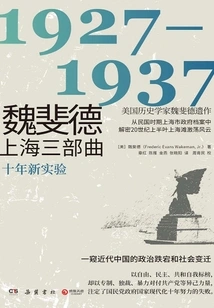
魏斐德上海三部曲:1927—1937
I
This book systematically describes the initial rule of Shanghai by the Kuomintang government relying on police force from 1927 to 1937, and clarifies many historical issues during this decade: such as the relationship between the central system and local forces; the role of secret organizations and criminal groups in corroding state institutions; the evolution of Shanghai's political organization under the pressure of the Japanese invasion and occupation, etc... The changes in Shanghai's municipal and police affairs are organically combined with the general political background of China at that time, which reflects the macro vision of a historian.
This book systematically describes the initial rule of Shanghai by the Kuomintang government relying on police force from 1927 to 1937, and clarifies many historical issues during this decade: such as the relationship between the central system and local forces; the role of secret organizations and criminal groups in corroding state institutions; the evolution of Shanghai's political organization under the pressure of the Japanese invasion and occupation, etc... The changes in Shanghai's municipal and police affairs are organically combined with the general political background of China at that time, which reflects the macro vision of a historian.
战国策(中国古代经典集粹)
H
Chinese classical literature is a shining classic or excellent work in the history of Chinese literature. It is an eye-catching treasure in the treasure house of world literature. For thousands of years, Chinese traditional culture has nurtured Chinese classical literature, and Chinese classical literature has greatly enriched Chinese traditional culture, making traditional culture more profoundly influential.
Chinese classical literature is a shining classic or excellent work in the history of Chinese literature. It is an eye-catching treasure in the treasure house of world literature. For thousands of years, Chinese traditional culture has nurtured Chinese classical literature, and Chinese classical literature has greatly enriched Chinese traditional culture, making traditional culture more profoundly influential.

J

Douluo Continent Moon Star Rare
Light Novel斗罗大陆之月明星稀
G
[Strong Female] Tang Mingxi, who lost his parents, accidentally fell off a cliff during a spring outing and then traveled to the world of Douluo Continent. How should she choose to live a new life?
[Strong Female] Tang Mingxi, who lost his parents, accidentally fell off a cliff during a spring outing and then traveled to the world of Douluo Continent. How should she choose to live a new life?

The Cat is Going to Travel
Light Novel猫儿要去旅行
E
Lin Nancheng turned into a cat, and after careful consideration he decided to go out to play. With this dream in mind, he began his journey. (This is my first time writing a novel, so please forgive me if it's not very good)
Lin Nancheng turned into a cat, and after careful consideration he decided to go out to play. With this dream in mind, he began his journey. (This is my first time writing a novel, so please forgive me if it's not very good)

Come to China Literature's website to read more of my works!

Ordinary Life after Marriage
Modern Romance婚后的平淡生活
W
It was a huge business marriage, but the groom was holding another woman during the wedding.
It was a huge business marriage, but the groom was holding another woman during the wedding.
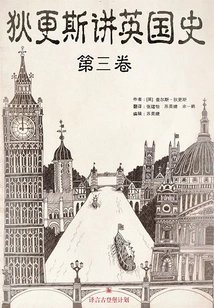
狄更斯讲英国史3
H
"Dickens Tells the History of England" is a set of history books written by the famous British writer Charles Dickens for his children. It was first serialized in the English weekly "Household Words" from January 1851 to December 1853; Dickens was also the editor of this magazine at that time. Divided into three volumes, this book tells the history of England from 50 BC to 1689 AD, when Queen Victoria ascended the throne, and also covers some major historical events in Scotland, Ireland and France. Although it is a history book, Dickens used a more interesting and story-telling literary writing technique, and created it on the basis of historical facts. He created the dialogue and characters' emotions in the text vividly, giving readers an immersive feeling...
"Dickens Tells the History of England" is a set of history books written by the famous British writer Charles Dickens for his children. It was first serialized in the English weekly "Household Words" from January 1851 to December 1853; Dickens was also the editor of this magazine at that time. Divided into three volumes, this book tells the history of England from 50 BC to 1689 AD, when Queen Victoria ascended the throne, and also covers some major historical events in Scotland, Ireland and France. Although it is a history book, Dickens used a more interesting and story-telling literary writing technique, and created it on the basis of historical facts. He created the dialogue and characters' emotions in the text vividly, giving readers an immersive feeling...
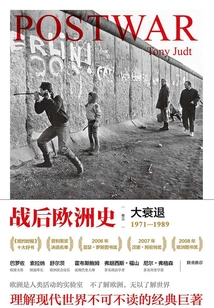
战后欧洲史(卷三):大衰退 1971-1989
I
R
R
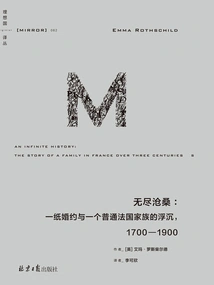
无尽沧桑:一纸婚约与一个普通法国家族的浮沉,1700—1900
P
Historian Emma Rothschild combined parish archives, tax records, memoirs and other materials to conduct a panoramic observation of the story of five generations of an ordinary French family, and restored a huge local social network around a prenuptial agreement, thus opening up a boundless historical time and space composed of many ordinary people. It is like a painting by Bruegel, with countless detailed historical contexts buried in it, telling the fear and love, uneasiness and hope of ordinary people of the same generation as Robespierre, Napoleon, Tocqueville, and Balzac, and describing the political, economic and social vicissitudes of France in the past three hundred years.
Historian Emma Rothschild combined parish archives, tax records, memoirs and other materials to conduct a panoramic observation of the story of five generations of an ordinary French family, and restored a huge local social network around a prenuptial agreement, thus opening up a boundless historical time and space composed of many ordinary people. It is like a painting by Bruegel, with countless detailed historical contexts buried in it, telling the fear and love, uneasiness and hope of ordinary people of the same generation as Robespierre, Napoleon, Tocqueville, and Balzac, and describing the political, economic and social vicissitudes of France in the past three hundred years.
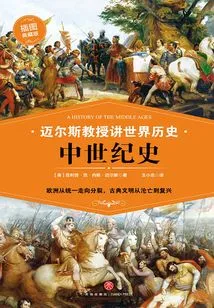
迈尔斯教授讲世界历史:中世纪史
I
This book is a medieval history textbook written by Professor Miles. It narrates the history from the Western Roman Empire to Columbus's discovery of the American continent.
This book is a medieval history textbook written by Professor Miles. It narrates the history from the Western Roman Empire to Columbus's discovery of the American continent.
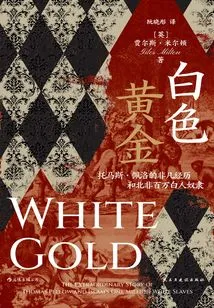
白色黄金:托马斯·佩洛的非凡经历和北非百万白人奴隶
I
In the two to three hundred years after 1500, millions of white Europeans were kidnapped by Muslims from their homes at sea or along the coast, and then sold in the slave markets of North Africa. The British boy Thomas Pellow was one of the white slaves. In the early 18th century, he was bought by the Moroccan Sultan Moulay Ismail. At that time, the sultan was building a magnificent palace, which was built entirely by white slaves. Because Pelo was younger and more resourceful, he became the Sultan's personal slave. Perrault witnessed both this cruel regime and the spectacular scene of this court. After more than twenty years of servitude, Pelo finally regained his freedom and wrote his own story. This book is mainly based on Perlow's experiences and other relevant documents.
In the two to three hundred years after 1500, millions of white Europeans were kidnapped by Muslims from their homes at sea or along the coast, and then sold in the slave markets of North Africa. The British boy Thomas Pellow was one of the white slaves. In the early 18th century, he was bought by the Moroccan Sultan Moulay Ismail. At that time, the sultan was building a magnificent palace, which was built entirely by white slaves. Because Pelo was younger and more resourceful, he became the Sultan's personal slave. Perrault witnessed both this cruel regime and the spectacular scene of this court. After more than twenty years of servitude, Pelo finally regained his freedom and wrote his own story. This book is mainly based on Perlow's experiences and other relevant documents.
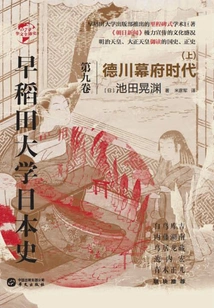
早稻田大学日本史(卷九):德川幕府时代(上)(华文全球史)
P
This book is an important document for studying the history of the Tokugawa Shogunate. It systematically tells the history of the four generations of shoguns: Tokugawa Ieyasu, Tokugawa Hidetada, Tokugawa Iemitsu, and Tokugawa Ietsuna. It is not only the history of the Tokugawa Shogunate's early consolidation of unification, but also the history of institutional design and orderly rule. After the death of Toyotomi Hideyoshi, the political situation in Japan changed drastically. How did Tokugawa Ieyasu stand out? In what ways did Tokugawa Ieyasu gain power and establish the shogunate? How did Tokugawa Ieyasu and Tokugawa Hidetada lay the foundation for their rule for more than 260 years? How were the attendance transfer and the shogunate system established? How were the Tokugawa Shogunate's financial problems solved? This book will answer them one by one.
This book is an important document for studying the history of the Tokugawa Shogunate. It systematically tells the history of the four generations of shoguns: Tokugawa Ieyasu, Tokugawa Hidetada, Tokugawa Iemitsu, and Tokugawa Ietsuna. It is not only the history of the Tokugawa Shogunate's early consolidation of unification, but also the history of institutional design and orderly rule. After the death of Toyotomi Hideyoshi, the political situation in Japan changed drastically. How did Tokugawa Ieyasu stand out? In what ways did Tokugawa Ieyasu gain power and establish the shogunate? How did Tokugawa Ieyasu and Tokugawa Hidetada lay the foundation for their rule for more than 260 years? How were the attendance transfer and the shogunate system established? How were the Tokugawa Shogunate's financial problems solved? This book will answer them one by one.
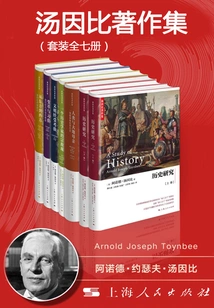
汤因比著作集(套装全七册)
H
The collection of Toynbee's works (set of 7 volumes) includes "Historical Studies (Part 1 and 2)", "Man and Mother Earth: A Narrative World History", "A Historian's View of Religion", "Civilizations Tested", "Customs and Change: Challenges of Our Times", and "From East to West: A Global Travel Note". \U003Cp\u003E\u003C\u002Fp\u003E "Man and Mother Earth" was written in 1973. It is Toynbee's last work. It is a panoramic survey of world history from a global perspective and a highly readable chronological historical work. In a lyrical and graceful style, Toynbee demonstrated the interrelationship between human beings and their living environment, described the entire process of the origin, development, interaction and integration of human civilization, and systematically introduced the types of civilizations in various periods and regions of the world from 500,000 years ago to the 1970s. \U003Cp\u003E\u003C\u002Fp\u003E In "Historical Research", Toynbee listed more than twenty living or dead civilization forms in world history, and made a comprehensive comparison of their respective developments. Toynbee believed that culture suffered through the "challenge" of the environment. The growth of culture is determined by the historical activities of a few great figures who "retired" and "reappeared"; the decline of culture comes from the loss of creative ability by a few creators, and the majority of people accordingly no longer support and imitate, and the entire society loses its ability to challenge new challenges; the disintegration of civilization lies in the split of the social system and soul. "Historical Research" breaks away from Western centralism and the historical view of linear development of a single history, and has a lofty status in Western historical and philosophical works. \U003Cbr\u002F\u003E\u003Cp\u003E\u003C\u002Fp\u003EFebruary 1956 to August 1957 After retiring, Toynbee and his wife undertook a 17-month global trip to three continents and nearly 20 countries and regions. "From East to West: Toynbee's Global Travels" is his travel diary of this trip. Different from ordinary travel notes, this book is not a continuous account of this trip, but a series of scanned accounts worthy of attention based on Toynbee's unique insights and his profound understanding of world history, geography and religious life. For readers of Toynbee's other series of works, this book provides a fascinating supplement, not only reflecting Toynbee's unique historical wisdom at every turn, but also a precious account of a part of the world in the 1950s. \U003Cp\u003E\u003C\u002Fp\u003EIn Toynbee's view of history, religion occupies a special position. He believed that religion was essential for understanding human nature and correcting human self-centeredness. "A Historian's View of Religion" is Toynbee's work on the relationship between religion and society. It can be said to include all of his religious thoughts. The book is divided into two parts, namely "The Germination of Advanced Religion" and "Religion in the Westernized World". It reveals the important role of religion in world history and the history of civilization from a cultural perspective, and explores the origin, essence and relationship between religion and other ideologies. At the same time, it focuses on reflection on Western culture and believes that the revitalization of "advanced religion" can be used to solve the crisis of Western society. \U003Cp\u003E\u003C\u002Fp\u003E "Change and Custom: Challenges Facing Our Times" is Toynbee's work with a strong sense of mission, written in the 1960s. In response to the problems existing in the world at that time, such as the threat of human destruction caused by the arms race, global population surge, religious disputes, and environmental damage caused by over-development, Toynbee started from whether human habits can be changed. Through the analysis and research of past history, he pointed out that, unlike nature, human habits can be changed when faced with inescapable choices. Although the analysis in this book deals with the world of the 1960s, most of the issues mentioned still exist or are even more pressing today. \U003Cp\u003E\u003C\u002Fp\u003E "Civilization Stands the Test" is a collection of Toynbee's series of articles about the relationship between civilization and reality in the mid-20th century, which shows his consistent strong concern for the destiny of mankind. If Toynbee believes that human history as a whole, an irreversible movement in time and space, can be understood within a certain limit, then the real world after World War II has become the background for his view of the history of civilization at this moment. In this book, Toynbee's realistic concern and historical philosophy met after World War II, and the result of the challenge and response was the "world government" and "higher religion" that he repeatedly emphasized. He hoped that different human civilizations could shake hands and realize that the future and destiny of mankind must find a suitable way to live in peace, maintain vitality, and continue to develop. His feelings of compassion for mankind are vividly displayed on the page.
The collection of Toynbee's works (set of 7 volumes) includes "Historical Studies (Part 1 and 2)", "Man and Mother Earth: A Narrative World History", "A Historian's View of Religion", "Civilizations Tested", "Customs and Change: Challenges of Our Times", and "From East to West: A Global Travel Note". \U003Cp\u003E\u003C\u002Fp\u003E "Man and Mother Earth" was written in 1973. It is Toynbee's last work. It is a panoramic survey of world history from a global perspective and a highly readable chronological historical work. In a lyrical and graceful style, Toynbee demonstrated the interrelationship between human beings and their living environment, described the entire process of the origin, development, interaction and integration of human civilization, and systematically introduced the types of civilizations in various periods and regions of the world from 500,000 years ago to the 1970s. \U003Cp\u003E\u003C\u002Fp\u003E In "Historical Research", Toynbee listed more than twenty living or dead civilization forms in world history, and made a comprehensive comparison of their respective developments. Toynbee believed that culture suffered through the "challenge" of the environment. The growth of culture is determined by the historical activities of a few great figures who "retired" and "reappeared"; the decline of culture comes from the loss of creative ability by a few creators, and the majority of people accordingly no longer support and imitate, and the entire society loses its ability to challenge new challenges; the disintegration of civilization lies in the split of the social system and soul. "Historical Research" breaks away from Western centralism and the historical view of linear development of a single history, and has a lofty status in Western historical and philosophical works. \U003Cbr\u002F\u003E\u003Cp\u003E\u003C\u002Fp\u003EFebruary 1956 to August 1957 After retiring, Toynbee and his wife undertook a 17-month global trip to three continents and nearly 20 countries and regions. "From East to West: Toynbee's Global Travels" is his travel diary of this trip. Different from ordinary travel notes, this book is not a continuous account of this trip, but a series of scanned accounts worthy of attention based on Toynbee's unique insights and his profound understanding of world history, geography and religious life. For readers of Toynbee's other series of works, this book provides a fascinating supplement, not only reflecting Toynbee's unique historical wisdom at every turn, but also a precious account of a part of the world in the 1950s. \U003Cp\u003E\u003C\u002Fp\u003EIn Toynbee's view of history, religion occupies a special position. He believed that religion was essential for understanding human nature and correcting human self-centeredness. "A Historian's View of Religion" is Toynbee's work on the relationship between religion and society. It can be said to include all of his religious thoughts. The book is divided into two parts, namely "The Germination of Advanced Religion" and "Religion in the Westernized World". It reveals the important role of religion in world history and the history of civilization from a cultural perspective, and explores the origin, essence and relationship between religion and other ideologies. At the same time, it focuses on reflection on Western culture and believes that the revitalization of "advanced religion" can be used to solve the crisis of Western society. \U003Cp\u003E\u003C\u002Fp\u003E "Change and Custom: Challenges Facing Our Times" is Toynbee's work with a strong sense of mission, written in the 1960s. In response to the problems existing in the world at that time, such as the threat of human destruction caused by the arms race, global population surge, religious disputes, and environmental damage caused by over-development, Toynbee started from whether human habits can be changed. Through the analysis and research of past history, he pointed out that, unlike nature, human habits can be changed when faced with inescapable choices. Although the analysis in this book deals with the world of the 1960s, most of the issues mentioned still exist or are even more pressing today. \U003Cp\u003E\u003C\u002Fp\u003E "Civilization Stands the Test" is a collection of Toynbee's series of articles about the relationship between civilization and reality in the mid-20th century, which shows his consistent strong concern for the destiny of mankind. If Toynbee believes that human history as a whole, an irreversible movement in time and space, can be understood within a certain limit, then the real world after World War II has become the background for his view of the history of civilization at this moment. In this book, Toynbee's realistic concern and historical philosophy met after World War II, and the result of the challenge and response was the "world government" and "higher religion" that he repeatedly emphasized. He hoped that different human civilizations could shake hands and realize that the future and destiny of mankind must find a suitable way to live in peace, maintain vitality, and continue to develop. His feelings of compassion for mankind are vividly displayed on the page.
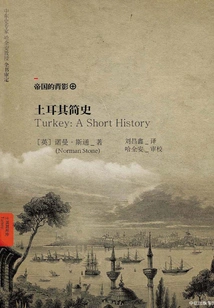
A Brief History of Türkiye
History土耳其简史
I
On April 16, 2017, Turkey's referendum on constitutional amendments ended. The people agreed to change the prime ministerial system to a presidential system, giving the president greater power, causing an uproar around the world. Why does a country's constitutional reform affect the world? What impact will the political changes in Türkiye have on world politics? The famous historian Norman Stone started writing 1,000 years ago and narrated the vicissitudes of Turkey's past. In a few words, he wrote from the Seljuks in Anatolia in the 11th century to Turkey's application to join the European Union in the 21st century, from the Ottoman Turkish Empire to the Republic of Turkey. He also made an in-depth analysis of the post-World War I Turkey that was full of turmoil and conflicts due to factors such as East and West, religion, tradition, and modernization, and even affected the country's positioning. Only by understanding Turkey's rise and fall, national awakening, religious resistance, etc. Can you understand why Turkey, a country at the junction of Europe and Asia, has become an "Eastern problem" in the past century.
On April 16, 2017, Turkey's referendum on constitutional amendments ended. The people agreed to change the prime ministerial system to a presidential system, giving the president greater power, causing an uproar around the world. Why does a country's constitutional reform affect the world? What impact will the political changes in Türkiye have on world politics? The famous historian Norman Stone started writing 1,000 years ago and narrated the vicissitudes of Turkey's past. In a few words, he wrote from the Seljuks in Anatolia in the 11th century to Turkey's application to join the European Union in the 21st century, from the Ottoman Turkish Empire to the Republic of Turkey. He also made an in-depth analysis of the post-World War I Turkey that was full of turmoil and conflicts due to factors such as East and West, religion, tradition, and modernization, and even affected the country's positioning. Only by understanding Turkey's rise and fall, national awakening, religious resistance, etc. Can you understand why Turkey, a country at the junction of Europe and Asia, has become an "Eastern problem" in the past century.
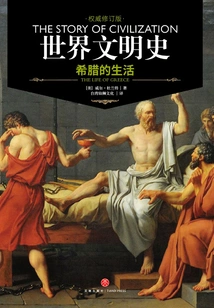
世界文明史:希腊的生活
G
This book describes the glorious but turbulent life of ancient Greece, the origin, growth, maturity and decline of Greek civilization, the subtle but not man-made ups and downs of its complex cultural rise and fall, and the changes in its basic factors. In Western culture, except for machinery, there is almost no modern thing that is not handed down from Greece. However, despite their repeated efforts, the Greeks failed to achieve integrity, unity and peace in their politics. They even fell into the chaos of civil war and class antagonism. They lost their land and destroyed the morale of the people. They finally surrendered to Eastern dictatorship, quietism and mysticism. In the end, they almost took the initiative to welcome the conquering Romans. Through the Romans, the dying ancient Greece passed its science, philosophy, literature, and art to Europeans, becoming the vivid cultural cornerstone of our modern world.
This book describes the glorious but turbulent life of ancient Greece, the origin, growth, maturity and decline of Greek civilization, the subtle but not man-made ups and downs of its complex cultural rise and fall, and the changes in its basic factors. In Western culture, except for machinery, there is almost no modern thing that is not handed down from Greece. However, despite their repeated efforts, the Greeks failed to achieve integrity, unity and peace in their politics. They even fell into the chaos of civil war and class antagonism. They lost their land and destroyed the morale of the people. They finally surrendered to Eastern dictatorship, quietism and mysticism. In the end, they almost took the initiative to welcome the conquering Romans. Through the Romans, the dying ancient Greece passed its science, philosophy, literature, and art to Europeans, becoming the vivid cultural cornerstone of our modern world.
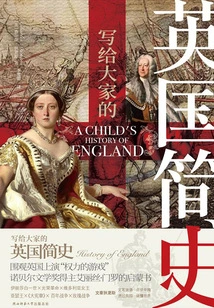
写给大家的英国简史
H
"A Brief History of Britain for Everyone" is written in humorous and easy-to-understand language. It narrates the long history and is both story-telling and literary. The book spans from 50 BC to 1689 AD, telling the story of King Arthur, the Hundred Years' War, the Tudor Dynasty, Bloody Mary, Elizabeth I, Henry VIII and other important eras and figures. Through the rise and fall of dynasties and the ups and downs of monarchs, Dickens conveys profound thoughts on history and inspires readers to think about larger life issues through history.
"A Brief History of Britain for Everyone" is written in humorous and easy-to-understand language. It narrates the long history and is both story-telling and literary. The book spans from 50 BC to 1689 AD, telling the story of King Arthur, the Hundred Years' War, the Tudor Dynasty, Bloody Mary, Elizabeth I, Henry VIII and other important eras and figures. Through the rise and fall of dynasties and the ups and downs of monarchs, Dickens conveys profound thoughts on history and inspires readers to think about larger life issues through history.
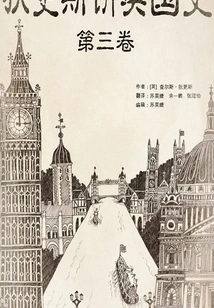
狄更斯讲英国史(第三卷)
H
The third volume of this book (chapters 26 to 37) first narrates the establishment, development, peak and termination of the Tudor dynasty after the English Civil War and the "War of the Roses"; it includes the religious reform during the reign of Henry VIII and the curious private life of this king, the bloody reign of Queen Mary and the "golden age" during the reign of Elizabeth I. This period also provided countless materials for ancient and modern writers, film and television producers. The most noteworthy related works include Mark Twain's "The Prince and the Pauper", the American Sh·wtime TV series "The Tudors", countless movies, TV series and biographies of Elizabeth I, etc.
The third volume of this book (chapters 26 to 37) first narrates the establishment, development, peak and termination of the Tudor dynasty after the English Civil War and the "War of the Roses"; it includes the religious reform during the reign of Henry VIII and the curious private life of this king, the bloody reign of Queen Mary and the "golden age" during the reign of Elizabeth I. This period also provided countless materials for ancient and modern writers, film and television producers. The most noteworthy related works include Mark Twain's "The Prince and the Pauper", the American Sh·wtime TV series "The Tudors", countless movies, TV series and biographies of Elizabeth I, etc.
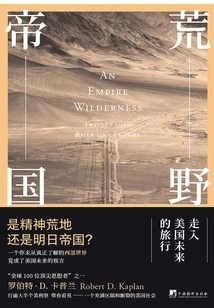
荒野帝国:走入美国未来的旅行
V
From 1995 to 1997, Kaplan embarked on a western journey from Kansas to the West Coast in his native United States. Through political and cultural perspectives, he discovered a transforming United States in geographical details: This big country is not in decline, but is slowly and irreversibly transforming into a new identity. Kaplan traveled from St. Louis in the center of the United States to Portland in the west, from the Canadian border in the north to the Mexican border in the south. During his travels, Kaplan discovered a new America: an America full of divisions and fractures in terms of race, class, education, and geography. In this America, wealth is increasing rapidly, but the gap between rich and poor is also widening; traditional beliefs have passed away, and new beliefs are only in their infancy. In "Wild Empire: A Journey into America's Future," Kaplan examines the United States with a keen and penetrating eye, interpreting the United States' future through reflections on its past, and ultimately points out that the most successful country in the world has entered the final and highly unknown phase of its history. In this era that is heavily influenced and infiltrated by American culture and values, "Wild Empire" undoubtedly provides an entrance for Chinese readers to "step into" the past and future of the United States. Kaplan's narration of his own journey allows us to be immersed in the scene and understand what has happened and what will happen in this land.
From 1995 to 1997, Kaplan embarked on a western journey from Kansas to the West Coast in his native United States. Through political and cultural perspectives, he discovered a transforming United States in geographical details: This big country is not in decline, but is slowly and irreversibly transforming into a new identity. Kaplan traveled from St. Louis in the center of the United States to Portland in the west, from the Canadian border in the north to the Mexican border in the south. During his travels, Kaplan discovered a new America: an America full of divisions and fractures in terms of race, class, education, and geography. In this America, wealth is increasing rapidly, but the gap between rich and poor is also widening; traditional beliefs have passed away, and new beliefs are only in their infancy. In "Wild Empire: A Journey into America's Future," Kaplan examines the United States with a keen and penetrating eye, interpreting the United States' future through reflections on its past, and ultimately points out that the most successful country in the world has entered the final and highly unknown phase of its history. In this era that is heavily influenced and infiltrated by American culture and values, "Wild Empire" undoubtedly provides an entrance for Chinese readers to "step into" the past and future of the United States. Kaplan's narration of his own journey allows us to be immersed in the scene and understand what has happened and what will happen in this land.
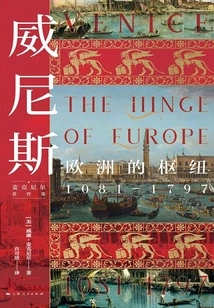
威尼斯:欧洲的枢纽1081—1797
I
From 1081 to 1797, after seven hundred years of competition among heroes, Venice suddenly emerged, straddling the east and west, achieving hegemony in the Mediterranean and changing the course of European and world history. McNeil tells the story of the ups and downs of Venice, the "maritime empire", with an epic writing style that is penetrating and vivid, and the grand history is vividly written on the page, making people infinitely fascinated and imaginative... McNeil regards Venice as a European hub from the Middle Ages to the early modern period, and describes the exchanges and conflicts between Latin Christian countries, Eastern European Orthodox countries, and Islamic countries. The cultural integration and civilizational interaction with Venice as a transit point had an important impact on the formation of modern Europe.
From 1081 to 1797, after seven hundred years of competition among heroes, Venice suddenly emerged, straddling the east and west, achieving hegemony in the Mediterranean and changing the course of European and world history. McNeil tells the story of the ups and downs of Venice, the "maritime empire", with an epic writing style that is penetrating and vivid, and the grand history is vividly written on the page, making people infinitely fascinated and imaginative... McNeil regards Venice as a European hub from the Middle Ages to the early modern period, and describes the exchanges and conflicts between Latin Christian countries, Eastern European Orthodox countries, and Islamic countries. The cultural integration and civilizational interaction with Venice as a transit point had an important impact on the formation of modern Europe.
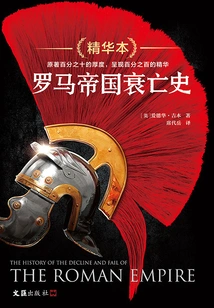
罗马帝国衰亡史(精华本)
J
The thickness of the original work is 10%, but the essence is 100% presented! It condenses the three essences of the original work - each chapter contains dramatic turning points, each chapter has unique analysis, and every page is filled with beautiful writing! In 1787, Edward Gibbon's "The Decline and Fall of the Roman Empire" was published. Over the past two hundred years, "The History of Decline and Decline" has become a supreme classic with its three essences: 1. A summary of the great changes in history; 2. An incisive and unique analysis; 3. Beautiful writing. It is these three essences that make it still the supreme classic in the field of literature and history. However, the original work of 5 million words has deterred many readers. To this end, the Essence Edition condenses twelve original works, retaining the three essences of the original works at one-tenth the thickness.
The thickness of the original work is 10%, but the essence is 100% presented! It condenses the three essences of the original work - each chapter contains dramatic turning points, each chapter has unique analysis, and every page is filled with beautiful writing! In 1787, Edward Gibbon's "The Decline and Fall of the Roman Empire" was published. Over the past two hundred years, "The History of Decline and Decline" has become a supreme classic with its three essences: 1. A summary of the great changes in history; 2. An incisive and unique analysis; 3. Beautiful writing. It is these three essences that make it still the supreme classic in the field of literature and history. However, the original work of 5 million words has deterred many readers. To this end, the Essence Edition condenses twelve original works, retaining the three essences of the original works at one-tenth the thickness.
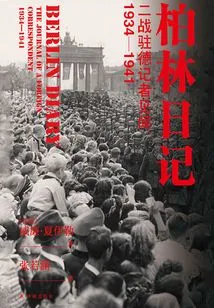
柏林日记:二战驻德记者见闻:1934-1941(方尖碑)
M
From 1934 to 1941, William Shirer, as a reporter stationed in Germany, witnessed and reported on the entire process of the nascent Nazi Germany gradually dragging the entire Europe and even the world into the abyss of war. He experienced major historical events such as the riots at the Place de la Concorde, the German annexation of Austria, and the partition of Czechoslovakia, and promptly conveyed to the world a large amount of first-hand information on battlefields such as the Battle of Poland, the Battle of Norway, the Battle of France, and the British Air War. During his stay in Berlin, he had close contact with high-level German officials such as Hitler, Goering, and Goebbels, as well as diplomats and media personnel from Britain and the United States, and made meticulous observations of all aspects of German political life. "Berlin Diary: Observations of a Correspondent in Germany during World War II, 1934-1941" contains Shirer's records and reflections on the situation in Europe and the daily lives of ordinary people, and later gave birth to the classic masterpiece "The Rise and Fall of the Third Reich: A History of Nazi Germany".
From 1934 to 1941, William Shirer, as a reporter stationed in Germany, witnessed and reported on the entire process of the nascent Nazi Germany gradually dragging the entire Europe and even the world into the abyss of war. He experienced major historical events such as the riots at the Place de la Concorde, the German annexation of Austria, and the partition of Czechoslovakia, and promptly conveyed to the world a large amount of first-hand information on battlefields such as the Battle of Poland, the Battle of Norway, the Battle of France, and the British Air War. During his stay in Berlin, he had close contact with high-level German officials such as Hitler, Goering, and Goebbels, as well as diplomats and media personnel from Britain and the United States, and made meticulous observations of all aspects of German political life. "Berlin Diary: Observations of a Correspondent in Germany during World War II, 1934-1941" contains Shirer's records and reflections on the situation in Europe and the daily lives of ordinary people, and later gave birth to the classic masterpiece "The Rise and Fall of the Third Reich: A History of Nazi Germany".
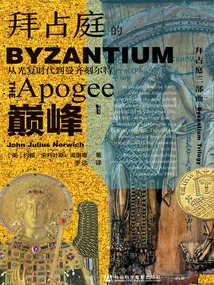
拜占庭的巅峰:从光复时代到曼齐刻尔特
U
This book is the second volume of the "Byzantine Trilogy". Starting in 800 AD when Pope Leo III gave the crown and the title of Roman Emperor to Charlemagne, in less than 300 years, the Byzantine Empire continued to experience domestic political and religious turmoil, as well as harassment from foreign races such as the Goths, Bulgars, and Saracens. During the reign of Basil II, the "Butcher of Bulgaria", the empire reached its peak, but was defeated by the Turks at the Battle of Manzikert in 1071 and began to decline. However, at the end of this volume, a heroic savior is welcomed - Alexius Komnenos, who will once again save the empire in crisis.
This book is the second volume of the "Byzantine Trilogy". Starting in 800 AD when Pope Leo III gave the crown and the title of Roman Emperor to Charlemagne, in less than 300 years, the Byzantine Empire continued to experience domestic political and religious turmoil, as well as harassment from foreign races such as the Goths, Bulgars, and Saracens. During the reign of Basil II, the "Butcher of Bulgaria", the empire reached its peak, but was defeated by the Turks at the Battle of Manzikert in 1071 and began to decline. However, at the end of this volume, a heroic savior is welcomed - Alexius Komnenos, who will once again save the empire in crisis.
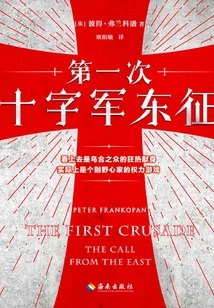
First Crusade
History第一次十字军东征
Q
Analyze the real power game behind the Crusaders! The mob is at the mercy of others! What seems to be the fanatical devotion of a mob is actually a power game played by individual careerists! A classic work by the author of the best-selling masterpiece "The Silk Roads: A New History of the World" that shocked 23 countries. A must-see story of the Crusades, translated into 10 languages. Using new historical materials, we analyze the power games behind the Crusades and reveal the underlying motivations of the fanatical crusade. Open this book and uncover the real power games behind the fanatical Crusades! At the end of the 11th century, tens of thousands of Crusaders embarked on the tragic Eastern Expedition without hesitation. They naively believed that taking back Jerusalem from the hands of the pagans and rescuing the abused Eastern Christians was the sacred mission given to them by God. But history is far from simple. In the final analysis, the Crusaders were a fanatical rabble. From the beginning, they were just pawns in this power game...
Analyze the real power game behind the Crusaders! The mob is at the mercy of others! What seems to be the fanatical devotion of a mob is actually a power game played by individual careerists! A classic work by the author of the best-selling masterpiece "The Silk Roads: A New History of the World" that shocked 23 countries. A must-see story of the Crusades, translated into 10 languages. Using new historical materials, we analyze the power games behind the Crusades and reveal the underlying motivations of the fanatical crusade. Open this book and uncover the real power games behind the fanatical Crusades! At the end of the 11th century, tens of thousands of Crusaders embarked on the tragic Eastern Expedition without hesitation. They naively believed that taking back Jerusalem from the hands of the pagans and rescuing the abused Eastern Christians was the sacred mission given to them by God. But history is far from simple. In the final analysis, the Crusaders were a fanatical rabble. From the beginning, they were just pawns in this power game...
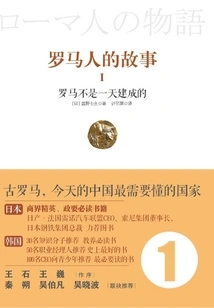
罗马人的故事1:罗马不是一天建成的
H
As the first in a series of works, it tells the history of Rome during the five hundred years from its founding to the First and Second Punic Wars. It's a story over a long period of suffering, and even in its heyday it was often a step forward and a half step back. The important reason why Rome was able to achieve great success was basically germinated during these five hundred years. Just as a person begins to understand the true value of the strength he accumulated in his teenage years until he is thirty years old.
As the first in a series of works, it tells the history of Rome during the five hundred years from its founding to the First and Second Punic Wars. It's a story over a long period of suffering, and even in its heyday it was often a step forward and a half step back. The important reason why Rome was able to achieve great success was basically germinated during these five hundred years. Just as a person begins to understand the true value of the strength he accumulated in his teenage years until he is thirty years old.
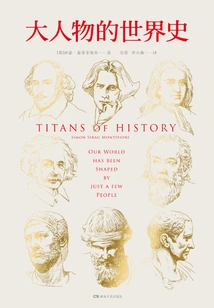
大人物的世界史(《耶路撒冷三千年》作者经典之作)
J
Montefiore, an indispensable historian of our time and author of "Three Thousand Years of Jerusalem", tells the history of 3,000 years of world figures. History is not shaped by a few people, but they have more or less changed the direction of history. They were prophets, kings, queens, poets, artists, philosophers, conquerors, explorers, prostitutes. They are either noble and brave, with unique charm, intelligence and creativity; or they are reckless, arrogant, shameless and almost crazy; or they are a combination of the two, a contradiction between heroes and beasts. Simon Montefiore uses vivid writing, detailed information, and chronological order to tell the lives and anecdotes of more than 100 historical giants, thus forming a world history spanning more than 3,000 years.
Montefiore, an indispensable historian of our time and author of "Three Thousand Years of Jerusalem", tells the history of 3,000 years of world figures. History is not shaped by a few people, but they have more or less changed the direction of history. They were prophets, kings, queens, poets, artists, philosophers, conquerors, explorers, prostitutes. They are either noble and brave, with unique charm, intelligence and creativity; or they are reckless, arrogant, shameless and almost crazy; or they are a combination of the two, a contradiction between heroes and beasts. Simon Montefiore uses vivid writing, detailed information, and chronological order to tell the lives and anecdotes of more than 100 historical giants, thus forming a world history spanning more than 3,000 years.
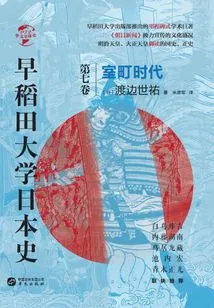
早稻田大学日本史(卷七):室町时代(华文全球史)
X
This book tells the history of Japan from 1336 to 1573 in an all-round, multi-level and wide perspective. How did the Ashikaga clan adapt to the changing circumstances and take advantage of the situation? What role did the Ashikaga clan play in the merger of the Southern Dynasty and the Northern Dynasty? How did the Muromachi shogunate enter its heyday during the reign of Ashikaga Yoshimitsu? From Ashikaga Yoshimichi to Ashikaga Yoshitsune, why did the Muromachi shogunate begin to fall into a ruling crisis? How did the Onin Rebellion lead to the decline of the Muromachi Shogunate? Why did Japan enter an era of divided power? This book will answer them one by one.
This book tells the history of Japan from 1336 to 1573 in an all-round, multi-level and wide perspective. How did the Ashikaga clan adapt to the changing circumstances and take advantage of the situation? What role did the Ashikaga clan play in the merger of the Southern Dynasty and the Northern Dynasty? How did the Muromachi shogunate enter its heyday during the reign of Ashikaga Yoshimitsu? From Ashikaga Yoshimichi to Ashikaga Yoshitsune, why did the Muromachi shogunate begin to fall into a ruling crisis? How did the Onin Rebellion lead to the decline of the Muromachi Shogunate? Why did Japan enter an era of divided power? This book will answer them one by one.
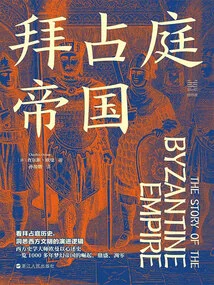
拜占庭帝国(经纬度丛书)
I
A masterpiece by Western historian Auman, it provides an overview of the rise and decline of the Dream Empire in 1300. From the establishment of the Byzantine Empire (Eastern Roman Empire) in 395 to the capture of the city of Constantinople (formerly known as Byzantium) by the Turks in 1453, the Byzantine Empire lasted for more than 1,000 years and was the longest-lasting empire among the ancient Western feudal dynasties. Its architecture, art and culture can be called miracles of mankind, and Christianity has developed rapidly in this country and reached its peak. British historian Sir Charles Ohman completely narrates the reasons for the birth of the Byzantine state, the hardships of its founding, the contributions and mistakes of monarchs in various historical periods, and the details of the wars of conquest and conquest. He explains thoroughly and vividly presents the image of an ancient empire to readers. This also makes this book an authoritative book in the field of Byzantine history research.
A masterpiece by Western historian Auman, it provides an overview of the rise and decline of the Dream Empire in 1300. From the establishment of the Byzantine Empire (Eastern Roman Empire) in 395 to the capture of the city of Constantinople (formerly known as Byzantium) by the Turks in 1453, the Byzantine Empire lasted for more than 1,000 years and was the longest-lasting empire among the ancient Western feudal dynasties. Its architecture, art and culture can be called miracles of mankind, and Christianity has developed rapidly in this country and reached its peak. British historian Sir Charles Ohman completely narrates the reasons for the birth of the Byzantine state, the hardships of its founding, the contributions and mistakes of monarchs in various historical periods, and the details of the wars of conquest and conquest. He explains thoroughly and vividly presents the image of an ancient empire to readers. This also makes this book an authoritative book in the field of Byzantine history research.
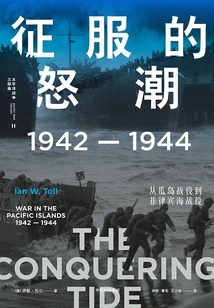
The Fury of Conquest: 1942-1944, from the Battle of Guadalcanal to the Battle of the Philippine Sea
History征服的怒潮:1942—1944,从瓜岛战役到菲律宾海战役
I
In early June 1942, the Japanese army, which was eager to win, suffered heavy losses in the Battle of Midway, and its desire for a quick victory was completely shattered. The Pacific War has since turned into a protracted war of attrition. After the Allied forces sounded the clarion call for counterattack, the beautiful Pacific islands, from the Solomon Islands, the Gilbert Islands to the Marshall Islands, all turned into blood-filled Shura fields. In order to seize these strategic locations, the Allied forces launched a large-scale amphibious landing battle unprecedented in history. In "Rage of Conquest", Ian Toll pointedly pointed out that the United States gradually gained an overwhelming advantage at this stage by virtue of its strong and stable resource supply, military output and logistical support, and by the end of the war it was a sure win. However, Japan's domestic and military forces continue to promote and beautify "Jade Sui", requiring troops and even civilians to fight to the end and die when there is no hope of victory. The result of this is that 1.5 Million Japanese soldiers and civilians will die before the Japanese rulers lose their fighting spirit...
In early June 1942, the Japanese army, which was eager to win, suffered heavy losses in the Battle of Midway, and its desire for a quick victory was completely shattered. The Pacific War has since turned into a protracted war of attrition. After the Allied forces sounded the clarion call for counterattack, the beautiful Pacific islands, from the Solomon Islands, the Gilbert Islands to the Marshall Islands, all turned into blood-filled Shura fields. In order to seize these strategic locations, the Allied forces launched a large-scale amphibious landing battle unprecedented in history. In "Rage of Conquest", Ian Toll pointedly pointed out that the United States gradually gained an overwhelming advantage at this stage by virtue of its strong and stable resource supply, military output and logistical support, and by the end of the war it was a sure win. However, Japan's domestic and military forces continue to promote and beautify "Jade Sui", requiring troops and even civilians to fight to the end and die when there is no hope of victory. The result of this is that 1.5 Million Japanese soldiers and civilians will die before the Japanese rulers lose their fighting spirit...
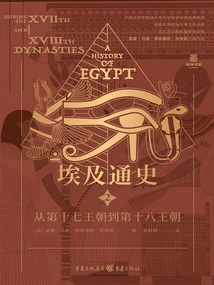
埃及通史2:从第十七王朝到第十八王朝
J
This book relies on the results of Egyptian archaeological excavations, cites the documents of ancient historians such as Manetho and Josephus, and refers to the research results of modern Egyptology giants such as Mariette, Mabel, and Lepsius. It tells the history of Egypt from the 17th to the 18th Dynasty (from the 17th century AD to the 13th century AD). It provides a panoramic view of the political, economic, military, and diplomatic conditions of ancient Egypt during its prosperity. The book also features 164 illustrations including statues, frescoes, scarabs, obelisks, ornaments, utensils and chariots.
This book relies on the results of Egyptian archaeological excavations, cites the documents of ancient historians such as Manetho and Josephus, and refers to the research results of modern Egyptology giants such as Mariette, Mabel, and Lepsius. It tells the history of Egypt from the 17th to the 18th Dynasty (from the 17th century AD to the 13th century AD). It provides a panoramic view of the political, economic, military, and diplomatic conditions of ancient Egypt during its prosperity. The book also features 164 illustrations including statues, frescoes, scarabs, obelisks, ornaments, utensils and chariots.
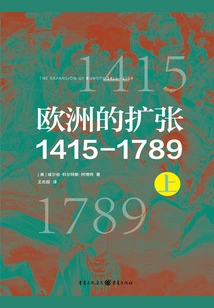
Z
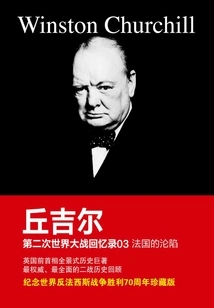
第二次世界大战回忆录3:法国的沦陷
J
"World War Series (Volume 2): The Fall of France" tells the story of the Swedish Academy's speech in awarding the Nobel Prize for Literature to Churchill: "Churchill's speech was concise, agile, penetrating, and touching. His speech was like It seems to have the power to reshape history. ... At a critical moment when human freedom and dignity were at stake, Churchill inspired people's fighting spirit with his unique eloquence. Perhaps it was these great speeches that established him as an immortal monument."
"World War Series (Volume 2): The Fall of France" tells the story of the Swedish Academy's speech in awarding the Nobel Prize for Literature to Churchill: "Churchill's speech was concise, agile, penetrating, and touching. His speech was like It seems to have the power to reshape history. ... At a critical moment when human freedom and dignity were at stake, Churchill inspired people's fighting spirit with his unique eloquence. Perhaps it was these great speeches that established him as an immortal monument."
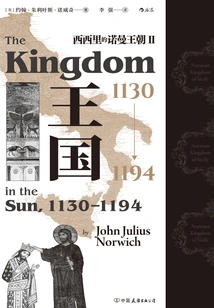
王国,1130—1194:西西里的诺曼王朝Ⅱ
U
After the establishment of the Kingdom of Sicily, it was once a powerful country in the Mediterranean region. It profoundly affected the political situation in Italy and even sent troops to fight overseas. The kingdom prospered in an atmosphere of tolerance. However, the Norman dynasty only lasted for about 60 years, and finally perished in tragic circumstances. This book tells the history of the Norman dynasty from its establishment to its demise, vividly describes its interaction with Germany, the Papal State, Byzantium, the Crusaders and other forces, and shows how a prosperous medieval kingdom gradually perished amid internal and external troubles. The author writes in a popular, humorous and slightly pitiful style, allowing readers to feel not only the glorious achievements of the Norman dynasty, but also the bitterness and helplessness in the decline process.
After the establishment of the Kingdom of Sicily, it was once a powerful country in the Mediterranean region. It profoundly affected the political situation in Italy and even sent troops to fight overseas. The kingdom prospered in an atmosphere of tolerance. However, the Norman dynasty only lasted for about 60 years, and finally perished in tragic circumstances. This book tells the history of the Norman dynasty from its establishment to its demise, vividly describes its interaction with Germany, the Papal State, Byzantium, the Crusaders and other forces, and shows how a prosperous medieval kingdom gradually perished amid internal and external troubles. The author writes in a popular, humorous and slightly pitiful style, allowing readers to feel not only the glorious achievements of the Norman dynasty, but also the bitterness and helplessness in the decline process.
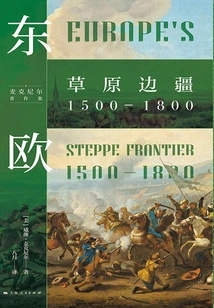
东欧:草原边疆1500—1800
I
Eastern Europe, from the Danube River Basin to the steppes north of the Black Sea, is the westernmost point reached by the horsewhip of nomadic civilization, and it is the heartland that changed the direction of European history. From 1500 to 1800, Eastern Europe ushered in new changes. Millions of pioneers reclaimed grasslands into cultivated land in blood and tears. It was no longer horses but artillery that determined the outcome of the war. The force that formed the country changed from marauders on horseback to civil servants writing pens. The three major powers, the Ottomans, Habsburgs, and Russia, Hungary, Wallachia, and Moldova caught in the middle, and the spoilers, the Tatars and Cossacks... The borders of modern Eastern Europe were quietly delineated amidst the intrigues and conflicts of the various powers. This book describes the historical process of the transformation of the "steppe frontier" into a modern country, and writes about the three hundred years of chaos and chaos in Eastern Europe. How the Russian Empire rose, how Eastern Europe was formed in modern times, and even the situation in Eastern Europe from the 19th century to the present may be inspired by this book.
Eastern Europe, from the Danube River Basin to the steppes north of the Black Sea, is the westernmost point reached by the horsewhip of nomadic civilization, and it is the heartland that changed the direction of European history. From 1500 to 1800, Eastern Europe ushered in new changes. Millions of pioneers reclaimed grasslands into cultivated land in blood and tears. It was no longer horses but artillery that determined the outcome of the war. The force that formed the country changed from marauders on horseback to civil servants writing pens. The three major powers, the Ottomans, Habsburgs, and Russia, Hungary, Wallachia, and Moldova caught in the middle, and the spoilers, the Tatars and Cossacks... The borders of modern Eastern Europe were quietly delineated amidst the intrigues and conflicts of the various powers. This book describes the historical process of the transformation of the "steppe frontier" into a modern country, and writes about the three hundred years of chaos and chaos in Eastern Europe. How the Russian Empire rose, how Eastern Europe was formed in modern times, and even the situation in Eastern Europe from the 19th century to the present may be inspired by this book.
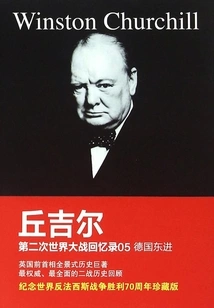
第二次世界大战回忆录5:德国东进
K
"World War Series (Volume 2): Germany's Eastward Advance" Editor's Recommendation: A panoramic historical masterpiece by the former British Prime Minister, which deciphers the little-known inside story of World War II and provides insight into the ever-changing international relations.
"World War Series (Volume 2): Germany's Eastward Advance" Editor's Recommendation: A panoramic historical masterpiece by the former British Prime Minister, which deciphers the little-known inside story of World War II and provides insight into the ever-changing international relations.
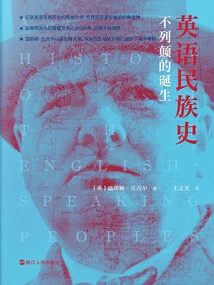
S
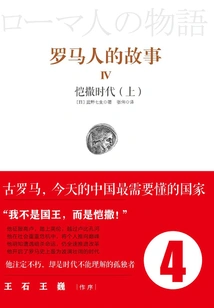
罗马人的故事4:恺撒时代(上)
H
In 100 BC, Caesar was born. The young Caesar experienced the murders of Marius and the dictatorship of Sulla, and was committed to establishing a new order integrating power and authority. The situation was favorable, and then Caesar conquered Gaul, expedition to Britain, defeated the Germans, and decided to cross the Rubicon River to fight Pompey. The reason why a genius is a genius is that he can transcend the barriers of the times; but the reason why a genius can transcend the times is because of the current situation at that time. This volume tells the story of how Caesar, from his birth to before he crossed the Rubicon River, skillfully took advantage of the many crises in the Roman state, political situation, and society to push himself to the top and create the glory of Roman history.
In 100 BC, Caesar was born. The young Caesar experienced the murders of Marius and the dictatorship of Sulla, and was committed to establishing a new order integrating power and authority. The situation was favorable, and then Caesar conquered Gaul, expedition to Britain, defeated the Germans, and decided to cross the Rubicon River to fight Pompey. The reason why a genius is a genius is that he can transcend the barriers of the times; but the reason why a genius can transcend the times is because of the current situation at that time. This volume tells the story of how Caesar, from his birth to before he crossed the Rubicon River, skillfully took advantage of the many crises in the Roman state, political situation, and society to push himself to the top and create the glory of Roman history.
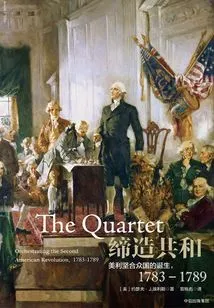
缔造共和:美利坚合众国的诞生(1783—1789)
O
This is America's overlooked "sub-revolution." In 1776, in order to resist the British and strive for independence, the thirteen states of the United States formed an alliance. The overthrow of the British colonial rulers in 1783 allowed the United States to win precious independence and freedom. However, at this time, it was still difficult for the United States to become a country worthy of the name. After the victory in the War of Independence, deep divisions between states in the country also emerged. Looking at these local powers that were doing their own thing from the perspective of that time, no one was sure whether there would be a country called "the United States" in the future. In the years after independence, the United States gradually lost control in an atmosphere of victory. No country is willing to pay for the foreign debts owed during the war; countries that disagree with the treaties negotiated with foreign countries refuse to implement them. In terms of international reputation, the United States quickly fell from the revolutionary light of mankind to a country with ruined credibility. In addition, there were differences such as western land interests, slavery, pro-French and pro-British differences, etc., Which pushed the United States to the brink of division in the early days of independence. Some optimistic British politicians even waited for the American states to fight in their nests, and then begged to return to the embrace of the British Empire. In this almost hopeless situation, it was indeed a political miracle that the American Revolution could succeed and establish a solid national foundation. The book "Creating the Republic" will spell out the full picture of this miracle for you: the Philadelphia Constitutional Convention in 1787, the "Federalist Papers", Washington, Madison, the father of the U. S. Constitution, Hamilton, the father of finance... These people and events are remembered because they formed the country and national identity of the United States at that critical moment.
This is America's overlooked "sub-revolution." In 1776, in order to resist the British and strive for independence, the thirteen states of the United States formed an alliance. The overthrow of the British colonial rulers in 1783 allowed the United States to win precious independence and freedom. However, at this time, it was still difficult for the United States to become a country worthy of the name. After the victory in the War of Independence, deep divisions between states in the country also emerged. Looking at these local powers that were doing their own thing from the perspective of that time, no one was sure whether there would be a country called "the United States" in the future. In the years after independence, the United States gradually lost control in an atmosphere of victory. No country is willing to pay for the foreign debts owed during the war; countries that disagree with the treaties negotiated with foreign countries refuse to implement them. In terms of international reputation, the United States quickly fell from the revolutionary light of mankind to a country with ruined credibility. In addition, there were differences such as western land interests, slavery, pro-French and pro-British differences, etc., Which pushed the United States to the brink of division in the early days of independence. Some optimistic British politicians even waited for the American states to fight in their nests, and then begged to return to the embrace of the British Empire. In this almost hopeless situation, it was indeed a political miracle that the American Revolution could succeed and establish a solid national foundation. The book "Creating the Republic" will spell out the full picture of this miracle for you: the Philadelphia Constitutional Convention in 1787, the "Federalist Papers", Washington, Madison, the father of the U. S. Constitution, Hamilton, the father of finance... These people and events are remembered because they formed the country and national identity of the United States at that critical moment.
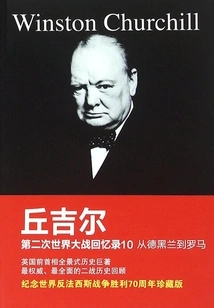
第二次世界大战回忆录10——从德黑兰到罗马
J
"Churchill's Memoirs of World War II No. 10: From Tehran to Rome" faithfully records the late period of World War II. After the war in Italy ended, the Allies assessed the situation, cooperated closely, and carefully formulated the final strategy for launching a general offensive against Nazi Germany. From Tehran to Rome, the heads of allied countries held a series of compact and productive meetings, which promoted the final victory of the war and roughly determined the division of the post-war world map. At the same time, in Yugoslavia, Greece, Burma and other places, the war is still arduously continuing, but the dawn of victory has begun to appear in the sky.
"Churchill's Memoirs of World War II No. 10: From Tehran to Rome" faithfully records the late period of World War II. After the war in Italy ended, the Allies assessed the situation, cooperated closely, and carefully formulated the final strategy for launching a general offensive against Nazi Germany. From Tehran to Rome, the heads of allied countries held a series of compact and productive meetings, which promoted the final victory of the war and roughly determined the division of the post-war world map. At the same time, in Yugoslavia, Greece, Burma and other places, the war is still arduously continuing, but the dawn of victory has begun to appear in the sky.