Library
Browse and search books
13,360 novels found
饥饿的石头:泰戈尔中短篇小说选
H
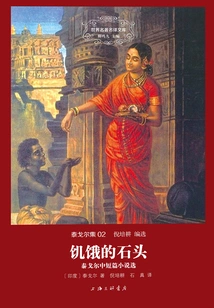
This book is an anthology of Rabindranath Tagore's short stories and short stories, including thirty short stories and short stories such as "The Secret Agent", "The Man of Kabul", "Skeleton", "The Hungry Stone", "Four People" and "Two Sisters".
This book is an anthology of Rabindranath Tagore's short stories and short stories, including thirty short stories and short stories such as "The Secret Agent", "The Man of Kabul", "Skeleton", "The Hungry Stone", "Four People" and "Two Sisters".

P
General Fictionp
J
"Animal Farm" is an outstanding fable novel that tells the story of an animal revolution led by pigs that took place in Manor Manor, England. Unable to bear the oppression of the manor owner, the animals rebelled angrily and drove away the humans in the manor. Since then, the manor has been renamed "Animal Farm" and animal autonomy has been implemented. Based on the principles of animalism, Animal Farm issued seven commandments. However, the subsequent development of the manor was not as harmonious and shared freedom and equality as the animals expected. The conflict of rights and interests led to serious disagreements and even bloody conflicts among the leaders. One of the pigs was regarded as a traitor and was expelled and framed in various ways; the other pig relied on the vested power and the support of the dog to gradually concentrate power in his own hands. He ruled the animals increasingly harshly, brutally killed protesters, and eventually became a ruler and exploiter no different from humans. The Seven Commandments were abandoned, and Animal Farm was renamed to its original name.
"Animal Farm" is an outstanding fable novel that tells the story of an animal revolution led by pigs that took place in Manor Manor, England. Unable to bear the oppression of the manor owner, the animals rebelled angrily and drove away the humans in the manor. Since then, the manor has been renamed "Animal Farm" and animal autonomy has been implemented. Based on the principles of animalism, Animal Farm issued seven commandments. However, the subsequent development of the manor was not as harmonious and shared freedom and equality as the animals expected. The conflict of rights and interests led to serious disagreements and even bloody conflicts among the leaders. One of the pigs was regarded as a traitor and was expelled and framed in various ways; the other pig relied on the vested power and the support of the dog to gradually concentrate power in his own hands. He ruled the animals increasingly harshly, brutally killed protesters, and eventually became a ruler and exploiter no different from humans. The Seven Commandments were abandoned, and Animal Farm was renamed to its original name.
W
General Fictionw
H
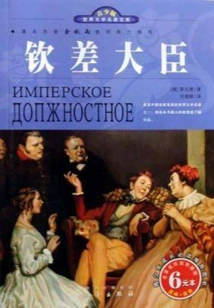
"The Imperial Envoy" is Gogol's masterpiece, which marks the beginning of the mature stage of Russian realist drama creation. The novel describes the playboy Khlestakov who lost everything in a bet and was at a loss. When he was passing through a city in another province from Petersburg, he was mistaken for an "imperial envoy", causing panic among the local officials and making many jokes. It fully exposed the bureaucrats' tendency to flatter others, take bribes, and engage in personal malpractice, thereby exposing the darkness, decadence, and absurdity of serfdom-based Russian society.
"The Imperial Envoy" is Gogol's masterpiece, which marks the beginning of the mature stage of Russian realist drama creation. The novel describes the playboy Khlestakov who lost everything in a bet and was at a loss. When he was passing through a city in another province from Petersburg, he was mistaken for an "imperial envoy", causing panic among the local officials and making many jokes. It fully exposed the bureaucrats' tendency to flatter others, take bribes, and engage in personal malpractice, thereby exposing the darkness, decadence, and absurdity of serfdom-based Russian society.
J
General Fictionj
H
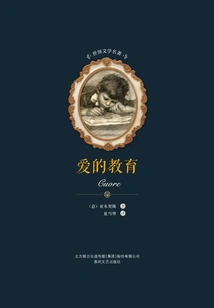
This book is a diary-style novel. The whole book is told in the voice of the protagonist Amway, from the first day of the fourth grade in October to July of the following year, his experiences and ideological activities in and outside the school. It also intersperses with many admonishing articles written by his parents for him, as well as touching stories read out by teachers in class every month.
This book is a diary-style novel. The whole book is told in the voice of the protagonist Amway, from the first day of the fourth grade in October to July of the following year, his experiences and ideological activities in and outside the school. It also intersperses with many admonishing articles written by his parents for him, as well as touching stories read out by teachers in class every month.

Gitanjali: Chinese-english
General Fiction吉檀迦利:汉英对照
H
"Gitanjali" is a classic work by Tagore, the first Indian poet in Asia to win the Nobel Prize for Literature. "Gitanjali" is the transliteration of the Bengali word "song". This book is bilingual in Chinese and English, translated by Bing Xin, and accompanied by exquisite illustrations, with beautiful artistic conception and meaningful writing. Singing in a light and cheerful tone about the prosperity of life, the joy and sorrow of real life, and the yearning for an ideal kingdom, Tagore expresses Tagore's care and thinking about life.
"Gitanjali" is a classic work by Tagore, the first Indian poet in Asia to win the Nobel Prize for Literature. "Gitanjali" is the transliteration of the Bengali word "song". This book is bilingual in Chinese and English, translated by Bing Xin, and accompanied by exquisite illustrations, with beautiful artistic conception and meaningful writing. Singing in a light and cheerful tone about the prosperity of life, the joy and sorrow of real life, and the yearning for an ideal kingdom, Tagore expresses Tagore's care and thinking about life.
卡尔曼情变断魂录:梅里美中短篇小说选
I
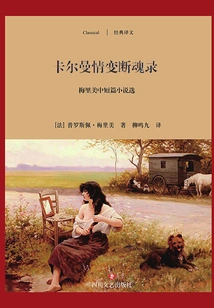
This book is a collection of short stories and short stories by the famous French writer Prosper Mérimée. It includes short stories and short stories that represent his novel achievements and reflect his artistic characteristics: "Kalman's Passion and Death", "Damango's Bloody Story at Sea", "Matteo's Son Beheaded", "Federigo's Enlightenment", "A Gamble Lost and Eternal Hate", "Venus Stuns the City of Ill", etc. Among them, "Kalman's Love and Death" is the original novel of the world-famous opera "Carmen".
This book is a collection of short stories and short stories by the famous French writer Prosper Mérimée. It includes short stories and short stories that represent his novel achievements and reflect his artistic characteristics: "Kalman's Passion and Death", "Damango's Bloody Story at Sea", "Matteo's Son Beheaded", "Federigo's Enlightenment", "A Gamble Lost and Eternal Hate", "Venus Stuns the City of Ill", etc. Among them, "Kalman's Love and Death" is the original novel of the world-famous opera "Carmen".

F
General FictionF
H
"Confessions" was written in Rousseau's tragic old age. It is an autobiographical work that defends his existence when he is surrounded by enemies on all sides. In the book, Rousseau, with a candid attitude and deep introspection, narrates his life experience of more than 50 years from his birth to his departure from St. Pierre Island in 1766, and tells all his thoughts and feelings. It's called Confession, but it's actually a work of accusation. The book records his fifty-year life experience from birth to the time he was forced to leave St. Pierre Island, recounts his tragic experience of being dependent on others as a child, denounces the injustices in life, and sympathizes with ordinary little people. When looking back on the past, the little things in life that violate moral conscience are readily apparent. "Confessions" tells all his thoughts and feelings, analyzing his behavior and inner world. "Confessions" has a delicate and ingenious conception, rich ideological content, vivid characters, and a light and refined writing style with a sense of music.
"Confessions" was written in Rousseau's tragic old age. It is an autobiographical work that defends his existence when he is surrounded by enemies on all sides. In the book, Rousseau, with a candid attitude and deep introspection, narrates his life experience of more than 50 years from his birth to his departure from St. Pierre Island in 1766, and tells all his thoughts and feelings. It's called Confession, but it's actually a work of accusation. The book records his fifty-year life experience from birth to the time he was forced to leave St. Pierre Island, recounts his tragic experience of being dependent on others as a child, denounces the injustices in life, and sympathizes with ordinary little people. When looking back on the past, the little things in life that violate moral conscience are readily apparent. "Confessions" tells all his thoughts and feelings, analyzing his behavior and inner world. "Confessions" has a delicate and ingenious conception, rich ideological content, vivid characters, and a light and refined writing style with a sense of music.
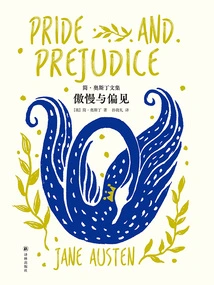
Pride and Prejudice (collected Works of Jane Austen)
General Fiction傲慢与偏见(简·奥斯丁文集)
G
"Pride and Prejudice" is Austen's colorful and fascinating comedy masterpiece. It takes the love entanglements of the hero and heroine as the main line and describes four marriages. The writing of the novel is funny and spicy, and the dialogue is full of life. Through the interaction between Elizabeth and Darcy, it presents the marriage and love model that Austen longed for: in addition to equality and respect, there is also freedom and mutual understanding. To this day, we can still extract from Elizabeth the spiritual core that is suitable for today's women: she has her own thoughts, and insists on her own emotional choices beyond the label of "elegant woman".
"Pride and Prejudice" is Austen's colorful and fascinating comedy masterpiece. It takes the love entanglements of the hero and heroine as the main line and describes four marriages. The writing of the novel is funny and spicy, and the dialogue is full of life. Through the interaction between Elizabeth and Darcy, it presents the marriage and love model that Austen longed for: in addition to equality and respect, there is also freedom and mutual understanding. To this day, we can still extract from Elizabeth the spiritual core that is suitable for today's women: she has her own thoughts, and insists on her own emotional choices beyond the label of "elegant woman".
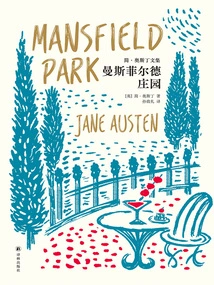
Mansfield Park (collected Works of Jane Austen)
General Fiction曼斯菲尔德庄园(简·奥斯丁文集)
G
Fanny, who is kind and sensible but comes from a poor family, was fostered in the home of her wealthy aunt when she was young. The care and love of her cousin Edmund was the only warmth in her life under the shelter of others. As an adult, Fanny often attended social gatherings with her cousins, and thus got acquainted with the charming young man Crawford and his sister... The final ending of these young men and women who were entangled in emotions was unexpected, but also reasonable. At a time when individuality and originality are showing off, the shy, delicate, sincere and sensitive country girl Fanny has won our respect and love with her virtue and personality.
Fanny, who is kind and sensible but comes from a poor family, was fostered in the home of her wealthy aunt when she was young. The care and love of her cousin Edmund was the only warmth in her life under the shelter of others. As an adult, Fanny often attended social gatherings with her cousins, and thus got acquainted with the charming young man Crawford and his sister... The final ending of these young men and women who were entangled in emotions was unexpected, but also reasonable. At a time when individuality and originality are showing off, the shy, delicate, sincere and sensitive country girl Fanny has won our respect and love with her virtue and personality.
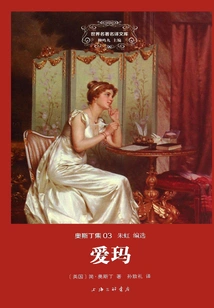
Ah
General Fictionah
G
"Emma" is one of the most influential classic novels in the 19th century. The protagonist Emma is a beautiful, intelligent and wealthy girl, and she is also an out-and-out dreamer. She enthusiastically pays attention to the romantic stories around her, but stubbornly believes that she will never fall into them. She took it upon herself to direct love affairs again and again for the orphan Harriet. When Harriet mistakenly thought she was in love with the magistrate Mr. Knightley, Emma was shocked to realize that she was also in love with Mr. Knightley. Although this was contrary to the vow she had announced from the beginning that she would never marry, she had to give up her innocent vow when she fell in love. The work has been adapted to the screen many times.
"Emma" is one of the most influential classic novels in the 19th century. The protagonist Emma is a beautiful, intelligent and wealthy girl, and she is also an out-and-out dreamer. She enthusiastically pays attention to the romantic stories around her, but stubbornly believes that she will never fall into them. She took it upon herself to direct love affairs again and again for the orphan Harriet. When Harriet mistakenly thought she was in love with the magistrate Mr. Knightley, Emma was shocked to realize that she was also in love with Mr. Knightley. Although this was contrary to the vow she had announced from the beginning that she would never marry, she had to give up her innocent vow when she fell in love. The work has been adapted to the screen many times.
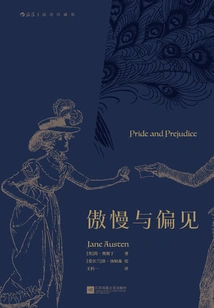
N
General Fictionn
G
The author Jane Austen uses the love story and self-growth of Squire Bennet's second daughter Elizabeth and the hero Darcy to lead readers to appreciate the rural life and worldly conditions of the British Regency period from the late 18th to the early 19th century. Although describing love and marriage, Austen went against the sentimental novel content and pretentious writing methods that were popular in society at the time. She used her "rare sense of humor" to express serious thinking and criticism, exploring women's self-discovery and growth in love, and their pursuit of personal independence and equal rights. Mr. Wang Keyi's translation retains the quaint charm of the original work, and Austen's ironic essence can be seen everywhere.
The author Jane Austen uses the love story and self-growth of Squire Bennet's second daughter Elizabeth and the hero Darcy to lead readers to appreciate the rural life and worldly conditions of the British Regency period from the late 18th to the early 19th century. Although describing love and marriage, Austen went against the sentimental novel content and pretentious writing methods that were popular in society at the time. She used her "rare sense of humor" to express serious thinking and criticism, exploring women's self-discovery and growth in love, and their pursuit of personal independence and equal rights. Mr. Wang Keyi's translation retains the quaint charm of the original work, and Austen's ironic essence can be seen everywhere.
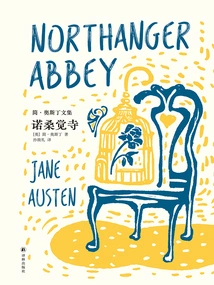
Northanger Abbey (collected Works of Jane Austen)
General Fiction诺桑觉寺(简·奥斯丁文集)
G
Catherine, the innocent daughter of a country priest, gets acquainted with the hypocritical Thorpe brothers and sisters, and falls in love at first sight with the upright and handsome rich boy Henry. She is warmly invited to his home by Henry's father, General Tierney. In Northanger Abbey, a deep and ancient house, Catherine, who has always been obsessed with Gothic novels, embarked on a ridiculous "adventure" journey in the house because of various terrifying phantoms in her mind. Although the snobbish General Tierney believed Thorpe's words and ordered Catherine to be expelled, Henry did not give in. After many twists and turns, he finally got married to Catherine.
Catherine, the innocent daughter of a country priest, gets acquainted with the hypocritical Thorpe brothers and sisters, and falls in love at first sight with the upright and handsome rich boy Henry. She is warmly invited to his home by Henry's father, General Tierney. In Northanger Abbey, a deep and ancient house, Catherine, who has always been obsessed with Gothic novels, embarked on a ridiculous "adventure" journey in the house because of various terrifying phantoms in her mind. Although the snobbish General Tierney believed Thorpe's words and ordered Catherine to be expelled, Henry did not give in. After many twists and turns, he finally got married to Catherine.
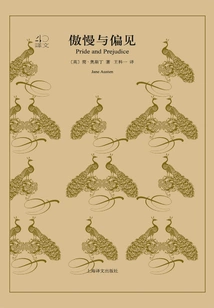
Pride and Prejudice (translation 40)
General Fiction傲慢与偏见(译文40)
G
The great American literary critic Edmund Wilson said: "In the history of British literature for nearly one and a quarter centuries, there have been several revolutions of taste, but only Shakespeare and Jane Austen have endured." This book is one of Austen's most famous works. Mrs. Bennet's lifelong ambition is to marry her five daughters decently, so she always regards the wealthy bachelors nearby as a piece of property that one of her daughters deserves, so there are several young couples who have ups and downs of separation and reunion. In the end, the hero and heroine put aside their pride and prejudice and made their own moral choices. The work fully expresses the author's own views on marriage, emphasizing the impact of economic interests and family status on love and marriage. The more than 50 original illustrations compiled in this book vividly reproduce classic scenes. They were created by the Irish-British painter Hugh Thomson at the end of the 19th century. They are also the most widely circulated and unique set of illustrations of Austen's works.
The great American literary critic Edmund Wilson said: "In the history of British literature for nearly one and a quarter centuries, there have been several revolutions of taste, but only Shakespeare and Jane Austen have endured." This book is one of Austen's most famous works. Mrs. Bennet's lifelong ambition is to marry her five daughters decently, so she always regards the wealthy bachelors nearby as a piece of property that one of her daughters deserves, so there are several young couples who have ups and downs of separation and reunion. In the end, the hero and heroine put aside their pride and prejudice and made their own moral choices. The work fully expresses the author's own views on marriage, emphasizing the impact of economic interests and family status on love and marriage. The more than 50 original illustrations compiled in this book vividly reproduce classic scenes. They were created by the Irish-British painter Hugh Thomson at the end of the 19th century. They are also the most widely circulated and unique set of illustrations of Austen's works.
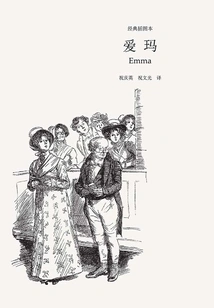
Emma (austen's Anthology Classic Illustrated Series)
General Fiction爱玛(奥斯丁文集经典插图本系列)
G
Enthusiastic Emma is concerned about Harriet's marriage. She thinks that the girl comes from a wealthy family, so she wants her to reject farmer Martin's proposal and blindly encourages her to love the Reverend Elton. Emma's brother-in-law, Knightley, is sixteen years older than Emma. He has always loved Emma, but he often criticizes her shortcomings, including her subjective interference in other people's love affairs and marriages. After Harriet married Miss Hawkins, Emma asked Harriet to fall in love with Frank Churchill, but Harriet fell in love with Knightley. At this time, Emma was surprised to find that she had always loved Knightley in her heart. In the end, the two of them, Frank Churchill and Jane Fairfax, as well as Martin and Harriet, finally got married.
Enthusiastic Emma is concerned about Harriet's marriage. She thinks that the girl comes from a wealthy family, so she wants her to reject farmer Martin's proposal and blindly encourages her to love the Reverend Elton. Emma's brother-in-law, Knightley, is sixteen years older than Emma. He has always loved Emma, but he often criticizes her shortcomings, including her subjective interference in other people's love affairs and marriages. After Harriet married Miss Hawkins, Emma asked Harriet to fall in love with Frank Churchill, but Harriet fell in love with Knightley. At this time, Emma was surprised to find that she had always loved Knightley in her heart. In the end, the two of them, Frank Churchill and Jane Fairfax, as well as Martin and Harriet, finally got married.
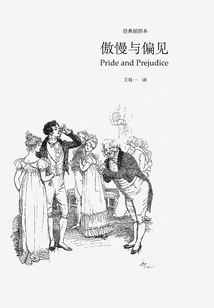
傲慢与偏见(奥斯丁文集经典插图本系列)
G
"Pride and Prejudice" describes the emotional entanglements between the arrogant single young man Darcy and the prejudiced second lady Elizabeth, the wealthy single aristocrat Bingley and the virtuous eldest lady Jane. It fully expresses the author's own views on marriage and emphasizes the impact of economic interests on love and marriage. The plot of the novel is full of comedy and the language is witty and humorous. It is the most popular of Austen's novels and has been adapted into movies and TV series many times.
"Pride and Prejudice" describes the emotional entanglements between the arrogant single young man Darcy and the prejudiced second lady Elizabeth, the wealthy single aristocrat Bingley and the virtuous eldest lady Jane. It fully expresses the author's own views on marriage and emphasizes the impact of economic interests on love and marriage. The plot of the novel is full of comedy and the language is witty and humorous. It is the most popular of Austen's novels and has been adapted into movies and TV series many times.
傲慢与偏见(译林名著精选)
G
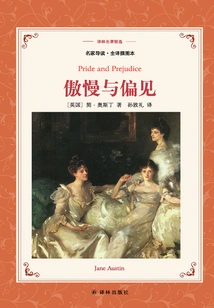
This book revolves around the marriage affairs of several daughters of Squire Bennett's family. Mr. Bingley, a wealthy bachelor who recently moved from London, fell in love with the gentle and beautiful eldest daughter Jane, while his friend Darcy fell in love with the second daughter Elizabeth. However, due to Darcy's arrogance, Elizabeth's prejudice, and many rumors, the relationship between the two encountered many obstacles. After a series of interesting twists and turns, the misunderstanding was finally eliminated. Darcy overcame his pride, Elizabeth got to know him better, and finally the two got married. This book is a rare masterpiece in the world's library, and Maugham listed it as one of the top ten novels in the world.
This book revolves around the marriage affairs of several daughters of Squire Bennett's family. Mr. Bingley, a wealthy bachelor who recently moved from London, fell in love with the gentle and beautiful eldest daughter Jane, while his friend Darcy fell in love with the second daughter Elizabeth. However, due to Darcy's arrogance, Elizabeth's prejudice, and many rumors, the relationship between the two encountered many obstacles. After a series of interesting twists and turns, the misunderstanding was finally eliminated. Darcy overcame his pride, Elizabeth got to know him better, and finally the two got married. This book is a rare masterpiece in the world's library, and Maugham listed it as one of the top ten novels in the world.

N
General Fictionn
G
"Pride and Prejudice" describes the love and marriage of middle-class men and women. The novel uses comedy techniques to express serious criticism of life and explores the heroine's psychological process of self-discovery from love to marriage. The marriage between the heroine and Darcy is a happy marriage that the author praises as "setting an example for all lovers in the world".
"Pride and Prejudice" describes the love and marriage of middle-class men and women. The novel uses comedy techniques to express serious criticism of life and explores the heroine's psychological process of self-discovery from love to marriage. The marriage between the heroine and Darcy is a happy marriage that the author praises as "setting an example for all lovers in the world".

傲慢与偏见:上下(人文经典文库)
G
"Pride and Prejudice" is a representative novel by the British female writer Jane Austen. It reflects the world customs of British society from the late 18th century to the early 19th century through the story of several middle-class girls from villages and towns talking about marriage. The plot of the novel is tortuous and full of comedy, the language is natural and fluent, and it is witty and humorous. It reveals the tragedy and comedy of life with superb skills. Wang Keyi's translation is recognized as a classic translation of "Pride and Prejudice", and its language style has the conciseness of classical literature. He accurately restored the humorous and sharp characteristics of the original work. The tension between Darcy's "arrogance" and Elizabeth's "prejudice" in the book is particularly vividly presented through Wang Keyiwen's white and white translation.
"Pride and Prejudice" is a representative novel by the British female writer Jane Austen. It reflects the world customs of British society from the late 18th century to the early 19th century through the story of several middle-class girls from villages and towns talking about marriage. The plot of the novel is tortuous and full of comedy, the language is natural and fluent, and it is witty and humorous. It reveals the tragedy and comedy of life with superb skills. Wang Keyi's translation is recognized as a classic translation of "Pride and Prejudice", and its language style has the conciseness of classical literature. He accurately restored the humorous and sharp characteristics of the original work. The tension between Darcy's "arrogance" and Elizabeth's "prejudice" in the book is particularly vividly presented through Wang Keyiwen's white and white translation.
Much Ado About Nothing (shakespeare Comedy Series)
General Fiction无事生非(莎士比亚喜剧系列)
G
The latest classic version of FLTRP! "Much Ado About Nothing" has two parallel clues around the theme of proposal, telling the story of two couples' experiences of falling in love, proposing, and finally getting married.
The latest classic version of FLTRP! "Much Ado About Nothing" has two parallel clues around the theme of proposal, telling the story of two couples' experiences of falling in love, proposing, and finally getting married.
The Prince's Travels (translation Classic)
General Fiction王子出游记(译文经典)
L
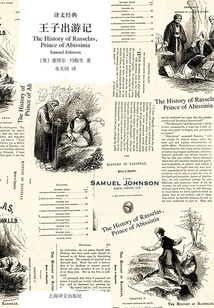
The only novel by the literary giant Dr. Johnson, the text is elegant but not heavy, and the writing style is vivid but not harsh. It is the last translation by the famous translator Mr. Shui Tiantong. It has been out of print for more than 30 years and has been newly revised and released. The translation was revised by the senior translator Mr. Pu Long. Samuel Johnson is a British encyclopedic literary giant, a poet, essayist, literary critic, biographer and linguist. To talk about his achievements, the first real dictionary in the history of English compiled by himself is the "English Dictionary". "The Travels of a Prince" is his most popular work, selling well in Europe and the United States for centuries and influencing later famous writers such as Jane Austen, Shelley, and George Eliot. Johnson only wrote one novel in his life, which was "The Travels of a Prince". This is a philosophical novel, with the legendary story of the Abyssinian prince escaping from the Valley of Happiness and traveling around the world as the main line. It discusses the pain and joy of life, family and marriage, life and death and other issues. The writing is elegant but not heavy, and the writing style is vivid but not harsh. It is worthy of the style of a master. Mr. Shui Tiantong is a great scholar in China in the 20th century who has mastered Chinese and Western studies. His Chinese and English are first-rate. Shui's translation of "Prince's Travels" was first published in 1988. When he translated the book, he was already in his old age. In addition, due to his poor health, he died suddenly before re-reading the proofs, so the book contained many errors. The current translation has been revised by Mr. Pu Long, a senior translator, and a new edition has been released. It is hoped that readers can appreciate the subtle meaning of this classic philosophical novel and that Mr. Shui's last work will not be forgotten.
The only novel by the literary giant Dr. Johnson, the text is elegant but not heavy, and the writing style is vivid but not harsh. It is the last translation by the famous translator Mr. Shui Tiantong. It has been out of print for more than 30 years and has been newly revised and released. The translation was revised by the senior translator Mr. Pu Long. Samuel Johnson is a British encyclopedic literary giant, a poet, essayist, literary critic, biographer and linguist. To talk about his achievements, the first real dictionary in the history of English compiled by himself is the "English Dictionary". "The Travels of a Prince" is his most popular work, selling well in Europe and the United States for centuries and influencing later famous writers such as Jane Austen, Shelley, and George Eliot. Johnson only wrote one novel in his life, which was "The Travels of a Prince". This is a philosophical novel, with the legendary story of the Abyssinian prince escaping from the Valley of Happiness and traveling around the world as the main line. It discusses the pain and joy of life, family and marriage, life and death and other issues. The writing is elegant but not heavy, and the writing style is vivid but not harsh. It is worthy of the style of a master. Mr. Shui Tiantong is a great scholar in China in the 20th century who has mastered Chinese and Western studies. His Chinese and English are first-rate. Shui's translation of "Prince's Travels" was first published in 1988. When he translated the book, he was already in his old age. In addition, due to his poor health, he died suddenly before re-reading the proofs, so the book contained many errors. The current translation has been revised by Mr. Pu Long, a senior translator, and a new edition has been released. It is hoped that readers can appreciate the subtle meaning of this classic philosophical novel and that Mr. Shui's last work will not be forgotten.
Eugene O'neill's Three Classic Dramas
General Fiction尤金奥尼尔经典戏剧三种
M
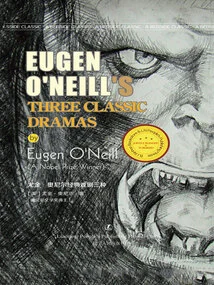
In the play, O'Neill uses the image of "hairy ape" to refer to people in modern society, revealing the tragedy of modern people losing themselves in industrial civilization. The protagonist Yank is a stoker on an ocean-going ship. He is proud of his physical strength and is respected by his companions. However, he is insulted by a rich woman among the passengers, so he goes to look for his status in life. In the end, he has to make friends with a gorilla in the zoo, only to die in its strong embrace. The script shows that in a ruthless capitalist society, workers like Yank can only endure inhuman treatment. Trying to change this situation will only lead to a more tragic ending.
In the play, O'Neill uses the image of "hairy ape" to refer to people in modern society, revealing the tragedy of modern people losing themselves in industrial civilization. The protagonist Yank is a stoker on an ocean-going ship. He is proud of his physical strength and is respected by his companions. However, he is insulted by a rich woman among the passengers, so he goes to look for his status in life. In the end, he has to make friends with a gorilla in the zoo, only to die in its strong embrace. The script shows that in a ruthless capitalist society, workers like Yank can only endure inhuman treatment. Trying to change this situation will only lead to a more tragic ending.

卡拉马佐夫兄弟(上)(译文名著精选)
G
"The Brothers Karamazov (Part 1)": The old Karamazov is greedy and lustful, monopolizing the inheritance left by his wife to his sons, and he and his eldest son Dmitri are jealous of a romantic woman. One night, Dmitry suspected that his lover was having a tryst with the old man, so he broke into his home and almost beat the old man to death in a rage. After he fled in panic, the old Karamazov's illegitimate son Smerdyakov, who was hiding in secret and pretending to be ill, secretly killed the old man, causing a complicated and confusing murder that shocked the whole of Russia, and triggered a series of thrilling events. The work shows the intricate social and family conflicts and human tragedy, and embodies the highest artistic achievement of the writer's life.
"The Brothers Karamazov (Part 1)": The old Karamazov is greedy and lustful, monopolizing the inheritance left by his wife to his sons, and he and his eldest son Dmitri are jealous of a romantic woman. One night, Dmitry suspected that his lover was having a tryst with the old man, so he broke into his home and almost beat the old man to death in a rage. After he fled in panic, the old Karamazov's illegitimate son Smerdyakov, who was hiding in secret and pretending to be ill, secretly killed the old man, causing a complicated and confusing murder that shocked the whole of Russia, and triggered a series of thrilling events. The work shows the intricate social and family conflicts and human tragedy, and embodies the highest artistic achievement of the writer's life.

The Three Musketeers (full Volume)
General Fiction三个火枪手(全册)
H
"The Three Musketeers" mainly describes the story of the French Cardinal Richelieu, from when he became prime minister in 1624 to when he captured the city of La Rochelle in 1628. In order to help King Louis XIII, Archbishop Richelieu tried his best to seize the opportunity of the Queen's ambiguous relationship with the British Prime Minister, the Duke of Buckingham...
"The Three Musketeers" mainly describes the story of the French Cardinal Richelieu, from when he became prime minister in 1624 to when he captured the city of La Rochelle in 1628. In order to help King Louis XIII, Archbishop Richelieu tried his best to seize the opportunity of the Queen's ambiguous relationship with the British Prime Minister, the Duke of Buckingham...

Catastrophe
General Fiction灭顶之灾
J
"The Cataclysm" tells the story of five members of the Winthrop family who died unexpectedly in less than a year. How likely is this? Who would want to eradicate such an extraordinary family? Dana, a female reporter from Washington Forum TV, realized that there must be something fishy and determined to get to the bottom of the matter. The bright rhythm, tense plot, and heavy suspense vividly demonstrate the psychological and behavioral characteristics of Western politicians.
"The Cataclysm" tells the story of five members of the Winthrop family who died unexpectedly in less than a year. How likely is this? Who would want to eradicate such an extraordinary family? Dana, a female reporter from Washington Forum TV, realized that there must be something fishy and determined to get to the bottom of the matter. The bright rhythm, tense plot, and heavy suspense vividly demonstrate the psychological and behavioral characteristics of Western politicians.
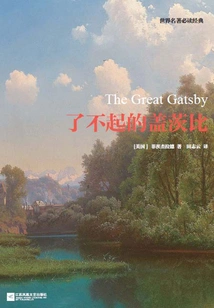
The Great Gatsby (a Must-read World Famous Classic)
General Fiction了不起的盖茨比(世界名著必读经典)
G
Gatsby was not rich when he was young. He fell in love with a girl named Daisy, and Daisy also fell in love with him. However, Daisy finally broke up with him and married Tom, a rich boy. Daisy was not happy after her marriage, and the satisfaction of her material desires could not fill Daisy's spiritual emptiness. Gatsby firmly believed that money made Daisy betray her chastity and determined to become a rich man. A few years later, Gatsby finally succeeded. He built a mansion opposite Daisy's mansion. Gatsby spent money like water and played the flute all night long, hoping to attract Daisy's attention and regain his lost love.
Gatsby was not rich when he was young. He fell in love with a girl named Daisy, and Daisy also fell in love with him. However, Daisy finally broke up with him and married Tom, a rich boy. Daisy was not happy after her marriage, and the satisfaction of her material desires could not fill Daisy's spiritual emptiness. Gatsby firmly believed that money made Daisy betray her chastity and determined to become a rich man. A few years later, Gatsby finally succeeded. He built a mansion opposite Daisy's mansion. Gatsby spent money like water and played the flute all night long, hoping to attract Daisy's attention and regain his lost love.
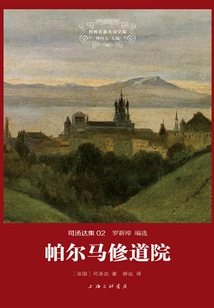
Parma Abbey
General Fiction帕尔马修道院
I
"The Abbey of Parma" is another important novel by Stendhal. The protagonist Fabrizio won the love of his aunt since he was a child, and after growing up to be a handsome young man, he won the favor of many women; he returned to Parma from the Waterloo battlefield, and after becoming the vice-bishop, he met a heroine, accidentally killed the heroine's lover, and was forced to flee to Bologna. When he was bored, he met the female singer Fausta, and staged a farce-style affair...
"The Abbey of Parma" is another important novel by Stendhal. The protagonist Fabrizio won the love of his aunt since he was a child, and after growing up to be a handsome young man, he won the favor of many women; he returned to Parma from the Waterloo battlefield, and after becoming the vice-bishop, he met a heroine, accidentally killed the heroine's lover, and was forced to flee to Bologna. When he was bored, he met the female singer Fausta, and staged a farce-style affair...

Q
General Fictionq
I
"Sir, I'm a fool!" Shuike is a complete fool, with a chubby round face and a silly smile that always hangs on his face. He was deemed an idiot by the military medical review board and retired from the army. From then on, he had to make a living by selling dogs and forging pedigree certificates for various mutts from humble backgrounds. Later, when the war was critical, he endured the pain of rheumatism and asked his maid to push him in a wheelchair to join the army. By coincidence, he became a captain and an orderly of the chaplain. From being drafted into the army to going to the front line, Shuai Ke obeyed his superiors unconditionally and carried out his orders to the letter. However, his mindless obedience and good intentions often make his superiors embarrassed and create one ridiculous farce after another...
"Sir, I'm a fool!" Shuike is a complete fool, with a chubby round face and a silly smile that always hangs on his face. He was deemed an idiot by the military medical review board and retired from the army. From then on, he had to make a living by selling dogs and forging pedigree certificates for various mutts from humble backgrounds. Later, when the war was critical, he endured the pain of rheumatism and asked his maid to push him in a wheelchair to join the army. By coincidence, he became a captain and an orderly of the chaplain. From being drafted into the army to going to the front line, Shuai Ke obeyed his superiors unconditionally and carried out his orders to the letter. However, his mindless obedience and good intentions often make his superiors embarrassed and create one ridiculous farce after another...
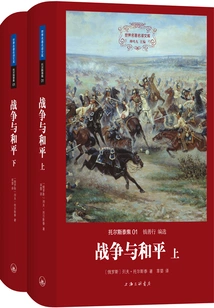
War and Peace (complete Collection)
General Fiction战争与和平(全集)
N
"War and Peace" by the great Russian writer Leo Tolstoy is an immortal masterpiece in the history of world literature. The most outstanding artistic achievement of the novel is its majestic, grand and complex structure and strict and orderly layout. Tolstoy used a genius to navigate between war and peace, psychology and society, history and philosophy, marriage and religion, with clear priorities and unique ingenuity. The novel "War and Peace" uses the lives of the four aristocratic families of Kuragin, Rostov, Bolkonsky and Bezukhov as the plot clue, and magnificently reflects the major historical events of Russian society from the early 19th century to the 1920s.
"War and Peace" by the great Russian writer Leo Tolstoy is an immortal masterpiece in the history of world literature. The most outstanding artistic achievement of the novel is its majestic, grand and complex structure and strict and orderly layout. Tolstoy used a genius to navigate between war and peace, psychology and society, history and philosophy, marriage and religion, with clear priorities and unique ingenuity. The novel "War and Peace" uses the lives of the four aristocratic families of Kuragin, Rostov, Bolkonsky and Bezukhov as the plot clue, and magnificently reflects the major historical events of Russian society from the early 19th century to the 1920s.
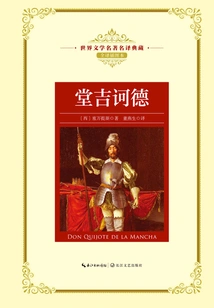
Don Quixote
General Fiction堂吉诃德
I
"Don Quixote" is a satirical novel about chivalry and an epoch-making masterpiece during the European Renaissance. The protagonist Don Quixote is addicted to chivalry novels and decides to go out on adventures and become a chivalrous knight.
"Don Quixote" is a satirical novel about chivalry and an epoch-making masterpiece during the European Renaissance. The protagonist Don Quixote is addicted to chivalry novels and decides to go out on adventures and become a chivalrous knight.
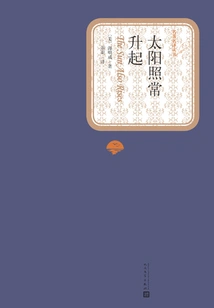
The Sun Still Rises
General Fiction太阳照常升起
I
"The Sun Also Rises" is a novel by Hemingway published in 1926. The author became the spokesperson of the "lost generation" and created a unique Hemingway-style writing style with this book. The novel is set in the historical period from 1924 to 1925 and in the famous city of Paris. It revolves around the emotional entanglements between a group of British and American young men and women who have suffered serious emotional or love trauma or suffered severe psychological or physiological dysfunction during the war. It reflects the painful and sad state of mind of this generation who have awakened their consciousness but feel that they have no way out.
"The Sun Also Rises" is a novel by Hemingway published in 1926. The author became the spokesperson of the "lost generation" and created a unique Hemingway-style writing style with this book. The novel is set in the historical period from 1924 to 1925 and in the famous city of Paris. It revolves around the emotional entanglements between a group of British and American young men and women who have suffered serious emotional or love trauma or suffered severe psychological or physiological dysfunction during the war. It reflects the painful and sad state of mind of this generation who have awakened their consciousness but feel that they have no way out.
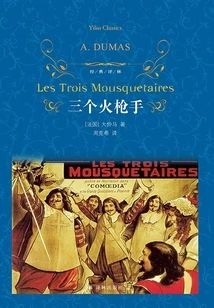
The Three Musketeers (classic Translation)
General Fiction三个火枪手(经典译林)
Z
The story takes place in the era of French King Louis XIII. Cardinal Richelieu was in power for a while, and power struggles inside and outside the court were constantly taking place. D'Artagnan, a young provincial nobleman, comes to Paris and joins the command of Mr. Treville, the commander of the musketry battalion. On the way, he meets the musketeers Athos, Porthos and Aramis, and they become life-and-death friends in a conflict. In the complicated political whirlpool, these four partners met Richelieu's confidant - Milady, a woman as beautiful as a peach and as poisonous as a snake. The two sides competed repeatedly. D'Artagnan and his partners escaped from desperate situations again and again, thwarting Richelieu's conspiracy.
The story takes place in the era of French King Louis XIII. Cardinal Richelieu was in power for a while, and power struggles inside and outside the court were constantly taking place. D'Artagnan, a young provincial nobleman, comes to Paris and joins the command of Mr. Treville, the commander of the musketry battalion. On the way, he meets the musketeers Athos, Porthos and Aramis, and they become life-and-death friends in a conflict. In the complicated political whirlpool, these four partners met Richelieu's confidant - Milady, a woman as beautiful as a peach and as poisonous as a snake. The two sides competed repeatedly. D'Artagnan and his partners escaped from desperate situations again and again, thwarting Richelieu's conspiracy.
E
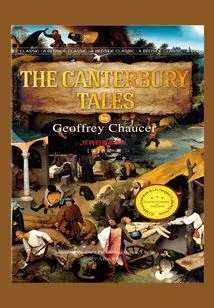
Canterbury Tales
General Fiction坎特伯雷故事集
W
This book is a collection of short stories in verse, narrating the gathering of a group of 30 pilgrims at the Taiba Inn. These pilgrims include knights, monks, nuns, businessmen, craftsmen, doctors, lawyers, scholars, farmers, housewives and other people from all walks of life in the British society at that time. They are preparing to go to Canterbury to worship St. Thomas. The innkeeper loved the fun, so he volunteered to be their guide, and suggested that each person tell two stories on the way to and from the Holy Land to relieve the loneliness during the journey. The innkeeper would act as a referee and select the storyteller. After returning to the hotel, everyone gathered together to treat him to a meal. Everyone accepted the shopkeeper's suggestion, so they embarked on a pilgrimage together the next day and started telling stories.
This book is a collection of short stories in verse, narrating the gathering of a group of 30 pilgrims at the Taiba Inn. These pilgrims include knights, monks, nuns, businessmen, craftsmen, doctors, lawyers, scholars, farmers, housewives and other people from all walks of life in the British society at that time. They are preparing to go to Canterbury to worship St. Thomas. The innkeeper loved the fun, so he volunteered to be their guide, and suggested that each person tell two stories on the way to and from the Holy Land to relieve the loneliness during the journey. The innkeeper would act as a referee and select the storyteller. After returning to the hotel, everyone gathered together to treat him to a meal. Everyone accepted the shopkeeper's suggestion, so they embarked on a pilgrimage together the next day and started telling stories.

John Christopher (center)
General Fiction约翰·克利斯朵夫(中)
H
This book tells the story of the protagonist John Christopher's struggle in a society full of vulgarity and strife. From the awakening of his musical talent in childhood, to his contempt and resistance to the powerful in his youth, to his career pursuit and success as an adult, he finally reaches a state of clarity and loftiness, revealing the dawn of another world.
This book tells the story of the protagonist John Christopher's struggle in a society full of vulgarity and strife. From the awakening of his musical talent in childhood, to his contempt and resistance to the powerful in his youth, to his career pursuit and success as an adult, he finally reaches a state of clarity and loftiness, revealing the dawn of another world.
Y
General Fictiony
G
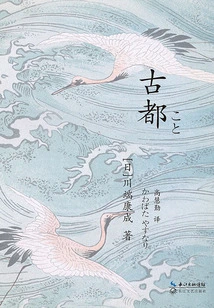
"Ancient Capital" describes the story of a young girl, Chieko, who was abandoned by her parents because of her poor family. She was taken in by a businessman, Taijiro and his wife, and raised as an adult. Later, she unexpectedly reunited with her twin sister Miaozi, and a series of misunderstandings occurred. The author not only describes their bitter life experience and pure love, but also describes their yearning for a better life. However, the insurmountable gap in social status forced the sisters to separate, and the sadness and loneliness of the impermanence of the world are revealed between the lines. "The Dancing Girl of Izu" is Kawabata Yasunari's early masterpiece and famous work. In the novel, "I" met an innocent dancing girl during a trip to Izu, and developed an ignorant love affair with the dancing girl. The whole story is immersed in the shyness and beauty of being reluctant to speak, and brings readers into an ethereal and fresh aesthetic world.
"Ancient Capital" describes the story of a young girl, Chieko, who was abandoned by her parents because of her poor family. She was taken in by a businessman, Taijiro and his wife, and raised as an adult. Later, she unexpectedly reunited with her twin sister Miaozi, and a series of misunderstandings occurred. The author not only describes their bitter life experience and pure love, but also describes their yearning for a better life. However, the insurmountable gap in social status forced the sisters to separate, and the sadness and loneliness of the impermanence of the world are revealed between the lines. "The Dancing Girl of Izu" is Kawabata Yasunari's early masterpiece and famous work. In the novel, "I" met an innocent dancing girl during a trip to Izu, and developed an ignorant love affair with the dancing girl. The whole story is immersed in the shyness and beauty of being reluctant to speak, and brings readers into an ethereal and fresh aesthetic world.

A Local Reporter from a Rural Area
General Fiction乡旮旯的土记者
M
This is a neo-Confucian history. The work successfully creates a group of portraits of "pen-holders" in the new era, vividly depicts their complex psychological world, and truly reflects the living conditions of the little intellectuals living at the bottom of society at the end of the last century. The protagonist of this book, Zheng Xicheng, is a son of a peasant family. After graduating from university, he went to towns and counties to engage in news writing. He became a "local reporter". He wanted to praise virtues, but he got into unexpected trouble time and time again. The tortuous life experience seems to have made him smarter and more sophisticated. But the complex social reality did not change his innocent heart. In the face of justice and evil, he still took risks and spoke up for the villagers. The county leaders disliked him and even lost his job, but in the end he was favored by the superior news unit and was hired by a local evening newspaper as a temporary reporter.
This is a neo-Confucian history. The work successfully creates a group of portraits of "pen-holders" in the new era, vividly depicts their complex psychological world, and truly reflects the living conditions of the little intellectuals living at the bottom of society at the end of the last century. The protagonist of this book, Zheng Xicheng, is a son of a peasant family. After graduating from university, he went to towns and counties to engage in news writing. He became a "local reporter". He wanted to praise virtues, but he got into unexpected trouble time and time again. The tortuous life experience seems to have made him smarter and more sophisticated. But the complex social reality did not change his innocent heart. In the face of justice and evil, he still took risks and spoke up for the villagers. The county leaders disliked him and even lost his job, but in the end he was favored by the superior news unit and was hired by a local evening newspaper as a temporary reporter.
To Endless Relationship
General Fiction致无尽关系
L
This is a novel with a strong Chinese flavor. The novel begins when the Chinese New Year is approaching and a family of three returns to their hometown to celebrate the New Year. It does not shy away from the vulgar or the local, and is close to the entangled world and human relationships. Among the relationships between husband and wife, father and son, mother and daughter, brothers, father-in-law, mother-in-law and daughter-in-law, sisters-in-law, aunts and nephews, the true emotions and true situations of people determined by the blood relationship within the family are thus highlighted...
This is a novel with a strong Chinese flavor. The novel begins when the Chinese New Year is approaching and a family of three returns to their hometown to celebrate the New Year. It does not shy away from the vulgar or the local, and is close to the entangled world and human relationships. Among the relationships between husband and wife, father and son, mother and daughter, brothers, father-in-law, mother-in-law and daughter-in-law, sisters-in-law, aunts and nephews, the true emotions and true situations of people determined by the blood relationship within the family are thus highlighted...

魔山(下)(译文名著精选)
H
S
S
Brothers Karamazov
General Fiction卡拉马佐夫兄弟
G
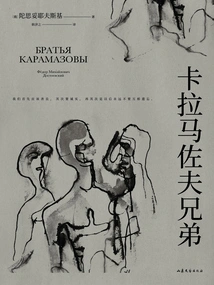
"The Brothers Karamazov" is a novel written by the Russian writer Dostoevsky, and is also considered to be his most accomplished masterpiece. The novel begins with the murder of old Karamazov, a provincial rural landowner, and his son becomes a suspect and is put on trial. The author weaves a narrative surrounded by three-dimensional characters, developing a story with twists and turns, facing insurmountable philosophical dilemmas at each stage until it reaches the climax of the plot. In this work, Dostoevsky not only demonstrated the uncanny writing skills and talent of a literary master, but also conducted in-depth discussions on philosophy, psychology, religion, etc. The Brothers Karamazov is one of the greatest novels of all time. Among a small number of outstanding works, "The Brothers Karamazov" ranks first!
"The Brothers Karamazov" is a novel written by the Russian writer Dostoevsky, and is also considered to be his most accomplished masterpiece. The novel begins with the murder of old Karamazov, a provincial rural landowner, and his son becomes a suspect and is put on trial. The author weaves a narrative surrounded by three-dimensional characters, developing a story with twists and turns, facing insurmountable philosophical dilemmas at each stage until it reaches the climax of the plot. In this work, Dostoevsky not only demonstrated the uncanny writing skills and talent of a literary master, but also conducted in-depth discussions on philosophy, psychology, religion, etc. The Brothers Karamazov is one of the greatest novels of all time. Among a small number of outstanding works, "The Brothers Karamazov" ranks first!
S
General Fictions
I
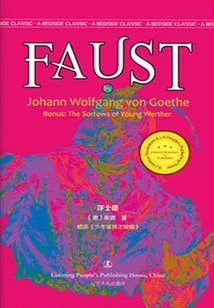
"Faust", as a classic of German literature, is a masterpiece that Goethe completed throughout his life from his youth to the eve of his death. Its creation has gone through four periods of Goethe's literary creation: the Sturm und Drang period, the Italian trip and Weimar period, the classical literature period in collaboration with Schiller, and the creative period in his later years. Therefore, Goethe's "Faust" went from the "first draft" and "fragments" to the completion of the first and second parts. During this period, through constant conception and thinking, Faust completed the leap from an individual to representing the overall development of mankind, giving Faust the lofty ideal of stepping out of the "small world" and entering the "big world", thereby establishing the "Faustian spirit" of human beings pursuing "infinity".
"Faust", as a classic of German literature, is a masterpiece that Goethe completed throughout his life from his youth to the eve of his death. Its creation has gone through four periods of Goethe's literary creation: the Sturm und Drang period, the Italian trip and Weimar period, the classical literature period in collaboration with Schiller, and the creative period in his later years. Therefore, Goethe's "Faust" went from the "first draft" and "fragments" to the completion of the first and second parts. During this period, through constant conception and thinking, Faust completed the leap from an individual to representing the overall development of mankind, giving Faust the lofty ideal of stepping out of the "small world" and entering the "big world", thereby establishing the "Faustian spirit" of human beings pursuing "infinity".
H
General FictionH
H
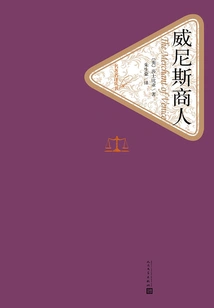
Shakespeare achieved great success in comedy. Optimism is the keynote of Shakespeare's comedies. His comedy contains the beautiful ideals of humanists and the prospect of a bright future for mankind. This book contains selected masterpieces of Shakespeare's comedies translated by Mr. Zhu Shenghao: "The Merchant of Venice", "A Midsummer Night's Dream", "Twelfth Night", "Much Ado About Nothing" and "As You Like It".
Shakespeare achieved great success in comedy. Optimism is the keynote of Shakespeare's comedies. His comedy contains the beautiful ideals of humanists and the prospect of a bright future for mankind. This book contains selected masterpieces of Shakespeare's comedies translated by Mr. Zhu Shenghao: "The Merchant of Venice", "A Midsummer Night's Dream", "Twelfth Night", "Much Ado About Nothing" and "As You Like It".
Walden Pond (translation 40)
General Fiction瓦尔登湖(译文40)
H
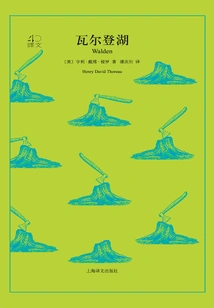
Henry David Thoreau, American transcendentalist writer and philosopher. In the spring of 1845, he built a wooden house in the woods near Walden Pond in his hometown of Concord. From then on, he worked at sunrise - farming, and at sunset - wrote. In 1847, he completed the first draft of "Walden". After five years of repeated revisions, additions, and polishes, he finally presented to the world this immortal work, "Walden, or the Chronicle of a Forest Dweller." In the book, the author describes in detail the two years and two months he spent in the woods near Walden Pond and his many thoughts during this period. He called the experience an attempt at living a simple and secluded life. Based on his deep belief in transcendentalism, the author provides a wonderful description of the changing seasons of nature and spiritual resurgence. The book begins with spring, goes through summer, autumn and winter, and ends with spring. This is exactly the cycle of life, where the end is also the starting point, and life begins to recover. The author talks about everything in the book, looking at the past and present, praising the natural beauty and denouncing the current social ills. Its exquisite writing and profound analysis have amazed generations of readers. As the most popular non-fiction work in American literature in the 19th century, it is worthy of its name.
Henry David Thoreau, American transcendentalist writer and philosopher. In the spring of 1845, he built a wooden house in the woods near Walden Pond in his hometown of Concord. From then on, he worked at sunrise - farming, and at sunset - wrote. In 1847, he completed the first draft of "Walden". After five years of repeated revisions, additions, and polishes, he finally presented to the world this immortal work, "Walden, or the Chronicle of a Forest Dweller." In the book, the author describes in detail the two years and two months he spent in the woods near Walden Pond and his many thoughts during this period. He called the experience an attempt at living a simple and secluded life. Based on his deep belief in transcendentalism, the author provides a wonderful description of the changing seasons of nature and spiritual resurgence. The book begins with spring, goes through summer, autumn and winter, and ends with spring. This is exactly the cycle of life, where the end is also the starting point, and life begins to recover. The author talks about everything in the book, looking at the past and present, praising the natural beauty and denouncing the current social ills. Its exquisite writing and profound analysis have amazed generations of readers. As the most popular non-fiction work in American literature in the 19th century, it is worthy of its name.

O
General Fictiono
I
Margaret was originally a poor country girl. After arriving in Paris, she became a social butterfly in the upper class and was known as the "La Traviata". In this dazzling fame and fortune fair, she was moved by the sincere love of young Armand, and they both fell in love. Just as the lovers in love were looking forward to a better life in the future, Armand's father asked Margaret to leave Armand. Armand didn't know the truth and thought that Margaret had abandoned him intentionally in order to live a high-society life, so he looked for every opportunity to take crazy revenge on her. Tortured by the disease and Armand's blow, Margaret eventually died alone. After seeing her diary, Armand understood what sacrifices this woman had made for love.
Margaret was originally a poor country girl. After arriving in Paris, she became a social butterfly in the upper class and was known as the "La Traviata". In this dazzling fame and fortune fair, she was moved by the sincere love of young Armand, and they both fell in love. Just as the lovers in love were looking forward to a better life in the future, Armand's father asked Margaret to leave Armand. Armand didn't know the truth and thought that Margaret had abandoned him intentionally in order to live a high-society life, so he looked for every opportunity to take crazy revenge on her. Tortured by the disease and Armand's blow, Margaret eventually died alone. After seeing her diary, Armand understood what sacrifices this woman had made for love.
Famous Translation: Gulliver's Travels
General Fiction名家名译:格列佛游记
I
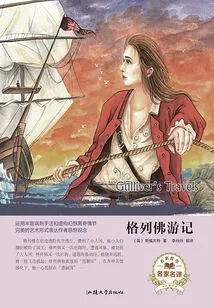
The content of this book includes the travel notes of Lilliput, first arriving in Lilliput, being trusted by the "little people", regaining freedom, resisting foreign enemies, introducing Lilliput, conspiracy and frame-up, escaping from Lilliput, coming to the land of giants, performing in towns, coming to the palace, going on patrol with the king, etc.
The content of this book includes the travel notes of Lilliput, first arriving in Lilliput, being trusted by the "little people", regaining freedom, resisting foreign enemies, introducing Lilliput, conspiracy and frame-up, escaping from Lilliput, coming to the land of giants, performing in towns, coming to the palace, going on patrol with the king, etc.
Oliver Twist·a Tale of Two Cities
General Fiction雾都孤儿·双城记
H
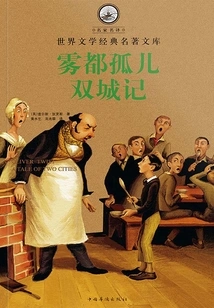
Charles Dickens is a great writer comparable to Shakespeare in the history of modern British literature. His works are well-known in the English-speaking world. He is full of deep compassion, advocates the spirit of philanthropy, and his satirical and humorous writing touches all aspects of social life. He is the most outstanding representative of critical realist literature in the 19th century. In the early Victorian era, Dickens was regarded by readers as the conscience and prophet of society, and in later generations was regarded as "a beacon that calls people back to laughter and kindness." Marx praised him and the famous British writers Thackeray of his generation as "a group of outstanding novelists" in Britain.
Charles Dickens is a great writer comparable to Shakespeare in the history of modern British literature. His works are well-known in the English-speaking world. He is full of deep compassion, advocates the spirit of philanthropy, and his satirical and humorous writing touches all aspects of social life. He is the most outstanding representative of critical realist literature in the 19th century. In the early Victorian era, Dickens was regarded by readers as the conscience and prophet of society, and in later generations was regarded as "a beacon that calls people back to laughter and kindness." Marx praised him and the famous British writers Thackeray of his generation as "a group of outstanding novelists" in Britain.
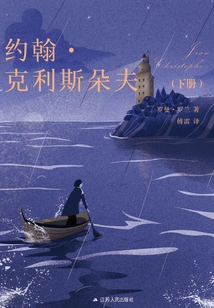
John Christopher (volume 2)
General Fiction约翰·克利斯朵夫(下册)
I
Romain Rolland's novel "Jean-Christophe" is a series of stories about a young man who constantly pursues his dreams and struggles with society for his dreams. This is the second volume of this book. It has a gentle and tranquil atmosphere in general, and sings the tragic song of friendship and pure love. After the calm, there will be a big crisis in life. This storm will destroy almost everything, but the result will still be a clear and lofty state, revealing the dawn of another world.
Romain Rolland's novel "Jean-Christophe" is a series of stories about a young man who constantly pursues his dreams and struggles with society for his dreams. This is the second volume of this book. It has a gentle and tranquil atmosphere in general, and sings the tragic song of friendship and pure love. After the calm, there will be a big crisis in life. This storm will destroy almost everything, but the result will still be a clear and lofty state, revealing the dawn of another world.
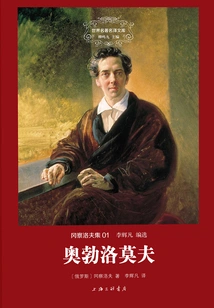
Oblomov
General Fiction奥勃洛莫夫
J
"Oblomov" was created more than a hundred years ago and is Goncharov's masterpiece. The novel creates a typical "Oblomov character" and reveals the profound social and life roots of Oblomov's tragedy of self-destruction. Oblomov was upright, kind, and gentle, but he was lazy, indulged in fantasy, inactive, conservative, and pampered, and regarded labor and public duties as unbearable burdens. Although he envisioned a huge action plan, he was unable to accomplish anything. In the end, he could only lie on the sofa and dawdle, becoming a complete lazy man and waste. The novel delicately describes his spiritual death process and expresses the strong anti-serfdom sentiment and desire for change in society on the eve of serfdom reform. Oblomov is a product of the collapse of serfdom, and his character is the inevitable result of the influence of lifeless manor life on his spiritual life. His image marks the limit of the degeneration of Russia's "superfluous people" in the 19th century. He is a typical example of a declining landlord. This is also the most successful aspect of the novel. This image marked the end of the image of the "superfluous man" in Russian literature in the 19th century.
"Oblomov" was created more than a hundred years ago and is Goncharov's masterpiece. The novel creates a typical "Oblomov character" and reveals the profound social and life roots of Oblomov's tragedy of self-destruction. Oblomov was upright, kind, and gentle, but he was lazy, indulged in fantasy, inactive, conservative, and pampered, and regarded labor and public duties as unbearable burdens. Although he envisioned a huge action plan, he was unable to accomplish anything. In the end, he could only lie on the sofa and dawdle, becoming a complete lazy man and waste. The novel delicately describes his spiritual death process and expresses the strong anti-serfdom sentiment and desire for change in society on the eve of serfdom reform. Oblomov is a product of the collapse of serfdom, and his character is the inevitable result of the influence of lifeless manor life on his spiritual life. His image marks the limit of the degeneration of Russia's "superfluous people" in the 19th century. He is a typical example of a declining landlord. This is also the most successful aspect of the novel. This image marked the end of the image of the "superfluous man" in Russian literature in the 19th century.
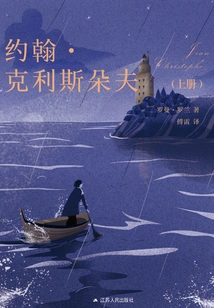
John Christopher (volume 1)
General Fiction约翰·克利斯朵夫(上册)
I
Romain Rolland's novel "Jean-Christophe" is a series of stories about a young man who constantly pursues his dreams and struggles with society for his dreams. This is the first volume of this book, which describes John-Christophe's boyhood and youth: as a boy, Christophe has been living in the small world of his family and hometown-until he passed a test. The young man got enlightenment from the test, constantly brandishing Don Quixote's spear, and went on a rampage to conquer the lies of society and art at that time, attacking mule drivers, clerks, wind wheels of mills, and festivals in Germany and France. He bravely walked out of the small world of his hometown and pursued his dreams on a larger stage.
Romain Rolland's novel "Jean-Christophe" is a series of stories about a young man who constantly pursues his dreams and struggles with society for his dreams. This is the first volume of this book, which describes John-Christophe's boyhood and youth: as a boy, Christophe has been living in the small world of his family and hometown-until he passed a test. The young man got enlightenment from the test, constantly brandishing Don Quixote's spear, and went on a rampage to conquer the lies of society and art at that time, attacking mule drivers, clerks, wind wheels of mills, and festivals in Germany and France. He bravely walked out of the small world of his hometown and pursued his dreams on a larger stage.

The Adventures of Good Soldier Svejke (part 1)
General Fiction好兵帅克历险记(上)
J
"The Adventures of Good Soldier Schweik" written by J. Hasek, through the various encounters of an ordinary soldier Schweik in the First World War and the activities of various people around him, uses a wonderful technique of joking but not cruelty, adding solemnity and humor, and containing anger and laughter, exposing the cruel and decadent Austro-Hungarian Empire and all its ugliness to the broad daylight.
"The Adventures of Good Soldier Schweik" written by J. Hasek, through the various encounters of an ordinary soldier Schweik in the First World War and the activities of various people around him, uses a wonderful technique of joking but not cruelty, adding solemnity and humor, and containing anger and laughter, exposing the cruel and decadent Austro-Hungarian Empire and all its ugliness to the broad daylight.