Library
Browse and search books
8 novels found
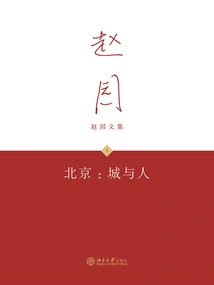
北京:城与人(赵园文集3)
Zhao Yuan
This book takes the literary works describing urban Beijing in the history of modern and contemporary Chinese literature as a kind of pan-local literature, explores the urban cultural character of Beijing in literature, and then explores the various spiritual connections and ways of connection between its residents, depicters and the city through the cultural character of the city, and interprets Beijing culture from one side.
This book takes the literary works describing urban Beijing in the history of modern and contemporary Chinese literature as a kind of pan-local literature, explores the urban cultural character of Beijing in literature, and then explores the various spiritual connections and ways of connection between its residents, depicters and the city through the cultural character of the city, and interprets Beijing culture from one side.
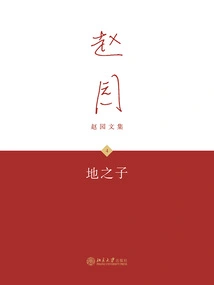
地之子(赵园文集4)
Zhao Yuan
In China, a large agricultural country, the vast number of intellectuals are inextricably linked to the countryside and farmers, and they have deep and profound feelings for the countryside and the earth. Through the analysis and research of a large number of modern and contemporary Chinese literary works, this book explores intellectuals' cultural feelings and spiritual connections with the land and farmers, and reveals the cultural relationships between writers and the countryside and farmers, as well as their literary expression methods.
In China, a large agricultural country, the vast number of intellectuals are inextricably linked to the countryside and farmers, and they have deep and profound feelings for the countryside and the earth. Through the analysis and research of a large number of modern and contemporary Chinese literary works, this book explores intellectuals' cultural feelings and spiritual connections with the land and farmers, and reveals the cultural relationships between writers and the countryside and farmers, as well as their literary expression methods.
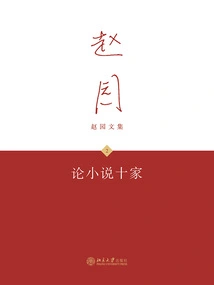
论小说十家(赵园文集2)
Zhao Yuan
This book is the most powerful writer theory in literary studies. It focuses on ten people, Yu Dafu, Lao She, Wu Zuxiang, Zhang Tianyi, Shen Congwen, Lu Ling, Luo Binji, Duanmu Hongliang, Xiao Hong, and Zhang Ailing, and analyzes the works of representative writers in the history of modern literature.
This book is the most powerful writer theory in literary studies. It focuses on ten people, Yu Dafu, Lao She, Wu Zuxiang, Zhang Tianyi, Shen Congwen, Lu Ling, Luo Binji, Duanmu Hongliang, Xiao Hong, and Zhang Ailing, and analyzes the works of representative writers in the history of modern literature.
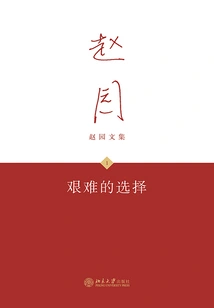
艰难的选择(赵园文集1)
Zhao Yuan
The author of this book examines the image and psychology of intellectuals in the novels of the May Fourth Movement, before and after the Great Revolution, and in the 1930s and 1940s. It is not limited to the description of literary phenomena, but attempts to explore the spiritual journey of modern Chinese intellectuals, focusing on questioning the profound social and historical reasons behind literary phenomena, so it is ideologically profound.
The author of this book examines the image and psychology of intellectuals in the novels of the May Fourth Movement, before and after the Great Revolution, and in the 1930s and 1940s. It is not limited to the description of literary phenomena, but attempts to explore the spiritual journey of modern Chinese intellectuals, focusing on questioning the profound social and historical reasons behind literary phenomena, so it is ideologically profound.
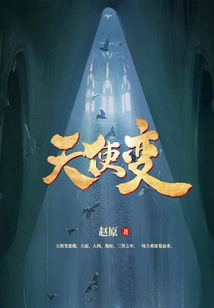
Angel Transformation
General Fiction天使变
Zhao Yuan
Angels turned into demons, and a catastrophe swept through the three realms of heaven, earth, and hell.
Angels turned into demons, and a catastrophe swept through the three realms of heaven, earth, and hell.
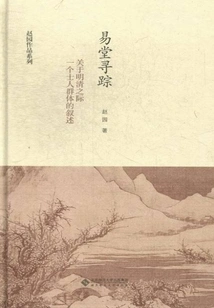
易堂寻踪:关于明清之际一个士人群体的叙述(赵园作品系列)
Zhao Yuan
The story written in this book is indeed a story that happened in a "moment of crisis" and must be explained at least partially by "crisis". The story of Yitang initially attracted my ethical friends, brothers, juniors, even husbands and wives, especially friends. A bright and handsome personality will make people happy at any time. As for the charm of a certain character, it will naturally be lost in time. But after all, they have illuminated others with their short existence. Even if they are as small as chewing fire, they are still beautiful. The Yitang scholars are diligent in "seeking friends" and enriching their lives with others. I "read people" through academics and also use my understanding of people. Understanding has enriched my life. After writing "The Traces of Yitang: A Narrative of a Group of Scholars in the Ming and Qing Dynasties", the Yitang disciples are no longer indifferent and alien to me. They walked out of the old stories and walked directly into my world.
The story written in this book is indeed a story that happened in a "moment of crisis" and must be explained at least partially by "crisis". The story of Yitang initially attracted my ethical friends, brothers, juniors, even husbands and wives, especially friends. A bright and handsome personality will make people happy at any time. As for the charm of a certain character, it will naturally be lost in time. But after all, they have illuminated others with their short existence. Even if they are as small as chewing fire, they are still beautiful. The Yitang scholars are diligent in "seeking friends" and enriching their lives with others. I "read people" through academics and also use my understanding of people. Understanding has enriched my life. After writing "The Traces of Yitang: A Narrative of a Group of Scholars in the Ming and Qing Dynasties", the Yitang disciples are no longer indifferent and alien to me. They walked out of the old stories and walked directly into my world.
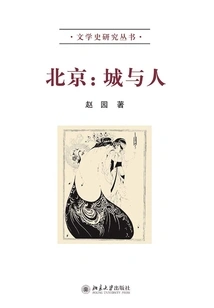
Beijing: City and People
Literature北京:城与人
Zhao Yuan
This book takes the literary works describing urban Beijing in the history of modern and contemporary Chinese literature as a kind of pan-local literature, explores the urban cultural character of Beijing in literature, and then explores the various spiritual connections and ways of connection between its residents, depicters and the city through the cultural character of the city, and interprets Beijing culture from one side.
This book takes the literary works describing urban Beijing in the history of modern and contemporary Chinese literature as a kind of pan-local literature, explores the urban cultural character of Beijing in literature, and then explores the various spiritual connections and ways of connection between its residents, depicters and the city through the cultural character of the city, and interprets Beijing culture from one side.
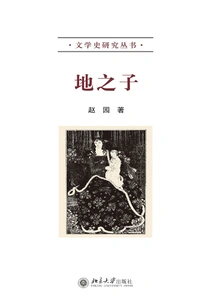
Son of Earth
Literature地之子
Zhao Yuan
"Son of the Earth" was the title of Li Guangtian's poem in the 1930s; before him, Tai Jinnong had already titled his collection of novels with this title in the 1920s. "Son of the Earth" should be an expression created by the authors of the May Fourth New Literature. Intellectuals in modern Chinese history often feel that they have spiritual blood inherited from the "land", and "Song of the Earth" has been a habitual chant of Chinese intellectuals in modern times. Just like the ancient poets who excused their fathers from the fields, when new poets let their peasant characters express their love for the earth, they often forget that that love originally belonged to them. Herman. In his famous novel "Narcissus and Goldmund", Hesse called artists and poets "maternal people". Such people regard the earth as their hometown and sleep soundly in their mother's arms because they are rich in love and feeling. The Place de la Concorde "is not an aesthetic object for taxi drivers, nor is the field an aesthetic object for farmers."① This is not only limited by love and sensitivity, but also because farmers who rely on the land for a living cannot have a "non-utilitarian" aesthetic attitude toward the fields. Therefore, it is ironic that modern intellectuals can easily claim to be sons of the earth because they have broken away from the basic survival connection with the "field" and have broken away from the peasant-style primitive unity with nature. Zhu Xiaoping said in his novel that intellectuals look to the sky and farmers look to the earth. Perhaps only those who are "looking toward the sky" own a piece of "earth" that is different from the land of farmers. Only by gazing at the earth beyond the basic survival relationship can they have the rural perception and rural cultural thinking of intellectuals. In China, a large agricultural country, the vast number of intellectuals are inextricably linked to the countryside and farmers. They have deep and broad cultural feelings for the countryside and the earth. Through the analysis and research of a large number of modern and contemporary Chinese literary works, this book explores intellectuals' cultural feelings and spiritual connections with the land and farmers, and reveals the cultural relationships between writers and the countryside and farmers, as well as their literary expressions. Right\
"Son of the Earth" was the title of Li Guangtian's poem in the 1930s; before him, Tai Jinnong had already titled his collection of novels with this title in the 1920s. "Son of the Earth" should be an expression created by the authors of the May Fourth New Literature. Intellectuals in modern Chinese history often feel that they have spiritual blood inherited from the "land", and "Song of the Earth" has been a habitual chant of Chinese intellectuals in modern times. Just like the ancient poets who excused their fathers from the fields, when new poets let their peasant characters express their love for the earth, they often forget that that love originally belonged to them. Herman. In his famous novel "Narcissus and Goldmund", Hesse called artists and poets "maternal people". Such people regard the earth as their hometown and sleep soundly in their mother's arms because they are rich in love and feeling. The Place de la Concorde "is not an aesthetic object for taxi drivers, nor is the field an aesthetic object for farmers."① This is not only limited by love and sensitivity, but also because farmers who rely on the land for a living cannot have a "non-utilitarian" aesthetic attitude toward the fields. Therefore, it is ironic that modern intellectuals can easily claim to be sons of the earth because they have broken away from the basic survival connection with the "field" and have broken away from the peasant-style primitive unity with nature. Zhu Xiaoping said in his novel that intellectuals look to the sky and farmers look to the earth. Perhaps only those who are "looking toward the sky" own a piece of "earth" that is different from the land of farmers. Only by gazing at the earth beyond the basic survival relationship can they have the rural perception and rural cultural thinking of intellectuals. In China, a large agricultural country, the vast number of intellectuals are inextricably linked to the countryside and farmers. They have deep and broad cultural feelings for the countryside and the earth. Through the analysis and research of a large number of modern and contemporary Chinese literary works, this book explores intellectuals' cultural feelings and spiritual connections with the land and farmers, and reveals the cultural relationships between writers and the countryside and farmers, as well as their literary expressions. Right\