Library
Browse and search books
32 novels found
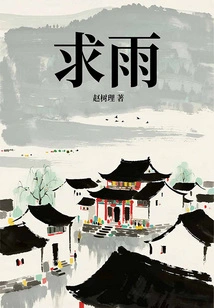
Pray for Rain
Short Fiction求雨
Zhao Shuli
The protagonist of "Praying for Rain" is a Dragon King Temple in Jindouping Village. The novel shows the struggle of rural people against feudal superstition in the early days of the founding of the People's Republic of China and their final victory. The text is humorous and vivid, and it is a very excellent work. "Floor" explores the debate over who creates wealth between "floor" and "labor" in the context of land reform at that time, through a dialogue between two characters named Wang - landlord Wang Laosi and primary school teacher Wang Laosan. "Little Manager" tells the story of how Sanxi, a young Communist Party member, transformed Wang Zhong, the old owner of the cooperative, through learning and wisdom, and successfully managed the cooperative. These stories reflect that in that era, through learning, practice, and struggle, individuals were able to grow and push the collective forward.
The protagonist of "Praying for Rain" is a Dragon King Temple in Jindouping Village. The novel shows the struggle of rural people against feudal superstition in the early days of the founding of the People's Republic of China and their final victory. The text is humorous and vivid, and it is a very excellent work. "Floor" explores the debate over who creates wealth between "floor" and "labor" in the context of land reform at that time, through a dialogue between two characters named Wang - landlord Wang Laosi and primary school teacher Wang Laosan. "Little Manager" tells the story of how Sanxi, a young Communist Party member, transformed Wang Zhong, the old owner of the cooperative, through learning and wisdom, and successfully managed the cooperative. These stories reflect that in that era, through learning, practice, and struggle, individuals were able to grow and push the collective forward.
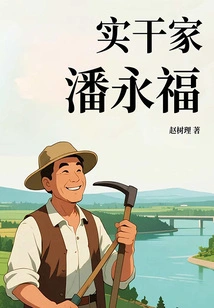
Pan Yongfu, a Man of Action
Short Fiction实干家潘永福
Zhao Shuli
"Pan Yongfu, the Doer" begins with "Cihang Pudu". The older generation of boatmen at the five ferries all have connections with Pan Yongfu. In this way, Pan Yongfu, who is good at work, has exerted his professional qualities in the process of building bridges, building reservoirs, and developing farms. A very outstanding and vivid point in the novel is the formation of a set of "logic of indifference": there is not much difference between the house and the wild land, there is not much difference between the water and dry land, there is not much difference between day and night, and there is not much difference between labor and rest. It's very interesting. The image of cadres who work hard and down-to-earth is vivid in Zhao Shuli's writings. The subject matter is close to life and the language is popular. It is one of Zhao Shuli's excellent works.
"Pan Yongfu, the Doer" begins with "Cihang Pudu". The older generation of boatmen at the five ferries all have connections with Pan Yongfu. In this way, Pan Yongfu, who is good at work, has exerted his professional qualities in the process of building bridges, building reservoirs, and developing farms. A very outstanding and vivid point in the novel is the formation of a set of "logic of indifference": there is not much difference between the house and the wild land, there is not much difference between the water and dry land, there is not much difference between day and night, and there is not much difference between labor and rest. It's very interesting. The image of cadres who work hard and down-to-earth is vivid in Zhao Shuli's writings. The subject matter is close to life and the language is popular. It is one of Zhao Shuli's excellent works.
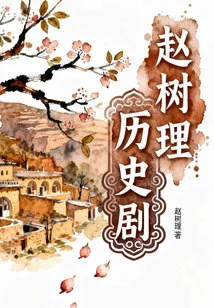
Zhao Shuli Historical Drama
Literature赵树理历史剧
Zhao Shuli
As a dramatist, Zhao Shuli has written many drama scripts. He is deeply involved in local operas such as Shangdang Bangzi, which not only retains the characteristics of traditional opera, but also makes bold breakthroughs. Such as the adaptations of "Three Passes Banquet", "Ye Palace Pictures", "Han Yuniang", etc. "Sanguan Banquet" is adapted from Shangdang Bangzi's traditional play "Loyalty and Filial Piety Festival". It tells the story of the peace negotiation between the Northern Song Dynasty and the Liao Kingdom. Empress Dowager Xiao of the Liao Kingdom went to the Sanguan Banquet in person. The accompanying person turned out to be Yang Yanhui, the fourth son of the Yang family who surrendered to the Liao Kingdom more than ten years ago. Yang Yanhui was frightened in his heart, but his wife Princess Peach Blossom was still willing to deal with it after learning the truth. At the "Three Passes Banquet", Taijun She used the wine cup as a guide to reveal the secret secretly, and Queen Mother Xiao was shocked. This play demonstrates the moral principle of advocating loyalty with its exquisite layout. The script "Picture of Ye Palace" is based on the tyrannical rule of Zhao Tianwang Shihu after the Sixteen Kingdoms period. "Han Yuniang" also has a plot twist: in the early years of the Southern Song Dynasty, a Henan woman named Han Yuniang was captured by the Jin soldiers. She was used as a tool by Zhang Wanfu's subordinate Ma Erhu and forcibly betrothed to Chen Pengju, a scholar who was also captured, in order to win people's hearts. In the bridal chamber, the two complained about the sufferings of their family and country. Yuniang learned that Yue's army was approaching and persuaded Pengju to join the army to serve the country. However, this triggered a series of tragedies. In the end, Han Yuniang died and her husband rushed to the front line. The balance between artistry and rationality, the game of dominance and resistance, and the intensive cultivation of the quintessence of drama give Zhao Shuli's drama a strong spiritual core.
As a dramatist, Zhao Shuli has written many drama scripts. He is deeply involved in local operas such as Shangdang Bangzi, which not only retains the characteristics of traditional opera, but also makes bold breakthroughs. Such as the adaptations of "Three Passes Banquet", "Ye Palace Pictures", "Han Yuniang", etc. "Sanguan Banquet" is adapted from Shangdang Bangzi's traditional play "Loyalty and Filial Piety Festival". It tells the story of the peace negotiation between the Northern Song Dynasty and the Liao Kingdom. Empress Dowager Xiao of the Liao Kingdom went to the Sanguan Banquet in person. The accompanying person turned out to be Yang Yanhui, the fourth son of the Yang family who surrendered to the Liao Kingdom more than ten years ago. Yang Yanhui was frightened in his heart, but his wife Princess Peach Blossom was still willing to deal with it after learning the truth. At the "Three Passes Banquet", Taijun She used the wine cup as a guide to reveal the secret secretly, and Queen Mother Xiao was shocked. This play demonstrates the moral principle of advocating loyalty with its exquisite layout. The script "Picture of Ye Palace" is based on the tyrannical rule of Zhao Tianwang Shihu after the Sixteen Kingdoms period. "Han Yuniang" also has a plot twist: in the early years of the Southern Song Dynasty, a Henan woman named Han Yuniang was captured by the Jin soldiers. She was used as a tool by Zhang Wanfu's subordinate Ma Erhu and forcibly betrothed to Chen Pengju, a scholar who was also captured, in order to win people's hearts. In the bridal chamber, the two complained about the sufferings of their family and country. Yuniang learned that Yue's army was approaching and persuaded Pengju to join the army to serve the country. However, this triggered a series of tragedies. In the end, Han Yuniang died and her husband rushed to the front line. The balance between artistry and rationality, the game of dominance and resistance, and the intensive cultivation of the quintessence of drama give Zhao Shuli's drama a strong spiritual core.
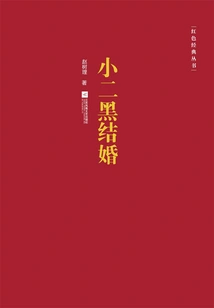
Xiao Erhei Gets Married
General Fiction小二黑结婚
Zhao Shuli
This book is a collection of short stories and short stories by the famous writer Zhao Shuli. The book includes Zhao Shuli's masterpieces such as "Three Mile Bay", "Li Youcai's Straight Talk" and "Xiao Erhei's Marriage". Among them, "Three Mile Bay" describes the conflicts that emerged during the agricultural cooperative movement and the changes in relationships between people; "Li Youcai's Banquet" reflects the intricate situation of rural struggle during the Anti-Japanese War; "Xiao Erhei's Marriage" praises the new life in the new countryside that continues to advance in the struggle.
This book is a collection of short stories and short stories by the famous writer Zhao Shuli. The book includes Zhao Shuli's masterpieces such as "Three Mile Bay", "Li Youcai's Straight Talk" and "Xiao Erhei's Marriage". Among them, "Three Mile Bay" describes the conflicts that emerged during the agricultural cooperative movement and the changes in relationships between people; "Li Youcai's Banquet" reflects the intricate situation of rural struggle during the Anti-Japanese War; "Xiao Erhei's Marriage" praises the new life in the new countryside that continues to advance in the struggle.
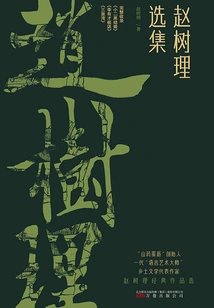
Selected Works of Zhao Shuli
General Fiction赵树理选集
Zhao Shuli
This book is an anthology of Zhao Shuli's works, including his three masterpieces: "Xiao Erhei's Marriage", "Li Youcai's Banal Talk" and "Sanli Bay". These three works occupy an important position in the history of Chinese literature, have had widespread influence, and have become classics. Zhao Shuli is a representative writer of rural literature. He vividly describes the new life in rural areas with his simple and vivid language, and successfully creates many lifelike images of farmers, which is worthy of careful reading by current readers. In September 2019, Zhao Shuli's novel "Sanli Bay" was selected into the "Collection of 70 Novels in the 70 Years of New China".
This book is an anthology of Zhao Shuli's works, including his three masterpieces: "Xiao Erhei's Marriage", "Li Youcai's Banal Talk" and "Sanli Bay". These three works occupy an important position in the history of Chinese literature, have had widespread influence, and have become classics. Zhao Shuli is a representative writer of rural literature. He vividly describes the new life in rural areas with his simple and vivid language, and successfully creates many lifelike images of farmers, which is worthy of careful reading by current readers. In September 2019, Zhao Shuli's novel "Sanli Bay" was selected into the "Collection of 70 Novels in the 70 Years of New China".
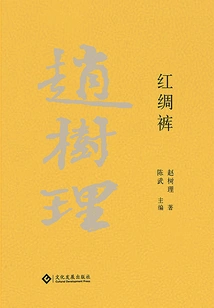
Collected Works of Zhao Shuli: Red Silk Pants
General Fiction赵树理文集:红绸裤
Zhao Shuli
"Red Silk Pants" is a short story collection by Zhao Shuli, which includes more than 40 short stories by Zhao Shuli, such as "Regret", "The Story of the White Horse", "Donkey and Shoes", and "Fugui". These works were created between 1929 and 1942 and are his early works. Most of this book is set in the rural areas of North China, reflecting the changes in rural society and the contradictions and struggles existing therein, and shaping the images of various rural characters. Zhao Shuli's other short stories express the changes in rural social relations in the liberated areas from different aspects. "Fugui" reflects the problem of reforming second-rate people. In order to develop agricultural production in the liberated areas, transforming second-rate workers is an indispensable task. However, the force of habit caused by long-term feudal rule has caused cadres and the masses to mistake some kind-hearted oppressed people for second-rate people. Fugui is experiencing exactly this. The patriarch, Wang Laowan, took away Fugui's land through loan sharking and severely punished Fugui according to clan rules, completely legalizing his own exploitation. Fugui was desperate and became a trumpeter, which was considered a despicable profession, so he was treated as a "second-rate" unreasonably. Through these descriptions, we make a powerful accusation against the old society and severely criticize the forces of habit.
"Red Silk Pants" is a short story collection by Zhao Shuli, which includes more than 40 short stories by Zhao Shuli, such as "Regret", "The Story of the White Horse", "Donkey and Shoes", and "Fugui". These works were created between 1929 and 1942 and are his early works. Most of this book is set in the rural areas of North China, reflecting the changes in rural society and the contradictions and struggles existing therein, and shaping the images of various rural characters. Zhao Shuli's other short stories express the changes in rural social relations in the liberated areas from different aspects. "Fugui" reflects the problem of reforming second-rate people. In order to develop agricultural production in the liberated areas, transforming second-rate workers is an indispensable task. However, the force of habit caused by long-term feudal rule has caused cadres and the masses to mistake some kind-hearted oppressed people for second-rate people. Fugui is experiencing exactly this. The patriarch, Wang Laowan, took away Fugui's land through loan sharking and severely punished Fugui according to clan rules, completely legalizing his own exploitation. Fugui was desperate and became a trumpeter, which was considered a despicable profession, so he was treated as a "second-rate" unreasonably. Through these descriptions, we make a powerful accusation against the old society and severely criticize the forces of habit.
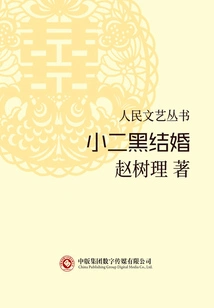
Xiao Erhei's Marriage (people's Literature and Art Series)
General Fiction小二黑结婚(人民文艺丛书)
Zhao Shuli
"The Marriage of Xiao Erhei" is Zhao Shuli's famous work. In the novel, Zhao Shuli created various group portraits of farmers in the historical changes. The love fate of Xiao Erhei and Xiao Qin has far-reaching significance in the history of modern Chinese literature. The author depicts the young men and women in rural areas fighting for individual liberation and freedom of marriage, fighting against feudal forces and feudal superstition, and finally winning. It reflects the great progress China has made in its anti-feudal revolution.
"The Marriage of Xiao Erhei" is Zhao Shuli's famous work. In the novel, Zhao Shuli created various group portraits of farmers in the historical changes. The love fate of Xiao Erhei and Xiao Qin has far-reaching significance in the history of modern Chinese literature. The author depicts the young men and women in rural areas fighting for individual liberation and freedom of marriage, fighting against feudal forces and feudal superstition, and finally winning. It reflects the great progress China has made in its anti-feudal revolution.
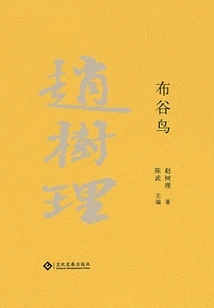
Collected Works of Zhao Shuli: Cuckoo
Literature赵树理文集:布谷鸟
Zhao Shuli
Zhao Shuli created a large number of literary works throughout his life, including novels, operas, poems, miscellaneous essays, etc. With more than 2 million words. Most of his novels are set in the rural areas of North China, reflecting the changes in rural society and the conflicts and struggles that exist therein, shaping the images of various rural characters, and creating the "Yam Egg School", which has become one of the most important and influential literary schools in the history of New China literature. His representative works include "Three Mile Bay", "Xiao Erhei's Marriage", "Li Youcai's Straight Talk", etc. On September 23, 2019, Zhao Shuli's novel "Sanli Bay" was selected into the "Collection of 70 Novels in the 70 Years of New China". In order to fully reflect Zhao Shuli's literary achievements, it is planned to publish 8 volumes of "Collected Works of Zhao Shuli". "Cuckoo" is a collection of poems by Zhao Shuli, one of which is named "Cuckoo". As we all know, Zhao Shuli is a famous novelist, but in the process of writing novels, he also wrote many interesting poems, which are true expressions of Zhao Shuli's inner thoughts. This collection of poems includes more than 80 poems by Zhao Shuli, such as "A Face", "Ears", "Fireflies", "Cuckoo", "Returning from Enemy Areas to Send Congratulations", "Primary School Students Don't Learn Japanese", "Visiting Domesticated Birds and Beasts at the Jilin Zuojia Specialties Research Institute", "Reading the Japs' "Articles for the Destruction of the Communist Youth League"". These works were created from 1928 to 1966 and include major works by Zhao Shuli.
Zhao Shuli created a large number of literary works throughout his life, including novels, operas, poems, miscellaneous essays, etc. With more than 2 million words. Most of his novels are set in the rural areas of North China, reflecting the changes in rural society and the conflicts and struggles that exist therein, shaping the images of various rural characters, and creating the "Yam Egg School", which has become one of the most important and influential literary schools in the history of New China literature. His representative works include "Three Mile Bay", "Xiao Erhei's Marriage", "Li Youcai's Straight Talk", etc. On September 23, 2019, Zhao Shuli's novel "Sanli Bay" was selected into the "Collection of 70 Novels in the 70 Years of New China". In order to fully reflect Zhao Shuli's literary achievements, it is planned to publish 8 volumes of "Collected Works of Zhao Shuli". "Cuckoo" is a collection of poems by Zhao Shuli, one of which is named "Cuckoo". As we all know, Zhao Shuli is a famous novelist, but in the process of writing novels, he also wrote many interesting poems, which are true expressions of Zhao Shuli's inner thoughts. This collection of poems includes more than 80 poems by Zhao Shuli, such as "A Face", "Ears", "Fireflies", "Cuckoo", "Returning from Enemy Areas to Send Congratulations", "Primary School Students Don't Learn Japanese", "Visiting Domesticated Birds and Beasts at the Jilin Zuojia Specialties Research Institute", "Reading the Japs' "Articles for the Destruction of the Communist Youth League"". These works were created from 1928 to 1966 and include major works by Zhao Shuli.
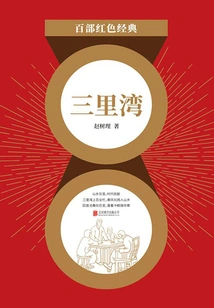
Sanliwan (red Classic)
General Fiction三里湾(红色经典)
Zhao Shuli
This book contains three classic novels by Zhao Shuli, "Three Mile Bay", "Xiao Erhei's Marriage" and "Li Youcai's Straight Talk". Among them, the 2019 novel "Three Mile Bay" was selected into the "Collection of 70 Novels in the 70 Years of New China". "Sanliwan" revolves around the four tasks of the Sanliwan Agricultural Cooperative's autumn harvest, cooperative expansion, party consolidation, and canal opening. It reflects the conflict between the best and the backward forces in the countryside, and shows the style of rural life in a period of great social change. "Xiao Erhei's Marriage" reveals the constraints of the feudal remnants of old customs in the countryside at that time on people's thoughts and behaviors, as well as the conflicts and changes in consciousness between the old and new generations, and reflects the major changes in the liberated areas. "Li Youcai's Banhua" tells the story of the landowner Yan Hengyuan who controlled the village power in Yanjiashan, a base behind enemy lines during the Anti-Japanese War. Village cadres committed corruption, theft, malpractice for personal gain, and oppressed the masses. Li Youcai led the younger generation to fight with them in a battle of wits using "Allegro Poetry" as a weapon, and won.
This book contains three classic novels by Zhao Shuli, "Three Mile Bay", "Xiao Erhei's Marriage" and "Li Youcai's Straight Talk". Among them, the 2019 novel "Three Mile Bay" was selected into the "Collection of 70 Novels in the 70 Years of New China". "Sanliwan" revolves around the four tasks of the Sanliwan Agricultural Cooperative's autumn harvest, cooperative expansion, party consolidation, and canal opening. It reflects the conflict between the best and the backward forces in the countryside, and shows the style of rural life in a period of great social change. "Xiao Erhei's Marriage" reveals the constraints of the feudal remnants of old customs in the countryside at that time on people's thoughts and behaviors, as well as the conflicts and changes in consciousness between the old and new generations, and reflects the major changes in the liberated areas. "Li Youcai's Banhua" tells the story of the landowner Yan Hengyuan who controlled the village power in Yanjiashan, a base behind enemy lines during the Anti-Japanese War. Village cadres committed corruption, theft, malpractice for personal gain, and oppressed the masses. Li Youcai led the younger generation to fight with them in a battle of wits using "Allegro Poetry" as a weapon, and won.
赵树理文集:文艺与生活
Zhao Shuli
Zhao Shuli created a large number of literary works throughout his life, including novels, operas, poems, miscellaneous essays, etc. With more than 2 million words. Most of his novels are set in the rural areas of North China, reflecting the changes in rural society and the conflicts and struggles that exist therein, shaping the images of various rural characters, and creating the "Yam Egg School", which has become one of the most important and influential literary schools in the history of New China literature. His representative works include "Three Mile Bay", "Xiao Erhei's Marriage", "Li Youcai's Straight Talk", etc. On September 23, 2019, Zhao Shuli's novel "Sanli Bay" was selected into the "Collection of 70 Novels in the 70 Years of New China". In order to fully reflect Zhao Shuli's literary achievements, it is planned to publish 8 volumes of "Collected Works of Zhao Shuli". "Literature and Life" is a collection of literary criticism by Zhao Shuli, and one of the articles "Literature and Life" is taken as the title of the book. This collection of literary criticism includes more than 50 literary criticism works by Zhao Shuli, including "Look More - Commemorating the Fifth Anniversary of Lu Xun's Death", "On Mass Creation", "Youth and Creation", "Literature and Life". These works were created from 1957 to 1962 and represent some of Zhao Shuli's views and opinions on literary creation. The article "Look More - Commemorating the Fifth Anniversary of Lu Xun's Death" published in October 1941 grasped the two experiences Lu Xun said in "Answers to Beidou Magazine": "pay attention to various things, look more, don't just write after seeing it once" and "don't write hard when you can't write". It focused on his experience, allowing us to see the height of Zhao Shuli's realist creative method.
Zhao Shuli created a large number of literary works throughout his life, including novels, operas, poems, miscellaneous essays, etc. With more than 2 million words. Most of his novels are set in the rural areas of North China, reflecting the changes in rural society and the conflicts and struggles that exist therein, shaping the images of various rural characters, and creating the "Yam Egg School", which has become one of the most important and influential literary schools in the history of New China literature. His representative works include "Three Mile Bay", "Xiao Erhei's Marriage", "Li Youcai's Straight Talk", etc. On September 23, 2019, Zhao Shuli's novel "Sanli Bay" was selected into the "Collection of 70 Novels in the 70 Years of New China". In order to fully reflect Zhao Shuli's literary achievements, it is planned to publish 8 volumes of "Collected Works of Zhao Shuli". "Literature and Life" is a collection of literary criticism by Zhao Shuli, and one of the articles "Literature and Life" is taken as the title of the book. This collection of literary criticism includes more than 50 literary criticism works by Zhao Shuli, including "Look More - Commemorating the Fifth Anniversary of Lu Xun's Death", "On Mass Creation", "Youth and Creation", "Literature and Life". These works were created from 1957 to 1962 and represent some of Zhao Shuli's views and opinions on literary creation. The article "Look More - Commemorating the Fifth Anniversary of Lu Xun's Death" published in October 1941 grasped the two experiences Lu Xun said in "Answers to Beidou Magazine": "pay attention to various things, look more, don't just write after seeing it once" and "don't write hard when you can't write". It focused on his experience, allowing us to see the height of Zhao Shuli's realist creative method.
Collected Works of Zhao Shuli: Jiao Yulu
Literature赵树理文集:焦裕禄
Zhao Shuli
"Jiao Yulu" is a collection of plays written by Zhao Shuli, and one of them, "Jiao Yulu", is taken as the title. This script collection includes six scripts by Zhao Shuli, including "Han Yuniang", "Wanxiang Tower", "Ten Mile Store" and "Jiao Yulu". These works were created from 1956 to 1966 and have far-reaching influence. "Jiao Yulu" is a script of the same name by Zhao Shuli, who watched the Jincheng County Theater Troupe rehearsing it and thought it deified Jiao Yulu in the play. So he went deep into Lankao and went to the masses to interview Jiao Yulu's deeds, and wrote the first three scenes. However, he finally stopped writing because of creative difficulties. Zhao Shuli started writing "Ten Mile Store" in June 1964. When the Shangdang Bangzi Theater Troupe took "Ten Mile Store" to participate in a modern theater performance in Taiyuan, it was criticized. Zhao Shuli had been involuntarily involved in the whirlpool of drama reform...
"Jiao Yulu" is a collection of plays written by Zhao Shuli, and one of them, "Jiao Yulu", is taken as the title. This script collection includes six scripts by Zhao Shuli, including "Han Yuniang", "Wanxiang Tower", "Ten Mile Store" and "Jiao Yulu". These works were created from 1956 to 1966 and have far-reaching influence. "Jiao Yulu" is a script of the same name by Zhao Shuli, who watched the Jincheng County Theater Troupe rehearsing it and thought it deified Jiao Yulu in the play. So he went deep into Lankao and went to the masses to interview Jiao Yulu's deeds, and wrote the first three scenes. However, he finally stopped writing because of creative difficulties. Zhao Shuli started writing "Ten Mile Store" in June 1964. When the Shangdang Bangzi Theater Troupe took "Ten Mile Store" to participate in a modern theater performance in Taiyuan, it was criticized. Zhao Shuli had been involuntarily involved in the whirlpool of drama reform...
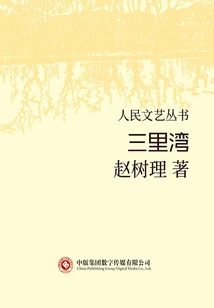
Sanliwan (people's Literature and Art Series)
General Fiction三里湾(人民文艺丛书)
Zhao Shuli
"Sanliwan" is my country's first full-length novel to express the theme of agricultural cooperation. It focuses on the characteristics of the "Yam Egg Party" and focuses on the four tasks of the Sanliwan Agricultural Cooperative's autumn harvest, expansion of the cooperative, party consolidation, and canal opening. It describes the intricate contradictions and entanglements of the four families of Ma Duoshou, Fan Denggao, Yuan Tiancheng, and Wang Baoquan. It reflects the conflict between advanced and backward forces in the countryside, and shows the style of rural life in a period of great social change.
"Sanliwan" is my country's first full-length novel to express the theme of agricultural cooperation. It focuses on the characteristics of the "Yam Egg Party" and focuses on the four tasks of the Sanliwan Agricultural Cooperative's autumn harvest, expansion of the cooperative, party consolidation, and canal opening. It describes the intricate contradictions and entanglements of the four families of Ma Duoshou, Fan Denggao, Yuan Tiancheng, and Wang Baoquan. It reflects the conflict between advanced and backward forces in the countryside, and shows the style of rural life in a period of great social change.
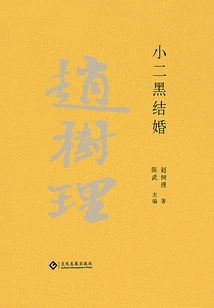
Zhao Shuli's Collected Works: Xiao Erhei's Marriage
General Fiction赵树理文集:小二黑结婚
Zhao Shuli
"Xiao Erhei's Marriage" is a collection of short and medium-sized novels by Zhao Shuli. It includes ten of Zhao Shuli's novels, including "Xiao Erhei's Marriage", "Li Youcai's Straight Talk", "The Changes of Lijiazhuang" and "Heirloom". These works were created between 1943 and 1946 and are also some of the most well-known works. The structure of the novel is complete, the plot is ups and downs, the language is popular, and it is rich in local color. It has created many unique characters, which are lifelike and thought-provoking to read. "The Marriage of Xiao Erhei" is Zhao Shuli's famous work. In the novel, Zhao Shuli creates various group portraits of farmers in the historical changes. The love fate of Xiao Erhei and Xiao Qin has far-reaching significance in the history of modern Chinese literature. The author depicts the young men and women in rural areas fighting for individual liberation and freedom of marriage, fighting against feudal forces and feudal superstition, and finally winning. It reflects the great progress China has made in its anti-feudal revolution. The author pays more attention to the narrative and coherence of the story in his works. The simple and natural nature of the text is Zhao Shuli's successful practice of his artistic ideal of being close to the true face of life.
"Xiao Erhei's Marriage" is a collection of short and medium-sized novels by Zhao Shuli. It includes ten of Zhao Shuli's novels, including "Xiao Erhei's Marriage", "Li Youcai's Straight Talk", "The Changes of Lijiazhuang" and "Heirloom". These works were created between 1943 and 1946 and are also some of the most well-known works. The structure of the novel is complete, the plot is ups and downs, the language is popular, and it is rich in local color. It has created many unique characters, which are lifelike and thought-provoking to read. "The Marriage of Xiao Erhei" is Zhao Shuli's famous work. In the novel, Zhao Shuli creates various group portraits of farmers in the historical changes. The love fate of Xiao Erhei and Xiao Qin has far-reaching significance in the history of modern Chinese literature. The author depicts the young men and women in rural areas fighting for individual liberation and freedom of marriage, fighting against feudal forces and feudal superstition, and finally winning. It reflects the great progress China has made in its anti-feudal revolution. The author pays more attention to the narrative and coherence of the story in his works. The simple and natural nature of the text is Zhao Shuli's successful practice of his artistic ideal of being close to the true face of life.
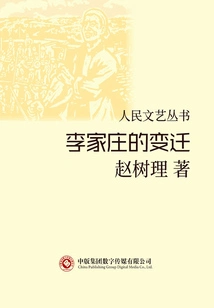
李家庄的变迁(人民文艺丛书)
Zhao Shuli
"The Changes of Lijiazhuang" describes the fierce and sharp class struggle in Lijiazhuang. The protagonist Tie Suo is a character carefully created by the author. He is a migrant from Lijiazhuang, a hard-working, loyal and honest poor farmer. He lived a peaceful life, but he was oppressed and persecuted by landlords Li Ruzhen, Xiao happy, Chun happy and others, leading to bankruptcy. In order to support his family, he went to work in Taiyuan, and was bullied by warlords. With the help of Communist Party member Xiao Chang, he raised his consciousness, united the masses, launched a head-on struggle with the landlords, and gradually grew up in the struggle. Later, he joined the Eighth Route Army and embarked on the road of armed struggle. The clues of Iron Lock's personal life are embedded in the entire changes in Lijiazhuang. Taking the Anti-Japanese War as the background, it narrates the staged victories achieved in the struggle between farmers and landlords.
"The Changes of Lijiazhuang" describes the fierce and sharp class struggle in Lijiazhuang. The protagonist Tie Suo is a character carefully created by the author. He is a migrant from Lijiazhuang, a hard-working, loyal and honest poor farmer. He lived a peaceful life, but he was oppressed and persecuted by landlords Li Ruzhen, Xiao happy, Chun happy and others, leading to bankruptcy. In order to support his family, he went to work in Taiyuan, and was bullied by warlords. With the help of Communist Party member Xiao Chang, he raised his consciousness, united the masses, launched a head-on struggle with the landlords, and gradually grew up in the struggle. Later, he joined the Eighth Route Army and embarked on the road of armed struggle. The clues of Iron Lock's personal life are embedded in the entire changes in Lijiazhuang. Taking the Anti-Japanese War as the background, it narrates the staged victories achieved in the struggle between farmers and landlords.
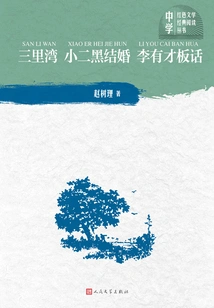
三里湾 小二黑结婚 李有才板话
Zhao Shuli
"Three Mile Bay" is a novel written by Zhao Shuli, written in 1955 (Yiwei year). It is the first excellent work reflecting the agricultural cooperative movement in our country. Sanliwan, a model village in the North China Liberated Area, is undergoing agricultural socialist transformation in full swing. Autumn harvest, party consolidation, cooperative expansion, and canal opening... The cooperative movement has brought a new atmosphere to the countryside, but it has also triggered various contradictions about two roads, two ideas, and two ways of life. Sanliwan is undergoing great changes. "Xiao Erhei's Marriage" and "Li Youcai's Straight Talk" show the spiritual liberation of the people under the leadership of the red regime through strong descriptions of rural life.
"Three Mile Bay" is a novel written by Zhao Shuli, written in 1955 (Yiwei year). It is the first excellent work reflecting the agricultural cooperative movement in our country. Sanliwan, a model village in the North China Liberated Area, is undergoing agricultural socialist transformation in full swing. Autumn harvest, party consolidation, cooperative expansion, and canal opening... The cooperative movement has brought a new atmosphere to the countryside, but it has also triggered various contradictions about two roads, two ideas, and two ways of life. Sanliwan is undergoing great changes. "Xiao Erhei's Marriage" and "Li Youcai's Straight Talk" show the spiritual liberation of the people under the leadership of the red regime through strong descriptions of rural life.
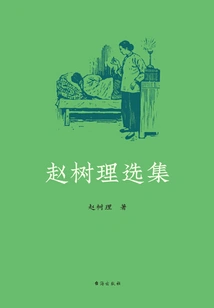
Selected Works of Zhao Shuli
Literature赵树理选集
Zhao Shuli
"Selected Works of Zhao Shuli" is a classic selection of Zhao Shuli's works. This book includes his masterpieces such as "Xiao Erhei's Marriage", "Li Youcai's Straight Talk", "The Changes of Lijiazhuang" and "Registration", as well as the script "Down with the Traitors". It also has an appendix at the back of the book "Chronology of Zhao Shuli's Main Works" to fully show readers It embodies the gentle and well-intentioned humor of Zhao Shuli, the founder of "Yam Egg School" and a generation of "language art master", as well as the ordinary and simple daily life of ordinary people presented in his works, recreating the customs and customs of rural society in the 1940s and 1950s.
"Selected Works of Zhao Shuli" is a classic selection of Zhao Shuli's works. This book includes his masterpieces such as "Xiao Erhei's Marriage", "Li Youcai's Straight Talk", "The Changes of Lijiazhuang" and "Registration", as well as the script "Down with the Traitors". It also has an appendix at the back of the book "Chronology of Zhao Shuli's Main Works" to fully show readers It embodies the gentle and well-intentioned humor of Zhao Shuli, the founder of "Yam Egg School" and a generation of "language art master", as well as the ordinary and simple daily life of ordinary people presented in his works, recreating the customs and customs of rural society in the 1940s and 1950s.
Essay on Literature (part 2)
Literature文学小论(下)
Zhao Shuli
"Essays on Literature" is divided into two volumes, and this book is the second volume. The book not only contains Zhao Shuli's relevant letters and autobiography, but also compiles Zhao Shuli's speeches and conversation records on different occasions. This book maintains the original appearance of first-hand information and returns to the historical flow, allowing readers to understand Zhao Shuli's growth and experience and feel the innocence that Zhao Shuli exudes.
"Essays on Literature" is divided into two volumes, and this book is the second volume. The book not only contains Zhao Shuli's relevant letters and autobiography, but also compiles Zhao Shuli's speeches and conversation records on different occasions. This book maintains the original appearance of first-hand information and returns to the historical flow, allowing readers to understand Zhao Shuli's growth and experience and feel the innocence that Zhao Shuli exudes.
Essay on Literature (part 1)
Literature文学小论(上)
Zhao Shuli
"Essays on Literature" is divided into two volumes, and this book is the first volume. The book not only contains Zhao Shuli's relevant letters and autobiography, but also compiles Zhao Shuli's speeches and conversation records on different occasions. This book maintains the original appearance of first-hand information and returns to the historical flow, allowing readers to understand Zhao Shuli's growth and experience and feel the innocence that Zhao Shuli exudes.
"Essays on Literature" is divided into two volumes, and this book is the first volume. The book not only contains Zhao Shuli's relevant letters and autobiography, but also compiles Zhao Shuli's speeches and conversation records on different occasions. This book maintains the original appearance of first-hand information and returns to the historical flow, allowing readers to understand Zhao Shuli's growth and experience and feel the innocence that Zhao Shuli exudes.
三里湾(新中国70年70部长篇小说典藏)
Zhao Shuli
"Three Mile Bay" was first published in 1955. The novel focuses on the four tasks of the Sanliwan Agricultural Cooperative's autumn harvest, cooperative expansion, party consolidation, and canal opening. It describes the intricate conflicts and entanglements of the four families, Ma Duoshou, Fan Denggao, Yuan Tiancheng, and Wang Baoquan. It reflects the conflict between advanced and backward forces in the countryside, and shows the style of rural life in a period of great social change. The structure of the novel inherits the traditional techniques of Chinese classical novels, and the language is vivid, simple and interesting. The character setting and characterization are exquisite and interesting.
"Three Mile Bay" was first published in 1955. The novel focuses on the four tasks of the Sanliwan Agricultural Cooperative's autumn harvest, cooperative expansion, party consolidation, and canal opening. It describes the intricate conflicts and entanglements of the four families, Ma Duoshou, Fan Denggao, Yuan Tiancheng, and Wang Baoquan. It reflects the conflict between advanced and backward forces in the countryside, and shows the style of rural life in a period of great social change. The structure of the novel inherits the traditional techniques of Chinese classical novels, and the language is vivid, simple and interesting. The character setting and characterization are exquisite and interesting.
赵树理文集:书信·自传·讲话
Zhao Shuli
Zhao Shuli created a large number of literary works throughout his life, including novels, operas, poems, miscellaneous essays, etc. With more than 2 million words. Most of his novels are set in the rural areas of North China, reflecting the changes in rural society and the conflicts and struggles that exist therein, shaping the images of various rural characters, and creating the "Yam Egg School", which has become one of the most important and influential literary schools in the history of New China literature. His representative works include "Three Mile Bay", "Xiao Erhei's Marriage", "Li Youcai's Straight Talk", etc. On September 23, 2019, Zhao Shuli's novel "Sanli Bay" was selected into the "Collection of 70 Novels in the 70 Years of New China". In order to fully reflect Zhao Shuli's literary achievements, it is planned to publish 8 volumes of "Collected Works of Zhao Shuli". "Letters·Autobiography·Speeches" is one of the "Collected Works of Zhao Shuli". It includes "To Wang Shoubang", "To Shen Ziwen", "My Two Friends", "To Ba Jin and Xiao Shan" and other relevant letters and autobiographies of Zhao Shuli, as well as speeches such as "Problems of Workers' Literature and Art", "Discussing Creation with Young Authors", "The First Requirement to Be a Complete Revolutionary". By reading this book, readers can have a comprehensive understanding of Zhao Shuli in life and feel the innocence that Zhao Shuli exudes, whether for China, the Chinese people, Chinese rural areas, or Chinese farmers. It is better to understand why most of his works are set in the rural areas of North China, depicting the images of various rural characters.
Zhao Shuli created a large number of literary works throughout his life, including novels, operas, poems, miscellaneous essays, etc. With more than 2 million words. Most of his novels are set in the rural areas of North China, reflecting the changes in rural society and the conflicts and struggles that exist therein, shaping the images of various rural characters, and creating the "Yam Egg School", which has become one of the most important and influential literary schools in the history of New China literature. His representative works include "Three Mile Bay", "Xiao Erhei's Marriage", "Li Youcai's Straight Talk", etc. On September 23, 2019, Zhao Shuli's novel "Sanli Bay" was selected into the "Collection of 70 Novels in the 70 Years of New China". In order to fully reflect Zhao Shuli's literary achievements, it is planned to publish 8 volumes of "Collected Works of Zhao Shuli". "Letters·Autobiography·Speeches" is one of the "Collected Works of Zhao Shuli". It includes "To Wang Shoubang", "To Shen Ziwen", "My Two Friends", "To Ba Jin and Xiao Shan" and other relevant letters and autobiographies of Zhao Shuli, as well as speeches such as "Problems of Workers' Literature and Art", "Discussing Creation with Young Authors", "The First Requirement to Be a Complete Revolutionary". By reading this book, readers can have a comprehensive understanding of Zhao Shuli in life and feel the innocence that Zhao Shuli exudes, whether for China, the Chinese people, Chinese rural areas, or Chinese farmers. It is better to understand why most of his works are set in the rural areas of North China, depicting the images of various rural characters.
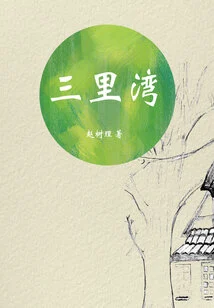
Sanliwan
General Fiction三里湾
Zhao Shuli
"Sanliwan" depicts the conflicts and entanglements in the agricultural cooperative movement in Sanliwan Village in the Liberated Area of North China in the early 1950s, showing the conflict between advanced and backward rural forces, the arduousness of social change, and the important role of outstanding cadres of rural grassroots party organizations in promoting the cooperative movement.
"Sanliwan" depicts the conflicts and entanglements in the agricultural cooperative movement in Sanliwan Village in the Liberated Area of North China in the early 1950s, showing the conflict between advanced and backward rural forces, the arduousness of social change, and the important role of outstanding cadres of rural grassroots party organizations in promoting the cooperative movement.
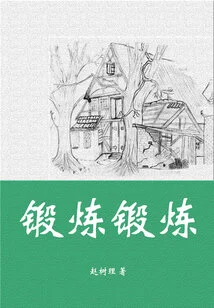
Exercise Exercise
General Fiction锻炼锻炼
Zhao Shuli
Zhao Shuli's novel "Exercise" tells a story about rural social governance and individual behavior transformation. The story takes place in an agricultural cooperative and mainly revolves around two rural women with distinctive personalities and lazy behaviors - "Calf Pain" and "Not Enough to Eat". These two women used physical pain or hunger as an excuse to avoid collective labor, but in fact they were doing it to satisfy their personal interests. Faced with this phenomenon, Yang Xiaosi, the young deputy director of the cooperative, decided to take action and use clever methods to expose and correct their bad behaviors. The novel vividly depicts their cunning and self-deceptive images through a series of dramatic plot designs, such as "calf pain" who pretends to have leg pain during labor but moves forward in private affairs; "not full" who always complains about insufficient food but steals in private. At the same time, it also reflects the conciliatory attitude of some cadres in rural society at that time towards such issues, and how to promote positive changes in farmers' ideological awareness and behavioral habits through education and appropriate "exercise" (that is, tests and corrections in actual labor). "Exercise" is not only a work full of humor and satire, but also profoundly reveals the practical problems in rural social governance, and how to guide and educate the peasant masses through collective wisdom and strength, and promote the development of rural society in a healthier and positive direction.
Zhao Shuli's novel "Exercise" tells a story about rural social governance and individual behavior transformation. The story takes place in an agricultural cooperative and mainly revolves around two rural women with distinctive personalities and lazy behaviors - "Calf Pain" and "Not Enough to Eat". These two women used physical pain or hunger as an excuse to avoid collective labor, but in fact they were doing it to satisfy their personal interests. Faced with this phenomenon, Yang Xiaosi, the young deputy director of the cooperative, decided to take action and use clever methods to expose and correct their bad behaviors. The novel vividly depicts their cunning and self-deceptive images through a series of dramatic plot designs, such as "calf pain" who pretends to have leg pain during labor but moves forward in private affairs; "not full" who always complains about insufficient food but steals in private. At the same time, it also reflects the conciliatory attitude of some cadres in rural society at that time towards such issues, and how to promote positive changes in farmers' ideological awareness and behavioral habits through education and appropriate "exercise" (that is, tests and corrections in actual labor). "Exercise" is not only a work full of humor and satire, but also profoundly reveals the practical problems in rural social governance, and how to guide and educate the peasant masses through collective wisdom and strength, and promote the development of rural society in a healthier and positive direction.
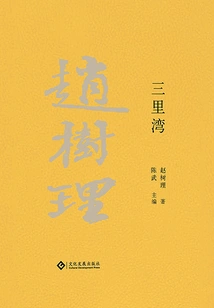
Collected Works of Zhao Shuli: Sanli Bay
General Fiction赵树理文集:三里湾
Zhao Shuli
"Three Mile Bay" is a novel published in 1955 by Zhao Shuli, my country's modern novelist and people's artist. It was completed in 1955. It is the first excellent work reflecting the agricultural cooperative movement in our country. Sanliwan, a model village in the North China Liberated Area, is undergoing a vigorous agricultural socialist transformation. Autumn harvest, party consolidation, cooperative expansion, and canal opening... The cooperative movement has brought a new atmosphere to the countryside, but it has also triggered various contradictions about two roads, two ideas, and two ways of life. Sanliwan is undergoing great changes. It describes the mental outlook of people from all walks of life in rural areas and is the first outstanding work in my country to reflect the agricultural co-operative movement. This book is good at choosing the language and actions that best express the character's personality to depict the characters. The characters are complete with just a few strokes. The structure inherits the traditional techniques of Chinese classical novels. The plot is coherent but not jumpy, and the language is vivid, simple, humorous and interesting.
"Three Mile Bay" is a novel published in 1955 by Zhao Shuli, my country's modern novelist and people's artist. It was completed in 1955. It is the first excellent work reflecting the agricultural cooperative movement in our country. Sanliwan, a model village in the North China Liberated Area, is undergoing a vigorous agricultural socialist transformation. Autumn harvest, party consolidation, cooperative expansion, and canal opening... The cooperative movement has brought a new atmosphere to the countryside, but it has also triggered various contradictions about two roads, two ideas, and two ways of life. Sanliwan is undergoing great changes. It describes the mental outlook of people from all walks of life in rural areas and is the first outstanding work in my country to reflect the agricultural co-operative movement. This book is good at choosing the language and actions that best express the character's personality to depict the characters. The characters are complete with just a few strokes. The structure inherits the traditional techniques of Chinese classical novels. The plot is coherent but not jumpy, and the language is vivid, simple, humorous and interesting.
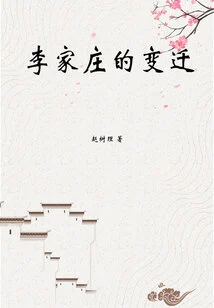
The Changes of Lijiazhuang
General Fiction李家庄的变迁
Zhao Shuli
The book "The Changes of Lijiazhuang" takes Lijiazhuang in rural Shanxi as the background and shows the great changes in Lijiazhuang before and after the Anti-Japanese War through the experience of carpenter Zhang Tiesuo. Zhang Tiesuo's family suffered cruel oppression from the feudal landlord class in the countryside. Warlords and landlords colluded with each other to prey on the common people. The fifteen acres of land that Zhang Tiesuo's grandfather and father had worked hard to buy for two lifetimes was occupied by village chief Li Ruzhen and others. He had no right to seek justice, so he had to leave his hometown and go out to work. In the field, he was hungry and cold, and unexpectedly met his enemy Xiaoxi. In order to survive, he had to work under him. Later, when the situation was turbulent, Xiaoxi's Forty-Eighth Division left behind was disbanded, and Tie Suo had no choice but to return to his hometown...
The book "The Changes of Lijiazhuang" takes Lijiazhuang in rural Shanxi as the background and shows the great changes in Lijiazhuang before and after the Anti-Japanese War through the experience of carpenter Zhang Tiesuo. Zhang Tiesuo's family suffered cruel oppression from the feudal landlord class in the countryside. Warlords and landlords colluded with each other to prey on the common people. The fifteen acres of land that Zhang Tiesuo's grandfather and father had worked hard to buy for two lifetimes was occupied by village chief Li Ruzhen and others. He had no right to seek justice, so he had to leave his hometown and go out to work. In the field, he was hungry and cold, and unexpectedly met his enemy Xiaoxi. In order to survive, he had to work under him. Later, when the situation was turbulent, Xiaoxi's Forty-Eighth Division left behind was disbanded, and Tie Suo had no choice but to return to his hometown...
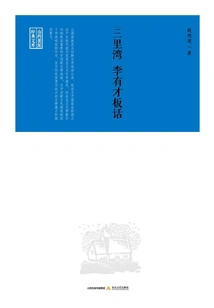
Sanliwan, Li Youcai's Blunt Talk
General Fiction三里湾,李有才板话
Zhao Shuli
"Sanliwan Li Youcai's Banhua" contains two works by Zhao Shuli, a literary representative of the Yaodan School: "Sanliwan" and "Li Youcai's Banhua". "Sanliwan" tells the story of a village called "Sanliwan" in northern my country in the early 1950s. Under the leadership of the township government and village cadres, through meticulous mobilization and enlightenment work, many people who still had strong private concepts in their minds changed their minds and resolved various sharp disputes with facts. Finally, under the leadership of the young people of the village league branch, the whole village, young and old, joined the agricultural cooperative and embarked on the road to common prosperity. "Li Youcai's Banhua" describes the tortuous and complicated struggle between farmers and landlord bullies when the democratic regime was first established. The novel reveals the despicable methods used by the bully landlord Yan Hengyuan to manipulate village political power behind the scenes, oppose rent and interest reductions, promote unity among farmers, and undermine policies and laws. It creates an artistic image of Li Youcai, a new farmer with integrity, strong wit, optimism, and humor. It also describes the growth process of the "little" generation who gather around Li Youcai.
"Sanliwan Li Youcai's Banhua" contains two works by Zhao Shuli, a literary representative of the Yaodan School: "Sanliwan" and "Li Youcai's Banhua". "Sanliwan" tells the story of a village called "Sanliwan" in northern my country in the early 1950s. Under the leadership of the township government and village cadres, through meticulous mobilization and enlightenment work, many people who still had strong private concepts in their minds changed their minds and resolved various sharp disputes with facts. Finally, under the leadership of the young people of the village league branch, the whole village, young and old, joined the agricultural cooperative and embarked on the road to common prosperity. "Li Youcai's Banhua" describes the tortuous and complicated struggle between farmers and landlord bullies when the democratic regime was first established. The novel reveals the despicable methods used by the bully landlord Yan Hengyuan to manipulate village political power behind the scenes, oppose rent and interest reductions, promote unity among farmers, and undermine policies and laws. It creates an artistic image of Li Youcai, a new farmer with integrity, strong wit, optimism, and humor. It also describes the growth process of the "little" generation who gather around Li Youcai.
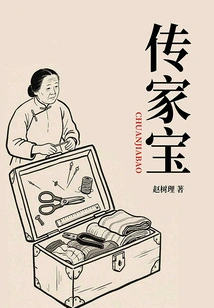
Family Heirloom
Short Fiction传家宝
Zhao Shuli
"Heirloom" is set in the rural areas of the liberated areas in the 1940s, and revolves around the conflict between mother-in-law and daughter-in-law in an ordinary family. It shows the collision of old and new ideas and the impact of social changes on family relationships. The core characters of the story are mother-in-law Li Chengniang and daughter-in-law Jin Gui. Li Chengniang guarded an old dowry box that she regarded as a "family heirloom", which contained needles, threads, rulers, scissors, thimbles, pliers, dozens of kilograms of old cloth, and other "household management experience" she had accumulated over the years. She believed that running a household should be frugal and make one's own decisions in everything, which she believed was the foundation for maintaining a family. Men work outside and women work at home and keep to themselves. These concepts of the old society collided with all kinds of discordant notes when they met Jin Gui, the daughter-in-law who came to the Li family at the time of the transition between the old and the new. The old box that is regarded as a "family heirloom" actually symbolizes the replacement of the old feudal family concepts by the new ideas of democracy and equality; it criticizes the conservative and backward feudal patriarchy and commends the new society's "collective negotiation" and "democratic housekeeping" and other new concepts for the benign transformation of traditional family relationships. The writing of the book is smooth, the contradictions and conflicts are reasonable, the language is very simple, and the strong local flavor is overwhelming, which reflects Zhao Shuli's creative style of "writing for farmers and about farmers".
"Heirloom" is set in the rural areas of the liberated areas in the 1940s, and revolves around the conflict between mother-in-law and daughter-in-law in an ordinary family. It shows the collision of old and new ideas and the impact of social changes on family relationships. The core characters of the story are mother-in-law Li Chengniang and daughter-in-law Jin Gui. Li Chengniang guarded an old dowry box that she regarded as a "family heirloom", which contained needles, threads, rulers, scissors, thimbles, pliers, dozens of kilograms of old cloth, and other "household management experience" she had accumulated over the years. She believed that running a household should be frugal and make one's own decisions in everything, which she believed was the foundation for maintaining a family. Men work outside and women work at home and keep to themselves. These concepts of the old society collided with all kinds of discordant notes when they met Jin Gui, the daughter-in-law who came to the Li family at the time of the transition between the old and the new. The old box that is regarded as a "family heirloom" actually symbolizes the replacement of the old feudal family concepts by the new ideas of democracy and equality; it criticizes the conservative and backward feudal patriarchy and commends the new society's "collective negotiation" and "democratic housekeeping" and other new concepts for the benign transformation of traditional family relationships. The writing of the book is smooth, the contradictions and conflicts are reasonable, the language is very simple, and the strong local flavor is overwhelming, which reflects Zhao Shuli's creative style of "writing for farmers and about farmers".
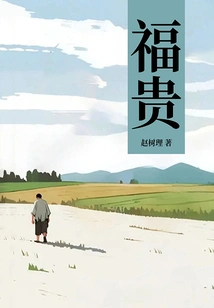
Fugui
Short Fiction福贵
Zhao Shuli
The protagonist of the novel, Fu Gui, was originally a capable young man. After his mother died, he owed money to Wang Laowan for weddings and funerals. He was exploited at all levels to gain land and debts. He had no choice but to gamble and steal. When he worked as a drummer, he was buried alive by the Wang family, so he had to flee. After liberation, he returned from the liberated area and only wanted to confront Wang Laowan and seek justice. Fugui's experience is the epitome of the old society's exploitation and devouring of the people at the bottom, and his finally daring to speak out and regaining dignity also demonstrates the power of the new society to break oppression and allow the people at the bottom to regain the value of life. Zhao Shuli's writing is full of "earthy flavor", simple and vivid, and accurately restores the rough texture of rural life, making it easy for readers to empathize with him. Times have passed, but the work still shines.
The protagonist of the novel, Fu Gui, was originally a capable young man. After his mother died, he owed money to Wang Laowan for weddings and funerals. He was exploited at all levels to gain land and debts. He had no choice but to gamble and steal. When he worked as a drummer, he was buried alive by the Wang family, so he had to flee. After liberation, he returned from the liberated area and only wanted to confront Wang Laowan and seek justice. Fugui's experience is the epitome of the old society's exploitation and devouring of the people at the bottom, and his finally daring to speak out and regaining dignity also demonstrates the power of the new society to break oppression and allow the people at the bottom to regain the value of life. Zhao Shuli's writing is full of "earthy flavor", simple and vivid, and accurately restores the rough texture of rural life, making it easy for readers to empathize with him. Times have passed, but the work still shines.
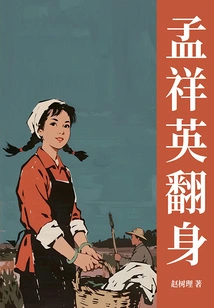
Meng Xiangying Turns Over
Short Fiction孟祥英翻身
Zhao Shuli
Zhao Shuli's "Meng Xiangying Stands Up" is based on Meng Xiangying, the "hero who survived the famine" in the Taihang Mountains. It does not follow the narrative mode commonly used in liberated area literature, which mainly shows the heroic deeds of characters after they turn over, but chooses the arduous transformation process of "how a person becomes a hero from a non-hero". This makes the novel present an artistic style that is different from many "new women" works on the theme of transformation at that time, giving readers different reading experiences and different gains. It is a very excellent rural short story.
Zhao Shuli's "Meng Xiangying Stands Up" is based on Meng Xiangying, the "hero who survived the famine" in the Taihang Mountains. It does not follow the narrative mode commonly used in liberated area literature, which mainly shows the heroic deeds of characters after they turn over, but chooses the arduous transformation process of "how a person becomes a hero from a non-hero". This makes the novel present an artistic style that is different from many "new women" works on the theme of transformation at that time, giving readers different reading experiences and different gains. It is a very excellent rural short story.
Register
Short Fiction登记
Zhao Shuli
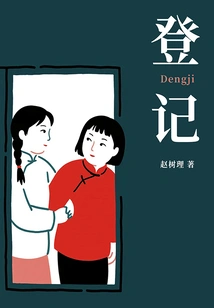
"Registration" is set in rural North China and focuses on the theme of marital autonomy. The story is mainly based on the marriage experiences of two generations, Xiao Moth and Ai Ai, and unfolds in two lines. When the little moth was young, she had a beautiful appearance and had a young man she liked. However, her parents arranged to marry Zhang Carpenter. After the marriage, she was severely beaten by Zhang Carpenter, which left her with serious inner trauma. The rest of her life was dull and depressed. When Xiao Fei Moth's only daughter Ai Ai grew up, she was young, beautiful, lively, and dared to resist. She fell in love with Xiao Wan, a young man from the same village. However, she encountered various obstacles. Ai Ai's peers Yan Yan and Xiao Jin also encountered similar predicaments, and both could not love their lovers. This work by Zhao Shuli details the experience of his mother, the little moth, from the time when the classical Arhat money became a token. The two generations were suppressed, suffered, and finally awakened, as if being pulled by a token. In the end, love won. The new institution of marriage triumphed. With the whole society booming, the ideological progress in rural society is encouraging and hopeful.
"Registration" is set in rural North China and focuses on the theme of marital autonomy. The story is mainly based on the marriage experiences of two generations, Xiao Moth and Ai Ai, and unfolds in two lines. When the little moth was young, she had a beautiful appearance and had a young man she liked. However, her parents arranged to marry Zhang Carpenter. After the marriage, she was severely beaten by Zhang Carpenter, which left her with serious inner trauma. The rest of her life was dull and depressed. When Xiao Fei Moth's only daughter Ai Ai grew up, she was young, beautiful, lively, and dared to resist. She fell in love with Xiao Wan, a young man from the same village. However, she encountered various obstacles. Ai Ai's peers Yan Yan and Xiao Jin also encountered similar predicaments, and both could not love their lovers. This work by Zhao Shuli details the experience of his mother, the little moth, from the time when the classical Arhat money became a token. The two generations were suppressed, suffered, and finally awakened, as if being pulled by a token. In the end, love won. The new institution of marriage triumphed. With the whole society booming, the ideological progress in rural society is encouraging and hopeful.
The Changes of Lijiazhuang Sanliwan
General Fiction李家庄的变迁 三里湾
Zhao Shuli
"The Changes of Lijiazhuang" tells the story of the protagonist Zhang Tiesuo and his family who were oppressed by the landlord class in the countryside. They had no right to appeal and their land was occupied, so they had to leave their hometown. Later, under the leadership of the Communist Party, the rule of the landlord class was overthrown. "Three Mile Bay" has a profound description of the contradictions and conflicts that emerged in the agricultural cooperative movement and the changes in the relationships between people, from the autumn harvest, distribution, expansion of cooperatives, merger of cooperatives to preparation for opening canals.
"The Changes of Lijiazhuang" tells the story of the protagonist Zhang Tiesuo and his family who were oppressed by the landlord class in the countryside. They had no right to appeal and their land was occupied, so they had to leave their hometown. Later, under the leadership of the Communist Party, the rule of the landlord class was overthrown. "Three Mile Bay" has a profound description of the contradictions and conflicts that emerged in the agricultural cooperative movement and the changes in the relationships between people, from the autumn harvest, distribution, expansion of cooperatives, merger of cooperatives to preparation for opening canals.
赵树理文集:谈兴趣
Zhao Shuli
Zhao Shuli created a large number of literary works throughout his life, including novels, operas, poems, miscellaneous essays, etc. With more than 2 million words. Most of his novels are set in the rural areas of North China, reflecting the changes in rural society and the conflicts and struggles that exist therein, shaping the images of various rural characters, and creating the "Yam Egg School", which has become one of the most important and influential literary schools in the history of New China literature. His representative works include "Three Mile Bay", "Xiao Erhei's Marriage", "Li Youcai's Straight Talk", etc. On September 23, 2019, Zhao Shuli's novel "Sanli Bay" was selected into the "Collection of 70 Novels in the 70 Years of New China". In order to fully reflect Zhao Shuli's literary achievements, it is planned to publish 8 volumes of "Collected Works of Zhao Shuli". "Talk about Interest" is a collection of literary criticism by Zhao Shuli. One of the articles, "Talk about Interest", is taken as the title of the book. This collection of literary criticism includes more than 70 literary criticism works by Zhao Shuli, including "Brainstorming", "Ordinary Cruelty", "Memories of Editing a Tabloid", "Ordinary Cruelty", and "Talk about Interests". These works were created from 1927 to 1948 and represent some of Zhao Shuli's views and opinions on literary creation. Most of Zhao Shuli's works are set in the countryside of North China, reflecting the changes in rural society and the conflicts and struggles that exist therein, shaping the images of various rural characters, and creating the "Yam Egg School", which has become one of the most important and influential literary schools in the history of New China literature.
Zhao Shuli created a large number of literary works throughout his life, including novels, operas, poems, miscellaneous essays, etc. With more than 2 million words. Most of his novels are set in the rural areas of North China, reflecting the changes in rural society and the conflicts and struggles that exist therein, shaping the images of various rural characters, and creating the "Yam Egg School", which has become one of the most important and influential literary schools in the history of New China literature. His representative works include "Three Mile Bay", "Xiao Erhei's Marriage", "Li Youcai's Straight Talk", etc. On September 23, 2019, Zhao Shuli's novel "Sanli Bay" was selected into the "Collection of 70 Novels in the 70 Years of New China". In order to fully reflect Zhao Shuli's literary achievements, it is planned to publish 8 volumes of "Collected Works of Zhao Shuli". "Talk about Interest" is a collection of literary criticism by Zhao Shuli. One of the articles, "Talk about Interest", is taken as the title of the book. This collection of literary criticism includes more than 70 literary criticism works by Zhao Shuli, including "Brainstorming", "Ordinary Cruelty", "Memories of Editing a Tabloid", "Ordinary Cruelty", and "Talk about Interests". These works were created from 1927 to 1948 and represent some of Zhao Shuli's views and opinions on literary creation. Most of Zhao Shuli's works are set in the countryside of North China, reflecting the changes in rural society and the conflicts and struggles that exist therein, shaping the images of various rural characters, and creating the "Yam Egg School", which has become one of the most important and influential literary schools in the history of New China literature.
Li Youcai's Banal Talk (people's Literature and Art Series)
General Fiction李有才板话(人民文艺丛书)
Zhao Shuli
"Li Youcai's Banquet" is a masterpiece of literature and art in the liberated areas. This novel tells the story of the landowner Yan Hengyuan who controlled the village power in Yanjiashan, a base behind enemy lines during the Anti-Japanese War. The village cadres committed corruption, theft, malpractice for personal gain, and oppressed the masses. However, they actually defrauded the villagers of the honor of "Model Village". Li Youcai led the younger generation, using "Allegro Poetry" as a weapon, to fight with them in a battle of wits and win.
"Li Youcai's Banquet" is a masterpiece of literature and art in the liberated areas. This novel tells the story of the landowner Yan Hengyuan who controlled the village power in Yanjiashan, a base behind enemy lines during the Anti-Japanese War. The village cadres committed corruption, theft, malpractice for personal gain, and oppressed the masses. However, they actually defrauded the villagers of the honor of "Model Village". Li Youcai led the younger generation, using "Allegro Poetry" as a weapon, to fight with them in a battle of wits and win.