Library
Browse and search books
79 novels found
Civilization Journey
Literature文明之旅
Yu Qiuyu
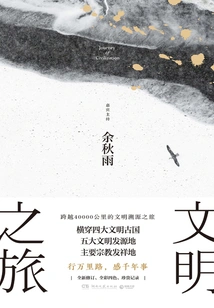
This book is a record of Yu Qiuyu's personal visits to the world's four major ancient civilizations, the birthplaces of the five major civilizations, and the birthplaces of major religions. He faced the human culture that has traveled through thousands of years, and described the past and present, the glory and decline of ancient civilizations with calm and clear strokes. This trip spanned three continents: Asia, Europe, and Africa. He, Chen Luyu, Xu Gehui, Wu Xiaoli, Zeng Chengyi and others traveled to many foreign countries such as Greece, Egypt, Israel, Jordan, Iraq, Iran, Pakistan, India, Nepal, etc. Finally, they returned to their homeland of China, where they devoutly visited the snow-covered plateaus and ancient capitals of the Central Plains, and listened to the ancient voices of history.
This book is a record of Yu Qiuyu's personal visits to the world's four major ancient civilizations, the birthplaces of the five major civilizations, and the birthplaces of major religions. He faced the human culture that has traveled through thousands of years, and described the past and present, the glory and decline of ancient civilizations with calm and clear strokes. This trip spanned three continents: Asia, Europe, and Africa. He, Chen Luyu, Xu Gehui, Wu Xiaoli, Zeng Chengyi and others traveled to many foreign countries such as Greece, Egypt, Israel, Jordan, Iraq, Iran, Pakistan, India, Nepal, etc. Finally, they returned to their homeland of China, where they devoutly visited the snow-covered plateaus and ancient capitals of the Central Plains, and listened to the ancient voices of history.
余秋雨作品集(套装共14册)
Yu Qiuyu
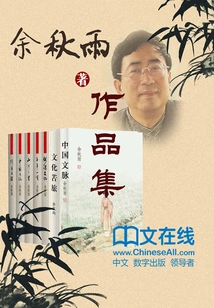
"Collection of Yu Qiuyu's Works" is a collection of Yu Qiuyu's classic works, many of which have sold more than one million copies. They have been tested by the market and are highly sought after by readers. More than 20 years ago, he resolutely resigned from all administrative positions and high-ranking appointments to investigate and interpret many buried important sites of Chinese civilization alone. These sites have been protected and promoted, and he is recognized as a major representative of contemporary China's reorganization of traditional culture. The works he wrote created a generation of "cultural prose" style of writing and attracted many admirers. At the end of the 20th century, he risked his life and traveled tens of thousands of kilometers to inspect the most important place of human civilization, and made a series of new thoughts and urgent reminders about contemporary world civilization. As the only humanities professor in the world who has personally completed this kind of time travel, he timely determined the location of the new round of terrorism and accurately predicted the economic crisis of different European countries, which attracted great attention at home and abroad. The books written during this process have long been at the top of the global Chinese book rankings. In Taiwan alone, it has won a series of major awards such as the Platinum Writer Award, the Literary Laureate Award, the Reader's Best Book Award, and the Golden Stone Hall's Most Influential Book Award.
"Collection of Yu Qiuyu's Works" is a collection of Yu Qiuyu's classic works, many of which have sold more than one million copies. They have been tested by the market and are highly sought after by readers. More than 20 years ago, he resolutely resigned from all administrative positions and high-ranking appointments to investigate and interpret many buried important sites of Chinese civilization alone. These sites have been protected and promoted, and he is recognized as a major representative of contemporary China's reorganization of traditional culture. The works he wrote created a generation of "cultural prose" style of writing and attracted many admirers. At the end of the 20th century, he risked his life and traveled tens of thousands of kilometers to inspect the most important place of human civilization, and made a series of new thoughts and urgent reminders about contemporary world civilization. As the only humanities professor in the world who has personally completed this kind of time travel, he timely determined the location of the new round of terrorism and accurately predicted the economic crisis of different European countries, which attracted great attention at home and abroad. The books written during this process have long been at the top of the global Chinese book rankings. In Taiwan alone, it has won a series of major awards such as the Platinum Writer Award, the Literary Laureate Award, the Reader's Best Book Award, and the Golden Stone Hall's Most Influential Book Award.
Autumn Rain Calligraphy
Literature秋雨翰墨
Yu Qiuyu
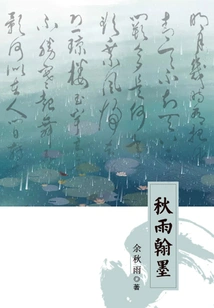
The first chapter is the culture of pen and ink. This part is embodied in the form of interviews, elaborating on culture, feelings about calligraphy, and conducting interviews on the current status of calligraphy culture and the development trend of calligraphy culture in the future. The second chapter is about calligraphy. This part is about Yu Qiuyu's articles about calligraphy culture, such as: "Bi and Ink Sacrifice", "History of Calligraphy", etc. The third chapter, written about the Spring and Autumn Period, is a calligraphy work by Yu Qiuyu.
The first chapter is the culture of pen and ink. This part is embodied in the form of interviews, elaborating on culture, feelings about calligraphy, and conducting interviews on the current status of calligraphy culture and the development trend of calligraphy culture in the future. The second chapter is about calligraphy. This part is about Yu Qiuyu's articles about calligraphy culture, such as: "Bi and Ink Sacrifice", "History of Calligraphy", etc. The third chapter, written about the Spring and Autumn Period, is a calligraphy work by Yu Qiuyu.
Cultural Purity
Literature文化之贞
Yu Qiuyu
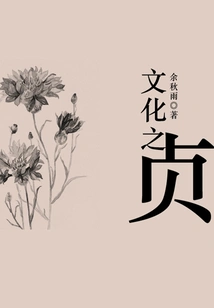
This book is divided into two parts. The first part, "The Answer of Life," describes a group of modern cultural figures who still maintained cultural loyalty despite many difficulties, such as Ba Jin, Huang Zuolin, Xie Jin, Zhang Peiheng, Bai Xianyong, Lin Huaimin, and Yu Guangzhong. The second part, "Academic Answers," collects cultural speeches delivered by the author on some major international occasions, and also includes a systematic analysis of the "cultural pain" reflected in the disaster of the Cultural Revolution.
This book is divided into two parts. The first part, "The Answer of Life," describes a group of modern cultural figures who still maintained cultural loyalty despite many difficulties, such as Ba Jin, Huang Zuolin, Xie Jin, Zhang Peiheng, Bai Xianyong, Lin Huaimin, and Yu Guangzhong. The second part, "Academic Answers," collects cultural speeches delivered by the author on some major international occasions, and also includes a systematic analysis of the "cultural pain" reflected in the disaster of the Cultural Revolution.
A Brief History of My Family
Literature吾家小史
Yu Qiuyu
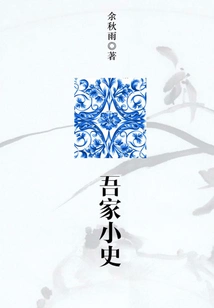
This book is the latest revised version of Yu Qiuyu's autobiography "Lend Me a Life", which has added a large text about his mother. In this book, Yu Qiuyu narrates the history of the family in a calm tone, starting from the time when his great-grandfather and great-grandfather set off from Cixi, Zhejiang and went to Shanghai. The lives of grandfather, grandmother, maternal grandfather, maternal grandmother, father, mother, aunt, uncle, "me" and his wife Malan, and many family figures, have risen and fallen in the light and shadow of history for nearly a century. This is a work with symbolic significance, a "Chinese Reader" that goes deep into the soul.
This book is the latest revised version of Yu Qiuyu's autobiography "Lend Me a Life", which has added a large text about his mother. In this book, Yu Qiuyu narrates the history of the family in a calm tone, starting from the time when his great-grandfather and great-grandfather set off from Cixi, Zhejiang and went to Shanghai. The lives of grandfather, grandmother, maternal grandfather, maternal grandmother, father, mother, aunt, uncle, "me" and his wife Malan, and many family figures, have risen and fallen in the light and shadow of history for nearly a century. This is a work with symbolic significance, a "Chinese Reader" that goes deep into the soul.
Forty-eight Lessons on Chinese Culture
General Fiction中华文化四十八堂课
Yu Qiuyu
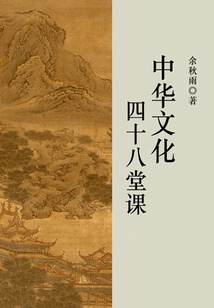
The book "Forty-Eight Lessons on Chinese Culture" was compiled from discussions on the history of Chinese culture courses offered by Yu Qiuyu to students at Peking University. This book adopts the form of classroom discussion, plus "flash questions" and "flash answers" with students after class. The format is novel and the content is colorful. This is a history of Chinese culture in Yu Qiuyu's heart, and it is also a history of Chinese culture full of strong sense of color. With his knowledge and emotion, Mr. Yu conveyed cultural memories to the Chinese people and sounded the bell of world civilization with the most complete and splendid Chinese culture preserved among the four ancient civilizations of mankind.
The book "Forty-Eight Lessons on Chinese Culture" was compiled from discussions on the history of Chinese culture courses offered by Yu Qiuyu to students at Peking University. This book adopts the form of classroom discussion, plus "flash questions" and "flash answers" with students after class. The format is novel and the content is colorful. This is a history of Chinese culture in Yu Qiuyu's heart, and it is also a history of Chinese culture full of strong sense of color. With his knowledge and emotion, Mr. Yu conveyed cultural memories to the Chinese people and sounded the bell of world civilization with the most complete and splendid Chinese culture preserved among the four ancient civilizations of mankind.
The Face of History
Literature历史的脸谱
Yu Qiuyu
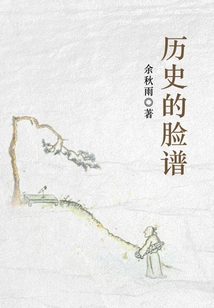
This book is a collection of essays written by the famous writer Yu Qiuyu, which reflects the author's in-depth thinking on history, culture, and life. The main posture of the pseudo-elite is to oppose vulgarity, despise fashion, resist communication, and resist the media, while the main task of the true elite is to overthrow all these boundaries and assume responsibility for the people.
This book is a collection of essays written by the famous writer Yu Qiuyu, which reflects the author's in-depth thinking on history, culture, and life. The main posture of the pseudo-elite is to oppose vulgarity, despise fashion, resist communication, and resist the media, while the main task of the true elite is to overthrow all these boundaries and assume responsibility for the people.
A Thousand Sighs
Literature千年一叹
Yu Qiuyu
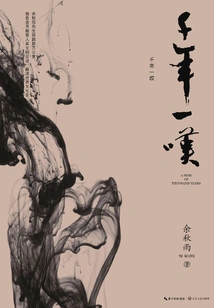
This book records Mr. Yu Qiuyu's experience of traveling tens of thousands of kilometers in 2000 to inspect the relics of major human civilizations. Travels all over Greece, Egypt, Israel, Palestine, Jordan, Iraq, Iran, Pakistan, Nepal, etc. The wheels are close to the ground, and they are rolled over kilometer after kilometer. They have no idea what they will encounter. All they know are scenes of thrilling and true stories. This is a history of world culture in the minds of contemporary people. After extensive revisions, additions and deletions by Mr. Yu Qiuyu, it has been newly revised and published again.
This book records Mr. Yu Qiuyu's experience of traveling tens of thousands of kilometers in 2000 to inspect the relics of major human civilizations. Travels all over Greece, Egypt, Israel, Palestine, Jordan, Iraq, Iran, Pakistan, Nepal, etc. The wheels are close to the ground, and they are rolled over kilometer after kilometer. They have no idea what they will encounter. All they know are scenes of thrilling and true stories. This is a history of world culture in the minds of contemporary people. After extensive revisions, additions and deletions by Mr. Yu Qiuyu, it has been newly revised and published again.
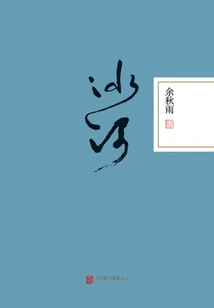
Glacier (hardcover)
Literature冰河(精装)
Yu Qiuyu
This book is Yu Qiuyu's first novel. The story takes place in the south of ancient China. Meng He, a woman with stunning beauty, won the first place in a "lady rural examination" and attracted a large number of suitors. However, she secretly disguised herself as a man and took a boat to the capital to find her biological father. On the way, the ship suddenly encountered ice and snow. Not only was it frozen in the river without help, but everyone also faced a life-and-death test of survival. In a desperate situation, Jin He, an examinee on the boat, cut through the ice late at night to save others, but was unable to take the exam due to frostbite. In order to repay her kindness, Meng He took the exam under her own name, but won the first prize, which led to a series of confusing accidents and tribulations, which also allowed her to find her true love, leaving behind a love legend like agarwood.
This book is Yu Qiuyu's first novel. The story takes place in the south of ancient China. Meng He, a woman with stunning beauty, won the first place in a "lady rural examination" and attracted a large number of suitors. However, she secretly disguised herself as a man and took a boat to the capital to find her biological father. On the way, the ship suddenly encountered ice and snow. Not only was it frozen in the river without help, but everyone also faced a life-and-death test of survival. In a desperate situation, Jin He, an examinee on the boat, cut through the ice late at night to save others, but was unable to take the exam due to frostbite. In order to repay her kindness, Meng He took the exam under her own name, but won the first prize, which led to a series of confusing accidents and tribulations, which also allowed her to find her true love, leaving behind a love legend like agarwood.
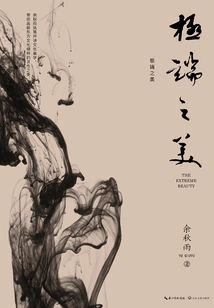
Extreme Beauty
Literature极端之美
Yu Qiuyu
Yu Qiuyu explained in detail "three unique cultures in the world: calligraphy, Kunqu opera, and Pu'er tea." Any culture will have a large number of external declarations and signs, but in the secret places, there are several "fate points" and several "birthmarks" hidden. These three items are the "fate points" and "birthmarks" hidden in Chinese culture. The reason why Pu'er tea is included is a reminder of academic behavior to state a major trend: from now to the future, the focus of culture is shifting from "textual culture" to "ecological culture." Pu'er tea is just one representative of this trend. The article "Tasting Pu'er Tea" was published in "Pu'er" magazine, which immediately caused a sensation in the entire Pu'er tea industry. From producers and marketers to tea drinkers and researchers, everyone is reading. The grade sequence of Pu'er tea that I arranged in the article has also attracted widespread attention. Tea houses and tea drinkers across the country will refer to this article when tasting and distributing top-quality Pu'er tea. It can be seen that today, the status of ecological culture has indeed improved. For this reason, Professor Yu Qiuyu deliberately reversed the order of the three articles. First serve a cup of good tea, then listen to some music, and finally end with pen and ink. In addition, because Professor Yu Qiuyu attaches great importance to the sensory confirmation of culture, this book is carefully equipped with more than 200 illustrations, so that readers can taste and perceive the beauty of Chinese culture more intuitively.
Yu Qiuyu explained in detail "three unique cultures in the world: calligraphy, Kunqu opera, and Pu'er tea." Any culture will have a large number of external declarations and signs, but in the secret places, there are several "fate points" and several "birthmarks" hidden. These three items are the "fate points" and "birthmarks" hidden in Chinese culture. The reason why Pu'er tea is included is a reminder of academic behavior to state a major trend: from now to the future, the focus of culture is shifting from "textual culture" to "ecological culture." Pu'er tea is just one representative of this trend. The article "Tasting Pu'er Tea" was published in "Pu'er" magazine, which immediately caused a sensation in the entire Pu'er tea industry. From producers and marketers to tea drinkers and researchers, everyone is reading. The grade sequence of Pu'er tea that I arranged in the article has also attracted widespread attention. Tea houses and tea drinkers across the country will refer to this article when tasting and distributing top-quality Pu'er tea. It can be seen that today, the status of ecological culture has indeed improved. For this reason, Professor Yu Qiuyu deliberately reversed the order of the three articles. First serve a cup of good tea, then listen to some music, and finally end with pen and ink. In addition, because Professor Yu Qiuyu attaches great importance to the sensory confirmation of culture, this book is carefully equipped with more than 200 illustrations, so that readers can taste and perceive the beauty of Chinese culture more intuitively.
Rubbing the Earth
Literature摩挲大地
Yu Qiuyu
"Rubbing the Earth" is the author's selection of some famous chapters from "Cultural Journey" and "Mountain Dwelling Notes", such as "Taoist Tower", "Mogao Grottoes", "Dujiangyan", "White-haired Suzhou", "Huangzhou Breakout", "In the Villa" "Back View", "Ning Gu Pagoda", "One Hundred Thousand Jinshi", "Sorry for Shanxi", "Wind and Rain Sky Pavilion", etc. Have been carefully revised, and some of them have even been rewritten or rewritten. Compared with previous publications, the text in this book is more accurate.
"Rubbing the Earth" is the author's selection of some famous chapters from "Cultural Journey" and "Mountain Dwelling Notes", such as "Taoist Tower", "Mogao Grottoes", "Dujiangyan", "White-haired Suzhou", "Huangzhou Breakout", "In the Villa" "Back View", "Ning Gu Pagoda", "One Hundred Thousand Jinshi", "Sorry for Shanxi", "Wind and Rain Sky Pavilion", etc. Have been carefully revised, and some of them have even been rewritten or rewritten. Compared with previous publications, the text in this book is more accurate.
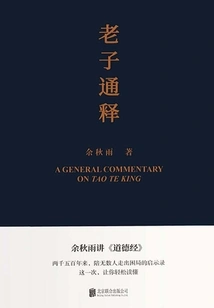
Lao Tzu Tongshi
Literature老子通释
Yu Qiuyu
This book is a milestone new work by Mr. Yu Qiuyu in his interpretation of ancient classics. It is also an introductory reading of the Tao Te Ching for contemporary people. The book comprehensively describes the entire content of the 81 chapters of the Tao Te Ching, analyzes the internal logic of each chapter and section, looks at the similarities and differences in thinking over more than two thousand years, feels the literary charm between the original text and the translated version, discusses the consensus and disagreements of researchers in the past generations, and examines the flaws and corrections in various versions. On the whole, it is written in accessible prose, and the interpretation and translation are both rigorous and poetic, enough to allow contemporary life and thousand-year-old texts to nourish each other.
This book is a milestone new work by Mr. Yu Qiuyu in his interpretation of ancient classics. It is also an introductory reading of the Tao Te Ching for contemporary people. The book comprehensively describes the entire content of the 81 chapters of the Tao Te Ching, analyzes the internal logic of each chapter and section, looks at the similarities and differences in thinking over more than two thousand years, feels the literary charm between the original text and the translated version, discusses the consensus and disagreements of researchers in the past generations, and examines the flaws and corrections in various versions. On the whole, it is written in accessible prose, and the interpretation and translation are both rigorous and poetic, enough to allow contemporary life and thousand-year-old texts to nourish each other.
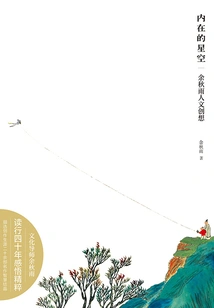
内在的星空:余秋雨人文创想
Yu Qiuyu
"The Inner Sky: Yu Qiuyu's Humanistic Creations" captures the essence of Yu Qiuyu's more than 20 famous works and is divided into five parts: historical knowledge, elegance, calligraphy, life, and travel, which respectively cover Yu Qiuyu's historical knowledge (including philosophy, aesthetics, thought, politics, history, religion); elegance (including civilization, culture, academics, and education) , reading, writing); calligraphy (including literature, art, drama, calligraphy); life (including society, life, family, love, friendship, nostalgia); travel (including cities, architecture, travel, scenery) and other five aspects of thinking. The profound humanistic culture is superimposed on the extraordinary language talent, focusing on Yu Qiuyu's unique humanistic creativity.
"The Inner Sky: Yu Qiuyu's Humanistic Creations" captures the essence of Yu Qiuyu's more than 20 famous works and is divided into five parts: historical knowledge, elegance, calligraphy, life, and travel, which respectively cover Yu Qiuyu's historical knowledge (including philosophy, aesthetics, thought, politics, history, religion); elegance (including civilization, culture, academics, and education) , reading, writing); calligraphy (including literature, art, drama, calligraphy); life (including society, life, family, love, friendship, nostalgia); travel (including cities, architecture, travel, scenery) and other five aspects of thinking. The profound humanistic culture is superimposed on the extraordinary language talent, focusing on Yu Qiuyu's unique humanistic creativity.
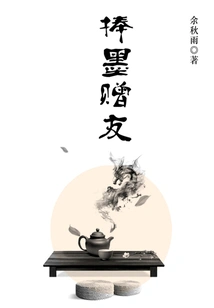
Give Ink to Friends
Literature捧墨赠友
Yu Qiuyu
This book is a collection of various interesting couplets written by the famous writer Yu Qiuyu over the years at the request of friends. All contents are self-written and self-selected life mottos and descriptions of realms by the author. The author himself believes that due to the relaxed and happy state, the calligraphy level of this book is likely to be higher than that of the previous inscriptions and classic transcriptions. In addition, this book also selects the author's "Ten Commandments for Practicing the World" and seven poems written by the author himself.
This book is a collection of various interesting couplets written by the famous writer Yu Qiuyu over the years at the request of friends. All contents are self-written and self-selected life mottos and descriptions of realms by the author. The author himself believes that due to the relaxed and happy state, the calligraphy level of this book is likely to be higher than that of the previous inscriptions and classic transcriptions. In addition, this book also selects the author's "Ten Commandments for Practicing the World" and seven poems written by the author himself.
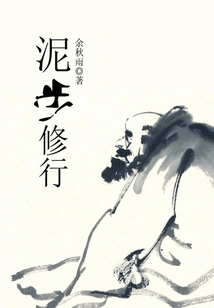
Clay Step Practice
Literature泥步修行
Yu Qiuyu
"Mud Step Practice" is Professor Yu Qiuyu's concluding work that systematically explains life practice. It is written in elegant philosophical prose. He divided the practice into three major links: "breaking confusion", "asking questions" and "settling", and thus formed the three parts of this book. The "Destroying Confusion" section carefully analyzes the temptations and dangers of "disaster confusion", "position confusion", "name confusion", "wealth confusion", "tide confusion" and "hatred confusion" that everyone will encounter. The author reviews one by one how he made difficult practice feasible in the process of getting rid of each "confusion" and achieving "no confusion".
"Mud Step Practice" is Professor Yu Qiuyu's concluding work that systematically explains life practice. It is written in elegant philosophical prose. He divided the practice into three major links: "breaking confusion", "asking questions" and "settling", and thus formed the three parts of this book. The "Destroying Confusion" section carefully analyzes the temptations and dangers of "disaster confusion", "position confusion", "name confusion", "wealth confusion", "tide confusion" and "hatred confusion" that everyone will encounter. The author reviews one by one how he made difficult practice feasible in the process of getting rid of each "confusion" and achieving "no confusion".
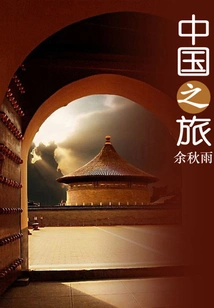
Trip to China
Literature中国之旅
Yu Qiuyu
Fifteen years ago, Mr. Yu Qiuyu walked out of his study because he was confused by the serious disconnect between his writings and actual cultural phenomena. After traveling more than half of China, I gained insight while walking, felt while touching, thought while crossing, and narrated under the candlelight... This book collects essays written by Mr. Yu Qiuyu during his travels and inspections in various parts of China. These articles focus on reflections on the Chinese cultural landscape, with pictures and texts reflecting and scenes blending together.
Fifteen years ago, Mr. Yu Qiuyu walked out of his study because he was confused by the serious disconnect between his writings and actual cultural phenomena. After traveling more than half of China, I gained insight while walking, felt while touching, thought while crossing, and narrated under the candlelight... This book collects essays written by Mr. Yu Qiuyu during his travels and inspections in various parts of China. These articles focus on reflections on the Chinese cultural landscape, with pictures and texts reflecting and scenes blending together.
Where is the Sound of the Flute?
Literature笛声何处
Yu Qiuyu
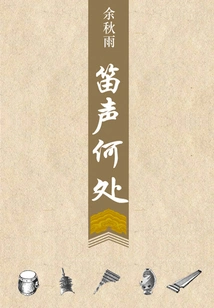
"Where the Flute Sounds" is a prose work written by Yu Qiuyu. In "Where the Flute Sounds", Yu Qiuyu still uses his consistent cultural perspective and prose style, focusing on another kind of historical and musical intangible culture. Yu Qiuyu said that the preparation for the creation of "Where is the Flute Sound" started as early as 12 years ago. At that time, "Cultural Journey" had not yet entered Taiwan, and Yu Qiuyu was received as a Kunqu opera scholar in a series of activities wherever he went to Taiwan.
"Where the Flute Sounds" is a prose work written by Yu Qiuyu. In "Where the Flute Sounds", Yu Qiuyu still uses his consistent cultural perspective and prose style, focusing on another kind of historical and musical intangible culture. Yu Qiuyu said that the preparation for the creation of "Where is the Flute Sound" started as early as 12 years ago. At that time, "Cultural Journey" had not yet entered Taiwan, and Yu Qiuyu was received as a Kunqu opera scholar in a series of activities wherever he went to Taiwan.
What is Culture
Literature何谓文化
Yu Qiuyu
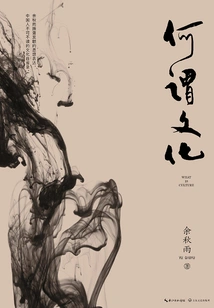
What exactly is culture? In the book "What is Culture", the author uses personal experience and vivid feelings to interpret this most fundamental issue after profound observation. From the academic and life levels, we will analyze what is missing from a culturally powerful country, from the elite to the public psychology. The first part, "Academic Answers," systematically discusses what culture is, what is the nature of Chinese culture, and other issues. In view of the impetuousness of social psychology and the writer's own profound thinking, it uses rare outspoken criticism to reveal the loss of the origin of culture at all levels, and loudly proposes that the essence of cultural reconstruction is to return to truth, goodness, and beauty. It can be described as deafening and inspiring. The second part, "The Answer of Life," traces the past of Zhou Enlai and many cultural giants who have passed away, such as Xie Jin, Huang Zuolin, Ba Jin, etc., Because they used almost all their lives to reveal the origin of culture. "Looking Up at Cloud Gate" writes about three living elders of Taiwanese culture, Lin Hwai-min, Pai Hsien-yong, and Yu Guang-chung, and how they treat tradition, their country, and the human spirit with awe. These articles are the treasures of Yu Qiuyu's lifelong prose writing.
What exactly is culture? In the book "What is Culture", the author uses personal experience and vivid feelings to interpret this most fundamental issue after profound observation. From the academic and life levels, we will analyze what is missing from a culturally powerful country, from the elite to the public psychology. The first part, "Academic Answers," systematically discusses what culture is, what is the nature of Chinese culture, and other issues. In view of the impetuousness of social psychology and the writer's own profound thinking, it uses rare outspoken criticism to reveal the loss of the origin of culture at all levels, and loudly proposes that the essence of cultural reconstruction is to return to truth, goodness, and beauty. It can be described as deafening and inspiring. The second part, "The Answer of Life," traces the past of Zhou Enlai and many cultural giants who have passed away, such as Xie Jin, Huang Zuolin, Ba Jin, etc., Because they used almost all their lives to reveal the origin of culture. "Looking Up at Cloud Gate" writes about three living elders of Taiwanese culture, Lin Hwai-min, Pai Hsien-yong, and Yu Guang-chung, and how they treat tradition, their country, and the human spirit with awe. These articles are the treasures of Yu Qiuyu's lifelong prose writing.
Relics Title
Literature遗迹题额
Yu Qiuyu
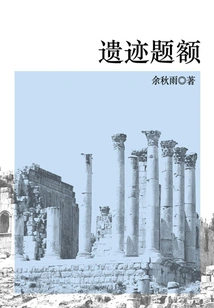
This is also a "major inscription", but it does not have a complete inscription, but only the name of the relic, which is called the inscription. There are many relics, such as: Yangshao Site, Qin Great Wall, Dujiangyan, Yungang Grottoes, King Jing's Mausoleum, Dongpo Academy, Emei Lecture Hall, Kunlun First City, Wujiang Bridge, Zhang Qian's hometown, etc. These inscriptions have been engraved on various sites. When the author included these inscriptions in this book, he also described the historical significance of each site and the reasons why he chose to inscribe them. Putting these narratives together, it can also be regarded as a kind of historical guide based on the real scene of the earth.
This is also a "major inscription", but it does not have a complete inscription, but only the name of the relic, which is called the inscription. There are many relics, such as: Yangshao Site, Qin Great Wall, Dujiangyan, Yungang Grottoes, King Jing's Mausoleum, Dongpo Academy, Emei Lecture Hall, Kunlun First City, Wujiang Bridge, Zhang Qian's hometown, etc. These inscriptions have been engraved on various sites. When the author included these inscriptions in this book, he also described the historical significance of each site and the reasons why he chose to inscribe them. Putting these narratives together, it can also be regarded as a kind of historical guide based on the real scene of the earth.
List of Literary Texts
Literature文典一览
Yu Qiuyu
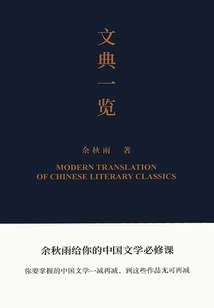
This book is an ancient Chinese literature book that Mr. Yu Qiuyu selected, translated and interpreted after long-term consideration. He aims to lead contemporary readers to identify the great constellations in ancient literature. He hopes that readers can not only understand the original text with the help of translations and interpretations, but more importantly, they can resonate with the classic texts from a spiritual level and appreciate the unchanging literary heart and poetic soul. The selected articles include selections from the Book of Songs, "Li Sao", "Xiaoyaoyou", "Report to Ren'an", "Preface to the Orchid Pavilion Collection", "Returning Ci", "Preface to Sending Li Yuan Back to Pangu", "Preface to Yuxi Poems", "Autumn Sound Ode", "Red Cliff Ode", "Wenxin Diaolong" excerpts, as well as Tang poetry, Song lyrics and Song poetry chapters that are important to him. Except for Tang and Song poems, each article consists of three parts: original text, translation and interpretation. Mr. Yu Qiuyu pays special attention to the translation, because his modern translation is to explore the eternal aesthetic qualities behind the differences between ancient and modern words. He must not only match the original text in terms of language, rhythm, and charm, but also adhere to rigorous cultural theory. The book also includes Mr. Yu Qiuyu's handwritten calligraphy of famous classics, so that contemporary young people can experience the basic way of survival of ancient Chinese literature.
This book is an ancient Chinese literature book that Mr. Yu Qiuyu selected, translated and interpreted after long-term consideration. He aims to lead contemporary readers to identify the great constellations in ancient literature. He hopes that readers can not only understand the original text with the help of translations and interpretations, but more importantly, they can resonate with the classic texts from a spiritual level and appreciate the unchanging literary heart and poetic soul. The selected articles include selections from the Book of Songs, "Li Sao", "Xiaoyaoyou", "Report to Ren'an", "Preface to the Orchid Pavilion Collection", "Returning Ci", "Preface to Sending Li Yuan Back to Pangu", "Preface to Yuxi Poems", "Autumn Sound Ode", "Red Cliff Ode", "Wenxin Diaolong" excerpts, as well as Tang poetry, Song lyrics and Song poetry chapters that are important to him. Except for Tang and Song poems, each article consists of three parts: original text, translation and interpretation. Mr. Yu Qiuyu pays special attention to the translation, because his modern translation is to explore the eternal aesthetic qualities behind the differences between ancient and modern words. He must not only match the original text in terms of language, rhythm, and charm, but also adhere to rigorous cultural theory. The book also includes Mr. Yu Qiuyu's handwritten calligraphy of famous classics, so that contemporary young people can experience the basic way of survival of ancient Chinese literature.
Yu Zhi's Poems
Literature余之诗
Yu Qiuyu
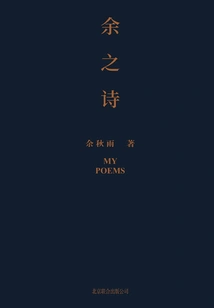
"Poems of Yu" is a collection of poems written by Mr. Yu Qiuyu over more than 70 years. In the general impression, poetry is associated with youth, but Yu Qiuyu said: "The real poetry is in old age, because he has pursued all his pursuits, all goals have been lost, and what is left is to live like poetry. He has long days and white clouds, a beautiful old age without practical purposes, and can settle down Living quietly, this is poetry." The book is divided into four parts: the first part is about the poetry of daily life; the second part is about thoughts on the horizon, and is about philosophical thinking; the third part is about fleeting times, recalling the past in poetry; the fourth part is ancient poetry, mostly with the theme of life encounters and insights. The author makes these sentences hidden in his heart public for the first time, hoping that other minds can respond to them. This book can also be said to be Mr. Yu Qiuyu's spiritual autobiography, through which readers can see the private emotions and thoughts deep in his soul.
"Poems of Yu" is a collection of poems written by Mr. Yu Qiuyu over more than 70 years. In the general impression, poetry is associated with youth, but Yu Qiuyu said: "The real poetry is in old age, because he has pursued all his pursuits, all goals have been lost, and what is left is to live like poetry. He has long days and white clouds, a beautiful old age without practical purposes, and can settle down Living quietly, this is poetry." The book is divided into four parts: the first part is about the poetry of daily life; the second part is about thoughts on the horizon, and is about philosophical thinking; the third part is about fleeting times, recalling the past in poetry; the fourth part is ancient poetry, mostly with the theme of life encounters and insights. The author makes these sentences hidden in his heart public for the first time, hoping that other minds can respond to them. This book can also be said to be Mr. Yu Qiuyu's spiritual autobiography, through which readers can see the private emotions and thoughts deep in his soul.
Selected Readings by Yu Qiuyu
Literature选读余秋雨
Yu Qiuyu
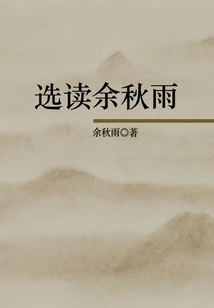
This book is the latest selection of various important works selected by Yu Qiuyu and an introduction to each volume of the 22-volume "Autumn Rain Collection". It includes comments about Yu Qiuyu and his writings by famous writers such as Jia Pingwa and Jin Yong, as well as some manuscripts of Yu Qiuyu's works and seven poems and calligraphy works describing his life. This book is of great collection value and commemorative significance.
This book is the latest selection of various important works selected by Yu Qiuyu and an introduction to each volume of the 22-volume "Autumn Rain Collection". It includes comments about Yu Qiuyu and his writings by famous writers such as Jia Pingwa and Jin Yong, as well as some manuscripts of Yu Qiuyu's works and seven poems and calligraphy works describing his life. This book is of great collection value and commemorative significance.
秋雨楹联:余秋雨自撰自书
Yu Qiuyu
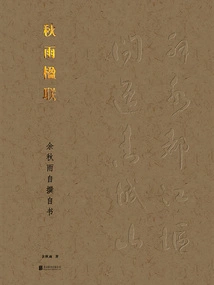
This book is a joint collection of couplets written by Mr. Yu Qiuyu in recent years. Couplet is the "spiritual lintel" displayed on the house. It is only two lines of text. It needs to be poetic and easy to understand. Different viewers can happily understand a life sentiment at a glance. The book is divided into two parts. The main part contains 40 couplets inscribed by Teacher Yu in recent years, all of which are written by Teacher Yu himself. The appendix contains several classical poems and historical monuments written by Teacher Yu. Couplets are a particularly concise literary form of Chinese culture, and they are also the aesthetic heritage of the culture. Teacher Yu's poems and calligraphy are often cited as ink, and the accumulation is profound, so the book was created. Many young people regard couplets as original mottos and mottos. They hope that they can use the couplets in the book and use their artistic vision to regard them as a modern version of Eastern aesthetics and continue it for a long time.
This book is a joint collection of couplets written by Mr. Yu Qiuyu in recent years. Couplet is the "spiritual lintel" displayed on the house. It is only two lines of text. It needs to be poetic and easy to understand. Different viewers can happily understand a life sentiment at a glance. The book is divided into two parts. The main part contains 40 couplets inscribed by Teacher Yu in recent years, all of which are written by Teacher Yu himself. The appendix contains several classical poems and historical monuments written by Teacher Yu. Couplets are a particularly concise literary form of Chinese culture, and they are also the aesthetic heritage of the culture. Teacher Yu's poems and calligraphy are often cited as ink, and the accumulation is profound, so the book was created. Many young people regard couplets as original mottos and mottos. They hope that they can use the couplets in the book and use their artistic vision to regard them as a modern version of Eastern aesthetics and continue it for a long time.
Cultural Journey
Literature文化苦旅
Yu Qiuyu
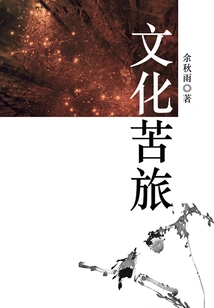
The book "Cultural Journey" was first published in 1992. It is a work written by Mr. Yu Qiuyu during his lectures and inspections at home and abroad in the 1980s. It is his first collection of cultural essays. The whole book mainly consists of two parts, one is historical and cultural essays, and the other is memory essays. As soon as it was published, the book was loved by thousands of readers for its brilliant literary talent, rich knowledge and unique insights. This created a generation of "historical prose" style of writing, allowing the world to regain the value of Chinese culture. His prose is unique, seeing things that ordinary people have never seen, and thinking that ordinary people have never thought of. He is good at taking readers step by step into the long river of history and culture in his beautiful words, enlightening philosophical thinking and arousing emotions. It has extremely high aesthetic value, historical and cultural value. Many articles in the book were later selected as middle school textbooks. However, due to the great influence of this book, while it has brought countless halo and fans to Mr. Yu Qiuyu, it has also brought countless troubles and piracy. His fame spreads all over the world, but his "slander" also goes with him. Exhausted both physically and mentally, Mr. Yu Qiuyu decided to personally revise and re-edit this book. The new edition of "Cultural Journey" is a revised and self-selected collection of Mr. Yu Qiuyu's 30 years of historical and cultural prose, with 18 new articles. Among them, the classics such as "Taoist Tower", "Mogao Grottoes" and "Dujiangyan" that were selected as textbooks have all been rewritten and revised. Compared with the old version, the new version contains more than two-thirds of the new and rewritten chapters, which is a brand new reading experience and humanistic enjoyment for both new and old readers. It can be called the perfect crystallization of Yu Qiuyu's 30 years of unremitting cultural investigation and life thinking.
The book "Cultural Journey" was first published in 1992. It is a work written by Mr. Yu Qiuyu during his lectures and inspections at home and abroad in the 1980s. It is his first collection of cultural essays. The whole book mainly consists of two parts, one is historical and cultural essays, and the other is memory essays. As soon as it was published, the book was loved by thousands of readers for its brilliant literary talent, rich knowledge and unique insights. This created a generation of "historical prose" style of writing, allowing the world to regain the value of Chinese culture. His prose is unique, seeing things that ordinary people have never seen, and thinking that ordinary people have never thought of. He is good at taking readers step by step into the long river of history and culture in his beautiful words, enlightening philosophical thinking and arousing emotions. It has extremely high aesthetic value, historical and cultural value. Many articles in the book were later selected as middle school textbooks. However, due to the great influence of this book, while it has brought countless halo and fans to Mr. Yu Qiuyu, it has also brought countless troubles and piracy. His fame spreads all over the world, but his "slander" also goes with him. Exhausted both physically and mentally, Mr. Yu Qiuyu decided to personally revise and re-edit this book. The new edition of "Cultural Journey" is a revised and self-selected collection of Mr. Yu Qiuyu's 30 years of historical and cultural prose, with 18 new articles. Among them, the classics such as "Taoist Tower", "Mogao Grottoes" and "Dujiangyan" that were selected as textbooks have all been rewritten and revised. Compared with the old version, the new version contains more than two-thirds of the new and rewritten chapters, which is a brand new reading experience and humanistic enjoyment for both new and old readers. It can be called the perfect crystallization of Yu Qiuyu's 30 years of unremitting cultural investigation and life thinking.
Yu Qiuyu's Prose
Literature余秋雨散文
Yu Qiuyu
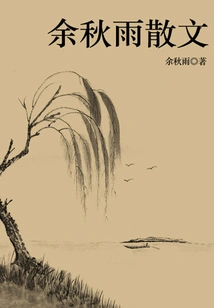
Yu Qiuyu's prose has always been loved by thousands of readers for its brilliant literary talent, quick thinking, rich knowledge and unique insights. His historical prose is even more unique. He sees things that ordinary people have never seen and thinks that ordinary people have never thought of. He is good at bringing readers into the river of cultural consciousness step by step in his beautiful words, enlightening philosophical thinking and arousing emotions. He has extremely high aesthetic value and cultural value in the historical sense. It is not easy to write beautiful prose, but it is even harder to write something with some historical and cultural meaning. Yu Qiuyu's historical prose may allow people to have both.
Yu Qiuyu's prose has always been loved by thousands of readers for its brilliant literary talent, quick thinking, rich knowledge and unique insights. His historical prose is even more unique. He sees things that ordinary people have never seen and thinks that ordinary people have never thought of. He is good at bringing readers into the river of cultural consciousness step by step in his beautiful words, enlightening philosophical thinking and arousing emotions. He has extremely high aesthetic value and cultural value in the historical sense. It is not easy to write beautiful prose, but it is even harder to write something with some historical and cultural meaning. Yu Qiuyu's historical prose may allow people to have both.
Short Essay on Rainy Night
Literature雨夜短文
Yu Qiuyu
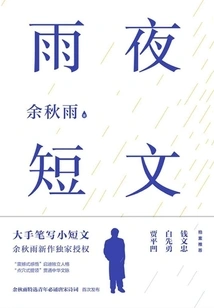
This book is a new prose work by Yu Qiuyu, which is short in length and beautiful in artistic conception. It contains two parts: "Thousands of miles into the heart", which is to feel some people or things encountered on the road of life, record and generate some feelings, and then show a life philosophy and attitude towards life. These contents are undoubtedly a beacon for readers, especially young readers, in their life planning. "Searching for the Soul of Literature and History" is a point-and-point exploration of the thousand-year-old cultural context. It uses extremely concise language to outline the context of ancient Chinese literature (The Book of Songs, Zhuangzi, Historical Records, Tang poetry, Song lyrics, Yuan opera, drama, novels), and at the same time reviews related literati of considerable magnitude in Chinese culture. At the end of the article, a list of must-recite poems from Tang and Song dynasties specially selected by Yu Qiuyu is listed.
This book is a new prose work by Yu Qiuyu, which is short in length and beautiful in artistic conception. It contains two parts: "Thousands of miles into the heart", which is to feel some people or things encountered on the road of life, record and generate some feelings, and then show a life philosophy and attitude towards life. These contents are undoubtedly a beacon for readers, especially young readers, in their life planning. "Searching for the Soul of Literature and History" is a point-and-point exploration of the thousand-year-old cultural context. It uses extremely concise language to outline the context of ancient Chinese literature (The Book of Songs, Zhuangzi, Historical Records, Tang poetry, Song lyrics, Yuan opera, drama, novels), and at the same time reviews related literati of considerable magnitude in Chinese culture. At the end of the article, a list of must-recite poems from Tang and Song dynasties specially selected by Yu Qiuyu is listed.
Yu Qiuyu's Historical Prose
Literature余秋雨的历史散文
Yu Qiuyu
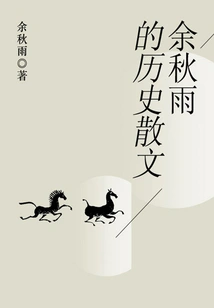
This book is a collection of historical prose by Yu Qiuyu, a famous contemporary prose writer and world-class cultural scholar. The author's tracing of history reflects the trembling of the soul and the weight of thinking. Yu Qiuyu's prose has always been loved by thousands of readers for its brilliant literary talent, quick thinking, rich knowledge and unique insights. His historical prose is even more unique. He sees things that ordinary people have never seen and thinks that ordinary people have never thought of. He is good at bringing readers into the river of cultural consciousness step by step in his beautiful words, enlightening philosophical thinking and arousing emotions. He has extremely high aesthetic value and cultural value in the historical sense.
This book is a collection of historical prose by Yu Qiuyu, a famous contemporary prose writer and world-class cultural scholar. The author's tracing of history reflects the trembling of the soul and the weight of thinking. Yu Qiuyu's prose has always been loved by thousands of readers for its brilliant literary talent, quick thinking, rich knowledge and unique insights. His historical prose is even more unique. He sees things that ordinary people have never seen and thinks that ordinary people have never thought of. He is good at bringing readers into the river of cultural consciousness step by step in his beautiful words, enlightening philosophical thinking and arousing emotions. He has extremely high aesthetic value and cultural value in the historical sense.
Travelers Without Borders
Literature行者无疆
Yu Qiuyu
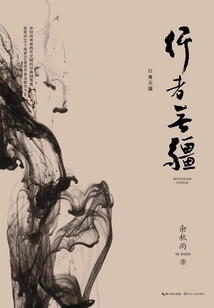
Nearly 20 years ago, Yu Qiuyu began to study culture on long-distance trips. It went from domestic to foreign countries, from Chinese civilization to other civilizations. During this period, he used "Cultural Journey" and "Notes of a Mountain Dwelling" as records of his investigation of Chinese civilization, "A Thousand Years of Sigh" as a record of his investigation of Islamic civilization, and "Walkers Without Borders" as a record of his investigation of Western civilization. At this point, Yu Qiuyu has completely paid attention to and recorded the three major civilizations in human history. Yu Qiuyu lamented in "Walkers Without Borders": "European civilization is indeed excellent and mature, and can integrate classical tradition and modern civilization, personal freedom and social ethics. I even envy the smiling eyes in the street cafes, just a flash, I feel that my vision is long-term and my country is safe. But in these years, I have become autistic due to excessive complacency and self-enjoyment, and I have many illusions about the world and myself. "Walker Without Borders" is divided into four volumes: Southern Europe, Central Europe, Western Europe, and Northern Europe, and contains 80 essays. The whole book is better than Yu Qiuyu's previous works in terms of completeness and profundity of thinking, tension and freedom of style. The new version of "Walkers Without Borders" has been significantly revised, added and deleted by Mr. Yu Qiuyu, and has been published again with a new revision.
Nearly 20 years ago, Yu Qiuyu began to study culture on long-distance trips. It went from domestic to foreign countries, from Chinese civilization to other civilizations. During this period, he used "Cultural Journey" and "Notes of a Mountain Dwelling" as records of his investigation of Chinese civilization, "A Thousand Years of Sigh" as a record of his investigation of Islamic civilization, and "Walkers Without Borders" as a record of his investigation of Western civilization. At this point, Yu Qiuyu has completely paid attention to and recorded the three major civilizations in human history. Yu Qiuyu lamented in "Walkers Without Borders": "European civilization is indeed excellent and mature, and can integrate classical tradition and modern civilization, personal freedom and social ethics. I even envy the smiling eyes in the street cafes, just a flash, I feel that my vision is long-term and my country is safe. But in these years, I have become autistic due to excessive complacency and self-enjoyment, and I have many illusions about the world and myself. "Walker Without Borders" is divided into four volumes: Southern Europe, Central Europe, Western Europe, and Northern Europe, and contains 80 essays. The whole book is better than Yu Qiuyu's previous works in terms of completeness and profundity of thinking, tension and freedom of style. The new version of "Walkers Without Borders" has been significantly revised, added and deleted by Mr. Yu Qiuyu, and has been published again with a new revision.
行者无疆(便携本)
Yu Qiuyu
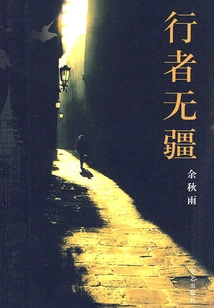
15 years ago, Yu Qiuyu began to conduct long-distance field trips to investigate culture. He traveled from home to abroad, from Chinese civilization to other civilizations. During this period, he used "Cultural Journey" and "Book of Mountains and Rivers" as records of his investigation of Chinese civilization, "A Thousand Years of Sigh" as a record of his investigation of Islamic civilization, and "Walker Without Borders" as a record of his investigation of Western civilization. At this point, Yu Qiuyu has completely paid attention to and recorded the three major civilizations in human history. Yu Qiuyu lamented in "Walkers Without Borders": "European civilization is indeed excellent and mature, and can integrate classical tradition and modern civilization, personal freedom and social ethics. I even envy the smiling eyes in the street cafes, just a flash, I feel that my vision is long-term and my country is safe. But in these years, I have become autistic due to excessive complacency and self-enjoyment, and I have many illusions about the world and myself. "Walker Without Borders" is divided into four volumes: Southern Europe, Central Europe, Western Europe, and Northern Europe, and contains 80 essays. The whole book is better than Yu Qiuyu's previous works in terms of completeness and profundity of thinking, tension and freedom of style. The new portable version of "Walker Without Borders" has been significantly revised, added and deleted by Mr. Yu Qiuyu, and has been published again with a new revision.
15 years ago, Yu Qiuyu began to conduct long-distance field trips to investigate culture. He traveled from home to abroad, from Chinese civilization to other civilizations. During this period, he used "Cultural Journey" and "Book of Mountains and Rivers" as records of his investigation of Chinese civilization, "A Thousand Years of Sigh" as a record of his investigation of Islamic civilization, and "Walker Without Borders" as a record of his investigation of Western civilization. At this point, Yu Qiuyu has completely paid attention to and recorded the three major civilizations in human history. Yu Qiuyu lamented in "Walkers Without Borders": "European civilization is indeed excellent and mature, and can integrate classical tradition and modern civilization, personal freedom and social ethics. I even envy the smiling eyes in the street cafes, just a flash, I feel that my vision is long-term and my country is safe. But in these years, I have become autistic due to excessive complacency and self-enjoyment, and I have many illusions about the world and myself. "Walker Without Borders" is divided into four volumes: Southern Europe, Central Europe, Western Europe, and Northern Europe, and contains 80 essays. The whole book is better than Yu Qiuyu's previous works in terms of completeness and profundity of thinking, tension and freedom of style. The new portable version of "Walker Without Borders" has been significantly revised, added and deleted by Mr. Yu Qiuyu, and has been published again with a new revision.
Civilization Journey
Literature文明之旅
Yu Qiuyu
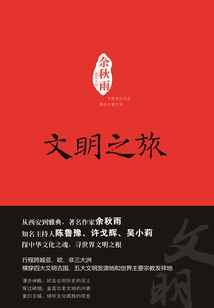
In this book, Yu Qiuyu personally visited the world's four major ancient civilizations, the birthplaces of the five major civilizations, and the birthplaces of major religions. He faced face to face with human culture that has spanned thousands of years, and described the past and present, glory and decline of ancient civilizations in a calm and clear style. This trip spanned three continents: Asia, Europe, and Africa. The group traveled to many foreign countries such as Greece, Egypt, Israel, Jordan, Iraq, Iran, Pakistan, India, and Nepal. Finally, they returned to their homeland of China, where they devoutly visited the snow-covered plateaus and ancient capitals of the Central Plains, and listened to the eternal voices of history.
In this book, Yu Qiuyu personally visited the world's four major ancient civilizations, the birthplaces of the five major civilizations, and the birthplaces of major religions. He faced face to face with human culture that has spanned thousands of years, and described the past and present, glory and decline of ancient civilizations in a calm and clear style. This trip spanned three continents: Asia, Europe, and Africa. The group traveled to many foreign countries such as Greece, Egypt, Israel, Jordan, Iraq, Iran, Pakistan, India, and Nepal. Finally, they returned to their homeland of China, where they devoutly visited the snow-covered plateaus and ancient capitals of the Central Plains, and listened to the eternal voices of history.