Library
Browse and search books
16 novels found
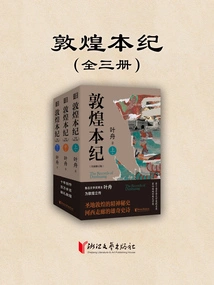
Dunhuang Chronicles (three Volumes)
General Fiction敦煌本纪(全三册)
Ye Zhou
"The Chronicles of Dunhuang" is the first domestic novel that is a biography of Dunhuang written by Lu Xun Literature Award winner Ye Zhou. It was nominated for the 10th Mao Dun Literature Award. The novel takes the ancient city of Shazhou in Dunhuang at the end of the Qing Dynasty and the beginning of the Republic of China as the starting point of the narrative, takes the Mogao Grottoes as the high ground of belief, and uses the rise and fall of the three major local families as clues to describe a series of thrilling life and death legends in Dunhuang. It also outlines the turbulent era of the early twentieth century and the millennium history of the Hexi Corridor. The novel combines classical poetry and Western slang, shuttles between fiction and imagination, and uses vivid and concise line drawing language and a powerful and smooth narrative style to create more than a hundred lifelike characters. The innocent children of the common people, the setting sun in the Buddhist caves, and the gods of birds and beasts can all be seen. The joys and sorrows, the ups and downs of the world, the kindness and loyalty have their own destiny. The author uses this to explore the mystery of the scriptures in Mogao Grottoes, inquire about the past and present of Dunhuang, and answer the sacred question "Why China" in a million words.
"The Chronicles of Dunhuang" is the first domestic novel that is a biography of Dunhuang written by Lu Xun Literature Award winner Ye Zhou. It was nominated for the 10th Mao Dun Literature Award. The novel takes the ancient city of Shazhou in Dunhuang at the end of the Qing Dynasty and the beginning of the Republic of China as the starting point of the narrative, takes the Mogao Grottoes as the high ground of belief, and uses the rise and fall of the three major local families as clues to describe a series of thrilling life and death legends in Dunhuang. It also outlines the turbulent era of the early twentieth century and the millennium history of the Hexi Corridor. The novel combines classical poetry and Western slang, shuttles between fiction and imagination, and uses vivid and concise line drawing language and a powerful and smooth narrative style to create more than a hundred lifelike characters. The innocent children of the common people, the setting sun in the Buddhist caves, and the gods of birds and beasts can all be seen. The joys and sorrows, the ups and downs of the world, the kindness and loyalty have their own destiny. The author uses this to explore the mystery of the scriptures in Mogao Grottoes, inquire about the past and present of Dunhuang, and answer the sacred question "Why China" in a million words.
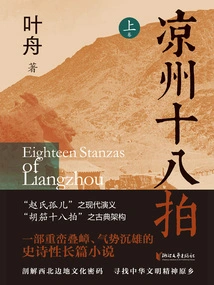
Liangzhou Eighteen Pai (volume 1)
General Fiction凉州十八拍(上卷)
Ye Zhou
"Eighteen Beats of Liangzhou" is a long epic novel that spans history, is powerful, soul-stirring, has many characters, and is all-encompassing, focusing on the history, geography, and culture of the Hexi Corridor. The novel is based on Liangzhou, the capital of Hexi Province in the first half of the 20th century. It uses the modern version of "Zhao's Orphan" as the core of the story. It uses poetic and profound narrative language to create a group of Liangzhou children, righteous warriors and passionate young people from the folk who have cultural consciousness and righteousness. In the era of turbulent mountains and rivers, trampled by warlords and corrupt government agencies, they were concerned about the fate of their family and country, full of loyalty and pride, and guarded the land of Hexi, and then performed tragic and earth-shaking stories of life and death. The novel successfully integrates the essence of traditional Chinese literature and the imagination of modern literature. It is skillful in technique and connects ancient and modern times at home and abroad.
"Eighteen Beats of Liangzhou" is a long epic novel that spans history, is powerful, soul-stirring, has many characters, and is all-encompassing, focusing on the history, geography, and culture of the Hexi Corridor. The novel is based on Liangzhou, the capital of Hexi Province in the first half of the 20th century. It uses the modern version of "Zhao's Orphan" as the core of the story. It uses poetic and profound narrative language to create a group of Liangzhou children, righteous warriors and passionate young people from the folk who have cultural consciousness and righteousness. In the era of turbulent mountains and rivers, trampled by warlords and corrupt government agencies, they were concerned about the fate of their family and country, full of loyalty and pride, and guarded the land of Hexi, and then performed tragic and earth-shaking stories of life and death. The novel successfully integrates the essence of traditional Chinese literature and the imagination of modern literature. It is skillful in technique and connects ancient and modern times at home and abroad.
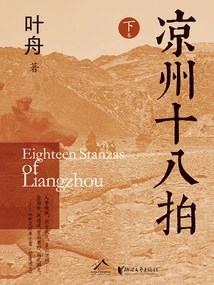
Liangzhou Eighteen Pai (volume 2)
General Fiction凉州十八拍(下卷)
Ye Zhou
"Eighteen Beats of Liangzhou" is a long epic novel that spans history, is powerful, soul-stirring, has many characters, and is all-encompassing, focusing on the history, geography, and culture of the Hexi Corridor. The novel is based on Liangzhou, the capital of Hexi Province in the first half of the 20th century. It uses the modern version of "Zhao's Orphan" as the core of the story. It uses poetic and profound narrative language to create a group of Liangzhou children, righteous warriors and passionate young people from the folk who have cultural consciousness and righteousness. In the era of turbulent mountains and rivers, trampled by warlords and corrupt government agencies, they were concerned about the fate of their family and country, full of loyalty and pride, and guarded the land of Hexi, and then performed tragic and earth-shaking stories of life and death. The novel successfully integrates the essence of traditional Chinese literature and the imagination of modern literature. It is skillful in technique and connects ancient and modern times at home and abroad.
"Eighteen Beats of Liangzhou" is a long epic novel that spans history, is powerful, soul-stirring, has many characters, and is all-encompassing, focusing on the history, geography, and culture of the Hexi Corridor. The novel is based on Liangzhou, the capital of Hexi Province in the first half of the 20th century. It uses the modern version of "Zhao's Orphan" as the core of the story. It uses poetic and profound narrative language to create a group of Liangzhou children, righteous warriors and passionate young people from the folk who have cultural consciousness and righteousness. In the era of turbulent mountains and rivers, trampled by warlords and corrupt government agencies, they were concerned about the fate of their family and country, full of loyalty and pride, and guarded the land of Hexi, and then performed tragic and earth-shaking stories of life and death. The novel successfully integrates the essence of traditional Chinese literature and the imagination of modern literature. It is skillful in technique and connects ancient and modern times at home and abroad.
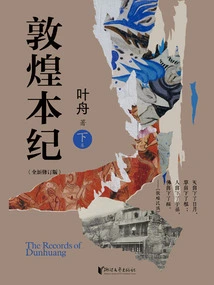
The Chronicle of Dunhuang (part 2)
General Fiction敦煌本纪(下)
Ye Zhou
"The Chronicles of Dunhuang" is the first domestic novel that is a biography of Dunhuang written by Lu Xun Literature Award winner Ye Zhou. It was nominated for the 10th Mao Dun Literature Award. The novel takes the ancient city of Shazhou in Dunhuang at the end of the Qing Dynasty and the beginning of the Republic of China as the starting point of the narrative, takes the Mogao Grottoes as the high ground of belief, and uses the rise and fall of the three major local families as clues to describe a series of thrilling life and death legends in Dunhuang. It also outlines the turbulent era of the early twentieth century and the millennium history of the Hexi Corridor. The novel combines classical poetry and Western slang, shuttles between fiction and imagination, and uses vivid and concise line drawing language and a powerful and smooth narrative style to create more than a hundred lifelike characters. The innocent children of the common people, the setting sun in the Buddhist caves, and the gods of birds and beasts can all be seen. The joys and sorrows, the ups and downs of the world, the kindness and loyalty have their own destiny. The author uses this to explore the mystery of the scriptures in Mogao Grottoes, inquire about the past and present of Dunhuang, and answer the sacred question "Why China" in a million words.
"The Chronicles of Dunhuang" is the first domestic novel that is a biography of Dunhuang written by Lu Xun Literature Award winner Ye Zhou. It was nominated for the 10th Mao Dun Literature Award. The novel takes the ancient city of Shazhou in Dunhuang at the end of the Qing Dynasty and the beginning of the Republic of China as the starting point of the narrative, takes the Mogao Grottoes as the high ground of belief, and uses the rise and fall of the three major local families as clues to describe a series of thrilling life and death legends in Dunhuang. It also outlines the turbulent era of the early twentieth century and the millennium history of the Hexi Corridor. The novel combines classical poetry and Western slang, shuttles between fiction and imagination, and uses vivid and concise line drawing language and a powerful and smooth narrative style to create more than a hundred lifelike characters. The innocent children of the common people, the setting sun in the Buddhist caves, and the gods of birds and beasts can all be seen. The joys and sorrows, the ups and downs of the world, the kindness and loyalty have their own destiny. The author uses this to explore the mystery of the scriptures in Mogao Grottoes, inquire about the past and present of Dunhuang, and answer the sacred question "Why China" in a million words.
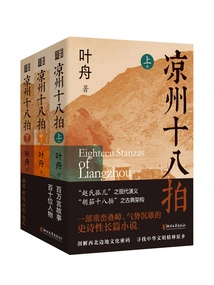
Liangzhou Eighteen Pai (set of Three Volumes)
General Fiction凉州十八拍(套装全三卷)
Ye Zhou
"Eighteen Beats of Liangzhou" is a long epic novel that spans history, is powerful, soul-stirring, has many characters, and is all-encompassing, focusing on the history, geography, and culture of the Hexi Corridor. The novel is based on Liangzhou, the capital of Hexi Province in the first half of the 20th century. It uses the modern version of "Zhao's Orphan" as the core of the story. It uses poetic and profound narrative language to create a group of Liangzhou children, righteous warriors and passionate young people from the folk who have cultural consciousness and righteousness. In the era of turbulent mountains and rivers, trampled by warlords and corrupt government agencies, they were concerned about the fate of their family and country, full of loyalty and pride, and guarded the land of Hexi, and then performed tragic and earth-shaking stories of life and death. The novel successfully integrates the essence of traditional Chinese literature and the imagination of modern literature. It is skillful in technique and connects ancient and modern times at home and abroad.
"Eighteen Beats of Liangzhou" is a long epic novel that spans history, is powerful, soul-stirring, has many characters, and is all-encompassing, focusing on the history, geography, and culture of the Hexi Corridor. The novel is based on Liangzhou, the capital of Hexi Province in the first half of the 20th century. It uses the modern version of "Zhao's Orphan" as the core of the story. It uses poetic and profound narrative language to create a group of Liangzhou children, righteous warriors and passionate young people from the folk who have cultural consciousness and righteousness. In the era of turbulent mountains and rivers, trampled by warlords and corrupt government agencies, they were concerned about the fate of their family and country, full of loyalty and pride, and guarded the land of Hexi, and then performed tragic and earth-shaking stories of life and death. The novel successfully integrates the essence of traditional Chinese literature and the imagination of modern literature. It is skillful in technique and connects ancient and modern times at home and abroad.
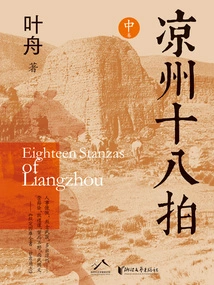
Liangzhou Eighteen Pai (medium Volume)
General Fiction凉州十八拍(中卷)
Ye Zhou
"Eighteen Beats of Liangzhou" is a long epic novel that spans history, is powerful, soul-stirring, has many characters, and is all-encompassing, focusing on the history, geography, and culture of the Hexi Corridor. The novel is based on Liangzhou, the capital of Hexi Province in the first half of the 20th century. It uses the modern version of "Zhao's Orphan" as the core of the story. It uses poetic and profound narrative language to create a group of Liangzhou children, righteous warriors and passionate young people from the folk who have cultural consciousness and righteousness. In the era of turbulent mountains and rivers, trampled by warlords and corrupt government agencies, they were concerned about the fate of their family and country, full of loyalty and pride, and guarded the land of Hexi, and then performed tragic and earth-shaking stories of life and death. The novel successfully integrates the essence of traditional Chinese literature and the imagination of modern literature. It is skillful in technique and connects ancient and modern times at home and abroad.
"Eighteen Beats of Liangzhou" is a long epic novel that spans history, is powerful, soul-stirring, has many characters, and is all-encompassing, focusing on the history, geography, and culture of the Hexi Corridor. The novel is based on Liangzhou, the capital of Hexi Province in the first half of the 20th century. It uses the modern version of "Zhao's Orphan" as the core of the story. It uses poetic and profound narrative language to create a group of Liangzhou children, righteous warriors and passionate young people from the folk who have cultural consciousness and righteousness. In the era of turbulent mountains and rivers, trampled by warlords and corrupt government agencies, they were concerned about the fate of their family and country, full of loyalty and pride, and guarded the land of Hexi, and then performed tragic and earth-shaking stories of life and death. The novel successfully integrates the essence of traditional Chinese literature and the imagination of modern literature. It is skillful in technique and connects ancient and modern times at home and abroad.
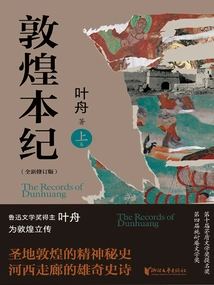
The Chronicle of Dunhuang (part 1)
General Fiction敦煌本纪(上)
Ye Zhou
"The Chronicles of Dunhuang" is the first domestic novel that is a biography of Dunhuang written by Lu Xun Literature Award winner Ye Zhou. It was nominated for the 10th Mao Dun Literature Award. The novel takes the ancient city of Shazhou in Dunhuang at the end of the Qing Dynasty and the beginning of the Republic of China as the starting point of the narrative, takes the Mogao Grottoes as the high ground of belief, and uses the rise and fall of the three major local families as clues to describe a series of thrilling life and death legends in Dunhuang. It also outlines the turbulent era of the early twentieth century and the millennium history of the Hexi Corridor. The novel combines classical poetry and Western slang, shuttles between fiction and imagination, and uses vivid and concise line drawing language and a powerful and smooth narrative style to create more than a hundred lifelike characters. The innocent children of the common people, the setting sun in the Buddhist caves, and the gods of birds and beasts can all be seen. The joys and sorrows, the ups and downs of the world, the kindness and loyalty have their own destiny. The author uses this to explore the mystery of the scriptures in Mogao Grottoes, inquire about the past and present of Dunhuang, and answer the sacred question "Why China" in a million words.
"The Chronicles of Dunhuang" is the first domestic novel that is a biography of Dunhuang written by Lu Xun Literature Award winner Ye Zhou. It was nominated for the 10th Mao Dun Literature Award. The novel takes the ancient city of Shazhou in Dunhuang at the end of the Qing Dynasty and the beginning of the Republic of China as the starting point of the narrative, takes the Mogao Grottoes as the high ground of belief, and uses the rise and fall of the three major local families as clues to describe a series of thrilling life and death legends in Dunhuang. It also outlines the turbulent era of the early twentieth century and the millennium history of the Hexi Corridor. The novel combines classical poetry and Western slang, shuttles between fiction and imagination, and uses vivid and concise line drawing language and a powerful and smooth narrative style to create more than a hundred lifelike characters. The innocent children of the common people, the setting sun in the Buddhist caves, and the gods of birds and beasts can all be seen. The joys and sorrows, the ups and downs of the world, the kindness and loyalty have their own destiny. The author uses this to explore the mystery of the scriptures in Mogao Grottoes, inquire about the past and present of Dunhuang, and answer the sacred question "Why China" in a million words.
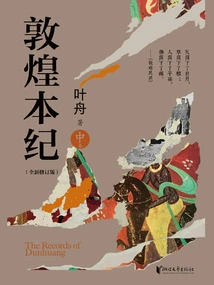
The Chronicle of Dunhuang (part 2)
General Fiction敦煌本纪(中)
Ye Zhou
"The Chronicles of Dunhuang" is the first domestic novel that is a biography of Dunhuang written by Lu Xun Literature Award winner Ye Zhou. It was nominated for the 10th Mao Dun Literature Award. The novel takes the ancient city of Shazhou in Dunhuang at the end of the Qing Dynasty and the beginning of the Republic of China as the starting point of the narrative, takes the Mogao Grottoes as the high ground of belief, and uses the rise and fall of the three major local families as clues to describe a series of thrilling life and death legends in Dunhuang. It also outlines the turbulent era of the early twentieth century and the millennium history of the Hexi Corridor. The novel combines classical poetry and Western slang, shuttles between fiction and imagination, and uses vivid and concise line drawing language and a powerful and smooth narrative style to create more than a hundred lifelike characters. The innocent children of the common people, the setting sun in the Buddhist caves, and the gods of birds and beasts can all be seen. The joys and sorrows, the ups and downs of the world, the kindness and loyalty have their own destiny. The author uses this to explore the mystery of the scriptures in Mogao Grottoes, inquire about the past and present of Dunhuang, and answer the sacred question "Why China" in a million words.
"The Chronicles of Dunhuang" is the first domestic novel that is a biography of Dunhuang written by Lu Xun Literature Award winner Ye Zhou. It was nominated for the 10th Mao Dun Literature Award. The novel takes the ancient city of Shazhou in Dunhuang at the end of the Qing Dynasty and the beginning of the Republic of China as the starting point of the narrative, takes the Mogao Grottoes as the high ground of belief, and uses the rise and fall of the three major local families as clues to describe a series of thrilling life and death legends in Dunhuang. It also outlines the turbulent era of the early twentieth century and the millennium history of the Hexi Corridor. The novel combines classical poetry and Western slang, shuttles between fiction and imagination, and uses vivid and concise line drawing language and a powerful and smooth narrative style to create more than a hundred lifelike characters. The innocent children of the common people, the setting sun in the Buddhist caves, and the gods of birds and beasts can all be seen. The joys and sorrows, the ups and downs of the world, the kindness and loyalty have their own destiny. The author uses this to explore the mystery of the scriptures in Mogao Grottoes, inquire about the past and present of Dunhuang, and answer the sacred question "Why China" in a million words.
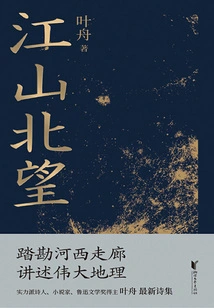
Looking North to the Country
Literature江山北望
Ye Zhou
"Looking North of the Country" is the latest poetry collection by Ye Zhou, winner of the Lu Xun Literature Prize. It includes powerful, vivid and lovely works such as "Hexi Corridor", "Reminiscences", "On the Road", "Leave Chang'an", "Asking for Water in Gaochang Kingdom", "Oh, Qiuci". Ye Zhou was an explorer of the Hexi Corridor and a writer of great geography. From the gentle ringing of camel bells in the Qilian Mountains to the leisurely flutes in Liangzhou, from the wisdom of Kumarajiva to the joys and sorrows of the horse traders, every line of Ye Zhou's poems is asking questions, handing in papers, and joining the chorus of all living beings.
"Looking North of the Country" is the latest poetry collection by Ye Zhou, winner of the Lu Xun Literature Prize. It includes powerful, vivid and lovely works such as "Hexi Corridor", "Reminiscences", "On the Road", "Leave Chang'an", "Asking for Water in Gaochang Kingdom", "Oh, Qiuci". Ye Zhou was an explorer of the Hexi Corridor and a writer of great geography. From the gentle ringing of camel bells in the Qilian Mountains to the leisurely flutes in Liangzhou, from the wisdom of Kumarajiva to the joys and sorrows of the horse traders, every line of Ye Zhou's poems is asking questions, handing in papers, and joining the chorus of all living beings.
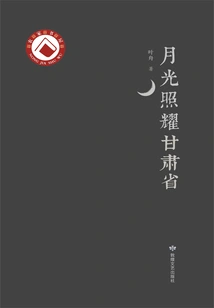
Moonlight Shines on Gansu Province
Literature月光照耀甘肃省
Ye Zhou
This book contains more than 120 newly created poems by the poet. The author transforms desolation into youthful enthusiasm, makes migration into the running of youth, rides away, and builds the frontier of his own poetry.
This book contains more than 120 newly created poems by the poet. The author transforms desolation into youthful enthusiasm, makes migration into the running of youth, rides away, and builds the frontier of his own poetry.
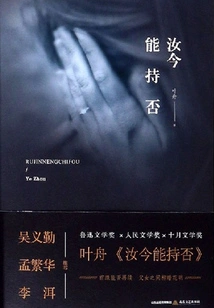
Can You Hold on Now?
General Fiction汝今能持否
Ye Zhou
"Can You Hold It Now" contains seven short stories and short stories written by Ye Zhou, winner of the Lu Xun Literature Prize, in recent years. Among them, "The River Surnamed Huang" has been translated into more than a dozen languages and has caused great repercussions at home and abroad. There are also two articles, "Can You Hold It Now" and "In Warm Applause", both of which are new works in 2017 and have been reprinted by major publications. The novel "Can You Hold It Now" is a two-line narrative model that goes hand in hand. While describing the father's efforts to ease the relationship between father and daughter, another clue, Chen Yanzi's emotional entanglement, is also slowly unfolding. Chen Yanzi's unfortunate marriage stemmed from an unintentional remark made by her father, Chen Bingjun. This unintentional remark made Chen Yanzi often beaten by her husband for no reason. After Chen Yanzi got married, his childhood sweetheart Zuo Jun's selfless help to him aggravated her husband's suspicion. Between her husband's unreasonableness and Zuo Jun's selfless consideration, how did Chen Yanzi choose in the end?
"Can You Hold It Now" contains seven short stories and short stories written by Ye Zhou, winner of the Lu Xun Literature Prize, in recent years. Among them, "The River Surnamed Huang" has been translated into more than a dozen languages and has caused great repercussions at home and abroad. There are also two articles, "Can You Hold It Now" and "In Warm Applause", both of which are new works in 2017 and have been reprinted by major publications. The novel "Can You Hold It Now" is a two-line narrative model that goes hand in hand. While describing the father's efforts to ease the relationship between father and daughter, another clue, Chen Yanzi's emotional entanglement, is also slowly unfolding. Chen Yanzi's unfortunate marriage stemmed from an unintentional remark made by her father, Chen Bingjun. This unintentional remark made Chen Yanzi often beaten by her husband for no reason. After Chen Yanzi got married, his childhood sweetheart Zuo Jun's selfless help to him aggravated her husband's suspicion. Between her husband's unreasonableness and Zuo Jun's selfless consideration, how did Chen Yanzi choose in the end?
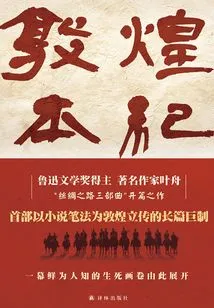
敦煌本纪(第十届茅盾文学奖入围作品)
Ye Zhou
Shortlisted for the 10th Mao Dun Literary Award, it is the first full-length biography of Dunhuang written in novel style. The ups and downs of the three major families spanning half a century tell the story of the origin and return of the Hexi Corridor, the past and present life. At the end of the Qing Dynasty, the current situation was turbulent and the building was about to collapse. In the ancient border areas of the four counties of Hexi, few people care about it. The Suo clan is revered as the "Righteous People of Dunhuang". Several generations of ancestors have prayed for the people in the Hexi area, sacrificing their lives for righteousness and donating seven heads, until the "bloody clothes" spread to the head of the family, Suo Chang. Suo Chang is cautious and reclusive, fearing that the bloody fate of his family will befall him. However, he does not know that a trap that has been plotted for a long time is approaching him in the deep house. Shen Ponu, a famous doctor from Shixingtang, fled to Dunhuang in his early years. With his talent and diligence, he established himself. Although he was not rich, he was well off. His life experience hides the biggest secrets of the three counties outside Guanhai. Hu Enke, a small businessman from Shazhou City in Dunhuang, made an accidental trip to the Central Plains and felt deeply that the roads were blocked and trade was weak. He was quite skillful and began to "pave the way" for his sons secretly. First, he promised to open a cave for the Suo family on the cliff of Mogao Grottoes to show the loyalty and bravery of his ancestors. Then, he used coercion and inducement to form a family with Shen Ponu. Unexpectedly, this action was suddenly interrupted. Hu Enke suffered from a stroke. He lingered on the sickbed and saw all the warmth and sorrow in the world. From then on, the great times of the sons' generation began... The three major families, three generations of ancestors and grandchildren, and the legend of life and death that has lasted for half a century, hide the origin and return of the Hexi Corridor, the past life and the present life. The work uses Shazhou City in Dunhuang as the fulcrum of the secular world and Mogao Grottoes as the highland of faith. It depicts the real-life experiences and mental journeys of the people in the west as they find, open and expand paths in the ups and downs, reviving the spirit of the west through words.
Shortlisted for the 10th Mao Dun Literary Award, it is the first full-length biography of Dunhuang written in novel style. The ups and downs of the three major families spanning half a century tell the story of the origin and return of the Hexi Corridor, the past and present life. At the end of the Qing Dynasty, the current situation was turbulent and the building was about to collapse. In the ancient border areas of the four counties of Hexi, few people care about it. The Suo clan is revered as the "Righteous People of Dunhuang". Several generations of ancestors have prayed for the people in the Hexi area, sacrificing their lives for righteousness and donating seven heads, until the "bloody clothes" spread to the head of the family, Suo Chang. Suo Chang is cautious and reclusive, fearing that the bloody fate of his family will befall him. However, he does not know that a trap that has been plotted for a long time is approaching him in the deep house. Shen Ponu, a famous doctor from Shixingtang, fled to Dunhuang in his early years. With his talent and diligence, he established himself. Although he was not rich, he was well off. His life experience hides the biggest secrets of the three counties outside Guanhai. Hu Enke, a small businessman from Shazhou City in Dunhuang, made an accidental trip to the Central Plains and felt deeply that the roads were blocked and trade was weak. He was quite skillful and began to "pave the way" for his sons secretly. First, he promised to open a cave for the Suo family on the cliff of Mogao Grottoes to show the loyalty and bravery of his ancestors. Then, he used coercion and inducement to form a family with Shen Ponu. Unexpectedly, this action was suddenly interrupted. Hu Enke suffered from a stroke. He lingered on the sickbed and saw all the warmth and sorrow in the world. From then on, the great times of the sons' generation began... The three major families, three generations of ancestors and grandchildren, and the legend of life and death that has lasted for half a century, hide the origin and return of the Hexi Corridor, the past life and the present life. The work uses Shazhou City in Dunhuang as the fulcrum of the secular world and Mogao Grottoes as the highland of faith. It depicts the real-life experiences and mental journeys of the people in the west as they find, open and expand paths in the ups and downs, reviving the spirit of the west through words.
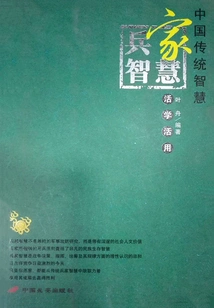
兵家智慧活学活用
Ye Zhou
The Chinese nation is an intelligent nation, and its military strategies accumulated over thousands of years are enough to compile a large dictionary of military strategies. Among the many writings of military strategists, some strategies have long gone beyond the scope of military affairs and penetrated into our daily lives. China can be said to be the country that produces the most military weapons in the world. Among the schools of intellectuals in the Spring and Autumn and Warring States periods, military strategists were extremely famous. In China, those who know the military and become a "family" and a "student" are by no means in vain.
The Chinese nation is an intelligent nation, and its military strategies accumulated over thousands of years are enough to compile a large dictionary of military strategies. Among the many writings of military strategists, some strategies have long gone beyond the scope of military affairs and penetrated into our daily lives. China can be said to be the country that produces the most military weapons in the world. Among the schools of intellectuals in the Spring and Autumn and Warring States periods, military strategists were extremely famous. In China, those who know the military and become a "family" and a "student" are by no means in vain.
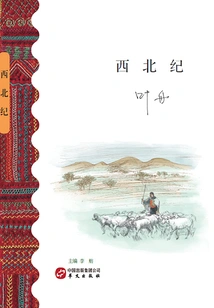
Northwest Period
Literature西北纪
Ye Zhou
This book is a selection of essays about the Silk Road by the famous contemporary writer Ye Zhou. Ye Zhou moved from poetry to prose, and his prose still rarely retains a high-spirited poetic quality and a leisurely poetic heart. He has a unique understanding and understanding of the history of the Silk Road. His "What is the Silk Road - Taking the Hexi Corridor as an Example" and "Blue Dunhuang" are rare masterpieces. In these articles, he vividly shows us a forgotten civilized world. Every trace of time and every distant look back are extremely exciting, profound and unforgettable.
This book is a selection of essays about the Silk Road by the famous contemporary writer Ye Zhou. Ye Zhou moved from poetry to prose, and his prose still rarely retains a high-spirited poetic quality and a leisurely poetic heart. He has a unique understanding and understanding of the history of the Silk Road. His "What is the Silk Road - Taking the Hexi Corridor as an Example" and "Blue Dunhuang" are rare masterpieces. In these articles, he vividly shows us a forgotten civilized world. Every trace of time and every distant look back are extremely exciting, profound and unforgettable.
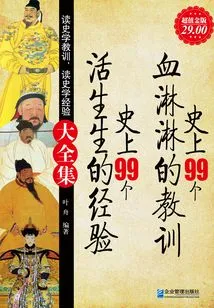
史上99个血淋淋的教训史上99个活生生的经验大全集
Ye Zhou
For many young friends, it is very important to read the grand narrative of historical events - "official history", but it is also worth learning more about the "historical scraps" that often show the true spirit of history in the details, and knowing some anecdotes. This will not only supplement the shortcomings of official history, but also cultivate your own interest in history. On the premise of respecting history, this book selects historical stories that are closely integrated with the spirit of the times and have practical significance. Based on the content, each story is analyzed with profound and precise experience and key points, in order to provide spiritual enjoyment and life enlightenment to readers with different psychological needs.
For many young friends, it is very important to read the grand narrative of historical events - "official history", but it is also worth learning more about the "historical scraps" that often show the true spirit of history in the details, and knowing some anecdotes. This will not only supplement the shortcomings of official history, but also cultivate your own interest in history. On the premise of respecting history, this book selects historical stories that are closely integrated with the spirit of the times and have practical significance. Based on the content, each story is analyzed with profound and precise experience and key points, in order to provide spiritual enjoyment and life enlightenment to readers with different psychological needs.
Adventures in Budapest
General Fiction布达佩斯奇遇
Ye Zhou
A Chinese American female reporter traveled to Europe with her daughter, met a large number of Syrian refugees in Budapest, and witnessed this scene: a seven-year-old boy who originally fled the war with his mother and sister and lived in a foreign country. The road ahead was blocked. In order to take care of her younger daughter who fell ill on the way, the mother had to take the risk and entrust her son to a stranger, allowing him to continue their journey to Germany with the stranger. When the female reporter saw this, she was heartbroken - in the 21st century, how come human suffering is still always there? The sun has risen on the hillside on the other side of the Danube River, and the waves on the river are sparkling and dazzling. Shao Xiangqun and his daughter Sophia, who had just graduated from high school, walked out of the hotel lobby by the river and took a taxi to the train station. After staying in Budapest for a few days from Los Angeles, they planned to take the train to Vienna.
A Chinese American female reporter traveled to Europe with her daughter, met a large number of Syrian refugees in Budapest, and witnessed this scene: a seven-year-old boy who originally fled the war with his mother and sister and lived in a foreign country. The road ahead was blocked. In order to take care of her younger daughter who fell ill on the way, the mother had to take the risk and entrust her son to a stranger, allowing him to continue their journey to Germany with the stranger. When the female reporter saw this, she was heartbroken - in the 21st century, how come human suffering is still always there? The sun has risen on the hillside on the other side of the Danube River, and the waves on the river are sparkling and dazzling. Shao Xiangqun and his daughter Sophia, who had just graduated from high school, walked out of the hotel lobby by the river and took a taxi to the train station. After staying in Budapest for a few days from Los Angeles, they planned to take the train to Vienna.