Library
Browse and search books
10 novels found
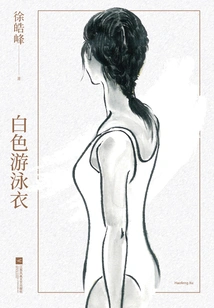
White Swimsuit
General Fiction白色游泳衣
Xu Haofeng
This book includes two novellas: "White Swimsuit" and "Into the Style". "White Swimsuit": From the movie "Old Paoer", I recall the girl Ruan Xinji who wore a white swimsuit. When the swimsuit enters the water, it is instantly transparent, and everyone's youthful body can be seen at a glance. Peng Hui stood up to protect the beauty, causing a group fight and injuring dozens of people. I went swimming with the girl again, but found that the white swimsuit was tightly covered and nothing could be seen. Transparent or opaque, that is the question. To dream or to wake up is also a question. At the age of eighteen, everything is a problem. "Into the Type": Peking snitch Ye Qilang, the father of young Ye Hongmin, was shot dead by the police. Hong Min and his younger brother Hong Wang were separated. Hongmin failed to join the martial arts and went south to Guangzhou to make a living. In order to clear up the stigma of being a "Queen of Thieves", I had no choice but to become a thief again. I met all kinds of people in the world, got into various entanglements, and gradually became enlightened. In the end, when the brothers reunite, they say goodbye forever, and a story begins again.
This book includes two novellas: "White Swimsuit" and "Into the Style". "White Swimsuit": From the movie "Old Paoer", I recall the girl Ruan Xinji who wore a white swimsuit. When the swimsuit enters the water, it is instantly transparent, and everyone's youthful body can be seen at a glance. Peng Hui stood up to protect the beauty, causing a group fight and injuring dozens of people. I went swimming with the girl again, but found that the white swimsuit was tightly covered and nothing could be seen. Transparent or opaque, that is the question. To dream or to wake up is also a question. At the age of eighteen, everything is a problem. "Into the Type": Peking snitch Ye Qilang, the father of young Ye Hongmin, was shot dead by the police. Hong Min and his younger brother Hong Wang were separated. Hongmin failed to join the martial arts and went south to Guangzhou to make a living. In order to clear up the stigma of being a "Queen of Thieves", I had no choice but to become a thief again. I met all kinds of people in the world, got into various entanglements, and gradually became enlightened. In the end, when the brothers reunite, they say goodbye forever, and a story begins again.
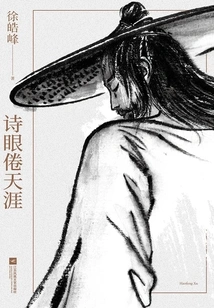
Poetry Eyes Tired of the World
General Fiction诗眼倦天涯
Xu Haofeng
This book contains two novellas by Xu Haofeng. "Poetic Eyes Are Tired of the End of the World": During the Yuan Dynasty, all large households had thugs. Ye Motian does not work as a thug, but makes a living by sword fighting - the winner has the right to take away the loser's weapons, and he wins the weapons and sells them for money. The emergence of Wen Sanchun broke this situation. The two agreed to compete at the women's sumo wrestling hall in Liuduo City, but Wen Sanchun's enemy disrupted the situation. The road to escape is extremely dangerous. Due to the appearance of Song Emperor's cook and Mongolian Liangdi, Ye Motian's past and Wen Sanchun's life experience are gradually revealed. "Unchained Foot": Yuan Jiji, from the security department of Danhuang Factory, returned to his hometown with his guilty father when he was a child; after his father was rehabilitated, he took his father's job and returned to the city; Shenzhen established a special zone and he took his wife south, and they had a happy 38 years; at the age of 63, he worked as a bodyguard for Barton's fifty-sixth-year-old lover for money, and was stabbed by a robber on the streets of Cannes...
This book contains two novellas by Xu Haofeng. "Poetic Eyes Are Tired of the End of the World": During the Yuan Dynasty, all large households had thugs. Ye Motian does not work as a thug, but makes a living by sword fighting - the winner has the right to take away the loser's weapons, and he wins the weapons and sells them for money. The emergence of Wen Sanchun broke this situation. The two agreed to compete at the women's sumo wrestling hall in Liuduo City, but Wen Sanchun's enemy disrupted the situation. The road to escape is extremely dangerous. Due to the appearance of Song Emperor's cook and Mongolian Liangdi, Ye Motian's past and Wen Sanchun's life experience are gradually revealed. "Unchained Foot": Yuan Jiji, from the security department of Danhuang Factory, returned to his hometown with his guilty father when he was a child; after his father was rehabilitated, he took his father's job and returned to the city; Shenzhen established a special zone and he took his wife south, and they had a happy 38 years; at the age of 63, he worked as a bodyguard for Barton's fifty-sixth-year-old lover for money, and was stabbed by a robber on the streets of Cannes...
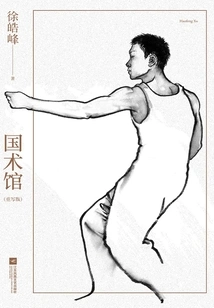
Guoshu Museum
General Fiction国术馆
Xu Haofeng
The story tells that in the 1930s, the Guoshu Museum in Shanghai was very famous. Its founder, Zhou Cunyi, had no rivals in the martial arts and was very prosperous. Later, the Guoshu Museum closed down due to lack of funds. Zhou Cunyi's personal disciple, the second-generation curator's fifteenth brother, and "my" second grandfather, was a martial arts master, but he was down and out in life and was despised by others. Regardless of my family's objections, I practiced Xingyi Quan next to my second grandfather and developed peerless martial arts. After experiencing all kinds of life in the city and the maze of history of my father's generation, I gradually realized that Xingyiquan is not only a martial art, but also the highest state of the heart - "Both the visible and the intentional are false, and the unintentional will only lead to surprises." We all want to change the world, but we are blocked from all possibilities by ourselves.
The story tells that in the 1930s, the Guoshu Museum in Shanghai was very famous. Its founder, Zhou Cunyi, had no rivals in the martial arts and was very prosperous. Later, the Guoshu Museum closed down due to lack of funds. Zhou Cunyi's personal disciple, the second-generation curator's fifteenth brother, and "my" second grandfather, was a martial arts master, but he was down and out in life and was despised by others. Regardless of my family's objections, I practiced Xingyi Quan next to my second grandfather and developed peerless martial arts. After experiencing all kinds of life in the city and the maze of history of my father's generation, I gradually realized that Xingyiquan is not only a martial art, but also the highest state of the heart - "Both the visible and the intentional are false, and the unintentional will only lead to surprises." We all want to change the world, but we are blocked from all possibilities by ourselves.
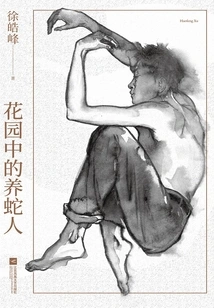
Snake Keeper in the Garden
General Fiction花园中的养蛇人
Xu Haofeng
"Snake Keeper in the Garden" contains short stories and short stories written by Xu Haofeng in the 1990s. These works are the author's youngest works, and the creative period "covers the beginning and end of youth." As a student of the Directing Department of the High School Affiliated to the Academy of Fine Arts and the School of Film and Television, the young Xu Haofeng is obsessed with the true meaning of art. In these works, you can see a glimpse of the phantom of modern Western literature and art, the scenery and people of his native Beijing in the 1990s, and the realm of youthful excitement. All innocence, childishness, fantasy and imagination are all marked by virginity and will never be reproduced. As the author says in his own words: The meaning of writing is to guess the way God operates with ulterior motives and to identify the murderous intentions behind the things that are coming your way.
"Snake Keeper in the Garden" contains short stories and short stories written by Xu Haofeng in the 1990s. These works are the author's youngest works, and the creative period "covers the beginning and end of youth." As a student of the Directing Department of the High School Affiliated to the Academy of Fine Arts and the School of Film and Television, the young Xu Haofeng is obsessed with the true meaning of art. In these works, you can see a glimpse of the phantom of modern Western literature and art, the scenery and people of his native Beijing in the 1990s, and the realm of youthful excitement. All innocence, childishness, fantasy and imagination are all marked by virginity and will never be reproduced. As the author says in his own words: The meaning of writing is to guess the way God operates with ulterior motives and to identify the murderous intentions behind the things that are coming your way.

Nanjing City at the End of Ming Dynasty
General Fiction大明末世南京城
Xu Haofeng
It drizzled for half a day on December 12, the fifteenth year of Wanli, and the spring scenery in the old city of Nanjing was still far away. In the colder north, a group of royal guards rode fast horses, enduring the cold pain in their noses and ears, and brought the news of the death of the famous general Qi Jiguang into the capital. The Ming Dynasty established a complete and strict civil service system. In order to prevent the recurrence of local military and vassal chaos in the Tang Dynasty, military attachés have been suppressed. The establishment of an army to sweep away Japanese pirates along the eastern coast and the establishment of a vassal vassal to deter the Mongolian tribes gave Qi Jiguang control over nearly 400,000 troops and became the only military attache in the dynasty capable of rebellion. He died of old age after being demoted to a commoner. On that day, Emperor Shenzong, wearing a black dragon robe with dark red embroidery, learned of his death in the Wenhua Hall of his study without giving any instructions.
It drizzled for half a day on December 12, the fifteenth year of Wanli, and the spring scenery in the old city of Nanjing was still far away. In the colder north, a group of royal guards rode fast horses, enduring the cold pain in their noses and ears, and brought the news of the death of the famous general Qi Jiguang into the capital. The Ming Dynasty established a complete and strict civil service system. In order to prevent the recurrence of local military and vassal chaos in the Tang Dynasty, military attachés have been suppressed. The establishment of an army to sweep away Japanese pirates along the eastern coast and the establishment of a vassal vassal to deter the Mongolian tribes gave Qi Jiguang control over nearly 400,000 troops and became the only military attache in the dynasty capable of rebellion. He died of old age after being demoted to a commoner. On that day, Emperor Shenzong, wearing a black dragon robe with dark red embroidery, learned of his death in the Wenhua Hall of his study without giving any instructions.
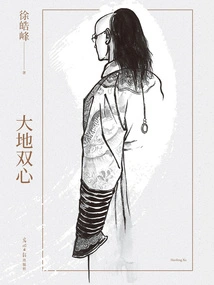
Two Hearts of the Earth
General Fiction大地双心
Xu Haofeng
In 1911, the Revolution of 1911 broke out, and the Qing emperor abdicated the next year. In 1917, a young man who guarded the tomb was entrusted to come to the emperor and protect him with secret methods for ten years. At this time, the royal family is still there, and there are still actors singing their voices at the opening of big plays in the Forbidden City. It seems to be a peaceful scene. However, the current situation is turbulent. How can the center of the whirlpool be spared? Powerful ministers, actors, warlords, old scholars, and revolutionary parties took turns to appear, and a different narrative about the last emperor unfolded. The earth has two hearts, one for loyalty and the other for betrayal. The emperor moved between the arrangements of various careerists, gained some true feelings, and also gained insight into countless betrayals. The secret method cannot resist the human heart, and behind the out-of-touch words and deeds is endless helplessness and sadness...
In 1911, the Revolution of 1911 broke out, and the Qing emperor abdicated the next year. In 1917, a young man who guarded the tomb was entrusted to come to the emperor and protect him with secret methods for ten years. At this time, the royal family is still there, and there are still actors singing their voices at the opening of big plays in the Forbidden City. It seems to be a peaceful scene. However, the current situation is turbulent. How can the center of the whirlpool be spared? Powerful ministers, actors, warlords, old scholars, and revolutionary parties took turns to appear, and a different narrative about the last emperor unfolded. The earth has two hearts, one for loyalty and the other for betrayal. The emperor moved between the arrangements of various careerists, gained some true feelings, and also gained insight into countless betrayals. The secret method cannot resist the human heart, and behind the out-of-touch words and deeds is endless helplessness and sadness...
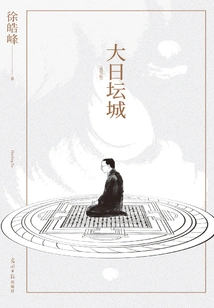
Great Sun Mandala: Rewritten Edition
General Fiction大日坛城:重写版
Xu Haofeng
The protagonist Yu Shangquan is a Go genius. During the Sino-Japanese War in the 1930s and 1940s, with his incredible chess skills, he defeated many Japanese Go masters and won the title of "First Man". He became invincible in challenges one after another. This was in sharp contrast to the situation of China's domestic war of resistance that was losing ground at that time. On the other hand, when the Japanese aggressors were winning successive battles on the Chinese battlefield, they were defeated one after another in the game of Go, which they regarded as their "national skill", at the hands of a Chinese. Around Yu Shangquan, various forces are fighting and fighting to protect him or destroy him: Chinese martial arts masters with special skills, Japanese samurai celebrities, Central Unification agents, Japanese spies, anti-Japanese fighters, traitors... The fighting of various forces is often like thunder on the ground, strange, fast, and breathtaking. Yu Shangquan, who was in the center of the storm, turned a blind eye to all kinds of forces and turned a deaf ear to all dangers. Whether it was the murderous intent on the chessboard or the murderous intent from unknown sources in the dark, he faced it with the heart to die, and survived every desperate situation. But in the end he could not resist the cruel crushing of the wheel of history...
The protagonist Yu Shangquan is a Go genius. During the Sino-Japanese War in the 1930s and 1940s, with his incredible chess skills, he defeated many Japanese Go masters and won the title of "First Man". He became invincible in challenges one after another. This was in sharp contrast to the situation of China's domestic war of resistance that was losing ground at that time. On the other hand, when the Japanese aggressors were winning successive battles on the Chinese battlefield, they were defeated one after another in the game of Go, which they regarded as their "national skill", at the hands of a Chinese. Around Yu Shangquan, various forces are fighting and fighting to protect him or destroy him: Chinese martial arts masters with special skills, Japanese samurai celebrities, Central Unification agents, Japanese spies, anti-Japanese fighters, traitors... The fighting of various forces is often like thunder on the ground, strange, fast, and breathtaking. Yu Shangquan, who was in the center of the storm, turned a blind eye to all kinds of forces and turned a deaf ear to all dangers. Whether it was the murderous intent on the chessboard or the murderous intent from unknown sources in the dark, he faced it with the heart to die, and survived every desperate situation. But in the end he could not resist the cruel crushing of the wheel of history...
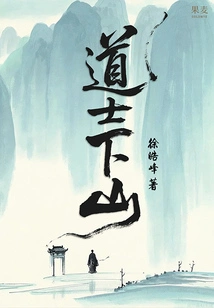
Taoist Priest Goes Down the Mountain
General Fiction道士下山
Xu Haofeng
When a child enters the rivers and lakes, he sees the faces of all living beings. The young Taoist priest He Anxia couldn't bear the loneliness of cultivating in the mountains. He walked out of the mountain gate and entered the mortal world, but fell into the turbulent whirlpool of the rivers and lakes. Zen elders, Tai Chi masters, famous opera actors... Various characters appeared one after another. He Anzhou was involved in various strange people and strange things, and he gradually realized the true meaning of Zen in martial arts. "The Taoist Descends from the Mountain" was written in 2006, and I don't know until now that I was writing about escape. When describing the fate of the characters, various ways of escape are described; when describing the human world, the different ways of ending the pursuit of the pursuer are described. --Xu Haofeng
When a child enters the rivers and lakes, he sees the faces of all living beings. The young Taoist priest He Anxia couldn't bear the loneliness of cultivating in the mountains. He walked out of the mountain gate and entered the mortal world, but fell into the turbulent whirlpool of the rivers and lakes. Zen elders, Tai Chi masters, famous opera actors... Various characters appeared one after another. He Anzhou was involved in various strange people and strange things, and he gradually realized the true meaning of Zen in martial arts. "The Taoist Descends from the Mountain" was written in 2006, and I don't know until now that I was writing about escape. When describing the fate of the characters, various ways of escape are described; when describing the human world, the different ways of ending the pursuit of the pursuer are described. --Xu Haofeng
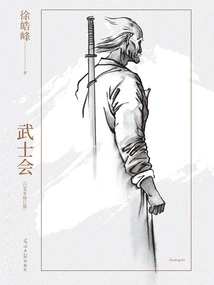
Samurai Association (revised Edition in Jihai Year)
General Fiction武士会(己亥年修订版)
Xu Haofeng
At the end of the Qing Dynasty and the beginning of the Republic of China, Li Cunyi, the first generation master of Xingyiquan, did three things: merged Shanxi and Hebei Xingyi into one school; combined Xingyiquan and Baguazhang into one school; founded the "Chinese Warrior Association" and merged the northern martial arts. Li Cunyi and Cheng Tinghua are good friends, and Cheng Tinghua is a master of Baguazhang. When the Eight-Power Allied Forces invaded Beijing, the two of them were in their fifties. They did the same thing: they walked around the houses carrying knives. When they saw lone foreign soldiers, they jumped down and chopped them down. Based on this historical anecdote, "The Samurai Society" describes the story of Li Zunwu, a folk martial artist who adheres to the teachings of not starting a family, not keeping money, and not teaching apprentices. He practices hard as a solitary, but encounters the Eight-Power Allied Forces' sacking of Beijing. Starting from one person's resistance, after ten years of pain and changes in life, he reaches the pinnacle of martial arts and becomes a legend of a generation of martial arts master. This reveals the civil structure of the Qing Dynasty, the contingency changes between Manchu and Han Dynasties, and the hidden political and religious situations.
At the end of the Qing Dynasty and the beginning of the Republic of China, Li Cunyi, the first generation master of Xingyiquan, did three things: merged Shanxi and Hebei Xingyi into one school; combined Xingyiquan and Baguazhang into one school; founded the "Chinese Warrior Association" and merged the northern martial arts. Li Cunyi and Cheng Tinghua are good friends, and Cheng Tinghua is a master of Baguazhang. When the Eight-Power Allied Forces invaded Beijing, the two of them were in their fifties. They did the same thing: they walked around the houses carrying knives. When they saw lone foreign soldiers, they jumped down and chopped them down. Based on this historical anecdote, "The Samurai Society" describes the story of Li Zunwu, a folk martial artist who adheres to the teachings of not starting a family, not keeping money, and not teaching apprentices. He practices hard as a solitary, but encounters the Eight-Power Allied Forces' sacking of Beijing. Starting from one person's resistance, after ten years of pain and changes in life, he reaches the pinnacle of martial arts and becomes a legend of a generation of martial arts master. This reveals the civil structure of the Qing Dynasty, the contingency changes between Manchu and Han Dynasties, and the hidden political and religious situations.
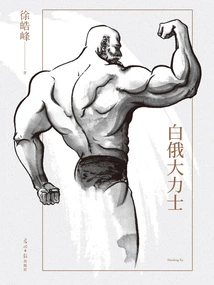
Belarusian Hercules
General Fiction白俄大力士
Xu Haofeng
"The Belarusian Hercules" begins with the story of the Tianjin Wushu Organization's "Guoshu Practice Association" organizing a challenge to the Belarusian Hercules Niknov in 1916, interspersed with the story of the grandson of Gao Qingzhu, the martial artist who defeated Niknov in 1979. The story of first love combines the Chinese people's attachment to "foreigners" with martial arts movies, martial arts anecdotes, and stories of youth in the 1980s over a historical span of more than half a century and four generations, and depicts an interesting "hidden history."
"The Belarusian Hercules" begins with the story of the Tianjin Wushu Organization's "Guoshu Practice Association" organizing a challenge to the Belarusian Hercules Niknov in 1916, interspersed with the story of the grandson of Gao Qingzhu, the martial artist who defeated Niknov in 1979. The story of first love combines the Chinese people's attachment to "foreigners" with martial arts movies, martial arts anecdotes, and stories of youth in the 1980s over a historical span of more than half a century and four generations, and depicts an interesting "hidden history."