Library
Browse and search books
39 novels found
闲庐序跋集
Xiong Zhaozheng
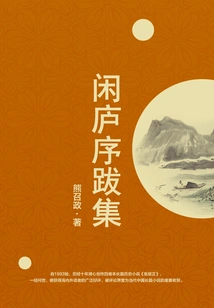
This book is a collection of Xiong Zhaozheng's prefaces and postscripts in the past two or three years. It collects a total of 88 essays and essays by the author, including essays, art talks, and reminiscences. It has sincere feelings, sincere temperament, and moving literary talent. It is worthy of reading by young people who love literature and art, so as to grasp the direction and integrity of literature and art, and learn from the literary and human spirit of the older generation of literati. The publication of this book adds another brick to China's contemporary Renaissance dream.
This book is a collection of Xiong Zhaozheng's prefaces and postscripts in the past two or three years. It collects a total of 88 essays and essays by the author, including essays, art talks, and reminiscences. It has sincere feelings, sincere temperament, and moving literary talent. It is worthy of reading by young people who love literature and art, so as to grasp the direction and integrity of literature and art, and learn from the literary and human spirit of the older generation of literati. The publication of this book adds another brick to China's contemporary Renaissance dream.
Records of Chu People Entering Qin
Literature楚人入秦记
Xiong Zhaozheng
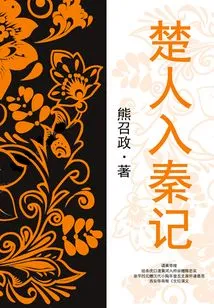
This book is composed of poems and lyrics by Xiong Zhaozheng and illustrated by Wang Kuan. It records the author's life journey and life insights. The whole manuscript reads with freshness, elegance and far-reaching artistic conception.
This book is composed of poems and lyrics by Xiong Zhaozheng and illustrated by Wang Kuan. It records the author's life journey and life insights. The whole manuscript reads with freshness, elegance and far-reaching artistic conception.
Xianlu Talks About Art
Literature闲庐谈艺录
Xiong Zhaozheng
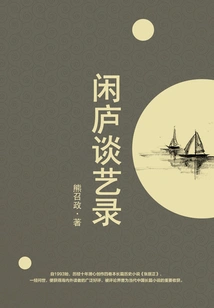
"Writer's Library Series: Xianlu Talks about Art" is divided into three parts: Roots of Literati, Singers of Autumn, and a River of Culture. It includes prose such as "Nostalgia is a Hasty Visit", "History Carved in Stone", "A Dangerous Person in China Called Li Geng", "I Don't Understand After Reading the Ming Dynasty", "The Unresounding Chu Feng". "Xianlu Tan Yi Lu" is suitable for prose lovers to read.
"Writer's Library Series: Xianlu Talks about Art" is divided into three parts: Roots of Literati, Singers of Autumn, and a River of Culture. It includes prose such as "Nostalgia is a Hasty Visit", "History Carved in Stone", "A Dangerous Person in China Called Li Geng", "I Don't Understand After Reading the Ming Dynasty", "The Unresounding Chu Feng". "Xianlu Tan Yi Lu" is suitable for prose lovers to read.
明朝大悲咒
Xiong Zhaozheng
This book is Xiong Zhaozheng's reflection notes on studying the history of the Ming Dynasty. It depicts the emperors, ministers, scholars, eunuchs, etc. Of the Ming Dynasty. It also narrates some important events in the history of the Ming Dynasty. In this book, the author explains his own view of history, such as that powerful officials are not necessarily traitorous officials, and good people are not necessarily good officials. The author always has his own unique understanding and analysis of these historical figures and events, which is refreshing and thought-provoking.
This book is Xiong Zhaozheng's reflection notes on studying the history of the Ming Dynasty. It depicts the emperors, ministers, scholars, eunuchs, etc. Of the Ming Dynasty. It also narrates some important events in the history of the Ming Dynasty. In this book, the author explains his own view of history, such as that powerful officials are not necessarily traitorous officials, and good people are not necessarily good officials. The author always has his own unique understanding and analysis of these historical figures and events, which is refreshing and thought-provoking.
A Lesson from the Ming Dynasty over the Past Century: Xiong Zhaozheng's Notes on Reading History
History百年明朝一鉴开:熊召政读史笔记
Xiong Zhaozheng
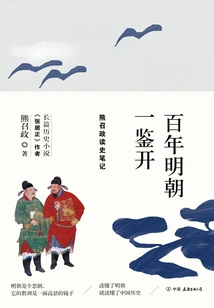
Direct comments on historical figures and overall thinking use evaluative narrative methods to tell and comment on some typical historical figures, historical events and historical stories of the Ming Dynasty. The book is divided into three chapters. The first chapter is a direct comment on some historical figures and an overall reflection. Chapters two and three are the main body of the book, mainly describing and commenting on famous historical figures of the Ming Dynasty such as Liu Bowen, Song Lian, Fang Xiaoru, Yao Guangxiao, Xie Jin, Li Dongyang, Yang Tinghe, Yan Song, Xu Jie, Ye Xianggao, Zhang Juzheng, Zhang Cong and so on.
Direct comments on historical figures and overall thinking use evaluative narrative methods to tell and comment on some typical historical figures, historical events and historical stories of the Ming Dynasty. The book is divided into three chapters. The first chapter is a direct comment on some historical figures and an overall reflection. Chapters two and three are the main body of the book, mainly describing and commenting on famous historical figures of the Ming Dynasty such as Liu Bowen, Song Lian, Fang Xiaoru, Yao Guangxiao, Xie Jin, Li Dongyang, Yang Tinghe, Yan Song, Xu Jie, Ye Xianggao, Zhang Juzheng, Zhang Cong and so on.
明朝帝王师
Xiong Zhaozheng
Xiong Zhaozheng selected 15 representative emperors in the 276-year history of the Ming Dynasty, recorded their ups and downs in the political arena, and made an evaluation of each person. The imperial teachers of the Ming Dynasty were a very special group of people. Not only were they teachers of the emperor, many of them also became the chief assistants or ministers of the Ming Dynasty and participated in political activities and policy formulation. From the rise and fall of their fate and life success, we can see the political trend of the entire Ming Dynasty. Therefore, the imperial teachers of the Ming Dynasty should not be regarded simply as teachers. They were important politicians and state activists in various periods. These various imperial teachers and emperors with different personalities jointly created different dynasties. However, it is difficult for such a group of people with both knowledge and strategy to have a good ending. Often, the better the emperor's master, the more miserable his fate will be.
Xiong Zhaozheng selected 15 representative emperors in the 276-year history of the Ming Dynasty, recorded their ups and downs in the political arena, and made an evaluation of each person. The imperial teachers of the Ming Dynasty were a very special group of people. Not only were they teachers of the emperor, many of them also became the chief assistants or ministers of the Ming Dynasty and participated in political activities and policy formulation. From the rise and fall of their fate and life success, we can see the political trend of the entire Ming Dynasty. Therefore, the imperial teachers of the Ming Dynasty should not be regarded simply as teachers. They were important politicians and state activists in various periods. These various imperial teachers and emperors with different personalities jointly created different dynasties. However, it is difficult for such a group of people with both knowledge and strategy to have a good ending. Often, the better the emperor's master, the more miserable his fate will be.
Embrace the North
Literature拥抱北方
Xiong Zhaozheng
"Embracing the North: Selected Poems of Xiong Zhaozheng" is an anthology of poems by contemporary Chinese poet Xiong Zhaozheng. The content is divided into three volumes: "I Recommend Xuanyuan with My Blood", "My Five Precepts" and "Embrace the North". Xiong Zhaozheng is a contemporary Chinese poet, writer, and historian. He has been engaged in literary creation for more than 30 years, and has studied Chinese studies and Chinese history for more than 30 years. The author's new poems included in "Embracing the North: Selected Poems of Xiong Zhaozheng" are unique in style and have profound cultural significance.
"Embracing the North: Selected Poems of Xiong Zhaozheng" is an anthology of poems by contemporary Chinese poet Xiong Zhaozheng. The content is divided into three volumes: "I Recommend Xuanyuan with My Blood", "My Five Precepts" and "Embrace the North". Xiong Zhaozheng is a contemporary Chinese poet, writer, and historian. He has been engaged in literary creation for more than 30 years, and has studied Chinese studies and Chinese history for more than 30 years. The author's new poems included in "Embracing the North: Selected Poems of Xiong Zhaozheng" are unique in style and have profound cultural significance.
历史的乡愁:中国文化演讲录
Xiong Zhaozheng
This work is a collection of lecture notes given by Mr. Xiong Zhaozheng at well-known universities such as Peking University, Renmin University, and Wuhan University, covering all aspects of history, literature, life, society, and daily life. These speeches are the result of the author's years of reading and thinking. They sparkle with wisdom and permeate with a sense of worry. For example, the author is deeply worried about social issues such as the prevalence of money worship in today's society, the rupture of traditional culture, and the loss of awe. They convey the sense of responsibility of a historian and writer: to resurrect history so that people today can examine the present and gain insight into the future from the distant past.
This work is a collection of lecture notes given by Mr. Xiong Zhaozheng at well-known universities such as Peking University, Renmin University, and Wuhan University, covering all aspects of history, literature, life, society, and daily life. These speeches are the result of the author's years of reading and thinking. They sparkle with wisdom and permeate with a sense of worry. For example, the author is deeply worried about social issues such as the prevalence of money worship in today's society, the rupture of traditional culture, and the loss of awe. They convey the sense of responsibility of a historian and writer: to resurrect history so that people today can examine the present and gain insight into the future from the distant past.
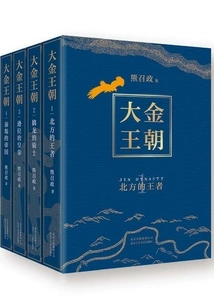
The Great Jin Dynasty (complete Collection)
General Fiction大金王朝(全集)
Xiong Zhaozheng
How do the weak prevail and why do the strong fail? Read novels to understand decision-making! Xiong Zhaozheng, the author of "Zhang Juzheng" who won the Mao Dun Literature Award for the final complete collection of "The Great Jin Dynasty", devoted 14 years and traveled 60,000 miles. Reproduce the history of the Three Kingdoms where the Jin Kingdom and the Liao and Song Dynasties competed for hegemony. If "The Romance of the Three Kingdoms" describes the history of the three kingdoms of Wei, Shu and Wu competing for hegemony, "The Great Jin Dynasty" depicts the story of the three kingdoms of Song, Liao and Jin competing for hegemony. In 1115, the Jurchen Wanyan Agu could not stand the oppression of the Liao Kingdom and established the Jin Kingdom on the banks of the Songhua River in a bitter cold land. In the prosperous south, the monarchs and ministers of the Song Dynasty were obsessed with regaining the Yanyun Sixteen States in the north, and they did not hesitate to violate the "Chanyuan Alliance" established with the Liao Kingdom and launched a plan to unite with the Jin Dynasty to destroy the Liao Dynasty. Ten years later, the fugitive Emperor Yelu Yanxi of Tianzuo was captured by the Jin, and the Liao Kingdom was destroyed. Two years later, Bianjing, the capital of the Song Dynasty, was also captured by the Jin Dynasty, and the Northern Song Dynasty was destroyed. All of this happened incredibly in just twelve years.
How do the weak prevail and why do the strong fail? Read novels to understand decision-making! Xiong Zhaozheng, the author of "Zhang Juzheng" who won the Mao Dun Literature Award for the final complete collection of "The Great Jin Dynasty", devoted 14 years and traveled 60,000 miles. Reproduce the history of the Three Kingdoms where the Jin Kingdom and the Liao and Song Dynasties competed for hegemony. If "The Romance of the Three Kingdoms" describes the history of the three kingdoms of Wei, Shu and Wu competing for hegemony, "The Great Jin Dynasty" depicts the story of the three kingdoms of Song, Liao and Jin competing for hegemony. In 1115, the Jurchen Wanyan Agu could not stand the oppression of the Liao Kingdom and established the Jin Kingdom on the banks of the Songhua River in a bitter cold land. In the prosperous south, the monarchs and ministers of the Song Dynasty were obsessed with regaining the Yanyun Sixteen States in the north, and they did not hesitate to violate the "Chanyuan Alliance" established with the Liao Kingdom and launched a plan to unite with the Jin Dynasty to destroy the Liao Dynasty. Ten years later, the fugitive Emperor Yelu Yanxi of Tianzuo was captured by the Jin, and the Liao Kingdom was destroyed. Two years later, Bianjing, the capital of the Song Dynasty, was also captured by the Jin Dynasty, and the Northern Song Dynasty was destroyed. All of this happened incredibly in just twelve years.
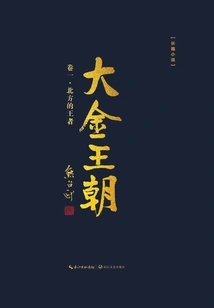
The Great Jin Dynasty: Volume 1: the King of the North
General Fiction大金王朝:卷一·北方的王者
Xiong Zhaozheng
This book restores the historical details of Emperor Wanyan Aguda of the Jin Kingdom conquering Yanjing of the Liao Kingdom in one fell swoop and the diplomatic mediation between the Liao, Song, and Jin Kingdoms. It expresses regret and sorrow for the extravagance of the Song and Liao Dynasties that harmed the country. At that time, the Liao Kingdom was an empire that had dominated northern China for more than two centuries. However, due to the debauchery and pleasure-seeking of the last emperor Yelu Yanxi, the last emperor of Tianzuo, the government quickly deteriorated, people were distracted, and crises were everywhere; The six states became the smallest country among all the dynasties since Qin, and they were about to die for entertainment. In just eight years after the founding of the Jin Kingdom, they conquered the four capitals of the Liao Kingdom and marched towards the final Yanjing. Emperor Tianzuo fled to Jiashan. At this major historical turning point, the author Xiong Zhaozheng used detailed historical descriptions to analyze the diseases of the times in the "Three Kingdoms" era. Based on the historical conclusion that traditional nomadic civilization defeated agricultural civilization, he summarized the ultimate cause of regime change that is "terrifying to think about" - entertainment death.
This book restores the historical details of Emperor Wanyan Aguda of the Jin Kingdom conquering Yanjing of the Liao Kingdom in one fell swoop and the diplomatic mediation between the Liao, Song, and Jin Kingdoms. It expresses regret and sorrow for the extravagance of the Song and Liao Dynasties that harmed the country. At that time, the Liao Kingdom was an empire that had dominated northern China for more than two centuries. However, due to the debauchery and pleasure-seeking of the last emperor Yelu Yanxi, the last emperor of Tianzuo, the government quickly deteriorated, people were distracted, and crises were everywhere; The six states became the smallest country among all the dynasties since Qin, and they were about to die for entertainment. In just eight years after the founding of the Jin Kingdom, they conquered the four capitals of the Liao Kingdom and marched towards the final Yanjing. Emperor Tianzuo fled to Jiashan. At this major historical turning point, the author Xiong Zhaozheng used detailed historical descriptions to analyze the diseases of the times in the "Three Kingdoms" era. Based on the historical conclusion that traditional nomadic civilization defeated agricultural civilization, he summarized the ultimate cause of regime change that is "terrifying to think about" - entertainment death.
Resurrect History
General Fiction让历史复活
Xiong Zhaozheng
Zhang Juzheng, the chief minister of the Ming Dynasty, brought contemporary writer Xiong Zhaozheng into history, and the novel "Zhang Juzheng" brought the author into the literary world. Xiong Zhaozheng's speeches have profound cultural heritage, talking about the past and the present, both vertically and horizontally. He has always stubbornly believed that reviving history so that people today can examine the present from the distant past and gain insight into the future is not only the responsibility of historians, but also the responsibility of writers.
Zhang Juzheng, the chief minister of the Ming Dynasty, brought contemporary writer Xiong Zhaozheng into history, and the novel "Zhang Juzheng" brought the author into the literary world. Xiong Zhaozheng's speeches have profound cultural heritage, talking about the past and the present, both vertically and horizontally. He has always stubbornly believed that reviving history so that people today can examine the present from the distant past and gain insight into the future is not only the responsibility of historians, but also the responsibility of writers.
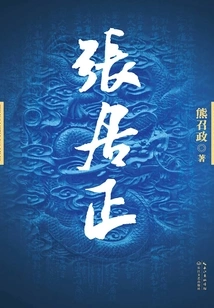
Zhang Juzheng (all Four Volumes)
General Fiction张居正(全四册)
Xiong Zhaozheng
Zhang Juzheng is a reformer with extraordinary personality and a legendary figure in the annals of history. After he ascended to the position of chief minister, he managed the government for ten years: rectifying the official administration and refreshing the decadent style; rectifying education and recruiting talents to help the world; reforming taxes and sorting out finances. He saved the ruins of the Zhu Ming Dynasty and made the Wanli period the most prosperous era of the Ming Dynasty. In the midst of the storm, Zhang Juzheng was profound in thought, resolute, resourceful, and decisive, and his power was unparalleled. However, once he was in great power, he acted arbitrarily and relied on flattery, which attracted those who wanted to follow him. The desire for power pushed him to reach the peak of his life, but also caused Xiao Qiang to suffer after his death. At the time of his grand burial and death, he was criticized by others. As a result, all his family property was confiscated and all his titles and titles were taken away. This brought disaster to his eighty-year-old mother and his children and grandchildren. As a politician, Zhang Juzheng was an effective person in Chinese history; but as a person, he was a failure. "Prosperous in life, miserable after death" is the best summary of his life. The great disparity between his reputation and reputation during his lifetime and after his death was not only due to personal reasons, but also due to the dangerous politics and the turbulent world. Moreover, Zhang Juzheng's fate also objectively reveals the historical background of the tragedy and the characters' character flaws, providing an image literary reading for today's readers to reflect on.
Zhang Juzheng is a reformer with extraordinary personality and a legendary figure in the annals of history. After he ascended to the position of chief minister, he managed the government for ten years: rectifying the official administration and refreshing the decadent style; rectifying education and recruiting talents to help the world; reforming taxes and sorting out finances. He saved the ruins of the Zhu Ming Dynasty and made the Wanli period the most prosperous era of the Ming Dynasty. In the midst of the storm, Zhang Juzheng was profound in thought, resolute, resourceful, and decisive, and his power was unparalleled. However, once he was in great power, he acted arbitrarily and relied on flattery, which attracted those who wanted to follow him. The desire for power pushed him to reach the peak of his life, but also caused Xiao Qiang to suffer after his death. At the time of his grand burial and death, he was criticized by others. As a result, all his family property was confiscated and all his titles and titles were taken away. This brought disaster to his eighty-year-old mother and his children and grandchildren. As a politician, Zhang Juzheng was an effective person in Chinese history; but as a person, he was a failure. "Prosperous in life, miserable after death" is the best summary of his life. The great disparity between his reputation and reputation during his lifetime and after his death was not only due to personal reasons, but also due to the dangerous politics and the turbulent world. Moreover, Zhang Juzheng's fate also objectively reveals the historical background of the tragedy and the characters' character flaws, providing an image literary reading for today's readers to reflect on.
Homeland Mountains and Rivers Collection
Literature故国山河集
Xiong Zhaozheng
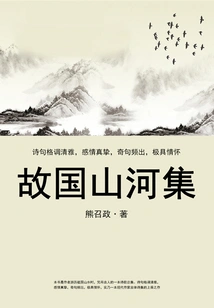
This book is a collection of poems written by the author while he was traveling around the mountains and rivers of his motherland and paying homage to the ancients. The poems are elegant in style, sincere in emotion, frequent in strange sentences, and full of emotion. It is truly an excellent collection of ancient poetry by modern writers. This book is a collection of poems written by the author while he was traveling around the mountains and rivers of his motherland and paying homage to the ancients. The poems are elegant in style, sincere in emotion, frequent in strange sentences, and full of emotion. It is truly an excellent collection of ancient poetry by modern writers.
This book is a collection of poems written by the author while he was traveling around the mountains and rivers of his motherland and paying homage to the ancients. The poems are elegant in style, sincere in emotion, frequent in strange sentences, and full of emotion. It is truly an excellent collection of ancient poetry by modern writers. This book is a collection of poems written by the author while he was traveling around the mountains and rivers of his motherland and paying homage to the ancients. The poems are elegant in style, sincere in emotion, frequent in strange sentences, and full of emotion. It is truly an excellent collection of ancient poetry by modern writers.
大金王朝:卷二·降龙的骑士
Xiong Zhaozheng
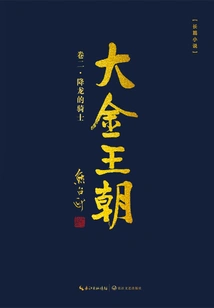
This book vigorously unfolds the history of the Jin's surrender to the Liao and the Song, describing how the Liao Empire, which had dominated northern China for nearly 200 years, came to an end, and the source of the tragedy of the Song Dynasty, which dreamed of benefiting the country but had no strength to support it. After the balance of the three pillars was broken, starting from Zhao Kuangyin's yellow robe, the Song Empire, which advocated valuing civility over martial arts and extravagant enjoyment, rose in the troubled times of iron-blooded competition, or fell deeper and deeper into "entertaining to death", which can be seen in "The Knight Subduing the Dragon". Zhang Jue's rebellion, Aguda's sudden death, Emperor Huizong of the Song Dynasty and his ministers were dishonest in their words, Li Shishi was tender and chivalrous, Xiao Mona died in love, Emperor Tian Zuo was captured and the Liao Dynasty was destroyed. Various plots reproduced the philosophy that a country is born in sorrow and dies in peace and happiness. In every line and page of the book, you can see the spirit of conspiracy, the light of hard work, and the darkness of drunkenness, lack of faith, and corruption. The contrast between light and dark, majestic atmosphere, ups and downs, is thought-provoking.
This book vigorously unfolds the history of the Jin's surrender to the Liao and the Song, describing how the Liao Empire, which had dominated northern China for nearly 200 years, came to an end, and the source of the tragedy of the Song Dynasty, which dreamed of benefiting the country but had no strength to support it. After the balance of the three pillars was broken, starting from Zhao Kuangyin's yellow robe, the Song Empire, which advocated valuing civility over martial arts and extravagant enjoyment, rose in the troubled times of iron-blooded competition, or fell deeper and deeper into "entertaining to death", which can be seen in "The Knight Subduing the Dragon". Zhang Jue's rebellion, Aguda's sudden death, Emperor Huizong of the Song Dynasty and his ministers were dishonest in their words, Li Shishi was tender and chivalrous, Xiao Mona died in love, Emperor Tian Zuo was captured and the Liao Dynasty was destroyed. Various plots reproduced the philosophy that a country is born in sorrow and dies in peace and happiness. In every line and page of the book, you can see the spirit of conspiracy, the light of hard work, and the darkness of drunkenness, lack of faith, and corruption. The contrast between light and dark, majestic atmosphere, ups and downs, is thought-provoking.
Historical Nostalgia
History历史的乡愁
Xiong Zhaozheng
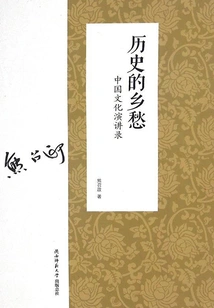
This work is a collection of lecture notes given by Mr. Xiong Zhaozheng at well-known universities such as Peking University, Renmin University, and Wuhan University, covering all aspects of history, literature, life, society, and daily life. These speeches are the result of the author's years of reading and thinking. They sparkle with wisdom and permeate with a sense of worry. For example, the author is deeply worried about social issues such as the prevalence of money worship in today's society, the rupture of traditional culture, and the loss of awe. They convey the sense of responsibility of a historian and writer: to resurrect history so that people today can examine the present and gain insight into the future from the distant past.
This work is a collection of lecture notes given by Mr. Xiong Zhaozheng at well-known universities such as Peking University, Renmin University, and Wuhan University, covering all aspects of history, literature, life, society, and daily life. These speeches are the result of the author's years of reading and thinking. They sparkle with wisdom and permeate with a sense of worry. For example, the author is deeply worried about social issues such as the prevalence of money worship in today's society, the rupture of traditional culture, and the loss of awe. They convey the sense of responsibility of a historian and writer: to resurrect history so that people today can examine the present and gain insight into the future from the distant past.
熊召政文化散文三部曲
Xiong Zhaozheng
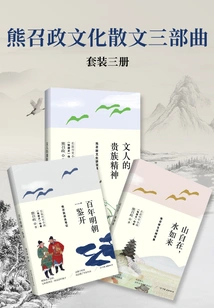
Writing about the changing Ming Dynasty, as well as in-depth thinking and understanding of life, life, culture and life, it resurrects history and enables people today to examine the present from the distant past and gain insight into the future. He has traveled all over the country, pursuing the beauty of humanity and nature within reach, and communing with the spirit of heaven and earth.
Writing about the changing Ming Dynasty, as well as in-depth thinking and understanding of life, life, culture and life, it resurrects history and enables people today to examine the present from the distant past and gain insight into the future. He has traveled all over the country, pursuing the beauty of humanity and nature within reach, and communing with the spirit of heaven and earth.
Watching Swordsman While Drunk (mao Prize Short Classic)
General Fiction醉里挑灯看剑(茅奖短经典)
Xiong Zhaozheng
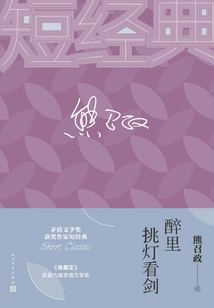
It has been more than thirty years since the Mao Dun Literature Award was established, and nearly forty writers have participated in the award-winning works. Most of these writers have been working in the literary world for many years. In addition to novels, they have also made outstanding achievements in the fields of "short" genres such as novellas, short stories and essays. This time, from an artistic perspective, we selected the first batch of classic works of novellas, short stories and essays by some award-winning writers, compiled them into a collection of about 200,000 words, and assembled them into this set of "Short Classics of Mao Dun Literature Award Winning Writers". "Watching Swordsman While Drunk and Burning the Lamp" is a collection of works by Xiong Zhaozheng. The main works compiled in this book include "Women and Dogs", "Interesting Stories from Guanling Street", "The Interests of Chinese Scholars and Officials in the Mountains and Forests", etc.
It has been more than thirty years since the Mao Dun Literature Award was established, and nearly forty writers have participated in the award-winning works. Most of these writers have been working in the literary world for many years. In addition to novels, they have also made outstanding achievements in the fields of "short" genres such as novellas, short stories and essays. This time, from an artistic perspective, we selected the first batch of classic works of novellas, short stories and essays by some award-winning writers, compiled them into a collection of about 200,000 words, and assembled them into this set of "Short Classics of Mao Dun Literature Award Winning Writers". "Watching Swordsman While Drunk and Burning the Lamp" is a collection of works by Xiong Zhaozheng. The main works compiled in this book include "Women and Dogs", "Interesting Stories from Guanling Street", "The Interests of Chinese Scholars and Officials in the Mountains and Forests", etc.
Four Cardinal Vices
General Fiction酒色财气
Xiong Zhaozheng
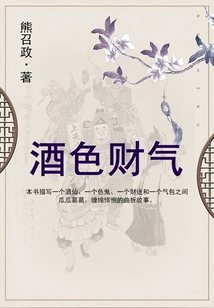
This book describes the entanglement between a drunkard, a pervert, a money addict and an angry man, a touching and tortuous story.
This book describes the entanglement between a drunkard, a pervert, a money addict and an angry man, a touching and tortuous story.
The Great Jin Dynasty (hardcover Edition)
General Fiction大金王朝(精装版)
Xiong Zhaozheng
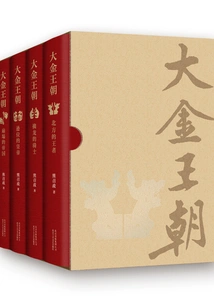
How do the weak prevail and why do the strong fail? Read novels to understand decision-making! Xiong Zhaozheng, the author of "Zhang Juzheng" who is the winner of the Mao Dun Literature Prize, devoted 14 years and traveled 60,000 miles. It is a hardcover collector's edition, 16 format large format and an exquisite silver letter sleeve. Reproduce the history of the Three Kingdoms where the Jin Kingdom and the Liao and Song Dynasties competed for hegemony. If "The Romance of the Three Kingdoms" describes the history of the three kingdoms of Wei, Shu and Wu competing for hegemony, "The Great Jin Dynasty" depicts the story of the three kingdoms of Song, Liao and Jin competing for hegemony. In 1115, the Jurchen Wanyan Agu could not stand the oppression of the Liao Kingdom and established the Jin Kingdom on the banks of the Songhua River in a bitter cold land. In the prosperous south, the monarchs and ministers of the Song Dynasty were obsessed with regaining the Yanyun Sixteen States in the north, and they did not hesitate to violate the "Chanyuan Alliance" established with the Liao Kingdom and launched a plan to unite the Jin Dynasty to destroy the Liao Dynasty. Ten years later, the fugitive Emperor Yelu Yanxi of Tianzuo was captured by the Jin, and the Liao Kingdom was destroyed. Two years later, Bianjing, the capital of the Song Dynasty, was also captured by the Jin Dynasty, and the Northern Song Dynasty was destroyed. All of this happened incredibly in just twelve years.
How do the weak prevail and why do the strong fail? Read novels to understand decision-making! Xiong Zhaozheng, the author of "Zhang Juzheng" who is the winner of the Mao Dun Literature Prize, devoted 14 years and traveled 60,000 miles. It is a hardcover collector's edition, 16 format large format and an exquisite silver letter sleeve. Reproduce the history of the Three Kingdoms where the Jin Kingdom and the Liao and Song Dynasties competed for hegemony. If "The Romance of the Three Kingdoms" describes the history of the three kingdoms of Wei, Shu and Wu competing for hegemony, "The Great Jin Dynasty" depicts the story of the three kingdoms of Song, Liao and Jin competing for hegemony. In 1115, the Jurchen Wanyan Agu could not stand the oppression of the Liao Kingdom and established the Jin Kingdom on the banks of the Songhua River in a bitter cold land. In the prosperous south, the monarchs and ministers of the Song Dynasty were obsessed with regaining the Yanyun Sixteen States in the north, and they did not hesitate to violate the "Chanyuan Alliance" established with the Liao Kingdom and launched a plan to unite the Jin Dynasty to destroy the Liao Dynasty. Ten years later, the fugitive Emperor Yelu Yanxi of Tianzuo was captured by the Jin, and the Liao Kingdom was destroyed. Two years later, Bianjing, the capital of the Song Dynasty, was also captured by the Jin Dynasty, and the Northern Song Dynasty was destroyed. All of this happened incredibly in just twelve years.
Zhang Juzheng, the First Assistant of Wanli
General Fiction万历首辅张居正
Xiong Zhaozheng
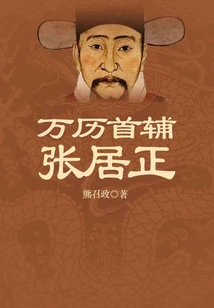
Zhang Juzheng was the third person in Chinese history to implement strict reforms after Shang Yang and Wang Anshi, and the first person to see the results of reforms during his lifetime. This book mainly tells the story of Zhang Juzheng's experience of supporting his young master, establishing a new policy, rectifying the administration of officials, sorting out finances, strengthening the army, dredging water transportation, rectifying education, and recruiting talents during the Wanli period. After ten years of hard work and rigorous reforms, the Wanli Dynasty became the most powerful period in the 276 years of the Ming Dynasty, but in the end he suffered "humiliation of death." This book narrates the ups and downs of Zhang Juzheng's life in the form of a novel, showing a vivid picture of the ups and downs of the fallen dynasty and the ups and downs of the officialdom of the fallen dynasty, and a tragic song of the aspiration of a hero holding the sky with one arm in the last days.
Zhang Juzheng was the third person in Chinese history to implement strict reforms after Shang Yang and Wang Anshi, and the first person to see the results of reforms during his lifetime. This book mainly tells the story of Zhang Juzheng's experience of supporting his young master, establishing a new policy, rectifying the administration of officials, sorting out finances, strengthening the army, dredging water transportation, rectifying education, and recruiting talents during the Wanli period. After ten years of hard work and rigorous reforms, the Wanli Dynasty became the most powerful period in the 276 years of the Ming Dynasty, but in the end he suffered "humiliation of death." This book narrates the ups and downs of Zhang Juzheng's life in the form of a novel, showing a vivid picture of the ups and downs of the fallen dynasty and the ups and downs of the officialdom of the fallen dynasty, and a tragic song of the aspiration of a hero holding the sky with one arm in the last days.
Zhang Juzheng (volume 2): Water Dragon Yin
General Fiction张居正(第二卷):水龙吟
Xiong Zhaozheng
The four-volume novel "Zhang Juzheng" vividly reproduces a vast and complex historical scene associated with the "Wanli New Deal" with sober historical rationality and warm and flexible realism, shaping the image of Zhang Juzheng, a complex feudal social reformer, and demonstrating the inevitability of his tragic fate. The author is distinguished by his rich literary and historical accomplishments, his magnificent and balanced artistic structure ability, and his contemporary revelation of specific historical background.
The four-volume novel "Zhang Juzheng" vividly reproduces a vast and complex historical scene associated with the "Wanli New Deal" with sober historical rationality and warm and flexible realism, shaping the image of Zhang Juzheng, a complex feudal social reformer, and demonstrating the inevitability of his tragic fate. The author is distinguished by his rich literary and historical accomplishments, his magnificent and balanced artistic structure ability, and his contemporary revelation of specific historical background.
Zhang Juzheng (volume 3): Golden Thread Song
General Fiction张居正(第三卷):金缕曲
Xiong Zhaozheng
The four-volume novel "Zhang Juzheng" vividly reproduces a vast and complex historical scene associated with the "Wanli New Deal" with sober historical rationality and warm and flexible realism, shaping the image of Zhang Juzheng, a complex feudal social reformer, and demonstrating the inevitability of his tragic fate. The author is distinguished by his rich literary and historical accomplishments, his magnificent and balanced artistic structure ability, and his contemporary revelation of specific historical background.
The four-volume novel "Zhang Juzheng" vividly reproduces a vast and complex historical scene associated with the "Wanli New Deal" with sober historical rationality and warm and flexible realism, shaping the image of Zhang Juzheng, a complex feudal social reformer, and demonstrating the inevitability of his tragic fate. The author is distinguished by his rich literary and historical accomplishments, his magnificent and balanced artistic structure ability, and his contemporary revelation of specific historical background.
Zhang Juzheng (volume 4): Fire Phoenix
General Fiction张居正(第四卷):火凤凰
Xiong Zhaozheng
The four-volume novel "Zhang Juzheng" vividly reproduces a vast and complex historical scene associated with the "Wanli New Deal" with sober historical rationality and warm and flexible realism, shaping the image of Zhang Juzheng, a complex feudal social reformer, and demonstrating the inevitability of his tragic fate. The author is distinguished by his rich literary and historical accomplishments, his magnificent and balanced artistic structure ability, and his contemporary revelation of specific historical background.
The four-volume novel "Zhang Juzheng" vividly reproduces a vast and complex historical scene associated with the "Wanli New Deal" with sober historical rationality and warm and flexible realism, shaping the image of Zhang Juzheng, a complex feudal social reformer, and demonstrating the inevitability of his tragic fate. The author is distinguished by his rich literary and historical accomplishments, his magnificent and balanced artistic structure ability, and his contemporary revelation of specific historical background.
Walking in the Rain on a Lonely Mountain
Literature孤山踏雨
Xiong Zhaozheng
"Treading on the Rain on a Lonely Mountain" by the famous writer Xiong Zhaozheng combines beautiful writing, brimming talent, and profound historical heritage, with real emotions and profound thoughts.
"Treading on the Rain on a Lonely Mountain" by the famous writer Xiong Zhaozheng combines beautiful writing, brimming talent, and profound historical heritage, with real emotions and profound thoughts.
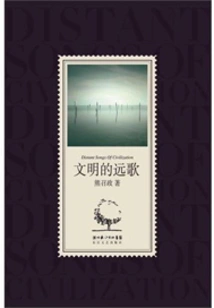
The Distant Song of Civilization
Literature文明的远歌
Xiong Zhaozheng
"Songs of Civilization" is composed of four volumes. The first volume is titled "Fireworks Under Yangzhou in March" and contains mainly travel prose, expressing the author's reminiscences about the ancient sites; the second volume is titled "The Bodhi Has No Trees" and mainly records visits to Buddhist holy sites. The third volume is called "The Last Fairy Tale", which is mainly about landscape travel notes, intoxicating with the beauty of nature and enjoying oneself; the fourth volume is called "The Bells of Hanshan Temple", which mainly introduces the temples and temples visited. The author has a brilliant literary talent. He evokes endless historical memories of the Yellow Crane Tower, West Lake, Lantian and many other sights that tourists and readers have watched, traveled or heard about, and also tells the little-known historical allusions of the resorts.
"Songs of Civilization" is composed of four volumes. The first volume is titled "Fireworks Under Yangzhou in March" and contains mainly travel prose, expressing the author's reminiscences about the ancient sites; the second volume is titled "The Bodhi Has No Trees" and mainly records visits to Buddhist holy sites. The third volume is called "The Last Fairy Tale", which is mainly about landscape travel notes, intoxicating with the beauty of nature and enjoying oneself; the fourth volume is called "The Bells of Hanshan Temple", which mainly introduces the temples and temples visited. The author has a brilliant literary talent. He evokes endless historical memories of the Yellow Crane Tower, West Lake, Lantian and many other sights that tourists and readers have watched, traveled or heard about, and also tells the little-known historical allusions of the resorts.
Qianxun Journey
Literature千寻之旅
Xiong Zhaozheng
This book is a travelogue, including: Take a Sip of the Miluo River, Talk about the Soul of Mountains and Waters in Mount Lushan, Listen to the Rain in Huangshan Mountain, The Three Gorges in the Plan, Notes on Summer Vacation in Wujiashan, etc.
This book is a travelogue, including: Take a Sip of the Miluo River, Talk about the Soul of Mountains and Waters in Mount Lushan, Listen to the Rain in Huangshan Mountain, The Three Gorges in the Plan, Notes on Summer Vacation in Wujiashan, etc.
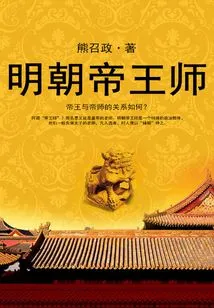
明朝帝王师
Xiong Zhaozheng
This book is another collection of historical essays by Mr. Xiong Zhaozheng. It describes and discusses 15 imperial divisions from Liu Ji in the early Ming Dynasty to Ye Xianggao in the late Ming Dynasty. Most of the 15 imperial masters selected in this book are well-known figures to the Chinese people. Through their ups and downs, we can see the development trajectory and political trend of the entire Ming Dynasty, and we can also see the "appearances" of the emperors of the Ming Dynasty. They may be close to the people, or bring harm to the country; they may be diligent in government affairs, or they may ruin the country. When dealing with one's own teachers, one may become close to them but abandon them, some may rely on their reputation, some may use their skills to belittle others, or some may respect their people but ignore their skills, and so on.
This book is another collection of historical essays by Mr. Xiong Zhaozheng. It describes and discusses 15 imperial divisions from Liu Ji in the early Ming Dynasty to Ye Xianggao in the late Ming Dynasty. Most of the 15 imperial masters selected in this book are well-known figures to the Chinese people. Through their ups and downs, we can see the development trajectory and political trend of the entire Ming Dynasty, and we can also see the "appearances" of the emperors of the Ming Dynasty. They may be close to the people, or bring harm to the country; they may be diligent in government affairs, or they may ruin the country. When dealing with one's own teachers, one may become close to them but abandon them, some may rely on their reputation, some may use their skills to belittle others, or some may respect their people but ignore their skills, and so on.
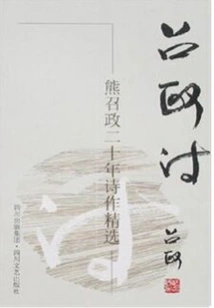
Poems About Zhao Zheng
Literature召政诗
Xiong Zhaozheng
This book is divided into four parts. The first part is about my homesickness; the second part is about sitting quietly in the bamboo forest; the third part is about another night; the fourth part is about please raise your forest-like hands to stop.
This book is divided into four parts. The first part is about my homesickness; the second part is about sitting quietly in the bamboo forest; the third part is about another night; the fourth part is about please raise your forest-like hands to stop.
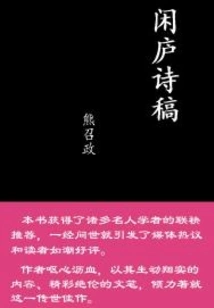
Xianlu Poetry Manuscript
Literature闲庐诗稿
Xiong Zhaozheng
The content of "Xianlu Poetry Manuscript (Vertical Type)" includes: overlooking Manhattan from the top of the Empire State Building, congratulating Kang Xiaoyang on his 40th birthday, remembering dreams, visiting the Memorial Temple of Shennong's Hometown in Lishan, Suizhou, visiting Mangdang Mountain, and writing about Liu Bangzhan Snake place, inscribed on Nanchang Bada Shanren Memorial Hall (two poems), one, two, passing through the ancient city of Ningyuan to cherish Yuan Chonghuan, passing Erlang Mountain, entering Hailuogou, listening to chime bells and ancient music in Suizhou, travel notes on Mount Wutai, visiting Longquan Temple at dusk...
The content of "Xianlu Poetry Manuscript (Vertical Type)" includes: overlooking Manhattan from the top of the Empire State Building, congratulating Kang Xiaoyang on his 40th birthday, remembering dreams, visiting the Memorial Temple of Shennong's Hometown in Lishan, Suizhou, visiting Mangdang Mountain, and writing about Liu Bangzhan Snake place, inscribed on Nanchang Bada Shanren Memorial Hall (two poems), one, two, passing through the ancient city of Ningyuan to cherish Yuan Chonghuan, passing Erlang Mountain, entering Hailuogou, listening to chime bells and ancient music in Suizhou, travel notes on Mount Wutai, visiting Longquan Temple at dusk...
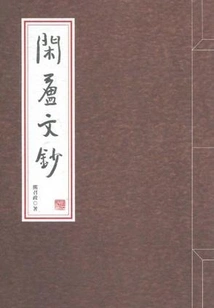
Xianlu Paper Money
Literature闲庐文钞
Xiong Zhaozheng
The 29 articles selected in this book are divided into three categories: Fu, Ji and Preface. The author uses ancient Chinese to write about the events of the times and express the aspirations of today's people.
The 29 articles selected in this book are divided into three categories: Fu, Ji and Preface. The author uses ancient Chinese to write about the events of the times and express the aspirations of today's people.
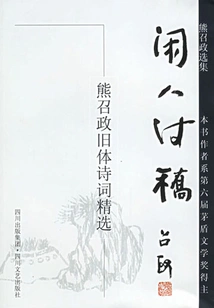
闲人诗稿:熊召政旧体诗词精选
Xiong Zhaozheng
This book is a collection of Xiong Zhaozheng's old-style poems. Some of his poems are full of tranquility and leisure; some are full of Zen state and Zen ideas; and some express the contradictory mood of the poet after joining the business world: "He loves money but also loves aristocracy, and often avoids the banquet. It is better to be an idle scholar, and the breeze and the moon are free."
This book is a collection of Xiong Zhaozheng's old-style poems. Some of his poems are full of tranquility and leisure; some are full of Zen state and Zen ideas; and some express the contradictory mood of the poet after joining the business world: "He loves money but also loves aristocracy, and often avoids the banquet. It is better to be an idle scholar, and the breeze and the moon are free."
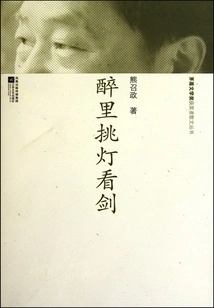
Reading the Sword While Drunk
Literature醉里挑灯看剑
Xiong Zhaozheng
"Watching the Sword while Drunk and Burning the Lamp" is divided into five parts. The main contents include: the interest of Chinese scholar-bureaucrats in the mountains and forests, the free redness of the green mountains, the chicken foot mountain, the hermit in Buddhism, the eternal tower viewing platform, the story of worshiping the Buddha in Mount Jiuhua, the Three Gorges in the poem, drinking with Li Bai, how can the word "sorrow" be known, the canal is a period of nostalgia, visiting Shuangfeng Lotus Leaf Township, the story of visiting the Dongting West Mountain, the Three Pagodas of Dali, a drink of the Miluo River, etc.
"Watching the Sword while Drunk and Burning the Lamp" is divided into five parts. The main contents include: the interest of Chinese scholar-bureaucrats in the mountains and forests, the free redness of the green mountains, the chicken foot mountain, the hermit in Buddhism, the eternal tower viewing platform, the story of worshiping the Buddha in Mount Jiuhua, the Three Gorges in the poem, drinking with Li Bai, how can the word "sorrow" be known, the canal is a period of nostalgia, visiting Shuangfeng Lotus Leaf Township, the story of visiting the Dongting West Mountain, the Three Pagodas of Dali, a drink of the Miluo River, etc.
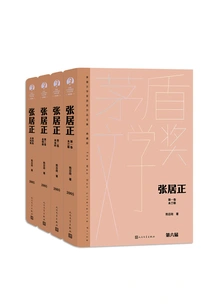
Zhang Juzheng: All Four Volumes (original Work of the Tv Series "the Wind and Harvest Rises with Zhang Juzheng" Starring Hu Ge)
General Fiction张居正:全四卷(胡歌领衔主演电视剧《风禾尽起张居正》原著)
Xiong Zhaozheng
Zhang Juzheng was a politician with extraordinary personality and a legendary figure who carried out reforms rigorously during the Wanli period of the Ming Dynasty and became famous in the annals of history. The author Xiong Zhaozheng is from Yingshan, Hubei, Zhang Juzheng's hometown party. He spent ten years carefully studying Zhang Juzheng, a capital city with mixed reputations, and shaping the image of this politician. Zhang Juzheng is a famous prime minister in history, but the world's evaluation of him is mixed. Liang Qi said, "There is only one minister in Chinese history, and that is Zhang Juzheng." The disparity between reputation and reputation before and after his life shows that the politics are dangerous and the world is cold, and people will sigh with regret in the future. After the novel was published, it received wide acclaim and was considered an important historical novel that "sings history with the soul and reconstructs culture with the writing of history."
Zhang Juzheng was a politician with extraordinary personality and a legendary figure who carried out reforms rigorously during the Wanli period of the Ming Dynasty and became famous in the annals of history. The author Xiong Zhaozheng is from Yingshan, Hubei, Zhang Juzheng's hometown party. He spent ten years carefully studying Zhang Juzheng, a capital city with mixed reputations, and shaping the image of this politician. Zhang Juzheng is a famous prime minister in history, but the world's evaluation of him is mixed. Liang Qi said, "There is only one minister in Chinese history, and that is Zhang Juzheng." The disparity between reputation and reputation before and after his life shows that the politics are dangerous and the world is cold, and people will sigh with regret in the future. After the novel was published, it received wide acclaim and was considered an important historical novel that "sings history with the soul and reconstructs culture with the writing of history."
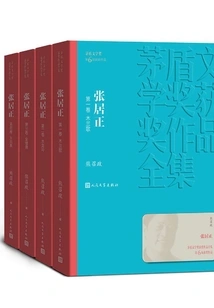
All 4 Volumes of Zhang Juzheng (the Original Work of the Tv Series "zhang Juzheng" Starring Hu Ge)
General Fiction张居正全4卷(胡歌领衔主演电视剧《风禾尽起张居正》原著)
Xiong Zhaozheng
Zhang Juzheng was a politician with extraordinary personality and a legendary figure who carried out reforms rigorously during the Wanli period of the Ming Dynasty and became famous in the annals of history. After he ascended to the position of chief minister, he managed the government for ten years: rectifying officialdom and refreshing the decadent trend; rectifying education to recruit talents who could help the world; reforming taxes and sorting out finances. He saved the ruins of the Zhu Ming Dynasty and made the Wanli period the most prosperous era of the Ming Dynasty. This book is a series of long historical novels, with a total of four volumes - Mulan Song, Water Dragon Song, Golden Thread Song, and Fire Phoenix, with more than 1.4 Million words.
Zhang Juzheng was a politician with extraordinary personality and a legendary figure who carried out reforms rigorously during the Wanli period of the Ming Dynasty and became famous in the annals of history. After he ascended to the position of chief minister, he managed the government for ten years: rectifying officialdom and refreshing the decadent trend; rectifying education to recruit talents who could help the world; reforming taxes and sorting out finances. He saved the ruins of the Zhu Ming Dynasty and made the Wanli period the most prosperous era of the Ming Dynasty. This book is a series of long historical novels, with a total of four volumes - Mulan Song, Water Dragon Song, Golden Thread Song, and Fire Phoenix, with more than 1.4 Million words.
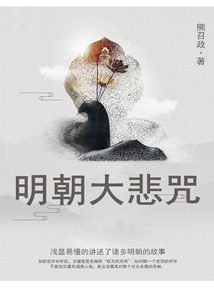
Ming Dynasty Great Compassion Mantra
General Fiction明朝大悲咒
Xiong Zhaozheng
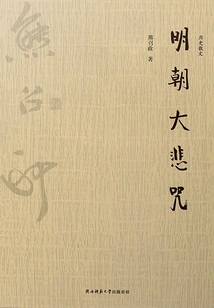
"Xiong Zhaozheng: The Great Compassion Mantra of the Ming Dynasty" is Mr. Xiong Zhaozheng's insights and notes on studying the history of the Ming Dynasty. It tells many stories of the Ming Dynasty in plain and easy-to-understand language, and depicts the emperors of the Ming Dynasty such as Zhu Yuanzhang and Zhu Di, the ministers of the Ming Dynasty such as Zhang Juzheng, and the scholars of the Ming Dynasty. For example, Wang Yangming, Fang Xiaoru, etc., As well as the great eunuchs Wei Zhongxian and Feng Bao of the Ming Dynasty, etc., Also narrate some important events in the history of the Ming Dynasty. The author has his own unique understanding and analysis of these historical events and historical figures, which is refreshing and beneficial to read.
"Xiong Zhaozheng: The Great Compassion Mantra of the Ming Dynasty" is Mr. Xiong Zhaozheng's insights and notes on studying the history of the Ming Dynasty. It tells many stories of the Ming Dynasty in plain and easy-to-understand language, and depicts the emperors of the Ming Dynasty such as Zhu Yuanzhang and Zhu Di, the ministers of the Ming Dynasty such as Zhang Juzheng, and the scholars of the Ming Dynasty. For example, Wang Yangming, Fang Xiaoru, etc., As well as the great eunuchs Wei Zhongxian and Feng Bao of the Ming Dynasty, etc., Also narrate some important events in the history of the Ming Dynasty. The author has his own unique understanding and analysis of these historical events and historical figures, which is refreshing and beneficial to read.
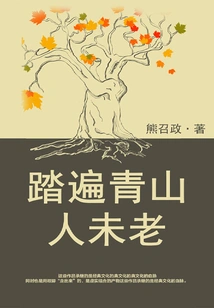
踏遍青山人未老
Xiong Zhaozheng
The author writes about Jiangnan delicacies in vivid, seasoned, sarcastic and intelligent words, and marvels at the various tastes of life: whether eggplant is bitter, fried rice is hearty, sugar and garlic are a bit sour, or crabs are elegant.
The author writes about Jiangnan delicacies in vivid, seasoned, sarcastic and intelligent words, and marvels at the various tastes of life: whether eggplant is bitter, fried rice is hearty, sugar and garlic are a bit sour, or crabs are elegant.
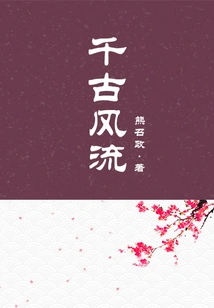
Eternal Romance
Literature千古风流
Xiong Zhaozheng
Mr. Xiong Zhaozheng's prose writing mainly focuses on nature and history. He uses his soul to dialogue with nature and history, examines and expresses nature and history, and tries to find the "key" to Chinese history and culture. This book is a collection of historical essays by Mr. Xiong Zhaozheng, divided into three volumes. The first volume mainly writes about some famous people in history, including poets, monks, and officials; the second volume mainly writes about Chinese landscapes, flowers and birds, etc.; The third volume mainly writes about ancient bridges across China. While telling and commenting on history, the author integrates real life into the work, making the work full of life.
Mr. Xiong Zhaozheng's prose writing mainly focuses on nature and history. He uses his soul to dialogue with nature and history, examines and expresses nature and history, and tries to find the "key" to Chinese history and culture. This book is a collection of historical essays by Mr. Xiong Zhaozheng, divided into three volumes. The first volume mainly writes about some famous people in history, including poets, monks, and officials; the second volume mainly writes about Chinese landscapes, flowers and birds, etc.; The third volume mainly writes about ancient bridges across China. While telling and commenting on history, the author integrates real life into the work, making the work full of life.
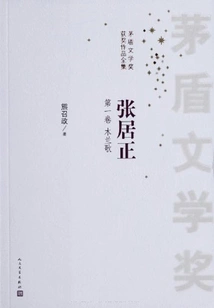
张居正(全4册)(茅盾文学奖获奖作品)
Xiong Zhaozheng
The Legend of China's No. 1 Wonder of the Ages unanimously won the 6th Mao Dun Literature Award, the first Yao Xueyin Historical Novel Award, and the Central Propaganda Department's Five One Project Award. It is hailed as a milestone in novels in the new era of China! It has been adapted into a TV series "Zhang Juzheng, the Chief Assistant of Wanli", starring Tang Guoqiang, Mei Ting, Feng Yuanzheng, Zhi Yitong, Wu Gang and other veteran actors. Zhang Juzheng is a reformer with extraordinary personality and a legendary figure in the annals of history. After he ascended to the position of chief minister, he managed the government for ten years: rectifying the official administration and refreshing the decadent style; rectifying education and recruiting talents to help the world; reforming taxes and sorting out finances. He saved the ruins of the Zhu Ming Dynasty and made the Wanli period the most prosperous era of the Ming Dynasty. In the midst of the storm, Zhang Juzheng was profound in thought, resolute, resourceful, and decisive, and his power was unparalleled. However, once he was in great power, he acted arbitrarily and relied on flattery, which attracted those who wanted to follow him. The desire for power pushed him to reach the peak of his life, but also caused Xiao Qiang to suffer after his death. At the time of his grand burial and death, he was criticized by others. As a result, all his family property was confiscated and all his titles and titles were taken away. This brought disaster to his eighty-year-old mother and his children and grandchildren. As a politician, Zhang Juzheng was an effective person in Chinese history; but as a person, he was a failure. "Prosperous in life, miserable after death" is the best summary of his life. The great disparity between his reputation and reputation during his lifetime and after his death was not only due to personal reasons, but also due to the dangerous politics and the turbulent world. Moreover, Zhang Juzheng's fate also objectively reveals the historical background of the tragedy and the characters' character flaws, providing an image literary reading for today's readers to reflect on.
The Legend of China's No. 1 Wonder of the Ages unanimously won the 6th Mao Dun Literature Award, the first Yao Xueyin Historical Novel Award, and the Central Propaganda Department's Five One Project Award. It is hailed as a milestone in novels in the new era of China! It has been adapted into a TV series "Zhang Juzheng, the Chief Assistant of Wanli", starring Tang Guoqiang, Mei Ting, Feng Yuanzheng, Zhi Yitong, Wu Gang and other veteran actors. Zhang Juzheng is a reformer with extraordinary personality and a legendary figure in the annals of history. After he ascended to the position of chief minister, he managed the government for ten years: rectifying the official administration and refreshing the decadent style; rectifying education and recruiting talents to help the world; reforming taxes and sorting out finances. He saved the ruins of the Zhu Ming Dynasty and made the Wanli period the most prosperous era of the Ming Dynasty. In the midst of the storm, Zhang Juzheng was profound in thought, resolute, resourceful, and decisive, and his power was unparalleled. However, once he was in great power, he acted arbitrarily and relied on flattery, which attracted those who wanted to follow him. The desire for power pushed him to reach the peak of his life, but also caused Xiao Qiang to suffer after his death. At the time of his grand burial and death, he was criticized by others. As a result, all his family property was confiscated and all his titles and titles were taken away. This brought disaster to his eighty-year-old mother and his children and grandchildren. As a politician, Zhang Juzheng was an effective person in Chinese history; but as a person, he was a failure. "Prosperous in life, miserable after death" is the best summary of his life. The great disparity between his reputation and reputation during his lifetime and after his death was not only due to personal reasons, but also due to the dangerous politics and the turbulent world. Moreover, Zhang Juzheng's fate also objectively reveals the historical background of the tragedy and the characters' character flaws, providing an image literary reading for today's readers to reflect on.
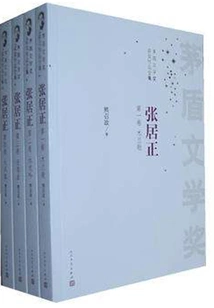
The Complete Works of Zhang Juzheng (original Work of the Tv Series "the End of the Wind, Zhang Juzheng" Starring Hu Ge)
General Fiction张居正全集(胡歌领衔主演电视剧《风禾尽起张居正》原著)
Xiong Zhaozheng
With sober historical rationality and warm and agile realism, the work vividly reproduces a vast and complex historical scene associated with the "Wanli New Deal", shaping the image of Zhang Juzheng, a complex feudal social reformer, and demonstrating the inevitability of his tragic fate. Through the vivid reproduction of the typical environment and the careful creation of the historical atmosphere, the novel is not only filled with an elegant and simple charm, but also gives people a clear, accessible and fascinating reading pleasure.
With sober historical rationality and warm and agile realism, the work vividly reproduces a vast and complex historical scene associated with the "Wanli New Deal", shaping the image of Zhang Juzheng, a complex feudal social reformer, and demonstrating the inevitability of his tragic fate. Through the vivid reproduction of the typical environment and the careful creation of the historical atmosphere, the novel is not only filled with an elegant and simple charm, but also gives people a clear, accessible and fascinating reading pleasure.