Library
Browse and search books
14 novels found
汉武英雄时代(史家讲史)
Wang Zijin
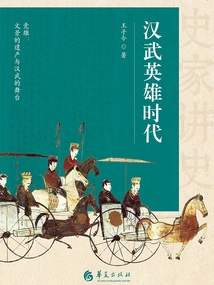
This book is one of the series "Historians Tell History". When the teacher was studying history, he said: "When the Han Dynasty was competing with the Xiongnu... Things were changing and talents emerged in large numbers, which is a joy to read." The era of Emperor Wu of the Han Dynasty was an era of passion and aggressiveness, an era in which the people's work and struggle achieved rich harvests. With the courage and courage of "an extraordinary man" to do "extraordinary things", Emperor Wu carried out feats such as "sending troops to the Xiongnu", "opening the road to the Western Regions", "South Vietnam surrendering", "Yelang entering the dynasty", "North Korea setting up a county", and "Heavenly Horse Coming to the West". During this period, local separatist forces were eliminated, and Chu culture, Qin culture, and Qilu culture completed the historical process of confluence, forming the Han culture, the basic cultural form of our nation. The Han brocade text found on the Silk Road "climb high and see clearly across the sea" reflects the broad mind and enterprising spirit of Han culture in facing the world during this period. The stories of outstanding figures in various fields of society during the same period show us a historical picture of ancient China with shining stars, strong cultural rise, and vibrant society. In addition, the author does not shy away from using "the women of Emperor Wu of the Han Dynasty" and "cultivating cruel officials" to present the multiple aspects of Emperor Wu of the Han Dynasty.
This book is one of the series "Historians Tell History". When the teacher was studying history, he said: "When the Han Dynasty was competing with the Xiongnu... Things were changing and talents emerged in large numbers, which is a joy to read." The era of Emperor Wu of the Han Dynasty was an era of passion and aggressiveness, an era in which the people's work and struggle achieved rich harvests. With the courage and courage of "an extraordinary man" to do "extraordinary things", Emperor Wu carried out feats such as "sending troops to the Xiongnu", "opening the road to the Western Regions", "South Vietnam surrendering", "Yelang entering the dynasty", "North Korea setting up a county", and "Heavenly Horse Coming to the West". During this period, local separatist forces were eliminated, and Chu culture, Qin culture, and Qilu culture completed the historical process of confluence, forming the Han culture, the basic cultural form of our nation. The Han brocade text found on the Silk Road "climb high and see clearly across the sea" reflects the broad mind and enterprising spirit of Han culture in facing the world during this period. The stories of outstanding figures in various fields of society during the same period show us a historical picture of ancient China with shining stars, strong cultural rise, and vibrant society. In addition, the author does not shy away from using "the women of Emperor Wu of the Han Dynasty" and "cultivating cruel officials" to present the multiple aspects of Emperor Wu of the Han Dynasty.
开国君王的成功
Wang Zijin
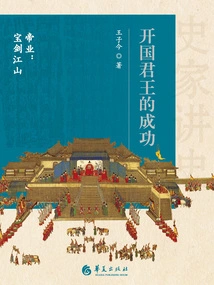
The author, Mr. Wang Zijin, sorted out and examined important historical phenomena that had common features in the history of the founding of ancient China, covering the three basic models of the founding of ancient dynasties, the opportunities and crisis response strategies of the founding monarchs, the redistribution of founding power and the adjustment of the heroes' governance, offensive and defensive policies, the coordination of civil and military affairs at the beginning of the founding of the country, the handover of governing power between the first and second generations of the founding monarchs, and the role of Dan on the stage of the founding history. Exploration of major historical issues such as "concession policy" or "counterattack and reckoning" policy theory, break away from the conventional thinking of political history that simply summarizes the experience and lessons of success and failure, study "rise and fall" with the motivation of in-depth excavation of social history and cultural history, draw new branches from the surface of a similar cycle of dynasty replacement in ancient China, and summarize the understanding with certain regular significance.
The author, Mr. Wang Zijin, sorted out and examined important historical phenomena that had common features in the history of the founding of ancient China, covering the three basic models of the founding of ancient dynasties, the opportunities and crisis response strategies of the founding monarchs, the redistribution of founding power and the adjustment of the heroes' governance, offensive and defensive policies, the coordination of civil and military affairs at the beginning of the founding of the country, the handover of governing power between the first and second generations of the founding monarchs, and the role of Dan on the stage of the founding history. Exploration of major historical issues such as "concession policy" or "counterattack and reckoning" policy theory, break away from the conventional thinking of political history that simply summarizes the experience and lessons of success and failure, study "rise and fall" with the motivation of in-depth excavation of social history and cultural history, draw new branches from the surface of a similar cycle of dynasty replacement in ancient China, and summarize the understanding with certain regular significance.
History of the Reform
History变法史话
Wang Zijin
The official history of "Historical Records" about Shang Yang's deeds was the first to use the term "reform". For a long time, "reform" has also been regarded as a synonym for "reform". People are generally accustomed to calling reforms that are large-scale and have great impact, especially reforms of the legal system and the political system, that are instigated and presided over by members of the dynasty's ruling clique as "reforms." "History of the Reform" briefly reviews and introduces the history of the Reform, hoping to enhance the understanding of the overall appearance of Chinese history and culture through the understanding and summary of the reforms of the past dynasties.
The official history of "Historical Records" about Shang Yang's deeds was the first to use the term "reform". For a long time, "reform" has also been regarded as a synonym for "reform". People are generally accustomed to calling reforms that are large-scale and have great impact, especially reforms of the legal system and the political system, that are instigated and presided over by members of the dynasty's ruling clique as "reforms." "History of the Reform" briefly reviews and introduces the history of the Reform, hoping to enhance the understanding of the overall appearance of Chinese history and culture through the understanding and summary of the reforms of the past dynasties.
秦汉英雄气运
Wang Zijin
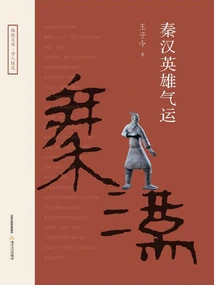
"The Luck of Heroes in the Qin and Han Dynasties" selects several results published by the author in recent years on the history of the Qin and Han Dynasties in the form of essays, short treatises, and not very specialized papers. It introduces the historical and positive characteristics of our national spirit in the Qin and Han Dynasties from the aspects of heroism, enterprising spirit, and open mind. Through popular interpretation of historical knowledge, we work with readers to deepen their knowledge, understanding and explanation of the outstanding cultural traditions of the Chinese nation, so as to inherit the content that adapts to modern social and cultural life.
"The Luck of Heroes in the Qin and Han Dynasties" selects several results published by the author in recent years on the history of the Qin and Han Dynasties in the form of essays, short treatises, and not very specialized papers. It introduces the historical and positive characteristics of our national spirit in the Qin and Han Dynasties from the aspects of heroism, enterprising spirit, and open mind. Through popular interpretation of historical knowledge, we work with readers to deepen their knowledge, understanding and explanation of the outstanding cultural traditions of the Chinese nation, so as to inherit the content that adapts to modern social and cultural life.
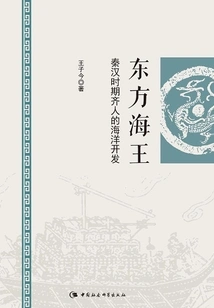
Oriental Neptune
History东方海王
Wang Zijin
This book is the final result of the key project of the Qilu Cultural Research Center of Shandong Normal University, a key research base for humanities and social sciences of the Ministry of Education, "Ocean Development of Qi People in the Qin and Han Dynasties", and a phased result of the key project of the National Social Science Fund "Ocean Exploration and Early Oceanographic Research in the Qin and Han Dynasties". It is the first academic monograph to conduct a serious historical investigation on this academic topic. The author pays attention to the combination of documentary and archaeological data, and provides a comprehensive and detailed explanation of the Qi people's achievements in ocean exploration and development during the Qin and Han Dynasties, and conducts historical analysis from the perspectives of economic history, cultural history, and social life history. Some discussions are also of significance for advancing the academic summary of the history of world oceanography.
This book is the final result of the key project of the Qilu Cultural Research Center of Shandong Normal University, a key research base for humanities and social sciences of the Ministry of Education, "Ocean Development of Qi People in the Qin and Han Dynasties", and a phased result of the key project of the National Social Science Fund "Ocean Exploration and Early Oceanographic Research in the Qin and Han Dynasties". It is the first academic monograph to conduct a serious historical investigation on this academic topic. The author pays attention to the combination of documentary and archaeological data, and provides a comprehensive and detailed explanation of the Qi people's achievements in ocean exploration and development during the Qin and Han Dynasties, and conducts historical analysis from the perspectives of economic history, cultural history, and social life history. Some discussions are also of significance for advancing the academic summary of the history of world oceanography.
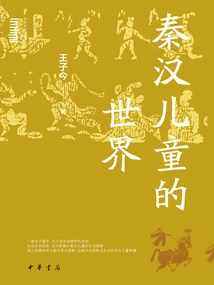
秦汉儿童的世界
Wang Zijin
This book shows readers the full picture of children's life in Qin and Han Dynasties through fourteen different but interrelated topics. The first four topics, from children's birth, birth to survival, to infant play and childhood education, use the chronology of children's growth as internal clues to outline the initial life scenes of children in the Qin and Han Dynasties; the last ten topics are divided into two parts, one is the relationship between children and the politics, economy, cultural beliefs and society of the Qin and Han Dynasties; the other is related discussions on special categories of children, such as "prodigies" and "upper-class children". The author has been deeply involved in the field of children's research for more than 20 years. With the comprehensive use of handed down documents, unearthed documents and cultural relics and archaeological materials, he deeply excavated the records of children's life in them and conducted a multi-angle and three-dimensional study on all aspects of children's life in Qin and Han Dynasties. This is a masterpiece.
This book shows readers the full picture of children's life in Qin and Han Dynasties through fourteen different but interrelated topics. The first four topics, from children's birth, birth to survival, to infant play and childhood education, use the chronology of children's growth as internal clues to outline the initial life scenes of children in the Qin and Han Dynasties; the last ten topics are divided into two parts, one is the relationship between children and the politics, economy, cultural beliefs and society of the Qin and Han Dynasties; the other is related discussions on special categories of children, such as "prodigies" and "upper-class children". The author has been deeply involved in the field of children's research for more than 20 years. With the comprehensive use of handed down documents, unearthed documents and cultural relics and archaeological materials, he deeply excavated the records of children's life in them and conducted a multi-angle and three-dimensional study on all aspects of children's life in Qin and Han Dynasties. This is a masterpiece.
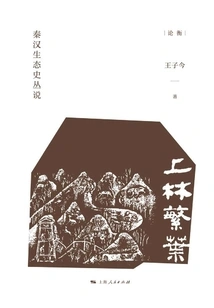
上林繁叶:秦汉生态史丛说
Wang Zijin
From the Qin and Han Dynasties, when Qin Shihuang unified the six kingdoms in 221 BC to 220 AD when Cao Pi succeeded the Han Dynasty, there were important changes in the composition and creative content of Chinese civilization. The overall ecological environment conditions in the Qin and Han Dynasties were different from today. The ecological environment conditions in various regions were different, and the ecological environment conditions also changed in the more than 400 years before and after. When studying the history of the Qin and Han dynasties and summarizing the conditions for the historical progress of the Qin and Han dynasties, the role of the ecological environment cannot be ignored. This book discusses the basic situation of ecological and environmental conditions in the Qin and Han Dynasties from several aspects such as climate, wildlife, vegetation, and human factors. It also explains the Qin and Han people's views on the ecological environment and the relationship between the ecological environment and the social history of the Qin and Han Dynasties from the perspective of the history of ideas and concepts. The author also analyzes several cases of the ecological environment during this period, such as the palace gardens of the Qin and Han Dynasties "at the foot of the forest", the story of "rats" written by Tai Shigong, the etiquette and customs of the Qin and Han mausoleums of the "trees forming a forest", etc. It not only interprets historical materials, but also contains the latest discoveries in related archeology. It is a unique historical reading from the perspective of ecological and environmental history.
From the Qin and Han Dynasties, when Qin Shihuang unified the six kingdoms in 221 BC to 220 AD when Cao Pi succeeded the Han Dynasty, there were important changes in the composition and creative content of Chinese civilization. The overall ecological environment conditions in the Qin and Han Dynasties were different from today. The ecological environment conditions in various regions were different, and the ecological environment conditions also changed in the more than 400 years before and after. When studying the history of the Qin and Han dynasties and summarizing the conditions for the historical progress of the Qin and Han dynasties, the role of the ecological environment cannot be ignored. This book discusses the basic situation of ecological and environmental conditions in the Qin and Han Dynasties from several aspects such as climate, wildlife, vegetation, and human factors. It also explains the Qin and Han people's views on the ecological environment and the relationship between the ecological environment and the social history of the Qin and Han Dynasties from the perspective of the history of ideas and concepts. The author also analyzes several cases of the ecological environment during this period, such as the palace gardens of the Qin and Han Dynasties "at the foot of the forest", the story of "rats" written by Tai Shigong, the etiquette and customs of the Qin and Han mausoleums of the "trees forming a forest", etc. It not only interprets historical materials, but also contains the latest discoveries in related archeology. It is a unique historical reading from the perspective of ecological and environmental history.
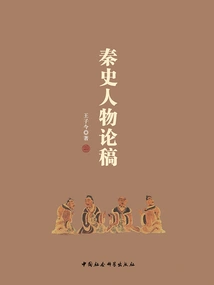
秦史人物论稿
Wang Zijin
Shang Yang, Empress Dowager Xuan, Gan Luo, Bai Qi, Zheng Guo, Lu Buwei, Qin Shihuang, Li Si, Wushi Luo, Ba Zhuqing, Zhao Tuo, Shangshan Sihao, etc. All played important historical roles on the stage of Qin history. "Manuscript on Figures in Qin History" is based on the author's research on the above figures in Qin history. Through the analysis of these historical figures who have influenced the process of Qin history, it deepens the understanding of Qin history and Qin culture. Understanding the positions, thoughts, expressions and historical impacts of these characters can provide valuable new discoveries for examining Qin history from multiple perspectives. The style of Qin culture can also be explained more specifically and vividly.
Shang Yang, Empress Dowager Xuan, Gan Luo, Bai Qi, Zheng Guo, Lu Buwei, Qin Shihuang, Li Si, Wushi Luo, Ba Zhuqing, Zhao Tuo, Shangshan Sihao, etc. All played important historical roles on the stage of Qin history. "Manuscript on Figures in Qin History" is based on the author's research on the above figures in Qin history. Through the analysis of these historical figures who have influenced the process of Qin history, it deepens the understanding of Qin history and Qin culture. Understanding the positions, thoughts, expressions and historical impacts of these characters can provide valuable new discoveries for examining Qin history from multiple perspectives. The style of Qin culture can also be explained more specifically and vividly.
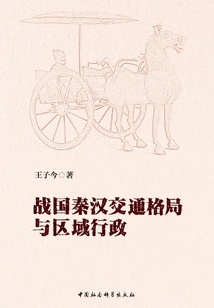
Transportation Pattern and Regional Administration During the Warring States, Qin and Han Dynasties
History战国秦汉交通格局与区域行政
Wang Zijin
This book is a treatise that examines several historical and cultural phenomena in the Warring States, Qin and Han Dynasties from the perspectives of transportation history, administrative history and regional cultural history. The author combines archaeological cultural relics and handed down historical documents to examine the following topics: the formation and evolution of the center of cultural center of the Central Plains, the path and trend of Qin's expansion, the transportation situation and political culture between Pengcheng and "Liang Dang", the transportation management and administrative construction of the "north", and the transportation history and regional cultural history significance of population mobility issues. We also conducted several case studies on transportation patterns and regional administration during the Warring States, Qin and Han Dynasties, and put forward some new insights.
This book is a treatise that examines several historical and cultural phenomena in the Warring States, Qin and Han Dynasties from the perspectives of transportation history, administrative history and regional cultural history. The author combines archaeological cultural relics and handed down historical documents to examine the following topics: the formation and evolution of the center of cultural center of the Central Plains, the path and trend of Qin's expansion, the transportation situation and political culture between Pengcheng and "Liang Dang", the transportation management and administrative construction of the "north", and the transportation history and regional cultural history significance of population mobility issues. We also conducted several case studies on transportation patterns and regional administration during the Warring States, Qin and Han Dynasties, and put forward some new insights.
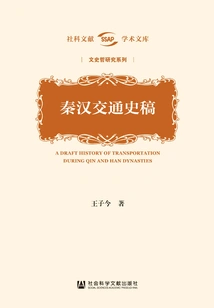
秦汉交通史稿
Wang Zijin
The Qin and Han Dynasties were an important historical stage in the history of transportation in China. This book summarizes the achievements of the Qin and Han Dynasties in transportation road construction, Jinqiao, vehicle production, transportation power development, inland navigation, offshore shipping and overseas transportation, shipbuilding industry, urban transportation, etc. It also discusses the transportation structure, warehouse system and main grain roads, industrial layout and transportation and marketing divisions, transportation industry, population migration and population flow, communication forms, and extraterritorial transportation in the main cultural areas of the Qin and Han Dynasties. Transportation and the establishment of the Qin and Han polities, transportation and the operation of the Qin and Han economy, transportation and the development of Qin and Han culture are explained under the theme of "Transportation Historical Background of Qin and Han Civilizations". "The traffic psychology and traffic habits of the Qin and Han people" were also discussed as an object of historical and cultural investigation.
The Qin and Han Dynasties were an important historical stage in the history of transportation in China. This book summarizes the achievements of the Qin and Han Dynasties in transportation road construction, Jinqiao, vehicle production, transportation power development, inland navigation, offshore shipping and overseas transportation, shipbuilding industry, urban transportation, etc. It also discusses the transportation structure, warehouse system and main grain roads, industrial layout and transportation and marketing divisions, transportation industry, population migration and population flow, communication forms, and extraterritorial transportation in the main cultural areas of the Qin and Han Dynasties. Transportation and the establishment of the Qin and Han polities, transportation and the operation of the Qin and Han economy, transportation and the development of Qin and Han culture are explained under the theme of "Transportation Historical Background of Qin and Han Civilizations". "The traffic psychology and traffic habits of the Qin and Han people" were also discussed as an object of historical and cultural investigation.
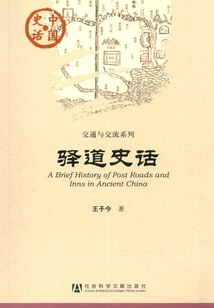
Story of Post Road
History驿道史话
Wang Zijin
The relay system composed of ancient Chinese post roads and stations can be compared to the meridians of the Chinese civilization system. The vitality and vitality of Chinese civilization have the historical role of the relay system. The postal transmission system in various historical periods mainly served military politics, promoting the strengthening of armaments and sound administration; the progress of civil communication forms was also related to the role of the postal transmission system; the lives of post officials and post soldiers in the past also reflected the social conditions at that time from one aspect. Due to the special cultural role of Yichuan, there are many contents related to Yichuan in ancient mythical legends, poems, songs, and folk tales. Analyzing these phenomena is undoubtedly beneficial to a comprehensive understanding of Chinese traditional culture.
The relay system composed of ancient Chinese post roads and stations can be compared to the meridians of the Chinese civilization system. The vitality and vitality of Chinese civilization have the historical role of the relay system. The postal transmission system in various historical periods mainly served military politics, promoting the strengthening of armaments and sound administration; the progress of civil communication forms was also related to the role of the postal transmission system; the lives of post officials and post soldiers in the past also reflected the social conditions at that time from one aspect. Due to the special cultural role of Yichuan, there are many contents related to Yichuan in ancient mythical legends, poems, songs, and folk tales. Analyzing these phenomena is undoubtedly beneficial to a comprehensive understanding of Chinese traditional culture.
I Have a Fish Dragon Sword
Xianxia我有一把鱼龙剑
Wang Zijin
The great catastrophe of heaven and earth is about to come, heroes will rise together, and chaos will arise. Jiang Qingbai, an ordinary young man, was gifted a strange sword by chance. "Hey, are you a monster?" "You are the monster, your whole family is a monster, and I am the sword spirit!" "Sword Spirit, since this sword is called the Fish Dragon Sword, let me call you Xiaoyu."
The great catastrophe of heaven and earth is about to come, heroes will rise together, and chaos will arise. Jiang Qingbai, an ordinary young man, was gifted a strange sword by chance. "Hey, are you a monster?" "You are the monster, your whole family is a monster, and I am the sword spirit!" "Sword Spirit, since this sword is called the Fish Dragon Sword, let me call you Xiaoyu."
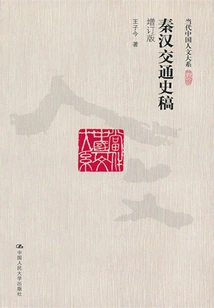
秦汉交通史稿(增订版)(当代中国人文大系)
Wang Zijin
The Qin and Han Dynasties were a historical stage when transportation development in ancient China achieved significant progress. The transportation construction of Qin and Han Dynasties had a very significant positive impact on the subsequent process of transportation history. Wang Zijin, the author of "Manuscript of the History of Transportation in Qin and Han Dynasties (Updated Edition)" summarizes the achievements of Qin and Han Dynasties in transportation road construction, Jinqiao, vehicle manufacturing, transportation power development, inland waterway shipping, offshore shipping and overseas transportation, shipbuilding industry, urban transportation and other aspects. It also discusses the traffic structure, warehouse system and main grain roads, industrial layout and transportation and marketing divisions, transportation industry, population migration and mobility, communication forms, and extraterritorial transportation in the main cultural areas of Qin and Han Dynasties. Transportation and the establishment of the Qin and Han polities, transportation and the operation of the Qin and Han economy, transportation and the development of Qin and Han culture are explained under the theme of "Transportation Historical Background of Qin and Han Civilizations". "The traffic psychology and traffic habits of the Qin and Han people" were also discussed as an object of historical and cultural investigation.
The Qin and Han Dynasties were a historical stage when transportation development in ancient China achieved significant progress. The transportation construction of Qin and Han Dynasties had a very significant positive impact on the subsequent process of transportation history. Wang Zijin, the author of "Manuscript of the History of Transportation in Qin and Han Dynasties (Updated Edition)" summarizes the achievements of Qin and Han Dynasties in transportation road construction, Jinqiao, vehicle manufacturing, transportation power development, inland waterway shipping, offshore shipping and overseas transportation, shipbuilding industry, urban transportation and other aspects. It also discusses the traffic structure, warehouse system and main grain roads, industrial layout and transportation and marketing divisions, transportation industry, population migration and mobility, communication forms, and extraterritorial transportation in the main cultural areas of Qin and Han Dynasties. Transportation and the establishment of the Qin and Han polities, transportation and the operation of the Qin and Han economy, transportation and the development of Qin and Han culture are explained under the theme of "Transportation Historical Background of Qin and Han Civilizations". "The traffic psychology and traffic habits of the Qin and Han people" were also discussed as an object of historical and cultural investigation.
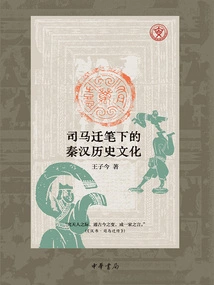
万有喜:司马迁笔下的秦汉历史文化
Wang Zijin
This book is a masterpiece of Qin and Han historian Professor Wang Zijin's interpretation of "Historical Records". The author's unconventional interpretation method of "Historical Records" is not to follow the order of chronicles, tables, books, aristocratic families, and biographies, or to extract a certain part of "Historical Records" and explain it "step by step". Rather, it grasps the content and elements of "Historical Records" as a whole, comprehensively uses research techniques from history, archaeology, sociology, communication, psychology and other disciplines, selects interesting and realistically enlightening points, and then analyzes and explains them in conjunction with other historical materials. The point-to-point approach enables readers to understand the characteristics of the entire "Historical Records" and the historical situation of the Qin and Han Dynasties. It is a rare and good book for both professional researchers and history buffs!
This book is a masterpiece of Qin and Han historian Professor Wang Zijin's interpretation of "Historical Records". The author's unconventional interpretation method of "Historical Records" is not to follow the order of chronicles, tables, books, aristocratic families, and biographies, or to extract a certain part of "Historical Records" and explain it "step by step". Rather, it grasps the content and elements of "Historical Records" as a whole, comprehensively uses research techniques from history, archaeology, sociology, communication, psychology and other disciplines, selects interesting and realistically enlightening points, and then analyzes and explains them in conjunction with other historical materials. The point-to-point approach enables readers to understand the characteristics of the entire "Historical Records" and the historical situation of the Qin and Han Dynasties. It is a rare and good book for both professional researchers and history buffs!