Library
Browse and search books
3 novels found
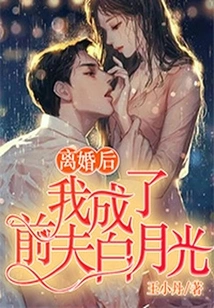
After the Divorce, I Became My Ex-husband Bai Yueguang
Modern Romance离婚后,我成了前夫白月光
Wang Xiaodan
After marrying Gu Qi, she became Mrs. Gu, whom everyone envied. She had money, power and time, and Gu Qi gave her whatever she wanted. The outside world thought that their husband and wife were deeply in love, but she knew that Gu Qi had a white moonlight in his heart. When they got married, he said, "I hope you will be obedient and sensible and not be a monster. I will give you everything." He asked her to go east but she would never go west. When he took Bai Yueguang home, she served tea and water. She was obedient and sensible and not a monster. She wanted nothing and only wanted a divorce. But after the divorce, Gu Qishi, who had ignored her before, pestered her for nothing and confessed in public: "I have a secret." He said, "My Bai Yueguang has someone else."
After marrying Gu Qi, she became Mrs. Gu, whom everyone envied. She had money, power and time, and Gu Qi gave her whatever she wanted. The outside world thought that their husband and wife were deeply in love, but she knew that Gu Qi had a white moonlight in his heart. When they got married, he said, "I hope you will be obedient and sensible and not be a monster. I will give you everything." He asked her to go east but she would never go west. When he took Bai Yueguang home, she served tea and water. She was obedient and sensible and not a monster. She wanted nothing and only wanted a divorce. But after the divorce, Gu Qishi, who had ignored her before, pestered her for nothing and confessed in public: "I have a secret." He said, "My Bai Yueguang has someone else."
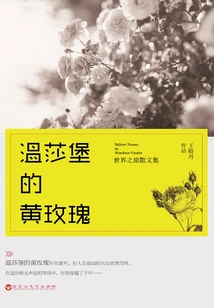
Yellow Rose at Windsor Castle
Literature温莎堡的黄玫瑰
Wang Xiaodan
"The Yellow Rose of Windsor Castle" is usually read first and then travel. However, it is also possible to continue reading after the trip begins. Who knows? The scenery is deep in the natural scenery, and the book is in enlightenment before reading again. This is a travel prose work, which writes about the author's various life insights while visiting famous places and historic sites at home and abroad and even beautiful scenery. This is her true feelings and her true insights in life. A scene or object in the book may overlap or be similar to what you saw and heard during your travels.
"The Yellow Rose of Windsor Castle" is usually read first and then travel. However, it is also possible to continue reading after the trip begins. Who knows? The scenery is deep in the natural scenery, and the book is in enlightenment before reading again. This is a travel prose work, which writes about the author's various life insights while visiting famous places and historic sites at home and abroad and even beautiful scenery. This is her true feelings and her true insights in life. A scene or object in the book may overlap or be similar to what you saw and heard during your travels.
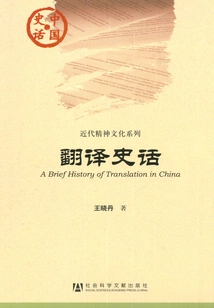
翻译史话
Wang Xiaodan
China has a long history of translation. In summary, it has gone through three stages: the first stage is the translation of Buddhist classics from the Han Dynasty to the Yuan Dynasty. During this long historical period, monks from China and India translated a large number of Buddhist classics, which had a huge impact on Chinese culture. Its heyday was the Tang Dynasty. The second stage was the translation of Western scientific works in the late Ming and early Qing dynasties. The climax of translation during this period was caused by Western missionaries coming to China to preach. The third stage is the comprehensive translation and introduction of Western science and technology, thought and even literature and art in modern China. This stage began around 1840 with the Opium War. The history of translation introduced in this book mainly focuses on the third stage, which not only involves the translation of modern Western science and technology books and periodicals, and the translation of Western philosophy and social science books and periodicals, but also introduces in more detail the translation of Marxist works and foreign literary works in China. Through this book, readers can have a general and clear understanding of the history of translation in modern China.
China has a long history of translation. In summary, it has gone through three stages: the first stage is the translation of Buddhist classics from the Han Dynasty to the Yuan Dynasty. During this long historical period, monks from China and India translated a large number of Buddhist classics, which had a huge impact on Chinese culture. Its heyday was the Tang Dynasty. The second stage was the translation of Western scientific works in the late Ming and early Qing dynasties. The climax of translation during this period was caused by Western missionaries coming to China to preach. The third stage is the comprehensive translation and introduction of Western science and technology, thought and even literature and art in modern China. This stage began around 1840 with the Opium War. The history of translation introduced in this book mainly focuses on the third stage, which not only involves the translation of modern Western science and technology books and periodicals, and the translation of Western philosophy and social science books and periodicals, but also introduces in more detail the translation of Marxist works and foreign literary works in China. Through this book, readers can have a general and clear understanding of the history of translation in modern China.