Library
Browse and search books
23 novels found
Dunhuang Incident
General Fiction敦煌变
Qiu Huadong
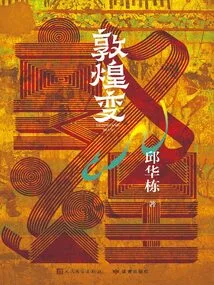
The book was created by the famous writer Qiu Huadong based on the Dunhuang chapter in "Empty City Chronicles". The writer plans to use ten representative Dunhuang grottoes as the main line, with the content of Dunhuang murals as support, and with characters throughout ancient and modern times as the protagonists, telling the impact of Dunhuang in the Hexi Corridor and along the "One Belt, One Road", and thinking about the cultural value, belief implications and practical significance of Dunhuang today. The novel strives to be solid in historical materials and light in imagination, to integrate knowledge, information and cultural quality, and to present the changing fate of people in the interweaving of time and space and the eternity of human nature's demands for truth, goodness and beauty.
The book was created by the famous writer Qiu Huadong based on the Dunhuang chapter in "Empty City Chronicles". The writer plans to use ten representative Dunhuang grottoes as the main line, with the content of Dunhuang murals as support, and with characters throughout ancient and modern times as the protagonists, telling the impact of Dunhuang in the Hexi Corridor and along the "One Belt, One Road", and thinking about the cultural value, belief implications and practical significance of Dunhuang today. The novel strives to be solid in historical materials and light in imagination, to integrate knowledge, information and cultural quality, and to present the changing fate of people in the interweaving of time and space and the eternity of human nature's demands for truth, goodness and beauty.
Loulan Five Stacks (empty City Period)
General Fiction楼兰五叠(空城纪)
Qiu Huadong
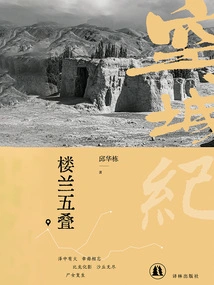
Loulan, later known as Shanshan, existed from the 2nd century BC to the 6th century AD. The site is located in Ruoqiang County, Xinjiang. Guard the northern and southern bifurcation points of the Silk Road. In modern times, the "rediscovery" of Loulan by Sven Hedin and others and the unearthing of the "Loulan female corpse" have made Loulan reappear in the sea of sand. "Five Layers of Loulan" includes five chapters: "First Layer: There is Fire in the Swamp", "Second Layer: Never Forget Each Other", "Third Layer: The Transformation of a Dragon", "Fourth Layer: Endless Sand Dunes" and "Five Layers: Resurrection of a Corpse Girl". It uses the sound of a bull's horn to run through the front and back, presenting the layered changes in Loulan's history and telling the rise and fall of the "Pearl of the Silk Road" Loulan ancient city and the Lop Nur civilization. Babu and Luhua were given a horn as a token of love by fighting a tiger to prove their love. Later, Luhua died in childbirth. Babu put the horn into his hand and rowed northward to leave. In the Han Dynasty, Fu Jiezi traveled westward under the imperial edict. He carried a horn as a gift from his lover and decisively killed him at a banquet. During the Wei and Jin Dynasties, King Bilong of Loulan faced Tuoba Tao's extermination of Buddhism and Juqu's Anzhou invasion. In order to protect his people, he asked his substitute Cao Wu to lead the tribe to migrate to Qiemo. In 1900, Swedish explorer Sven Hedin was exploring the Lob Wilderness, and his guide Oldeke accidentally discovered the Loulan ruins while looking for a shovel. In 2013, a team of photographers went through many hardships to reach the ancient city of Loulan and picked up a horn horn among the ruins. When the horn was blown at night, the mummy of the "Loulan Beauty" holding the same horn horn in the museum seemed to be awakened, performing a fantasy scene of "resurrection of a corpse girl".
Loulan, later known as Shanshan, existed from the 2nd century BC to the 6th century AD. The site is located in Ruoqiang County, Xinjiang. Guard the northern and southern bifurcation points of the Silk Road. In modern times, the "rediscovery" of Loulan by Sven Hedin and others and the unearthing of the "Loulan female corpse" have made Loulan reappear in the sea of sand. "Five Layers of Loulan" includes five chapters: "First Layer: There is Fire in the Swamp", "Second Layer: Never Forget Each Other", "Third Layer: The Transformation of a Dragon", "Fourth Layer: Endless Sand Dunes" and "Five Layers: Resurrection of a Corpse Girl". It uses the sound of a bull's horn to run through the front and back, presenting the layered changes in Loulan's history and telling the rise and fall of the "Pearl of the Silk Road" Loulan ancient city and the Lop Nur civilization. Babu and Luhua were given a horn as a token of love by fighting a tiger to prove their love. Later, Luhua died in childbirth. Babu put the horn into his hand and rowed northward to leave. In the Han Dynasty, Fu Jiezi traveled westward under the imperial edict. He carried a horn as a gift from his lover and decisively killed him at a banquet. During the Wei and Jin Dynasties, King Bilong of Loulan faced Tuoba Tao's extermination of Buddhism and Juqu's Anzhou invasion. In order to protect his people, he asked his substitute Cao Wu to lead the tribe to migrate to Qiemo. In 1900, Swedish explorer Sven Hedin was exploring the Lob Wilderness, and his guide Oldeke accidentally discovered the Loulan ruins while looking for a shovel. In 2013, a team of photographers went through many hardships to reach the ancient city of Loulan and picked up a horn horn among the ruins. When the horn was blown at night, the mummy of the "Loulan Beauty" holding the same horn horn in the museum seemed to be awakened, performing a fantasy scene of "resurrection of a corpse girl".
Six Divisions of Khotan (empty City Chronicles)
General Fiction于阗六部(空城纪)
Qiu Huadong
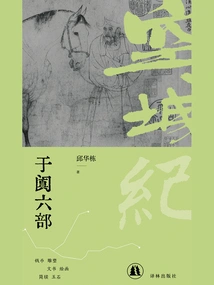
Khotan, located in the Hotan region of Xinjiang, is famous for its rich jade production. Hotan jade is still synonymous with beautiful jade, and "Kungang" in "Jade comes out of Kungang" refers to the ancient country of Khotan. In addition to its beautiful jade, Khotan is also a Buddhist center and an important silk town in the Western Regions. During the Tang Dynasty, Khotan had many contacts with the Central Plains and was one of the four towns in Anxi during the Tang Dynasty. "Six Parts of Khotan" includes six parts: "Coins: Han Dynasty Coins", "Sculptures: The Smile of the Buddha's Head", "Documents: A Sogdian Document", "Paintings: Flowered Horses in Khotan", "Slips and Slips: Slips Falling in the Quicksand", and "Jade: The Moonlight of Yotkan". Coins, sculptures, documents, paintings, slips and jade, these physical evidences that have been silent for thousands of years are revealed for the first time, recreating the civilized scenery of Khotan, the ancient city in the Western Regions. A copper coin witnessed the young Sogdian merchants willing to sacrifice themselves to save the caravan, and witnessed the royal monks self-immolating to pray for rain. A Buddha head wakes up from the quicksand, recalling the figures of Zhu Shixing, Faxian, Xuanzang and other eminent monks seeking Dharma in Khotan, until the kingdom fell. A Sogdian document reveals the blood and tears of Sogdian merchants during the war: Luoyang was burned, trade routes were cut off, and life and death were uncertain. A piebald horse shuttles between rock paintings and thousand-year scrolls. From the time of Zhang Qian to the court of the Northern Song Dynasty, it became an immortal elf in the works of Yuchi Yiseng and Li Gonglin. Four slips "resurrected" late at night, whispering in the museum display cabinet, tell the story of land sales, bizarre abductions, and juvenile pawning for thousands of years. A piece of Hetian jade mysteriously multiplied and decreased in the hands of modern scholars under the Yueguang Ancient Ruins, creating a magical passage connecting modern people with ancient Khotan.
Khotan, located in the Hotan region of Xinjiang, is famous for its rich jade production. Hotan jade is still synonymous with beautiful jade, and "Kungang" in "Jade comes out of Kungang" refers to the ancient country of Khotan. In addition to its beautiful jade, Khotan is also a Buddhist center and an important silk town in the Western Regions. During the Tang Dynasty, Khotan had many contacts with the Central Plains and was one of the four towns in Anxi during the Tang Dynasty. "Six Parts of Khotan" includes six parts: "Coins: Han Dynasty Coins", "Sculptures: The Smile of the Buddha's Head", "Documents: A Sogdian Document", "Paintings: Flowered Horses in Khotan", "Slips and Slips: Slips Falling in the Quicksand", and "Jade: The Moonlight of Yotkan". Coins, sculptures, documents, paintings, slips and jade, these physical evidences that have been silent for thousands of years are revealed for the first time, recreating the civilized scenery of Khotan, the ancient city in the Western Regions. A copper coin witnessed the young Sogdian merchants willing to sacrifice themselves to save the caravan, and witnessed the royal monks self-immolating to pray for rain. A Buddha head wakes up from the quicksand, recalling the figures of Zhu Shixing, Faxian, Xuanzang and other eminent monks seeking Dharma in Khotan, until the kingdom fell. A Sogdian document reveals the blood and tears of Sogdian merchants during the war: Luoyang was burned, trade routes were cut off, and life and death were uncertain. A piebald horse shuttles between rock paintings and thousand-year scrolls. From the time of Zhang Qian to the court of the Northern Song Dynasty, it became an immortal elf in the works of Yuchi Yiseng and Li Gonglin. Four slips "resurrected" late at night, whispering in the museum display cabinet, tell the story of land sales, bizarre abductions, and juvenile pawning for thousands of years. A piece of Hetian jade mysteriously multiplied and decreased in the hands of modern scholars under the Yueguang Ancient Ruins, creating a magical passage connecting modern people with ancient Khotan.
Qiuci Double Tower (empty City Period)
General Fiction龟兹双阕(空城纪)
Qiu Huadong
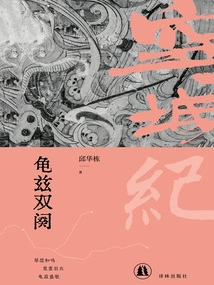
Qiuci, located in today's Kuqa City, Aksu Prefecture, Xinjiang, is a hub of the Silk Road and an important stronghold of the Western Region Protectorate during the Han and Tang Dynasties. Kucha music and dance are famous all over the world, and "Nishang Yuyi Song" is deeply influenced by Kucha music. "Qiuci Double Tower" is composed of three chapters: "Harmony of Qin and Se", "Neon Clothes and Feathers", and "Qiuci Song". Taking "Qiuci Music" as a clue, the sound and shape of the Han pipa run through the novel. In the first part, Princess Xijun marries from the Central Plains to the Wusun Kingdom in the Western Regions. As a symbol of the national culture of the Central Plains, the Han pipa becomes her favorite to relieve her homesickness, and is later passed on to Princess Jieyou and her daughter Di Shi. His younger brother Shi became acquainted with King Jiangbin of Kucha because of Kucha music. He went to Chang'an to study classics and culture. After returning home, he devoted himself to the organization of Kucha music and the promotion of Han rites. In the second part, during the reign of Emperor Xuanzong of the Tang Dynasty, Bai Mingyue, the prince of Kucha, went to Tang Dynasty to do spice business incognito. As a master of , he and Huo Linglong, a girl from Kucha, were summoned to the palace to play "Dance of Colorful Feather Clothes". The pipa in Huo Linglong's hand was the Han pipa used by Princess Xijun. The sound of the pipa moved and the red clothes were like fire. The third part comes to the present. Wang Xue and Li Gang travel to Xinjiang. The former is preparing for the "Qiuci Song" concert, and the latter is a collector of national musical instruments and plans to find the Han pipa...
Qiuci, located in today's Kuqa City, Aksu Prefecture, Xinjiang, is a hub of the Silk Road and an important stronghold of the Western Region Protectorate during the Han and Tang Dynasties. Kucha music and dance are famous all over the world, and "Nishang Yuyi Song" is deeply influenced by Kucha music. "Qiuci Double Tower" is composed of three chapters: "Harmony of Qin and Se", "Neon Clothes and Feathers", and "Qiuci Song". Taking "Qiuci Music" as a clue, the sound and shape of the Han pipa run through the novel. In the first part, Princess Xijun marries from the Central Plains to the Wusun Kingdom in the Western Regions. As a symbol of the national culture of the Central Plains, the Han pipa becomes her favorite to relieve her homesickness, and is later passed on to Princess Jieyou and her daughter Di Shi. His younger brother Shi became acquainted with King Jiangbin of Kucha because of Kucha music. He went to Chang'an to study classics and culture. After returning home, he devoted himself to the organization of Kucha music and the promotion of Han rites. In the second part, during the reign of Emperor Xuanzong of the Tang Dynasty, Bai Mingyue, the prince of Kucha, went to Tang Dynasty to do spice business incognito. As a master of , he and Huo Linglong, a girl from Kucha, were summoned to the palace to play "Dance of Colorful Feather Clothes". The pipa in Huo Linglong's hand was the Han pipa used by Princess Xijun. The sound of the pipa moved and the red clothes were like fire. The third part comes to the present. Wang Xue and Li Gang travel to Xinjiang. The former is preparing for the "Qiuci Song" concert, and the latter is a collector of national musical instruments and plans to find the Han pipa...
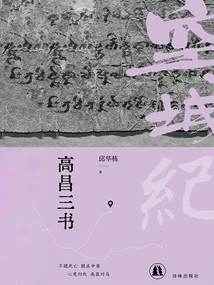
Three Books of Gaochang (empty City Chronicles)
General Fiction高昌三书(空城纪)
Qiu Huadong
Gaochang, located in the Mutugou River oasis on the northern edge of the Turpan Basin, was originally a military and political center. As the heart of the North Silk Road, it controlled the north-south trade routes of the Tianshan Mountains. "Unexpectedly, wonderful things can be seen in Gaochang." Gaochang's calligraphy and ink marks bear witness to the integration of Han culture and highlight the regional color. "Three Books of Gaochang" takes silk scripts, brick scripts and blanket scripts as clues and includes four parts: "Don't Avoid Death", "Rooted in the Central Plains", "Heart is the Place to Go" and "Gaochang Duima". An iron bird runs through history and contemporary times, witnessing the wars, iron horses, and fireworks of the Han, Tang, and Song Dynasties regarding Gaochang. In "Don't Avoid Death", Ban Yong, the son of Ban Chao, the guard of the Western Regions, is imprisoned and awaits the death penalty, recalling the legend of two generations of father and son who are closely connected with the Western Regions by flesh and blood. "Roots in the Central Plains" tells the story of Zhang Huaiji, a famous scholar from Xizhou in the Tang Dynasty, who accompanied the general Wang Xiaojie to conquer Tubo and recover the four towns in Anxi. During the march, he was entrusted with telling the past events of his homeland in Gaochang. During the war, he discovered a mysterious iron bird from the Han Dynasty on a beacon, whose sound traveled through time and space. "Heart Is Home" tells the story of Wang Yande, a chamberlain in the early Northern Song Dynasty, who was ordered by Taizong to serve as an envoy to the Uighur Kingdom in Gaochang. Crossing the quicksand, crossing the Yellow River, and avoiding assassinations, he arrived in Gaochang after going through many hardships. He accidentally obtained a chirping iron bird in the Jiaohe Buddhist niche, which repeatedly provided warnings and saved lives in danger. In the epilogue "Gaochang Duima", art history professors and students visit the ruins of the ancient city of Jiaohe, and paper-cutting restores the thousand-year-old "Gaochang Duima". An ancient iron bird discovered in the Jiaohe channel is magically activated in the moonlight, resonating with the paper-cut horse.
Gaochang, located in the Mutugou River oasis on the northern edge of the Turpan Basin, was originally a military and political center. As the heart of the North Silk Road, it controlled the north-south trade routes of the Tianshan Mountains. "Unexpectedly, wonderful things can be seen in Gaochang." Gaochang's calligraphy and ink marks bear witness to the integration of Han culture and highlight the regional color. "Three Books of Gaochang" takes silk scripts, brick scripts and blanket scripts as clues and includes four parts: "Don't Avoid Death", "Rooted in the Central Plains", "Heart is the Place to Go" and "Gaochang Duima". An iron bird runs through history and contemporary times, witnessing the wars, iron horses, and fireworks of the Han, Tang, and Song Dynasties regarding Gaochang. In "Don't Avoid Death", Ban Yong, the son of Ban Chao, the guard of the Western Regions, is imprisoned and awaits the death penalty, recalling the legend of two generations of father and son who are closely connected with the Western Regions by flesh and blood. "Roots in the Central Plains" tells the story of Zhang Huaiji, a famous scholar from Xizhou in the Tang Dynasty, who accompanied the general Wang Xiaojie to conquer Tubo and recover the four towns in Anxi. During the march, he was entrusted with telling the past events of his homeland in Gaochang. During the war, he discovered a mysterious iron bird from the Han Dynasty on a beacon, whose sound traveled through time and space. "Heart Is Home" tells the story of Wang Yande, a chamberlain in the early Northern Song Dynasty, who was ordered by Taizong to serve as an envoy to the Uighur Kingdom in Gaochang. Crossing the quicksand, crossing the Yellow River, and avoiding assassinations, he arrived in Gaochang after going through many hardships. He accidentally obtained a chirping iron bird in the Jiaohe Buddhist niche, which repeatedly provided warnings and saved lives in danger. In the epilogue "Gaochang Duima", art history professors and students visit the ruins of the ancient city of Jiaohe, and paper-cutting restores the thousand-year-old "Gaochang Duima". An ancient iron bird discovered in the Jiaohe channel is magically activated in the moonlight, resonating with the paper-cut horse.
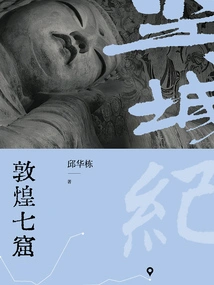
The Seven Grottoes of Dunhuang (empty City Period)
General Fiction敦煌七窟(空城纪)
Qiu Huadong
Dunhuang, located at the westernmost end of the Hexi Corridor, is the gateway to the Central Plains and the Western Regions. Dunhuang Mogao Grottoes, a world cultural heritage, was excavated in the Sixteenth Kingdom and built over the Northern Dynasties, Sui, Tang, Five Dynasties, Song, Xixia, and Yuan Dynasties. It integrates various styles from India, Central Asia, and the Central Plains, and preserves exquisite murals, painted sculptures, architecture, and scripture cave documents. It can be called an encyclopedia of Buddhist art history. "Dunhuang Seven Caves" is based on the seven real caves in Dunhuang Mogao Grottoes (Caves 275, 285, 296, 420, 158, 98, and 17), telling seven stories spanning thousands of years, including the Samana, the murderer, the woman, the soldier, the businessman, the king, and the scholar, as well as the eastward spread of Buddhism and the human fireworks of the Mogao Grottoes. The ascetic breaks off all ties in the world in front of the statue of Maitreya, but he cannot resist the burning gaze of Qingmei; the murderer confesses with blood and tears in front of the "Five Hundred Bandits Becoming a Buddha"; the desperate woman sees her past and present life from the mural; the heads of soldiers killed in battle Obsession returns home; a wealthy businessman meets a dream catcher when questioning life and death in the Nirvana Cave; the dead soul of the King of Khotan caresses the old shadow on the wall; modern scholars have conversations with eminent monks across time and space in the Sutra Cave... Under the light of the Buddha, everyone is undergoing self-transcendence.
Dunhuang, located at the westernmost end of the Hexi Corridor, is the gateway to the Central Plains and the Western Regions. Dunhuang Mogao Grottoes, a world cultural heritage, was excavated in the Sixteenth Kingdom and built over the Northern Dynasties, Sui, Tang, Five Dynasties, Song, Xixia, and Yuan Dynasties. It integrates various styles from India, Central Asia, and the Central Plains, and preserves exquisite murals, painted sculptures, architecture, and scripture cave documents. It can be called an encyclopedia of Buddhist art history. "Dunhuang Seven Caves" is based on the seven real caves in Dunhuang Mogao Grottoes (Caves 275, 285, 296, 420, 158, 98, and 17), telling seven stories spanning thousands of years, including the Samana, the murderer, the woman, the soldier, the businessman, the king, and the scholar, as well as the eastward spread of Buddhism and the human fireworks of the Mogao Grottoes. The ascetic breaks off all ties in the world in front of the statue of Maitreya, but he cannot resist the burning gaze of Qingmei; the murderer confesses with blood and tears in front of the "Five Hundred Bandits Becoming a Buddha"; the desperate woman sees her past and present life from the mural; the heads of soldiers killed in battle Obsession returns home; a wealthy businessman meets a dream catcher when questioning life and death in the Nirvana Cave; the dead soul of the King of Khotan caresses the old shadow on the wall; modern scholars have conversations with eminent monks across time and space in the Sutra Cave... Under the light of the Buddha, everyone is undergoing self-transcendence.
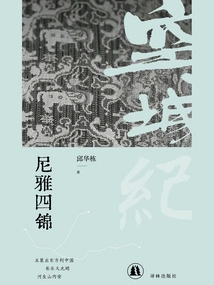
The Four Brocades of Niya (the Empty City)
General Fiction尼雅四锦(空城纪)
Qiu Huadong
Niya, the hometown of Jingjue Kingdom, existed from around the 2nd century BC to the 5th century AD. Its ruins are located in Minfeng County, Hotan Prefecture, Xinjiang. Niya is an important stop on the southern route of the ancient Silk Road and an important node for the exchange of goods and culture between the East and the West. More than a thousand wooden tablets (written in Khalur script) unearthed from the site show that its official language is Gandhara. In 1995, a brocade armband from the Han Dynasty woven with the eight seal characters "Five stars from the east will benefit China" was unearthed in Niya, causing a sensation at home and abroad. "The Four Brocades of Niya" takes the brocades of the Han Dynasty as clues to construct a civilization epic of the Jingjue Kingdom that spans thousands of years. The five stories revolve around the brocade patterns such as "Five stars come out of the east to benefit China", "There is great light in Changle" and "Long live the princes together", connecting themes such as tribal grievances, marriage missions, palace intrigues and the fate of common people. "Yijue" tells the story of the princess Xia Mei who was sent by the Han Dynasty to marry in the Jingjue Kingdom. She tried her best to hide silkworm seeds in her bun and brought them to the Jingjue Kingdom. She helped people raise silkworms and taught Jingjue women how to draw and reel silk to weave brocade silk. "Two Brocades" tells the story of two young princes from the Kingdom of Jingjue who exchanged clothes with the two young princes from the King of Linchuan in a critical moment to save the royal bloodline of the Central Plains. "Three Brocades" tells the story of Shaja Mouwei, a prodigal from the country of Jingjue, who elopes with Shan Ai. Returning to the prologue, the elite ancestors "the Horse Clan" and the "Eagle Clan" merged after the war. It is said that the war dead turned into snowmen and red willow roots. They wanted to return to the city on a moonlit night but disappeared into smoke. The perspective shifts to modern times. Archaeologist Lin Gucun leads a team to visit the ruins of Niya. Yang Yingzheng, the temporary deputy county magistrate, leads the villagers to cultivate new silkworm species. The exquisite civilization is reborn through archeology and inheritance.
Niya, the hometown of Jingjue Kingdom, existed from around the 2nd century BC to the 5th century AD. Its ruins are located in Minfeng County, Hotan Prefecture, Xinjiang. Niya is an important stop on the southern route of the ancient Silk Road and an important node for the exchange of goods and culture between the East and the West. More than a thousand wooden tablets (written in Khalur script) unearthed from the site show that its official language is Gandhara. In 1995, a brocade armband from the Han Dynasty woven with the eight seal characters "Five stars from the east will benefit China" was unearthed in Niya, causing a sensation at home and abroad. "The Four Brocades of Niya" takes the brocades of the Han Dynasty as clues to construct a civilization epic of the Jingjue Kingdom that spans thousands of years. The five stories revolve around the brocade patterns such as "Five stars come out of the east to benefit China", "There is great light in Changle" and "Long live the princes together", connecting themes such as tribal grievances, marriage missions, palace intrigues and the fate of common people. "Yijue" tells the story of the princess Xia Mei who was sent by the Han Dynasty to marry in the Jingjue Kingdom. She tried her best to hide silkworm seeds in her bun and brought them to the Jingjue Kingdom. She helped people raise silkworms and taught Jingjue women how to draw and reel silk to weave brocade silk. "Two Brocades" tells the story of two young princes from the Kingdom of Jingjue who exchanged clothes with the two young princes from the King of Linchuan in a critical moment to save the royal bloodline of the Central Plains. "Three Brocades" tells the story of Shaja Mouwei, a prodigal from the country of Jingjue, who elopes with Shan Ai. Returning to the prologue, the elite ancestors "the Horse Clan" and the "Eagle Clan" merged after the war. It is said that the war dead turned into snowmen and red willow roots. They wanted to return to the city on a moonlit night but disappeared into smoke. The perspective shifts to modern times. Archaeologist Lin Gucun leads a team to visit the ruins of Niya. Yang Yingzheng, the temporary deputy county magistrate, leads the villagers to cultivate new silkworm species. The exquisite civilization is reborn through archeology and inheritance.
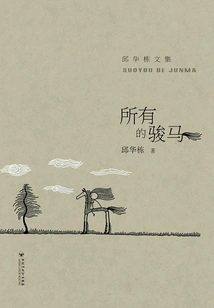
All Horses
General Fiction所有的骏马
Qiu Huadong
"All Horses" is a collection of novellas by the contemporary famous writer Qiu Huadong, which includes 8 articles including "Starlight in the Hand", "Environmental Theater Man", "Hollow Man Dance", "Band", "Performance Artist" and "Intruder". Most of these works were written in the 1990s, and they outline modern, fashionable, spacious and psychedelic images of the tremendous changes in Beijing over the past two decades, reflecting the author's close tracking of urban changes and close observation of newcomers to the city.
"All Horses" is a collection of novellas by the contemporary famous writer Qiu Huadong, which includes 8 articles including "Starlight in the Hand", "Environmental Theater Man", "Hollow Man Dance", "Band", "Performance Artist" and "Intruder". Most of these works were written in the 1990s, and they outline modern, fashionable, spacious and psychedelic images of the tremendous changes in Beijing over the past two decades, reflecting the author's close tracking of urban changes and close observation of newcomers to the city.
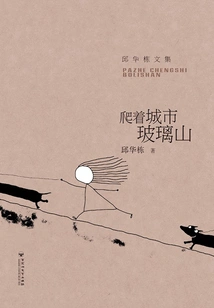
Climbing the City Glass Mountain
General Fiction爬着城市玻璃山
Qiu Huadong
This book collects Qiu Huadong's short stories, including: "Fashion Man", "Public Relations Man", "Direct Sales Man", "Miss Turning the Score", "Two People and the City", "Emergency Room", "When I Was in Xia Village", "Horses in the City".
This book collects Qiu Huadong's short stories, including: "Fashion Man", "Public Relations Man", "Direct Sales Man", "Miss Turning the Score", "Two People and the City", "Emergency Room", "When I Was in Xia Village", "Horses in the City".
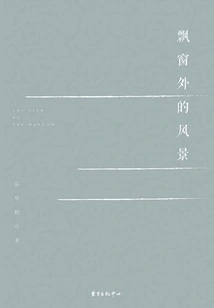
The Scenery Outside the Window
Literature飘窗外的风景
Qiu Huadong
The book "The Scenery from the Window" is written by Qiu Huadong, a powerful contemporary writer. The content is the book reviews and essays written by the author in recent years about some modern writers and artists. This book is divided into four volumes. The first three volumes are arranged from recent to distant writing time and introduce the works of many outstanding domestic writers and artists. In the last volume, the author introduces some of his own works in recent years, allowing readers to have an understanding of the author's works.
The book "The Scenery from the Window" is written by Qiu Huadong, a powerful contemporary writer. The content is the book reviews and essays written by the author in recent years about some modern writers and artists. This book is divided into four volumes. The first three volumes are arranged from recent to distant writing time and introduce the works of many outstanding domestic writers and artists. In the last volume, the author introduces some of his own works in recent years, allowing readers to have an understanding of the author's works.
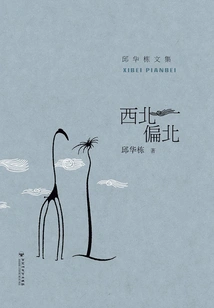
North by Northwest
General Fiction西北偏北
Qiu Huadong
This book collects Qiu Huadong's short stories, including: "The Year of the Snow Disaster", "The Red Flag That Lies for Eighteen Years", "The Beauty on the Balcony", "The Land of Windmills", "Blood-stained Eternal Love", "Black Hole", "What Happened to Me That Summer", etc.
This book collects Qiu Huadong's short stories, including: "The Year of the Snow Disaster", "The Red Flag That Lies for Eighteen Years", "The Beauty on the Balcony", "The Land of Windmills", "Blood-stained Eternal Love", "Black Hole", "What Happened to Me That Summer", etc.
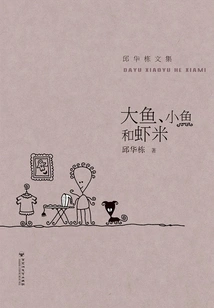
Big Fish, Small Fish and Shrimp
Literature大鱼、小鱼和虾米
Qiu Huadong
The main contents of this book include: "4 Minutes and 33 Seconds", "Plastic Man and Simple and Convenient Woman", "Big Fish, Small Fish and Shrimp", "Flat Man", "Wave, Fountain, Arc, Garden" and "Mole Man".
The main contents of this book include: "4 Minutes and 33 Seconds", "Plastic Man and Simple and Convenient Woman", "Big Fish, Small Fish and Shrimp", "Flat Man", "Wave, Fountain, Arc, Garden" and "Mole Man".
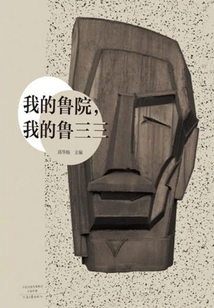
My Lu Yuan, My Lu San San
General Fiction我的鲁院,我的鲁三三
Qiu Huadong
This book is a collection of short stories based on ancient myths and historical legends. It contains eight short stories written by Lu Xun between 1922 and 1935. The overall style is calm, rich, humorous and free. Although Lu Xun's inherent sadness is still hidden in his heart, it is revealed by his humorous "playful pen and ink". Mr. Lu Xun himself believed that this was a collection of "myths, legends and historical facts".
This book is a collection of short stories based on ancient myths and historical legends. It contains eight short stories written by Lu Xun between 1922 and 1935. The overall style is calm, rich, humorous and free. Although Lu Xun's inherent sadness is still hidden in his heart, it is revealed by his humorous "playful pen and ink". Mr. Lu Xun himself believed that this was a collection of "myths, legends and historical facts".
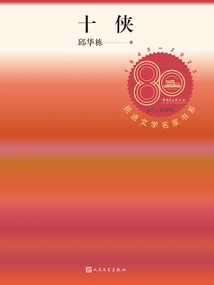
十侠(民进文学名家书系)
Qiu Huadong
"Historical Records·Biographies of Rangers" says: "Although today's Rangers' actions are not in line with justice, their words must be believed, their actions must bear fruit, their promises must be true, and they do not love their bodies. They go to the misfortune of soldiers, and they have already lived and died. "Ten Heroes" is a series of short historical martial arts novels by Qiu Huadong, including "Striking Clothes", "Listening to Kung Fu" and "Rope Skills". From the Spring and Autumn Period and the Warring States Period to the Ming and Qing Dynasties, it tells the stories of ten knights with unique characteristics. The narration of these stories has its own tone, some are lively, some are desolate, some are elegant, some are tragic, and they describe different aspects of Xia. The novel places assassins and knights in famous historical events, imagines the details of history, gives warmth to the characters, and resurrects the spirit of knights.
"Historical Records·Biographies of Rangers" says: "Although today's Rangers' actions are not in line with justice, their words must be believed, their actions must bear fruit, their promises must be true, and they do not love their bodies. They go to the misfortune of soldiers, and they have already lived and died. "Ten Heroes" is a series of short historical martial arts novels by Qiu Huadong, including "Striking Clothes", "Listening to Kung Fu" and "Rope Skills". From the Spring and Autumn Period and the Warring States Period to the Ming and Qing Dynasties, it tells the stories of ten knights with unique characteristics. The narration of these stories has its own tone, some are lively, some are desolate, some are elegant, some are tragic, and they describe different aspects of Xia. The novel places assassins and knights in famous historical events, imagines the details of history, gives warmth to the characters, and resurrects the spirit of knights.
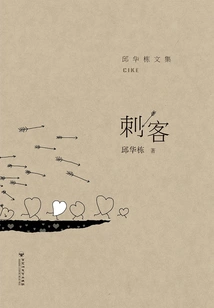
Assassin
General Fiction刺客
Qiu Huadong
"Assassin" is a novel by the contemporary famous writer Qiu Huadong. The novel is based on the "Horse Assassination Case", one of the four most mysterious cases in the late Qing Dynasty, which was the historical incident in which Zhang Wenxiang assassinated Ma Xinyi, the governor of Liangjiang in the late Qing Dynasty. The author gives the novel a broader space for imagination, blending the history of the rise and fall of the Taiping Rebellion into the novel, while also mixing in some new martial arts novels and magical realism. The scenes are numerous, tragic and majestic, full of mud and sand, and the plot is ups and downs.
"Assassin" is a novel by the contemporary famous writer Qiu Huadong. The novel is based on the "Horse Assassination Case", one of the four most mysterious cases in the late Qing Dynasty, which was the historical incident in which Zhang Wenxiang assassinated Ma Xinyi, the governor of Liangjiang in the late Qing Dynasty. The author gives the novel a broader space for imagination, blending the history of the rise and fall of the Taiping Rebellion into the novel, while also mixing in some new martial arts novels and magical realism. The scenes are numerous, tragic and majestic, full of mud and sand, and the plot is ups and downs.
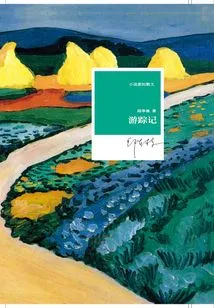
Travel Notes
Literature游踪记
Qiu Huadong
A self-selected collection of prose by the famous writer Qiu Huadong. Walk around alone and talk. In prose, a novelist cannot hide. They tell everything about themselves and meet their truest souls.
A self-selected collection of prose by the famous writer Qiu Huadong. Walk around alone and talk. In prose, a novelist cannot hide. They tell everything about themselves and meet their truest souls.
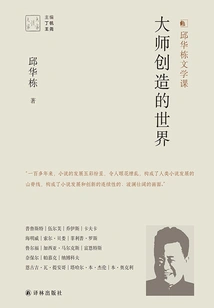
邱华栋文学课:大师创造的世界(大家读大家·第四辑)
Qiu Huadong
"The World Created by Masters" is a collection of reading notes carefully selected by Qiu Huadong, a reading expert and famous writer, who has accumulated over many years. As a contemporary literary master who is deeply nourished by world literature, Qiu Huadong focuses in this book on a dozen people who have had a profound impact on the world literary pattern from the second half of the 19th century to the present: from European modernist novel masters such as Joyce and Kafka to "World War II" writers such as Hemingway and Saul Bellow. "After the giants of American novels, and then to the giants of the "literary explosion" in Latin America such as Rulfo and García Márquez... He relied on his rich and extensive reading to explain the profound things in simple terms. He read the text carefully in a way of peeling off the cocoons, and carefully sorted out the different life paths and remarkable literary achievements of these literary masters. Each article is followed by a detailed reading list of the relevant writers, helping ordinary readers get closer to the masters and enter their literary world.
"The World Created by Masters" is a collection of reading notes carefully selected by Qiu Huadong, a reading expert and famous writer, who has accumulated over many years. As a contemporary literary master who is deeply nourished by world literature, Qiu Huadong focuses in this book on a dozen people who have had a profound impact on the world literary pattern from the second half of the 19th century to the present: from European modernist novel masters such as Joyce and Kafka to "World War II" writers such as Hemingway and Saul Bellow. "After the giants of American novels, and then to the giants of the "literary explosion" in Latin America such as Rulfo and García Márquez... He relied on his rich and extensive reading to explain the profound things in simple terms. He read the text carefully in a way of peeling off the cocoons, and carefully sorted out the different life paths and remarkable literary achievements of these literary masters. Each article is followed by a detailed reading list of the relevant writers, helping ordinary readers get closer to the masters and enter their literary world.
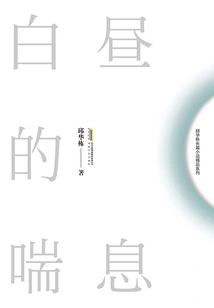
Qiu Huadong's Urban Novel Series: Day's Breath
General Fiction邱华栋都市小说作品系列:白昼的喘息
Qiu Huadong
This is a novel about an artist. The work depicts the life of a group of wandering artists active in Beijing in the early 1990s. This group of people with their own literary and artistic ideals embarked on a journey to pursue their dreams in a rapidly changing city, experiencing the huge impact of the transformation of the times. Their diverse lives constitute an extremely realistic picture of contemporary cities.
This is a novel about an artist. The work depicts the life of a group of wandering artists active in Beijing in the early 1990s. This group of people with their own literary and artistic ideals embarked on a journey to pursue their dreams in a rapidly changing city, experiencing the huge impact of the transformation of the times. Their diverse lives constitute an extremely realistic picture of contemporary cities.
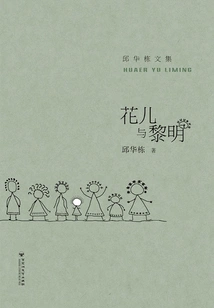
Flowers and Dawn
General Fiction花儿与黎明
Qiu Huadong
This novel describes the story of a young couple in Beijing around 2000, and the life changes of the people around them, who formed a close social relationship. Most of them are media people. They are active in the East Third Ring Road and Liangma River areas, Beijing's new business districts. They are the parties who have endured the great changes in Beijing's urban life today. The making and falling apart of emotions and family life are the main themes dealt with in this novel. And this novel...
This novel describes the story of a young couple in Beijing around 2000, and the life changes of the people around them, who formed a close social relationship. Most of them are media people. They are active in the East Third Ring Road and Liangma River areas, Beijing's new business districts. They are the parties who have endured the great changes in Beijing's urban life today. The making and falling apart of emotions and family life are the main themes dealt with in this novel. And this novel...
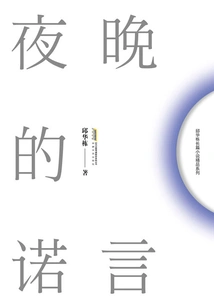
Qiu Huadong's Urban Novel Series: the Promise of the Night
General Fiction邱华栋都市小说作品系列:夜晚的诺言
Qiu Huadong
This work is the first part of Qiu Huadong's "Growth Trilogy". The work is divided into two lines, depicting the study and life experiences of the protagonist Qiao Ke, who lived in college and when he just graduated from college and was confused and seeking in society. In this youth coming-of-age novel, the author describes the pain of growing up in a very relaxed and playful style. The work can be called a kaleidoscope and memorial album of young people's lives.
This work is the first part of Qiu Huadong's "Growth Trilogy". The work is divided into two lines, depicting the study and life experiences of the protagonist Qiao Ke, who lived in college and when he just graduated from college and was confused and seeking in society. In this youth coming-of-age novel, the author describes the pain of growing up in a very relaxed and playful style. The work can be called a kaleidoscope and memorial album of young people's lives.
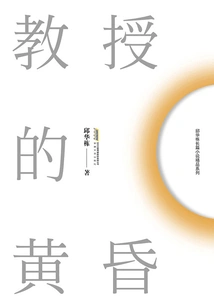
Professor's Twilight
General Fiction教授的黄昏
Qiu Huadong
This work is Qiu Huadong's most thorough writing on the changes in the lives of Beijingers who have entered the consumer era. The novel shows the various living conditions of "I", an ancient literature professor and Zhao Liang, an economics professor at a well-known university in Beijing, as well as the other side of their human nature. The novel outlines the special status of the so-called middle class of Chinese intellectuals in a delicate way, and best expresses the various contradictions and confusions of this class.
This work is Qiu Huadong's most thorough writing on the changes in the lives of Beijingers who have entered the consumer era. The novel shows the various living conditions of "I", an ancient literature professor and Zhao Liang, an economics professor at a well-known university in Beijing, as well as the other side of their human nature. The novel outlines the special status of the so-called middle class of Chinese intellectuals in a delicate way, and best expresses the various contradictions and confusions of this class.
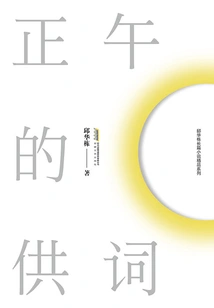
Qiu Huadong's Urban Novel Series: Confession at Noon
General Fiction邱华栋都市小说作品系列:正午的供词
Qiu Huadong
The novel describes the two decades of growth and love between a Chinese film director and a famous film star. There are seventy or eighty characters created in the work, establishing a rich gallery of literary characters; from the perspective of individual spiritual growth, it depicts the changes in Chinese society and the complexity of human nature in the past twenty years. The work is rich in content and complex in scenes. It is a work that cannot be ignored about current urban life.
The novel describes the two decades of growth and love between a Chinese film director and a famous film star. There are seventy or eighty characters created in the work, establishing a rich gallery of literary characters; from the perspective of individual spiritual growth, it depicts the changes in Chinese society and the complexity of human nature in the past twenty years. The work is rich in content and complex in scenes. It is a work that cannot be ignored about current urban life.
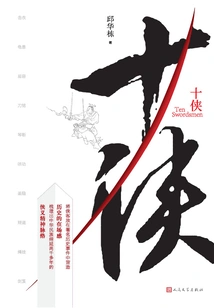
Ten Heroes
General Fiction十侠
Qiu Huadong
"Ten Heroes" is a series of short historical martial arts novels by the famous contemporary writer Qiu Huadong, including ten pieces such as "Sword Collection", "Strike on Clothes", "Listening to Gong" and "Piano Break". Each article is based on characters and stories from a certain historical period in China. It tells the stories of historical figures such as Ji Kang, and talks about the interpretation and transformation of the connotation of "xia" in various historical periods. It uses multiple puzzle-like aspects to show the richness of the historical martial arts novel itself. Each article has a unique style. For example, "Striking Clothes" is tragic and heroic; "Jian Ji" is about scholars and lively; "Brain Power" is desolate; "Listening to Gong" is orthodox; "Qin Duan" is about Ji Kang, who is quiet and relaxed. It is accompanied by twenty illustrations by artists such as Ren Xiong and Zhao Mingjun.
"Ten Heroes" is a series of short historical martial arts novels by the famous contemporary writer Qiu Huadong, including ten pieces such as "Sword Collection", "Strike on Clothes", "Listening to Gong" and "Piano Break". Each article is based on characters and stories from a certain historical period in China. It tells the stories of historical figures such as Ji Kang, and talks about the interpretation and transformation of the connotation of "xia" in various historical periods. It uses multiple puzzle-like aspects to show the richness of the historical martial arts novel itself. Each article has a unique style. For example, "Striking Clothes" is tragic and heroic; "Jian Ji" is about scholars and lively; "Brain Power" is desolate; "Listening to Gong" is orthodox; "Qin Duan" is about Ji Kang, who is quiet and relaxed. It is accompanied by twenty illustrations by artists such as Ren Xiong and Zhao Mingjun.