Library
Browse and search books
4 novels found
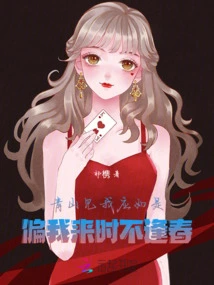
青山见我应如是,偏我来时不逢春
Qi Chang
Come to China Literature's website to read more of my works!
Come to China Literature's website to read more of my works!
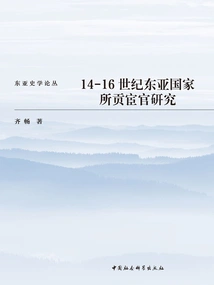
Research on the Eunuchs Paid Tribute by East Asian Countries from the 14th to the 16th Century
History14—16世纪东亚国家所贡宦官研究
Qi Chang
In the pre-modern East Asian world, "China", "Zhonghua" or "Huaxia" were more of a label for civilization, and they were quite homogeneous with neighboring Korea and Vietnam, which shared the Confucian value system of ancient China. They either call themselves Little China, or claim to be "Little China", which is true for the saying that "all the rituals, music, cultural relics, people's customs and practices are all imitated by the imperial dynasty." The eunuch system also imitated China, and eunuchs were often used as tribute. Especially during the Ming and Qing dynasties when the tributary system was the most typical, Annan and Korea, which bordered China, paid the most tribute, becoming the largest source of foreign eunuchs in the Ming Dynasty. This group of outsiders who were closest to the Ming emperor were often sent back to their place of origin as envoys, becoming the most active group on the regional stage in pre-modern East Asia. They even affected the internal affairs and diplomacy of the central dynasty and surrounding vassal states, and can provide a new entry point for interpreting regional relations in East Asia.
In the pre-modern East Asian world, "China", "Zhonghua" or "Huaxia" were more of a label for civilization, and they were quite homogeneous with neighboring Korea and Vietnam, which shared the Confucian value system of ancient China. They either call themselves Little China, or claim to be "Little China", which is true for the saying that "all the rituals, music, cultural relics, people's customs and practices are all imitated by the imperial dynasty." The eunuch system also imitated China, and eunuchs were often used as tribute. Especially during the Ming and Qing dynasties when the tributary system was the most typical, Annan and Korea, which bordered China, paid the most tribute, becoming the largest source of foreign eunuchs in the Ming Dynasty. This group of outsiders who were closest to the Ming emperor were often sent back to their place of origin as envoys, becoming the most active group on the regional stage in pre-modern East Asia. They even affected the internal affairs and diplomacy of the central dynasty and surrounding vassal states, and can provide a new entry point for interpreting regional relations in East Asia.

Linjiang Summer Cicada
Short Fiction临江夏蝉
Qi Chang
Come to China Literature's website to read more of my works!
Come to China Literature's website to read more of my works!
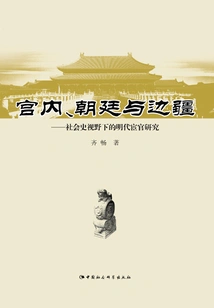
宫内、朝廷与边疆:社会史视野下的明代宦官研究
Qi Chang
Based on the overall study of the eunuch group in the Ming Dynasty, this book conducts case analysis of typical eunuchs. By comparing folk field historical materials such as eunuch epitaphs and inscriptions with official and private texts in the Ming Dynasty, we shift our focus from the political conspiracies of individual eunuchs to the personal life histories of ordinary eunuchs. We can find that the image of eunuchs we construct using social historical materials as clues is very different from previous understandings. Through the cases of eunuchs such as the Liu brothers, the Qian brothers, Gao Feng, Mai Fu, and Chen Ju, this paper examines the deeds of ethnic minority eunuchs in the Ming Dynasty and their role in the national frontier strategy in the early Ming Dynasty, the family profile of the eunuchs in the Ming Dynasty, the political situation and ecology of the eunuchs in the Jiajing Dynasty, and the complex relationship between eunuchs and the so-called Qing Dynasty courtiers, thereby reflecting on the past simple divisions of the so-called "Donglin" and "eunuch party" in the late Ming Dynasty. Eunuchs entered the political arena of the Ming Empire in a different way than courtiers. They played an important role in the Ming Dynasty's inner court, the government and the public, and even the frontiers, and were responsible for the rise and prominence of their entire family. However, precisely because of their status as eunuchs, the families who started their careers had their families' historical memories intentionally or unintentionally erased.
Based on the overall study of the eunuch group in the Ming Dynasty, this book conducts case analysis of typical eunuchs. By comparing folk field historical materials such as eunuch epitaphs and inscriptions with official and private texts in the Ming Dynasty, we shift our focus from the political conspiracies of individual eunuchs to the personal life histories of ordinary eunuchs. We can find that the image of eunuchs we construct using social historical materials as clues is very different from previous understandings. Through the cases of eunuchs such as the Liu brothers, the Qian brothers, Gao Feng, Mai Fu, and Chen Ju, this paper examines the deeds of ethnic minority eunuchs in the Ming Dynasty and their role in the national frontier strategy in the early Ming Dynasty, the family profile of the eunuchs in the Ming Dynasty, the political situation and ecology of the eunuchs in the Jiajing Dynasty, and the complex relationship between eunuchs and the so-called Qing Dynasty courtiers, thereby reflecting on the past simple divisions of the so-called "Donglin" and "eunuch party" in the late Ming Dynasty. Eunuchs entered the political arena of the Ming Empire in a different way than courtiers. They played an important role in the Ming Dynasty's inner court, the government and the public, and even the frontiers, and were responsible for the rise and prominence of their entire family. However, precisely because of their status as eunuchs, the families who started their careers had their families' historical memories intentionally or unintentionally erased.