Library
Browse and search books
58 novels found
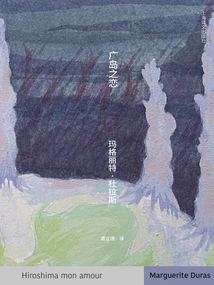
Hiroshima Love
General Fiction广岛之恋
Marguerite Duras
Marguerite Duras's masterpiece is also her most influential play; a cross-era classic that wanders between words and images; an illicit love that transcends taboos, a symphony of time and space with double trauma; a peace fable in the era of nuclear weapons, revisiting classics amid the rifts of globalization. "Hiroshima Mon Amour" is a film script written by Duras for the film of the same name and is one of her most famous masterpieces. A French actress went to Hiroshima, Japan, to shoot a film promoting peace. When the filming was about to be completed, she met a Japanese architect, and the two quickly fell in love. What she saw at the Hiroshima Museum and her love affair with a Japanese man reminded her of her experiences during World War II. Fourteen years ago, on the eve of the end of the war, she fell in love with a German soldier, and the two left France together. However, on the morning before departure, the German soldier was shot dead by cold fire. The woman was devastated by the loss of her lover, but because she fell in love with an enemy of the motherland, her head was shaved as punishment and her father imprisoned her in a cellar. The love with a Japanese man opened the floodgates of her memory. After the woman's love was destroyed, Hiroshima was also destroyed by the atomic bomb, turning the entire city into ruins.
Marguerite Duras's masterpiece is also her most influential play; a cross-era classic that wanders between words and images; an illicit love that transcends taboos, a symphony of time and space with double trauma; a peace fable in the era of nuclear weapons, revisiting classics amid the rifts of globalization. "Hiroshima Mon Amour" is a film script written by Duras for the film of the same name and is one of her most famous masterpieces. A French actress went to Hiroshima, Japan, to shoot a film promoting peace. When the filming was about to be completed, she met a Japanese architect, and the two quickly fell in love. What she saw at the Hiroshima Museum and her love affair with a Japanese man reminded her of her experiences during World War II. Fourteen years ago, on the eve of the end of the war, she fell in love with a German soldier, and the two left France together. However, on the morning before departure, the German soldier was shot dead by cold fire. The woman was devastated by the loss of her lover, but because she fell in love with an enemy of the motherland, her head was shaved as punishment and her father imprisoned her in a cellar. The love with a Japanese man opened the floodgates of her memory. After the woman's love was destroyed, Hiroshima was also destroyed by the atomic bomb, turning the entire city into ruins.
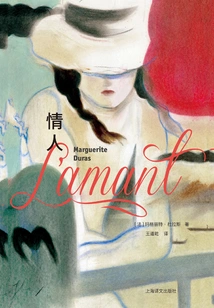
Lover (special Edition)
General Fiction情人(特精版)
Marguerite Duras
Duras's masterpiece, about a girl's growth and transformation, love and writing, Wang Daoqian's classic translation. The classic novel that influenced Wang Xiaobo's life, one of the top ten Goncourt Prize novels of the century selected by "Le Figaro Magazine", a cover created by the emerging painter Cici Suen, and the original work of the classic film "The Lover", starring Tony Leung Ka Fai as the male protagonist. "The Lover" is an autobiographical work. It is based on the life of French colonists in Vietnam. It describes the deep and hopeless love between a poor French girl and a wealthy Chinese young master. The writing touches on some of the most fundamental and secret qualities of human nature, which is thought-provoking. The emotional power that surges from beginning to end in the novel even surpasses the superb writing skills and is extremely contagious. "The Lover" won France's highest literary award, the Prix Goncourt.
Duras's masterpiece, about a girl's growth and transformation, love and writing, Wang Daoqian's classic translation. The classic novel that influenced Wang Xiaobo's life, one of the top ten Goncourt Prize novels of the century selected by "Le Figaro Magazine", a cover created by the emerging painter Cici Suen, and the original work of the classic film "The Lover", starring Tony Leung Ka Fai as the male protagonist. "The Lover" is an autobiographical work. It is based on the life of French colonists in Vietnam. It describes the deep and hopeless love between a poor French girl and a wealthy Chinese young master. The writing touches on some of the most fundamental and secret qualities of human nature, which is thought-provoking. The emotional power that surges from beginning to end in the novel even surpasses the superb writing skills and is extremely contagious. "The Lover" won France's highest literary award, the Prix Goncourt.
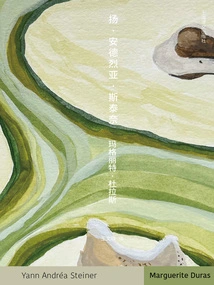
Jan Andrea Steiner
General Fiction扬·安德烈亚·斯泰奈
Marguerite Duras
Duras's late masterpiece breaks the narrative pattern of traditional novels; she writes about desire and freedom; she talks about love and herself; she directly touches the inner loneliness and longing for all souls who are unwilling to be defined; after experiencing so many days and months, perhaps very heavy years, facing the dull and tragic years of the future, and the years of enduring the long-term suffering of adolescent desires alone, you must be extremely exhausted. "Jan Andrea Steiner" is a novella written by Marguerite Duras based on her late lover Jan. The story begins in 1975. Young met Duras at the post-screening party of the film "Song of India" and began to write to her. After five years of correspondence, Duras finally made an exception and replied to him in 1980. From then on, Young officially entered Duras's life and became her assistant and companion. Duras depicts this complex and profound emotional relationship with delicate brushstrokes, integrating fiction and reality, full of poetry and music. It is not only a record of an emotion, but also a profound reflection on time, memory and creation.
Duras's late masterpiece breaks the narrative pattern of traditional novels; she writes about desire and freedom; she talks about love and herself; she directly touches the inner loneliness and longing for all souls who are unwilling to be defined; after experiencing so many days and months, perhaps very heavy years, facing the dull and tragic years of the future, and the years of enduring the long-term suffering of adolescent desires alone, you must be extremely exhausted. "Jan Andrea Steiner" is a novella written by Marguerite Duras based on her late lover Jan. The story begins in 1975. Young met Duras at the post-screening party of the film "Song of India" and began to write to her. After five years of correspondence, Duras finally made an exception and replied to him in 1980. From then on, Young officially entered Duras's life and became her assistant and companion. Duras depicts this complex and profound emotional relationship with delicate brushstrokes, integrating fiction and reality, full of poetry and music. It is not only a record of an emotion, but also a profound reflection on time, memory and creation.
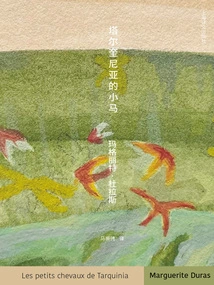
Pony of Tarquinia
General Fiction塔尔奎尼亚的小马
Marguerite Duras
Love must fully bear its boredom and everything. It can't have a holiday. Duras, a rebel of the New Novel School, explores female emotional expression and literary reflections on getting out of the dilemma of intimate relationships; a textual experiment that has a significant impact on Chinese avant-garde literature. "The Ponies of Tarquinia" tells the story of a group of vacationers who gather in a seaside town on a hot summer day. The sweltering heat casts an unsettling atmosphere on an already boring vacation. The heroine Sara has been married to her husband Jacques for many years. She is tired of the unchanging married life. Due to the trivialities of daily life and emotional alienation, the relationship between them has become tense. Sarah met a man on vacation and they fell in love at first sight. However, Sara realizes that there is no perfect love in the world, and that all love is a process in which love gradually disappears. She finally gave up on the relationship and chose to set off with her husband to Tarquinia to see the indescribably beautiful pony.
Love must fully bear its boredom and everything. It can't have a holiday. Duras, a rebel of the New Novel School, explores female emotional expression and literary reflections on getting out of the dilemma of intimate relationships; a textual experiment that has a significant impact on Chinese avant-garde literature. "The Ponies of Tarquinia" tells the story of a group of vacationers who gather in a seaside town on a hot summer day. The sweltering heat casts an unsettling atmosphere on an already boring vacation. The heroine Sara has been married to her husband Jacques for many years. She is tired of the unchanging married life. Due to the trivialities of daily life and emotional alienation, the relationship between them has become tense. Sarah met a man on vacation and they fell in love at first sight. However, Sara realizes that there is no perfect love in the world, and that all love is a process in which love gradually disappears. She finally gave up on the relationship and chose to set off with her husband to Tarquinia to see the indescribably beautiful pony.
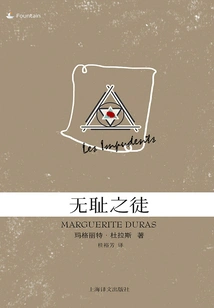
Shameless Person
General Fiction无耻之徒
Marguerite Duras
"Shameless" is Duras's debut novel. The writing is beautiful, which is very different from the sonorous and powerful works in his later period. However, the triangle relationship that haunts the author throughout his life is formed here: daughter, son, mother. The son and mother transcended the relationship between good and evil and formed a complex and strange alliance, while the little girl was forever expelled from her mother's love. This strange family, this sticky and protective ball of love and hate, becomes the theme of this book. Margaret said: "This book fell from me: fears and desires, malice stemming from a difficult childhood..." The novel has a strong autobiographical color, and its characters and concepts of love set the tone for Duras's future creations.
"Shameless" is Duras's debut novel. The writing is beautiful, which is very different from the sonorous and powerful works in his later period. However, the triangle relationship that haunts the author throughout his life is formed here: daughter, son, mother. The son and mother transcended the relationship between good and evil and formed a complex and strange alliance, while the little girl was forever expelled from her mother's love. This strange family, this sticky and protective ball of love and hate, becomes the theme of this book. Margaret said: "This book fell from me: fears and desires, malice stemming from a difficult childhood..." The novel has a strong autobiographical color, and its characters and concepts of love set the tone for Duras's future creations.

Mr Andesma's Afternoon
General Fiction昂代斯玛先生的午后
Marguerite Duras
One summer afternoon, the seventy-eight-year-old Mr. Andesma spent several hours waiting for the arrival of the terrace contractor in front of the house he bought for his beloved only daughter in the mountains. The protagonist's memories of the past, the ups and downs of his thoughts, and the interweaving of light and shadow in the mountains created a melancholy atmosphere, foreshadowing the shadowy future of an aging wealthy man.
One summer afternoon, the seventy-eight-year-old Mr. Andesma spent several hours waiting for the arrival of the terrace contractor in front of the house he bought for his beloved only daughter in the mountains. The protagonist's memories of the past, the ups and downs of his thoughts, and the interweaving of light and shadow in the mountains created a melancholy atmosphere, foreshadowing the shadowy future of an aging wealthy man.

British Mistress
General Fiction英国情妇
Marguerite Duras
After Marie-Thérèse, who was deaf and mute, was murdered, her murderer brutally cut her body into pieces and threw her body from a nearby viaduct into a train carriage passing below. The novel solves the mystery of a mutilated corpse murder case through three conversations between the mysterious man Robert, the owner of the cafe, Pierre, the victim's cousin-in-law, and Claire, the victim's cousin. Did the murderer commit this crime out of resentment, jealousy, or insanity?
After Marie-Thérèse, who was deaf and mute, was murdered, her murderer brutally cut her body into pieces and threw her body from a nearby viaduct into a train carriage passing below. The novel solves the mystery of a mutilated corpse murder case through three conversations between the mysterious man Robert, the owner of the cafe, Pierre, the victim's cousin-in-law, and Claire, the victim's cousin. Did the murderer commit this crime out of resentment, jealousy, or insanity?

Margaret Duras Works Series Set (complete Collection)
General Fiction玛格丽特·杜拉斯作品系列套装(全集)
Marguerite Duras
Margaret Duras e-book series set (14 books in total) Includes the following selected works: "Lover & Blue Eyes", "Material Life", "Summer Rain", "Jan Andrea Stenay", "The Day of the Trees", "The English Mistress", "Abarn, Sabana, David", "Hiroshima Amour", "Writing", "Pain", "Half-past Ten on a Summer Night", "The Square", "The Robbery", "The Afternoon of Monsieur Andesma".
Margaret Duras e-book series set (14 books in total) Includes the following selected works: "Lover & Blue Eyes", "Material Life", "Summer Rain", "Jan Andrea Stenay", "The Day of the Trees", "The English Mistress", "Abarn, Sabana, David", "Hiroshima Amour", "Writing", "Pain", "Half-past Ten on a Summer Night", "The Square", "The Robbery", "The Afternoon of Monsieur Andesma".
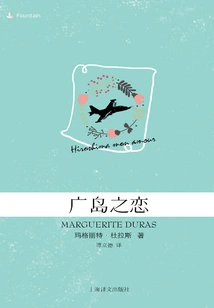
Hiroshima Mon Amour (original French Film of the Same Name)
General Fiction广岛之恋(法国同名电影原著)
Marguerite Duras
"Hiroshima Mon Amour" is a film script written by Duras for the filming of the film of the same name. It is one of her most famous masterpieces. It tells the story of the exotic love affair between a French actress filming in Japan and a Japanese architect. It intersperses the Hiroshima that suffered the atomic bomb and the tragedy of the actress's love affair with a German soldier in the French town of Nevers during World War II.
"Hiroshima Mon Amour" is a film script written by Duras for the filming of the film of the same name. It is one of her most famous masterpieces. It tells the story of the exotic love affair between a French actress filming in Japan and a Japanese architect. It intersperses the Hiroshima that suffered the atomic bomb and the tragedy of the actress's love affair with a German soldier in the French town of Nevers during World War II.