Library
Browse and search books
30 novels found
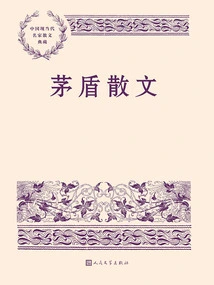
Mao Dun's Prose
Literature茅盾散文
Mao Dun
"Mao Dun's Prose" is one of the series of "Prose Collection of Modern and Contemporary Chinese Famous Masters", compiled and selected by Zhong Guisong, an expert on Mao Dun. Mao Dun's prose has the same realism qualities as his novels. It is "a sketch of ordinary life" and a true text that reflects him and the era in which he lived. His prose has a distinct imprint of the times, either describing events and scenes, or expressing lyrical discussions. His words are casual and natural, truly showing Mao Dun's thoughts, interests, and life experiences, as well as the social status quo and life styles of the era that Mao Dun experienced. Reading his prose is like opening a scroll of the times, and is a rare treasure in modern Chinese prose.
"Mao Dun's Prose" is one of the series of "Prose Collection of Modern and Contemporary Chinese Famous Masters", compiled and selected by Zhong Guisong, an expert on Mao Dun. Mao Dun's prose has the same realism qualities as his novels. It is "a sketch of ordinary life" and a true text that reflects him and the era in which he lived. His prose has a distinct imprint of the times, either describing events and scenes, or expressing lyrical discussions. His words are casual and natural, truly showing Mao Dun's thoughts, interests, and life experiences, as well as the social status quo and life styles of the era that Mao Dun experienced. Reading his prose is like opening a scroll of the times, and is a rare treasure in modern Chinese prose.
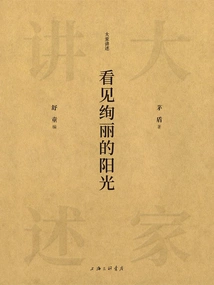
看见绚丽的阳光(大家讲述)
Mao Dun
As one of the founders of Chinese revolutionary literature and art, Mao Dun played the role of guide and explorer in the creation and research of Chinese literature. This book extracts Mao Dun's exquisite views on literary creation and literary criticism from his Chinese and foreign literary theories, and elaborates them in detail. "Interactions with Literature" tells the story of Mao Dun's own literary creation experience. "Seeing the Brilliant Sunshine" is Mao Dun's appreciation and comment on ancient Chinese classics and modern writers' works. Among them, Mao Dun's evaluation of Lu Xun's "Diary of a Madman" is "like people who have been in darkness for a long time suddenly see the splendid sunshine." "Picking the brightest stars" is Mao Dun's experience in studying world famous works. "Dialogue with the Masters of the Times" selects foreign literary masters to explore the five flavors of life behind their works. In "Words of Experience, a Golden Needle Can Save People", Mao Dun made a detailed summary of each link in literary creation. "Written to Beginner Writers" is Mao Dun's advice and guidance to young literary people on their creative journey. Mao Dun's attitude and methods towards literary creation reflect his realistic view of literature, his criticism and analysis of literary works reflect his sophisticated literary and artistic accomplishments, and his summary of writing skills and experiences reflect his objective and scientific literary trend of thought.
As one of the founders of Chinese revolutionary literature and art, Mao Dun played the role of guide and explorer in the creation and research of Chinese literature. This book extracts Mao Dun's exquisite views on literary creation and literary criticism from his Chinese and foreign literary theories, and elaborates them in detail. "Interactions with Literature" tells the story of Mao Dun's own literary creation experience. "Seeing the Brilliant Sunshine" is Mao Dun's appreciation and comment on ancient Chinese classics and modern writers' works. Among them, Mao Dun's evaluation of Lu Xun's "Diary of a Madman" is "like people who have been in darkness for a long time suddenly see the splendid sunshine." "Picking the brightest stars" is Mao Dun's experience in studying world famous works. "Dialogue with the Masters of the Times" selects foreign literary masters to explore the five flavors of life behind their works. In "Words of Experience, a Golden Needle Can Save People", Mao Dun made a detailed summary of each link in literary creation. "Written to Beginner Writers" is Mao Dun's advice and guidance to young literary people on their creative journey. Mao Dun's attitude and methods towards literary creation reflect his realistic view of literature, his criticism and analysis of literary works reflect his sophisticated literary and artistic accomplishments, and his summary of writing skills and experiences reflect his objective and scientific literary trend of thought.
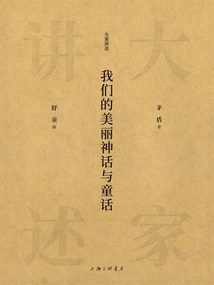
我们的美丽神话与童话(大家讲述)
Mao Dun
Mr. Mao Dun is not only a novelist, but also a fairy tale writer. He is also one of the earlier explorers and pioneers in the field of modern mythology research in my country. "Our Beautiful Myths and Fairy Tales" extracts basic viewpoints from Mr. Mao Dun's "Chinese Mythology Research", "Chinese Mythology Research ABC", "Norse Mythology ABC" and other mythology research works, discusses Chinese and foreign mythology theories, and selects classic mythology stories from China, Greece, Rome and Nordic countries for discussion and analysis. In addition, this book also includes more than twenty fairy tales from "Fairy Tales Volume 1" written by Mao Dun. Mao Dun's children's literature is the most educational part of his creation. Mr. Mao Dun's systematic research on Chinese and foreign mythology and rich theoretical writings reflect the splendid history of world mythology and the pioneering work of Chinese mythology research. His creations also reflect Mr. Mao Dun's hard work and achievements in the field of fairy tales.
Mr. Mao Dun is not only a novelist, but also a fairy tale writer. He is also one of the earlier explorers and pioneers in the field of modern mythology research in my country. "Our Beautiful Myths and Fairy Tales" extracts basic viewpoints from Mr. Mao Dun's "Chinese Mythology Research", "Chinese Mythology Research ABC", "Norse Mythology ABC" and other mythology research works, discusses Chinese and foreign mythology theories, and selects classic mythology stories from China, Greece, Rome and Nordic countries for discussion and analysis. In addition, this book also includes more than twenty fairy tales from "Fairy Tales Volume 1" written by Mao Dun. Mao Dun's children's literature is the most educational part of his creation. Mr. Mao Dun's systematic research on Chinese and foreign mythology and rich theoretical writings reflect the splendid history of world mythology and the pioneering work of Chinese mythology research. His creations also reflect Mr. Mao Dun's hard work and achievements in the field of fairy tales.
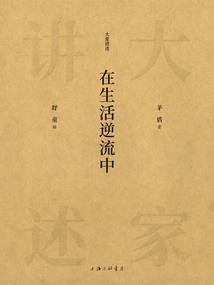
在生活逆流中(大家讲述)
Mao Dun
After the outbreak of the Anti-Japanese War, Mao Dun, like the mobile literati of that era, visited Hong Kong, Xinjiang, Yan'an, Guilin, Chongqing and other places. With the war continuing and crises everywhere, Mao Dun was trapped in a social whirlpool full of contradictions and lived a life of upheaval. During this period, he made friends with many celebrities in the literary and artistic circles. This book is based on "The Complete Works of Mao Dun" and tells the story of Mao Dun's interactions with many old friends and new acquaintances from the 1920s to the 1940s. He reviewed the daily trivial matters with close friends such as Lu Xun, Zou Taofen, and Shen Junru, recalled the heroic sentiments of Qu Qiubai, Zhu Ziqing, Xian Xinghai, and other old friends, expressed his gratitude for the ups and downs of women such as Xiao Hong, Ding Ling, and Lu Yin, and recorded the anecdotes of Xiao Chunu, Ma Da, Sun Yuxiu, and others. Some of them had fled together, some were in the same literary camp, some had worked together, and some were fellow comrades in the revolutionary cause. The interactions with these friends, and the constant strengthening of revolutionary beliefs in the interactions, became a strong force supporting Mao Dun to continue going against the tide of life.
After the outbreak of the Anti-Japanese War, Mao Dun, like the mobile literati of that era, visited Hong Kong, Xinjiang, Yan'an, Guilin, Chongqing and other places. With the war continuing and crises everywhere, Mao Dun was trapped in a social whirlpool full of contradictions and lived a life of upheaval. During this period, he made friends with many celebrities in the literary and artistic circles. This book is based on "The Complete Works of Mao Dun" and tells the story of Mao Dun's interactions with many old friends and new acquaintances from the 1920s to the 1940s. He reviewed the daily trivial matters with close friends such as Lu Xun, Zou Taofen, and Shen Junru, recalled the heroic sentiments of Qu Qiubai, Zhu Ziqing, Xian Xinghai, and other old friends, expressed his gratitude for the ups and downs of women such as Xiao Hong, Ding Ling, and Lu Yin, and recorded the anecdotes of Xiao Chunu, Ma Da, Sun Yuxiu, and others. Some of them had fled together, some were in the same literary camp, some had worked together, and some were fellow comrades in the revolutionary cause. The interactions with these friends, and the constant strengthening of revolutionary beliefs in the interactions, became a strong force supporting Mao Dun to continue going against the tide of life.
Midnight
General Fiction子夜
Mao Dun
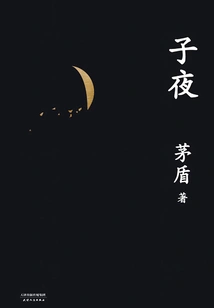
"Midnight" is a masterpiece by the famous writer Mao Dun. The novel is set in the semi-feudal and semi-colonial old Shanghai in May and June of 1930, with the national capitalist Wu Sunfu as the center, and describes various contradictions and struggles in Chinese society at that time. Not only does it have a wide range of readers in China, but it has also been translated into more than a dozen languages including English, German, Russian, and Japanese, and has had extensive international influence.
"Midnight" is a masterpiece by the famous writer Mao Dun. The novel is set in the semi-feudal and semi-colonial old Shanghai in May and June of 1930, with the national capitalist Wu Sunfu as the center, and describes various contradictions and struggles in Chinese society at that time. Not only does it have a wide range of readers in China, but it has also been translated into more than a dozen languages including English, German, Russian, and Japanese, and has had extensive international influence.
Linjiapuzi
General Fiction林家铺子
Mao Dun
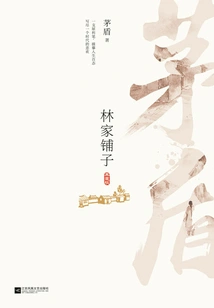
"Lin's Shop" presents a long historical scroll of the 1930s, vividly showing the social reality of the national capitalists who finally went bankrupt in the 1930s due to war, extortion by the party, exploitation by loan sharks, and pressure from their peers. The characters created in the novel are distinct, and the plots are ups and downs and interlocking.
"Lin's Shop" presents a long historical scroll of the 1930s, vividly showing the social reality of the national capitalists who finally went bankrupt in the 1930s due to war, extortion by the party, exploitation by loan sharks, and pressure from their peers. The characters created in the novel are distinct, and the plots are ups and downs and interlocking.
Lin's Shop: Mao Dun's Collection
General Fiction林家铺子:茅盾精选集
Mao Dun
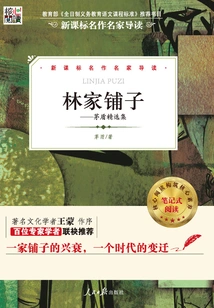
"Lin's Shop" is set in the rural areas of Jiangsu and Zhejiang before and after the "December 128" Shanghai War in 1932. At that time, it was subject to military and economic aggression by Japanese imperialism, extortion by Kuomintang officials, exploitation by landlords and loan sharks, social unrest, and people's livelihood. Through the collapse of Lin's shop, the novel reflects the bad luck of national business bankruptcy. In addition to "Lin's Shop", this book also contains another short story "Spring Silkworms" by Mr. Mao Dun.
"Lin's Shop" is set in the rural areas of Jiangsu and Zhejiang before and after the "December 128" Shanghai War in 1932. At that time, it was subject to military and economic aggression by Japanese imperialism, extortion by Kuomintang officials, exploitation by landlords and loan sharks, social unrest, and people's livelihood. Through the collapse of Lin's shop, the novel reflects the bad luck of national business bankruptcy. In addition to "Lin's Shop", this book also contains another short story "Spring Silkworms" by Mr. Mao Dun.
茅盾散文选(走进名家 重温经典)
Mao Dun
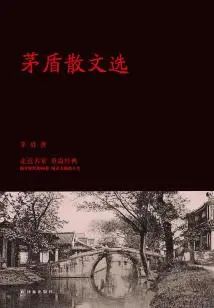
This book is a collection of Mao Dun's prose. Mr. Mao Dun said: "These articles are like diaries. It goes without saying that the words are not beautiful; they are just sketches of ordinary life, let alone have any mysterious artistic conception. If readers look at a corner of today's society, they may still be able to get a glimpse of it. But if you want to read it as prose, I'm afraid you will be disappointed. "What Mr. Wang said is naturally modest. In fact, his prose is meticulous and every word is derived from daily life but transcends daily life. The characters and society he describes are still around us today. These articles are a notebook of his life and a sketchbook of the world. They are rare treasures in modern Chinese prose.
This book is a collection of Mao Dun's prose. Mr. Mao Dun said: "These articles are like diaries. It goes without saying that the words are not beautiful; they are just sketches of ordinary life, let alone have any mysterious artistic conception. If readers look at a corner of today's society, they may still be able to get a glimpse of it. But if you want to read it as prose, I'm afraid you will be disappointed. "What Mr. Wang said is naturally modest. In fact, his prose is meticulous and every word is derived from daily life but transcends daily life. The characters and society he describes are still around us today. These articles are a notebook of his life and a sketchbook of the world. They are rare treasures in modern Chinese prose.
Eclipse
General Fiction蚀
Mao Dun
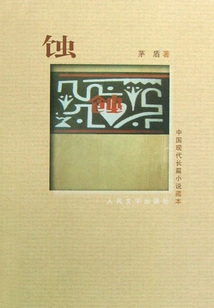
"Eclipse" consists of three slightly continuous novels: "Disillusionment", "Shaking", and "Pursuit", which take the ideological dynamics and life experiences of certain petty-bourgeois intellectual youths before and after the Great Revolution as their subject matter.
"Eclipse" consists of three slightly continuous novels: "Disillusionment", "Shaking", and "Pursuit", which take the ideological dynamics and life experiences of certain petty-bourgeois intellectual youths before and after the Great Revolution as their subject matter.
沙滩上的脚迹:茅盾散文
Mao Dun
Mao Dun's prose reflects the times, but also transcends the times. Most of his early prose are short in length, symbolizing the anguish of the times through small life silhouettes. He used words to sketch social life, and his observation of life was meticulous. In his writings, social life scenes rich in the characteristics of the times are rich and diverse, and they appear vividly on the page. "Footprints on the Beach - Mao Dun's Prose" collects Mao Dun's classic prose masterpieces, which include feelings about the war years, praise of natural scenery, reminiscences of human affairs, and thoughts on life and literature, which will help readers have a more comprehensive understanding of Mao Dun's artistic style and writing characteristics.
Mao Dun's prose reflects the times, but also transcends the times. Most of his early prose are short in length, symbolizing the anguish of the times through small life silhouettes. He used words to sketch social life, and his observation of life was meticulous. In his writings, social life scenes rich in the characteristics of the times are rich and diverse, and they appear vividly on the page. "Footprints on the Beach - Mao Dun's Prose" collects Mao Dun's classic prose masterpieces, which include feelings about the war years, praise of natural scenery, reminiscences of human affairs, and thoughts on life and literature, which will help readers have a more comprehensive understanding of Mao Dun's artistic style and writing characteristics.
大地山河:茅盾散文精选
Mao Dun
This book contains more than 60 essences of prose by Mao Dun, a master of modern literature, including "Praise to Poplars", "Skylight", "Remembering Xian Xinghai", "Mountains and Rivers of the Earth", "Winter", etc. Some of the chapters have been selected as Chinese textbooks for primary and secondary schools and are literary classics that accompany the growth of a generation. Mao Dun's prose has formed a distinctive narrative method. He is good at using narrative techniques of using objects to express emotions and using reality to set off imaginary. His writing is delicate, profound and powerful. This book is both a "sketchbook" depicting the mountains and rivers of the motherland and a "notebook" reproducing Mao Dun's life history. It fully demonstrates Mr. Mao Dun's profound literary attainments and is a rare treasure in modern Chinese prose.
This book contains more than 60 essences of prose by Mao Dun, a master of modern literature, including "Praise to Poplars", "Skylight", "Remembering Xian Xinghai", "Mountains and Rivers of the Earth", "Winter", etc. Some of the chapters have been selected as Chinese textbooks for primary and secondary schools and are literary classics that accompany the growth of a generation. Mao Dun's prose has formed a distinctive narrative method. He is good at using narrative techniques of using objects to express emotions and using reality to set off imaginary. His writing is delicate, profound and powerful. This book is both a "sketchbook" depicting the mountains and rivers of the motherland and a "notebook" reproducing Mao Dun's life history. It fully demonstrates Mr. Mao Dun's profound literary attainments and is a rare treasure in modern Chinese prose.
茅盾经典作品集(套装5册)
Mao Dun
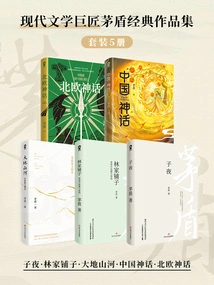
"Collection of Mao Dun's Classic Works (5 volumes in total)" includes "Midnight", "Lin's Shop: Selected Novels and Short Stories by Mao Dun", "The Mountains and Rivers of the Earth: Selected Prose by Mao Dun", "Chinese Mythology" and "Norse Mythology".
"Collection of Mao Dun's Classic Works (5 volumes in total)" includes "Midnight", "Lin's Shop: Selected Novels and Short Stories by Mao Dun", "The Mountains and Rivers of the Earth: Selected Prose by Mao Dun", "Chinese Mythology" and "Norse Mythology".
Norse Mythology
Literature北欧神话
Mao Dun
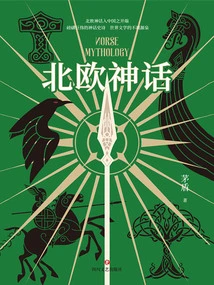
The beginning of Norse mythology entering China! More than 90 years ago, the cultural treasure of Nordic mythology was first introduced into the country by Mr. Mao Dun, and the towering mountains of world mythology have since taken root. After the baptism of time, it looks like new, influencing many scholars in later generations. Mr. Mao Dun introduced the personality traits and functions of the Nordic gods in a vivid way, and narrated many interesting stories that happened to them. A majestic picture of the world of ice and fire unfolded. At the same time, Mr. Mao Dun analyzed and traced the origin of myths based on the background of the times, historical factors, and geographical environment, providing academically innovative perspectives. As my country's first classic to introduce and study Nordic mythology, it still has strong vitality and is also of pioneering significance in the fields of comparative literature and world literature research in my country.
The beginning of Norse mythology entering China! More than 90 years ago, the cultural treasure of Nordic mythology was first introduced into the country by Mr. Mao Dun, and the towering mountains of world mythology have since taken root. After the baptism of time, it looks like new, influencing many scholars in later generations. Mr. Mao Dun introduced the personality traits and functions of the Nordic gods in a vivid way, and narrated many interesting stories that happened to them. A majestic picture of the world of ice and fire unfolded. At the same time, Mr. Mao Dun analyzed and traced the origin of myths based on the background of the times, historical factors, and geographical environment, providing academically innovative perspectives. As my country's first classic to introduce and study Nordic mythology, it still has strong vitality and is also of pioneering significance in the fields of comparative literature and world literature research in my country.
Midnight
General Fiction子夜
Mao Dun
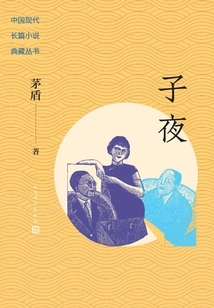
The creation of novels in our country has a long history, and novels in the modern sense were produced under the influence of the interaction between Chinese and foreign literature after the May 4th New Literature Movement. "Midnight", as Mao Dun's masterpiece, was the product of such historical conditions. The work was originally created in October 1931 and was completed on December 5, 1932, with a total of nineteen chapters. Some chapters have been published in "Novel Monthly" and "Literary Monthly" respectively. The novel is set in old Shanghai in May and June of 1930, with the national capitalist Wu Sunfu as the center. It describes the conflicts of various characters in Chinese society at that time, the entanglement of various classes, the intersection of various ideological trends, and the collision of various contradictions. For more than half a century, "Midnight" has not only enjoyed a wide range of readers in China, but has also been translated into more than a dozen languages including English, German, Russian, and Japanese, producing extensive international influence.
The creation of novels in our country has a long history, and novels in the modern sense were produced under the influence of the interaction between Chinese and foreign literature after the May 4th New Literature Movement. "Midnight", as Mao Dun's masterpiece, was the product of such historical conditions. The work was originally created in October 1931 and was completed on December 5, 1932, with a total of nineteen chapters. Some chapters have been published in "Novel Monthly" and "Literary Monthly" respectively. The novel is set in old Shanghai in May and June of 1930, with the national capitalist Wu Sunfu as the center. It describes the conflicts of various characters in Chinese society at that time, the entanglement of various classes, the intersection of various ideological trends, and the collision of various contradictions. For more than half a century, "Midnight" has not only enjoyed a wide range of readers in China, but has also been translated into more than a dozen languages including English, German, Russian, and Japanese, producing extensive international influence.
子夜全二册(人文经典文库)
Mao Dun
"Midnight", formerly known as "Sunset", is Mao Dun's masterpiece novel and has epoch-making significance in the history of modern Chinese literature. It was first published by Kaiming Bookstore in January 1933, and that year was called the "Midnight Year". In the 1930s, in order to revitalize the national industry, Wu Sunfu, a national capitalist in Shanghai, teamed up with his peers to establish Yizhong Trust Company, annexed many small factories, and cooperated with comprador capitalist Zhao Botao in public debt speculation. However, Zhao Botao secretly manipulated the market, causing Wu Sunfu to be strapped for funds. At the same time, peasant riots broke out in Wu Sunfu's hometown, and factory workers went on strike many times. In the end, when Wu Sunfu had a decisive battle with Zhao Botao in the public bond market, his brother-in-law Du Zhuzhai turned against him and went completely bankrupt, and all his ambitions came to nothing. "Midnight" has been loved by generations of readers for more than 90 years since its publication. It has been translated into more than a dozen languages and has a huge influence.
"Midnight", formerly known as "Sunset", is Mao Dun's masterpiece novel and has epoch-making significance in the history of modern Chinese literature. It was first published by Kaiming Bookstore in January 1933, and that year was called the "Midnight Year". In the 1930s, in order to revitalize the national industry, Wu Sunfu, a national capitalist in Shanghai, teamed up with his peers to establish Yizhong Trust Company, annexed many small factories, and cooperated with comprador capitalist Zhao Botao in public debt speculation. However, Zhao Botao secretly manipulated the market, causing Wu Sunfu to be strapped for funds. At the same time, peasant riots broke out in Wu Sunfu's hometown, and factory workers went on strike many times. In the end, when Wu Sunfu had a decisive battle with Zhao Botao in the public bond market, his brother-in-law Du Zhuzhai turned against him and went completely bankrupt, and all his ambitions came to nothing. "Midnight" has been loved by generations of readers for more than 90 years since its publication. It has been translated into more than a dozen languages and has a huge influence.
Lin's Shop: Mao Dun's Little Classic
General Fiction林家铺子:茅盾小经典
Mao Dun
This book selects Mao Dun's short stories such as "Lin's Shop", "Spring Silkworms", "Autumn Harvest", "End of Winter", "The Story of Big Nose", prose "Praise to Poplars", "Scenery Talk", "Skylight", "Before the Thunderstorm", "The Whistle Selling Tofu", literary theory "Preface", etc., In order to give readers an understanding of Mao Dun's short classic creations. Many of these works are included in Chinese textbooks at all levels or designated as Chinese extracurricular readings.
This book selects Mao Dun's short stories such as "Lin's Shop", "Spring Silkworms", "Autumn Harvest", "End of Winter", "The Story of Big Nose", prose "Praise to Poplars", "Scenery Talk", "Skylight", "Before the Thunderstorm", "The Whistle Selling Tofu", literary theory "Preface", etc., In order to give readers an understanding of Mao Dun's short classic creations. Many of these works are included in Chinese textbooks at all levels or designated as Chinese extracurricular readings.
现代文学巨匠茅盾经典作品集(套装2册)
Mao Dun
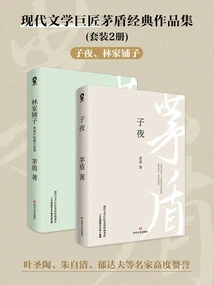
This set includes "Midnight" and "Lin's Shop". "Midnight", formerly known as "Sunset", is set in the semi-feudal and semi-colonial old Shanghai in May and June of 1930. It depicts characters from all walks of life, including businessmen, soldiers, educated youth, socialites, elderly people, workers and other people, and shows a broad picture of social life in old China in the 1930s. "Lin's Shop: Selected Novels and Short Stories by Mao Dun" is a collection of works by writer Mao Dun. Among them, "Lin's Shop" is Mao Dun's representative short story. Its original name was "Bankruptcy". It is set in the rural areas of Jiangsu and Zhejiang before and after the "January 28th" Incident in 1932. Through the process of Lin's Shop from struggling to closing down, it outlines a picture of the exploitation and oppression of small business practitioners in the old society of the 1930s, reflecting the background and social tragedy of the time.
This set includes "Midnight" and "Lin's Shop". "Midnight", formerly known as "Sunset", is set in the semi-feudal and semi-colonial old Shanghai in May and June of 1930. It depicts characters from all walks of life, including businessmen, soldiers, educated youth, socialites, elderly people, workers and other people, and shows a broad picture of social life in old China in the 1930s. "Lin's Shop: Selected Novels and Short Stories by Mao Dun" is a collection of works by writer Mao Dun. Among them, "Lin's Shop" is Mao Dun's representative short story. Its original name was "Bankruptcy". It is set in the rural areas of Jiangsu and Zhejiang before and after the "January 28th" Incident in 1932. Through the process of Lin's Shop from struggling to closing down, it outlines a picture of the exploitation and oppression of small business practitioners in the old society of the 1930s, reflecting the background and social tragedy of the time.
Corrosion
General Fiction腐蚀
Mao Dun
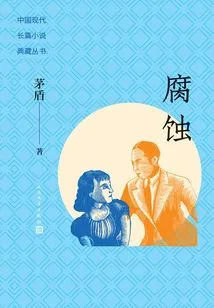
The creation of novels in our country has a long history, and novels in the modern sense were produced under the influence of the interaction between Chinese and foreign literature after the May 4th New Literature Movement. This book is also a product of this historical condition. This is a novel written by Mao Dun during the Anti-Japanese War. He started writing it in the summer of 1941 and published it continuously in "Popular Life" edited by Zou Taofen. The work is set in Chongqing from September 1940 to February 1941, and describes the experience of a female spy, Zhao Huiming. In terms of style, it is in the form of a diary, through the heroine's contradictory and complex psychological activities and descriptions, and presents major historical events such as the "Southern Anhui Incident". The work not only describes the complex life and psychological state of Zhao Huiming, a female Kuomintang agent, but also focuses on criticizing the various evil deeds of the Kuomintang agents.
The creation of novels in our country has a long history, and novels in the modern sense were produced under the influence of the interaction between Chinese and foreign literature after the May 4th New Literature Movement. This book is also a product of this historical condition. This is a novel written by Mao Dun during the Anti-Japanese War. He started writing it in the summer of 1941 and published it continuously in "Popular Life" edited by Zou Taofen. The work is set in Chongqing from September 1940 to February 1941, and describes the experience of a female spy, Zhao Huiming. In terms of style, it is in the form of a diary, through the heroine's contradictory and complex psychological activities and descriptions, and presents major historical events such as the "Southern Anhui Incident". The work not only describes the complex life and psychological state of Zhao Huiming, a female Kuomintang agent, but also focuses on criticizing the various evil deeds of the Kuomintang agents.
Lin's Shop: Selected Novels and Short Stories by Mao Dun
General Fiction林家铺子:茅盾中短篇小说选
Mao Dun
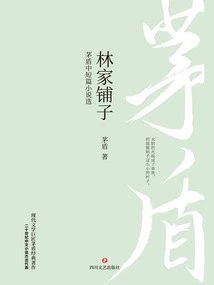
"Lin's Shop: Selected Novels and Novels by Mao Dun" is a collection of works by the famous Chinese writer Mao Dun. Among them, "Lin's Shop" is Mao Dun's representative short story. Its original name was "Bankruptcy". It is set in the rural areas of Jiangsu and Zhejiang before and after the "January 28th" Incident in 1932. Through the process of Lin's Shop from struggling to closing down, it outlines a picture of the exploitation and oppression of small business practitioners in the old society of the 1930s, reflecting the background and social tragedy of the time. This book also includes Mao Dun's popular classic novels, including "Spring Silkworms", "Autumn Harvest", "Last Winter" and other works. The language of the work is simple and philosophical. Mao Dun uses his profound insights to elucidate his inner depression and deep thinking about human nature.
"Lin's Shop: Selected Novels and Novels by Mao Dun" is a collection of works by the famous Chinese writer Mao Dun. Among them, "Lin's Shop" is Mao Dun's representative short story. Its original name was "Bankruptcy". It is set in the rural areas of Jiangsu and Zhejiang before and after the "January 28th" Incident in 1932. Through the process of Lin's Shop from struggling to closing down, it outlines a picture of the exploitation and oppression of small business practitioners in the old society of the 1930s, reflecting the background and social tragedy of the time. This book also includes Mao Dun's popular classic novels, including "Spring Silkworms", "Autumn Harvest", "Last Winter" and other works. The language of the work is simple and philosophical. Mao Dun uses his profound insights to elucidate his inner depression and deep thinking about human nature.
Mao Dun's Novels
General Fiction茅盾小说集
Mao Dun
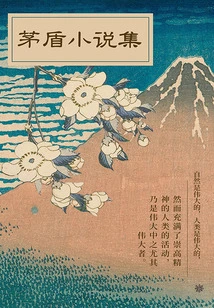
Mao Dun: a famous modern Chinese writer, literary critic, cultural activist and social activist. His representative works include "Midnight", "Spring Silkworms", "Autumn Harvest", "End of Winter", "Lin's Shop", etc.
Mao Dun: a famous modern Chinese writer, literary critic, cultural activist and social activist. His representative works include "Midnight", "Spring Silkworms", "Autumn Harvest", "End of Winter", "Lin's Shop", etc.
Linjiapuzi Spring Silkworms
General Fiction林家铺子 春蚕
Mao Dun
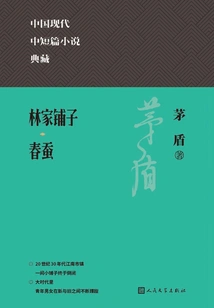
This book selects Mao Dun's short stories and short stories such as "Creation", "Poetry and Prose", "Lin's Shop", "Spring Silkworms", "Mr. Zhao Can't Figure It Out", "An Ideal Hits a Wall", etc., Which can cover Mao Dun's representative achievements in short stories and short stories: some of these works describe the delicate psychology of new women who are unwilling to be transformed by men and pursue freedom; some tell the story of men after the May Fourth Movement who finally chose an official career after swinging between the old and new women of "poetry" and "prose". "Epic" process; there are also historical novels "Daze Township" that interacted with the social reality at that time; "Lin's Shop" and "Spring Silkworms" series describe the experiences of small towns and villages near Shanghai in the early 1930s due to war, economic depression, and the invasion of foreign capital. It profoundly reveals the impact of the war in Shanghai and the fragility of the national economy, and portrays the character and image of boss Lin, Lao Tongbao and other diligent old-generation small businessmen and farmers.
This book selects Mao Dun's short stories and short stories such as "Creation", "Poetry and Prose", "Lin's Shop", "Spring Silkworms", "Mr. Zhao Can't Figure It Out", "An Ideal Hits a Wall", etc., Which can cover Mao Dun's representative achievements in short stories and short stories: some of these works describe the delicate psychology of new women who are unwilling to be transformed by men and pursue freedom; some tell the story of men after the May Fourth Movement who finally chose an official career after swinging between the old and new women of "poetry" and "prose". "Epic" process; there are also historical novels "Daze Township" that interacted with the social reality at that time; "Lin's Shop" and "Spring Silkworms" series describe the experiences of small towns and villages near Shanghai in the early 1930s due to war, economic depression, and the invasion of foreign capital. It profoundly reveals the impact of the war in Shanghai and the fragility of the national economy, and portrays the character and image of boss Lin, Lao Tongbao and other diligent old-generation small businessmen and farmers.
Midnight
General Fiction子夜
Mao Dun
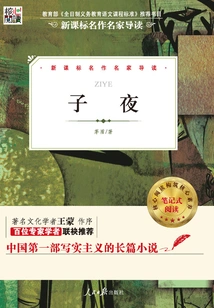
"Midnight" is a novel by Mr. Mao Dun. The story in the book takes place in Shanghai in 1930. It takes the contradictions and struggles between the national industrial capitalist Wu Sunfu and the comprador financial capitalist Zhao Botao as the main line, vividly and profoundly reflecting the social outlook at that time. Although Wu Sunfu and his accomplices tried their best and struggled desperately, they did not change the fate of complete failure in the end. This tragedy shows that China's national industry will never develop under imperialist aggression, control, and oppression.
"Midnight" is a novel by Mr. Mao Dun. The story in the book takes place in Shanghai in 1930. It takes the contradictions and struggles between the national industrial capitalist Wu Sunfu and the comprador financial capitalist Zhao Botao as the main line, vividly and profoundly reflecting the social outlook at that time. Although Wu Sunfu and his accomplices tried their best and struggled desperately, they did not change the fate of complete failure in the end. This tragedy shows that China's national industry will never develop under imperialist aggression, control, and oppression.
Midnight
General Fiction子夜
Mao Dun
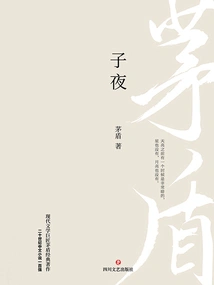
"Midnight", formerly known as "Sunset", is set in the semi-feudal and semi-colonial old Shanghai in May and June of 1930. It depicts characters from all walks of life, including businessmen, soldiers, educated youth, socialites, elderly people, workers and other people, and shows a broad picture of social life in old China in the 1930s. In the harsh situation of warlord fighting and rural bankruptcy, Wu Sunfu tried his best to revitalize national industry, stepped up oppression of workers, and engaged in public debt speculation. However, under the strong economic constraints of his opponent Zhao Botao, he was ultimately defeated and completely bankrupt. For more than half a century, "Midnight" has not only had a large number of readers in China, but has also been translated into more than a dozen languages including English, German, Russian, and Japanese, producing extensive international influence.
"Midnight", formerly known as "Sunset", is set in the semi-feudal and semi-colonial old Shanghai in May and June of 1930. It depicts characters from all walks of life, including businessmen, soldiers, educated youth, socialites, elderly people, workers and other people, and shows a broad picture of social life in old China in the 1930s. In the harsh situation of warlord fighting and rural bankruptcy, Wu Sunfu tried his best to revitalize national industry, stepped up oppression of workers, and engaged in public debt speculation. However, under the strong economic constraints of his opponent Zhao Botao, he was ultimately defeated and completely bankrupt. For more than half a century, "Midnight" has not only had a large number of readers in China, but has also been translated into more than a dozen languages including English, German, Russian, and Japanese, producing extensive international influence.
茅盾作品精选集(套装共3册)
Mao Dun
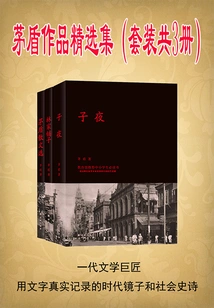
"Midnight" was originally called "Sunset". It is set in the semi-feudal and semi-colonial old Shanghai from May to June 1930. It depicts characters from all walks of life, including businessmen, soldiers, educated youth, socialites, elderly people, workers, etc., And shows a broad picture of social life in old China in the 1930s. In the harsh situation of warlords' melee and workers' strikes, Wu Sunfu tried his best to revitalize national industry, stepped up oppression of workers, and engaged in public debt speculation. However, under the strong economic constraints of his opponent Zhao Botao, he was ultimately defeated and completely bankrupt. "Lin's Shop" was originally called "Bankruptcy". It is set in the rural areas of Jiangsu and Zhejiang before and after the "January 28th" Incident in 1932. Through the process of Lin's Shop from struggling to bankruptcy, it reveals the bad luck of national businesses going bankrupt. In 1959, writer Xia Yan adapted it into a script, and the film of the same name became a screen classic. "Selected Prose by Mao Dun: Entering Famous Writers and Revisiting Classics" is a collection of selected prose by Mao Dun. Mr. Mao Dun said: "These articles are like diaries. It goes without saying that the words are not beautiful; they are nothing more than sketches of ordinary life, let alone any mysterious artistic conception. If readers look at a corner of today's society, they may be able to get a glimpse of it, but if they read it as prose, I am afraid they will be disappointed." These articles are the notebooks of his life and sketchbooks of the world. They are rare treasures in modern Chinese prose.
"Midnight" was originally called "Sunset". It is set in the semi-feudal and semi-colonial old Shanghai from May to June 1930. It depicts characters from all walks of life, including businessmen, soldiers, educated youth, socialites, elderly people, workers, etc., And shows a broad picture of social life in old China in the 1930s. In the harsh situation of warlords' melee and workers' strikes, Wu Sunfu tried his best to revitalize national industry, stepped up oppression of workers, and engaged in public debt speculation. However, under the strong economic constraints of his opponent Zhao Botao, he was ultimately defeated and completely bankrupt. "Lin's Shop" was originally called "Bankruptcy". It is set in the rural areas of Jiangsu and Zhejiang before and after the "January 28th" Incident in 1932. Through the process of Lin's Shop from struggling to bankruptcy, it reveals the bad luck of national businesses going bankrupt. In 1959, writer Xia Yan adapted it into a script, and the film of the same name became a screen classic. "Selected Prose by Mao Dun: Entering Famous Writers and Revisiting Classics" is a collection of selected prose by Mao Dun. Mr. Mao Dun said: "These articles are like diaries. It goes without saying that the words are not beautiful; they are nothing more than sketches of ordinary life, let alone any mysterious artistic conception. If readers look at a corner of today's society, they may be able to get a glimpse of it, but if they read it as prose, I am afraid they will be disappointed." These articles are the notebooks of his life and sketchbooks of the world. They are rare treasures in modern Chinese prose.
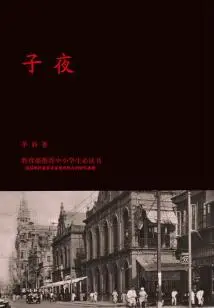
子夜(走进名家 重温经典)
Mao Dun
"Midnight", formerly known as "Sunset", is set in the semi-feudal and semi-colonial old Shanghai from May to June 1930. It depicts characters from all walks of life, including businessmen, soldiers, intellectual youths, socialites, elderly people, workers, etc., Showing a broad picture of social life in old China in the 1930s. In the harsh situation of warlords' melee and workers' strikes, Wu Sunfu tried his best to revitalize national industry, stepped up oppression of workers, and engaged in public debt speculation. However, under the strong economic constraints of his opponent Zhao Botao, he was ultimately defeated and completely bankrupt. For more than half a century, "Midnight" has not only enjoyed a wide range of readers in China, but has also been translated into more than a dozen languages including English, German, Russian, and Japanese, producing extensive international influence.
"Midnight", formerly known as "Sunset", is set in the semi-feudal and semi-colonial old Shanghai from May to June 1930. It depicts characters from all walks of life, including businessmen, soldiers, intellectual youths, socialites, elderly people, workers, etc., Showing a broad picture of social life in old China in the 1930s. In the harsh situation of warlords' melee and workers' strikes, Wu Sunfu tried his best to revitalize national industry, stepped up oppression of workers, and engaged in public debt speculation. However, under the strong economic constraints of his opponent Zhao Botao, he was ultimately defeated and completely bankrupt. For more than half a century, "Midnight" has not only enjoyed a wide range of readers in China, but has also been translated into more than a dozen languages including English, German, Russian, and Japanese, producing extensive international influence.
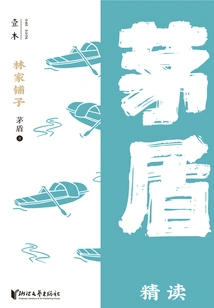
林家铺子:茅盾精读
Mao Dun
"Lin's Shop: Mao Dun's Intensive Reading" is a selection of Mao Dun's short stories and representative works of prose. Mao Dun inherited the realist spirit of the "Life School" of the Literary Research Association during the "May 4th" period, developed it, and established a revolutionary realist literary model that was brand new at the time. He was the founder of the "Social Analysis School of Novels." His novels are good at focusing on the big picture, writing on the small, and using small characters to observe the big era; many of his essays have been selected as Chinese textbooks compiled by the Ministry of Education, such as "Skylight", "Spring Festival in Beijing", "Praise to Poplar", etc. This book includes his famous novel "Lin's Shop" and "Spring Silkworms" and "Autumn Harvest" of the "Rural Trilogy", as well as his famous prose works "Praise to Poplar" and "Skylight" and other classic works.
"Lin's Shop: Mao Dun's Intensive Reading" is a selection of Mao Dun's short stories and representative works of prose. Mao Dun inherited the realist spirit of the "Life School" of the Literary Research Association during the "May 4th" period, developed it, and established a revolutionary realist literary model that was brand new at the time. He was the founder of the "Social Analysis School of Novels." His novels are good at focusing on the big picture, writing on the small, and using small characters to observe the big era; many of his essays have been selected as Chinese textbooks compiled by the Ministry of Education, such as "Skylight", "Spring Festival in Beijing", "Praise to Poplar", etc. This book includes his famous novel "Lin's Shop" and "Spring Silkworms" and "Autumn Harvest" of the "Rural Trilogy", as well as his famous prose works "Praise to Poplar" and "Skylight" and other classic works.
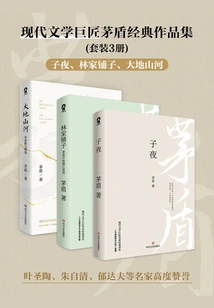
现代文学巨匠茅盾经典作品集(套装3册)
Mao Dun
This set includes "Midnight", "Lin's Shop: Selected Novels and Novels by Mao Dun", and "Mountains and Rivers of the Earth: Selected Prose by Mao Dun". "Midnight" is a novel that vividly depicts characters from all walks of life such as businessmen, soldiers, educated youths, socialites, elderly people, workers, etc. It reflects the face of Chinese society when the revolution developed in depth around 1930 and sparked a prairie fire. "Lin's Shop: Selected Novels and Novels by Mao Dun" uses the story of Lin's Shop from struggle to bankruptcy to outline a picture of the exploitation and oppression of small business practitioners in the old society of the 1930s, reflecting the background and social tragedy of the time. "The Great Land, Mountains and Rivers: Selected Prose by Mao Dun" contains more than 60 essences of Mao Dun's lifelong prose, including "Praise to Poplars", "Skylight", "Reminiscences of Xian Xinghai", "The Great Land, Mountains and Rivers", "Winter", etc. Some of the chapters have been selected as Chinese textbooks for primary and secondary schools and are literary classics that accompany the growth of a generation.
This set includes "Midnight", "Lin's Shop: Selected Novels and Novels by Mao Dun", and "Mountains and Rivers of the Earth: Selected Prose by Mao Dun". "Midnight" is a novel that vividly depicts characters from all walks of life such as businessmen, soldiers, educated youths, socialites, elderly people, workers, etc. It reflects the face of Chinese society when the revolution developed in depth around 1930 and sparked a prairie fire. "Lin's Shop: Selected Novels and Novels by Mao Dun" uses the story of Lin's Shop from struggle to bankruptcy to outline a picture of the exploitation and oppression of small business practitioners in the old society of the 1930s, reflecting the background and social tragedy of the time. "The Great Land, Mountains and Rivers: Selected Prose by Mao Dun" contains more than 60 essences of Mao Dun's lifelong prose, including "Praise to Poplars", "Skylight", "Reminiscences of Xian Xinghai", "The Great Land, Mountains and Rivers", "Winter", etc. Some of the chapters have been selected as Chinese textbooks for primary and secondary schools and are literary classics that accompany the growth of a generation.
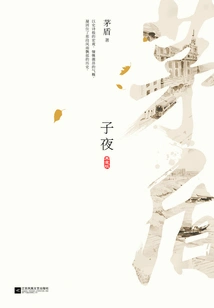
Midnight
General Fiction子夜
Mao Dun
The work uses some major events that took place between May and July 1930 as the background of the times. It describes that in order to revitalize the national industry, Wu Sunfu, a national capitalist, tried to build his own "Two Bridges Kingdom" and rapidly increase the operating funds of his enterprises, and wanted to use the Civil War to make a fortune. However, Zhao Botao, the broker and financial capitalist of US imperialism, obstructed him in every possible way. In the end, under the harsh situation of warlord fighting and rural bankruptcy, Wu Sunfu tried his best to respond, stepped up the oppression and exploitation of workers, and engaged in public debt speculation. However, under the strong economic constraints of Zhao Botao, he ultimately failed and was completely bankrupt.
The work uses some major events that took place between May and July 1930 as the background of the times. It describes that in order to revitalize the national industry, Wu Sunfu, a national capitalist, tried to build his own "Two Bridges Kingdom" and rapidly increase the operating funds of his enterprises, and wanted to use the Civil War to make a fortune. However, Zhao Botao, the broker and financial capitalist of US imperialism, obstructed him in every possible way. In the end, under the harsh situation of warlord fighting and rural bankruptcy, Wu Sunfu tried his best to respond, stepped up the oppression and exploitation of workers, and engaged in public debt speculation. However, under the strong economic constraints of Zhao Botao, he ultimately failed and was completely bankrupt.
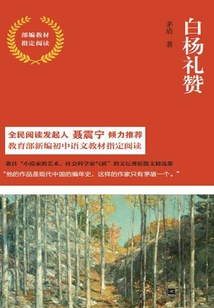
Praise of Poplar
Literature白杨礼赞
Mao Dun
This book is a collection of essays by the famous writer Mr. Mao Dun. It contains dozens of fine essays by Mr. Mao Dun, including "Dream Under Severe Frost", "Fog", "Red Leaves", "Dusk", "The House of Hell", "Footprints on the Beach", etc. Mao Dun has been engaged in writing for a long time. However, he has a profound knowledge of the world, so he never forgets society. His thoughtful observations and clear analysis are the most practical writing methods in modern prose and have high literary appreciation value.
This book is a collection of essays by the famous writer Mr. Mao Dun. It contains dozens of fine essays by Mr. Mao Dun, including "Dream Under Severe Frost", "Fog", "Red Leaves", "Dusk", "The House of Hell", "Footprints on the Beach", etc. Mao Dun has been engaged in writing for a long time. However, he has a profound knowledge of the world, so he never forgets society. His thoughtful observations and clear analysis are the most practical writing methods in modern prose and have high literary appreciation value.
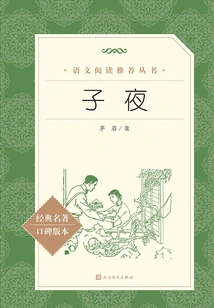
Midnight
General Fiction子夜
Mao Dun
A modern Chinese novel with more than 300,000 words. Mao Dun started writing in October 1931 and completed it on December 5, 1932, with a total of nineteen chapters. Some chapters have been published in "Novel Monthly" and "Literary Monthly" respectively. For more than half a century, "Midnight" has not only enjoyed a wide range of readers in China, but has also been translated into more than a dozen languages including English, German, Russian, and Japanese, producing extensive international influence. The novel is set in the semi-feudal and semi-colonial old Shanghai in May and June of 1930, with the national capitalist Wu Sunfu as the center, and describes various contradictions and struggles in Chinese society at that time.
A modern Chinese novel with more than 300,000 words. Mao Dun started writing in October 1931 and completed it on December 5, 1932, with a total of nineteen chapters. Some chapters have been published in "Novel Monthly" and "Literary Monthly" respectively. For more than half a century, "Midnight" has not only enjoyed a wide range of readers in China, but has also been translated into more than a dozen languages including English, German, Russian, and Japanese, producing extensive international influence. The novel is set in the semi-feudal and semi-colonial old Shanghai in May and June of 1930, with the national capitalist Wu Sunfu as the center, and describes various contradictions and struggles in Chinese society at that time.