Library
Browse and search books
10 novels found
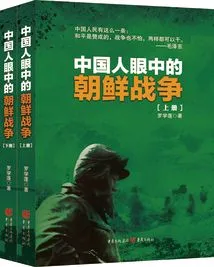
中国人眼中的朝鲜战争(全2册)
Luo Xuepeng
This book is a documentary book based on numerous Soviet decrypted archives (i. E., Telegrams, meeting minutes, etc. Between Stalin and Kim Il-sung before and after the outbreak of the Korean War and during the war). It objectively and vividly reveals the ins and outs of a series of decisions made by the leaders of China, the Soviet Union, and North Korea on the Korean War. Through interviews with many people who witnessed the war, it revealed the tragedy and harm caused by the war, and praised the noble spirit of the volunteer officers and soldiers who were not afraid of hardships and fought bloody battles for the benefit of the motherland. This book is suitable for readers who are interested in the Korean War. Interpreting the Korean War from the perspective of ordinary Chinese, it is rich in material and content. It mainly introduces the Korean War from three levels: it not only reveals the political game between the leaders of the Soviet Union, China, North Korea, and South Korea due to national interests from the macro level, but also allows readers to understand the origin of the Korean issue and the corresponding actions taken by leaders of China, the Soviet Union, and other countries that are in line with national interests. Measures; from the meso level, it describes some legendary experiences of volunteer generals such as Peng Dehuai, Deng Yue, Wang Yang, and Wang Jinshan in fighting in Korea; from the micro level, it depicts the wonderful images of a large number of volunteer soldiers represented by Tan Bingyun, Chen Zhuowen, Song Huiguo, etc. Who bravely killed the enemy. The theme of this book is healthy and positive, promotes positive energy, has an objective and fair viewpoint, and rejects historical nihilism. It not only writes about the battle of wits between the leaders in the Korean War, but also focuses on vividly describing the arduous and bloody battles fought by many volunteer officers and soldiers under extremely harsh conditions, and praising their extraordinary tenacity and fearless spirit of sacrifice in order to protect their homeland and country. Their stories are both deeply moving and fascinating to read. The author Luo Xuepeng has collected domestic and foreign materials for a long time and interviewed surviving volunteer officers and soldiers. Most of the information obtained is rigorous and objective. Moreover, the author is good at cutting and telling stories in his writing. Although this book has 800,000 words, it is refreshing and fresh to read, and it has exciting storylines that touch people's hearts. It does not feel boring or lengthy.
This book is a documentary book based on numerous Soviet decrypted archives (i. E., Telegrams, meeting minutes, etc. Between Stalin and Kim Il-sung before and after the outbreak of the Korean War and during the war). It objectively and vividly reveals the ins and outs of a series of decisions made by the leaders of China, the Soviet Union, and North Korea on the Korean War. Through interviews with many people who witnessed the war, it revealed the tragedy and harm caused by the war, and praised the noble spirit of the volunteer officers and soldiers who were not afraid of hardships and fought bloody battles for the benefit of the motherland. This book is suitable for readers who are interested in the Korean War. Interpreting the Korean War from the perspective of ordinary Chinese, it is rich in material and content. It mainly introduces the Korean War from three levels: it not only reveals the political game between the leaders of the Soviet Union, China, North Korea, and South Korea due to national interests from the macro level, but also allows readers to understand the origin of the Korean issue and the corresponding actions taken by leaders of China, the Soviet Union, and other countries that are in line with national interests. Measures; from the meso level, it describes some legendary experiences of volunteer generals such as Peng Dehuai, Deng Yue, Wang Yang, and Wang Jinshan in fighting in Korea; from the micro level, it depicts the wonderful images of a large number of volunteer soldiers represented by Tan Bingyun, Chen Zhuowen, Song Huiguo, etc. Who bravely killed the enemy. The theme of this book is healthy and positive, promotes positive energy, has an objective and fair viewpoint, and rejects historical nihilism. It not only writes about the battle of wits between the leaders in the Korean War, but also focuses on vividly describing the arduous and bloody battles fought by many volunteer officers and soldiers under extremely harsh conditions, and praising their extraordinary tenacity and fearless spirit of sacrifice in order to protect their homeland and country. Their stories are both deeply moving and fascinating to read. The author Luo Xuepeng has collected domestic and foreign materials for a long time and interviewed surviving volunteer officers and soldiers. Most of the information obtained is rigorous and objective. Moreover, the author is good at cutting and telling stories in his writing. Although this book has 800,000 words, it is refreshing and fresh to read, and it has exciting storylines that touch people's hearts. It does not feel boring or lengthy.
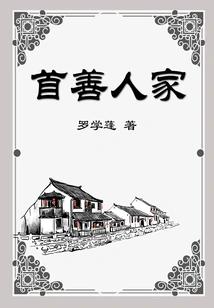
The Most Kind Person
General Fiction首善人家
Luo Xuepeng
Father and son Nie Zhongwen and Nie Shoushi were rich in northern Sichuan. They inherited the legacy of their ancestors and helped the poor and the weak, benefiting their hometown. They were worshiped by the villagers and regarded as "living Bodhisattvas". The leader of the Red Army, Shen Jianfei, had long admired the good deeds of the Nie family, so he was open to the Nie family. Nie Zhongwen was grateful and spared no effort to serve the Red Army. Granddaughter Nie Kunhe even joined the revolutionary ranks and became the "Red Child King" of the Soviet area. During the Red Army's western expedition, Shen Jianfei was left to persist in the armed struggle, while his wife Hu Qiuping accompanied the large army on the expedition. At a critical moment of life and death, Nie Shoushi's wife Kodama Hezi adopted Shen Jianfei's young daughter Shen Ying, and risked her life with her husband to secretly help the Bashan guerrillas... When the People's Liberation Army entered Sichuan, Nie Kunlun and Shen Ying both became key elements in the red regime. Shen Ying, who has just begun to fall in love, has a secret love for her talented "brother". Hu Qiuping, who had already served as a senior cadre and had started a new family, returned to Yesanguan. Mother and daughter met each other and cried in each other's arms. Shen Ying was so distraught that she dedicated herself to Kunlun late at night. Nie Kunhe returned to Yesanguan alone. In the dangerous and difficult environment, she was like a piece of gold buried in the ground, still shining silently in the darkness. Nie and his son silently endured the suffering that all Chinese people have suffered. To Nie Shoushi's surprise, Kodama Tsuruko was granted permission by the Chinese government to return to Yesanguan to reunite with her old husband. When Nie Shoushi celebrated his 90th birthday, Hu Qiuping and Shen Ying all returned to him.
Father and son Nie Zhongwen and Nie Shoushi were rich in northern Sichuan. They inherited the legacy of their ancestors and helped the poor and the weak, benefiting their hometown. They were worshiped by the villagers and regarded as "living Bodhisattvas". The leader of the Red Army, Shen Jianfei, had long admired the good deeds of the Nie family, so he was open to the Nie family. Nie Zhongwen was grateful and spared no effort to serve the Red Army. Granddaughter Nie Kunhe even joined the revolutionary ranks and became the "Red Child King" of the Soviet area. During the Red Army's western expedition, Shen Jianfei was left to persist in the armed struggle, while his wife Hu Qiuping accompanied the large army on the expedition. At a critical moment of life and death, Nie Shoushi's wife Kodama Hezi adopted Shen Jianfei's young daughter Shen Ying, and risked her life with her husband to secretly help the Bashan guerrillas... When the People's Liberation Army entered Sichuan, Nie Kunlun and Shen Ying both became key elements in the red regime. Shen Ying, who has just begun to fall in love, has a secret love for her talented "brother". Hu Qiuping, who had already served as a senior cadre and had started a new family, returned to Yesanguan. Mother and daughter met each other and cried in each other's arms. Shen Ying was so distraught that she dedicated herself to Kunlun late at night. Nie Kunhe returned to Yesanguan alone. In the dangerous and difficult environment, she was like a piece of gold buried in the ground, still shining silently in the darkness. Nie and his son silently endured the suffering that all Chinese people have suffered. To Nie Shoushi's surprise, Kodama Tsuruko was granted permission by the Chinese government to return to Yesanguan to reunite with her old husband. When Nie Shoushi celebrated his 90th birthday, Hu Qiuping and Shen Ying all returned to him.
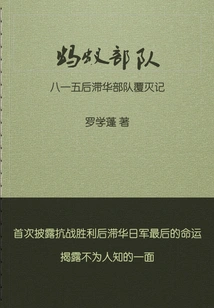
蚂蚁部队:八一五后滞华日军覆灭记
Luo Xuepeng
After the end of World War II in 1945, the 60,000 officers and soldiers of the First Army of the Japanese invaders stationed in Shanxi were in constant panic. With his unrivaled eloquence, Staff Officer Hiroshi Hiroshi, a talented student graduated from Imperial University, painted a hopeful blueprint for the despairing First Army generals, convincing them that Japan was defeated and as long as the First Army remained in Shanxi and controlled Shanxi's resources, it would be the greatest loyalty to the emperor and Japan! As long as the 60,000 Japanese troops stationed in Shanxi can wisely use Yan Xishan's sworn hatred for the Communist Party and the irreconcilable conflict with the Central Committee of Chiang Kai-shek to win Yan Xishan's asylum, they can continue to stay in Shanxi and firmly control Shanxi's rich coal and iron resources, preserving an inexhaustible material base and an elite advance army for Japan's future revival.
After the end of World War II in 1945, the 60,000 officers and soldiers of the First Army of the Japanese invaders stationed in Shanxi were in constant panic. With his unrivaled eloquence, Staff Officer Hiroshi Hiroshi, a talented student graduated from Imperial University, painted a hopeful blueprint for the despairing First Army generals, convincing them that Japan was defeated and as long as the First Army remained in Shanxi and controlled Shanxi's resources, it would be the greatest loyalty to the emperor and Japan! As long as the 60,000 Japanese troops stationed in Shanxi can wisely use Yan Xishan's sworn hatred for the Communist Party and the irreconcilable conflict with the Central Committee of Chiang Kai-shek to win Yan Xishan's asylum, they can continue to stay in Shanxi and firmly control Shanxi's rich coal and iron resources, preserving an inexhaustible material base and an elite advance army for Japan's future revival.
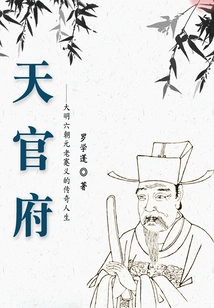
Tianguanfu: the Legendary Life of Jian Yi, a Veteran of the Six Dynasties of the Ming Dynasty
General Fiction天官府:大明六朝元老蹇义的传奇人生
Luo Xuepeng
Jian Rong was born in Fengjutuo, a small fishing village on the Jialing River in Chongqing more than 600 years ago. He was an out-and-out child prodigy. In the 18th year of Hongwu (1385), when he was 22 years old, he "served as a farmhouse minister in the morning and ascended to the Emperor's Hall in the evening." He entered the imperial palace examination as a juren and was named on the gold medal list. He was recognized by Zhu Yuanzhang, who was sitting high on the imperial balcony of Jintai, and was given the word "righteousness". He jumped from the dragon gate, and his glory was brilliant, leaving his name in history! Jian Yi served as the highest power center of the Ming Dynasty until he left Hexi at the age of 73. This lasted for 54 years. Throughout his life, he assisted six emperors in planning, presiding over and participating in the establishment and relocation of the capital in Beijing, Zheng He's voyages to the West, and the compilation of the Yongle Ceremony. , The Southern Conquest of Annan, the Northern War against the Huns, and a series of major events that were full of legend and grandeur and influenced the direction of Chinese history. During this period, there were turmoils, ups and downs, and rich experiences that were unprecedented and unprecedented! The author combed through historical records, retrieved relics, spent several years, and exhausted his mind to finally present the image of this famous counselor of the Ming Empire to the readers.
Jian Rong was born in Fengjutuo, a small fishing village on the Jialing River in Chongqing more than 600 years ago. He was an out-and-out child prodigy. In the 18th year of Hongwu (1385), when he was 22 years old, he "served as a farmhouse minister in the morning and ascended to the Emperor's Hall in the evening." He entered the imperial palace examination as a juren and was named on the gold medal list. He was recognized by Zhu Yuanzhang, who was sitting high on the imperial balcony of Jintai, and was given the word "righteousness". He jumped from the dragon gate, and his glory was brilliant, leaving his name in history! Jian Yi served as the highest power center of the Ming Dynasty until he left Hexi at the age of 73. This lasted for 54 years. Throughout his life, he assisted six emperors in planning, presiding over and participating in the establishment and relocation of the capital in Beijing, Zheng He's voyages to the West, and the compilation of the Yongle Ceremony. , The Southern Conquest of Annan, the Northern War against the Huns, and a series of major events that were full of legend and grandeur and influenced the direction of Chinese history. During this period, there were turmoils, ups and downs, and rich experiences that were unprecedented and unprecedented! The author combed through historical records, retrieved relics, spent several years, and exhausted his mind to finally present the image of this famous counselor of the Ming Empire to the readers.
All-round Female Man
General Fiction万灵女汉子
Luo Xuepeng
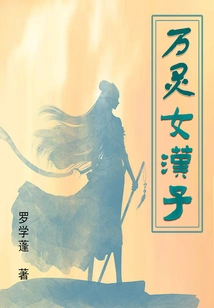
The Xinhai Incident occurred and the Qing Dynasty was overthrown. Bewitched by fanatical nationalist sentiments, the rebel Han people launched a crazy revenge against the Manchus who had ruled China for 268 years. Chongqing Mancheng Fotuguan was also under heavy siege. Chongqing General Jin Yuan entrusted his fifteen-year-old only daughter Jin Yuyao to Batab, the leader of the nursing home. Relying on his friendship with Jin Lan, the chief helmsman of Chongqing Paoge, Yuan Qingyang, Batabu took Jin Yuyao down from Fotuguan on the eve of the city's fall and went to Chengdu to visit relatives and friends. When World War I broke out, the British funded the recruitment of Chinese workers in China. Zhao Zhongyu, who was living in Guangzhou, passed the exam as a translator and went to the battlefield in Europe, where he shared the joys and sorrows with many Chinese workers and struggled on the line of life and death. After the First World War, Zhao Zhongyu came to Moscow, accepted the influence of communism, entered the Frunze Military Academy in Moscow, and became a member of the Communist Party. Under the dual pressure of foreign powers and the Nationalist Government, Yang Sen visited Rongchang in person, tried his best to rescue the British, and designed a special plan to kill Xiao Tianhan. However, the talented Zhao Zhongyu is regarded as a hero among people, and he is particularly valued, and he wants to serve under his account...
The Xinhai Incident occurred and the Qing Dynasty was overthrown. Bewitched by fanatical nationalist sentiments, the rebel Han people launched a crazy revenge against the Manchus who had ruled China for 268 years. Chongqing Mancheng Fotuguan was also under heavy siege. Chongqing General Jin Yuan entrusted his fifteen-year-old only daughter Jin Yuyao to Batab, the leader of the nursing home. Relying on his friendship with Jin Lan, the chief helmsman of Chongqing Paoge, Yuan Qingyang, Batabu took Jin Yuyao down from Fotuguan on the eve of the city's fall and went to Chengdu to visit relatives and friends. When World War I broke out, the British funded the recruitment of Chinese workers in China. Zhao Zhongyu, who was living in Guangzhou, passed the exam as a translator and went to the battlefield in Europe, where he shared the joys and sorrows with many Chinese workers and struggled on the line of life and death. After the First World War, Zhao Zhongyu came to Moscow, accepted the influence of communism, entered the Frunze Military Academy in Moscow, and became a member of the Communist Party. Under the dual pressure of foreign powers and the Nationalist Government, Yang Sen visited Rongchang in person, tried his best to rescue the British, and designed a special plan to kill Xiao Tianhan. However, the talented Zhao Zhongyu is regarded as a hero among people, and he is particularly valued, and he wants to serve under his account...
死亡之旅:英军中国师欧战蒙难记
Luo Xuepeng
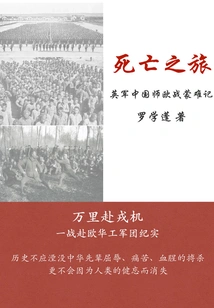
Former French President Chirac delivered a speech at the unveiling ceremony of the Chinese Workers' Monument: "No one will forget these warriors who came from afar to share the fate of France in a cruel war. They defended France's territory, ideas and freedom with their souls and bodies. Please allow me to contribute to the victory of France's independence and the rational principles of mankind with their own lives." I pay high respect to the Chinese people who sacrificed their lives. Their courage and spirit are admirable. The French people will never forget it!" The author's inscription is - the documents and archives have conclusive records: Nearly a century ago, 150,000 Chinese people fought on the Western Front of Europe. However, there have been major gaps in history. How many people from this weak army sent by a huge country have become the ghosts of foreign countries? Nearly a century has passed, and the dust of history should not obscure the humiliation, pain, bloody fights and cries of grief and indignation of the Chinese ancestors.
Former French President Chirac delivered a speech at the unveiling ceremony of the Chinese Workers' Monument: "No one will forget these warriors who came from afar to share the fate of France in a cruel war. They defended France's territory, ideas and freedom with their souls and bodies. Please allow me to contribute to the victory of France's independence and the rational principles of mankind with their own lives." I pay high respect to the Chinese people who sacrificed their lives. Their courage and spirit are admirable. The French people will never forget it!" The author's inscription is - the documents and archives have conclusive records: Nearly a century ago, 150,000 Chinese people fought on the Western Front of Europe. However, there have been major gaps in history. How many people from this weak army sent by a huge country have become the ghosts of foreign countries? Nearly a century has passed, and the dust of history should not obscure the humiliation, pain, bloody fights and cries of grief and indignation of the Chinese ancestors.
Sunset over Long River
Literature长河落日
Luo Xuepeng
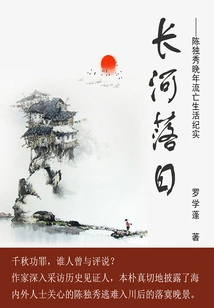
Who has ever commented on the meritorious deeds of a thousand years? The documentary literature "Sunset on the Long River" is written based on the records of interviews with historical witnesses by a writer who has the convenient location and people. This book vividly reveals the lonely late life of Chen Duxiu, the former leader of the Central Committee of the Communist Party of China, who was concerned by people at home and abroad, after he fled to Sichuan during the Anti-Japanese War. When he first arrived in Jiangjin, he was turned away, stayed under the care of others, and was finally expelled from the "Yannian Hospital." Zhou Enlai asked Dong Biwu and Zhu Yunshan to go to Jiangjin to mobilize Chen Duxiu to Yan'an, Hu Zong Nan and Dai Li rushed to visit Chen Duxiu in Baisha Town, Jiangjin, and invited him to become an official in Chongqing, but he was rejected... The author truly and vividly depicts Chen Duxiu's complex experience and stubborn character after the failure of the Great Revolution, who refused to admit his mistakes, never surrendered, was unwilling to be lonely, and walked alone. In the end, he was exhausted and depressed, and died in a foreign country. Make the world sigh!
Who has ever commented on the meritorious deeds of a thousand years? The documentary literature "Sunset on the Long River" is written based on the records of interviews with historical witnesses by a writer who has the convenient location and people. This book vividly reveals the lonely late life of Chen Duxiu, the former leader of the Central Committee of the Communist Party of China, who was concerned by people at home and abroad, after he fled to Sichuan during the Anti-Japanese War. When he first arrived in Jiangjin, he was turned away, stayed under the care of others, and was finally expelled from the "Yannian Hospital." Zhou Enlai asked Dong Biwu and Zhu Yunshan to go to Jiangjin to mobilize Chen Duxiu to Yan'an, Hu Zong Nan and Dai Li rushed to visit Chen Duxiu in Baisha Town, Jiangjin, and invited him to become an official in Chongqing, but he was rejected... The author truly and vividly depicts Chen Duxiu's complex experience and stubborn character after the failure of the Great Revolution, who refused to admit his mistakes, never surrendered, was unwilling to be lonely, and walked alone. In the end, he was exhausted and depressed, and died in a foreign country. Make the world sigh!
Murderous Intent
General Fiction杀机四伏
Luo Xuepeng
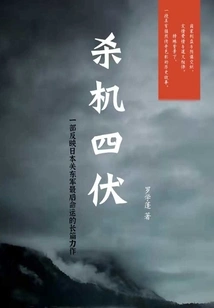
A masterpiece that reflects the final fate of the Japanese Kwantung Army. On August 15, 1945, the Japanese surrendered unconditionally, and Longjiang City, an important northeastern town, fell into a power vacuum for a while. Who is the king and who is the bandit, who will be born and who will be destroyed? Whose world will Longjiang become? An extremely brutal battle began in a bloody rain. The novel is written in a powerful and majestic way, recreating the picturesque and legendary epic of a special era. On August 15, 1945, the Japanese surrendered unconditionally, and Longjiang City, an important northeastern town, fell into a power vacuum for a while. The Soviet Red Army marched straight in, secretly supporting the Chinese Communist Party to take over the city; unwilling to fail, the Kuomintang launched a fierce struggle and actually entangled the desperate Japanese Kwantung Army, White Russian bandits, and puppet Manchukuo armed forces to take advantage of the withdrawal of the Soviet Red Army to plot to launch a riot. Who is the king and who is the bandit, who will be born and who will be destroyed? Whose world will Longjiang become? An extremely brutal battle began in a bloody rain. Three women and one drama. A female intelligence officer of the military command did not hesitate to serve the enemy with her own life in order to rescue her superior. The police chief and department chief fell under the pomegranate skirt one after another; the jewel in the eye of the White Russian general turned out to be the secret lover of the top commander of the Soviet army, and a large number of weapons fell into the hands of the enemy on the eve of the riot; the bloodshed in Longjiang City The debt-ridden former captain of the military police Mizuno, whose daughter Yuriko was once a loyal admirer of her father, truly fell in love with the captain of the guard brigade of the Communist Democratic Alliance. The stubborn Mizuno was finally inspired by her to join the ranks of the storm...
A masterpiece that reflects the final fate of the Japanese Kwantung Army. On August 15, 1945, the Japanese surrendered unconditionally, and Longjiang City, an important northeastern town, fell into a power vacuum for a while. Who is the king and who is the bandit, who will be born and who will be destroyed? Whose world will Longjiang become? An extremely brutal battle began in a bloody rain. The novel is written in a powerful and majestic way, recreating the picturesque and legendary epic of a special era. On August 15, 1945, the Japanese surrendered unconditionally, and Longjiang City, an important northeastern town, fell into a power vacuum for a while. The Soviet Red Army marched straight in, secretly supporting the Chinese Communist Party to take over the city; unwilling to fail, the Kuomintang launched a fierce struggle and actually entangled the desperate Japanese Kwantung Army, White Russian bandits, and puppet Manchukuo armed forces to take advantage of the withdrawal of the Soviet Red Army to plot to launch a riot. Who is the king and who is the bandit, who will be born and who will be destroyed? Whose world will Longjiang become? An extremely brutal battle began in a bloody rain. Three women and one drama. A female intelligence officer of the military command did not hesitate to serve the enemy with her own life in order to rescue her superior. The police chief and department chief fell under the pomegranate skirt one after another; the jewel in the eye of the White Russian general turned out to be the secret lover of the top commander of the Soviet army, and a large number of weapons fell into the hands of the enemy on the eve of the riot; the bloodshed in Longjiang City The debt-ridden former captain of the military police Mizuno, whose daughter Yuriko was once a loyal admirer of her father, truly fell in love with the captain of the guard brigade of the Communist Democratic Alliance. The stubborn Mizuno was finally inspired by her to join the ranks of the storm...
The Last National Gate
General Fiction最后的国门
Luo Xuepeng
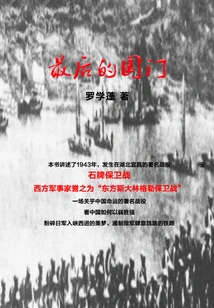
"The Last Gate" is the key work of the Chinese Writers Association in 2014. The work describes how after the fall of Wuhan in October 1938, the arrogant Japanese army adjusted its strategy towards China and attempted to solve the China problem through military offensive and political surrender. At the same time, Japan launched the Suizao Battle and Zaoyi Battle to sweep the outskirts of Chongqing in 1939 and 1940 respectively, and carried out indiscriminate bombing of Chongqing, its capital during the war, to undermine the Chinese government's will to resist the war. At a time when the survival of the Chinese nation was at stake, the Kuomintang and the Communist Party achieved their second cooperation. In 1943, Chen Cheng commanded the Battle of Western Hubei and inflicted heavy damage on the Japanese army. It shattered the Japanese military's strategic attempt to induce political surrender through military offensive and greatly boosted the morale of the anti-Japanese war. Known as China's "Battle of Stalingrad" in the summer of 1943, the Battle of Shipai to defend China's wartime capital Chongqing finally ended in victory when the Japanese army was defeated and the Chinese army annihilated more than 20,000 Japanese troops.
"The Last Gate" is the key work of the Chinese Writers Association in 2014. The work describes how after the fall of Wuhan in October 1938, the arrogant Japanese army adjusted its strategy towards China and attempted to solve the China problem through military offensive and political surrender. At the same time, Japan launched the Suizao Battle and Zaoyi Battle to sweep the outskirts of Chongqing in 1939 and 1940 respectively, and carried out indiscriminate bombing of Chongqing, its capital during the war, to undermine the Chinese government's will to resist the war. At a time when the survival of the Chinese nation was at stake, the Kuomintang and the Communist Party achieved their second cooperation. In 1943, Chen Cheng commanded the Battle of Western Hubei and inflicted heavy damage on the Japanese army. It shattered the Japanese military's strategic attempt to induce political surrender through military offensive and greatly boosted the morale of the anti-Japanese war. Known as China's "Battle of Stalingrad" in the summer of 1943, the Battle of Shipai to defend China's wartime capital Chongqing finally ended in victory when the Japanese army was defeated and the Chinese army annihilated more than 20,000 Japanese troops.
Blood Bleeds Red: Zhang Xianzhong and the Daxi Army
General Fiction血流红:张献忠与大西军
Luo Xuepeng
In June 1645, Zhang Xianzhong captured Chongqing, took advantage of the momentum of breaking through the bamboo, and marched westward. The place he passed was filled with flames and bloody paths. After Chengdu was captured on August 9, Zhang Xianzhong couldn't wait to hold the founding ceremony and sit on the throne of the Emperor of the Great Western Kingdom. From the first day that Zhang Xianzhong moved into the Palace of Shu in Chengdu, there was no peace in the country. He and Li Zicheng, the Ming army, and the Qing army repeatedly fought and strangled, poisoning the whole Sichuan, killing soldiers and civilians, and bleeding and drifting. It was called the "Mountain of Bones and Sea of Blood". Its cruelty was unprecedented and unheard of. Just as the folk song at that time goes: "Every year comes when A, B, and B, the heavenly mansion bleeds red." It also goes: "Thieves come, thieves come, and the upper world sends him to behead people. If there is one person who cannot beheaded, the messenger of the plague is behind." Zhang Xianzhong's activities in Sichuan lasted less than three years, but he left too many huge mysteries. In order to unravel the eternal mysteries left by Zhang Xianzhong and the generals of the Great Western Army, the author is very knowledgeable and strives to make those historical figures who have passed away with the wind, along with the real tragic events that are unimaginable and thrilling for today's people, gradually and vividly presented to the readers from the dusty old papers.
In June 1645, Zhang Xianzhong captured Chongqing, took advantage of the momentum of breaking through the bamboo, and marched westward. The place he passed was filled with flames and bloody paths. After Chengdu was captured on August 9, Zhang Xianzhong couldn't wait to hold the founding ceremony and sit on the throne of the Emperor of the Great Western Kingdom. From the first day that Zhang Xianzhong moved into the Palace of Shu in Chengdu, there was no peace in the country. He and Li Zicheng, the Ming army, and the Qing army repeatedly fought and strangled, poisoning the whole Sichuan, killing soldiers and civilians, and bleeding and drifting. It was called the "Mountain of Bones and Sea of Blood". Its cruelty was unprecedented and unheard of. Just as the folk song at that time goes: "Every year comes when A, B, and B, the heavenly mansion bleeds red." It also goes: "Thieves come, thieves come, and the upper world sends him to behead people. If there is one person who cannot beheaded, the messenger of the plague is behind." Zhang Xianzhong's activities in Sichuan lasted less than three years, but he left too many huge mysteries. In order to unravel the eternal mysteries left by Zhang Xianzhong and the generals of the Great Western Army, the author is very knowledgeable and strives to make those historical figures who have passed away with the wind, along with the real tragic events that are unimaginable and thrilling for today's people, gradually and vividly presented to the readers from the dusty old papers.