Library
Browse and search books
383 novels found
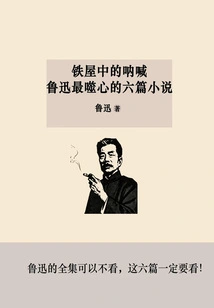
铁屋中的呐喊:鲁迅最噬心的六篇小说
Lu Xun
This book selects six classic works by Lu Xun, which directly points to the chronic diseases of old Chinese society and national character. From the shocking discovery of the history of "cannibalism" in "Diary of a Madman" to the sorrow of "spiritual victory" in "The True Story of Ah Q"; from the down-and-out scholar who withered in indifference in "Kong Yiji", to the fate of Xianglin's wife being swallowed up by feudal ethics in "Blessing"; to the tragic intersection of ignorance and revolution in "Medicine", and the spiritual barrier caused by the "Master" in "Hometown". These works are like thunder in the dark night, Lu Xun's most painful and sharp cry, which is still deafening to this day. If you don't have time to read Lu Xun's complete works of more than 4 million words, you must read these six novels that best represent Lu Xun's spirit!
This book selects six classic works by Lu Xun, which directly points to the chronic diseases of old Chinese society and national character. From the shocking discovery of the history of "cannibalism" in "Diary of a Madman" to the sorrow of "spiritual victory" in "The True Story of Ah Q"; from the down-and-out scholar who withered in indifference in "Kong Yiji", to the fate of Xianglin's wife being swallowed up by feudal ethics in "Blessing"; to the tragic intersection of ignorance and revolution in "Medicine", and the spiritual barrier caused by the "Master" in "Hometown". These works are like thunder in the dark night, Lu Xun's most painful and sharp cry, which is still deafening to this day. If you don't have time to read Lu Xun's complete works of more than 4 million words, you must read these six novels that best represent Lu Xun's spirit!
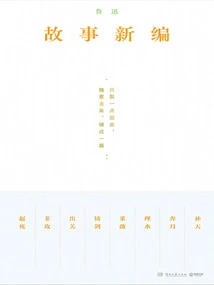
New Story
Literature故事新编
Lu Xun
This book collects eight unique short stories written by Lu Xun over the past thirteen years. The story is based on ancient legends, but it is different from traditional historical novels. It is more like a realistic and ironic rewriting of historical texts, a pot of "strange soup" that combines tradition and modernity, history and reality. Here, familiar characters from history or mythology appear one by one in bizarre or comic ways. The plot of the novel is absurd, the technique is outstanding, and it presents an unprecedented style. Reading it to this day, it still feels avant-garde.
This book collects eight unique short stories written by Lu Xun over the past thirteen years. The story is based on ancient legends, but it is different from traditional historical novels. It is more like a realistic and ironic rewriting of historical texts, a pot of "strange soup" that combines tradition and modernity, history and reality. Here, familiar characters from history or mythology appear one by one in bizarre or comic ways. The plot of the novel is absurd, the technique is outstanding, and it presents an unprecedented style. Reading it to this day, it still feels avant-garde.
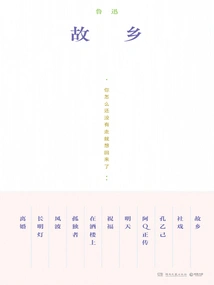
Home
Literature故乡
Lu Xun
This book contains eleven classic short stories by Lu Xun. The story takes place in "Lu Town", "S City", "Weizhuang", "Pingqiao Village", etc. These places carry the author's complex emotions towards the small town of Shaoxing. Lu Xun and many of his characters - Runtu, Ah Q, Kong Yiji, Xianglin's wife, etc. - Lived inside and outside Taimen. The chapters with Shaoxing as the background appear in one volume, focusing on the appearance of hometown in Lu Xun's novels.
This book contains eleven classic short stories by Lu Xun. The story takes place in "Lu Town", "S City", "Weizhuang", "Pingqiao Village", etc. These places carry the author's complex emotions towards the small town of Shaoxing. Lu Xun and many of his characters - Runtu, Ah Q, Kong Yiji, Xianglin's wife, etc. - Lived inside and outside Taimen. The chapters with Shaoxing as the background appear in one volume, focusing on the appearance of hometown in Lu Xun's novels.
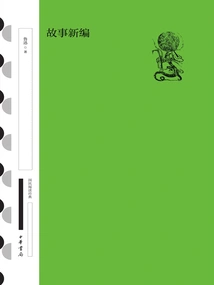
故事新编(国民阅读经典·典藏版)
Lu Xun
"New Stories" contains eight short stories written by Mr. Lu Xun between 1922 and 1935 based on ancient myths and historical legends. It was first published by Shanghai Cultural Life Publishing House in January 1936 and listed as one of the "Literature Series" edited by Ba Jin. "New Story" is different from "The Scream" and "Wandering" in terms of material selection and writing method. Mr. Lu Xun himself believed that this was a collection of "myths, legends and historical facts". Many of the novels in "New Stories" are included in Chinese language textbooks for middle schools and colleges.
"New Stories" contains eight short stories written by Mr. Lu Xun between 1922 and 1935 based on ancient myths and historical legends. It was first published by Shanghai Cultural Life Publishing House in January 1936 and listed as one of the "Literature Series" edited by Ba Jin. "New Story" is different from "The Scream" and "Wandering" in terms of material selection and writing method. Mr. Lu Xun himself believed that this was a collection of "myths, legends and historical facts". Many of the novels in "New Stories" are included in Chinese language textbooks for middle schools and colleges.
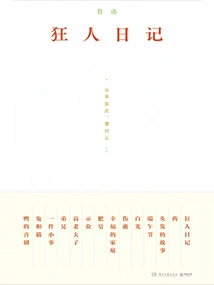
Diary of a Madman
Literature狂人日记
Lu Xun
This book contains fourteen classic short stories by Lu Xun. In "Diary of a Madman", Lu Xun put his nascent vernacular prose on paper, creating a precedent for modern vernacular novels. The melancholy, suspicion, panic, and delusion of the "madman's" thoughts are still connected with the emotions of readers to this day. The "madman's" questions have also passed through the time and space barriers of a hundred years and echo today - "It has always been like this, is it right?" "Lu Xun is a person who is constantly communicating with the times. A popular person, he has been touching the most sensitive nerves of the times." From his characters such as "Madman", Hua Laoshuan, Chen Cheng, Zijun and Juansheng, we get a glimpse of the wandering between light and dark, the boredom under the passion, and at the same time, we get a glimpse of our own life and death love.
This book contains fourteen classic short stories by Lu Xun. In "Diary of a Madman", Lu Xun put his nascent vernacular prose on paper, creating a precedent for modern vernacular novels. The melancholy, suspicion, panic, and delusion of the "madman's" thoughts are still connected with the emotions of readers to this day. The "madman's" questions have also passed through the time and space barriers of a hundred years and echo today - "It has always been like this, is it right?" "Lu Xun is a person who is constantly communicating with the times. A popular person, he has been touching the most sensitive nerves of the times." From his characters such as "Madman", Hua Laoshuan, Chen Cheng, Zijun and Juansheng, we get a glimpse of the wandering between light and dark, the boredom under the passion, and at the same time, we get a glimpse of our own life and death love.
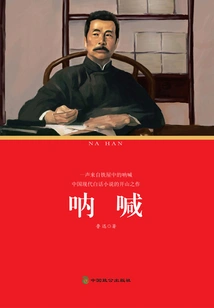
Shout
General Fiction呐喊
Lu Xun
"The Scream" is a collection of short stories written by Lu Xun from 1918 to 1922. It vividly depicts social life from the Revolution of 1911 to the May Fourth Movement, ruthlessly mocks the complex social contradictions, and launches an in-depth analysis and indictment of the backward social system and decadent concepts of old China. The book is beautifully written and the narrative is touching. It is truly a representative work of modern Chinese vernacular novels.
"The Scream" is a collection of short stories written by Lu Xun from 1918 to 1922. It vividly depicts social life from the Revolution of 1911 to the May Fourth Movement, ruthlessly mocks the complex social contradictions, and launches an in-depth analysis and indictment of the backward social system and decadent concepts of old China. The book is beautifully written and the narrative is touching. It is truly a representative work of modern Chinese vernacular novels.
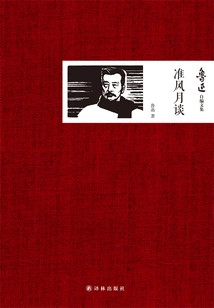
准风月谈(鲁迅自编文集)
Lu Xun
"Quan Feng Yue Tan" is a collection of essays by Lu Xun. It contains sixty-four essays written by Lu Xun in 1933. Including "Song of the Night", "Eating White Prime Minister's Rice", "Morning Cool Chronicles", "Autumn Night Journey", "Sikuquanshu Rare Books", "The Evolution of Men", "Lessons from Movies", "About Translation (Part 1)", "Drinking Tea", "Also in Foreign Countries", etc.
"Quan Feng Yue Tan" is a collection of essays by Lu Xun. It contains sixty-four essays written by Lu Xun in 1933. Including "Song of the Night", "Eating White Prime Minister's Rice", "Morning Cool Chronicles", "Autumn Night Journey", "Sikuquanshu Rare Books", "The Evolution of Men", "Lessons from Movies", "About Translation (Part 1)", "Drinking Tea", "Also in Foreign Countries", etc.
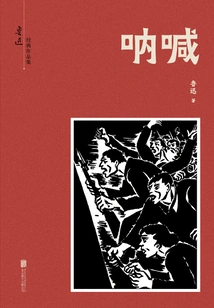
Youjian Bunko: Scream
General Fiction有间文库:呐喊
Lu Xun
"The Scream" is a collection of Lu Xun's short stories, including 14 novels written by Lu Xun from 1918 to 1922, including "Diary of a Madman", "Kong Yiji", "Medicine", "The True Story of Ah Q" and "Hometown". "The Scream" depicts the reality of Chinese society from before and after the Revolution of 1911 to the "May 4th" period, profoundly exposes the cannibalistic nature and hypocrisy of the feudal patriarchal system and feudal ethics, painfully dissects the silent soul of China's people, and criticizes the bad nature of the people.
"The Scream" is a collection of Lu Xun's short stories, including 14 novels written by Lu Xun from 1918 to 1922, including "Diary of a Madman", "Kong Yiji", "Medicine", "The True Story of Ah Q" and "Hometown". "The Scream" depicts the reality of Chinese society from before and after the Revolution of 1911 to the "May 4th" period, profoundly exposes the cannibalistic nature and hypocrisy of the feudal patriarchal system and feudal ethics, painfully dissects the silent soul of China's people, and criticizes the bad nature of the people.
Home
General Fiction故乡
Lu Xun
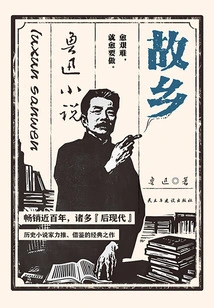
"Hometown" is a short story written by the modern writer Lu Xun in 1921. The novel takes "my" activities of returning to my hometown as a clue, follows the plot arrangement of "returning to my hometown" - "being in my hometown" - "leaving my hometown", and based on what "I" see, hear, remember and feel, focusing on the characters of Runtu and Yang Ersao, thus reflecting the rural bankruptcy and the painful life of farmers before and after the Revolution of 1911. At the same time, it deeply points out that due to the influence of the traditional concepts of feudal society, the spiritual constraints of the working people have caused the distortion of innocent human nature, resulting in indifference and isolation between people. It expresses the author's strong dissatisfaction with reality and his strong desire to transform the old society and create a new life. This book also includes a collection of correspondence between Lu Xun and Xu Guangping from March 1925 to June 1929 - "Book of Two Places".
"Hometown" is a short story written by the modern writer Lu Xun in 1921. The novel takes "my" activities of returning to my hometown as a clue, follows the plot arrangement of "returning to my hometown" - "being in my hometown" - "leaving my hometown", and based on what "I" see, hear, remember and feel, focusing on the characters of Runtu and Yang Ersao, thus reflecting the rural bankruptcy and the painful life of farmers before and after the Revolution of 1911. At the same time, it deeply points out that due to the influence of the traditional concepts of feudal society, the spiritual constraints of the working people have caused the distortion of innocent human nature, resulting in indifference and isolation between people. It expresses the author's strong dissatisfaction with reality and his strong desire to transform the old society and create a new life. This book also includes a collection of correspondence between Lu Xun and Xu Guangping from March 1925 to June 1929 - "Book of Two Places".
Lu Xun Lectures on Chinese Studies
Literature鲁迅讲国学
Lu Xun
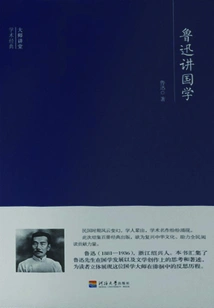
During the Republic of China, the situation was changing, scholars emerged in large numbers, and academic masterpieces emerged one after another. This collection of 100 volumes of classics is intended to contribute to the revival of Chinese culture and help all people read.
During the Republic of China, the situation was changing, scholars emerged in large numbers, and academic masterpieces emerged one after another. This collection of 100 volumes of classics is intended to contribute to the revival of Chinese culture and help all people read.
鲁迅杂文全集(上)
Lu Xun
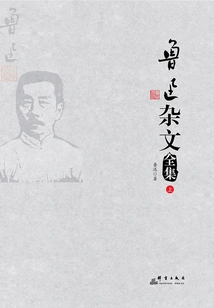
"The Complete Collection of Lu Xun's Essays" collects all Lu Xun's essays written in different eras and styles, fully demonstrating the author's creative style and cultural heritage in different periods. The book is rich in content, novel in subject matter, and sophisticated in text, and is suitable for reference and appreciation by young readers. Mr. Lu Xun's essays have thorough ideological insight, sharp cultural criticism and strong artistic appeal. Through eclectic forms and a writing style that combines passion with coldness, he criticizes current affairs, lashes out customs, and reveals the philosophy of life. The style that combined poetry and political commentary was later called "Lu Xun style". Lu Xun's essays created a new trend of modern essays and influenced generations of essay writers. "The Complete Collection of Lu Xun's Essays" collects all Lu Xun's essays written in different eras and styles.
"The Complete Collection of Lu Xun's Essays" collects all Lu Xun's essays written in different eras and styles, fully demonstrating the author's creative style and cultural heritage in different periods. The book is rich in content, novel in subject matter, and sophisticated in text, and is suitable for reference and appreciation by young readers. Mr. Lu Xun's essays have thorough ideological insight, sharp cultural criticism and strong artistic appeal. Through eclectic forms and a writing style that combines passion with coldness, he criticizes current affairs, lashes out customs, and reveals the philosophy of life. The style that combined poetry and political commentary was later called "Lu Xun style". Lu Xun's essays created a new trend of modern essays and influenced generations of essay writers. "The Complete Collection of Lu Xun's Essays" collects all Lu Xun's essays written in different eras and styles.
Complete Works of Lu Xun's Novels
Literature鲁迅小说全集
Lu Xun
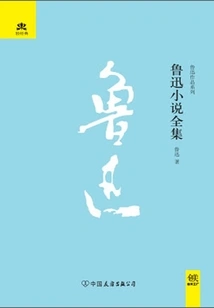
Mr. Lu Xun's short humorous articles are of unprecedented genius in China, and his thoughts are also progressive. "The Complete Novels of Lu Xun" includes novels such as Diary of a Madman, Kong Yiji, Medicine, Tomorrow, A Little Thing, Hair Story, Troubles, Hometown, The True Story of Ah Q, Dragon Boat Festival, White Light, Rabbit and Cat, and Duck Comedy.
Mr. Lu Xun's short humorous articles are of unprecedented genius in China, and his thoughts are also progressive. "The Complete Novels of Lu Xun" includes novels such as Diary of a Madman, Kong Yiji, Medicine, Tomorrow, A Little Thing, Hair Story, Troubles, Hometown, The True Story of Ah Q, Dragon Boat Festival, White Light, Rabbit and Cat, and Duck Comedy.
New Story
General Fiction故事新编
Lu Xun
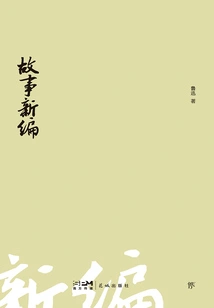
"New Stories" is a collection of Lu Xun's historical novels, which includes 8 historical novels written by Lu Xun from 1922 to 1935, including "Matching the Sky", "Flying to the Moon", "Regulating Water", "Plucking Weird Flowers", "Forging Swords", etc. Lu Xun used ancient Chinese myths and historical legends as his themes, "only took a few reasons and dyed them randomly" and "intricately blended the ancient and the modern", making the stories lively, interesting and highly imaginative. Mr. Lu Xun himself believed that this was a collection of "myths, legends and historical facts".
"New Stories" is a collection of Lu Xun's historical novels, which includes 8 historical novels written by Lu Xun from 1922 to 1935, including "Matching the Sky", "Flying to the Moon", "Regulating Water", "Plucking Weird Flowers", "Forging Swords", etc. Lu Xun used ancient Chinese myths and historical legends as his themes, "only took a few reasons and dyed them randomly" and "intricately blended the ancient and the modern", making the stories lively, interesting and highly imaginative. Mr. Lu Xun himself believed that this was a collection of "myths, legends and historical facts".
Wild Grass Collection
Literature野草集
Lu Xun
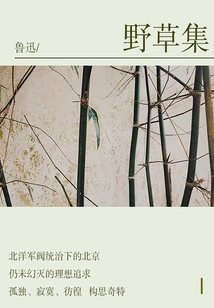
This book is a collection of prose poems written by the modern writer Lu Xun. In the early 1920s, the author Lu Xun lived in Beijing under the rule of the Beiyang warlords. Lu Xun, who was in extreme depression, was in a very depressed mood at the time, but his pursuit of ideals was still undisillusioned. This collection of poems truly describes the author's thoughts and feelings as he continued to fight after the New Culture United Front split, but felt lonely and lonely, and explored and moved forward in hesitation. The collection of poems is diverse in content, rich in imagination, and runs through serious self-dissection and unremitting ideological exploration. The works have distinctive artistic features, contain symbols and metaphors, are rich in imagination, and have unique conceptions.
This book is a collection of prose poems written by the modern writer Lu Xun. In the early 1920s, the author Lu Xun lived in Beijing under the rule of the Beiyang warlords. Lu Xun, who was in extreme depression, was in a very depressed mood at the time, but his pursuit of ideals was still undisillusioned. This collection of poems truly describes the author's thoughts and feelings as he continued to fight after the New Culture United Front split, but felt lonely and lonely, and explored and moved forward in hesitation. The collection of poems is diverse in content, rich in imagination, and runs through serious self-dissection and unremitting ideological exploration. The works have distinctive artistic features, contain symbols and metaphors, are rich in imagination, and have unique conceptions.
New Story (Centennial Edition)
General Fiction故事新编(百年纪念版)
Lu Xun
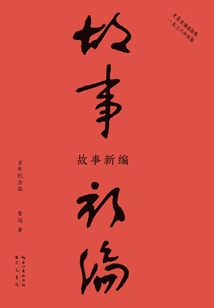
In January 1936, the first edition of "New Stories" was published by Shanghai Cultural Life Publishing House, nearly a hundred years ago. The first edition of "New Stories" was edited and finalized by Mr. Lu Xun, and included 8 short stories he wrote between 1922 and 1936. (The first "Matching the Sky" was written in the winter of 1922. The original title was "Buzhou Mountain" and was included in the first edition of "The Scream". When "The Scream" was printed for the 13th time, the author removed "Buzhou Mountain" and later renamed it "Mending the Sky" and included it in "New Stories"). The first edition was loved by readers as soon as it was launched, and it is still an irreplaceable classic edition today. In this reprint, we focus on recreating the original appearance of the first edition of "New Stories" for readers. In terms of editing, in addition to converting the traditional vertical layout of the first edition into the simplified horizontal layout, only a few text, punctuation and intellectual errors in the first edition were corrected. A large number of Lu Xun's customary words, phrases and sentence patterns in the first edition have been retained as they are. In terms of binding, a double cover design is adopted, and the inner cover is the restored original first edition cover. Mr. Lu Xun's works remain timeless. I hope that this reprinted version of "The New Story" can accompany readers and be updated every time they read it.
In January 1936, the first edition of "New Stories" was published by Shanghai Cultural Life Publishing House, nearly a hundred years ago. The first edition of "New Stories" was edited and finalized by Mr. Lu Xun, and included 8 short stories he wrote between 1922 and 1936. (The first "Matching the Sky" was written in the winter of 1922. The original title was "Buzhou Mountain" and was included in the first edition of "The Scream". When "The Scream" was printed for the 13th time, the author removed "Buzhou Mountain" and later renamed it "Mending the Sky" and included it in "New Stories"). The first edition was loved by readers as soon as it was launched, and it is still an irreplaceable classic edition today. In this reprint, we focus on recreating the original appearance of the first edition of "New Stories" for readers. In terms of editing, in addition to converting the traditional vertical layout of the first edition into the simplified horizontal layout, only a few text, punctuation and intellectual errors in the first edition were corrected. A large number of Lu Xun's customary words, phrases and sentence patterns in the first edition have been retained as they are. In terms of binding, a double cover design is adopted, and the inner cover is the restored original first edition cover. Mr. Lu Xun's works remain timeless. I hope that this reprinted version of "The New Story" can accompany readers and be updated every time they read it.
鲁迅杂文集(2021版)
Lu Xun
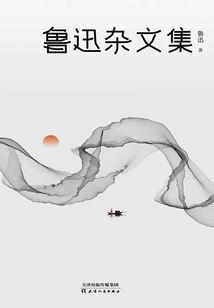
Essays occupy an extremely important position in all Lu Xun's creations and have high literary value. Lu Xun's highly creative essay writing impacted the order and rules of the literary world at that time, expressing his introspection and thinking on the spiritual scene of China in the 20th century. Lu Xun deeply intervened in reality in a literary way, revealing the spiritual ecology of the people in his description of the world, seeing the truth in the ordinary, and seeing the essence in the phenomenon. His articles were short, concise and rich in meaning. Lu Xun's essays contain calm insights and reflections on society and life. They are applicable to everyone and have penetrating power across time and space. Facing the chaotic and bizarre current real life, Lu Xun's spirit is a scarce spiritual resource. Rereading Lu Xun can give us an inspiring perspective on looking at life and solving problems.
Essays occupy an extremely important position in all Lu Xun's creations and have high literary value. Lu Xun's highly creative essay writing impacted the order and rules of the literary world at that time, expressing his introspection and thinking on the spiritual scene of China in the 20th century. Lu Xun deeply intervened in reality in a literary way, revealing the spiritual ecology of the people in his description of the world, seeing the truth in the ordinary, and seeing the essence in the phenomenon. His articles were short, concise and rich in meaning. Lu Xun's essays contain calm insights and reflections on society and life. They are applicable to everyone and have penetrating power across time and space. Facing the chaotic and bizarre current real life, Lu Xun's spirit is a scarce spiritual resource. Rereading Lu Xun can give us an inspiring perspective on looking at life and solving problems.
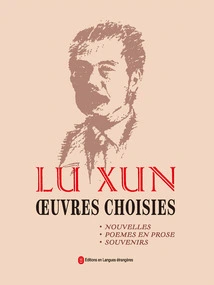
鲁迅选集·第一卷:小说、散文、散文诗(法文)
Lu Xun
"Selected Works of Lu Xun" (French version), a total of four volumes, selects Lu Xun's representative novels, essays, prose poems (Volume 1) and essays (Volume 2, 3, and 4) in chronological order. Essays are an important part of Lu Xun's works and have very high literary and artistic value. His essays integrate poetry and political criticism, reflecting Lu Xun's profound thoughts. The language is rich in connotation and the style is pungent and satirical, revealing the Chinese society at that time. The novels included in this book include "Diary of a Madman", "The True Story of Ah Q", the prose "Mr. Fujino", the prose poems "Autumn Night", "Passenger", etc. The collection of essays includes the famous articles "On the Fall of Leifeng Pagoda" and "In Memory of Liu Hezhen" from "Huagai Collection", "Huagai Collection Sequel" and "The Complete Collection". "Selected Works of Lu Xun" (Volume 1) includes Lu Xun's novels, prose and prose poems.
"Selected Works of Lu Xun" (French version), a total of four volumes, selects Lu Xun's representative novels, essays, prose poems (Volume 1) and essays (Volume 2, 3, and 4) in chronological order. Essays are an important part of Lu Xun's works and have very high literary and artistic value. His essays integrate poetry and political criticism, reflecting Lu Xun's profound thoughts. The language is rich in connotation and the style is pungent and satirical, revealing the Chinese society at that time. The novels included in this book include "Diary of a Madman", "The True Story of Ah Q", the prose "Mr. Fujino", the prose poems "Autumn Night", "Passenger", etc. The collection of essays includes the famous articles "On the Fall of Leifeng Pagoda" and "In Memory of Liu Hezhen" from "Huagai Collection", "Huagai Collection Sequel" and "The Complete Collection". "Selected Works of Lu Xun" (Volume 1) includes Lu Xun's novels, prose and prose poems.
A Brief History of Chinese Novels
Literature中国小说史略
Lu Xun
"A Brief History of Chinese Novels" is the first monograph written by Lu Xun that systematically discusses the development history of Chinese novels. There are 28 articles in total. At the back of the book is the article "Historical Changes in Chinese Novels", which is the author's lecture notes in Xi'an in July 1924. This monograph begins with ancient myths and legends and ends with the condemnation of novels in the late Qing Dynasty. It completely discusses the origin and evolution of Chinese novels, accurately evaluates representative novel writers and works in various historical periods of China, and deeply analyzes the internal connections between earlier and later novels.
"A Brief History of Chinese Novels" is the first monograph written by Lu Xun that systematically discusses the development history of Chinese novels. There are 28 articles in total. At the back of the book is the article "Historical Changes in Chinese Novels", which is the author's lecture notes in Xi'an in July 1924. This monograph begins with ancient myths and legends and ends with the condemnation of novels in the late Qing Dynasty. It completely discusses the origin and evolution of Chinese novels, accurately evaluates representative novel writers and works in various historical periods of China, and deeply analyzes the internal connections between earlier and later novels.
Lu Xun's Prose
Literature鲁迅散文
Lu Xun
Lu Xun is a banner figure in the history of modern literature, a thinker and a writer. His creations have a great influence on modern and contemporary China. His works have always been a best-selling book in the current book market, and this "Lu Xun Prose" is an indispensable one in the collection series. This book has both pictures and texts, and the chapters are selected from Lu Xun's "Wild Grass", "Morning Flowers Plucked at Dusk" and various collections of miscellaneous thoughts. The selection is precise and reflects the depth of Lu Xun's thinking and writing style, allowing readers to have a glimpse of Lu Xun's profound spiritual world and sharp critical edge. This book is a reprint. It is a retained bibliography after the re-planning of the Chinese Prose Collector's Edition series. The content of the main text remains unchanged, and the binding is planned to be changed.
Lu Xun is a banner figure in the history of modern literature, a thinker and a writer. His creations have a great influence on modern and contemporary China. His works have always been a best-selling book in the current book market, and this "Lu Xun Prose" is an indispensable one in the collection series. This book has both pictures and texts, and the chapters are selected from Lu Xun's "Wild Grass", "Morning Flowers Plucked at Dusk" and various collections of miscellaneous thoughts. The selection is precise and reflects the depth of Lu Xun's thinking and writing style, allowing readers to have a glimpse of Lu Xun's profound spiritual world and sharp critical edge. This book is a reprint. It is a retained bibliography after the re-planning of the Chinese Prose Collector's Edition series. The content of the main text remains unchanged, and the binding is planned to be changed.
朝花夕拾
Lu Xun
Lu Xun is one of the greatest writers in China in the 20th century and an important literary master. His articles are profound in thought, typical in image, and unique in style. They are full of strong humanism and awareness of national worries. They contain a deep and fervent hope and call, and have profoundly affected the spirit and culture of our nation. His works have the power to transcend the times. They not only had a positive impact on the society at that time, especially young people, and promoted people's efforts to change China's backwardness, but also pointed out the direction for people in modern society, turning confusion into self-confidence and guiding young people towards the light. Many of his works have been selected into Chinese language textbooks for primary and secondary schools, which have had a profound impact on the language and literature of New China. Overseas, Lu Xun's influence was also huge. His works have been translated into more than 50 languages including English, Japanese, Russian, Spanish, French, German, Arabic, and Esperanto, and are widely circulated around the world and have many readers.
Lu Xun is one of the greatest writers in China in the 20th century and an important literary master. His articles are profound in thought, typical in image, and unique in style. They are full of strong humanism and awareness of national worries. They contain a deep and fervent hope and call, and have profoundly affected the spirit and culture of our nation. His works have the power to transcend the times. They not only had a positive impact on the society at that time, especially young people, and promoted people's efforts to change China's backwardness, but also pointed out the direction for people in modern society, turning confusion into self-confidence and guiding young people towards the light. Many of his works have been selected into Chinese language textbooks for primary and secondary schools, which have had a profound impact on the language and literature of New China. Overseas, Lu Xun's influence was also huge. His works have been translated into more than 50 languages including English, Japanese, Russian, Spanish, French, German, Arabic, and Esperanto, and are widely circulated around the world and have many readers.
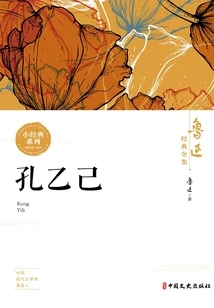
Kong Yiji (complete Classics of Lu Xun)
Literature孔乙己(鲁迅经典全集)
Lu Xun
This work is Lu Xun's second vernacular novel after "Diary of a Madman" on the eve of the May 4th Movement. The novel describes the tragic image of Kong Yiji, who was poisoned by the decadent feudal ideas and the imperial examination system, became mentally pedantic and insensitive, was industrious and impoverished in life, spent his days in people's ridicule and banter, and was finally swallowed up by the feudal landlord class. The article is not long, but it profoundly exposes the poisoning of the spirit of intellectuals by the imperial examination system at that time and the "cannibalistic" nature of the feudal system. It has a strong anti-feudal significance.
This work is Lu Xun's second vernacular novel after "Diary of a Madman" on the eve of the May 4th Movement. The novel describes the tragic image of Kong Yiji, who was poisoned by the decadent feudal ideas and the imperial examination system, became mentally pedantic and insensitive, was industrious and impoverished in life, spent his days in people's ridicule and banter, and was finally swallowed up by the feudal landlord class. The article is not long, but it profoundly exposes the poisoning of the spirit of intellectuals by the imperial examination system at that time and the "cannibalistic" nature of the feudal system. It has a strong anti-feudal significance.
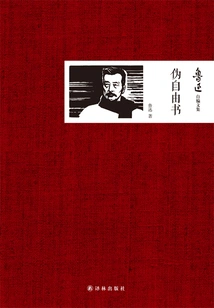
伪自由书(鲁迅自编文集)
Lu Xun
"Pseudo-Freedom" is a collection of Lu Xun's essays. It contains forty-three essays written by Lu Xun in 1933. It is a record of Lu Xun's political struggle and ideological criticism using essays as weapons at a specific historical period, including "Watching the Fight", "Talents in the Grand View Garden", "From Satire to Humor", "The Secret of Selling Your Soul", "Circle of Life of the Chinese", etc.
"Pseudo-Freedom" is a collection of Lu Xun's essays. It contains forty-three essays written by Lu Xun in 1933. It is a record of Lu Xun's political struggle and ideological criticism using essays as weapons at a specific historical period, including "Watching the Fight", "Talents in the Grand View Garden", "From Satire to Humor", "The Secret of Selling Your Soul", "Circle of Life of the Chinese", etc.
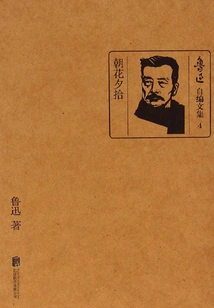
朝花夕拾
Lu Xun
"Morning Blossoms Plucked at Dusk" is Mr. Lu Xun's well-known collection of reminiscence essays. It relatively completely records his life experience and ideological context from childhood to youth. While shaping some distinctive characters, it also integrates these memories into rational thinking. It is a warm and beneficial read.
"Morning Blossoms Plucked at Dusk" is Mr. Lu Xun's well-known collection of reminiscence essays. It relatively completely records his life experience and ideological context from childhood to youth. While shaping some distinctive characters, it also integrates these memories into rational thinking. It is a warm and beneficial read.
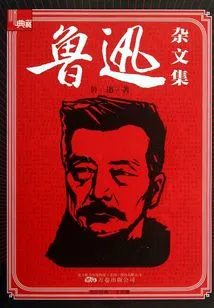
鲁迅杂文集(典藏)
Lu Xun
This book is part of the "Collection" book series. Mr. Lu Xun's essay creation exudes his unique artistic charm, embodies Mr. Lu Xun's lifelong efforts, and demonstrates his extraordinary creativity. In terms of ideological content, Mr. Lu Xun launched sharp and extensive social criticism and civilization criticism in his essays. He was always committed to the treatment of the "bad nature" of the people, and made an in-depth analysis of the mentality and soul of the people in his works. He also pointed out the current ills like throwing a spear and a dagger, and strongly criticized the feudal system and the old ideas, old culture, old morals and old habits with feudal ideas as the core. This book selects representative works of essays such as "Grave", "Rewind", "Huagai Collection", "Huagai Collection Sequel", "Jiji Collection", "Qiejieting Essays", etc. It not only respects the original text of Mr. Lu Xun, but also provides annotations for rare words to facilitate readers' reading. Through these works full of blood and tears, let us walk into this national hero-Lu Xun.
This book is part of the "Collection" book series. Mr. Lu Xun's essay creation exudes his unique artistic charm, embodies Mr. Lu Xun's lifelong efforts, and demonstrates his extraordinary creativity. In terms of ideological content, Mr. Lu Xun launched sharp and extensive social criticism and civilization criticism in his essays. He was always committed to the treatment of the "bad nature" of the people, and made an in-depth analysis of the mentality and soul of the people in his works. He also pointed out the current ills like throwing a spear and a dagger, and strongly criticized the feudal system and the old ideas, old culture, old morals and old habits with feudal ideas as the core. This book selects representative works of essays such as "Grave", "Rewind", "Huagai Collection", "Huagai Collection Sequel", "Jiji Collection", "Qiejieting Essays", etc. It not only respects the original text of Mr. Lu Xun, but also provides annotations for rare words to facilitate readers' reading. Through these works full of blood and tears, let us walk into this national hero-Lu Xun.
The Complete Works of Lu Xun (volume 9)
Literature鲁迅全集(第九卷)
Lu Xun
This book is the ninth volume compiled based on the collection of Chinese writer, thinker and revolutionary Mr. Lu Xun, including "A Brief History of Chinese Novels", "An Outline of the History of Chinese Literature" and other works.
This book is the ninth volume compiled based on the collection of Chinese writer, thinker and revolutionary Mr. Lu Xun, including "A Brief History of Chinese Novels", "An Outline of the History of Chinese Literature" and other works.
朝花夕拾
Lu Xun
"Morning Blossoms Plucked at Dusk" was written in 1926. It is Lu Xun's first collection of retrospective essays. It was originally called "Revisiting Old Things", but was later changed to "Morning Blossoms Plucked at Dusk" by Lu Xun. It enjoys high praise. "Chao" means early years, and "Xi" means old age. This word means picking up flowers in the morning at night, and refers to Mr. Lu Xun's memories of people and events in his childhood, adolescence, and youth in his later years. The author said that these articles are "memories" "copied from memory". This book is a collection of Lu Xun's reminiscence essays written in 1926, with a total of ten essays. The first five articles were written in Beijing, and the last five articles were written in Xiamen. As a "note of memories", this collection of essays reflects the author's life as a teenager and vividly reflects the formation of his character and interests. In addition to "Morning Blossoms Plucked at Dusk", this book also includes all chapters of "New Stories", as well as some chapters of "Jiwaiji", "Jiwaiji Supplements" and "Jiwaiji Supplements".
"Morning Blossoms Plucked at Dusk" was written in 1926. It is Lu Xun's first collection of retrospective essays. It was originally called "Revisiting Old Things", but was later changed to "Morning Blossoms Plucked at Dusk" by Lu Xun. It enjoys high praise. "Chao" means early years, and "Xi" means old age. This word means picking up flowers in the morning at night, and refers to Mr. Lu Xun's memories of people and events in his childhood, adolescence, and youth in his later years. The author said that these articles are "memories" "copied from memory". This book is a collection of Lu Xun's reminiscence essays written in 1926, with a total of ten essays. The first five articles were written in Beijing, and the last five articles were written in Xiamen. As a "note of memories", this collection of essays reflects the author's life as a teenager and vividly reflects the formation of his character and interests. In addition to "Morning Blossoms Plucked at Dusk", this book also includes all chapters of "New Stories", as well as some chapters of "Jiwaiji", "Jiwaiji Supplements" and "Jiwaiji Supplements".
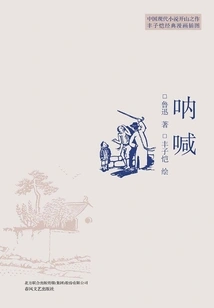
Shout
General Fiction呐喊
Lu Xun
Lu Xun is a famous modern Chinese writer, thinker and revolutionist. His works have had a profound impact on later generations of readers and have been selected as texts in various Chinese teaching materials for a long time. This book contains all the representative works of Lu Xun's novel collection "The Scream". At the same time, this book also contains 90 illustrations of Feng Zikai's comic works. Our company is the only publishing unit on the market authorized by Feng Zikai's family to publish Feng Zikai's illustrated works of Lu Xun's novels.
Lu Xun is a famous modern Chinese writer, thinker and revolutionist. His works have had a profound impact on later generations of readers and have been selected as texts in various Chinese teaching materials for a long time. This book contains all the representative works of Lu Xun's novel collection "The Scream". At the same time, this book also contains 90 illustrations of Feng Zikai's comic works. Our company is the only publishing unit on the market authorized by Feng Zikai's family to publish Feng Zikai's illustrated works of Lu Xun's novels.
朝花夕拾(百年纪念版)
Lu Xun
In September 1928, "Morning Blossoms Plucked at Dusk" was first published by Beijing Weiming Publishing House, nearly a hundred years ago. The first edition of "Morning Blossoms Plucked at Dusk" was edited and finalized by Mr. Lu Xun, and included 10 retrospective essays he wrote in 1926. The articles in the book were initially published in the bimonthly magazine "Wangyuan" under the general title of "Revisiting Old Things". In 1927, Lu Xun re-edited the book in Guangzhou, added a "Xiaoyin" and "Postscript", and renamed it "Chaohua Xixi" (later "Chaohua Xixi"). The cover of the book was designed by Lu Xun's friend and painter Tao Yuanqing. It was loved by readers as soon as it was launched and is still an irreplaceable classic version today. In this reprint, we focus on recreating for readers the original appearance of the first edition of "Picking Up Flowers in the Morning and Evening." In terms of editing, in addition to converting the traditional vertical layout of the first edition into the simplified horizontal layout, only a few text, punctuation and intellectual errors in the first edition were corrected. A large number of Lu Xun's customary words, phrases and sentence patterns in the first edition have been retained as they are. In terms of binding, a double cover design is adopted, and the inner cover is the restored original first edition cover. Mr. Lu Xun's works remain timeless. I hope this reprint of "Picking Up Flowers in the Morning and Dusk" can accompany readers and make them fresh every time they read it.
In September 1928, "Morning Blossoms Plucked at Dusk" was first published by Beijing Weiming Publishing House, nearly a hundred years ago. The first edition of "Morning Blossoms Plucked at Dusk" was edited and finalized by Mr. Lu Xun, and included 10 retrospective essays he wrote in 1926. The articles in the book were initially published in the bimonthly magazine "Wangyuan" under the general title of "Revisiting Old Things". In 1927, Lu Xun re-edited the book in Guangzhou, added a "Xiaoyin" and "Postscript", and renamed it "Chaohua Xixi" (later "Chaohua Xixi"). The cover of the book was designed by Lu Xun's friend and painter Tao Yuanqing. It was loved by readers as soon as it was launched and is still an irreplaceable classic version today. In this reprint, we focus on recreating for readers the original appearance of the first edition of "Picking Up Flowers in the Morning and Evening." In terms of editing, in addition to converting the traditional vertical layout of the first edition into the simplified horizontal layout, only a few text, punctuation and intellectual errors in the first edition were corrected. A large number of Lu Xun's customary words, phrases and sentence patterns in the first edition have been retained as they are. In terms of binding, a double cover design is adopted, and the inner cover is the restored original first edition cover. Mr. Lu Xun's works remain timeless. I hope this reprint of "Picking Up Flowers in the Morning and Dusk" can accompany readers and make them fresh every time they read it.
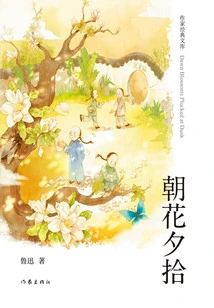
朝花夕拾(作家经典文库)
Lu Xun
This book not only contains the complete collection of "Morning Blossoms Plucked at Dusk", but also the collection of prose poems "Wild Grass". These works carry Lu Xun's emotional experience and growth process and are classics in modern Chinese prose. The collection of essays "Morning Blossoms Plucked at Dusk" is a collection of essays "copied from memory". It takes Lu Xun's life experience as a teenager as a clue, relatively completely records his life experience and ideological context from childhood to youth, and vividly depicts a picture of the social landscape of the late Qing Dynasty and the early Republic of China. The simple and kind-hearted A Chang, the erudite and upright private school teacher, the rigorous and serious Mr. Fujino, the passionate young man Fan Ainong, the "terrible and cute" impermanence... While creating characters with distinctive personalities, they also show the author's recollection of childhood experiences and thoughts after adulthood. The collection of prose poems "Wild Grass" contains twenty-three prose poems. These works contain the author's lifelong philosophy of life. The book uses tortuous and obscure symbolic techniques to express his disappointment and resentment towards reality. The writing style is profound and timeless, and the imagery is mysterious and beautiful. It is a classic of modern Chinese literature. It is also an important material for studying Mr. Lu Xun's thoughts.
This book not only contains the complete collection of "Morning Blossoms Plucked at Dusk", but also the collection of prose poems "Wild Grass". These works carry Lu Xun's emotional experience and growth process and are classics in modern Chinese prose. The collection of essays "Morning Blossoms Plucked at Dusk" is a collection of essays "copied from memory". It takes Lu Xun's life experience as a teenager as a clue, relatively completely records his life experience and ideological context from childhood to youth, and vividly depicts a picture of the social landscape of the late Qing Dynasty and the early Republic of China. The simple and kind-hearted A Chang, the erudite and upright private school teacher, the rigorous and serious Mr. Fujino, the passionate young man Fan Ainong, the "terrible and cute" impermanence... While creating characters with distinctive personalities, they also show the author's recollection of childhood experiences and thoughts after adulthood. The collection of prose poems "Wild Grass" contains twenty-three prose poems. These works contain the author's lifelong philosophy of life. The book uses tortuous and obscure symbolic techniques to express his disappointment and resentment towards reality. The writing style is profound and timeless, and the imagery is mysterious and beautiful. It is a classic of modern Chinese literature. It is also an important material for studying Mr. Lu Xun's thoughts.
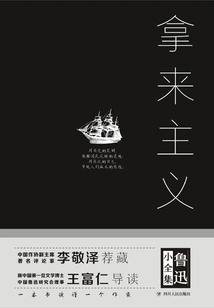
鲁迅小全集:拿来主义(精装)
Lu Xun
"The Complete Works of Lu Xun" contains most of Lu Xun's essay albums "Two Hearts Collection", "Nanqianbei Diao Collection", "Pseudo Free Letter", "Quan Feng Yue Tan", "Lace Literature", "Qiejieting Essays", "Qiejieting Essays Collection Two" and "Qiejieting Essays Final Collection". Lu Xun's essays still have a strong practical significance in modern times, especially the emergence and influence of his essays on various critical styles in modern communication, the development of themes, genres, and methods of essay creation, the free and creative contribution to the use of modern literary language, and the reverse use of imaginative thinking and the combination of positive and negative. It can be said that it has a profound impact.
"The Complete Works of Lu Xun" contains most of Lu Xun's essay albums "Two Hearts Collection", "Nanqianbei Diao Collection", "Pseudo Free Letter", "Quan Feng Yue Tan", "Lace Literature", "Qiejieting Essays", "Qiejieting Essays Collection Two" and "Qiejieting Essays Final Collection". Lu Xun's essays still have a strong practical significance in modern times, especially the emergence and influence of his essays on various critical styles in modern communication, the development of themes, genres, and methods of essay creation, the free and creative contribution to the use of modern literary language, and the reverse use of imaginative thinking and the combination of positive and negative. It can be said that it has a profound impact.
The Complete Works of Lu Xun (volume 18)
Literature鲁迅全集(第十八卷)
Lu Xun
In October 1936, Mr. Lu Xun passed away in Shanghai. Mr. Lu Xun Memorial Committee is\
In October 1936, Mr. Lu Xun passed away in Shanghai. Mr. Lu Xun Memorial Committee is\
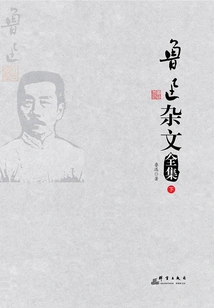
鲁迅杂文全集(下)
Lu Xun
"The Complete Collection of Lu Xun's Essays" collects all Lu Xun's essays written in different eras and styles, fully demonstrating the author's creative style and cultural heritage in different periods. The book is rich in content, novel in subject matter, and sophisticated in text, and is suitable for reference and appreciation by young readers. Mr. Lu Xun's essays have thorough ideological insight, sharp cultural criticism and strong artistic appeal. Through eclectic forms and a writing style that combines passion with coldness, he criticizes current affairs, lashes out customs, and reveals the philosophy of life. The style that combined poetry and political commentary was later called "Lu Xun style". Lu Xun's essays created a new trend of modern essays and influenced generations of essay writers. "The Complete Collection of Lu Xun's Essays" collects all Lu Xun's essays written in different eras and styles.
"The Complete Collection of Lu Xun's Essays" collects all Lu Xun's essays written in different eras and styles, fully demonstrating the author's creative style and cultural heritage in different periods. The book is rich in content, novel in subject matter, and sophisticated in text, and is suitable for reference and appreciation by young readers. Mr. Lu Xun's essays have thorough ideological insight, sharp cultural criticism and strong artistic appeal. Through eclectic forms and a writing style that combines passion with coldness, he criticizes current affairs, lashes out customs, and reveals the philosophy of life. The style that combined poetry and political commentary was later called "Lu Xun style". Lu Xun's essays created a new trend of modern essays and influenced generations of essay writers. "The Complete Collection of Lu Xun's Essays" collects all Lu Xun's essays written in different eras and styles.
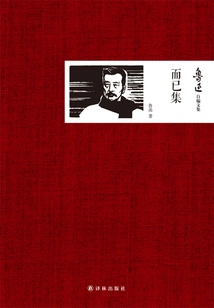
而已集(鲁迅自编文集)
Lu Xun
"Ji Ji Ji" is a collection of essays written by Lu Xun in 1927 and published in 1928. Faced with the reactionary warlords' massacre of revolutionaries and progressives, Mr. Lu Xun was both resentful and powerless. "In the past six months, I have seen a lot of blood and a lot of tears, but I only have mixed feelings. The tears have dried, the blood has disappeared, and the butchers are free and easy again, some with steel knives, some with soft knives. But I only have 'mixed feelings'. When even the 'mixed feelings' have been 'put where they should go,' I can only say 'nothing more.'"
"Ji Ji Ji" is a collection of essays written by Lu Xun in 1927 and published in 1928. Faced with the reactionary warlords' massacre of revolutionaries and progressives, Mr. Lu Xun was both resentful and powerless. "In the past six months, I have seen a lot of blood and a lot of tears, but I only have mixed feelings. The tears have dried, the blood has disappeared, and the butchers are free and easy again, some with steel knives, some with soft knives. But I only have 'mixed feelings'. When even the 'mixed feelings' have been 'put where they should go,' I can only say 'nothing more.'"
华盖集续编的续编
Lu Xun
This book, also known as "The Sequel and Supplement to the Huagai Collection", collects Lu Xun's essays written in 1926, the first six of which were written in Xiamen, and another "Marine Correspondence" written in 1927.
This book, also known as "The Sequel and Supplement to the Huagai Collection", collects Lu Xun's essays written in 1926, the first six of which were written in Xiamen, and another "Marine Correspondence" written in 1927.
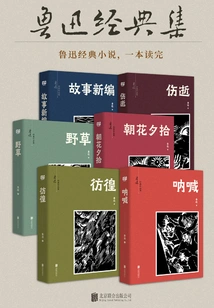
有间文库:鲁迅经典集
Lu Xun
Lu Xun's classic collection includes six volumes: Scream, Wandering, Sadness, New Stories, Picking Up Flowers in the Morning and Evening, and Wild Grasses.
Lu Xun's classic collection includes six volumes: Scream, Wandering, Sadness, New Stories, Picking Up Flowers in the Morning and Evening, and Wild Grasses.
祝福(鲁迅经典全集)
Lu Xun
The work tells the story of "I", an intellectual who left his hometown. After returning to his hometown at the end of the lunar calendar, he stayed at the house of his fourth uncle (Master Lu Si) to prepare a "blessing". He witnessed the tragedy of the death of Xiang Lin, the former maid of the fourth uncle's family. By describing Xianglin's tragic life, the novel shows the author's sympathy for oppressed women and his ruthless exposure of feudal ideology and ethics. It also explains how enlightened intellectuals like "I" in the article were indifferent and overwhelmed by the current social situation of people's selfishness and the harsh world at that time.
The work tells the story of "I", an intellectual who left his hometown. After returning to his hometown at the end of the lunar calendar, he stayed at the house of his fourth uncle (Master Lu Si) to prepare a "blessing". He witnessed the tragedy of the death of Xiang Lin, the former maid of the fourth uncle's family. By describing Xianglin's tragic life, the novel shows the author's sympathy for oppressed women and his ruthless exposure of feudal ideology and ethics. It also explains how enlightened intellectuals like "I" in the article were indifferent and overwhelmed by the current social situation of people's selfishness and the harsh world at that time.
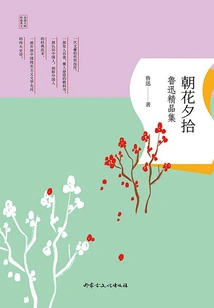
朝花夕拾:鲁迅精品集
Lu Xun
"Morning Blossoms Picked Up at Dusk (Boutique Collection of Lu Xun)\u002F Classic Essays by Masters of the Republic of China" is one of the classic book series of masters of the Republic of China. This series of books contains classic works of many masters of the Republic of China with different styles. The masters of the Republic of China all have extraordinary experiences and achievements, which are admirable and arousing curiosity. Readers can see the lives of the elites of the Republic of China and appreciate the unique charm of the Republic of China period from this set of books. Lu Xun's works have a language style that is accurate, vivid, concise, pungent and full of aftertaste. The characters are vivid and realistic, with strong social generalization. The writing style is concise and simple, the writing style is humorous, the structure is rigorous, the ending is clever, and it has extremely distinctive and unique personality characteristics.
"Morning Blossoms Picked Up at Dusk (Boutique Collection of Lu Xun)\u002F Classic Essays by Masters of the Republic of China" is one of the classic book series of masters of the Republic of China. This series of books contains classic works of many masters of the Republic of China with different styles. The masters of the Republic of China all have extraordinary experiences and achievements, which are admirable and arousing curiosity. Readers can see the lives of the elites of the Republic of China and appreciate the unique charm of the Republic of China period from this set of books. Lu Xun's works have a language style that is accurate, vivid, concise, pungent and full of aftertaste. The characters are vivid and realistic, with strong social generalization. The writing style is concise and simple, the writing style is humorous, the structure is rigorous, the ending is clever, and it has extremely distinctive and unique personality characteristics.
朝花夕拾
Lu Xun
Created in 1926, it is the only collection of retrospective essays written by Lu Xun. It was originally called "Revisiting Old Things" and was later changed to "Morning Blossoms Picked Up at Dusk" by Lu Xun. It has always been highly praised. It is Mr. Lu Xun who recalled the people and things in his childhood, boyhood and youth in his later years. This book is a collection of Lu Xun's reminiscence essays written in 1926, with a total of ten essays. The first five articles were written in Beijing, and the last five articles were written in Xiamen.
Created in 1926, it is the only collection of retrospective essays written by Lu Xun. It was originally called "Revisiting Old Things" and was later changed to "Morning Blossoms Picked Up at Dusk" by Lu Xun. It has always been highly praised. It is Mr. Lu Xun who recalled the people and things in his childhood, boyhood and youth in his later years. This book is a collection of Lu Xun's reminiscence essays written in 1926, with a total of ten essays. The first five articles were written in Beijing, and the last five articles were written in Xiamen.
Lu Xun's Prose: the Road of Life
Literature鲁迅散文:生命的路
Lu Xun
Lu Xun's writings are the spiritual food that everyone needs. His works not only have a fighting side, but also a leisurely side, a beautiful side, and even a game side in literature. This book includes Lu Xun's prose collection "Morning Blossoms Plucked at Dusk", prose poetry collection "Wild Grass" and some selected essays. By reading these vivid words, we will get to know a living and lovely Lu Xun.
Lu Xun's writings are the spiritual food that everyone needs. His works not only have a fighting side, but also a leisurely side, a beautiful side, and even a game side in literature. This book includes Lu Xun's prose collection "Morning Blossoms Plucked at Dusk", prose poetry collection "Wild Grass" and some selected essays. By reading these vivid words, we will get to know a living and lovely Lu Xun.
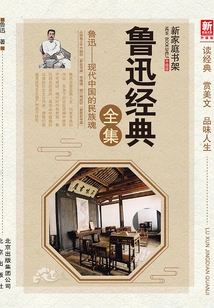
鲁迅经典全集(新家庭书架升级版)
Lu Xun
Mr. Lu Xun's writing is almost all-encompassing. He writes about the world, people's hearts, and literature. He writes well, rationally, and to the essence. This book contains Lu Xun's short story collections "Scream", "Wandering", "New Stories" and essay collections "Morning Blossoms Picked Up at Dusk" and "Weeds". We hope to show a complete Lu Xun in front of readers.
Mr. Lu Xun's writing is almost all-encompassing. He writes about the world, people's hearts, and literature. He writes well, rationally, and to the essence. This book contains Lu Xun's short story collections "Scream", "Wandering", "New Stories" and essay collections "Morning Blossoms Picked Up at Dusk" and "Weeds". We hope to show a complete Lu Xun in front of readers.
今天才读懂了鲁迅:鲁迅文章名句选编
Lu Xun
Lu Xun's words are like throwing spears and daggers, piercing hypocrisy; and like morning bells and evening drums, awakening a sleeping soul. Reading Lu Xun is not only reading the criticism of an era, but also reading a spirit of never compromising. This book selects the most penetrating famous sentences from Lu Xun's articles, each of which embodies cold insight and fiery struggle. Facing the current situation where nihilism is spreading and value judgments are out of focus, Lu Xun's sobriety of "listening to the thunder in the silent place" and his role as a "rebellious warrior" are just a good way to wake up the mind. The selection will highlight its constructive dimensions (such as "The infinite distance, countless people, are all related to me") and break the stereotype that "Lu Xun only criticizes".
Lu Xun's words are like throwing spears and daggers, piercing hypocrisy; and like morning bells and evening drums, awakening a sleeping soul. Reading Lu Xun is not only reading the criticism of an era, but also reading a spirit of never compromising. This book selects the most penetrating famous sentences from Lu Xun's articles, each of which embodies cold insight and fiery struggle. Facing the current situation where nihilism is spreading and value judgments are out of focus, Lu Xun's sobriety of "listening to the thunder in the silent place" and his role as a "rebellious warrior" are just a good way to wake up the mind. The selection will highlight its constructive dimensions (such as "The infinite distance, countless people, are all related to me") and break the stereotype that "Lu Xun only criticizes".
The Complete Works of Lu Xun (volume 19)
General Fiction鲁迅全集(第十九卷)
Lu Xun
In October 1936, Mr. Lu Xun passed away in Shanghai. Mr. Lu Xun Memorial Committee is\
In October 1936, Mr. Lu Xun passed away in Shanghai. Mr. Lu Xun Memorial Committee is\
Diary of a Madman: Complete Novels by Lu Xun
General Fiction狂人日记:鲁迅小说全集
Lu Xun
In order to commemorate the 100th anniversary of the publication of Lu Xun's novel "Blessing", authorized by the Lu Xun Museum in Beijing, this time the "My Silence is Deafening" illustrated series of selected works of Lu Xun (including novels, essays, essays, and biographies) is released, which for the first time includes Lu Xun's collection of woodcut prints, Lu Xun photos and other precious images. "Diary of a Madman: The Complete Novels of Lu Xun" is an illustrated novel in the "My Silence is Deafening" series of selected works of Lu Xun. It completely collects all Lu Xun's novels, including the novel collections "The Scream" (1923), "Wandering" (1926), "New Stories" (1936), and "Nostalgia" published in 1913, a total of 34 articles. In the appendix is a copy of Lu Xun's chronicle written by Xu Shouchang. The selected novels in this book were edited by referring to the 1936 edition of "The Complete Works of Lu Xun" (first edition) and the November 2005 edition of "The Complete Works of Lu Xun" published by People's Literature Publishing House. In order to retain the essence of the original work to the greatest extent, the Tongjia characters and Lu Xun's customary characters throughout the book are still completely retained. Other foreign names, place names, etc. Also retain their original translations without modification. At the same time, in order to facilitate reading, necessary annotations are made on the names of people, places, works, important events, etc. In the book.
In order to commemorate the 100th anniversary of the publication of Lu Xun's novel "Blessing", authorized by the Lu Xun Museum in Beijing, this time the "My Silence is Deafening" illustrated series of selected works of Lu Xun (including novels, essays, essays, and biographies) is released, which for the first time includes Lu Xun's collection of woodcut prints, Lu Xun photos and other precious images. "Diary of a Madman: The Complete Novels of Lu Xun" is an illustrated novel in the "My Silence is Deafening" series of selected works of Lu Xun. It completely collects all Lu Xun's novels, including the novel collections "The Scream" (1923), "Wandering" (1926), "New Stories" (1936), and "Nostalgia" published in 1913, a total of 34 articles. In the appendix is a copy of Lu Xun's chronicle written by Xu Shouchang. The selected novels in this book were edited by referring to the 1936 edition of "The Complete Works of Lu Xun" (first edition) and the November 2005 edition of "The Complete Works of Lu Xun" published by People's Literature Publishing House. In order to retain the essence of the original work to the greatest extent, the Tongjia characters and Lu Xun's customary characters throughout the book are still completely retained. Other foreign names, place names, etc. Also retain their original translations without modification. At the same time, in order to facilitate reading, necessary annotations are made on the names of people, places, works, important events, etc. In the book.
My Friend Huang Mao
Short Fiction我的朋友黄毛
Lu Xun
A little boy with yellow hair. He seems honest and honest. He is usually very good at talking, but he cannot speak clearly. He has suffered from a stutter since he was a child, but he is enthusiastic and cheerful and is my best friend in life.
A little boy with yellow hair. He seems honest and honest. He is usually very good at talking, but he cannot speak clearly. He has suffered from a stutter since he was a child, but he is enthusiastic and cheerful and is my best friend in life.
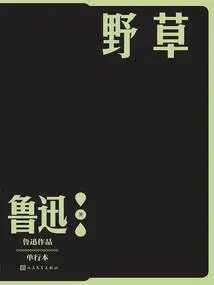
Weed
Literature野草
Lu Xun
"Wild Grass" is Mr. Lu Xun's thinnest, most beautiful, only and most reprinted collection of prose poems. Each chapter of "Weeds" mainly describes the social state under the rule of the Beiyang warlord government, as well as the passionate call for revolutionary power, deep sympathy for the working people, ruthless criticism of the national bad character, and strict self-anatomy; it also covers life and life. Death, love and hate, dreams and awakening, friends and enemies, past and future, light and darkness, lovers and unlovers, silence and speaking, hope and despair, caress and revenge, nostalgia and determination, etc. Are a series of concepts and images that unite opposites, struggle fiercely and merge in the struggle.
"Wild Grass" is Mr. Lu Xun's thinnest, most beautiful, only and most reprinted collection of prose poems. Each chapter of "Weeds" mainly describes the social state under the rule of the Beiyang warlord government, as well as the passionate call for revolutionary power, deep sympathy for the working people, ruthless criticism of the national bad character, and strict self-anatomy; it also covers life and life. Death, love and hate, dreams and awakening, friends and enemies, past and future, light and darkness, lovers and unlovers, silence and speaking, hope and despair, caress and revenge, nostalgia and determination, etc. Are a series of concepts and images that unite opposites, struggle fiercely and merge in the struggle.
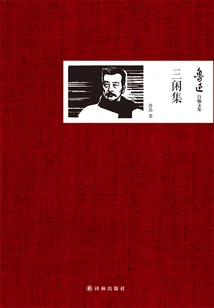
三闲集(鲁迅自编文集)
Lu Xun
"Sanxian Collection" is a collection of essays by Lu Xun, which contains thirty-four essays written by Lu Xun between 1927 and 1929. Including "Silent China", "On the Bell Tower (Night Notes Part 2)", "An Account of Hong Kong's Christmas Wishes", "Short Introduction to "February" by Rou Shi", "The Changes of Hooligans", etc.
"Sanxian Collection" is a collection of essays by Lu Xun, which contains thirty-four essays written by Lu Xun between 1927 and 1929. Including "Silent China", "On the Bell Tower (Night Notes Part 2)", "An Account of Hong Kong's Christmas Wishes", "Short Introduction to "February" by Rou Shi", "The Changes of Hooligans", etc.
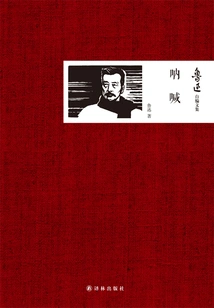
Scream (collected Works Compiled by Lu Xun)
General Fiction呐喊(鲁迅自编文集)
Lu Xun
"The Scream" is a collection of short stories written by Lu Xun from 1918 to 1922, including 14 works such as "Diary of a Madman", "Kong Yiji", "Medicine", "Tomorrow", "A Little Thing" and "The Story of Hair". It was the period when the spirit of the May 4th Revolution was rising. The author's intention in writing the novel was to describe "the unfortunate people in a sick society", "to expose the suffering of the disease and draw attention to its treatment", and to "cry out" for the New Culture Movement. The work truly depicts social life from the Revolution of 1911 to the May Fourth period, reveals various deep-seated social contradictions, deeply analyzes and completely negates the feudal system and outdated traditional concepts, and shows a strong sense of worry for national survival and a strong desire for social change.
"The Scream" is a collection of short stories written by Lu Xun from 1918 to 1922, including 14 works such as "Diary of a Madman", "Kong Yiji", "Medicine", "Tomorrow", "A Little Thing" and "The Story of Hair". It was the period when the spirit of the May 4th Revolution was rising. The author's intention in writing the novel was to describe "the unfortunate people in a sick society", "to expose the suffering of the disease and draw attention to its treatment", and to "cry out" for the New Culture Movement. The work truly depicts social life from the Revolution of 1911 to the May Fourth period, reveals various deep-seated social contradictions, deeply analyzes and completely negates the feudal system and outdated traditional concepts, and shows a strong sense of worry for national survival and a strong desire for social change.
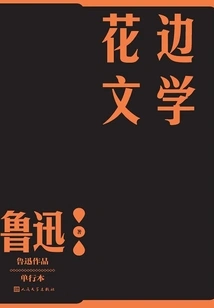
Lace Literature
Literature花边文学
Lu Xun
"Lace Literature" contains 61 essays written by Lu Xun in 1934. "Lace literature" was originally a word used by others in articles attacking Lu Xun, so Lu Xun used it to name the collection and design the cover. The stand-alone version is a popularized reading version based on the compilation of "The Complete Works of Lu Xun". Lu Xun's works include essays, short stories, reviews, essays, and translations, which have had a profound impact on Chinese literature after the "May Fourth Movement."
"Lace Literature" contains 61 essays written by Lu Xun in 1934. "Lace literature" was originally a word used by others in articles attacking Lu Xun, so Lu Xun used it to name the collection and design the cover. The stand-alone version is a popularized reading version based on the compilation of "The Complete Works of Lu Xun". Lu Xun's works include essays, short stories, reviews, essays, and translations, which have had a profound impact on Chinese literature after the "May Fourth Movement."
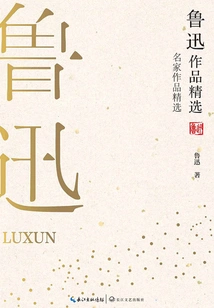
Selected Works of Lu Xun
Literature鲁迅作品精选
Lu Xun
"Selected Works of Lu Xun" is a collection of selected works of Lu Xun, including 69 representative articles in four genres: novels, essays, prose poems, and miscellaneous feelings. Including "Blessings", "Hometown", "From Baicao Garden to Sanwei Bookstore", "Usingism" and other popular masterpieces, they are rich in literary and ideological nature and clearly demonstrate Lu Xun's ideological characteristics and writing style.
"Selected Works of Lu Xun" is a collection of selected works of Lu Xun, including 69 representative articles in four genres: novels, essays, prose poems, and miscellaneous feelings. Including "Blessings", "Hometown", "From Baicao Garden to Sanwei Bookstore", "Usingism" and other popular masterpieces, they are rich in literary and ideological nature and clearly demonstrate Lu Xun's ideological characteristics and writing style.