Library
Browse and search books
3 novels found
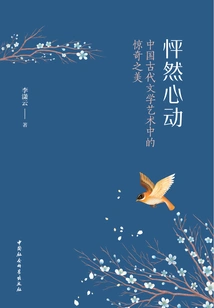
怦然心动:中国古代文学艺术中的惊奇之美
Li Xiaoyun
Whether in China or the West, in literature and art, "surprise" is a hidden topic that has received widespread attention and has been mentioned by commentators throughout the ages. In the history of Western philosophy, it is generally believed that philosophy originated from surprise. The ancient Greeks were even more surprised by the harmony between man and existence and the unity with all things. Surprise has always been imbued with a strong aesthetic color in ancient Chinese literature and art. It can also be said to be one of the highest value orientations of its literary and artistic ideals. The so-called "words that are not surprising will never stop", "the pen falls in the storm", "the poem becomes so weeping ghosts and gods", etc. Can be regarded as unique descriptions of the aesthetic effect of surprise. Excellent literary and artistic works can often cause strong psychological shock in the recipients, and with their strong artistic appeal, they are repeatedly chanted and amazed by future generations. Wandering around in this kind of works is like wandering in Zhuze or Denglin, wandering with your eyes wandering, feeling your spirit galloping, your soul swaying, and your heart startled. At the same time, you feel as if you have reached a state of freedom and carefreeness, and you can get a materialized aesthetic psychological feeling. It is an indescribable spiritual meeting and spiritual connection, "peak beauty" and "peak passion". At the moment of greatest emotional concentration, you can indulge in the surprising moment of aesthetics and enjoy the passion and joy that comes from it. It can be said that surprise makes the object suddenly open up from its daily concealed state, showing an aesthetic charm that is rarely seen in ordinary times.
Whether in China or the West, in literature and art, "surprise" is a hidden topic that has received widespread attention and has been mentioned by commentators throughout the ages. In the history of Western philosophy, it is generally believed that philosophy originated from surprise. The ancient Greeks were even more surprised by the harmony between man and existence and the unity with all things. Surprise has always been imbued with a strong aesthetic color in ancient Chinese literature and art. It can also be said to be one of the highest value orientations of its literary and artistic ideals. The so-called "words that are not surprising will never stop", "the pen falls in the storm", "the poem becomes so weeping ghosts and gods", etc. Can be regarded as unique descriptions of the aesthetic effect of surprise. Excellent literary and artistic works can often cause strong psychological shock in the recipients, and with their strong artistic appeal, they are repeatedly chanted and amazed by future generations. Wandering around in this kind of works is like wandering in Zhuze or Denglin, wandering with your eyes wandering, feeling your spirit galloping, your soul swaying, and your heart startled. At the same time, you feel as if you have reached a state of freedom and carefreeness, and you can get a materialized aesthetic psychological feeling. It is an indescribable spiritual meeting and spiritual connection, "peak beauty" and "peak passion". At the moment of greatest emotional concentration, you can indulge in the surprising moment of aesthetics and enjoy the passion and joy that comes from it. It can be said that surprise makes the object suddenly open up from its daily concealed state, showing an aesthetic charm that is rarely seen in ordinary times.
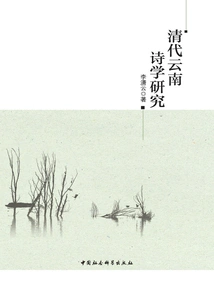
清代云南诗学研究
Li Xiaoyun
Yunnan poetic criticism in the Qing Dynasty was about reflection and return to originality. The former was related to logic, and the latter was related to experience. As methods, both are self-evident like sunlight and air; as beings, they are like sea water and fire waiting to be revealed. Starting from the dual perspective of self-evident existence, Yunnan poetics in the Qing Dynasty implies two propositions: what is poetry - the artistic expression of the subject's temperament; what is poetry - an aesthetic creation based on foundation and interest. From a modern academic perspective, the poetic discourse of Yunnan in the Qing Dynasty is more of a theoretical and intellectual existence; for the regional subject of Yunnan poetics in the Qing Dynasty, its poetic discourse is based on the self-constructed feelings of the poet himself and his family and country, aesthetics and morality.
Yunnan poetic criticism in the Qing Dynasty was about reflection and return to originality. The former was related to logic, and the latter was related to experience. As methods, both are self-evident like sunlight and air; as beings, they are like sea water and fire waiting to be revealed. Starting from the dual perspective of self-evident existence, Yunnan poetics in the Qing Dynasty implies two propositions: what is poetry - the artistic expression of the subject's temperament; what is poetry - an aesthetic creation based on foundation and interest. From a modern academic perspective, the poetic discourse of Yunnan in the Qing Dynasty is more of a theoretical and intellectual existence; for the regional subject of Yunnan poetics in the Qing Dynasty, its poetic discourse is based on the self-constructed feelings of the poet himself and his family and country, aesthetics and morality.
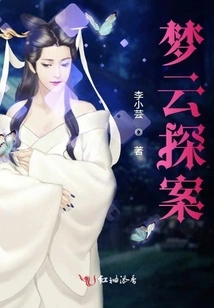
Detective Mengyun
Mystery梦云探案
Li Xiaoyun
A living person may leave this world in an instant for various reasons. But no matter the reason, no one wants to die. Because there is only one life, and once it passes, it means that the soul will disappear forever. Then all that is left is the body, which is the only proof that she has been in this world.
A living person may leave this world in an instant for various reasons. But no matter the reason, no one wants to die. Because there is only one life, and once it passes, it means that the soul will disappear forever. Then all that is left is the body, which is the only proof that she has been in this world.