Library
Browse and search books
2 novels found
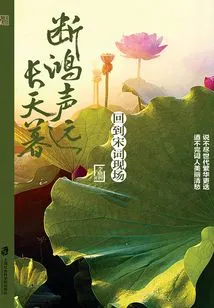
The Sound of Broken Hong is Far Away and the Sky is Dusk: Returning to the Scene of Song Poetry
Literature断鸿声远长天暮:回到宋词现场
Li Xiaorun
Recreating the landscape and people in a specific time and space, reliving the encounters of the literati and poets, and understanding the origins of the charm of every word. This book uses the form of historical romance and humorous writing style to corroborate the stories and works of the poets of the Song Dynasty. It takes readers back to the birthplace of the most beautiful Song poetry and feels the boldness, freeness, elegance and affection of the most beautiful Chinese language. The author is like a guide, carrying a map, accompanying and pointing out the path, allowing readers to return to the Song Dynasty, witness with their own eyes the birthplace of the most beautiful poems that shine like stars, and understand the political, economic, humanistic, and especially the individual experiences and emotions of the poets, and many other external and internal reasons for the creation of such masterpieces. The author also provides concise explanations and annotations of important words, which only point out the path without elaborating personal views, which helps readers to make personal understanding and insights. This is respect for readers, trust in readers, and an invitation to readers.
Recreating the landscape and people in a specific time and space, reliving the encounters of the literati and poets, and understanding the origins of the charm of every word. This book uses the form of historical romance and humorous writing style to corroborate the stories and works of the poets of the Song Dynasty. It takes readers back to the birthplace of the most beautiful Song poetry and feels the boldness, freeness, elegance and affection of the most beautiful Chinese language. The author is like a guide, carrying a map, accompanying and pointing out the path, allowing readers to return to the Song Dynasty, witness with their own eyes the birthplace of the most beautiful poems that shine like stars, and understand the political, economic, humanistic, and especially the individual experiences and emotions of the poets, and many other external and internal reasons for the creation of such masterpieces. The author also provides concise explanations and annotations of important words, which only point out the path without elaborating personal views, which helps readers to make personal understanding and insights. This is respect for readers, trust in readers, and an invitation to readers.
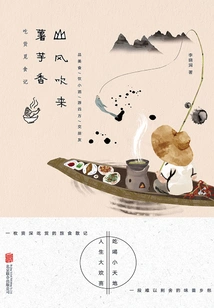
The Mountain Breeze Carries the Fragrance of Potatoes and Taro: a Foodie's Diary of Foraging
Literature山风吹来薯芋香:吃货觅食记
Li Xiaorun
Most of the essays included in the book are about food. As a senior foodie, the author writes about cross-bridge rice noodles, ice noodles, spring rolls, donkey meat barbecue, Korean cold noodles and other local delicacies in a mouth-watering way. Whether it's about describing the good restaurants you often visit or about your personal cooking experience, it's all very exciting. In addition to writing about food, the author also commented on the pros and cons of various food writing articles in articles such as "The Little Gourmet Meets the Old Gourmet". The two articles "Eating Poems" and "Chinese History through the Eyes of a Gourmet" connect the history of minimalist poetry and the history of China from the perspective of food, which is quite innovative. The travel essays collected in the book show a unique travel experience. It is not just a quick tour, but an in-depth understanding of folk customs and becoming friends with ordinary people and field elders.
Most of the essays included in the book are about food. As a senior foodie, the author writes about cross-bridge rice noodles, ice noodles, spring rolls, donkey meat barbecue, Korean cold noodles and other local delicacies in a mouth-watering way. Whether it's about describing the good restaurants you often visit or about your personal cooking experience, it's all very exciting. In addition to writing about food, the author also commented on the pros and cons of various food writing articles in articles such as "The Little Gourmet Meets the Old Gourmet". The two articles "Eating Poems" and "Chinese History through the Eyes of a Gourmet" connect the history of minimalist poetry and the history of China from the perspective of food, which is quite innovative. The travel essays collected in the book show a unique travel experience. It is not just a quick tour, but an in-depth understanding of folk customs and becoming friends with ordinary people and field elders.