Library
Browse and search books
4 novels found
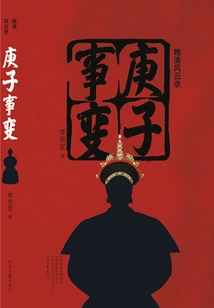
庚子事变(晚清风云录)
Li Keding
The gorgeous beams and pillars of the late Qing Empire have long been eaten away by termites. During the Gengzi period, Empress Dowager Cixi ushered in the most painful year of her life: royalists overseas were waving their flags, and Sun Yat-sen was shouting in Guangdong. The southeastern provinces united to protect each other, but they seemed to be in harmony with the Qing court. With the tacit approval of the imperial war faction, the Boxer Rebellion spread rapidly and brought disaster to Beijing and Tianjin. The commanders of the Eight-Power Allied Forces marched into Beijing, and instantly Kyoto was in trouble. The two palaces made a hurried tour to the west, which lasted for one year and four months. Li Hongzhang was ordered to go north, negotiate with the great powers, and complete the last political mission in his life. After the "Xinchou Treaty" was signed, the Qing government scraped bones to heal its wounds, implemented the New Deal, and mended the already riddled Qing Dynasty.
The gorgeous beams and pillars of the late Qing Empire have long been eaten away by termites. During the Gengzi period, Empress Dowager Cixi ushered in the most painful year of her life: royalists overseas were waving their flags, and Sun Yat-sen was shouting in Guangdong. The southeastern provinces united to protect each other, but they seemed to be in harmony with the Qing court. With the tacit approval of the imperial war faction, the Boxer Rebellion spread rapidly and brought disaster to Beijing and Tianjin. The commanders of the Eight-Power Allied Forces marched into Beijing, and instantly Kyoto was in trouble. The two palaces made a hurried tour to the west, which lasted for one year and four months. Li Hongzhang was ordered to go north, negotiate with the great powers, and complete the last political mission in his life. After the "Xinchou Treaty" was signed, the Qing government scraped bones to heal its wounds, implemented the New Deal, and mended the already riddled Qing Dynasty.
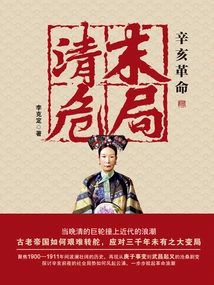
Revolution of 1911: Crisis in the Late Qing Dynasty
General Fiction辛亥革命:清末危局
Li Keding
The Revolution of 1911 that broke out in 1911 ended China's imperial system that had lasted for thousands of years and started the journey towards modern civilization. The novel focuses on the magnificent history from 1900 to 1911, recreating the dramatic historical changes from the Gengzi Incident to the Wuchang Uprising. The series is divided into three parts, and this book is the first. After the Gengzi national calamity, the government and the public learned from the pain and tried to scrape the bones and heal the wounds in order to save the people from danger. The Qing government restarted reforms and implemented the New Deal. However, there were many domestic conflicts. Yuan Shikai took the opportunity to support his own troops. Sun Yat-sen, Huang Xing and others prepared to establish the China Alliance, and Japan and Russia started a war in the Northeast. Amid internal and external troubles, the revolutionary wave is about to break out... The author uses solid and accurate historical data to explore how the social situation surged on the eve of Xinhai, setting off a revolutionary wave step by step; he deeply reviews the historical changes on the eve of 1911, explores the nation's tolerance and struggle, pain and expectations at the time of life and death, and provides reference for the road to national rejuvenation.
The Revolution of 1911 that broke out in 1911 ended China's imperial system that had lasted for thousands of years and started the journey towards modern civilization. The novel focuses on the magnificent history from 1900 to 1911, recreating the dramatic historical changes from the Gengzi Incident to the Wuchang Uprising. The series is divided into three parts, and this book is the first. After the Gengzi national calamity, the government and the public learned from the pain and tried to scrape the bones and heal the wounds in order to save the people from danger. The Qing government restarted reforms and implemented the New Deal. However, there were many domestic conflicts. Yuan Shikai took the opportunity to support his own troops. Sun Yat-sen, Huang Xing and others prepared to establish the China Alliance, and Japan and Russia started a war in the Northeast. Amid internal and external troubles, the revolutionary wave is about to break out... The author uses solid and accurate historical data to explore how the social situation surged on the eve of Xinhai, setting off a revolutionary wave step by step; he deeply reviews the historical changes on the eve of 1911, explores the nation's tolerance and struggle, pain and expectations at the time of life and death, and provides reference for the road to national rejuvenation.
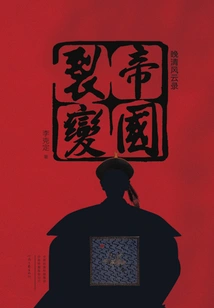
帝国裂变(晚清风云录)
Li Keding
The sky in the late Qing Dynasty was filled with clouds and was swaying with wind and rain. The ancient empire is in pain and confusion in the mysterious world. Empress Dowager Cixi launched a coup and imprisoned Guangxu; Kangliang fled; the Boxer Rebellion swept the north; Western forces competed for their interests in China. All forces engage in a life-and-death game. With concise and expressive writing style and detailed and accurate historical materials, the novel originally presents the great changes that lasted for thirteen years from 1898 to 1900 in the late Qing Dynasty. The original appearance presents the situation in which the building is about to collapse and collapse in the late Qing Dynasty. It shows the embarrassment of the country's important ministers and elites who are struggling to make up for the loss but are short of resources. It deeply touches the bone-breaking pain of the nation's efforts to save itself from internal and external troubles. Writer Li Keding's ambition is to enter the historical scene. In the novel, he not only puts himself in the turmoil of the political whirlpool of the late Qing Dynasty, but also calmly examines the operation of the bureaucratic machine under the thousand-year-old autocratic system from a modern perspective; he can not only sympathize with the confusion and rush in the transformation of the old and the new, but also be as precise and sharp as a surgeon, cutting straight to the point of pain and drawing blood.
The sky in the late Qing Dynasty was filled with clouds and was swaying with wind and rain. The ancient empire is in pain and confusion in the mysterious world. Empress Dowager Cixi launched a coup and imprisoned Guangxu; Kangliang fled; the Boxer Rebellion swept the north; Western forces competed for their interests in China. All forces engage in a life-and-death game. With concise and expressive writing style and detailed and accurate historical materials, the novel originally presents the great changes that lasted for thirteen years from 1898 to 1900 in the late Qing Dynasty. The original appearance presents the situation in which the building is about to collapse and collapse in the late Qing Dynasty. It shows the embarrassment of the country's important ministers and elites who are struggling to make up for the loss but are short of resources. It deeply touches the bone-breaking pain of the nation's efforts to save itself from internal and external troubles. Writer Li Keding's ambition is to enter the historical scene. In the novel, he not only puts himself in the turmoil of the political whirlpool of the late Qing Dynasty, but also calmly examines the operation of the bureaucratic machine under the thousand-year-old autocratic system from a modern perspective; he can not only sympathize with the confusion and rush in the transformation of the old and the new, but also be as precise and sharp as a surgeon, cutting straight to the point of pain and drawing blood.
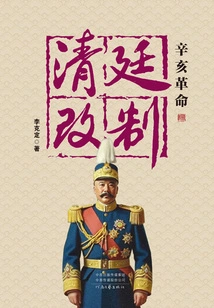
Revolution of 1911: Reorganization of the Qing Court
General Fiction辛亥革命:清廷改制
Li Keding
The Revolution of 1911 that broke out in 1911 ended China's imperial system that had lasted for more than two thousand years and started the journey towards modern civilization. The novel focuses on the magnificent history from 1900 to 1911, recreating the vicissitudes of life from the Gengzi Incident to the Wuchang Uprising. The series is divided into three parts, and this book is the second. The Qing government sent five ministers abroad to inspect the constitutional government, but they were bombed by the revolutionary Wu Yue at the train station. Revolutionary Xu Xilin assassinated Anhui governor Enming, and Jianhu heroine Qiu Jin launched an uprising. On September 1, 1906, the Qing government issued a copycat constitutional edict. At the same time, the political system was reformed, and the previously planned province of Northeast China was implemented. Unexpectedly, this was the direct cause that triggered the "Ding Wei Political Tide" within the supreme ruling group. Sun Yat-sen launched the Great Uprising in Guangdong, Guangxi and Yunnan, and fired the first successful shot of the armed uprising. Yuan Shikai's power became stronger and stronger. During the climax of the political struggle, Guangxu and Cixi passed away at the same time, and the Qing Dynasty became increasingly precarious.
The Revolution of 1911 that broke out in 1911 ended China's imperial system that had lasted for more than two thousand years and started the journey towards modern civilization. The novel focuses on the magnificent history from 1900 to 1911, recreating the vicissitudes of life from the Gengzi Incident to the Wuchang Uprising. The series is divided into three parts, and this book is the second. The Qing government sent five ministers abroad to inspect the constitutional government, but they were bombed by the revolutionary Wu Yue at the train station. Revolutionary Xu Xilin assassinated Anhui governor Enming, and Jianhu heroine Qiu Jin launched an uprising. On September 1, 1906, the Qing government issued a copycat constitutional edict. At the same time, the political system was reformed, and the previously planned province of Northeast China was implemented. Unexpectedly, this was the direct cause that triggered the "Ding Wei Political Tide" within the supreme ruling group. Sun Yat-sen launched the Great Uprising in Guangdong, Guangxi and Yunnan, and fired the first successful shot of the armed uprising. Yuan Shikai's power became stronger and stronger. During the climax of the political struggle, Guangxu and Cixi passed away at the same time, and the Qing Dynasty became increasingly precarious.