Library
Browse and search books
2 novels found
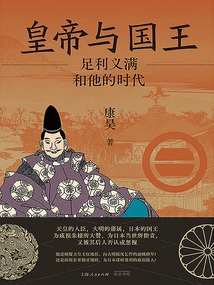
皇帝与国王:足利义满和他的时代
Kang Hao
1374-1419 was a turbulent era in East Asia: in China, King Yan Zhu Di raised troops to depose his nephew Emperor Jianwen and became the "Ming Dynasty"; in the Korean Peninsula, general Li Chenggui forced the King of Korea to abdicate and established the Joseon Dynasty. His son Li Bangyuan later seized power and ascended the throne and was called "Korea Taizong"; in Japan, general Ashikaga Yoshimitsu ended the division of the Northern and Southern Dynasties that lasted for more than 60 years and unified Japan. However, Ashikaga Yoshimitsu was criticized by many in his own country - his political power was stable. In order to return to the East Asian tribute system centered on the Ming Dynasty, he racked his brains to obtain the title of "King of Japan" awarded by the Ming Dynasty. In Japan, where the emperor was regarded as the supreme, it was a treason. This book analyzes the impact of Ashikaga Yoshimitsu on Japan and the East Asian world from the perspectives of domestic politics, international exchanges, and cultural development through Ashikaga Yoshimitsu, the third generation shogun of the Muromachi shogunate, from the "Koretsu Coup" to the end of his life. It attempts to use a broad perspective and small details. The picture returns to the scene of East Asian history from the second half of the 14th century to the early 15th century. From different perspectives of Japan, China, and the Korean Peninsula, it peels off the layers of masks on Ashikaga Yoshimitsu's face and reanalyzes his experiences and intentions: Is Ashikaga Yoshimitsu a transgressive "traitor"? Or does it have its own insights and wisdom? What does the emergence of Ashikaga Yoshimitsu mean to Muromachi Japan in the East Asian world with the Ming Dynasty as its core?
1374-1419 was a turbulent era in East Asia: in China, King Yan Zhu Di raised troops to depose his nephew Emperor Jianwen and became the "Ming Dynasty"; in the Korean Peninsula, general Li Chenggui forced the King of Korea to abdicate and established the Joseon Dynasty. His son Li Bangyuan later seized power and ascended the throne and was called "Korea Taizong"; in Japan, general Ashikaga Yoshimitsu ended the division of the Northern and Southern Dynasties that lasted for more than 60 years and unified Japan. However, Ashikaga Yoshimitsu was criticized by many in his own country - his political power was stable. In order to return to the East Asian tribute system centered on the Ming Dynasty, he racked his brains to obtain the title of "King of Japan" awarded by the Ming Dynasty. In Japan, where the emperor was regarded as the supreme, it was a treason. This book analyzes the impact of Ashikaga Yoshimitsu on Japan and the East Asian world from the perspectives of domestic politics, international exchanges, and cultural development through Ashikaga Yoshimitsu, the third generation shogun of the Muromachi shogunate, from the "Koretsu Coup" to the end of his life. It attempts to use a broad perspective and small details. The picture returns to the scene of East Asian history from the second half of the 14th century to the early 15th century. From different perspectives of Japan, China, and the Korean Peninsula, it peels off the layers of masks on Ashikaga Yoshimitsu's face and reanalyzes his experiences and intentions: Is Ashikaga Yoshimitsu a transgressive "traitor"? Or does it have its own insights and wisdom? What does the emergence of Ashikaga Yoshimitsu mean to Muromachi Japan in the East Asian world with the Ming Dynasty as its core?
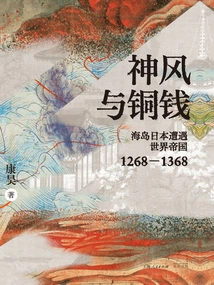
神风与铜钱:海岛日本遭遇世界帝国(1268—1368)
Kang Hao
Faced with the threat of war from the Mongol Empire, Japan responded with a cold attitude of no reply, no contact, and no envoys allowed to enter Beijing. In anger, Kublai Khan sent troops to Japan twice, but encountered storms at sea and returned defeated. Japan calls this storm "kamikaze". How does this affect the Japanese's world imagination and self-understanding? Although the two countries were far away from each other, maritime trade became more popular than during the Tang and Song Dynasties. Why do officials and people flock to the copper coins that arrived in Japan as ballast? What impact did the Zen monk, who was not afraid of risks and traveled across the sea to study, have on Japanese culture after returning home? At the same time, the Kamakura shogunate, which had expanded its power, gradually collapsed amid the domestic crisis that intensified after the war. The succeeding Muromachi shogunate and the emperor fought openly and secretly, and their power and status gradually reversed. Japan entered the Southern and Northern Dynasties, which were prone to turmoil. The Li Dynasty rose on the Korean Peninsula. The Yuan Dynasty fell and the Ming Dynasty implemented a maritime ban. Where will the international order in East Asia go? Re-examining the relationship between Yuan and Japan from a maritime perspective, interlocking historical connections emerge one by one.
Faced with the threat of war from the Mongol Empire, Japan responded with a cold attitude of no reply, no contact, and no envoys allowed to enter Beijing. In anger, Kublai Khan sent troops to Japan twice, but encountered storms at sea and returned defeated. Japan calls this storm "kamikaze". How does this affect the Japanese's world imagination and self-understanding? Although the two countries were far away from each other, maritime trade became more popular than during the Tang and Song Dynasties. Why do officials and people flock to the copper coins that arrived in Japan as ballast? What impact did the Zen monk, who was not afraid of risks and traveled across the sea to study, have on Japanese culture after returning home? At the same time, the Kamakura shogunate, which had expanded its power, gradually collapsed amid the domestic crisis that intensified after the war. The succeeding Muromachi shogunate and the emperor fought openly and secretly, and their power and status gradually reversed. Japan entered the Southern and Northern Dynasties, which were prone to turmoil. The Li Dynasty rose on the Korean Peninsula. The Yuan Dynasty fell and the Ming Dynasty implemented a maritime ban. Where will the international order in East Asia go? Re-examining the relationship between Yuan and Japan from a maritime perspective, interlocking historical connections emerge one by one.