Library
Browse and search books
3,533 novels found
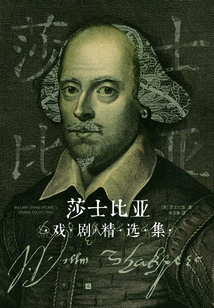
Selections of Shakespeare's Plays
Literature莎士比亚戏剧精选集
H
"Selected Collection of Shakespeare's Plays" is a collection of Shakespeare's four classic plays "Hamlet", "Romeo and Juliet", "A Midsummer Night's Dream" and "The Merchant of Venice". Zhu Shenghao's classic translation is original and vivid.
"Selected Collection of Shakespeare's Plays" is a collection of Shakespeare's four classic plays "Hamlet", "Romeo and Juliet", "A Midsummer Night's Dream" and "The Merchant of Venice". Zhu Shenghao's classic translation is original and vivid.
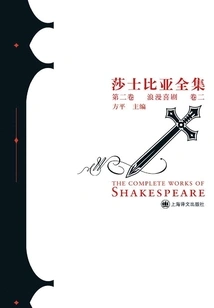
浪漫喜剧卷二(莎士比亚全集·第二卷)
H
This set of books is the first complete work of Shakespeare in verse in the Chinese-speaking world. The original form of Shakespeare's drama is a verse drama, which is a verse drama with blank verse as its basic form. Translating poetry into verse, trying to make the translation closer to the original appearance of Shakespeare's drama in terms of tone and language rhythm, is the ultimate appeal of this version. "Romantic Comedies Volume 2" contains four romantic comedies written by Shakespeare. "A Midsummer Night's Dream" is a romantic comedy written by William Shakespeare around 1590-1596. It depicts a series of stories centered on the wedding of Theseus, the Grand Duke of Athens, and Hippolyta. "Chasing Shadows" should have been written between 1598 and 1599. It was Shakespeare's creation during the most mature period of comedy writing. The content is lively, joyful and full of philosophical thoughts. The theme of the story is masks, disguises or games, and the characters in the play explore self-awareness, sincerity and respect in the relationship between men and women. "The Merry Wives of Windsor" is one of Shakespeare's comedies. It mainly shaped the image of Falstaff, the fallen knight, and triggered a series of ridiculous stories. "Twelfth Night" is the end of Shakespeare's early comedy creation. With a lyrical style and romantic comedy form, this work once again eulogizes the beautiful humanistic ideals of love and friendship, and expresses the beauty of life and love.
This set of books is the first complete work of Shakespeare in verse in the Chinese-speaking world. The original form of Shakespeare's drama is a verse drama, which is a verse drama with blank verse as its basic form. Translating poetry into verse, trying to make the translation closer to the original appearance of Shakespeare's drama in terms of tone and language rhythm, is the ultimate appeal of this version. "Romantic Comedies Volume 2" contains four romantic comedies written by Shakespeare. "A Midsummer Night's Dream" is a romantic comedy written by William Shakespeare around 1590-1596. It depicts a series of stories centered on the wedding of Theseus, the Grand Duke of Athens, and Hippolyta. "Chasing Shadows" should have been written between 1598 and 1599. It was Shakespeare's creation during the most mature period of comedy writing. The content is lively, joyful and full of philosophical thoughts. The theme of the story is masks, disguises or games, and the characters in the play explore self-awareness, sincerity and respect in the relationship between men and women. "The Merry Wives of Windsor" is one of Shakespeare's comedies. It mainly shaped the image of Falstaff, the fallen knight, and triggered a series of ridiculous stories. "Twelfth Night" is the end of Shakespeare's early comedy creation. With a lyrical style and romantic comedy form, this work once again eulogizes the beautiful humanistic ideals of love and friendship, and expresses the beauty of life and love.
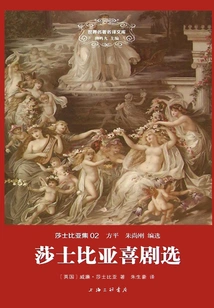
Selected Comedies of Shakespeare
Literature莎士比亚喜剧选
H
This collection of Shakespeare's comedies translated by Zhu Shenghao includes selected plays such as "Twelfth Night", "The Merchant of Venice", "The Merry Wives of Windsor", "The Taming of the Shrew", "As You Like It", "A Midsummer Night's Dream", etc. It revolves around the themes of love, friendship and marriage, but the plots are vivid and rich, with eternal charm.
This collection of Shakespeare's comedies translated by Zhu Shenghao includes selected plays such as "Twelfth Night", "The Merchant of Venice", "The Merry Wives of Windsor", "The Taming of the Shrew", "As You Like It", "A Midsummer Night's Dream", etc. It revolves around the themes of love, friendship and marriage, but the plots are vivid and rich, with eternal charm.
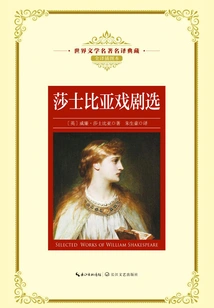
莎士比亚戏剧选(世界文学名著名译典藏)
H
"Selected Plays of Shakespeare" is compiled by Mr. Zhu Shenghao. It includes five classic plays: "The Merchant of Venice", "Twelfth Night", "Romeo and Juliet", "Hamlet" and "King Lear". Basically reflects the creative characteristics of Shakespeare's plays in the early and middle periods. The language of Shakespeare's plays is completely poetic. It is as gentle as flowing water and as turbulent as the waves crashing on the shore. It is endlessly memorable. Shakespeare no longer belongs to a certain country or nation. He is a symbol of human civilization. His plays have been translated into many languages and are loved by readers around the world. Since Shakespeare was introduced to China in the early 20th century, he has been deeply loved by generations of Chinese readers.
"Selected Plays of Shakespeare" is compiled by Mr. Zhu Shenghao. It includes five classic plays: "The Merchant of Venice", "Twelfth Night", "Romeo and Juliet", "Hamlet" and "King Lear". Basically reflects the creative characteristics of Shakespeare's plays in the early and middle periods. The language of Shakespeare's plays is completely poetic. It is as gentle as flowing water and as turbulent as the waves crashing on the shore. It is endlessly memorable. Shakespeare no longer belongs to a certain country or nation. He is a symbol of human civilization. His plays have been translated into many languages and are loved by readers around the world. Since Shakespeare was introduced to China in the early 20th century, he has been deeply loved by generations of Chinese readers.
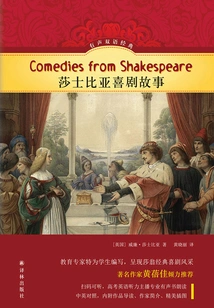
莎士比亚喜剧故事(有声双语经典)
H
Shakespeare was a great playwright and poet during the English Renaissance. His plays had a huge influence around the world and were an insurmountable literary peak. In addition to the well-known "Four Comedies", "A Midsummer Night's Dream", "The Merchant of Venice", "Twelfth Night" and "As You Like It", this edition also selects four famous works: "Much Ado About Nothing", "The Tempest", "The Winter's Tale" and "Weddings". They take love and friendship as their themes, contain the beautiful ideals of humanism, and are filled with optimism.
Shakespeare was a great playwright and poet during the English Renaissance. His plays had a huge influence around the world and were an insurmountable literary peak. In addition to the well-known "Four Comedies", "A Midsummer Night's Dream", "The Merchant of Venice", "Twelfth Night" and "As You Like It", this edition also selects four famous works: "Much Ado About Nothing", "The Tempest", "The Winter's Tale" and "Weddings". They take love and friendship as their themes, contain the beautiful ideals of humanism, and are filled with optimism.
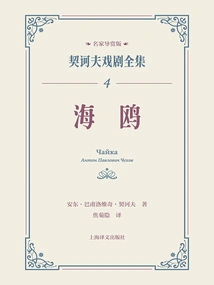
The Seagull (complete Chekhov Plays 4)
Literature海鸥(契诃夫戏剧全集4)
H
"The Seagull", which Chekhov himself called a comedy, tells the story of several misplaced loves in Russian manor life at the end of the 19th century, and the beauty that was destroyed as a result. As Chekhov's first four-act play, it has become a symbol of Chekhov's dramatic innovation and personal artistic maturity. Nina, a girl from a wealthy rural family, is innocent and simple. She longs for beautiful love and has great hopes for the future life. Trepolev hopes to become a writer, but also deeply loves Nina. Tripolev's father passed away, and his mother Irina took a writer named Trigorin back to the manor to recuperate. Nina was attracted by the famous Boris... This book is the fourth volume of the "Master Guide Edition" of "The Complete Works of Chekhov's Dramas", with audio interpretations of famous scenes from Chekhov's plays. I would like to commemorate the 120th anniversary of Chekhov's death - his stage contains all the pain and expectations of this era.
"The Seagull", which Chekhov himself called a comedy, tells the story of several misplaced loves in Russian manor life at the end of the 19th century, and the beauty that was destroyed as a result. As Chekhov's first four-act play, it has become a symbol of Chekhov's dramatic innovation and personal artistic maturity. Nina, a girl from a wealthy rural family, is innocent and simple. She longs for beautiful love and has great hopes for the future life. Trepolev hopes to become a writer, but also deeply loves Nina. Tripolev's father passed away, and his mother Irina took a writer named Trigorin back to the manor to recuperate. Nina was attracted by the famous Boris... This book is the fourth volume of the "Master Guide Edition" of "The Complete Works of Chekhov's Dramas", with audio interpretations of famous scenes from Chekhov's plays. I would like to commemorate the 120th anniversary of Chekhov's death - his stage contains all the pain and expectations of this era.
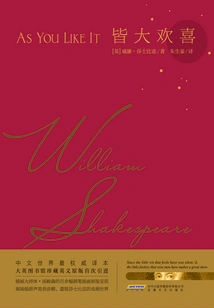
皆大欢喜(莎士比亚戏剧典藏)
H
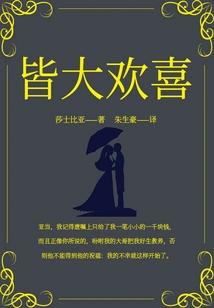
This book is one of the Shakespeare drama collection series. This series is a bilingual version (English is the original British novel). The book is equipped with pen illustrations by the master illustrator Hugh Thomson. It also comes with a theater version audiobook with pure American pronunciation. This book is one of Shakespeare's four comedies. The main plot describes the exiled Duke's daughter Rosalind who goes to the forest to find her father and her love story. The title of the play "As You Like It" indicates that all the good people who were persecuted in the play are rewarded, the evil people are inspired, and the lovers get married. This reflects Shakespeare's ideal state of good overcoming evil.
This book is one of the Shakespeare drama collection series. This series is a bilingual version (English is the original British novel). The book is equipped with pen illustrations by the master illustrator Hugh Thomson. It also comes with a theater version audiobook with pure American pronunciation. This book is one of Shakespeare's four comedies. The main plot describes the exiled Duke's daughter Rosalind who goes to the forest to find her father and her love story. The title of the play "As You Like It" indicates that all the good people who were persecuted in the play are rewarded, the evil people are inspired, and the lovers get married. This reflects Shakespeare's ideal state of good overcoming evil.
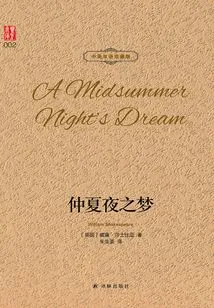
仲夏夜之梦(中英双语珍藏版)
H
"A Midsummer Night's Dream" is the most mature comedy work of the British playwright William Shakespeare in his youth. It is also one of William Shakespeare's most famous comedies. It tells a love story in which lovers finally get married. This play has had a huge influence on the history of world literature, especially the history of drama. Later generations adapted it into movies, stories, games, paintings, etc.
"A Midsummer Night's Dream" is the most mature comedy work of the British playwright William Shakespeare in his youth. It is also one of William Shakespeare's most famous comedies. It tells a love story in which lovers finally get married. This play has had a huge influence on the history of world literature, especially the history of drama. Later generations adapted it into movies, stories, games, paintings, etc.
W
LiteratureW
H
"As You Like It" is one of Shakespeare's four comedies. It is called Shakespeare's "four comedies" together with "A Midsummer Night's Dream", "The Merchant of Venice" and "Twelfth Night". It tells the story of Rosalind, the daughter of an exiled Duke, who goes to the forest to find her father in the Ardennes Forest, far away from the world, and her love story. The period from 1590 to 1613 was the golden age of Shakespeare's creation. His early plays, mainly comedies and historical dramas, reached their peak of depth and artistry in the late 16th century. By 1608, he was mainly writing tragedies. Shakespeare advocated noble sentiments, and his tragedies often described sacrifice and revenge, including "Othello", "Hamlet", "King Lear" and "Macbeth", which are considered among the best examples in the English language. Towards the end of his life, he began to write tragicomedies, also known as romance plays.
"As You Like It" is one of Shakespeare's four comedies. It is called Shakespeare's "four comedies" together with "A Midsummer Night's Dream", "The Merchant of Venice" and "Twelfth Night". It tells the story of Rosalind, the daughter of an exiled Duke, who goes to the forest to find her father in the Ardennes Forest, far away from the world, and her love story. The period from 1590 to 1613 was the golden age of Shakespeare's creation. His early plays, mainly comedies and historical dramas, reached their peak of depth and artistry in the late 16th century. By 1608, he was mainly writing tragedies. Shakespeare advocated noble sentiments, and his tragedies often described sacrifice and revenge, including "Othello", "Hamlet", "King Lear" and "Macbeth", which are considered among the best examples in the English language. Towards the end of his life, he began to write tragicomedies, also known as romance plays.
莎士比亚戏剧全集(3卷)
H
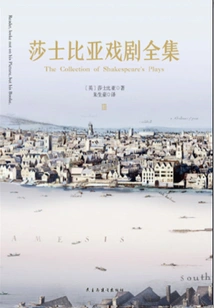
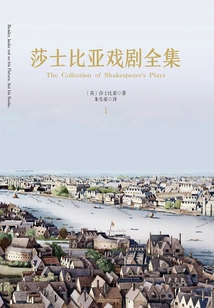
In the autumn of 1947, Shanghai World Book Company published "The Complete Works of Shakespeare's Plays" translated by Zhu Shenghao, a total of 27 plays, including no historical dramas. This set of "The Complete Works of Shakespeare's Plays" is a reappearance of these 27 classics. Except for the unified translation of "Hamlet" into "Hamlet" according to the conventional translation method, the translation contents of other names and place names are reproduced in the 1947 version. In terms of editing, this set of books has rearranged the original contents according to the nature of each play and subsequent expert opinions and divided them into six volumes. For details, see the bibliography of "The Complete Works of Shakespeare's Plays" in the book. It took two years of correction and editing to strive for excellence and restore the full picture of Mr. Zhu Shenghao's translation to the greatest extent possible.
In the autumn of 1947, Shanghai World Book Company published "The Complete Works of Shakespeare's Plays" translated by Zhu Shenghao, a total of 27 plays, including no historical dramas. This set of "The Complete Works of Shakespeare's Plays" is a reappearance of these 27 classics. Except for the unified translation of "Hamlet" into "Hamlet" according to the conventional translation method, the translation contents of other names and place names are reproduced in the 1947 version. In terms of editing, this set of books has rearranged the original contents according to the nature of each play and subsequent expert opinions and divided them into six volumes. For details, see the bibliography of "The Complete Works of Shakespeare's Plays" in the book. It took two years of correction and editing to strive for excellence and restore the full picture of Mr. Zhu Shenghao's translation to the greatest extent possible.
H
LiteratureH
H
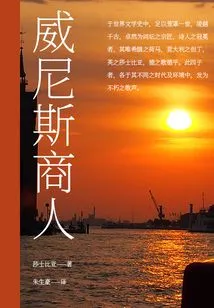
"The Merchant of Venice" is one of Shakespeare's plays. It is extremely ironic and creates a typical image of Shylock, a profit-seeking and ruthless loan shark. The main theme is to praise benevolence, friendship and love, reflecting the contradiction between the commercial bourgeoisie and the loan sharks in the early stage of capitalism, showing the social reality at that time, embodying the pursuit of the value of "people" during the European Renaissance, as well as humanistic thoughts on issues such as money and law. The period from 1590 to 1613 was the golden age of Shakespeare's creation. His early plays, mainly comedies and historical dramas, reached their peak of depth and artistry in the late 16th century. By 1608, he was mainly writing tragedies. Shakespeare advocated noble sentiments, and his tragedies often described sacrifice and revenge, including "Othello", "Hamlet", "King Lear" and "Macbeth", which are considered among the best examples in the English language. Towards the end of his life, he began to write tragicomedies, also known as romance plays.
"The Merchant of Venice" is one of Shakespeare's plays. It is extremely ironic and creates a typical image of Shylock, a profit-seeking and ruthless loan shark. The main theme is to praise benevolence, friendship and love, reflecting the contradiction between the commercial bourgeoisie and the loan sharks in the early stage of capitalism, showing the social reality at that time, embodying the pursuit of the value of "people" during the European Renaissance, as well as humanistic thoughts on issues such as money and law. The period from 1590 to 1613 was the golden age of Shakespeare's creation. His early plays, mainly comedies and historical dramas, reached their peak of depth and artistry in the late 16th century. By 1608, he was mainly writing tragedies. Shakespeare advocated noble sentiments, and his tragedies often described sacrifice and revenge, including "Othello", "Hamlet", "King Lear" and "Macbeth", which are considered among the best examples in the English language. Towards the end of his life, he began to write tragicomedies, also known as romance plays.
Z
V
LiteratureV
H
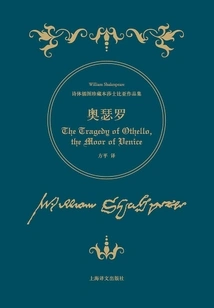
One of Shakespeare's four great tragedies. Othello is a general employed by the city-state of Venice. He is of African Moorish origin and has a black complexion. Desdemona is the daughter of a Venetian noble, smart, beautiful and passionate. In order to sympathize with Othello's heroic experience and love his cheerful character, she married him without telling her father. Ago is Othello's old subordinate. This man has a loyal and honest appearance, but in his heart he is completely different. He hates Othello for not promoting him to be the chief chamberlain, he hates a black man for marrying a white woman, and he suspects Othello and his wife are having an affair, but the bigger reason is that he thinks from the bottom of his heart that only destroying the happiness of Othello and Desdemona is his greatest satisfaction. He used Roderigo and Emilia as his tools to fabricate false evidence of Desdemona's infidelity, making Othello jealous out of thin air. Jealousy breeds suspicion, forcing Othello to kill Desdemona for "just" reasons. Of course, the truth is revealed in the end, but the mistake has been made, and Othello has the only way to commit suicide. Argo's tricks and Othello's psychological and emotional changes, as well as other people's reactions, are the highest artistic achievements of the characters depicted by Shakespeare.
One of Shakespeare's four great tragedies. Othello is a general employed by the city-state of Venice. He is of African Moorish origin and has a black complexion. Desdemona is the daughter of a Venetian noble, smart, beautiful and passionate. In order to sympathize with Othello's heroic experience and love his cheerful character, she married him without telling her father. Ago is Othello's old subordinate. This man has a loyal and honest appearance, but in his heart he is completely different. He hates Othello for not promoting him to be the chief chamberlain, he hates a black man for marrying a white woman, and he suspects Othello and his wife are having an affair, but the bigger reason is that he thinks from the bottom of his heart that only destroying the happiness of Othello and Desdemona is his greatest satisfaction. He used Roderigo and Emilia as his tools to fabricate false evidence of Desdemona's infidelity, making Othello jealous out of thin air. Jealousy breeds suspicion, forcing Othello to kill Desdemona for "just" reasons. Of course, the truth is revealed in the end, but the mistake has been made, and Othello has the only way to commit suicide. Argo's tricks and Othello's psychological and emotional changes, as well as other people's reactions, are the highest artistic achievements of the characters depicted by Shakespeare.
Salome
Literature莎乐美
H
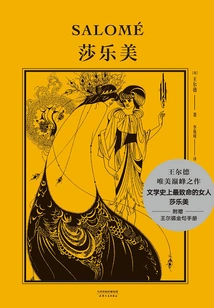
"Salome" is a famous work written by Oscar Wilde based on the Bible story. It tells the story of how the Jewish princess Salome induced her stepfather King Herod to kill John the Baptist. In the play, Salome woos John but is rejected, vows to kiss him on the lips, and finally has John's head chopped off. For more than two thousand years, her image has spread across many fields such as painting, sculpture, literature, drama, song and dance, and film, and has become the focus of inspiration for countless artists. Through Salome, the masters conveyed their understanding of human nature. The Salome created by Wilde interweaves her love and hate in the story, full of mystery and temptation, giving this image new connotation.
"Salome" is a famous work written by Oscar Wilde based on the Bible story. It tells the story of how the Jewish princess Salome induced her stepfather King Herod to kill John the Baptist. In the play, Salome woos John but is rejected, vows to kiss him on the lips, and finally has John's head chopped off. For more than two thousand years, her image has spread across many fields such as painting, sculpture, literature, drama, song and dance, and film, and has become the focus of inspiration for countless artists. Through Salome, the masters conveyed their understanding of human nature. The Salome created by Wilde interweaves her love and hate in the story, full of mystery and temptation, giving this image new connotation.
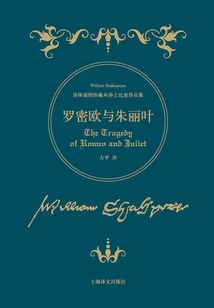
Romeo and Juliet (translated Classic)
Literature罗密欧与朱丽叶(译文经典)
H
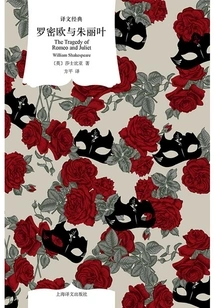
"Romeo and Juliet", the masterpiece of the great writer William Shakespeare, is a popular classic of Shakespeare's dramas and its poetic version is highly praised. Shakespeare's masterpieces are recognized as treasures of human culture. "Romeo and Juliet" is Shakespeare's most famous love tragedy and the most famous chapter in the history of human literature and even civilization. The translation of this book is an important result of Mr. Fang Ping, a famous Shakespeare scholar and translator, who devoted himself to the study of Shakespeare and translated poems into poems. It fully meets the needs of readers for studying Shakespeare plays and collecting books.
"Romeo and Juliet", the masterpiece of the great writer William Shakespeare, is a popular classic of Shakespeare's dramas and its poetic version is highly praised. Shakespeare's masterpieces are recognized as treasures of human culture. "Romeo and Juliet" is Shakespeare's most famous love tragedy and the most famous chapter in the history of human literature and even civilization. The translation of this book is an important result of Mr. Fang Ping, a famous Shakespeare scholar and translator, who devoted himself to the study of Shakespeare and translated poems into poems. It fully meets the needs of readers for studying Shakespeare plays and collecting books.
Catching Wind and Shadow
Literature捕风捉影
H
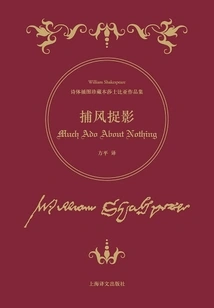
Created during Shakespeare's most mature period of comedy writing, the content is lively, joyful, and philosophical. Compared to Shakespeare's other comedies. The characteristic of this play is that the scenes and language are closer to real life. Claudio fell in love with Hero, but was afraid of being rejected. As a result, his friend Don Pietro came to help and arranged a unique masquerade ball to bring them together. Just when everyone thought that everything would have a happy ending, Don John interfered and made Claudio mistakenly think that Hero had another love. The deeper the love, the deeper the hatred, Claudio vowed revenge, and thus, the love ordeal of a pair of mandarin ducks began...
Created during Shakespeare's most mature period of comedy writing, the content is lively, joyful, and philosophical. Compared to Shakespeare's other comedies. The characteristic of this play is that the scenes and language are closer to real life. Claudio fell in love with Hero, but was afraid of being rejected. As a result, his friend Don Pietro came to help and arranged a unique masquerade ball to bring them together. Just when everyone thought that everything would have a happy ending, Don John interfered and made Claudio mistakenly think that Hero had another love. The deeper the love, the deeper the hatred, Claudio vowed revenge, and thus, the love ordeal of a pair of mandarin ducks began...
V
LiteratureV
H
This book is the most familiar love classic among Shakespeare's plays. In this play, Shakespeare highlights the sharp conflict between humanistic ideals of love and feudal concepts and feudal forces. He linked the fate of young people to the safety of the entire city where they lived. The bloody vendetta between feudal families not only caused the love tragedy of young people, but also brought disaster to the city. In the script, themes common in historical dramas condemning feudal disputes and themes common in comedies praising ideal love and friendship appear comprehensively. This is a tragedy, but the whole play is full of rich lyrical color and contains a lot of comedy elements. In the end, the young people's sacrifice brought about reconciliation between the two families and peace in the city. The parents also decided to build a golden statue for them.
This book is the most familiar love classic among Shakespeare's plays. In this play, Shakespeare highlights the sharp conflict between humanistic ideals of love and feudal concepts and feudal forces. He linked the fate of young people to the safety of the entire city where they lived. The bloody vendetta between feudal families not only caused the love tragedy of young people, but also brought disaster to the city. In the script, themes common in historical dramas condemning feudal disputes and themes common in comedies praising ideal love and friendship appear comprehensively. This is a tragedy, but the whole play is full of rich lyrical color and contains a lot of comedy elements. In the end, the young people's sacrifice brought about reconciliation between the two families and peace in the city. The parents also decided to build a golden statue for them.
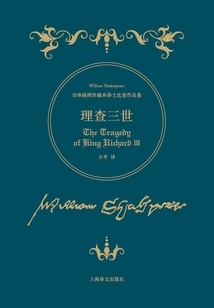
Richard Iii
Literature理查三世
H
"Richard III" is a work by the British playwright William Shakespeare. It describes the short reign of Richard III. The play is believed to have been written around 1591. The play is sometimes classified as a tragedy (in the early quartos), but a more accurate classification would be a historical drama, as in the First Folio. The work begins with "Henry VI Part 3" and ends the series of historical dramas that began with "Richard II". This work is Shakespeare's second longest play, after "Hamlet". Since the version of "Hamlet" included in the "First Folio" is shorter than the previous quarto, "Richard III" is the longest play among them. The length of the script is often considered a drawback, as it is rarely performed in its entirety and unimportant characters are often omitted.
"Richard III" is a work by the British playwright William Shakespeare. It describes the short reign of Richard III. The play is believed to have been written around 1591. The play is sometimes classified as a tragedy (in the early quartos), but a more accurate classification would be a historical drama, as in the First Folio. The work begins with "Henry VI Part 3" and ends the series of historical dramas that began with "Richard II". This work is Shakespeare's second longest play, after "Hamlet". Since the version of "Hamlet" included in the "First Folio" is shorter than the previous quarto, "Richard III" is the longest play among them. The length of the script is often considered a drawback, as it is rarely performed in its entirety and unimportant characters are often omitted.
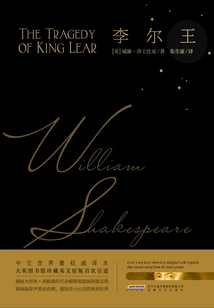
King Lear (shakespeare Play Collection)
Literature李尔王(莎士比亚戏剧典藏)
H
This book is one of the Shakespeare drama collection series. This series is a bilingual version (English is the original British novel). The book is equipped with pen illustrations by the master illustrator Hugh Thomson. It also comes with a theater version audiobook with pure American pronunciation. "King Lear" is one of Shakespeare's four great tragedies. It tells the story of the aged King Lear who wants to divide the kingdom among his three daughters. The eldest daughter Goneret and the second daughter Regan win his favor and divide the kingdom among his three daughters. However, the youngest daughter Cordelia gets nothing because she is unwilling to flatter her. The King of France, who came to propose marriage, was very discerning and married Corcordelia as his queen. King Lear left the throne, and his eldest daughter and second daughter actually refused to give him a place to live. The king at that time had no choice but to go to the wilderness... Cordelia led the attack, and the father and daughter were reunited. But the war went unfavorably, Cordelia was killed, and King Lear died in grief guarding the body of his beloved little daughter.
This book is one of the Shakespeare drama collection series. This series is a bilingual version (English is the original British novel). The book is equipped with pen illustrations by the master illustrator Hugh Thomson. It also comes with a theater version audiobook with pure American pronunciation. "King Lear" is one of Shakespeare's four great tragedies. It tells the story of the aged King Lear who wants to divide the kingdom among his three daughters. The eldest daughter Goneret and the second daughter Regan win his favor and divide the kingdom among his three daughters. However, the youngest daughter Cordelia gets nothing because she is unwilling to flatter her. The King of France, who came to propose marriage, was very discerning and married Corcordelia as his queen. King Lear left the throne, and his eldest daughter and second daughter actually refused to give him a place to live. The king at that time had no choice but to go to the wilderness... Cordelia led the attack, and the father and daughter were reunited. But the war went unfavorably, Cordelia was killed, and King Lear died in grief guarding the body of his beloved little daughter.
H
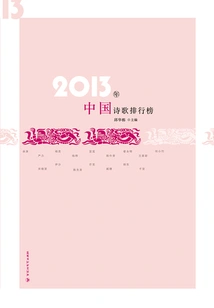
2013 Poetry Ranking
Literature2013年诗歌排行榜
H
It compiles and selects excellent poems published in various literary publications and poets' blogs in 2013, comprehensively showing the achievements and aesthetics of Chinese poetry creation in 2013. In the selection and selection process, the editor adheres to sexual, ideological and literary conscience. From the value of the works, we repeatedly consider, collide, and judge, so as to select the best works from the sand, select the outstanding works that have wide influence and can withstand the test of time, and compile them into a volume.
It compiles and selects excellent poems published in various literary publications and poets' blogs in 2013, comprehensively showing the achievements and aesthetics of Chinese poetry creation in 2013. In the selection and selection process, the editor adheres to sexual, ideological and literary conscience. From the value of the works, we repeatedly consider, collide, and judge, so as to select the best works from the sand, select the outstanding works that have wide influence and can withstand the test of time, and compile them into a volume.
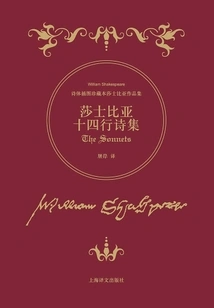
Shakespeare's Sonnets
Literature莎士比亚十四行诗集
H
Sonnets were introduced to England in the early 16th century. With the spread of Renaissance thought in Europe, they soon became one of the most popular poetry styles at that time. A large number of sonnet poets emerged in the Elizabethan era. Sidney's "The Star Lover and the Star", Spencer's "Little Cupid" and Shakespeare's "Sonnets" are known as "the three most popular sonnets in the British literary world during the Renaissance".
Sonnets were introduced to England in the early 16th century. With the spread of Renaissance thought in Europe, they soon became one of the most popular poetry styles at that time. A large number of sonnet poets emerged in the Elizabethan era. Sidney's "The Star Lover and the Star", Spencer's "Little Cupid" and Shakespeare's "Sonnets" are known as "the three most popular sonnets in the British literary world during the Renaissance".
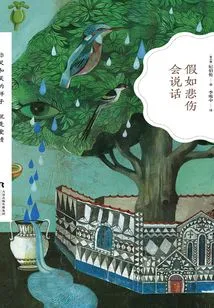
If Sadness Could Speak
Literature假如悲伤会说话
H
"If Sadness Could Talk" selects the beautiful prose poems "Tears and Laughter", "Wanderer" and "Broken Wings". The theme of love and beauty runs through the poem from beginning to end, expressing the desire for freedom, ideals, love and beauty in the eulogy of nature; the description of life experience all contains the exploration of the true meaning of life. These poems convey the essence under the description of the scene and touch people's hearts.
"If Sadness Could Talk" selects the beautiful prose poems "Tears and Laughter", "Wanderer" and "Broken Wings". The theme of love and beauty runs through the poem from beginning to end, expressing the desire for freedom, ideals, love and beauty in the eulogy of nature; the description of life experience all contains the exploration of the true meaning of life. These poems convey the essence under the description of the scene and touch people's hearts.
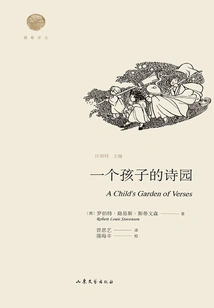
Z
Literaturez
H
"A Child's Garden" is a collection of children's poems written by the British writer Stevenson (1850-1894), which has been published in many editions around the world. This special collector's edition collects more than 100 classic illustrations from illustrators in the late 19th century and early 20th century. It will become a classic language enlightenment book and a souvenir of childhood worth collecting for every family. Original English poems are included with the book, allowing children to start learning English through children's poems.
"A Child's Garden" is a collection of children's poems written by the British writer Stevenson (1850-1894), which has been published in many editions around the world. This special collector's edition collects more than 100 classic illustrations from illustrators in the late 19th century and early 20th century. It will become a classic language enlightenment book and a souvenir of childhood worth collecting for every family. Original English poems are included with the book, allowing children to start learning English through children's poems.
R
General Fictionr
H
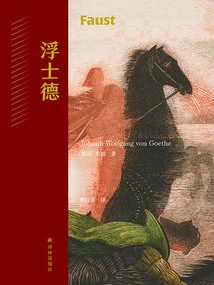
"Faust" is Goethe's most important and well-known masterpiece. It took nearly sixty years from creation to final completion, covering Goethe's entire literary career. It is also an insurmountable classic in the history of German literature and has a worldwide influence. It is one of the four major European masterpieces along with Homer's epic, Dante's "Divine Comedy" and Shakespeare's "Hamlet". "Faust" is based on the German folklore about Dr. Faustus in the 16th century. It tells the story of Faust's contract with the devil Mephistopheles, starting from his study and entering the outside world, in his unremitting pursuit of love, power, beauty and ideals. Although Faust's pursuit constantly encountered tragedies, and he finally died when his work of transforming nature was completed, his spirit reflected Goethe's own exploration of the inner world and the world in his long life. It was also a microcosm of the cultural development during the rise of the European bourgeoisie in the three hundred years from the Renaissance to the early 19th century.
"Faust" is Goethe's most important and well-known masterpiece. It took nearly sixty years from creation to final completion, covering Goethe's entire literary career. It is also an insurmountable classic in the history of German literature and has a worldwide influence. It is one of the four major European masterpieces along with Homer's epic, Dante's "Divine Comedy" and Shakespeare's "Hamlet". "Faust" is based on the German folklore about Dr. Faustus in the 16th century. It tells the story of Faust's contract with the devil Mephistopheles, starting from his study and entering the outside world, in his unremitting pursuit of love, power, beauty and ideals. Although Faust's pursuit constantly encountered tragedies, and he finally died when his work of transforming nature was completed, his spirit reflected Goethe's own exploration of the inner world and the world in his long life. It was also a microcosm of the cultural development during the rise of the European bourgeoisie in the three hundred years from the Renaissance to the early 19th century.
L
T
General Fictiont
H
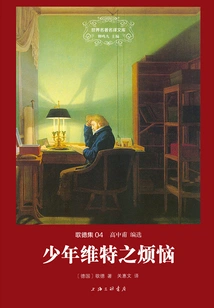
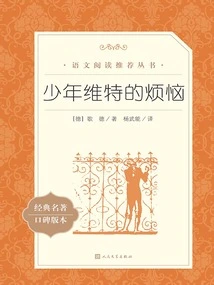
"The Sorrows of Young Werther" is written in diary and letter style. This style is good at revealing the inner world of the protagonist and expressing the depressed psychology and melancholy emotions. Werther came to a small town and met a girl named Lotte at a dance. He fell in love with Lotte. But Lotte is engaged to someone else. Seeing that he could no longer win over Lotte, Werther left resolutely and accepted the position of minister's secretary. The minister's pedantic, bureaucratic habits and intrigues brought great pain to Werther. He resigned from this official position and was invited to the manor of a marquis. However, at the Marquis, Werther found that his talents were still unable to be used. Love was shattered, society abandoned Werther, and Werther also abandoned everything. Finally, in despair, Werther committed suicide. As soon as this novel was published, it made the younger generation crazy. Some people who suffered similar experiences to Werther even committed suicide.
"The Sorrows of Young Werther" is written in diary and letter style. This style is good at revealing the inner world of the protagonist and expressing the depressed psychology and melancholy emotions. Werther came to a small town and met a girl named Lotte at a dance. He fell in love with Lotte. But Lotte is engaged to someone else. Seeing that he could no longer win over Lotte, Werther left resolutely and accepted the position of minister's secretary. The minister's pedantic, bureaucratic habits and intrigues brought great pain to Werther. He resigned from this official position and was invited to the manor of a marquis. However, at the Marquis, Werther found that his talents were still unable to be used. Love was shattered, society abandoned Werther, and Werther also abandoned everything. Finally, in despair, Werther committed suicide. As soon as this novel was published, it made the younger generation crazy. Some people who suffered similar experiences to Werther even committed suicide.
N
General Fictionn
H
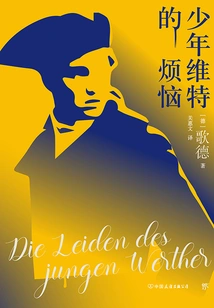
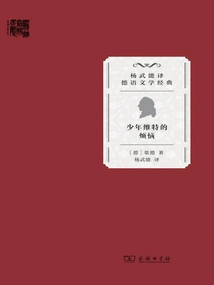
"The Sorrows of Young Werther" is Goethe's early masterpiece. It tells the story of young Werther who was moved by the temperament and talent of the girl Lotte and fell in love with this girl who had the same soul as his. Lotte was engaged, and Werther could not suppress his inner love, and finally ended his young life in the melancholy of being unable to love. The story takes Werther's love as the main line, but it shows the broad social picture of Germany at that time. The protagonist of the novel yearns for freedom and pursues individual liberation, and is progressive and profoundly critical. The depression of young Werther's life, the melancholy of love, and his romantic and pure feelings have infected thousands of hearts.
"The Sorrows of Young Werther" is Goethe's early masterpiece. It tells the story of young Werther who was moved by the temperament and talent of the girl Lotte and fell in love with this girl who had the same soul as his. Lotte was engaged, and Werther could not suppress his inner love, and finally ended his young life in the melancholy of being unable to love. The story takes Werther's love as the main line, but it shows the broad social picture of Germany at that time. The protagonist of the novel yearns for freedom and pursues individual liberation, and is progressive and profoundly critical. The depression of young Werther's life, the melancholy of love, and his romantic and pure feelings have infected thousands of hearts.
R
Literaturer
H
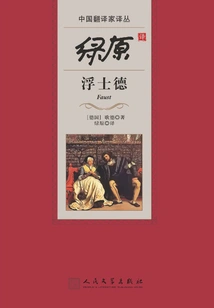
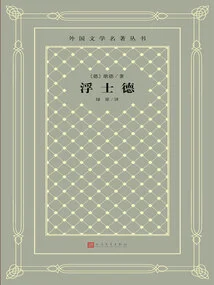
Goethe's "Faust" is a masterpiece that he devoted his whole life to writing and has a total of 12,110 lines from beginning to end. Based on the ancient legend of a German alchemist who sold his soul to the devil in exchange for knowledge and youth, he used the opposite meaning to demonstrate the broad, profound and noble content of life, and sang a triumphant song for the enterprising spirit of human self-improvement that has resounded throughout the world.
Goethe's "Faust" is a masterpiece that he devoted his whole life to writing and has a total of 12,110 lines from beginning to end. Based on the ancient legend of a German alchemist who sold his soul to the devil in exchange for knowledge and youth, he used the opposite meaning to demonstrate the broad, profound and noble content of life, and sang a triumphant song for the enterprising spirit of human self-improvement that has resounded throughout the world.
Wilhelm Meister's Studying Era
General Fiction维廉·麦斯特的学习时代
H
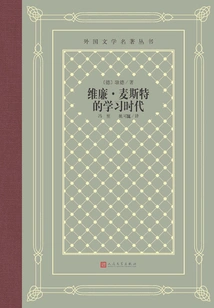
This book is the pinnacle of German Bildungsroman. As the son of a businessman, William Meister is a passionate young man full of ideals and vitality. He is dissatisfied with the mediocrity and profit-seeking of the civil class, and hopes to transform society through dramatic art and aesthetic education. However, the chaotic and dirty theater world makes his efforts confused. William wandered around and came into contact with various world conditions, and finally got acquainted with a noble group composed of enlightened nobles, and became a seeker who constantly pursues the perfection of human nature and lofty social ideals. In this ideal society, everyone has his or her own personality, and at the same time respects each other and works together; everyone has lofty ideals, but at the same time, everyone is a doer who is not good at empty talk. William initially sought the art of drama, but ultimately found the art of life.
This book is the pinnacle of German Bildungsroman. As the son of a businessman, William Meister is a passionate young man full of ideals and vitality. He is dissatisfied with the mediocrity and profit-seeking of the civil class, and hopes to transform society through dramatic art and aesthetic education. However, the chaotic and dirty theater world makes his efforts confused. William wandered around and came into contact with various world conditions, and finally got acquainted with a noble group composed of enlightened nobles, and became a seeker who constantly pursues the perfection of human nature and lofty social ideals. In this ideal society, everyone has his or her own personality, and at the same time respects each other and works together; everyone has lofty ideals, but at the same time, everyone is a doer who is not good at empty talk. William initially sought the art of drama, but ultimately found the art of life.
Mignon
Literature迷娘曲
H
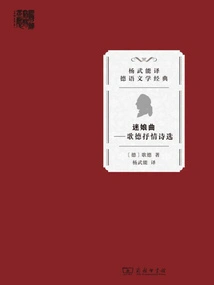
This book is a collection of poems by the famous German writer and thinker Goethe. Goethe is a very important writer in the history of world literature. He wrote more than 2,500 poems of various themes and genres in his lifetime. He was praised by Byron as "the king of European poetry". This book selects nearly 400 of Goethe's most representative poems in his more than 70-year creative career. The translator Yang Wuneng is one of the more representative figures in the field of German-Chinese translation. In this book, Yang Wuneng annotates and explains the poems of various periods and themes, helping readers to understand and feel the beauty of Goethe's poetry more deeply. The translation of the book is smooth and beautiful, the words are delicate and precise, and the background knowledge is rich. It has high literary value and publication value.
This book is a collection of poems by the famous German writer and thinker Goethe. Goethe is a very important writer in the history of world literature. He wrote more than 2,500 poems of various themes and genres in his lifetime. He was praised by Byron as "the king of European poetry". This book selects nearly 400 of Goethe's most representative poems in his more than 70-year creative career. The translator Yang Wuneng is one of the more representative figures in the field of German-Chinese translation. In this book, Yang Wuneng annotates and explains the poems of various periods and themes, helping readers to understand and feel the beauty of Goethe's poetry more deeply. The translation of the book is smooth and beautiful, the words are delicate and precise, and the background knowledge is rich. It has high literary value and publication value.
_
N
General Fictionn
H
"The Sorrows of Young Werther" is Goethe's masterpiece. It became popular in Europe as soon as it was published, setting off "Werther fever". Young Werther came to a small town with simple folk customs and fell in love with the girl Lotte at first sight; Lotte also liked him, but she was engaged. Werther fell into embarrassment and pain. He left here, hoping to achieve something in his career so that he could be relieved. The despicable environment and the existing order that suppressed individuality made him unbearable. He then died for love.
"The Sorrows of Young Werther" is Goethe's masterpiece. It became popular in Europe as soon as it was published, setting off "Werther fever". Young Werther came to a small town with simple folk customs and fell in love with the girl Lotte at first sight; Lotte also liked him, but she was engaged. Werther fell into embarrassment and pain. He left here, hoping to achieve something in his career so that he could be relieved. The despicable environment and the existing order that suppressed individuality made him unbearable. He then died for love.
L
Literaturel
H
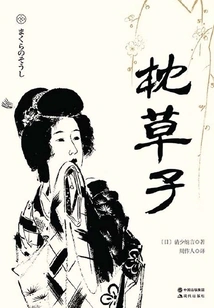
"Pillow" is a collection of essays by Japanese Heian period female writer Seishonagon. Together with another Japanese literary classic "The Tale of Genji", it is known as the twin walls of Japanese Heian period literature. The content covers the seasons and tastes of the four seasons, Buddhist affairs and personnel, and natural scenes such as the capital's landscapes, flowers and birds, vegetation, sun, moon and stars. The writing is free and the words are fresh and bright, showing the beauty of all things and life.
"Pillow" is a collection of essays by Japanese Heian period female writer Seishonagon. Together with another Japanese literary classic "The Tale of Genji", it is known as the twin walls of Japanese Heian period literature. The content covers the seasons and tastes of the four seasons, Buddhist affairs and personnel, and natural scenes such as the capital's landscapes, flowers and birds, vegetation, sun, moon and stars. The writing is free and the words are fresh and bright, showing the beauty of all things and life.
Collection of Essays by Schopenhauer
Literature叔本华随笔集
H
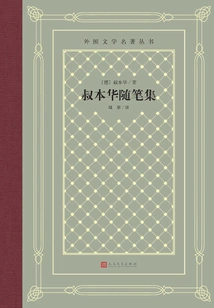
Schopenhauer (1788-1860), a German philosopher, the main interpreter of pessimism and irrational impulses, a pioneer of later life philosophy and existential philosophy, an opponent of Hegel's absolute idealism, and claimed to be the sole heir of Kant. It describes the Dante-like world view of suffering in a beautiful style, using "art" as the only "short-term savior" to get rid of the shackles of will. He is cynical due to being ignored by his contemporaries, but he firmly believes that the truth he represents will win in the end. It was not until a few years before his death that his philosophy was valued by the world. This book collects his famous prose works, including "Thinking About Myself", "On Writing and Style", "On Erudition and Scholars", "On Reading and Books", "On Genius", "On Education", "Similes, Similes and Fables", "On the Principle of Ridiculousness", "On History", etc.
Schopenhauer (1788-1860), a German philosopher, the main interpreter of pessimism and irrational impulses, a pioneer of later life philosophy and existential philosophy, an opponent of Hegel's absolute idealism, and claimed to be the sole heir of Kant. It describes the Dante-like world view of suffering in a beautiful style, using "art" as the only "short-term savior" to get rid of the shackles of will. He is cynical due to being ignored by his contemporaries, but he firmly believes that the truth he represents will win in the end. It was not until a few years before his death that his philosophy was valued by the world. This book collects his famous prose works, including "Thinking About Myself", "On Writing and Style", "On Erudition and Scholars", "On Reading and Books", "On Genius", "On Education", "Similes, Similes and Fables", "On the Principle of Ridiculousness", "On History", etc.
C
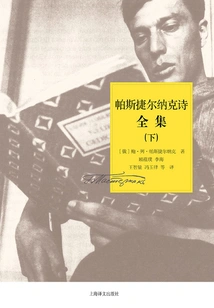
帕斯捷尔纳克诗全集(下)(帕斯捷尔纳克作品系列)
H
"The Complete Poems of Pasternak (Part 2)": Pasternak was a giant of Russian poetry in the 20th century. He experienced the Silver Age, the October Revolution and the "thaw" of the Soviet Union. In his early years, he had the courage to renew his fame in the poetry world, and finally won the Nobel Prize for Literature "for his great achievements in the traditional fields of modern lyric poetry and great Russian novels." This book brings together more than 400 of Pasternak's poems from various periods. It is the most complete collection of Pasternak's poems published in China so far and is an important achievement in Russian literary translation.
"The Complete Poems of Pasternak (Part 2)": Pasternak was a giant of Russian poetry in the 20th century. He experienced the Silver Age, the October Revolution and the "thaw" of the Soviet Union. In his early years, he had the courage to renew his fame in the poetry world, and finally won the Nobel Prize for Literature "for his great achievements in the traditional fields of modern lyric poetry and great Russian novels." This book brings together more than 400 of Pasternak's poems from various periods. It is the most complete collection of Pasternak's poems published in China so far and is an important achievement in Russian literary translation.
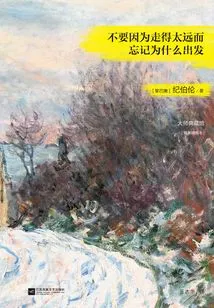
不要因为走得太远而忘记为什么出发
H
This is a collection of lyrical prose with a strong philosophical nature, which embodies all Gibran's efforts and is the pinnacle of his literary and artistic creation. It is eye-catching. The entire work is rich in philosophy and wisdom. It is a book of aphorisms about life, art, love, and human nature, and is worth reading again and again. The book is full of pictures and texts, and the exquisite translation is accompanied by Gibran's own paintings and illustrations, bringing endless reading pleasure to people.
This is a collection of lyrical prose with a strong philosophical nature, which embodies all Gibran's efforts and is the pinnacle of his literary and artistic creation. It is eye-catching. The entire work is rich in philosophy and wisdom. It is a book of aphorisms about life, art, love, and human nature, and is worth reading again and again. The book is full of pictures and texts, and the exquisite translation is accompanied by Gibran's own paintings and illustrations, bringing endless reading pleasure to people.
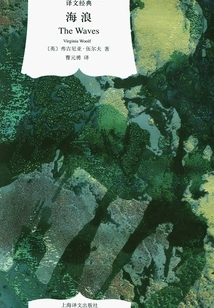
Waves (translation Classic)
Literature海浪(译文经典)
H
"The Waves" is Woolf's work at the peak of her creative power and was published in 1931. This highly poetic, abstract and stylized experimental work does not have a story in the strict sense, but is more like a musical work composed of nine movements: each introduction is an exquisite prose poem, using the ebb and flow of the sun and waves to correspond to the ups and downs of life; following each introduction are the momentary inner monologues of six highly formalized characters without surnames in their respective life stages - from childhood, studenthood, youth, middle age to old age. The introduction and the main text map each other, opening up unprecedented and nuanced channels for the readers' senses, and getting closer to the essence of life, time, consciousness and feeling to the maximum extent. This is a work that occupies an important position in modern literature and palaces. To this day, it still stirs our souls with its exquisite text structure and poetic style.
"The Waves" is Woolf's work at the peak of her creative power and was published in 1931. This highly poetic, abstract and stylized experimental work does not have a story in the strict sense, but is more like a musical work composed of nine movements: each introduction is an exquisite prose poem, using the ebb and flow of the sun and waves to correspond to the ups and downs of life; following each introduction are the momentary inner monologues of six highly formalized characters without surnames in their respective life stages - from childhood, studenthood, youth, middle age to old age. The introduction and the main text map each other, opening up unprecedented and nuanced channels for the readers' senses, and getting closer to the essence of life, time, consciousness and feeling to the maximum extent. This is a work that occupies an important position in modern literature and palaces. To this day, it still stirs our souls with its exquisite text structure and poetic style.
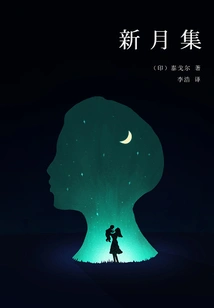
A
LiteratureA
H
"Crescent Moon Collection" is a collection of poems written by Indian poet Rabindranath Tagore. It is mainly translated from the Bengali poetry collection "Children's Collection" published in 1903, as well as some English poems. The collection of poems focuses on depicting innocent and lovely children. The poet has created a number of angelic children's artistic images that are both spiritual and physical, sparkling. The mother in the poem has a holy radiance. The little poems describe the child's innocence, the mother's love for the child, and the child's attachment to the mother, full of true feelings and childishness. The translator's poem translation not only ensures accurate translation, but also adds a sense of rhythm to the poem, which is more in line with Chinese language habits and has the characteristics of Chinese poetry. Based on everyone's translation, this collection of poems has been re-translated using expressions that are more consistent with modern people's language habits for everyone to appreciate together.
"Crescent Moon Collection" is a collection of poems written by Indian poet Rabindranath Tagore. It is mainly translated from the Bengali poetry collection "Children's Collection" published in 1903, as well as some English poems. The collection of poems focuses on depicting innocent and lovely children. The poet has created a number of angelic children's artistic images that are both spiritual and physical, sparkling. The mother in the poem has a holy radiance. The little poems describe the child's innocence, the mother's love for the child, and the child's attachment to the mother, full of true feelings and childishness. The translator's poem translation not only ensures accurate translation, but also adds a sense of rhythm to the poem, which is more in line with Chinese language habits and has the characteristics of Chinese poetry. Based on everyone's translation, this collection of poems has been re-translated using expressions that are more consistent with modern people's language habits for everyone to appreciate together.
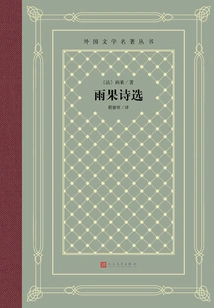
Selected Poems of Hugo
Literature雨果诗选
H
This book is a translation of selected excellent poems from Victor Hugo's major collections of poems: Odes, New Odes, Odes and Long Songs, Song of the East, Autumn Leaves, Songs of Evening, Voices of the Heart, Light and Shadow, Contemplation, and the epics Legends of the Ages, God, and The Last Days of Satan.
This book is a translation of selected excellent poems from Victor Hugo's major collections of poems: Odes, New Odes, Odes and Long Songs, Song of the East, Autumn Leaves, Songs of Evening, Voices of the Heart, Light and Shadow, Contemplation, and the epics Legends of the Ages, God, and The Last Days of Satan.
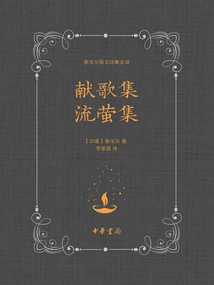
献歌集 流萤集(泰戈尔英文诗集全译)
H
"Song Collection" (old translation "Gitanjali") is one of Tagore's most representative collections of poetry and the main work that won him the Nobel Prize for Literature in 1913. "Song Collection" contains 103 prose poems, which are "fragrant flowers and fruits dedicated to the gods". In his poems, Tagore jumped out of the framework of traditional religion and regarded gods as a universal spiritual force, closely connected with all things in the universe and human life. This collection of poems also includes an introduction written by Yeats, another Nobel Prize winner, the famous Irish poet, the 1913 Nobel Prize for Literature award speech and the dinner speech. "The Collection of Flowing Fireflies" contains 258 short poems, and together with "The Collection of Wandering Birds" is known as the two short poems in Rabindranath Tagore's poetry collection. "The Collection of Flowing Fireflies" originated from Tagore's trip to Japan and China. The poems in it were creatively influenced by Japanese haiku and Chinese quatrains. They are short and readable yet have long meanings, and are full of the poet's profound perception of life.
"Song Collection" (old translation "Gitanjali") is one of Tagore's most representative collections of poetry and the main work that won him the Nobel Prize for Literature in 1913. "Song Collection" contains 103 prose poems, which are "fragrant flowers and fruits dedicated to the gods". In his poems, Tagore jumped out of the framework of traditional religion and regarded gods as a universal spiritual force, closely connected with all things in the universe and human life. This collection of poems also includes an introduction written by Yeats, another Nobel Prize winner, the famous Irish poet, the 1913 Nobel Prize for Literature award speech and the dinner speech. "The Collection of Flowing Fireflies" contains 258 short poems, and together with "The Collection of Wandering Birds" is known as the two short poems in Rabindranath Tagore's poetry collection. "The Collection of Flowing Fireflies" originated from Tagore's trip to Japan and China. The poems in it were creatively influenced by Japanese haiku and Chinese quatrains. They are short and readable yet have long meanings, and are full of the poet's profound perception of life.
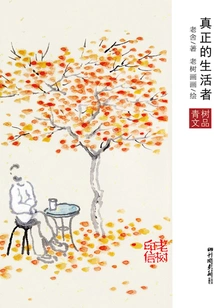
Real Life Person
Literature真正的生活者
H
The most distinctive selection of Mr. Lao She's works is a unique collection of Lao She's autobiographical essays. Each chapter is classic and every word is touching, full of the human fireworks of Lao She's life. The old trees are painted with great affection, and the ink and wash reproduce the feelings of scholars in the Republic of China. The pictures and texts depict Lao She's life feelings. A person cannot choose the era in which he lives, but he can choose the direction of his own soul - Mr. Lao She's literary style is like his own person, and he is worthy of being a real lifer throughout his life. Speaking of Lao She, we may immediately think of "Camel Xiangzi" and "Teahouse". In fact, the literary and cultural value of Lao She's prose is no less than his novels and plays. Lao She's prose is rich in content, beautiful and full of iconic humor. Different from his novels, through these unabashed words full of life, we can get closer to the real Lao She.
The most distinctive selection of Mr. Lao She's works is a unique collection of Lao She's autobiographical essays. Each chapter is classic and every word is touching, full of the human fireworks of Lao She's life. The old trees are painted with great affection, and the ink and wash reproduce the feelings of scholars in the Republic of China. The pictures and texts depict Lao She's life feelings. A person cannot choose the era in which he lives, but he can choose the direction of his own soul - Mr. Lao She's literary style is like his own person, and he is worthy of being a real lifer throughout his life. Speaking of Lao She, we may immediately think of "Camel Xiangzi" and "Teahouse". In fact, the literary and cultural value of Lao She's prose is no less than his novels and plays. Lao She's prose is rich in content, beautiful and full of iconic humor. Different from his novels, through these unabashed words full of life, we can get closer to the real Lao She.
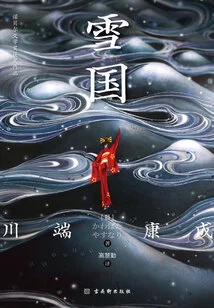
Snow Country (nobel Prize-winning Work)
Literature雪国(诺贝尔文学奖获奖作品)
H
"Snow Country" is one of Kawabata Yasunari's Nobel Prize-winning works. Youth Island Village went to the snowy snow country three times. There, he met two girls with completely different personalities - the enthusiastic geisha Komako and the cold girl Ye Zi. Since then, several people have been involved in long-term entanglements, until a fire breaks out unexpectedly...
"Snow Country" is one of Kawabata Yasunari's Nobel Prize-winning works. Youth Island Village went to the snowy snow country three times. There, he met two girls with completely different personalities - the enthusiastic geisha Komako and the cold girl Ye Zi. Since then, several people have been involved in long-term entanglements, until a fire breaks out unexpectedly...
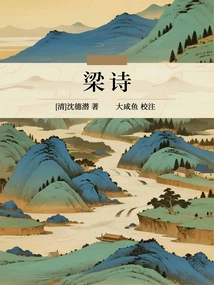
Liang Shi
Literature梁诗
H
The poetry of the Liang Dynasty is beautiful and diverse. The prosperity of the palace style poetry, the new changes in frontier fortresses and landscapes, the criticism of ethical priorities, and the beauty of form all constitute the specific historical status of the poetry of the Liang Dynasty. Usually, Qi and Liang poems are reviewed together. Shen Deqian integrated the style, rhythm, and poetry into a unified system by selecting and commenting on Qi and Liang poems: affirming the innovation of rhythm and criticizing Qi Mi's style of writing; he praised Xie Tiao and He Xun's "Qing Qi" and denounced Xiao Gang and Xu Ling's "obscene beauty", thus constructing a "retrospective Ming Dao" poetic path. Qi and Liang poems were also preserved in the long history due to Shen Deqian's selection, and there are no more scattered anecdotes. It has been passed down to this day and has become a precious historical material.
The poetry of the Liang Dynasty is beautiful and diverse. The prosperity of the palace style poetry, the new changes in frontier fortresses and landscapes, the criticism of ethical priorities, and the beauty of form all constitute the specific historical status of the poetry of the Liang Dynasty. Usually, Qi and Liang poems are reviewed together. Shen Deqian integrated the style, rhythm, and poetry into a unified system by selecting and commenting on Qi and Liang poems: affirming the innovation of rhythm and criticizing Qi Mi's style of writing; he praised Xie Tiao and He Xun's "Qing Qi" and denounced Xiao Gang and Xu Ling's "obscene beauty", thus constructing a "retrospective Ming Dao" poetic path. Qi and Liang poems were also preserved in the long history due to Shen Deqian's selection, and there are no more scattered anecdotes. It has been passed down to this day and has become a precious historical material.
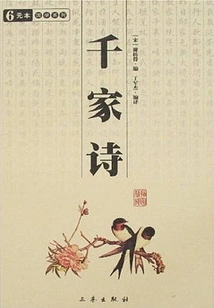
M
Literaturem
H
"Poems of a Thousand Families" is a merger of "Poems of a Thousand Families" compiled by Xie Fangde of the Song Dynasty (all seven-character rhymed poems) and "Poems of a Thousand Families in Five Characters" selected by Wang Xiang of the Ming Dynasty. It is an anthology of enlightenment poems in the old days of our country. Most of the poems selected in it are famous poems from the Tang and Song Dynasties, which are easy to learn and understand, with diverse themes. The content involves various aspects such as landscapes and pastoral, farewell to friends, homesickness and nostalgia, mourning the past and regretting the present, chanting objects and paintings, serving banquets, etc. It broadly reflects the social reality of the Tang and Song Dynasties, so it is widely circulated among the people and has a profound influence. It has the greatest influence among the selected readings of Chinese classical poetry, and has benefited as many people as the sand in the Ganges River. It and "Three Hundred Tang Poems" compiled and selected by Hengtang retired scholars are called the "double treasures" of the Poetry Garden.
"Poems of a Thousand Families" is a merger of "Poems of a Thousand Families" compiled by Xie Fangde of the Song Dynasty (all seven-character rhymed poems) and "Poems of a Thousand Families in Five Characters" selected by Wang Xiang of the Ming Dynasty. It is an anthology of enlightenment poems in the old days of our country. Most of the poems selected in it are famous poems from the Tang and Song Dynasties, which are easy to learn and understand, with diverse themes. The content involves various aspects such as landscapes and pastoral, farewell to friends, homesickness and nostalgia, mourning the past and regretting the present, chanting objects and paintings, serving banquets, etc. It broadly reflects the social reality of the Tang and Song Dynasties, so it is widely circulated among the people and has a profound influence. It has the greatest influence among the selected readings of Chinese classical poetry, and has benefited as many people as the sand in the Ganges River. It and "Three Hundred Tang Poems" compiled and selected by Hengtang retired scholars are called the "double treasures" of the Poetry Garden.
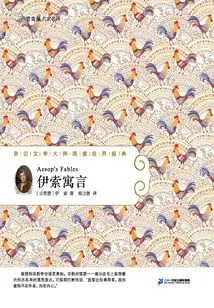
K
Literaturek
H
"Aesop's Fables" is the world's earliest collection of fables, a model of Western fable literature, and one of the most widely circulated classic works in the world. There are many translations of "Aesop's Fables". This book is translated based on Townsend's "authoritative English translation" and includes 310 fables. Most of them are animal stories, using animals as metaphors to teach people how to behave in life. In addition to animal themes, there are also stories about people, gods, nature and other themes. These stories are concise, concise, and approachable, but they are profound in meaning and rich in philosophy.
"Aesop's Fables" is the world's earliest collection of fables, a model of Western fable literature, and one of the most widely circulated classic works in the world. There are many translations of "Aesop's Fables". This book is translated based on Townsend's "authoritative English translation" and includes 310 fables. Most of them are animal stories, using animals as metaphors to teach people how to behave in life. In addition to animal themes, there are also stories about people, gods, nature and other themes. These stories are concise, concise, and approachable, but they are profound in meaning and rich in philosophy.
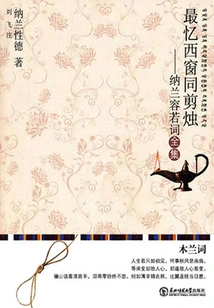
最忆西窗同剪烛:纳兰容若词全集
H
"Most Reminiscent of the Western Window and Cutting Candles: The Complete Collection of Nalan Rongruo's Poems" collects Nalan Rongruo's poetry works. "Most Reminiscent of the West Window Cutting the Candle: The Complete Works of Nalan Rongruo's Ci" includes works such as Dreaming of Jiangnan·Jiangnan is Good, Jianye Old Chang'an, Dreaming of Jiangnan·Jiangnan is Good, The City Tower is Scenic, Dreaming of Jiangnan·Jiangnan is Good, Nostalgia Who Passes on, Dreaming of Jiangnan·Jiangnan is Good, Hufu Late Autumn, Dreaming of Jiangnan·Jiangnan is Good, Really Come to Liangxi and other works.
"Most Reminiscent of the Western Window and Cutting Candles: The Complete Collection of Nalan Rongruo's Poems" collects Nalan Rongruo's poetry works. "Most Reminiscent of the West Window Cutting the Candle: The Complete Works of Nalan Rongruo's Ci" includes works such as Dreaming of Jiangnan·Jiangnan is Good, Jianye Old Chang'an, Dreaming of Jiangnan·Jiangnan is Good, The City Tower is Scenic, Dreaming of Jiangnan·Jiangnan is Good, Nostalgia Who Passes on, Dreaming of Jiangnan·Jiangnan is Good, Hufu Late Autumn, Dreaming of Jiangnan·Jiangnan is Good, Really Come to Liangxi and other works.
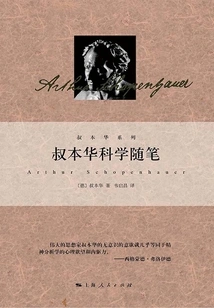
Schopenhauer's Scientific Essays
Literature叔本华科学随笔
H
Schopenhauer was a German philosopher who founded the philosophy of will. He was the first to openly oppose rationalist philosophy and pioneered irrationalist philosophy. He believes that the will of life is the force that dominates the operation of the world. The origin of the world is will, and the world is just the appearance of will. Physicist Erwin Schrödinger said that Schopenhauer was the greatest scholar in the West. This book brings together Schopenhauer's articles on science, focusing on Schopenhauer's research and analysis of nature and various specific sciences, thereby proving that the philosophy of will is scientific and is the truth in explaining the world. These articles are selected from Volume 2 of Schopenhauer's major works "The World as Intention and Representation" and Volume 2 of "Appendices and Supplements", and some of them are translated for the first time.
Schopenhauer was a German philosopher who founded the philosophy of will. He was the first to openly oppose rationalist philosophy and pioneered irrationalist philosophy. He believes that the will of life is the force that dominates the operation of the world. The origin of the world is will, and the world is just the appearance of will. Physicist Erwin Schrödinger said that Schopenhauer was the greatest scholar in the West. This book brings together Schopenhauer's articles on science, focusing on Schopenhauer's research and analysis of nature and various specific sciences, thereby proving that the philosophy of will is scientific and is the truth in explaining the world. These articles are selected from Volume 2 of Schopenhauer's major works "The World as Intention and Representation" and Volume 2 of "Appendices and Supplements", and some of them are translated for the first time.