Library
Browse and search books
2 novels found
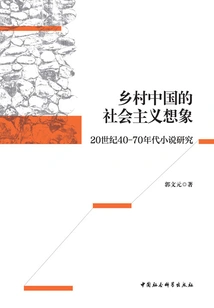
乡村中国的社会主义想象:20世纪40—70年代小说研究
Guo Wenyuan
The imagination of the socialist modernization process in rural China in novels from the 1940s to the 1970s was full of richness and complexity. They either reconstructed the ethical order of rural people in the way of rural modern local imagination, or used rural class and revolutionary consciousness to think about the subjectivity of cadres and urban youth, or used narratives of virtue to advertise the future society, which made the imagination of future society lose the possibility of practice. The emergence and concealment of discourse and the gaps in narrative make the discourses that characterize modernity such as literacy, hygiene, efficiency, and technology become ambiguous. As a kind of literature that imagines a new social order, the identification, love and imagination of rural socialism make this literature full of youthful atmosphere, bright color and romantic passion. In the "Short Twentieth Century", the appearance of this piece of literature highlights the efforts of socialist country literature to confirm its own cultural identity in the context of globalization.
The imagination of the socialist modernization process in rural China in novels from the 1940s to the 1970s was full of richness and complexity. They either reconstructed the ethical order of rural people in the way of rural modern local imagination, or used rural class and revolutionary consciousness to think about the subjectivity of cadres and urban youth, or used narratives of virtue to advertise the future society, which made the imagination of future society lose the possibility of practice. The emergence and concealment of discourse and the gaps in narrative make the discourses that characterize modernity such as literacy, hygiene, efficiency, and technology become ambiguous. As a kind of literature that imagines a new social order, the identification, love and imagination of rural socialism make this literature full of youthful atmosphere, bright color and romantic passion. In the "Short Twentieth Century", the appearance of this piece of literature highlights the efforts of socialist country literature to confirm its own cultural identity in the context of globalization.
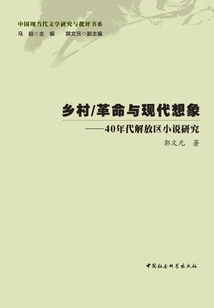
乡村、革命与现代想象:40年代解放区小说研究
Guo Wenyuan
"Countryside, Revolution and Modern Imagination: A Study of Novels in the Liberated Areas of the 1940s" starts from the perspective of literary imagination and explores the collision and integration of rural experience and revolutionary consciousness in the rural narratives of novels in the liberated areas in the 1940s, and explores the various modern consciousnesses that entered the countryside during the process of rural modernization and the author's initial way of imagining rural modernity. Zhao Shuli's rural imagination strives to construct a rural social order that emphasizes humane ethics while introducing modern consciousness into the countryside; the class discourse in Ding Ling and Zhou Libo's land reform revolutionary writings was not completely influenced by rural experience, but their emphasis on the ideological enlightenment of villagers and the democracy of the revolutionary process made their rural modernity The original thoughts are extremely revolutionary; Liu Qing and Ouyang Shan's cooperative narratives describe the complexity of economic transformation issues and leadership issues in the process of rural revolution in a period of change; the writing of daily modern symbols in new life also reflects the diversity of the original thoughts of the villages in the liberated areas in the 1940s. The diversity and complexity of rural/revolutionary modern ideas in the literature of the liberated areas in the 1940s reflect the many possibilities of rural modernity.
"Countryside, Revolution and Modern Imagination: A Study of Novels in the Liberated Areas of the 1940s" starts from the perspective of literary imagination and explores the collision and integration of rural experience and revolutionary consciousness in the rural narratives of novels in the liberated areas in the 1940s, and explores the various modern consciousnesses that entered the countryside during the process of rural modernization and the author's initial way of imagining rural modernity. Zhao Shuli's rural imagination strives to construct a rural social order that emphasizes humane ethics while introducing modern consciousness into the countryside; the class discourse in Ding Ling and Zhou Libo's land reform revolutionary writings was not completely influenced by rural experience, but their emphasis on the ideological enlightenment of villagers and the democracy of the revolutionary process made their rural modernity The original thoughts are extremely revolutionary; Liu Qing and Ouyang Shan's cooperative narratives describe the complexity of economic transformation issues and leadership issues in the process of rural revolution in a period of change; the writing of daily modern symbols in new life also reflects the diversity of the original thoughts of the villages in the liberated areas in the 1940s. The diversity and complexity of rural/revolutionary modern ideas in the literature of the liberated areas in the 1940s reflect the many possibilities of rural modernity.