Library
Browse and search books
39 novels found
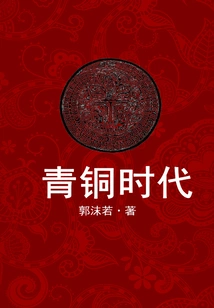
Bronze Age
Literature青铜时代
Guo Moruo
"The Bronze Age" is an important collection of essays by Mr. Guo Moruo on pre-Qin social and academic thoughts. It has always been called a companion volume to "Ten Critiques". Compared with the "Ten Criticisms" which is more critical, the collection "The Bronze Age" focuses more on textual research. Each article in this collection has considerable academic value and has always been a material that cannot be ignored by relevant researchers. After the collection, there are three appendices on the study of Zhongding Yi artifacts. Mr. Guo Moruo is an authoritative expert on oracle bone inscriptions and bronze inscriptions. The academic value of these three articles cannot be underestimated.
"The Bronze Age" is an important collection of essays by Mr. Guo Moruo on pre-Qin social and academic thoughts. It has always been called a companion volume to "Ten Critiques". Compared with the "Ten Criticisms" which is more critical, the collection "The Bronze Age" focuses more on textual research. Each article in this collection has considerable academic value and has always been a material that cannot be ignored by relevant researchers. After the collection, there are three appendices on the study of Zhongding Yi artifacts. Mr. Guo Moruo is an authoritative expert on oracle bone inscriptions and bronze inscriptions. The academic value of these three articles cannot be underestimated.
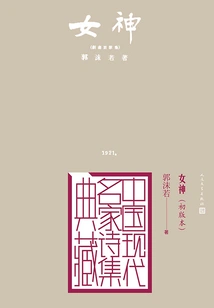
Goddess (First Version)
Literature女神(初版本)
Guo Moruo
"Goddess" is Guo Moruo's masterpiece. Includes Guo Moruo's major poems from 1919 to 1921. Together with the preface, there are 57 chapters in total. Most of them were written by Guo Moruo when he was studying in Japan. Among the representative poems are "Phoenix Nirvana", "Rebirth of the Goddess", "Coal in the Furnace", "Sunrise" and "Earth, My Mother!" ""Tengu", "Good Morning", etc. The content uses mythological themes, poetic drama genres, symbolic techniques, etc. To reflect reality. Guo Moruo has a profound foundation in Chinese studies and is familiar with fables, myths and allusions. His poems can be a channel for modern people to return to tradition. At the same time, he is familiar with the latest scientific, philosophical, cultural and other advances in the West, so his poems have a strong modernity. In terms of poetry form, it broke through the shackles of old styles and created a vigorous and unrestrained free verse style, which opened up a new world for the development of free verse after the "May Fourth Movement" and became the foundation of new Chinese poetry.
"Goddess" is Guo Moruo's masterpiece. Includes Guo Moruo's major poems from 1919 to 1921. Together with the preface, there are 57 chapters in total. Most of them were written by Guo Moruo when he was studying in Japan. Among the representative poems are "Phoenix Nirvana", "Rebirth of the Goddess", "Coal in the Furnace", "Sunrise" and "Earth, My Mother!" ""Tengu", "Good Morning", etc. The content uses mythological themes, poetic drama genres, symbolic techniques, etc. To reflect reality. Guo Moruo has a profound foundation in Chinese studies and is familiar with fables, myths and allusions. His poems can be a channel for modern people to return to tradition. At the same time, he is familiar with the latest scientific, philosophical, cultural and other advances in the West, so his poems have a strong modernity. In terms of poetry form, it broke through the shackles of old styles and created a vigorous and unrestrained free verse style, which opened up a new world for the development of free verse after the "May Fourth Movement" and became the foundation of new Chinese poetry.
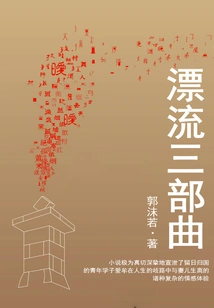
Castaway Trilogy
Literature漂流三部曲
Guo Moruo
Guo Moruo's "Drifting Trilogy": "The Crossed Road", "Purgatory" and "The Cross" are three short stories with continuity. Aimou in "The Crossed Road" is actually the author's own incarnation. "Purgatory" is about Aimou trying to change his lonely and unbearable life after his wife left. "The Cross" writes that Aimou declined the invitation from the Sichuan C City Red Cross Society and returned the travel expenses. "The Drifting Trilogy" is a self-portrait of the writer's life.
Guo Moruo's "Drifting Trilogy": "The Crossed Road", "Purgatory" and "The Cross" are three short stories with continuity. Aimou in "The Crossed Road" is actually the author's own incarnation. "Purgatory" is about Aimou trying to change his lonely and unbearable life after his wife left. "The Cross" writes that Aimou declined the invitation from the Sichuan C City Red Cross Society and returned the travel expenses. "The Drifting Trilogy" is a self-portrait of the writer's life.
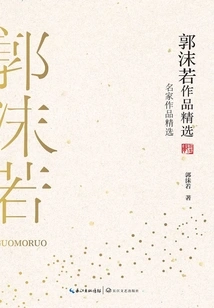
Selections of Guo Moruo's Works
Literature郭沫若作品精选
Guo Moruo
"Selected Works of Guo Moruo" contains Guo Moruo's classic works. There are poems full of vitality and romanticism, shocking historical dramas, and autobiographical essays and novels. These works all reflect the author's literary and artistic achievements and have far-reaching influence.
"Selected Works of Guo Moruo" contains Guo Moruo's classic works. There are poems full of vitality and romanticism, shocking historical dramas, and autobiographical essays and novels. These works all reflect the author's literary and artistic achievements and have far-reaching influence.
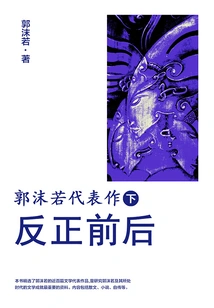
郭沫若代表作(下):反正前后
Guo Moruo
This book collects Mr. Guo's essays, short stories and autobiography. At the back of the book is a list of Guo Moruo's main translations.
This book collects Mr. Guo's essays, short stories and autobiography. At the back of the book is a list of Guo Moruo's main translations.
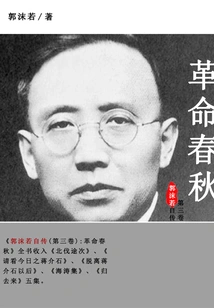
郭沫若自传(第三卷):革命春秋
Guo Moruo
This book is the work of Guo Moruo, a famous Chinese scholar, writer, litterateur, and historian. It is the third volume of "The Autobiography of Guo Moruo". The book includes five episodes: "The Northern Expedition", "Look at Chiang Kai-shek Today", "After Leaving Chiang Kai-shek", "Haitao Collection" and "Returning Back". The chronology of this volume starts from the Northern Expedition in 1926 to the eve of the Anti-Japanese War in 1937, presenting Guo Moruo's revolution and life during this period and recreating that "revolutionary Spring and Autumn Period".
This book is the work of Guo Moruo, a famous Chinese scholar, writer, litterateur, and historian. It is the third volume of "The Autobiography of Guo Moruo". The book includes five episodes: "The Northern Expedition", "Look at Chiang Kai-shek Today", "After Leaving Chiang Kai-shek", "Haitao Collection" and "Returning Back". The chronology of this volume starts from the Northern Expedition in 1926 to the eve of the Anti-Japanese War in 1937, presenting Guo Moruo's revolution and life during this period and recreating that "revolutionary Spring and Autumn Period".
Guo Moruo's Prose
Literature郭沫若散文
Guo Moruo
Guo Moruo is a modern writer, historian, one of the founders of new poetry, and the first president of the Chinese Academy of Sciences. He has written in the fields of poetry, scripts, archaeology, history, translation and other fields. There are thirty-eight volumes of "The Complete Works of Guo Moruo". Guo Moruo had a wide range of interests and published many works throughout his life. His prose is powerful, clear, romantic and full of artistic charm. Autobiography constitutes the obvious feature of Guo Moruo's prose and is the product of the author's personality. His time-sensitive prose has strong realistic relevance. The lyrical works are good at using a variety of artistic techniques to create poetic artistic conception. This book contains many photos, which vividly display some fragments of Guo Moruo's life.
Guo Moruo is a modern writer, historian, one of the founders of new poetry, and the first president of the Chinese Academy of Sciences. He has written in the fields of poetry, scripts, archaeology, history, translation and other fields. There are thirty-eight volumes of "The Complete Works of Guo Moruo". Guo Moruo had a wide range of interests and published many works throughout his life. His prose is powerful, clear, romantic and full of artistic charm. Autobiography constitutes the obvious feature of Guo Moruo's prose and is the product of the author's personality. His time-sensitive prose has strong realistic relevance. The lyrical works are good at using a variety of artistic techniques to create poetic artistic conception. This book contains many photos, which vividly display some fragments of Guo Moruo's life.
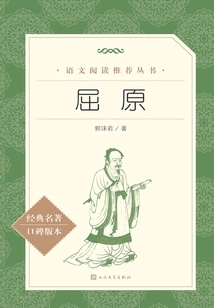
Qu Yuan
Literature屈原
Guo Moruo
Guo Moruo wrote many dramas with historical themes throughout his life, among which "Qu Yuan" and "Cai Wenji" are his representative works. "Qu Yuan" was written in 1942. It describes Qu Yuan, a patriotic poet of Chu State during the Warring States Period, who fought against the traitorous acts of King Huai of Chu, Queen of the South and others. It praises Qu Yuan's lofty thoughts of loving the motherland and his uncompromising fighting spirit. "Cai Wenji" was written in 1959. It tells the story of the talented girl Cai Wenji, who was invited by Prime Minister Cao Cao to return to the Han Dynasty from the Southern Huns to inherit the legacy of her father Cai Yong and continue to edit the Han Dynasty.
Guo Moruo wrote many dramas with historical themes throughout his life, among which "Qu Yuan" and "Cai Wenji" are his representative works. "Qu Yuan" was written in 1942. It describes Qu Yuan, a patriotic poet of Chu State during the Warring States Period, who fought against the traitorous acts of King Huai of Chu, Queen of the South and others. It praises Qu Yuan's lofty thoughts of loving the motherland and his uncompromising fighting spirit. "Cai Wenji" was written in 1959. It tells the story of the talented girl Cai Wenji, who was invited by Prime Minister Cao Cao to return to the Han Dynasty from the Southern Huns to inherit the legacy of her father Cai Yong and continue to edit the Han Dynasty.
Ten Criticisms
Literature十批判书
Guo Moruo
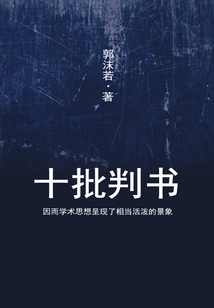
This is a series of books written by Guo Moruo Lao on the philosophical thoughts of ancient Chinese sages. The contents include: 1. Self-criticism of ancient research; 2. Criticism of Confucius and Mo; 3. Criticism of the eight schools of Confucianism; 4. Criticism of the Huang-Lao School of Jixia; 5. Criticism of Zhuangzi; 6. Criticism of Xunzi; 7. Criticism of famous debate trends; 8. Criticism of early Legalists; 9. Criticism of Han Feizi; 10. Criticism of Lu Buwei and the Qin Dynasty. This book lays out a relatively complete outline of the institutions of ancient Chinese society, its transformation, and the ideological reflection of the transformation process, and adopts a historical materialist stance.
This is a series of books written by Guo Moruo Lao on the philosophical thoughts of ancient Chinese sages. The contents include: 1. Self-criticism of ancient research; 2. Criticism of Confucius and Mo; 3. Criticism of the eight schools of Confucianism; 4. Criticism of the Huang-Lao School of Jixia; 5. Criticism of Zhuangzi; 6. Criticism of Xunzi; 7. Criticism of famous debate trends; 8. Criticism of early Legalists; 9. Criticism of Han Feizi; 10. Criticism of Lu Buwei and the Qin Dynasty. This book lays out a relatively complete outline of the institutions of ancient Chinese society, its transformation, and the ideological reflection of the transformation process, and adopts a historical materialist stance.
Guo Moruo's Prose
Literature郭沫若散文
Guo Moruo
Guo Moruo had a wide range of interests and published many works throughout his life. His prose is powerful, clear, romantic and full of artistic charm. Autobiography constitutes the obvious feature of Guo Moruo's prose and is the product of the author's personality. His time-sensitive prose has strong realistic relevance. The lyrical works are good at using a variety of artistic techniques to create poetic artistic conception.
Guo Moruo had a wide range of interests and published many works throughout his life. His prose is powerful, clear, romantic and full of artistic charm. Autobiography constitutes the obvious feature of Guo Moruo's prose and is the product of the author's personality. His time-sensitive prose has strong realistic relevance. The lyrical works are good at using a variety of artistic techniques to create poetic artistic conception.
郭沫若散文(中华散文插图珍藏本)
Guo Moruo
Guo Moruo is a modern writer, historian, one of the founders of new poetry, and the first president of the Chinese Academy of Sciences. He has written in the fields of poetry, scripts, archaeology, history, translation and other fields. There are thirty-eight volumes of "The Complete Works of Guo Moruo". Guo Moruo had a wide range of interests and published many works throughout his life. His prose is powerful, clear, romantic and full of artistic charm. Autobiography constitutes the obvious feature of Guo Moruo's prose and is the product of the author's personality. His time-sensitive prose has strong realistic relevance. The lyrical works are good at using a variety of artistic techniques to create poetic artistic conception. This book contains many photos, which vividly display some fragments of Guo Moruo's life.
Guo Moruo is a modern writer, historian, one of the founders of new poetry, and the first president of the Chinese Academy of Sciences. He has written in the fields of poetry, scripts, archaeology, history, translation and other fields. There are thirty-eight volumes of "The Complete Works of Guo Moruo". Guo Moruo had a wide range of interests and published many works throughout his life. His prose is powerful, clear, romantic and full of artistic charm. Autobiography constitutes the obvious feature of Guo Moruo's prose and is the product of the author's personality. His time-sensitive prose has strong realistic relevance. The lyrical works are good at using a variety of artistic techniques to create poetic artistic conception. This book contains many photos, which vividly display some fragments of Guo Moruo's life.
郭沫若自传(第一卷):少年时代
Guo Moruo
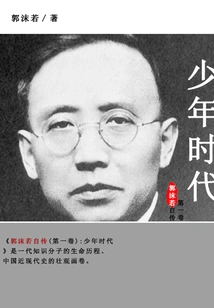
"Boyhood" is the first volume of "Guo Moruo's Autobiography", including "My Childhood", "Before and After", "Black Cat", and "First Out of Kuimen", four autobiographical works that are continuous and can be written independently. The first three parts were written in 1928, 1929, and 1930. "First Out of Kuimen" was written later in 1936. It was originally the first chapter of "Ten Years Overseas". Due to the suspension of writing, the first three parts were included in "Boyhood". When these biographical works were published one after another from the late 1920s to the mid-1930s, they attracted great attention from society and the literary world.
"Boyhood" is the first volume of "Guo Moruo's Autobiography", including "My Childhood", "Before and After", "Black Cat", and "First Out of Kuimen", four autobiographical works that are continuous and can be written independently. The first three parts were written in 1928, 1929, and 1930. "First Out of Kuimen" was written later in 1936. It was originally the first chapter of "Ten Years Overseas". Due to the suspension of writing, the first three parts were included in "Boyhood". When these biographical works were published one after another from the late 1920s to the mid-1930s, they attracted great attention from society and the literary world.
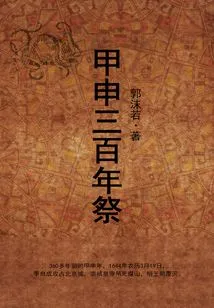
Jiashen 300th Anniversary
General Fiction甲申三百年祭
Guo Moruo
This year is the Jiashen year of the lunar calendar. It has been another sixty years since Guo Moruo's "The Three Hundred Years of Jiashen" was serialized in Chongqing's "Xinhua Daily" on March 19, 1944. Guo Moruo, the editor of "Jiashen Three Hundred Years Sacrifice". Comrade Guo Moruo's "The Three Hundred Years of Jiashen" was written in 1944 to commemorate the 300th anniversary of the victory of the peasant uprising led by Li Zicheng in the late Ming Dynasty. This article was first published in Chongqing's "Xinhua Daily" and later printed in separate volumes in Yan'an and various liberated areas.
This year is the Jiashen year of the lunar calendar. It has been another sixty years since Guo Moruo's "The Three Hundred Years of Jiashen" was serialized in Chongqing's "Xinhua Daily" on March 19, 1944. Guo Moruo, the editor of "Jiashen Three Hundred Years Sacrifice". Comrade Guo Moruo's "The Three Hundred Years of Jiashen" was written in 1944 to commemorate the 300th anniversary of the victory of the peasant uprising led by Li Zicheng in the late Ming Dynasty. This article was first published in Chongqing's "Xinhua Daily" and later printed in separate volumes in Yan'an and various liberated areas.
Fifty Days in Soviet Union
Literature苏联五十天
Guo Moruo
In June 1945, Guo Moruo, who had just been appointed director of the Research Committee of the Sino-Soviet Cultural Association, was invited to visit the Soviet Union, which lasted more than two months. After returning to China, he wrote the book "Journey to the Soviet Union" about his experiences in the Soviet Union, which was first published by Shanghai Chinese and Foreign Publishing House in March 1946. Later, the author deleted the part of the book that passed through India and Iran, and renamed it "Fifty Days in the Soviet Union". It was republished by New China Book Company in August 1949. This publication is based on this edition.
In June 1945, Guo Moruo, who had just been appointed director of the Research Committee of the Sino-Soviet Cultural Association, was invited to visit the Soviet Union, which lasted more than two months. After returning to China, he wrote the book "Journey to the Soviet Union" about his experiences in the Soviet Union, which was first published by Shanghai Chinese and Foreign Publishing House in March 1946. Later, the author deleted the part of the book that passed through India and Iran, and renamed it "Fifty Days in the Soviet Union". It was republished by New China Book Company in August 1949. This publication is based on this edition.
Banana Flower
Literature芭蕉花
Guo Moruo
"Banana Flower" is a collection of essays by Mr. Guo Moruo, which contains nearly 60 of Guo's classic essays. Mr. Guo is famous for his rich academic background. Reading his prose often brings surprises of "gaining knowledge". The writing style is fresh and refined, and the expression of emotions is delicate. As a cultural master of a generation, this book can be said to be a sincere monologue of his inner world. According to the content of the articles, we divided them into five series: "Elegance and Natural Creation", "Streaming Silhouettes", "Thousands of Miles of Clogs", "Memories of Old Knowledge" and "Art Cui Xinxiang". These collected articles are the essence of Mr. Guo's life articles.
"Banana Flower" is a collection of essays by Mr. Guo Moruo, which contains nearly 60 of Guo's classic essays. Mr. Guo is famous for his rich academic background. Reading his prose often brings surprises of "gaining knowledge". The writing style is fresh and refined, and the expression of emotions is delicate. As a cultural master of a generation, this book can be said to be a sincere monologue of his inner world. According to the content of the articles, we divided them into five series: "Elegance and Natural Creation", "Streaming Silhouettes", "Thousands of Miles of Clogs", "Memories of Old Knowledge" and "Art Cui Xinxiang". These collected articles are the essence of Mr. Guo's life articles.
Goddess
Literature女神
Guo Moruo
This book includes "Rebirth of the Goddess", "Phoenix Nirvana", "Tengu", "Coal in the Furnace" and "Earth, My Mother!" "" And other poems, many of which are included in Chinese textbooks at all levels or designated as Chinese extracurricular readings. "Goddess" is Guo Moruo's first collection of poems and the first mature new collection of poems in modern Chinese literature. It is a collection of Guo Moruo's early poetry masterpieces and has a wide-reaching influence. The purpose of publishing a single volume this time is to enrich the types of editions of our publisher. The main target audience is still middle school and high school students.
This book includes "Rebirth of the Goddess", "Phoenix Nirvana", "Tengu", "Coal in the Furnace" and "Earth, My Mother!" "" And other poems, many of which are included in Chinese textbooks at all levels or designated as Chinese extracurricular readings. "Goddess" is Guo Moruo's first collection of poems and the first mature new collection of poems in modern Chinese literature. It is a collection of Guo Moruo's early poetry masterpieces and has a wide-reaching influence. The purpose of publishing a single volume this time is to enrich the types of editions of our publisher. The main target audience is still middle school and high school students.
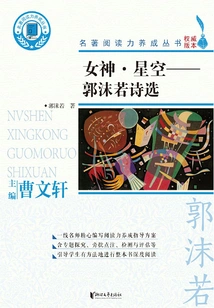
女神·星空:郭沫若诗选
Guo Moruo
This book contains all the works in Guo Moruo's representative collection of poems "Goddess", as well as some works in the author's other representative work "Starry Sky". Many of these works are included in Chinese textbooks at all levels or designated as Chinese extracurricular readings, including "The Market in the Sky", "Phoenix Nirvana", "Coal in the Furnace", etc. "Goddess" is Guo Moruo's first collection of poems and the first mature new collection of poems in the history of modern Chinese literature. This book invites first-line famous teachers to conduct introductions to the works, refine knowledge points, expand reading horizons, and help students better understand classics and apply what they have learned.
This book contains all the works in Guo Moruo's representative collection of poems "Goddess", as well as some works in the author's other representative work "Starry Sky". Many of these works are included in Chinese textbooks at all levels or designated as Chinese extracurricular readings, including "The Market in the Sky", "Phoenix Nirvana", "Coal in the Furnace", etc. "Goddess" is Guo Moruo's first collection of poems and the first mature new collection of poems in the history of modern Chinese literature. This book invites first-line famous teachers to conduct introductions to the works, refine knowledge points, expand reading horizons, and help students better understand classics and apply what they have learned.
Guo Moruo's Famous Poems
Literature郭沫若诗文名篇
Guo Moruo
This book is a collection of letters written by the famous scholars and litterateurs Guo Moruo and Rong Geng over several decades. In addition to greetings, the letters are mostly discussions of ancient texts. In many places, they have unique insights and profound analysis, which can be said to be highly academic. From the perspective of calligraphy, because the writing of the slips is more random, it can better reflect the style of the calligrapher.
This book is a collection of letters written by the famous scholars and litterateurs Guo Moruo and Rong Geng over several decades. In addition to greetings, the letters are mostly discussions of ancient texts. In many places, they have unique insights and profound analysis, which can be said to be highly academic. From the perspective of calligraphy, because the writing of the slips is more random, it can better reflect the style of the calligrapher.
凤凰涅槃:郭沫若诗文经典
Guo Moruo
Among modern Chinese writers, there is no other person who has personally experienced so many major events related to history like Guo Moruo, and who has lived through every critical moment of modern Chinese history like him.
Among modern Chinese writers, there is no other person who has personally experienced so many major events related to history like Guo Moruo, and who has lived through every critical moment of modern Chinese history like him.
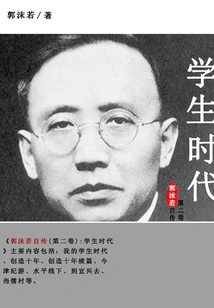
郭沫若自传(第二卷):学生时代
Guo Moruo
The book includes five episodes: "My Student Days", "Creating Ten Years", "Creating Ten Years Sequel", "Journey to Jinjin" and "Horizontal Offline", which is a complete record of Guo Moruo's "student days". Although Guo Moruo was no longer in his "student days" at that time, Guo Moruo's writings are filled with feelings of ageless youth. Because the autobiographical text is not like the "memoirs" of other famous writers, it goes back to the "time". Therefore, we see a "then" Guo Moruo, a "real" Guo Moruo, a romantic, passionate and romantic Guo Moruo, a Guo Moruo with a flamboyant personality and the courage to self-dissect.
The book includes five episodes: "My Student Days", "Creating Ten Years", "Creating Ten Years Sequel", "Journey to Jinjin" and "Horizontal Offline", which is a complete record of Guo Moruo's "student days". Although Guo Moruo was no longer in his "student days" at that time, Guo Moruo's writings are filled with feelings of ageless youth. Because the autobiographical text is not like the "memoirs" of other famous writers, it goes back to the "time". Therefore, we see a "then" Guo Moruo, a "real" Guo Moruo, a romantic, passionate and romantic Guo Moruo, a Guo Moruo with a flamboyant personality and the courage to self-dissect.
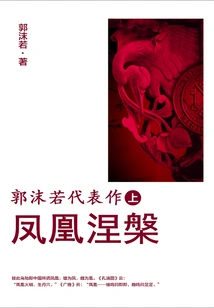
郭沫若代表作(上):凤凰涅槃
Guo Moruo
This series of books is edited and selected by the Museum of Modern Chinese Literature. It includes the classic works of the most representative and influential writers in the history of modern Chinese literature. It is the most authoritative, comprehensive, and high-quality series of modern Chinese literary works in history, most suitable for students and literature lovers to read and collect. It is a mirror for understanding China's century-old humanities and exploring the rhythm of the Chinese people's souls in the 20th century. A total of 102 writers were selected for this series, which was published in 157 volumes. This book includes the poems "Rebirth of the Goddess", "Phoenix Nirvana", "Street Market in the Sky", "Memories of Wu Gorge", historical dramas "Tangdi Flower", "Peacock Gut", etc.
This series of books is edited and selected by the Museum of Modern Chinese Literature. It includes the classic works of the most representative and influential writers in the history of modern Chinese literature. It is the most authoritative, comprehensive, and high-quality series of modern Chinese literary works in history, most suitable for students and literature lovers to read and collect. It is a mirror for understanding China's century-old humanities and exploring the rhythm of the Chinese people's souls in the 20th century. A total of 102 writers were selected for this series, which was published in 157 volumes. This book includes the poems "Rebirth of the Goddess", "Phoenix Nirvana", "Street Market in the Sky", "Memories of Wu Gorge", historical dramas "Tangdi Flower", "Peacock Gut", etc.
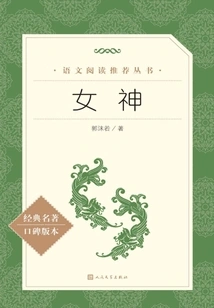
Goddess
Literature女神
Guo Moruo
This book includes "Rebirth of the Goddess", "Phoenix Nirvana", "Tengu", "Coal in the Furnace" and "Earth, My Mother!" "" And other poems, many of which are included in Chinese textbooks at all levels or designated as Chinese extracurricular readings. "Goddess" is Guo Moruo's first collection of poems and the first mature new collection of poems in modern Chinese literature. It is a collection of Guo Moruo's early poetry masterpieces and has a wide-reaching influence. This time it is included in the "Newly Compiled and New Chinese Curriculum Standards Must-Read Series", with an "Introduction" at the front of the book and a "Knowledge Link" at the back to provide readers with necessary guidance and accumulation of knowledge.
This book includes "Rebirth of the Goddess", "Phoenix Nirvana", "Tengu", "Coal in the Furnace" and "Earth, My Mother!" "" And other poems, many of which are included in Chinese textbooks at all levels or designated as Chinese extracurricular readings. "Goddess" is Guo Moruo's first collection of poems and the first mature new collection of poems in modern Chinese literature. It is a collection of Guo Moruo's early poetry masterpieces and has a wide-reaching influence. This time it is included in the "Newly Compiled and New Chinese Curriculum Standards Must-Read Series", with an "Introduction" at the front of the book and a "Knowledge Link" at the back to provide readers with necessary guidance and accumulation of knowledge.
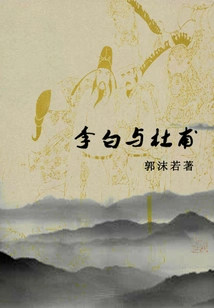
Li Bai and Du Fu
Literature李白与杜甫
Guo Moruo
This book is the author's historical research work. The content is rich, thought-provoking and well worth watching.
This book is the author's historical research work. The content is rich, thought-provoking and well worth watching.
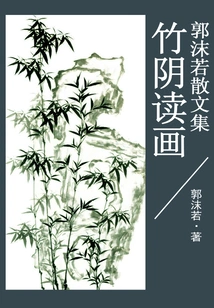
竹阴读画(郭沫若散文集)
Guo Moruo
This book is written by Guo Moruo. It is a high-grade literary and artistic book worth recommending to readers. The language of these articles is fresh and bright, integrating emotions with scenery, expressing emotions with things, embodying emotions with things, supporting things to express aspirations, with sincere feelings, realizing the unity of things and self, running through ancient and modern times, spanning China and foreign countries, embracing the world, penetrating life and society, showing far-reaching thoughts and artistic conceptions, allowing readers to understand profound truths, enrich knowledge, broaden their horizons, and cultivate noble thoughts and sentiments.
This book is written by Guo Moruo. It is a high-grade literary and artistic book worth recommending to readers. The language of these articles is fresh and bright, integrating emotions with scenery, expressing emotions with things, embodying emotions with things, supporting things to express aspirations, with sincere feelings, realizing the unity of things and self, running through ancient and modern times, spanning China and foreign countries, embracing the world, penetrating life and society, showing far-reaching thoughts and artistic conceptions, allowing readers to understand profound truths, enrich knowledge, broaden their horizons, and cultivate noble thoughts and sentiments.

Li Bai and Du Fu
History李白与杜甫
Guo Moruo
Reading Li Bai's poems makes people feel: when he is drunk, it is when he is sober; when he is not drunk, it is when he is confused. Du Fu is an ambitious man. He always wants to make a big splash and achieve 90,000 miles in one fell swoop. But he never achieved this hope in his life. Whenever Li and Du are mentioned at the same time, people seem to sigh like this: Li Bai has never been old, but Du Fu has never been young.
Reading Li Bai's poems makes people feel: when he is drunk, it is when he is sober; when he is not drunk, it is when he is confused. Du Fu is an ambitious man. He always wants to make a big splash and achieve 90,000 miles in one fell swoop. But he never achieved this hope in his life. Whenever Li and Du are mentioned at the same time, people seem to sigh like this: Li Bai has never been old, but Du Fu has never been young.
女神·我的童年(郭沫若卷)
Guo Moruo
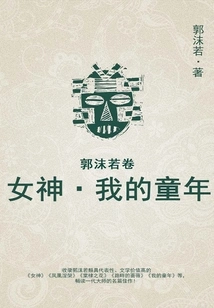
From the second half of 1919 to the first half of 1920, Guo Moruo's poetry creation entered an unprecedented peak period, and he harvested a large number of poems. In August 1921, Guo Moruo published a collection of 154 poems written during this period. This is the sensational collection of poems - "Goddess". "The Goddess" created a "generation of poetry style" with its strong revolutionary spirit, distinctive color of the times, romantic artistic style, and bold free verse.
From the second half of 1919 to the first half of 1920, Guo Moruo's poetry creation entered an unprecedented peak period, and he harvested a large number of poems. In August 1921, Guo Moruo published a collection of 154 poems written during this period. This is the sensational collection of poems - "Goddess". "The Goddess" created a "generation of poetry style" with its strong revolutionary spirit, distinctive color of the times, romantic artistic style, and bold free verse.
Dreams and Reality
Literature梦与现实
Guo Moruo
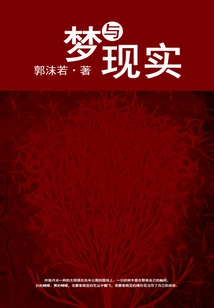
This book is one of the series of "Illustrated Books by Famous Writers". It selects more than 30 essays by Guo Moruo, a famous modern Chinese writer. Whether it is reminiscing about childhood growth, literary contacts, or describing the scenery of his hometown, it has a strong sense of realistic concern and romantic lyricism, and is full of smart poetry. He is good at using concise and simple words to construct an artistic conception that blends scenes, expresses sincere feelings, and has profound implications, making it suitable for young people to read. The illustrations in the book are paintings by Zhu Danian, a famous meticulous and heavy-color painter. The colors are strong and vivid, and the pictures are beautiful and dreamy. This book was selected into the 2014 annual topic selection plan.
This book is one of the series of "Illustrated Books by Famous Writers". It selects more than 30 essays by Guo Moruo, a famous modern Chinese writer. Whether it is reminiscing about childhood growth, literary contacts, or describing the scenery of his hometown, it has a strong sense of realistic concern and romantic lyricism, and is full of smart poetry. He is good at using concise and simple words to construct an artistic conception that blends scenes, expresses sincere feelings, and has profound implications, making it suitable for young people to read. The illustrations in the book are paintings by Zhu Danian, a famous meticulous and heavy-color painter. The colors are strong and vivid, and the pictures are beautiful and dreamy. This book was selected into the 2014 annual topic selection plan.
Inside and Outside Pig Hoof
Literature豕蹄内外
Guo Moruo
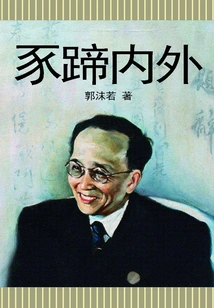
This book is written by Guo Moruo, a famous Chinese writer, poet, playwright, historian, archaeologist, paleographer, social activist, and one of the founders of new poetry. The first president of the Chinese Academy of Sciences, the first president of the University of Science and Technology of China, and a foreign academician of the Soviet Academy of Sciences. He once served as director of the Department of Philosophy and Social Sciences of the Chinese Academy of Sciences, director of the First Institute of History, chairman of the Chinese People's Committee for Defense of World Peace, honorary president of the China-Japan Friendship Association, chairman of the China Federation of Literary and Art Circles, and other important positions. He was elected as a member of the 9th, 10th, and 11th Central Committee of the Communist Party of China, and as vice chairman of the 2nd, 3rd, and 5th National Committee of the Chinese People's Political Consultative Conference.
This book is written by Guo Moruo, a famous Chinese writer, poet, playwright, historian, archaeologist, paleographer, social activist, and one of the founders of new poetry. The first president of the Chinese Academy of Sciences, the first president of the University of Science and Technology of China, and a foreign academician of the Soviet Academy of Sciences. He once served as director of the Department of Philosophy and Social Sciences of the Chinese Academy of Sciences, director of the First Institute of History, chairman of the Chinese People's Committee for Defense of World Peace, honorary president of the China-Japan Friendship Association, chairman of the China Federation of Literary and Art Circles, and other important positions. He was elected as a member of the 9th, 10th, and 11th Central Committee of the Communist Party of China, and as vice chairman of the 2nd, 3rd, and 5th National Committee of the Chinese People's Political Consultative Conference.
Bottle
Literature瓶
Guo Moruo
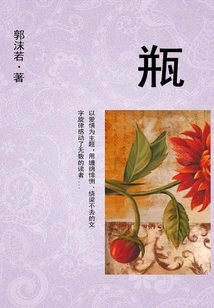
"Vase" is another excellent poem that Guo Moruo dedicated to the Chinese poetry circle in the 1920s after his poetry collections "Girls" and "Starry Sky", which shines with the brilliance of rebelling against feudal ethics and striving for the liberation of individuality. The elegant and graceful artistic style presented in "Vase" and the majestic and bold artistic style of "Goddess" complement each other, perfectly demonstrating the aesthetic style of Guo Moruo's poetry.
"Vase" is another excellent poem that Guo Moruo dedicated to the Chinese poetry circle in the 1920s after his poetry collections "Girls" and "Starry Sky", which shines with the brilliance of rebelling against feudal ethics and striving for the liberation of individuality. The elegant and graceful artistic style presented in "Vase" and the majestic and bold artistic style of "Goddess" complement each other, perfectly demonstrating the aesthetic style of Guo Moruo's poetry.
Roses on the Roadside
Literature路畔的蔷薇
Guo Moruo
"Rose on the Road" selects and compiles Guo Moruo's prose works from different periods. The themes range from describing scenery, narrating and cherishing people, to literary criticism, etc., Covering various fields such as literature, history, calligraphy, etc. The writing is beautiful and can be enjoyed by both refined and popular people.
"Rose on the Road" selects and compiles Guo Moruo's prose works from different periods. The themes range from describing scenery, narrating and cherishing people, to literary criticism, etc., Covering various fields such as literature, history, calligraphy, etc. The writing is beautiful and can be enjoyed by both refined and popular people.
The Street in Heaven
Literature天上的市街
Guo Moruo
This book is a culmination of Guo Moruo's writings based on ancient documents and underground excavations of oracle bone inscriptions and bronze inscriptions, as well as through painstaking study of classics and history and physical textual research, and with a rigorous academic attitude and Marxist historical perspective. Through the study of "Book of Changes", "Poems", "Books", Oracle Bone Inscriptions and Yi Inscriptions, the author has created a unique "grass path" and established a new ancient Chinese cultural system.
This book is a culmination of Guo Moruo's writings based on ancient documents and underground excavations of oracle bone inscriptions and bronze inscriptions, as well as through painstaking study of classics and history and physical textual research, and with a rigorous academic attitude and Marxist historical perspective. Through the study of "Book of Changes", "Poems", "Books", Oracle Bone Inscriptions and Yi Inscriptions, the author has created a unique "grass path" and established a new ancient Chinese cultural system.
女神·菩提树下(郭沫若诗文精选)
Guo Moruo
This book contains dozens of classic works by Mr. Guo Moruo. Select the most representative poems and prose works created by Guo Moruo. His poetry took the lead in blowing the horn of vernacular poetry, and his prose was equally pioneering. Guo Moruo's prose not only records the events of the times and leaves "the eyebrows of the times", but also truly and vividly shows his thoughts and life in various periods. This book is rich in content, well edited and has collection value.
This book contains dozens of classic works by Mr. Guo Moruo. Select the most representative poems and prose works created by Guo Moruo. His poetry took the lead in blowing the horn of vernacular poetry, and his prose was equally pioneering. Guo Moruo's prose not only records the events of the times and leaves "the eyebrows of the times", but also truly and vividly shows his thoughts and life in various periods. This book is rich in content, well edited and has collection value.
Selections of Guo Moruo's Works
Literature郭沫若作品精选
Guo Moruo
This book is a children's literature book. This book selects nearly 60 works by Mr. Guo Moruo, my country's outstanding writer, poet, litterateur, scholar, social activist and historian, including the famous representative poem "The Rebirth of the Goddess", the prose "The Parasitic Tree and the Thin Grass", the novel "The Shepherd's Lament", etc. All works reflect Mr. Guo Moruo's literary and artistic achievements.
This book is a children's literature book. This book selects nearly 60 works by Mr. Guo Moruo, my country's outstanding writer, poet, litterateur, scholar, social activist and historian, including the famous representative poem "The Rebirth of the Goddess", the prose "The Parasitic Tree and the Thin Grass", the novel "The Shepherd's Lament", etc. All works reflect Mr. Guo Moruo's literary and artistic achievements.
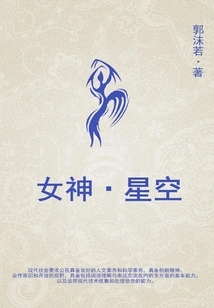
Goddess·starry Sky
Literature女神·星空
Guo Moruo
Guo Moruo's masterpiece "The Goddess" is a profound curse on the old world and a passionate yearning for the new world. It is an infinite love and attachment to the motherland and a heartfelt eulogy for the working people. The forms are mostly free and eclectic, while the artistic style is the revolutionary romanticism of Sturm und Drang. While "Goddess" sings the main melody, it also has some lyrical poems, showing the unity of diversity. "Starry Sky" is slightly different from "Goddess" in terms of momentum. "Starry Sky" uses rich fantasy to endow the personified natural scenery with verdant poetry.
Guo Moruo's masterpiece "The Goddess" is a profound curse on the old world and a passionate yearning for the new world. It is an infinite love and attachment to the motherland and a heartfelt eulogy for the working people. The forms are mostly free and eclectic, while the artistic style is the revolutionary romanticism of Sturm und Drang. While "Goddess" sings the main melody, it also has some lyrical poems, showing the unity of diversity. "Starry Sky" is slightly different from "Goddess" in terms of momentum. "Starry Sky" uses rich fantasy to endow the personified natural scenery with verdant poetry.
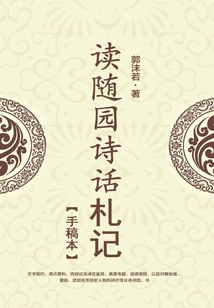
读随园诗话札记(手稿本)
Guo Moruo
"Reading Notes" covers a wide range of topics, with concise writing and sharp viewpoints. The content discusses many issues such as appreciation of poems and articles, textual research on laws and regulations, moral praise and criticism, as well as evaluations of historical figures such as Qin Shihuang, Cao Cao, and Wu Zetian. Many of the arguments in the book are valued by the academic community, and these insights have become influential opinions in the academic world. They are also an important basis for understanding the development of the author's academic thoughts. This book is the manuscript of Guo Moruo's "Notes on Reading Suiyuan Poetry". There are regular script explanations on the back of each page of the manuscript.
"Reading Notes" covers a wide range of topics, with concise writing and sharp viewpoints. The content discusses many issues such as appreciation of poems and articles, textual research on laws and regulations, moral praise and criticism, as well as evaluations of historical figures such as Qin Shihuang, Cao Cao, and Wu Zetian. Many of the arguments in the book are valued by the academic community, and these insights have become influential opinions in the academic world. They are also an important basis for understanding the development of the author's academic thoughts. This book is the manuscript of Guo Moruo's "Notes on Reading Suiyuan Poetry". There are regular script explanations on the back of each page of the manuscript.
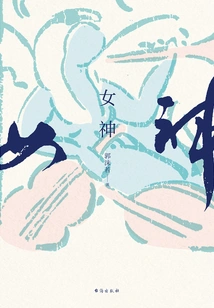
Goddess
Literature女神
Guo Moruo
"Goddess" contains Guo Moruo's major poems written between 1919 and 1921, including 57 preface poems, most of which were written while the poet was studying in Japan. "The Goddess" is Guo Moruo's first collection of poems. It is also the "foundation work" of new romantic poetry in the history of modern Chinese literature, creating a generation of poetry. Representative poems include "Rebirth of the Goddess", "Flower of Tangdi", "Phoenix Nirvana", "Sunrise", "Tengu", etc. This book collects 22 rare and precious old photos, linking Guo Moruo's legendary life of studying, living, fighting, and creating.
"Goddess" contains Guo Moruo's major poems written between 1919 and 1921, including 57 preface poems, most of which were written while the poet was studying in Japan. "The Goddess" is Guo Moruo's first collection of poems. It is also the "foundation work" of new romantic poetry in the history of modern Chinese literature, creating a generation of poetry. Representative poems include "Rebirth of the Goddess", "Flower of Tangdi", "Phoenix Nirvana", "Sunrise", "Tengu", etc. This book collects 22 rare and precious old photos, linking Guo Moruo's legendary life of studying, living, fighting, and creating.
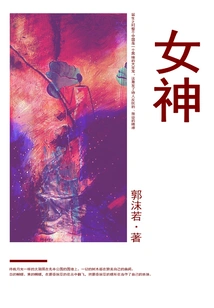
Goddess
Literature女神
Guo Moruo
"Goddess" is Guo Moruo's first collection of poems, and it is also the first new collection of poems in the history of modern Chinese literature that truly fully demonstrates modern consciousness and the spirit of the times in terms of ideological content and artistic form. "The Goddess" is full of deep hatred for the dark forces of society, expressing the poet's heroic spirit of criticizing the old world and creating a new world. The poet not only fiercely attacked the old things of the old world, but also criticized his own "old self" mercilessly. "The Goddess" is also permeated with the spirit of creation and renewed consciousness.
"Goddess" is Guo Moruo's first collection of poems, and it is also the first new collection of poems in the history of modern Chinese literature that truly fully demonstrates modern consciousness and the spirit of the times in terms of ideological content and artistic form. "The Goddess" is full of deep hatred for the dark forces of society, expressing the poet's heroic spirit of criticizing the old world and creating a new world. The poet not only fiercely attacked the old things of the old world, but also criticized his own "old self" mercilessly. "The Goddess" is also permeated with the spirit of creation and renewed consciousness.
郭沫若自传(第四卷):洪波曲
Guo Moruo
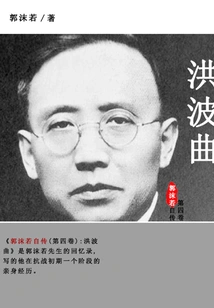
This book is composed of two parts: "Hong Bo Qu" (including "Hong Bo Qu - Memoirs of the Anti-Japanese War", "Soviet Journey" and "Nanjing Impressions") and "Fifty Years Chronicle". "Hong Bo Qu - Memoirs of the Anti-Japanese War" was written between August and November 1948. It is Guo Moruo's most complete memoir of the Anti-Japanese War. "Journey to the Soviet Union" is the diary of the author's visit to the Soviet Union from June 9 to August 16, 1945. "Impressions of Nanjing" was written in the summer of 1946 and is a series of essays about Nanjing. "Fifty Years of Simplified Music" was written on September 25, 1941.
This book is composed of two parts: "Hong Bo Qu" (including "Hong Bo Qu - Memoirs of the Anti-Japanese War", "Soviet Journey" and "Nanjing Impressions") and "Fifty Years Chronicle". "Hong Bo Qu - Memoirs of the Anti-Japanese War" was written between August and November 1948. It is Guo Moruo's most complete memoir of the Anti-Japanese War. "Journey to the Soviet Union" is the diary of the author's visit to the Soviet Union from June 9 to August 16, 1945. "Impressions of Nanjing" was written in the summer of 1946 and is a series of essays about Nanjing. "Fifty Years of Simplified Music" was written on September 25, 1941.
Moruo's Autobiography
Literature沫若自传
Guo Moruo
In the entire cultural history of China in the 20th century, Guo Moruo has a special status. His historical research, his ancient writing research, his archaeological research, etc., Have an irreplaceable position in the field of cultural construction and academic construction in China in the 20th century. This book covers all of Mr. Guo Moruo's early works, and truly and comprehensively records Mr. Guo Moruo's entire journey from his youth to the road of revolution.
In the entire cultural history of China in the 20th century, Guo Moruo has a special status. His historical research, his ancient writing research, his archaeological research, etc., Have an irreplaceable position in the field of cultural construction and academic construction in China in the 20th century. This book covers all of Mr. Guo Moruo's early works, and truly and comprehensively records Mr. Guo Moruo's entire journey from his youth to the road of revolution.