Library
Browse and search books
23 novels found
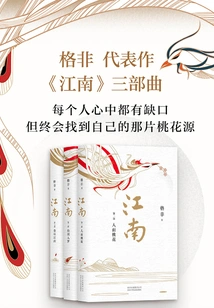
Ge Fei: Jiangnan Trilogy
General Fiction格非:江南三部曲
Ge Fei
I accept the badness of life, but refuse the destiny. See desires, see true feelings, see life and death! The work that has won the Mao Dun Literature Award for forty years, a shining pearl of contemporary literature, and Ge Fei's masterpiece! Three honest people, three crazy people. Three loves, three eras. From the end of the Qing Dynasty to the beginning of the Republic of China until now, a family has spanned a hundred years. Struggle in the absurd, reincarnate in the moth's flight to the flame. The dream begins in the flower house, and the dream ends in the flower house. A magnificent and cold epic, reflecting the destiny of the Chinese people for a century. In Huajiashe, in the mountains and rivers of Jiangnan, five generations of a family span a hundred years, going back and forth between sobriety and confusion, pursuing dreams and being broken in the tide of the times. In the end, they cannot surpass the ethics of the world and the love of their children. The flower house in "Jiangnan" is the Macondo in "One Hundred Years of Solitude" and the White Deer Plain in "White Deer Plain".
I accept the badness of life, but refuse the destiny. See desires, see true feelings, see life and death! The work that has won the Mao Dun Literature Award for forty years, a shining pearl of contemporary literature, and Ge Fei's masterpiece! Three honest people, three crazy people. Three loves, three eras. From the end of the Qing Dynasty to the beginning of the Republic of China until now, a family has spanned a hundred years. Struggle in the absurd, reincarnate in the moth's flight to the flame. The dream begins in the flower house, and the dream ends in the flower house. A magnificent and cold epic, reflecting the destiny of the Chinese people for a century. In Huajiashe, in the mountains and rivers of Jiangnan, five generations of a family span a hundred years, going back and forth between sobriety and confusion, pursuing dreams and being broken in the tide of the times. In the end, they cannot surpass the ethics of the world and the love of their children. The flower house in "Jiangnan" is the Macondo in "One Hundred Years of Solitude" and the White Deer Plain in "White Deer Plain".
My Little Life
Realistic Fiction我的小半人生
Ge Fei
Half of life is half of understanding. Time flies very fast. I hope that by recording these things, I can slow down forgetting.
Half of life is half of understanding. Time flies very fast. I hope that by recording these things, I can slow down forgetting.
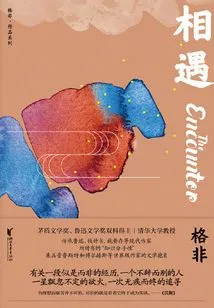
Meet
General Fiction相遇
Ge Fei
"Encounter" is a collection of short stories and short stories by Ge Fei, winner of the Mao Dun Literature Prize. It contains thirteen short stories and short stories by Ge Fei. Among them, "Encounter" and "The Alchemy of Time" have become classics in contemporary Chinese literature: "Encounter" is known as "Ge Fei's best short story", and "The Alchemy of Time" is recognized by experts and scholars as the "summary work" of Ge Fei's writing themes and artistic achievements. These novels may revolve around old friends, or interpret historical stories, incorporating imaginative colors into the texture of life, and telling thoughts on the relationship between love and desire.
"Encounter" is a collection of short stories and short stories by Ge Fei, winner of the Mao Dun Literature Prize. It contains thirteen short stories and short stories by Ge Fei. Among them, "Encounter" and "The Alchemy of Time" have become classics in contemporary Chinese literature: "Encounter" is known as "Ge Fei's best short story", and "The Alchemy of Time" is recognized by experts and scholars as the "summary work" of Ge Fei's writing themes and artistic achievements. These novels may revolve around old friends, or interpret historical stories, incorporating imaginative colors into the texture of life, and telling thoughts on the relationship between love and desire.
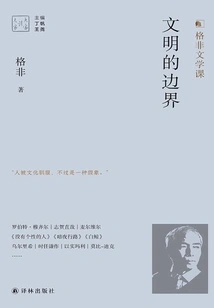
文明的边界(大家读大家)
Ge Fei
After the publication of "Looking at the Spring Breeze", the confusion and worry about the decline of rural civilization or the rise of urbanization aroused are still lingering. From 2018 to 2020, Ge Fei took the "Novel Narrative Research" class in the Chinese Department of Tsinghua University to think about these issues in the context of the history of modern novels. He selected three cases from novelists since the mid-19th century to discuss the changes in social, historical and cultural concepts over the past 100 years, thus forming this vivid literary lecture volume - "The Boundaries of Civilization". This book focuses on the Austrian writer Robert Musil, the Japanese writer Naoya Shiga and the American writer Melville. From "The Man Without Personality", "Walking in the Dark" to "Moby-Dick", Ge Fei takes readers through the forest of literature to visit these three restless modern hermits. Strong questioning and reflection on the process of modern civilization are the common characteristics of all great novels since the 19th century. This volume of literary lectures, from the perspective of an intermediary in the natural transition from tradition to modern civilization, asks: What is the boundary of modern civilization? Where exactly is it taking us?
After the publication of "Looking at the Spring Breeze", the confusion and worry about the decline of rural civilization or the rise of urbanization aroused are still lingering. From 2018 to 2020, Ge Fei took the "Novel Narrative Research" class in the Chinese Department of Tsinghua University to think about these issues in the context of the history of modern novels. He selected three cases from novelists since the mid-19th century to discuss the changes in social, historical and cultural concepts over the past 100 years, thus forming this vivid literary lecture volume - "The Boundaries of Civilization". This book focuses on the Austrian writer Robert Musil, the Japanese writer Naoya Shiga and the American writer Melville. From "The Man Without Personality", "Walking in the Dark" to "Moby-Dick", Ge Fei takes readers through the forest of literature to visit these three restless modern hermits. Strong questioning and reflection on the process of modern civilization are the common characteristics of all great novels since the 19th century. This volume of literary lectures, from the perspective of an intermediary in the natural transition from tradition to modern civilization, asks: What is the boundary of modern civilization? Where exactly is it taking us?
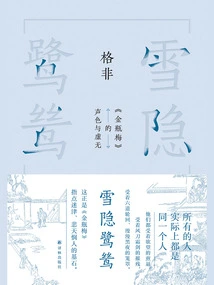
雪隐鹭鸶:《金瓶梅》的声色与虚无(格非作品)
Ge Fei
This book is Ge Fei's interpretation of the classic "Jin Ping Mei". The book is divided into three volumes. Volume 1, "Economy and Law" and Volume 2, "Ideology and Morality" connect the social history and intellectual history of the Ming Dynasty, and place "Jin Ping Mei" in the context of global social transformation and cultural change in the 16th century for detailed examination; Volume 3, "Rhetorical Examples", carefully reads the text of "Jin Ping Mei" in the form of delicate and vivid essays and examples, and appreciates the wonderful rhetoric of its articles. The title of the book "Herons Hidden in the Snow" is taken from the poem "The Herons Hidden in the Snow", "The egrets hidden in the snow are seen when they fly, and the parrot's language can only be understood when they are hidden in the willows", which refers to the profound and subtle human world and historical and cultural information in "The Plum in the Jin Ping".
This book is Ge Fei's interpretation of the classic "Jin Ping Mei". The book is divided into three volumes. Volume 1, "Economy and Law" and Volume 2, "Ideology and Morality" connect the social history and intellectual history of the Ming Dynasty, and place "Jin Ping Mei" in the context of global social transformation and cultural change in the 16th century for detailed examination; Volume 3, "Rhetorical Examples", carefully reads the text of "Jin Ping Mei" in the form of delicate and vivid essays and examples, and appreciates the wonderful rhetoric of its articles. The title of the book "Herons Hidden in the Snow" is taken from the poem "The Herons Hidden in the Snow", "The egrets hidden in the snow are seen when they fly, and the parrot's language can only be understood when they are hidden in the willows", which refers to the profound and subtle human world and historical and cultural information in "The Plum in the Jin Ping".
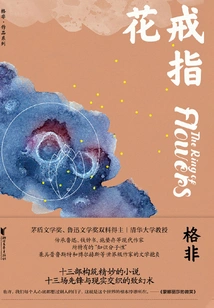
Ring Flower
General Fiction戒指花
Ge Fei
"The Ring Flower" is a collection of short stories and short stories by Ge Fei, winner of the Mao Dun Literature Prize. It includes thirteen short stories and short stories written by Ge Fei, mostly published around the millennium. These include famous works such as "Mona Lisa's Smile", "Feeling of the Rainy Season" and "Ma Yulan's Birthday Gift", as well as masterpieces such as "Fake", "Awakening" and "Playing on the Swing" that have not been well-known to more people. "Ring Flower" tells the story of reporter Ding Xiaoman, who met a poor little boy while reporting on the news of a girl being murdered, and became emotionally moved by the little boy's unfortunate life experience and fate.
"The Ring Flower" is a collection of short stories and short stories by Ge Fei, winner of the Mao Dun Literature Prize. It includes thirteen short stories and short stories written by Ge Fei, mostly published around the millennium. These include famous works such as "Mona Lisa's Smile", "Feeling of the Rainy Season" and "Ma Yulan's Birthday Gift", as well as masterpieces such as "Fake", "Awakening" and "Playing on the Swing" that have not been well-known to more people. "Ring Flower" tells the story of reporter Ding Xiaoman, who met a poor little boy while reporting on the news of a girl being murdered, and became emotionally moved by the little boy's unfortunate life experience and fate.
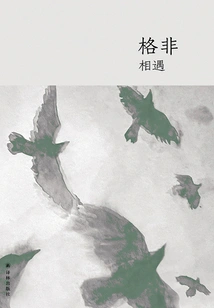
Encounter (work by Ge Fei)
General Fiction相遇(格非作品)
Ge Fei
A flock of brown birds flies by, does it take away time or memory? Did Li Shangyin's "Jin Se" predict Feng Zicun's fate, or did it fill in the footnotes of his story? What does "green and yellow" mean among the nine surnamed fishermen in folklore? ... The lost boat is green and yellow, and the brocade organ is played. We keep meeting each other in this dream-like world. Ge Fei is a representative figure of Chinese avant-garde literature. In his early years, he attracted the attention of the literary world with his short stories. "Encounter" is Ge Fei's classic self-selected collection, which includes twelve novels written by him from 1987 to 2003, from his early twenties to his late thirties, including his famous work "The Lost Boat", "Brown Birds", which is called the most bizarre novel in contemporary Chinese literature, and "Encounter", which is known as "Ge Fei's best short story", etc. It shows Ge Fei's creative style in the era of avant-garde literature. In the sophisticated narrative labyrinth, the mist-like beauty of classical Chinese has a long history.
A flock of brown birds flies by, does it take away time or memory? Did Li Shangyin's "Jin Se" predict Feng Zicun's fate, or did it fill in the footnotes of his story? What does "green and yellow" mean among the nine surnamed fishermen in folklore? ... The lost boat is green and yellow, and the brocade organ is played. We keep meeting each other in this dream-like world. Ge Fei is a representative figure of Chinese avant-garde literature. In his early years, he attracted the attention of the literary world with his short stories. "Encounter" is Ge Fei's classic self-selected collection, which includes twelve novels written by him from 1987 to 2003, from his early twenties to his late thirties, including his famous work "The Lost Boat", "Brown Birds", which is called the most bizarre novel in contemporary Chinese literature, and "Encounter", which is known as "Ge Fei's best short story", etc. It shows Ge Fei's creative style in the era of avant-garde literature. In the sophisticated narrative labyrinth, the mist-like beauty of classical Chinese has a long history.
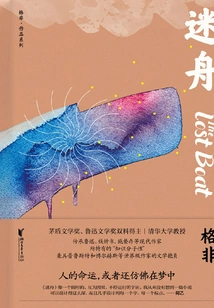
Lost Boat
General Fiction迷舟
Ge Fei
"The Lost Boat" is a collection of short stories and short stories written by Ge Fei, winner of the Mao Dun Literature Prize. It includes seven short stories and short stories. Most of these novels use "memory" as the carrier. In the repeated memories, the sense of order of time and space fails, and the stories often present intriguing yet intriguing endings full of internal contradictions. Among them, "The Lost Boat" is Ge Fei's famous work. The novel begins with the suspense of Brigadier Xiao's disappearance for several days, and then uses the strict time sequence of "the first day", "the second day", and until the "seventh day" to gradually hint at how Xiao finally entered the disaster of life. Ge Fei uses plain and calm narration to reveal the subtle essence of the unpredictable fate, adding a mysterious and terrifying momentum to his realistic brushwork. The title "Lost Boat" is a symbol of the unknowable theme of life.
"The Lost Boat" is a collection of short stories and short stories written by Ge Fei, winner of the Mao Dun Literature Prize. It includes seven short stories and short stories. Most of these novels use "memory" as the carrier. In the repeated memories, the sense of order of time and space fails, and the stories often present intriguing yet intriguing endings full of internal contradictions. Among them, "The Lost Boat" is Ge Fei's famous work. The novel begins with the suspense of Brigadier Xiao's disappearance for several days, and then uses the strict time sequence of "the first day", "the second day", and until the "seventh day" to gradually hint at how Xiao finally entered the disaster of life. Ge Fei uses plain and calm narration to reveal the subtle essence of the unpredictable fate, adding a mysterious and terrifying momentum to his realistic brushwork. The title "Lost Boat" is a symbol of the unknowable theme of life.
Jinse (2025 Version)
General Fiction锦瑟(2025版)
Ge Fei
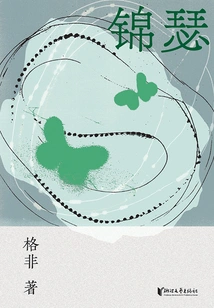
"Jin Se" is a collection of short stories and short stories by Ge Fei, a famous contemporary writer who won both the Mao Dun Literature Award and the Lu Xun Literature Award. It includes nine famous works such as "Green and Yellow", "The Whistle", "Jin Se" and "Fool's Poems". These works are mysterious, hazy and trance-like, like a cloud of mist. The characters in the stories are all struggling to pursue their destiny, and then fatally slip into chaos at the break in the narrative. With his typical experimental narrative, Ge Fei realizes a contrast between classical aesthetics and modern spirit in the looping literary time and space, and uses intellectual philosophy to point to the cruel truth of life: everything starts from pursuit and ends up being lost.
"Jin Se" is a collection of short stories and short stories by Ge Fei, a famous contemporary writer who won both the Mao Dun Literature Award and the Lu Xun Literature Award. It includes nine famous works such as "Green and Yellow", "The Whistle", "Jin Se" and "Fool's Poems". These works are mysterious, hazy and trance-like, like a cloud of mist. The characters in the stories are all struggling to pursue their destiny, and then fatally slip into chaos at the break in the narrative. With his typical experimental narrative, Ge Fei realizes a contrast between classical aesthetics and modern spirit in the looping literary time and space, and uses intellectual philosophy to point to the cruel truth of life: everything starts from pursuit and ends up being lost.
Human Face Peach Blossom
General Fiction人面桃花
Ge Fei
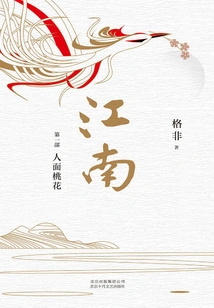
The work that has won the Mao Dun Literature Award for forty years, a shining pearl of contemporary literature, and Ge Fei's masterpiece! Three honest people, three crazy people. Three loves, three eras. From the end of the Qing Dynasty to the beginning of the Republic of China until now, a family has spanned a hundred years. Struggle in the absurd, reincarnate in the moth's flight to the flame. The dream begins in the flower house, and the dream ends in the flower house. A magnificent and cold epic, reflecting the destiny of the Chinese people for a century. In Huajiashe, in the mountains and rivers of Jiangnan, five generations of a family span a hundred years, going back and forth between sobriety and confusion, pursuing dreams and being broken in the tide of the times. In the end, they cannot surpass the ethics of the world and the love of their children. This book is the first part of Ge Fei's "Jiangnan Trilogy". The flower house in "Jiangnan" is the Macondo in "One Hundred Years of Solitude" and the White Deer Plain in "White Deer Plain".
The work that has won the Mao Dun Literature Award for forty years, a shining pearl of contemporary literature, and Ge Fei's masterpiece! Three honest people, three crazy people. Three loves, three eras. From the end of the Qing Dynasty to the beginning of the Republic of China until now, a family has spanned a hundred years. Struggle in the absurd, reincarnate in the moth's flight to the flame. The dream begins in the flower house, and the dream ends in the flower house. A magnificent and cold epic, reflecting the destiny of the Chinese people for a century. In Huajiashe, in the mountains and rivers of Jiangnan, five generations of a family span a hundred years, going back and forth between sobriety and confusion, pursuing dreams and being broken in the tide of the times. In the end, they cannot surpass the ethics of the world and the love of their children. This book is the first part of Ge Fei's "Jiangnan Trilogy". The flower house in "Jiangnan" is the Macondo in "One Hundred Years of Solitude" and the White Deer Plain in "White Deer Plain".
The Face of Borges (works by Ge Fei)
Literature博尔赫斯的面孔(格非作品)
Ge Fei
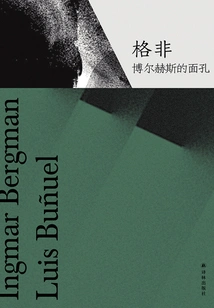
For example, Borges has many faces. This book shows Ge Fei's multiple identities as a child who loves to watch country movies, a college entrance examination student who is wandering between "being a carpenter" and "going to college", a rigorous scholar, and a humorous teacher. It is a window for a comprehensive understanding of Ge Fei. The book is divided into two parts. The first half contains essays, including travel notes, reminiscences, reading notes and short cultural reviews. The second half is a relatively systematic and in-depth review article written by him over the years, analyzing the classics of literary masters such as Fei Ming, Leo Tolstoy, Flaubert, Melville, Kafka, Marquez, Borges, Joyce, etc., And also appreciating the works of two film masters, Bergman and Buñuel.
For example, Borges has many faces. This book shows Ge Fei's multiple identities as a child who loves to watch country movies, a college entrance examination student who is wandering between "being a carpenter" and "going to college", a rigorous scholar, and a humorous teacher. It is a window for a comprehensive understanding of Ge Fei. The book is divided into two parts. The first half contains essays, including travel notes, reminiscences, reading notes and short cultural reviews. The second half is a relatively systematic and in-depth review article written by him over the years, analyzing the classics of literary masters such as Fei Ming, Leo Tolstoy, Flaubert, Melville, Kafka, Marquez, Borges, Joyce, etc., And also appreciating the works of two film masters, Bergman and Buñuel.
Meeting You is the Most Beautiful Accident
General Fiction遇见你是最美的意外
Ge Fei
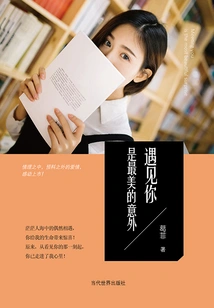
Xia Xiaoxiao is an ordinary radio anchor. She was made things difficult for her by a man while working odd jobs in a fast food restaurant. She thought this was just a small episode in her life, but she didn't expect that she would meet this man one after another, and each time they met, they would sneer at each other... People have good fortunes, but she never expected that when Xia Xiaoxiao was killed, the person who took her in turned out to be someone she hated deeply, which made her have indescribable feelings in her heart. What kind of story will happen when a pair of enemies live together? Let's go into "Meeting You is the Most Beautiful Accident".
Xia Xiaoxiao is an ordinary radio anchor. She was made things difficult for her by a man while working odd jobs in a fast food restaurant. She thought this was just a small episode in her life, but she didn't expect that she would meet this man one after another, and each time they met, they would sneer at each other... People have good fortunes, but she never expected that when Xia Xiaoxiao was killed, the person who took her in turned out to be someone she hated deeply, which made her have indescribable feelings in her heart. What kind of story will happen when a pair of enemies live together? Let's go into "Meeting You is the Most Beautiful Accident".
It's Just Rubbish (small Literature·pocket Library)
General Fiction不过是垃圾(小文艺·口袋文库)
Ge Fei
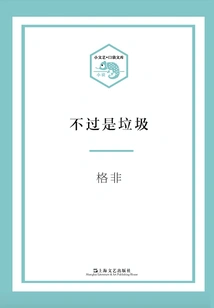
This is a group of novels that reflect the life of contemporary intellectuals. Li Jiajie, who is middle-aged and successful, has cancer and his days are numbered. At this time, he had no intention of lamenting the passing of his life, but was deliberately and determinedly trying to get the goddess from his college days with his ever-increasing financial chips. Finally, in the early morning of New Year's Day of the new millennium, he announced to his friends that the "plan" was successful, and a dream from the 1980s was shattered. "Each of us thinks about other people's lives deep in our hearts. This is the fundamental paradox of the world." Ge Fei, professor at Tsinghua University and scholarly writer. His works are tenacious, elegant and wise, showing the evolution of the inner spirit of Chinese intellectuals over the past century. He has won many literary awards such as Mao Dun Literature Award, Lu Xun Literature Award, Lao She Literature Award, and Chinese Literature Media Award. He has published novels such as the "Jiangnan Trilogy" ("Human Facial Peach Blossom", "Mountains and Rivers Dreaming", "Spring Ends in Jiangnan"), "Looking at the Spring Breeze", "Enemies", "Edge", "Flag of Desire", etc., And collections of short and medium stories "Brown Birds", "The Feeling of the Rainy Season", "Mona Lisa's Smile", etc. There are also several treatises and collections of essays.
This is a group of novels that reflect the life of contemporary intellectuals. Li Jiajie, who is middle-aged and successful, has cancer and his days are numbered. At this time, he had no intention of lamenting the passing of his life, but was deliberately and determinedly trying to get the goddess from his college days with his ever-increasing financial chips. Finally, in the early morning of New Year's Day of the new millennium, he announced to his friends that the "plan" was successful, and a dream from the 1980s was shattered. "Each of us thinks about other people's lives deep in our hearts. This is the fundamental paradox of the world." Ge Fei, professor at Tsinghua University and scholarly writer. His works are tenacious, elegant and wise, showing the evolution of the inner spirit of Chinese intellectuals over the past century. He has won many literary awards such as Mao Dun Literature Award, Lu Xun Literature Award, Lao She Literature Award, and Chinese Literature Media Award. He has published novels such as the "Jiangnan Trilogy" ("Human Facial Peach Blossom", "Mountains and Rivers Dreaming", "Spring Ends in Jiangnan"), "Looking at the Spring Breeze", "Enemies", "Edge", "Flag of Desire", etc., And collections of short and medium stories "Brown Birds", "The Feeling of the Rainy Season", "Mona Lisa's Smile", etc. There are also several treatises and collections of essays.
Ge Fei's Masterpiece of Pioneering Novels (set of 3 Volumes)
General Fiction格非先锋小说代表作(套装3册)
Ge Fei
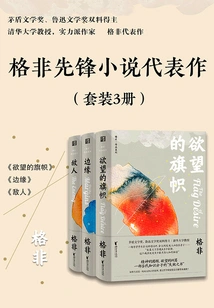
"Flag of Desire" (1996) is a masterpiece of Ge Fei's creative transformation period. It is a powerful attempt for him to intervene in reality after going through the avant-garde experimental stage. In the philosophy department of a university in Shanghai, on the eve of an important academic conference, Professor Jia, the initiator and executive chairman of the conference, committed suicide by jumping off the building without warning, and the conference had to be interrupted. Information about Professor Jia's lifetime is pieced together bit by bit through other people's memories, and the story unfolds accordingly. As the meeting was being prepared and carried out, other characters also appeared one after another: Professor Jia's disciple Zeng Shan was a staunch rationalist, but always fell into self-doubt; Song Zijin was Zeng Shan's senior brother, who was confused by lies and game emotions all day long, and finally fell into madness. At the center of the incident are Zeng Shan's wife Zhang Mo, Buddhist masters, economic fraudsters, data clerks, etc. They are all sinking in the abyss of their own desires. When the banner of desire is spread, some people fall, some are still struggling, and some have already rushed to another carnival... "Edge" (1993) is a novel in which Ge Fei perfected the narrative of avant-garde novels in the early 1990s. The novel starts from "I"'s review of my entire life as I grow old, and uses countless important life fragments to piece together "I"'s ups and downs experience - a childhood life amidst isolation and loneliness, a cruel and absurd youth career, and returning home. Later, I was involved in the rolling torrent of society... Familiar or unfamiliar figures emerged one by one in "my" life journey, and their stories wrapped "me" in them, and "I" was like a bystander in life, quietly watching their arrival and departure. The novel shows the life and fragile fate of "marginal people" from different character perspectives. The 42 fragments in memory reflect the magnificent history of China in the 20th century, and condense into a kind of clarity and indifference suspended above the joys and sorrows. "The Enemy" is Ge Fei's debut novel written in 1991. It is considered to be the first novel in the contemporary avant-garde novel camp. The novel begins with a mysterious fire that spreads through the Zhao family. The rich man Zhao Shaozhong inherited his grandfather's inheritance and a list of suspects written on rice paper. It continues the Zhao family's painstaking search for generations: Is it God's will or someone deliberately set the fire to destroy the family? Who is the enemy? However, the "enemy" never appeared, and what followed was a series of horrific and fatal incidents that occurred in the Zhao family. Zhao Shaozhong's wife, sons Zhao Long and Zhao Hu, daughters Meimei and Liuliu, and grandson "Monkey" all died strangely. The fate of all characters seemed to be controlled by a mysterious and unknowable force. The hidden enemy and the empty truth shrouded the entire family in an atmosphere of horror and fear. The enemy never actually appears, yet seems to be everywhere. In this dark and shuddering experience of fear, modern people's dilemma and ignorance about their survival predicament and life status have become an even more shocking proposition.
"Flag of Desire" (1996) is a masterpiece of Ge Fei's creative transformation period. It is a powerful attempt for him to intervene in reality after going through the avant-garde experimental stage. In the philosophy department of a university in Shanghai, on the eve of an important academic conference, Professor Jia, the initiator and executive chairman of the conference, committed suicide by jumping off the building without warning, and the conference had to be interrupted. Information about Professor Jia's lifetime is pieced together bit by bit through other people's memories, and the story unfolds accordingly. As the meeting was being prepared and carried out, other characters also appeared one after another: Professor Jia's disciple Zeng Shan was a staunch rationalist, but always fell into self-doubt; Song Zijin was Zeng Shan's senior brother, who was confused by lies and game emotions all day long, and finally fell into madness. At the center of the incident are Zeng Shan's wife Zhang Mo, Buddhist masters, economic fraudsters, data clerks, etc. They are all sinking in the abyss of their own desires. When the banner of desire is spread, some people fall, some are still struggling, and some have already rushed to another carnival... "Edge" (1993) is a novel in which Ge Fei perfected the narrative of avant-garde novels in the early 1990s. The novel starts from "I"'s review of my entire life as I grow old, and uses countless important life fragments to piece together "I"'s ups and downs experience - a childhood life amidst isolation and loneliness, a cruel and absurd youth career, and returning home. Later, I was involved in the rolling torrent of society... Familiar or unfamiliar figures emerged one by one in "my" life journey, and their stories wrapped "me" in them, and "I" was like a bystander in life, quietly watching their arrival and departure. The novel shows the life and fragile fate of "marginal people" from different character perspectives. The 42 fragments in memory reflect the magnificent history of China in the 20th century, and condense into a kind of clarity and indifference suspended above the joys and sorrows. "The Enemy" is Ge Fei's debut novel written in 1991. It is considered to be the first novel in the contemporary avant-garde novel camp. The novel begins with a mysterious fire that spreads through the Zhao family. The rich man Zhao Shaozhong inherited his grandfather's inheritance and a list of suspects written on rice paper. It continues the Zhao family's painstaking search for generations: Is it God's will or someone deliberately set the fire to destroy the family? Who is the enemy? However, the "enemy" never appeared, and what followed was a series of horrific and fatal incidents that occurred in the Zhao family. Zhao Shaozhong's wife, sons Zhao Long and Zhao Hu, daughters Meimei and Liuliu, and grandson "Monkey" all died strangely. The fate of all characters seemed to be controlled by a mysterious and unknowable force. The hidden enemy and the empty truth shrouded the entire family in an atmosphere of horror and fear. The enemy never actually appears, yet seems to be everywhere. In this dark and shuddering experience of fear, modern people's dilemma and ignorance about their survival predicament and life status have become an even more shocking proposition.
Ring Flower
General Fiction戒指花
Ge Fei
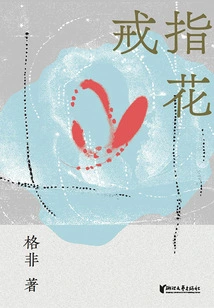
"Ring Flower" is a collection of novels by Ge Fei, a famous contemporary writer who won both the Mao Dun Literature Award and the Lu Xun Literature Award. It includes thirteen short stories and short stories, mostly published around the millennium. These include famous works such as "Mona Lisa's Smile", "Feeling of the Rainy Season" and "Ma Yulan's Birthday Gift", as well as masterpieces such as "Fake", "Awakening" and "Playing on the Swing" that have not been well-known to more people. Students, teachers, reporters, businessmen, monks, eccentrics... Faced with unsolvable absurdities and conflicts, they were ultimately trapped in the endless joke of fate.
"Ring Flower" is a collection of novels by Ge Fei, a famous contemporary writer who won both the Mao Dun Literature Award and the Lu Xun Literature Award. It includes thirteen short stories and short stories, mostly published around the millennium. These include famous works such as "Mona Lisa's Smile", "Feeling of the Rainy Season" and "Ma Yulan's Birthday Gift", as well as masterpieces such as "Fake", "Awakening" and "Playing on the Swing" that have not been well-known to more people. Students, teachers, reporters, businessmen, monks, eccentrics... Faced with unsolvable absurdities and conflicts, they were ultimately trapped in the endless joke of fate.
The Alchemy of Time
General Fiction时间的炼金术
Ge Fei
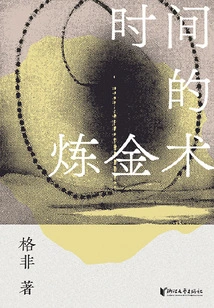
"The Alchemy of Time" is a collection of short stories and short stories by Ge Fei, a double winner of the Mao Dun Literature Award and the Lu Xun Literature Award. It contains fourteen short stories and short stories by Ge Fei, among which "Encounter" and "The Alchemy of Time" have become classics in contemporary Chinese literature. In these stories, "memory" is like a paintbrush, blending the texture of life with the colors of imagination: they may be an interpretation of a hidden history or a well-known story; they may be entangled with a relationship or a desire; they may be about some unforgettable people who suddenly leave "me" and appear inexplicably at unpredictable moments...
"The Alchemy of Time" is a collection of short stories and short stories by Ge Fei, a double winner of the Mao Dun Literature Award and the Lu Xun Literature Award. It contains fourteen short stories and short stories by Ge Fei, among which "Encounter" and "The Alchemy of Time" have become classics in contemporary Chinese literature. In these stories, "memory" is like a paintbrush, blending the texture of life with the colors of imagination: they may be an interpretation of a hidden history or a well-known story; they may be entangled with a relationship or a desire; they may be about some unforgettable people who suddenly leave "me" and appear inexplicably at unpredictable moments...
Lost Boat
General Fiction迷舟
Ge Fei
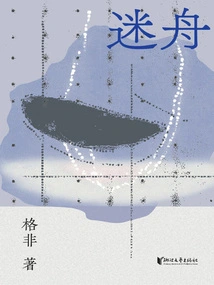
"The Lost Boat" contains seven representative short and medium-length stories from Ge Fei's creative career, including "Remembering Mr. Wu You", "Brown Birds", "Wu Zetian", etc. The novel revolves around memories, like the undercurrent under the surface of a river, quietly pulling the characters, wandering in the passage of time and the closure of fate. The narrative progresses layer by layer, retaining tension but also deliberately leaving blank spaces, just like life itself: it may not be fully understood, but it is always being told. The story slowly unfolds in a rhythm that seems far but not far, seems near but not close, and draws towards the boundaries that reality cannot reach in the mist.
"The Lost Boat" contains seven representative short and medium-length stories from Ge Fei's creative career, including "Remembering Mr. Wu You", "Brown Birds", "Wu Zetian", etc. The novel revolves around memories, like the undercurrent under the surface of a river, quietly pulling the characters, wandering in the passage of time and the closure of fate. The narrative progresses layer by layer, retaining tension but also deliberately leaving blank spaces, just like life itself: it may not be fully understood, but it is always being told. The story slowly unfolds in a rhythm that seems far but not far, seems near but not close, and draws towards the boundaries that reality cannot reach in the mist.
Jinse
General Fiction锦瑟
Ge Fei
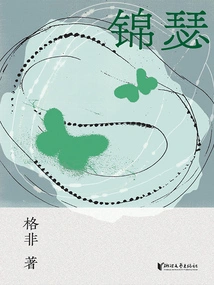
"Jin Se" is a collection of short stories and short stories by Ge Fei, a famous contemporary writer who won both the Mao Dun Literature Award and the Lu Xun Literature Award. It includes nine famous works such as "Green and Yellow", "The Whistle", "Jin Se" and "Fool's Poems". These works are mysterious, hazy and trance-like, like a cloud of mist. The characters in the stories are all struggling to pursue their destiny, and then fatally slip into chaos at the break in the narrative. With his typical experimental narrative, Ge Fei realizes a contrast between classical aesthetics and modern spirit in the looping literary time and space, and uses intellectual philosophy to point to the cruel truth of life: everything starts from pursuit and ends up being lost.
"Jin Se" is a collection of short stories and short stories by Ge Fei, a famous contemporary writer who won both the Mao Dun Literature Award and the Lu Xun Literature Award. It includes nine famous works such as "Green and Yellow", "The Whistle", "Jin Se" and "Fool's Poems". These works are mysterious, hazy and trance-like, like a cloud of mist. The characters in the stories are all struggling to pursue their destiny, and then fatally slip into chaos at the break in the narrative. With his typical experimental narrative, Ge Fei realizes a contrast between classical aesthetics and modern spirit in the looping literary time and space, and uses intellectual philosophy to point to the cruel truth of life: everything starts from pursuit and ends up being lost.
Flag of Desire
General Fiction欲望的旗帜
Ge Fei
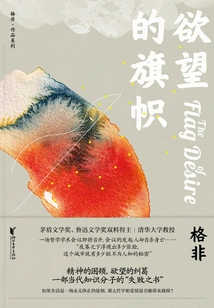
"Flag of Desire" (1996) is a masterpiece of Ge Fei's creative transformation period. It is a powerful attempt for him to intervene in reality after going through the avant-garde experimental stage. In the philosophy department of a university in Shanghai, on the eve of an important academic conference, Professor Jia, the initiator and executive chairman of the conference, committed suicide by jumping off the building without warning, and the conference had to be interrupted. Information about Professor Jia's lifetime is pieced together bit by bit through other people's memories, and the story unfolds accordingly. As the meeting was being prepared and carried out, other characters also appeared one after another: Professor Jia's disciple Zeng Shan was a staunch rationalist, but always fell into self-doubt; Song Zijin was Zeng Shan's senior brother, who was confused by lies and game emotions all day long, and finally fell into madness. At the center of the incident are Zeng Shan's wife Zhang Mo, Buddhist masters, economic fraudsters, data clerks, etc. They are all sinking in the abyss of their own desires. When the banner of desire is spread, some people fall down, some are still struggling, and some have already rushed to another carnival...
"Flag of Desire" (1996) is a masterpiece of Ge Fei's creative transformation period. It is a powerful attempt for him to intervene in reality after going through the avant-garde experimental stage. In the philosophy department of a university in Shanghai, on the eve of an important academic conference, Professor Jia, the initiator and executive chairman of the conference, committed suicide by jumping off the building without warning, and the conference had to be interrupted. Information about Professor Jia's lifetime is pieced together bit by bit through other people's memories, and the story unfolds accordingly. As the meeting was being prepared and carried out, other characters also appeared one after another: Professor Jia's disciple Zeng Shan was a staunch rationalist, but always fell into self-doubt; Song Zijin was Zeng Shan's senior brother, who was confused by lies and game emotions all day long, and finally fell into madness. At the center of the incident are Zeng Shan's wife Zhang Mo, Buddhist masters, economic fraudsters, data clerks, etc. They are all sinking in the abyss of their own desires. When the banner of desire is spread, some people fall down, some are still struggling, and some have already rushed to another carnival...
Looking Forward to the Spring Breeze
General Fiction望春风
Ge Fei
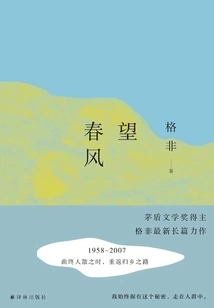
Ruli Zhao Village is a simple and picturesque village in the south of the Yangtze River. It is said that its ancestors are from a high-profile family that has been around for generations. Here, it seems that even the biggest secrets can be kept. Zhao Boyu has never seen his mother since he was a child, and he lives with his father, a fortune teller. One winter night in the late 1960s, he was completely orphaned, and news suddenly came from his mother whom he had never met. It remains intact in the catastrophic years, but quietly separates in the changing times. "Looking at the Spring Breeze" depicts the complex process of the gradual evolution of the hometown village. Through the changes in personal destiny, family and village, it describes the historical movement of the Jiangnan countryside for more than half a century, and shows its possible future.
Ruli Zhao Village is a simple and picturesque village in the south of the Yangtze River. It is said that its ancestors are from a high-profile family that has been around for generations. Here, it seems that even the biggest secrets can be kept. Zhao Boyu has never seen his mother since he was a child, and he lives with his father, a fortune teller. One winter night in the late 1960s, he was completely orphaned, and news suddenly came from his mother whom he had never met. It remains intact in the catastrophic years, but quietly separates in the changing times. "Looking at the Spring Breeze" depicts the complex process of the gradual evolution of the hometown village. Through the changes in personal destiny, family and village, it describes the historical movement of the Jiangnan countryside for more than half a century, and shows its possible future.
Enemy
General Fiction敌人
Ge Fei
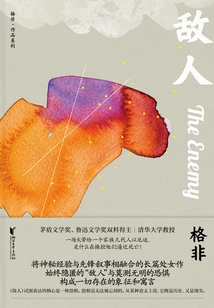
"The Enemy" is Ge Fei's debut novel written in 1991. It is considered to be the first novel in the contemporary avant-garde novel camp. The novel begins with a mysterious fire that spreads through the Zhao family. The rich man Zhao Shaozhong inherited his grandfather's inheritance and a list of suspects written on rice paper. It continues the Zhao family's painstaking search for generations: Is it God's will or someone deliberately set the fire to destroy the family? Who is the enemy? However, the "enemy" never appeared, and what followed was a series of horrific and fatal incidents that occurred in the Zhao family. Zhao Shaozhong's wife, sons Zhao Long and Zhao Hu, daughters Meimei and Liuliu, and grandson "Monkey" all died strangely. The fate of all characters seemed to be controlled by a mysterious and unknowable force. The hidden enemy and the empty truth shrouded the entire family in an atmosphere of horror and fear. The enemy never actually appears, yet seems to be everywhere. In this dark and shuddering experience of fear, modern people's dilemma and ignorance about their survival predicament and life status have become an even more shocking proposition.
"The Enemy" is Ge Fei's debut novel written in 1991. It is considered to be the first novel in the contemporary avant-garde novel camp. The novel begins with a mysterious fire that spreads through the Zhao family. The rich man Zhao Shaozhong inherited his grandfather's inheritance and a list of suspects written on rice paper. It continues the Zhao family's painstaking search for generations: Is it God's will or someone deliberately set the fire to destroy the family? Who is the enemy? However, the "enemy" never appeared, and what followed was a series of horrific and fatal incidents that occurred in the Zhao family. Zhao Shaozhong's wife, sons Zhao Long and Zhao Hu, daughters Meimei and Liuliu, and grandson "Monkey" all died strangely. The fate of all characters seemed to be controlled by a mysterious and unknowable force. The hidden enemy and the empty truth shrouded the entire family in an atmosphere of horror and fear. The enemy never actually appears, yet seems to be everywhere. In this dark and shuddering experience of fear, modern people's dilemma and ignorance about their survival predicament and life status have become an even more shocking proposition.
Spring Platform (work by Ge Fei)
General Fiction登春台(格非作品)
Ge Fei
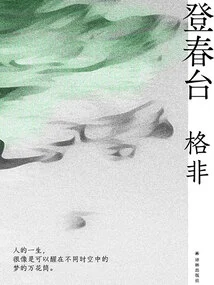
"On the Spring Terrace" is the latest novel published in four years by Mao Dun Literature Award winner Ge Fei. The novel opens with an overlooking perspective, looking at countless dust particles in the vast universe. The motes of dust are constantly vibrating weakly, forming countless stories. The story focuses on the fate of four characters at No. 67 Chuntai Road, Beijing, over a long period of more than 40 years from the 1980s to the present. Shen Xinyi, Chen Keming, Dou Baoqing, and Zhou Zhenya came to No. 67 Chuntai Road, Beijing from Zhixi Village in Jiangnan, Xiaoyangfang Village in Beijing, Yunfeng Town in Gansu, and Tianjin City respectively. The stories of the four of them take turns here and overlap with each other. They come from disorder and accident, but they always move forward in the turbulent flow of time. Their story is one of countless weak vibrations. The story gradually pieced together the whole picture, taking us off the ground and looking back at the times. In the era, there is some kind of hidden logic that connects everything in the world. There, everything is happening every day, but actually there is nothing at all.
"On the Spring Terrace" is the latest novel published in four years by Mao Dun Literature Award winner Ge Fei. The novel opens with an overlooking perspective, looking at countless dust particles in the vast universe. The motes of dust are constantly vibrating weakly, forming countless stories. The story focuses on the fate of four characters at No. 67 Chuntai Road, Beijing, over a long period of more than 40 years from the 1980s to the present. Shen Xinyi, Chen Keming, Dou Baoqing, and Zhou Zhenya came to No. 67 Chuntai Road, Beijing from Zhixi Village in Jiangnan, Xiaoyangfang Village in Beijing, Yunfeng Town in Gansu, and Tianjin City respectively. The stories of the four of them take turns here and overlap with each other. They come from disorder and accident, but they always move forward in the turbulent flow of time. Their story is one of countless weak vibrations. The story gradually pieced together the whole picture, taking us off the ground and looking back at the times. In the era, there is some kind of hidden logic that connects everything in the world. There, everything is happening every day, but actually there is nothing at all.
Edge
General Fiction边缘
Ge Fei
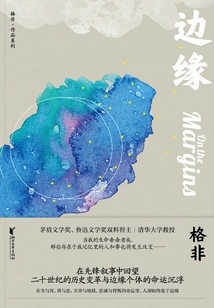
"Edge" (1993) is a novel in which Ge Fei perfected the narrative of avant-garde novels in the early 1990s. The novel starts from "I"'s review of my entire life as I grow old, and uses countless important life fragments to piece together "I"'s ups and downs experience - a childhood life amidst isolation and loneliness, a cruel and absurd youth career, and returning home. Later, I was involved in the rolling torrent of society... Familiar or unfamiliar figures emerged one by one in "my" life journey, and their stories wrapped "me" in them, and "I" was like a bystander in life, quietly watching their arrival and departure. The novel shows the life and fragile fate of "marginal people" from different character perspectives. The 42 fragments in memory reflect the magnificent history of China in the 20th century, and condense into a kind of clarity and indifference suspended above the joys and sorrows.
"Edge" (1993) is a novel in which Ge Fei perfected the narrative of avant-garde novels in the early 1990s. The novel starts from "I"'s review of my entire life as I grow old, and uses countless important life fragments to piece together "I"'s ups and downs experience - a childhood life amidst isolation and loneliness, a cruel and absurd youth career, and returning home. Later, I was involved in the rolling torrent of society... Familiar or unfamiliar figures emerged one by one in "my" life journey, and their stories wrapped "me" in them, and "I" was like a bystander in life, quietly watching their arrival and departure. The novel shows the life and fragile fate of "marginal people" from different character perspectives. The 42 fragments in memory reflect the magnificent history of China in the 20th century, and condense into a kind of clarity and indifference suspended above the joys and sorrows.