Library
Browse and search books
14 novels found
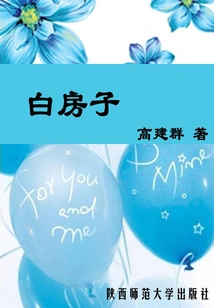
White House
General Fiction白房子
Gao Jianqun
This book includes: My heart is beating, and the whole world can hear it; the unforgettable scene in the Hexi Corridor 28 years ago; my brothers in the Corps; this journey, etc.
This book includes: My heart is beating, and the whole world can hear it; the unforgettable scene in the Hexi Corridor 28 years ago; my brothers in the Corps; this journey, etc.
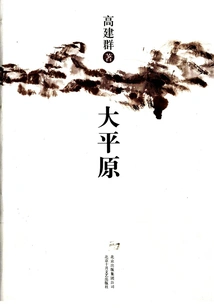
Great Plains
General Fiction大平原
Gao Jianqun
"The Great Plains" written by Gao Jianqun tells the story of three generations of a legendary family in the Weihe Plain of Shaanxi Province who have gone through all kinds of hardships, love and hatred, and defended their dignity while striving for survival. In the wave of urbanization in this century, this village was included in the development zone, ending thousands of years of rural civilization. On this land, a new generation of trendsetters emerged who continued to struggle within the rules of commercial survival. The book is like a "One Hundred Years of Solitude"-style family history in the Guanzhong Plain. Gao Jianqun, an important contemporary novelist, a national first-class writer, vice chairman of the Shaanxi Federation of Literary and Art Circles, and vice chairman of the Shaanxi Provincial Writers Association. In 1976, he entered the literary world with "On the Border", and in 1987, he caused a huge sensation in the literary world with "Distant White House".
"The Great Plains" written by Gao Jianqun tells the story of three generations of a legendary family in the Weihe Plain of Shaanxi Province who have gone through all kinds of hardships, love and hatred, and defended their dignity while striving for survival. In the wave of urbanization in this century, this village was included in the development zone, ending thousands of years of rural civilization. On this land, a new generation of trendsetters emerged who continued to struggle within the rules of commercial survival. The book is like a "One Hundred Years of Solitude"-style family history in the Guanzhong Plain. Gao Jianqun, an important contemporary novelist, a national first-class writer, vice chairman of the Shaanxi Federation of Literary and Art Circles, and vice chairman of the Shaanxi Provincial Writers Association. In 1976, he entered the literary world with "On the Border", and in 1987, he caused a huge sensation in the literary world with "Distant White House".
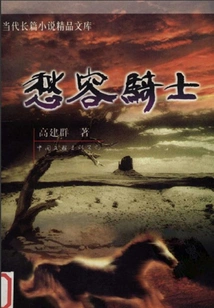
Sad Knight
General Fiction愁容骑士
Gao Jianqun
A group of healthy men suffering from sexual hunger. A group of tough men who are deeply tortured by sexual repression. In the eternal desert wasteland, they chased foreign women like male camels in heat, making terrible screams of "whisper". They are gloomy, sad, they long for women, they want to live a normal life, but it is impossible because they are a special group of human beings. They are the last knights of romanticism.
A group of healthy men suffering from sexual hunger. A group of tough men who are deeply tortured by sexual repression. In the eternal desert wasteland, they chased foreign women like male camels in heat, making terrible screams of "whisper". They are gloomy, sad, they long for women, they want to live a normal life, but it is impossible because they are a special group of human beings. They are the last knights of romanticism.
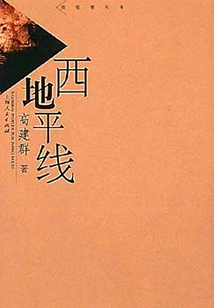
West Horizon
General Fiction西地平线
Gao Jianqun
Gao Jianqun, who is characterized by romance and idealism in contemporary Chinese literary circles, will let you appreciate the unique charm of written language in this book. The endless imagination it brings to you cannot be replaced by any other literary and artistic form. This book is divided into three series: the first series "Western Horizon" is the author's prose about his life, travel and investigation in Qingxin, Shaanxi, Gansu and Ningxia over the years. The second volume: "The Last Cavalry" is the author's reflections on serving as a soldier in Xinjiang for five years. The romance of a mature man and the bravery of a group of last cavalry hide all the loneliness, helplessness, sadness, hardship and danger deep in the heart, and show you the sense of responsibility and mission of an ordinary soldier towards the country. The third volume: "Life cultivates writers". The author expresses his true feelings for his hometown, friends and relatives, talks about his views on literature, football and society, and comes to the insight that "writers are cultivated by life itself".
Gao Jianqun, who is characterized by romance and idealism in contemporary Chinese literary circles, will let you appreciate the unique charm of written language in this book. The endless imagination it brings to you cannot be replaced by any other literary and artistic form. This book is divided into three series: the first series "Western Horizon" is the author's prose about his life, travel and investigation in Qingxin, Shaanxi, Gansu and Ningxia over the years. The second volume: "The Last Cavalry" is the author's reflections on serving as a soldier in Xinjiang for five years. The romance of a mature man and the bravery of a group of last cavalry hide all the loneliness, helplessness, sadness, hardship and danger deep in the heart, and show you the sense of responsibility and mission of an ordinary soldier towards the country. The third volume: "Life cultivates writers". The author expresses his true feelings for his hometown, friends and relatives, talks about his views on literature, football and society, and comes to the insight that "writers are cultivated by life itself".
The Final Journey
General Fiction最后的远行
Gao Jianqun
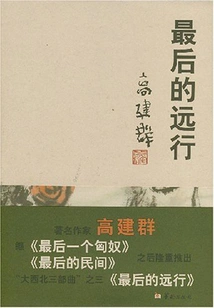
CCTV's original folk songs are popular all over the country, and the original novels in northwest China will make people have endless aftertaste. This book is the third part of the author's "Great Northwest Trilogy". It is a long masterpiece that combines traditional novels, martial arts novels, and detective novels with strong readability and literary appreciation value. The novel uses a folk contract called "Return Agreement" as an opportunity to tell the story of a female corpse being stolen from a tomb, traveling on an ancient plateau road for seven days and seven nights, and finally being returned to her ex-husband. That which stands quietly under the sky, that which is noisy in the flow of time, that which shouts earth-shattering songs with the voices of sheep in response to the sounds of cattle, is this my northern Shaanxi, the land of my dear parents? Oh, this desolate, barren, pale, heroic, restless, and sacrificial land, this miraculous product of nature, this inconspicuous corner of the vast land of 9.6 Million square kilometers, this golden plateau. Oh, Shaanbei, my harp plays so passionately for you, my footsteps are so hasty, do you feel the throbbing of my heart? Do you see the tears hanging on my cheeks? Oh, Northern Shaanxi, with the same deep affection as a son for his mother, I pay my respects to you who come from far away and then go away from far away. You are like a graceful and magnificent celestial car driven by the sun god, marching majestically in the long river of history and the process of time. You roll forward with a hidden smile, revealing your figure in the middle of the clouds. All living things are like ants infesting your huge and fragmented body, hoping and disappointed, disappointed and hoping. Oh, Northern Shaanxi! --Quoted from "The Last Huns". Tradition is disappearing, classical spirit is disappearing, and yesterday's culture is disappearing. People like Zhang Jiashan may be the last knights wandering on the plateau. Decades and hundreds of years later, children will probably only see this kind of characters from fairy tales told by their grandmothers. This is a man of great wisdom, great humor, and a man with the mark of tragedy on his forehead. His chest is filled with something compassionate and worthy of our respect. This kind of thing is called "kindness". Because of this, all smiles have a bitter connotation. The character Zhang Jiashan is reminiscent of Don Quixote on the desolate Spanish plateau. Yes, they have a lot in common. They are both noble and kind, shrewd and stupid. They all try to correct society with medieval dreams. However, compared with Don Quixote, in our Zhangjiashan era, there are no horses that can take his place - not even horses that are skinny and angular and can fall down when the wind blows. Therefore, he seems more humble and practical, with more mud on his round-top cloth shoes. "Today, the whole city is dressed in festive costumes, the blacksmith is hammering out the music in the steel, the girls are dancing, and everyone is passing on a touching message: one of them is going to set off and conquer the world!" - These are the words people use for Don Quixote. If people apply the same words to Zhang Jiashan, I will be grateful to him. --Quoted from "The Last Folk" Gao Jianqun, born in December 1953, his ancestral home is Lintong, Shaanxi Province. Famous contemporary writers. A rare author with a sense of sublimity, classical spirit and ideal attention in the Chinese literary world. His main representative works include "The Last Huns", "Sixty-Six Towns", "Secrets of the Ancient Road", "Sad Face Knight", "Distant White House", "Dashundian", "Huma Beifong Desert", etc. In 2004, he was named the most influential contemporary Chinese writer by "Chinese Writers".
CCTV's original folk songs are popular all over the country, and the original novels in northwest China will make people have endless aftertaste. This book is the third part of the author's "Great Northwest Trilogy". It is a long masterpiece that combines traditional novels, martial arts novels, and detective novels with strong readability and literary appreciation value. The novel uses a folk contract called "Return Agreement" as an opportunity to tell the story of a female corpse being stolen from a tomb, traveling on an ancient plateau road for seven days and seven nights, and finally being returned to her ex-husband. That which stands quietly under the sky, that which is noisy in the flow of time, that which shouts earth-shattering songs with the voices of sheep in response to the sounds of cattle, is this my northern Shaanxi, the land of my dear parents? Oh, this desolate, barren, pale, heroic, restless, and sacrificial land, this miraculous product of nature, this inconspicuous corner of the vast land of 9.6 Million square kilometers, this golden plateau. Oh, Shaanbei, my harp plays so passionately for you, my footsteps are so hasty, do you feel the throbbing of my heart? Do you see the tears hanging on my cheeks? Oh, Northern Shaanxi, with the same deep affection as a son for his mother, I pay my respects to you who come from far away and then go away from far away. You are like a graceful and magnificent celestial car driven by the sun god, marching majestically in the long river of history and the process of time. You roll forward with a hidden smile, revealing your figure in the middle of the clouds. All living things are like ants infesting your huge and fragmented body, hoping and disappointed, disappointed and hoping. Oh, Northern Shaanxi! --Quoted from "The Last Huns". Tradition is disappearing, classical spirit is disappearing, and yesterday's culture is disappearing. People like Zhang Jiashan may be the last knights wandering on the plateau. Decades and hundreds of years later, children will probably only see this kind of characters from fairy tales told by their grandmothers. This is a man of great wisdom, great humor, and a man with the mark of tragedy on his forehead. His chest is filled with something compassionate and worthy of our respect. This kind of thing is called "kindness". Because of this, all smiles have a bitter connotation. The character Zhang Jiashan is reminiscent of Don Quixote on the desolate Spanish plateau. Yes, they have a lot in common. They are both noble and kind, shrewd and stupid. They all try to correct society with medieval dreams. However, compared with Don Quixote, in our Zhangjiashan era, there are no horses that can take his place - not even horses that are skinny and angular and can fall down when the wind blows. Therefore, he seems more humble and practical, with more mud on his round-top cloth shoes. "Today, the whole city is dressed in festive costumes, the blacksmith is hammering out the music in the steel, the girls are dancing, and everyone is passing on a touching message: one of them is going to set off and conquer the world!" - These are the words people use for Don Quixote. If people apply the same words to Zhang Jiashan, I will be grateful to him. --Quoted from "The Last Folk" Gao Jianqun, born in December 1953, his ancestral home is Lintong, Shaanxi Province. Famous contemporary writers. A rare author with a sense of sublimity, classical spirit and ideal attention in the Chinese literary world. His main representative works include "The Last Huns", "Sixty-Six Towns", "Secrets of the Ancient Road", "Sad Face Knight", "Distant White House", "Dashundian", "Huma Beifong Desert", etc. In 2004, he was named the most influential contemporary Chinese writer by "Chinese Writers".
Ili Horse
General Fiction伊犁马
Gao Jianqun
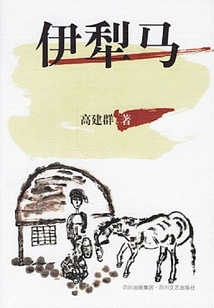
The book includes the author's short stories such as "White House", "Stirrup Leather", "Temptation", "Ili Horse" and "Dashundian". Except for "Da Shun Store", which describes the distorted and deformed life experience of Fenxiang, a "comfort woman" who was ravaged by the Japanese army, most of the works describe the life, working environment and emotional changes of a border soldier before and after his demobilization, as well as his deep thoughts on life. This book contains some important novellas by the author. For example, "White House", "Statue", and "Dashun Store" all had a huge impact when they were published, and they still have high click-through rates on the Internet. Critics believe that these novellas represent the highest achievement of novellas in China's transformation period.
The book includes the author's short stories such as "White House", "Stirrup Leather", "Temptation", "Ili Horse" and "Dashundian". Except for "Da Shun Store", which describes the distorted and deformed life experience of Fenxiang, a "comfort woman" who was ravaged by the Japanese army, most of the works describe the life, working environment and emotional changes of a border soldier before and after his demobilization, as well as his deep thoughts on life. This book contains some important novellas by the author. For example, "White House", "Statue", and "Dashun Store" all had a huge impact when they were published, and they still have high click-through rates on the Internet. Critics believe that these novellas represent the highest achievement of novellas in China's transformation period.
The Last Folk
General Fiction最后的民间
Gao Jianqun
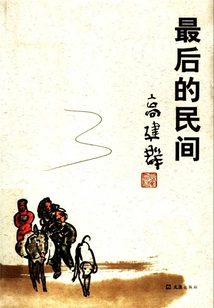
This is the second part of the "Great Northwest Trilogy" by the famous writer Gao Jianqun (the first part is "The Last Huns"), and it is an original novel. Original stories, original characters, and original language. Like the original folk songs of the Northwest, they are simple, moving and have a unique charm.
This is the second part of the "Great Northwest Trilogy" by the famous writer Gao Jianqun (the first part is "The Last Huns"), and it is an original novel. Original stories, original characters, and original language. Like the original folk songs of the Northwest, they are simple, moving and have a unique charm.
You and I Both Have Origins
Literature你我皆有来历
Gao Jianqun
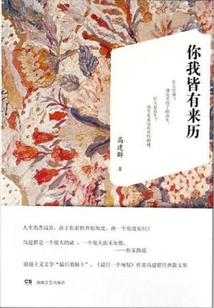
The most classic collection of prose by Gao Jianqun, the author of romantic literature "The Last Knight" and "The Last Huns". I write prose as poetry. Prose is closer to poetry, and novels are closer to drama. I hope that my prose will be "glittering and crashing". These eight words are Guo Xiaochuan's requirements for the language of poetry. --Gao Jianqun. I treat every piece of work as a testament to humanity. I have experienced a lot, I have suffered a lot, and I have a lot of independent thoughts of my own about this big world that gave birth to me and raised me. I often feel that it would be a pity if I didn't write down my thoughts on life and society and tell them to the world and future humans, and then I just let go... - Gao Jianqun. What is Buddha? Buddha is an enlightened sentient being; what are sentient beings? All living beings are Buddhas who have not yet become enlightened. The joy or sorrow of life depends on your perspective on the world. How about a different angle?
The most classic collection of prose by Gao Jianqun, the author of romantic literature "The Last Knight" and "The Last Huns". I write prose as poetry. Prose is closer to poetry, and novels are closer to drama. I hope that my prose will be "glittering and crashing". These eight words are Guo Xiaochuan's requirements for the language of poetry. --Gao Jianqun. I treat every piece of work as a testament to humanity. I have experienced a lot, I have suffered a lot, and I have a lot of independent thoughts of my own about this big world that gave birth to me and raised me. I often feel that it would be a pity if I didn't write down my thoughts on life and society and tell them to the world and future humans, and then I just let go... - Gao Jianqun. What is Buddha? Buddha is an enlightened sentient being; what are sentient beings? All living beings are Buddhas who have not yet become enlightened. The joy or sorrow of life depends on your perspective on the world. How about a different angle?
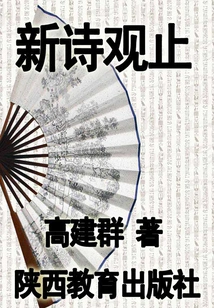
New Poetry Concept
Literature新诗观止
Gao Jianqun
It has collected more than 200 poems by writers such as Hu Shi, Lu Xun, Guo Moruo, Li Dazhao, Zang Kejia, Yu Pingbo, Rou Shi, Ai Qing, Liu Shahe, etc.
It has collected more than 200 poems by writers such as Hu Shi, Lu Xun, Guo Moruo, Li Dazhao, Zang Kejia, Yu Pingbo, Rou Shi, Ai Qing, Liu Shahe, etc.
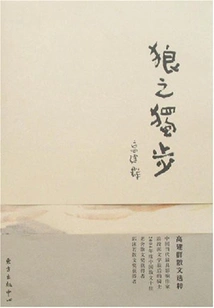
狼之独步:高建群散文选粹
Gao Jianqun
Gao Jianqun is an important contemporary Western novelist. His representative novel "The Last Huns" is one of the important achievements in the field of Chinese novels in the new era. In addition, there are novels "Liuliu Town", "Secrets of the Ancient Road", "Sad Face Knight", novellas "Sculpture", "Dashun Store", "Assassin's Row", essay collections "New Thousand Word Prose", "I Harvest Thoughts in the North", "Crossing the Jedi" and other important works. Known as the last representative figure of romantic literature, he is a rare heavyweight writer with a sense of sublimity, classical spirit and idealism in the Chinese literary world. This book contains dozens of Gao Jianqun's excellent prose works, such as "My Memory of Hungry", "Furious Hunting in Northern Shaanxi", and "My Little Nanny".
Gao Jianqun is an important contemporary Western novelist. His representative novel "The Last Huns" is one of the important achievements in the field of Chinese novels in the new era. In addition, there are novels "Liuliu Town", "Secrets of the Ancient Road", "Sad Face Knight", novellas "Sculpture", "Dashun Store", "Assassin's Row", essay collections "New Thousand Word Prose", "I Harvest Thoughts in the North", "Crossing the Jedi" and other important works. Known as the last representative figure of romantic literature, he is a rare heavyweight writer with a sense of sublimity, classical spirit and idealism in the Chinese literary world. This book contains dozens of Gao Jianqun's excellent prose works, such as "My Memory of Hungry", "Furious Hunting in Northern Shaanxi", and "My Little Nanny".
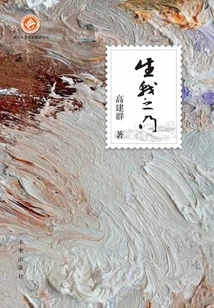
大作家牵手小读者:生我之门
Gao Jianqun
This book collects Mr. Gao Jianqun's various stories about his childhood and short essays on his reading life, totaling more than fifty articles. The whole book vividly displays his life in the countryside as a child. The descriptions of interesting things in life and the description of that era will make readers find it interesting and refreshing. Let readers feel the life of that era and the writer's feelings while reading, and also have a deep understanding of the rich emotional world and universal feelings of this famous writer.
This book collects Mr. Gao Jianqun's various stories about his childhood and short essays on his reading life, totaling more than fifty articles. The whole book vividly displays his life in the countryside as a child. The descriptions of interesting things in life and the description of that era will make readers find it interesting and refreshing. Let readers feel the life of that era and the writer's feelings while reading, and also have a deep understanding of the rich emotional world and universal feelings of this famous writer.
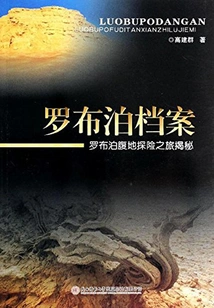
罗布泊档案:罗布泊腹地探险之旅揭秘
Gao Jianqun
"Lop Nur Archives: Lop Nur hinterland adventure tour reveals the secrets" points out that the Central Asia Plateau is not only the geographical height of China, but also the spiritual height of China. It is necessary for every busy modern person to gradually take time away from the trivial and mediocre, and come here for a long trip to cleanse the soul and pursue the noble! Reading this book allows readers to experience the mystery and magnificence of Lop Nur personally and re-examine the value of life.
"Lop Nur Archives: Lop Nur hinterland adventure tour reveals the secrets" points out that the Central Asia Plateau is not only the geographical height of China, but also the spiritual height of China. It is necessary for every busy modern person to gradually take time away from the trivial and mediocre, and come here for a long trip to cleanse the soul and pursue the noble! Reading this book allows readers to experience the mystery and magnificence of Lop Nur personally and re-examine the value of life.
Coming from the Distant White House
General Fiction从遥远的白房子走来
Gao Jianqun
The winter of 1975 was a snowy winter. Starting from October, the Altay grassland experiences heavy snowfall every week. The snow has completely sealed the Gobi Desert, and the deepest part of the snow is up to two meters deep. While patrolling, he accidentally fell into a snow pit, including the man and his horse. Located on the Sino-Soviet border, the place called the White House by shepherds and called the Irtysh River Beiwan Border Guard Station on military maps has become an isolated island. One sunny noon, there was a bulldozer No. 100 Of the Corps Stalin in front of us clearing the way, and a jeep military vehicle came from the border guard station. An old soldier got out of the car. The old soldier is not tall, about 1.62 Meters tall, but he is very majestic, or in Shaanxi dialect, he is "kui". He always puts his hands in his coat pockets and walks with a standard military step.
The winter of 1975 was a snowy winter. Starting from October, the Altay grassland experiences heavy snowfall every week. The snow has completely sealed the Gobi Desert, and the deepest part of the snow is up to two meters deep. While patrolling, he accidentally fell into a snow pit, including the man and his horse. Located on the Sino-Soviet border, the place called the White House by shepherds and called the Irtysh River Beiwan Border Guard Station on military maps has become an isolated island. One sunny noon, there was a bulldozer No. 100 Of the Corps Stalin in front of us clearing the way, and a jeep military vehicle came from the border guard station. An old soldier got out of the car. The old soldier is not tall, about 1.62 Meters tall, but he is very majestic, or in Shaanxi dialect, he is "kui". He always puts his hands in his coat pockets and walks with a standard military step.
Forgetting Each Other in the World
Literature相忘于江湖
Gao Jianqun
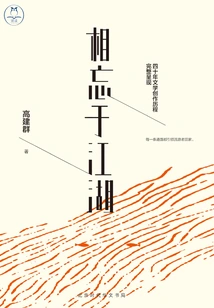
"Forgetting Each Other in Jianghu" is the author Mr. Gao Jianqun's autobiographical prose collection so far. The book consists of six parts. It is the author's summary and review of his own life and forty years of literary creation career. Except for a few articles, they are all published for the first time. The book contains not only the author's rational explanation of his own literary concepts, but also the affectionate reminiscences of old friends such as Lu Yao, Zhang Xianliang, Chen Zhongshi, etc.; It contains both the sincere memory of the past years and the self-expectations of "an old man who is helpless and ambitious". It is a prose world created by the author that is compatible with emotion and reason. The writing is casual and indifferent, and the thoughts are free and easy. It is not only a high-level prose work, but also a first-hand source for understanding and studying Gao Jianqun and his works.
"Forgetting Each Other in Jianghu" is the author Mr. Gao Jianqun's autobiographical prose collection so far. The book consists of six parts. It is the author's summary and review of his own life and forty years of literary creation career. Except for a few articles, they are all published for the first time. The book contains not only the author's rational explanation of his own literary concepts, but also the affectionate reminiscences of old friends such as Lu Yao, Zhang Xianliang, Chen Zhongshi, etc.; It contains both the sincere memory of the past years and the self-expectations of "an old man who is helpless and ambitious". It is a prose world created by the author that is compatible with emotion and reason. The writing is casual and indifferent, and the thoughts are free and easy. It is not only a high-level prose work, but also a first-hand source for understanding and studying Gao Jianqun and his works.