Library
Browse and search books
1,449 novels found
S
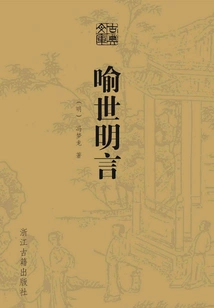
Yushi Mingyan (classical Library)
Literature喻世明言(古典文库)
G
This book is a collection of Huaben and Huahua novels compiled by Feng Menglong in the late Ming Dynasty. Together with the other two collections of novels compiled by him, "Awakening Words" and "Warning Words", they are collectively called "Three Words". "Yu Shi Ming Yan" contains forty novels with themes involving love, marriage, family, friendship, ghosts, gods, witchcraft, etc. It extensively describes social life in the Song, Yuan and Ming dynasties, and truly reflects the thoughts and feelings, life aspirations and aesthetic tastes of the people at that time, especially the citizens.
This book is a collection of Huaben and Huahua novels compiled by Feng Menglong in the late Ming Dynasty. Together with the other two collections of novels compiled by him, "Awakening Words" and "Warning Words", they are collectively called "Three Words". "Yu Shi Ming Yan" contains forty novels with themes involving love, marriage, family, friendship, ghosts, gods, witchcraft, etc. It extensively describes social life in the Song, Yuan and Ming dynasties, and truly reflects the thoughts and feelings, life aspirations and aesthetic tastes of the people at that time, especially the citizens.
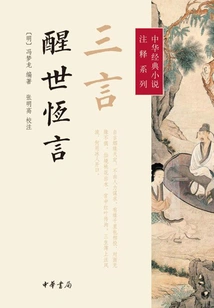
Three Words·eternal Words to Awaken the World (annotation Series of Chinese Classic Novels)
General Fiction三言·醒世恒言(中华经典小说注释系列)
G
"Three Words" is the collective name of "Mingyan", "Words to Warn the World" and "Everlasting Words to Awaken the World" compiled by the famous Ming Dynasty writer Feng Menglong. It is also collectively known as "Sanyan Erpai" together with "Erpai" written by the famous Ming Dynasty writer Ling Shuchu. It enjoys a high status in the history of Chinese literature and is as famous as the "Four Great Classics" and "Jin Ping Mei". "Eternal Words to Awaken the World", compiled by Feng Menglong in the late Ming Dynasty, is one of the collections of ancient vernacular short stories. Together with the previous "Essays to Tell the World" and "Words to Warning the World", it is collectively known as the "Three Words". Among the "Three Words", it is the most widely circulated, influential and most talked about. The themes may come from folklore, historical biographies and novels of the Tang and Song Dynasties, and the editors have many creative elements. "Eternal Words for Awakening the World" shows some new characteristics in terms of content and themes. For example, "Shi Runze Meets Friends at the Beach", which expresses the prosperity of urban and rural industry and commerce in the late Ming Dynasty, is the most famous one; "The Oil Seller Monopolizes the Oiran" and "Su Xiaomei's Groom in Three Difficulties" and other chapters have created new characters with new ideas and new morals, with a distinct mark of the times. In terms of art, it is more mature, the characters are full and vivid, the personalities are distinct, and the plot design is more compact and clever, showing the author's ingenuity. Colloquial and life-oriented literary language is used more skillfully and naturally, showing various styles that may be subtle, funny, exciting, or sad.
"Three Words" is the collective name of "Mingyan", "Words to Warn the World" and "Everlasting Words to Awaken the World" compiled by the famous Ming Dynasty writer Feng Menglong. It is also collectively known as "Sanyan Erpai" together with "Erpai" written by the famous Ming Dynasty writer Ling Shuchu. It enjoys a high status in the history of Chinese literature and is as famous as the "Four Great Classics" and "Jin Ping Mei". "Eternal Words to Awaken the World", compiled by Feng Menglong in the late Ming Dynasty, is one of the collections of ancient vernacular short stories. Together with the previous "Essays to Tell the World" and "Words to Warning the World", it is collectively known as the "Three Words". Among the "Three Words", it is the most widely circulated, influential and most talked about. The themes may come from folklore, historical biographies and novels of the Tang and Song Dynasties, and the editors have many creative elements. "Eternal Words for Awakening the World" shows some new characteristics in terms of content and themes. For example, "Shi Runze Meets Friends at the Beach", which expresses the prosperity of urban and rural industry and commerce in the late Ming Dynasty, is the most famous one; "The Oil Seller Monopolizes the Oiran" and "Su Xiaomei's Groom in Three Difficulties" and other chapters have created new characters with new ideas and new morals, with a distinct mark of the times. In terms of art, it is more mature, the characters are full and vivid, the personalities are distinct, and the plot design is more compact and clever, showing the author's ingenuity. Colloquial and life-oriented literary language is used more skillfully and naturally, showing various styles that may be subtle, funny, exciting, or sad.
Q
LiteratureQ
G
The eras in which the stories in "Yu Shi Ming Yan" were produced include the Song, Yuan, and Ming dynasties. Most of them are old scripts from the Song and Yuan Dynasties, such as "Shi Hongzhao's Meeting of Dragons and Tigers with Monarchs and Ministers" and "The Four Dukes of the Song Dynasty Raised the Souls". A few are scripts from the Ming Dynasty, such as "Brother Jiang Xing Meets Again in Pearl Shirt" and "Shen Xiaoxia Meets to Become a Teacher". Others are adaptations of old works from the Song and Yuan Dynasties by the Ming Dynasty, such as "Han Wu Selling Love in Xinqiao City" and "Sima Maung, the Sima Mao, Breaks the Prison" and so on. Due to the different production years, there are certain differences in content, techniques, language, style, etc. However, because they belong to the same novel development system, and their themes are closely related to urban life, there are still many things in common between the novels. "Yu Shi Ming Yan" also includes and adapts some historical legends, such as "Yan Pingzhong killed three men with two peaches". In addition, most of the novels in "Yu Shi Ming Yan" are based on real life, with themes covering love, marriage, friendship, etc., Showing various social trends at that time.
The eras in which the stories in "Yu Shi Ming Yan" were produced include the Song, Yuan, and Ming dynasties. Most of them are old scripts from the Song and Yuan Dynasties, such as "Shi Hongzhao's Meeting of Dragons and Tigers with Monarchs and Ministers" and "The Four Dukes of the Song Dynasty Raised the Souls". A few are scripts from the Ming Dynasty, such as "Brother Jiang Xing Meets Again in Pearl Shirt" and "Shen Xiaoxia Meets to Become a Teacher". Others are adaptations of old works from the Song and Yuan Dynasties by the Ming Dynasty, such as "Han Wu Selling Love in Xinqiao City" and "Sima Maung, the Sima Mao, Breaks the Prison" and so on. Due to the different production years, there are certain differences in content, techniques, language, style, etc. However, because they belong to the same novel development system, and their themes are closely related to urban life, there are still many things in common between the novels. "Yu Shi Ming Yan" also includes and adapts some historical legends, such as "Yan Pingzhong killed three men with two peaches". In addition, most of the novels in "Yu Shi Ming Yan" are based on real life, with themes covering love, marriage, friendship, etc., Showing various social trends at that time.
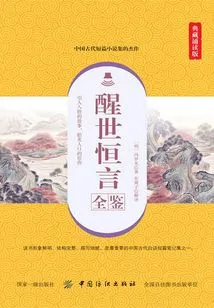
醒世恒言全鉴(典藏诵读版)
G
"Awakening the World" is a collection of short stories in vernacular compiled by Feng Menglong in the late Ming Dynasty. Together with the previous "Yu Shi Ming Yan" and "Warning Words", it is collectively known as the "Three Yan". Among the "Three Yan", it is the most widely circulated, the most influential, and the most talked about. "Awakening the World" contains mostly mature story-telling novels, with a total of forty stories. Some of these stories reflect love and marriage, some condemn the darkness of officialdom, and some praise chivalry. The plots of the stories are bizarre and tortuous, the characters have distinctive personalities, and are full of fun, making them endlessly readable. This book provides a brief summary before each story, briefly introducing and commenting on the plot of the novel, to help readers better understand the story and comprehend its gist.
"Awakening the World" is a collection of short stories in vernacular compiled by Feng Menglong in the late Ming Dynasty. Together with the previous "Yu Shi Ming Yan" and "Warning Words", it is collectively known as the "Three Yan". Among the "Three Yan", it is the most widely circulated, the most influential, and the most talked about. "Awakening the World" contains mostly mature story-telling novels, with a total of forty stories. Some of these stories reflect love and marriage, some condemn the darkness of officialdom, and some praise chivalry. The plots of the stories are bizarre and tortuous, the characters have distinctive personalities, and are full of fun, making them endlessly readable. This book provides a brief summary before each story, briefly introducing and commenting on the plot of the novel, to help readers better understand the story and comprehend its gist.

Colorless Tsukuru Tazaki and His Year of Pilgrimage
General Fiction没有色彩的多崎作和他的巡礼之年
G
When he was in high school in Nagoya, Tsukuru Tazaki had four very close friends, two boys and two girls. Their last names all had the colors "red", "green", "white" and "black". Only Tsukuru Tazaki's name had "no color", and he was the only one who left Nagoya to study at university in Tokyo. When Tsukuru Tazaki returned home during his sophomore year vacation, he was suddenly told by four of his friends to break off their friendship, without any explanation of the reasons. He was hit so hard that he was almost out of shape, and it took him a long time to recover. They have not seen each other for sixteen years. Now thirty-six years old, Tsukuru Tazaki, under the advice of his girlfriend, finally made up his mind to visit the four friends who abandoned him to find out the truth. Thus began his "year of pilgrimage". When the last piece of the puzzle is put together and the mystery is revealed, the secrets of sixteen years ago, the changes that took place in the past sixteen years, and the ending sixteen years later are all shocking and sad...
When he was in high school in Nagoya, Tsukuru Tazaki had four very close friends, two boys and two girls. Their last names all had the colors "red", "green", "white" and "black". Only Tsukuru Tazaki's name had "no color", and he was the only one who left Nagoya to study at university in Tokyo. When Tsukuru Tazaki returned home during his sophomore year vacation, he was suddenly told by four of his friends to break off their friendship, without any explanation of the reasons. He was hit so hard that he was almost out of shape, and it took him a long time to recover. They have not seen each other for sixteen years. Now thirty-six years old, Tsukuru Tazaki, under the advice of his girlfriend, finally made up his mind to visit the four friends who abandoned him to find out the truth. Thus began his "year of pilgrimage". When the last piece of the puzzle is put together and the mystery is revealed, the secrets of sixteen years ago, the changes that took place in the past sixteen years, and the ending sixteen years later are all shocking and sad...

Eternal Adam
General Fiction永恒的亚当
G
Sofer walked slowly, first of all because of the hot weather: it was already the hot season, and Bazidra was located on the coast of Sponna, or the East Sea, less than 20 degrees north of the equator. The sun reaching the zenith poured down terrible rays on Bazidra like a waterfall. Besides weariness and heat, the weight of his thoughts slowed the learned doctor Sofer. He casually wiped the sweat from his forehead with his hand and recalled the meeting that had just ended. There were so many high-minded speakers at the meeting, and he was honored to be included among them. They solemnly celebrated the 195th anniversary of the founding of the empire...
Sofer walked slowly, first of all because of the hot weather: it was already the hot season, and Bazidra was located on the coast of Sponna, or the East Sea, less than 20 degrees north of the equator. The sun reaching the zenith poured down terrible rays on Bazidra like a waterfall. Besides weariness and heat, the weight of his thoughts slowed the learned doctor Sofer. He casually wiped the sweat from his forehead with his hand and recalled the meeting that had just ended. There were so many high-minded speakers at the meeting, and he was honored to be included among them. They solemnly celebrated the 195th anniversary of the founding of the empire...
K
General FictionK
G
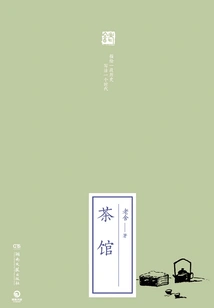
Lao She is a famous modern Chinese writer and a representative figure of Beijing School literature. His works have a unique humorous style and rich flavor of life, and are deeply loved by readers. This book collects many of his works. The three-act drama "Tea House" is a classic in the history of Chinese drama. Each character's lines are designed to be very vivid, expressive, full of personality, concise and concise, and have profound meaning. It is still a standing repertoire of modern theaters. Mr. Lao She's works are wise, concise, simple and humorous. The chapters selected in this book are all representative works praised by experts and readers, allowing readers to appreciate the writer's unique literary characteristics.
Lao She is a famous modern Chinese writer and a representative figure of Beijing School literature. His works have a unique humorous style and rich flavor of life, and are deeply loved by readers. This book collects many of his works. The three-act drama "Tea House" is a classic in the history of Chinese drama. Each character's lines are designed to be very vivid, expressive, full of personality, concise and concise, and have profound meaning. It is still a standing repertoire of modern theaters. Mr. Lao She's works are wise, concise, simple and humorous. The chapters selected in this book are all representative works praised by experts and readers, allowing readers to appreciate the writer's unique literary characteristics.

R

Beautiful Friend (part 2)
General Fiction漂亮朋友(下)
G
Duroy, who was born as a peasant, was bold, cold and cruel. He broke into Paris alone with his good looks, mixed in the circle of Parisian noble ladies, and acted like a fish in water, performing scenes of debauched farces. However, those cuckold husbands rushed to recommend and promote him, so that he quickly entered the upper class and became a political upstart. The novel reveals the emptiness, debauchery, and depravity of the upper class society, shows the shamelessness of bourgeois politicians, exposes the dark inside story of the political world and the press, and strongly criticizes the dark social reality. This novel has a very profound and broad influence in the world and has strong practical significance.
Duroy, who was born as a peasant, was bold, cold and cruel. He broke into Paris alone with his good looks, mixed in the circle of Parisian noble ladies, and acted like a fish in water, performing scenes of debauched farces. However, those cuckold husbands rushed to recommend and promote him, so that he quickly entered the upper class and became a political upstart. The novel reveals the emptiness, debauchery, and depravity of the upper class society, shows the shamelessness of bourgeois politicians, exposes the dark inside story of the political world and the press, and strongly criticizes the dark social reality. This novel has a very profound and broad influence in the world and has strong practical significance.
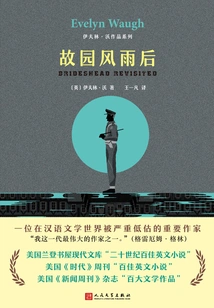
故园风雨后(同名英剧原著)
G
The protagonist of the story, Charles Ryder, and the aristocratic Sebastian are classmates and friends at Oxford University. Through Sebastian's introduction, Ryder gradually enters the other person's life world and learns about the little-known past events of the family living in Brideshead Manor. Sebastian's father, Marchman Sr., Abandoned his wife and emigrated abroad; his mother, who appeared dignified and virtuous, actually lived a selfish and extravagant life. Her irresponsible parents left a mark of shame on the lives of several children and distorted their nature. Sebastian couldn't stand the depressive family atmosphere, ran away from home, and drank all day long to drown his sorrows. Although Ryder and Marchman's daughter Julia were in love with each other, religious reasons prevented the two young people from getting together after all. Ryder also realized that he had a considerable distance from them in terms of social status and spiritual beliefs.
The protagonist of the story, Charles Ryder, and the aristocratic Sebastian are classmates and friends at Oxford University. Through Sebastian's introduction, Ryder gradually enters the other person's life world and learns about the little-known past events of the family living in Brideshead Manor. Sebastian's father, Marchman Sr., Abandoned his wife and emigrated abroad; his mother, who appeared dignified and virtuous, actually lived a selfish and extravagant life. Her irresponsible parents left a mark of shame on the lives of several children and distorted their nature. Sebastian couldn't stand the depressive family atmosphere, ran away from home, and drank all day long to drown his sorrows. Although Ryder and Marchman's daughter Julia were in love with each other, religious reasons prevented the two young people from getting together after all. Ryder also realized that he had a considerable distance from them in terms of social status and spiritual beliefs.
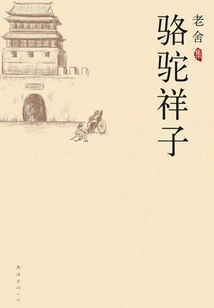
Collection of Lao She: Camel Xiangzi
General Fiction老舍集:骆驼祥子
G
Lao She is a famous modern Chinese writer and a representative figure of Beijing School literature. His works have a unique humorous style and rich flavor of life, and are deeply loved by readers. This book contains two novels, "Camel Xiangzi" and "Divorce", both written in the 1930s. The characters are distinctive, the details are vivid, and the language is ironic and humorous. It is humorous and relaxed. It is a rare treasure of modern literature.
Lao She is a famous modern Chinese writer and a representative figure of Beijing School literature. His works have a unique humorous style and rich flavor of life, and are deeply loved by readers. This book contains two novels, "Camel Xiangzi" and "Divorce", both written in the 1930s. The characters are distinctive, the details are vivid, and the language is ironic and humorous. It is humorous and relaxed. It is a rare treasure of modern literature.

X
General Fictionx
G
The story begins in a building in Paris called the Apartment Vauquer. One of the two daughters became a countess and the other became a banker's wife. However, the old father, who only had a few hundred francs left for living expenses every year, had to do everything possible to raise money to pay off their debts. In the end, he died of poverty in his attic on the left bank of the Seine. A poor student who wants to squeeze into the upper class, a gangster who is good at disguise, a timid and timid apartment owner... From the poor and shabby alleys between the Latin Quarter and the gates of Saint-Marceau, to the magnificent aristocratic mansions in the Saint-Germain district, a dazzling Parisian society slowly emerges before our eyes...
The story begins in a building in Paris called the Apartment Vauquer. One of the two daughters became a countess and the other became a banker's wife. However, the old father, who only had a few hundred francs left for living expenses every year, had to do everything possible to raise money to pay off their debts. In the end, he died of poverty in his attic on the left bank of the Seine. A poor student who wants to squeeze into the upper class, a gangster who is good at disguise, a timid and timid apartment owner... From the poor and shabby alleys between the Latin Quarter and the gates of Saint-Marceau, to the magnificent aristocratic mansions in the Saint-Germain district, a dazzling Parisian society slowly emerges before our eyes...
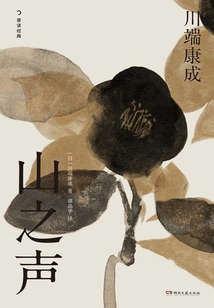
Mountain Sound
General Fiction山之声
G
The protagonist, the sixty-two-year-old Ogata Shingo, has a son and a daughter. The son is mentally disabled due to participating in the "World War II", and the daughter is separated from her son-in-law and takes the child back to live with her parents. Recently, Shingo has felt strongly about his aging. He thought of his former lover, his wife Yasuko's deceased sister, the "eternally holy girl" in his mind, and saw the image of his former lover in his daughter-in-law Kikuko. After his son Shuichi had his lover Kinuko, he completely ignored Kikuko's existence. Shingo had sympathy and pity for Kikuko beyond what he should have as a father-in-law, but he still could not change Kikuko's situation. The life of Shingo's family is considered to be the epitome of ordinary family life in Japanese society at that time, embodying the consistent themes in Kawabata Yasunari's literary creation - death and dreams.
The protagonist, the sixty-two-year-old Ogata Shingo, has a son and a daughter. The son is mentally disabled due to participating in the "World War II", and the daughter is separated from her son-in-law and takes the child back to live with her parents. Recently, Shingo has felt strongly about his aging. He thought of his former lover, his wife Yasuko's deceased sister, the "eternally holy girl" in his mind, and saw the image of his former lover in his daughter-in-law Kikuko. After his son Shuichi had his lover Kinuko, he completely ignored Kikuko's existence. Shingo had sympathy and pity for Kikuko beyond what he should have as a father-in-law, but he still could not change Kikuko's situation. The life of Shingo's family is considered to be the epitome of ordinary family life in Japanese society at that time, embodying the consistent themes in Kawabata Yasunari's literary creation - death and dreams.
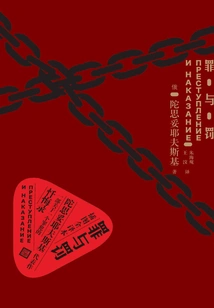
Q
General Fictionq
G
The novel describes Raskolnikov, a poor college student who was poisoned by anarchist ideas and believed that he was a superman and could do whatever he wanted. Forced to make a living, he killed the old loan shark Alyona and her innocent sister Lizaveta, creating a murder that shocked the whole of Russia. After experiencing a painful confession, he finally surrendered under the persuasion of the Christian girl Sonia and was sentenced to exile in Siberia. The work focuses on depicting the protagonist's psychological changes after committing a crime and reveals the miserable life of the Russian lower class people.
The novel describes Raskolnikov, a poor college student who was poisoned by anarchist ideas and believed that he was a superman and could do whatever he wanted. Forced to make a living, he killed the old loan shark Alyona and her innocent sister Lizaveta, creating a murder that shocked the whole of Russia. After experiencing a painful confession, he finally surrendered under the persuasion of the Christian girl Sonia and was sentenced to exile in Siberia. The work focuses on depicting the protagonist's psychological changes after committing a crime and reveals the miserable life of the Russian lower class people.

Disqualified in the World (selected Works of Osamu Dazai)
General Fiction人间失格(太宰治作品精选集)
G
"Disqualified" is an influential novel by the famous Japanese novelist Osamu Dazai. This book was published in 1948. It is an autobiographical novel. The delicate autobiography reveals a unique decadence and a destructive masterpiece. This book contains various experiences in his short life and his inner confusion and struggle. Even though time has changed, the deepest despair still comes from the inner confusion, and this confusion and hesitation almost ran through the youth of Dazai Osamu and each of us. Therefore, "Disqualification in the World" is a cruel and eternal youth literature. However, after the confused soul was broken, some people chose to continue life in the hustle and bustle, and Osamu Dazai left poetically. From his works, you can understand the hesitation and despair of the past, and see the weak and eager self in our hearts.
"Disqualified" is an influential novel by the famous Japanese novelist Osamu Dazai. This book was published in 1948. It is an autobiographical novel. The delicate autobiography reveals a unique decadence and a destructive masterpiece. This book contains various experiences in his short life and his inner confusion and struggle. Even though time has changed, the deepest despair still comes from the inner confusion, and this confusion and hesitation almost ran through the youth of Dazai Osamu and each of us. Therefore, "Disqualification in the World" is a cruel and eternal youth literature. However, after the confused soul was broken, some people chose to continue life in the hustle and bustle, and Osamu Dazai left poetically. From his works, you can understand the hesitation and despair of the past, and see the weak and eager self in our hearts.
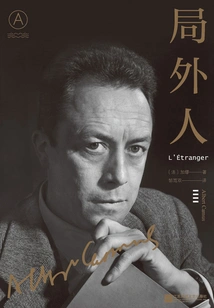
R
General Fictionr
G
"The Stranger", one of Camus' famous and representative works. In an objectively recorded "zero style", it describes in broad strokes the various absurd things that the protagonist Meursault experienced in an absurd world: from attending his mother's funeral to becoming a murderer by mistake, and then being sentenced to death. Meursault is indifferent to everything, existing indifferently and indifferently.
"The Stranger", one of Camus' famous and representative works. In an objectively recorded "zero style", it describes in broad strokes the various absurd things that the protagonist Meursault experienced in an absurd world: from attending his mother's funeral to becoming a murderer by mistake, and then being sentenced to death. Meursault is indifferent to everything, existing indifferently and indifferently.
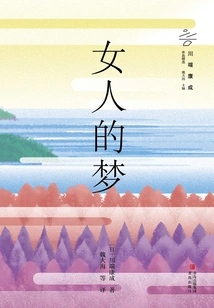
N
General FictionN
G
The 36-year-old dentist Kenichi Kuhara, who has always been single, lives happily after a blind date and marriage with the beautiful Hariko. Kuhara knows that the 27-year-old Hariko has a cousin who committed suicide due to a failed crush on him. Kuhara does not care. The second night after marrying Kuhara, Hariko felt guilty because she dreamed about her dead cousin. With the help of a doctor friend, Jiuyuan investigated the condition of his cousin's neurasthenia and reassured Zhizi. However, the good memories and God-given blessings of Zhizi seemed to be gradually disappearing.
The 36-year-old dentist Kenichi Kuhara, who has always been single, lives happily after a blind date and marriage with the beautiful Hariko. Kuhara knows that the 27-year-old Hariko has a cousin who committed suicide due to a failed crush on him. Kuhara does not care. The second night after marrying Kuhara, Hariko felt guilty because she dreamed about her dead cousin. With the help of a doctor friend, Jiuyuan investigated the condition of his cousin's neurasthenia and reassured Zhizi. However, the good memories and God-given blessings of Zhizi seemed to be gradually disappearing.
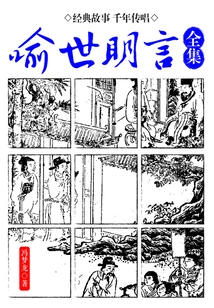
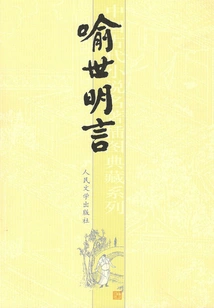
Yu Shi Ming Yan (complete Collection)
General Fiction喻世明言(全集)
G
"Yu Shi Ming Yan" mainly collects stories or scripts based on real folk life in the Song, Yuan, and Ming dynasties. The themes cover love, marriage, friendship, etc., Showing the various social conditions at that time. Most of them are old scripts from the Song and Yuan Dynasties, such as "Shi Hongzhao's Meeting of the Dragon and Tiger Monarchs and His Ministers" and "The Four Dukes of the Song Dynasty Raised the Soul-forbidden Zhang", while a few are scripts from the Ming Dynasty, such as "Brother Jiang Xing Meets Again in Pearl Shirt" and "Shen Xiaoxia Meets as a Teacher". The themes are also closely related to urban life. For example, "The Golden Jade Slave Beats the Lover with a Stick" condemns the unfaithfulness of a heartless man; "Jiang Xing Ge Reunites in Pearl Shirt" describes the unforgettable old love for his wife who lost his virginity and reunited with her husband; "Redemption of Friends" and "Fan Juqing's Friend of Life and Death" extol the spirit of loyalty to friendship regardless of life and death; while "Yang Siwen meets an old friend in Yanshan", "Mu Mian'an Zheng Huchen avenges injustice", "Yang Balao's unexpected encounter with the country of Yue" touch on real political themes such as alien invasions and powerful ministers mistreating the country. In addition, some historical legends are included and adapted, such as "Yan Pingzhong's two peaches killed three men" and so on.
"Yu Shi Ming Yan" mainly collects stories or scripts based on real folk life in the Song, Yuan, and Ming dynasties. The themes cover love, marriage, friendship, etc., Showing the various social conditions at that time. Most of them are old scripts from the Song and Yuan Dynasties, such as "Shi Hongzhao's Meeting of the Dragon and Tiger Monarchs and His Ministers" and "The Four Dukes of the Song Dynasty Raised the Soul-forbidden Zhang", while a few are scripts from the Ming Dynasty, such as "Brother Jiang Xing Meets Again in Pearl Shirt" and "Shen Xiaoxia Meets as a Teacher". The themes are also closely related to urban life. For example, "The Golden Jade Slave Beats the Lover with a Stick" condemns the unfaithfulness of a heartless man; "Jiang Xing Ge Reunites in Pearl Shirt" describes the unforgettable old love for his wife who lost his virginity and reunited with her husband; "Redemption of Friends" and "Fan Juqing's Friend of Life and Death" extol the spirit of loyalty to friendship regardless of life and death; while "Yang Siwen meets an old friend in Yanshan", "Mu Mian'an Zheng Huchen avenges injustice", "Yang Balao's unexpected encounter with the country of Yue" touch on real political themes such as alien invasions and powerful ministers mistreating the country. In addition, some historical legends are included and adapted, such as "Yan Pingzhong's two peaches killed three men" and so on.
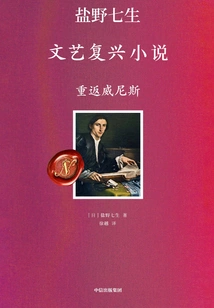
Return to Venice
General Fiction重返威尼斯
G
There is Greek specialty wine exuding the scent of pine, roasted guinea chicken served on a silver plate decorated with the coat of arms of the Medici family, Pecorino goat cheese, and snacks made of almond flour wrapped in cream that can be swallowed in one bite. There are also studios of artists in the center of Florence in the 16th century, major banks all over Europe, and a dazzling array of shops filled with foreign goods. You will pass by plainly dressed civilian women cooking Egyptian bean soup in a cauldron, and you will have a heated discussion about Machiavelli's prophecies with aristocrats wearing fine satin and lace. What's even more incredible is that you can also go to watch and "interrupt" Michelangelo's own creation of the Sistine Chapel's ceiling frescoes! Not only that, the love drama between a handsome man and an elegant geisha, the power struggle between ambitious young people, and the complex relationships between the great powers at that time are all presented in this "Renaissance Novel" series. What was it like to live in the Renaissance era? After reading this book, you should have the answer in your mind. Returning to Venice to decide the fate of the world, Marco returns to politics and once again confronts Türkiye. After the death of Sultan Suleiman of Türkiye, war broke out between the two countries and evolved into an all-round conflict that no one expected. Nearly 500 warships fought fiercely at sea, and more than 15,000 people lost their lives in the Battle of Lepanto. In just one day, the fate of the world was decided. Venice and Türkiye negotiated peace. At this time, the Venetian diplomat Marco was over 75 years old and lived a retired life on Burano Island.
There is Greek specialty wine exuding the scent of pine, roasted guinea chicken served on a silver plate decorated with the coat of arms of the Medici family, Pecorino goat cheese, and snacks made of almond flour wrapped in cream that can be swallowed in one bite. There are also studios of artists in the center of Florence in the 16th century, major banks all over Europe, and a dazzling array of shops filled with foreign goods. You will pass by plainly dressed civilian women cooking Egyptian bean soup in a cauldron, and you will have a heated discussion about Machiavelli's prophecies with aristocrats wearing fine satin and lace. What's even more incredible is that you can also go to watch and "interrupt" Michelangelo's own creation of the Sistine Chapel's ceiling frescoes! Not only that, the love drama between a handsome man and an elegant geisha, the power struggle between ambitious young people, and the complex relationships between the great powers at that time are all presented in this "Renaissance Novel" series. What was it like to live in the Renaissance era? After reading this book, you should have the answer in your mind. Returning to Venice to decide the fate of the world, Marco returns to politics and once again confronts Türkiye. After the death of Sultan Suleiman of Türkiye, war broke out between the two countries and evolved into an all-round conflict that no one expected. Nearly 500 warships fought fiercely at sea, and more than 15,000 people lost their lives in the Battle of Lepanto. In just one day, the fate of the world was decided. Venice and Türkiye negotiated peace. At this time, the Venetian diplomat Marco was over 75 years old and lived a retired life on Burano Island.
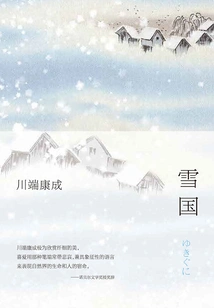
Q
General Fictionq
G
This book includes the Nobel Prize-winning work "Snow Country" and Kawabata Yasunari's classic "The Lake". The story begins with a train heading to the snowy country. The dusk scene passing by outside the window reflects the girl's eyes reflected on the glass, making it confusing. Shimamura, a dance art researcher, went to the snow-covered mountain village of the Northland three times. He fell into love entanglement with the local geisha Komako and the girl Ye Zi who met by chance. Love and futility... "Snow Country" is Kawabata Yasunari's masterpiece. The beauty of nothingness, cleanliness and sadness depicted in it reaches the extreme\u002F, making people heart-thumping and melancholy.
This book includes the Nobel Prize-winning work "Snow Country" and Kawabata Yasunari's classic "The Lake". The story begins with a train heading to the snowy country. The dusk scene passing by outside the window reflects the girl's eyes reflected on the glass, making it confusing. Shimamura, a dance art researcher, went to the snow-covered mountain village of the Northland three times. He fell into love entanglement with the local geisha Komako and the girl Ye Zi who met by chance. Love and futility... "Snow Country" is Kawabata Yasunari's masterpiece. The beauty of nothingness, cleanliness and sadness depicted in it reaches the extreme\u002F, making people heart-thumping and melancholy.
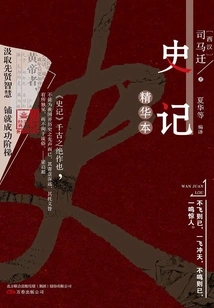
史记精华本
G
The whole book consists of twelve chapters on chronicles, ten on tables, eight on books, thirty on famous families, and seventy on biographies, for a total of one hundred and thirty chapters. "Historical Records" is a very large volume with more than 520,000 words, which is very difficult for ordinary readers to read. Therefore, this book excerpts the essence of "Historical Records" and selects the best parts of famous epochs, aristocratic families, and biographies in history, and arranges them in historical chronological order, so that readers can have a macro grasp of the "Historical Records". In order to facilitate readers' reading, this book uses detailed and accurate vernacular translations and many exquisite illustrations to reinterpret this great classic of Chinese classics using modern language and today's perspectives and standards.
The whole book consists of twelve chapters on chronicles, ten on tables, eight on books, thirty on famous families, and seventy on biographies, for a total of one hundred and thirty chapters. "Historical Records" is a very large volume with more than 520,000 words, which is very difficult for ordinary readers to read. Therefore, this book excerpts the essence of "Historical Records" and selects the best parts of famous epochs, aristocratic families, and biographies in history, and arranges them in historical chronological order, so that readers can have a macro grasp of the "Historical Records". In order to facilitate readers' reading, this book uses detailed and accurate vernacular translations and many exquisite illustrations to reinterpret this great classic of Chinese classics using modern language and today's perspectives and standards.

Smiling and Proud Beauty
Fantasy Romance笑傲红颜
G
She just accidentally swallowed a bead. She didn't expect that when she opened her eyes again, she would be in a strange continent. If you want to travel through time, just travel through time. After all, this temporarily requisitioned body is fair-skinned, beautiful, and has long legs. She is still the eldest lady of the Generalissimo's Palace, and she is fair and rich. You've already reached the pinnacle of your life before you even start struggling, okay? What? Anthomaniac? Haha, look at the various handsome men running behind this girl. Do you need to be a nymphomaniac? Even if you are committing nymphomaniacs, you are committing nymphomaniacs towards your own man, so it is not illegal, right? Waste? My sister is on the road to cultivating immortality and becoming a god, and she recognizes that Ersha is also an accompanying divine creature, and is protected by the four great divine beasts. If sister is a waste, then who are you? Swag? Let's take a look at the journey of a modern agent who travels to another world, waves his hands, dances in the wind and clouds, and moves the world with his feet. Is it an accident or an arrangement of fate? The heroine of this article is strong. If you like it, please collect it. If you don't like it, please be careful!
She just accidentally swallowed a bead. She didn't expect that when she opened her eyes again, she would be in a strange continent. If you want to travel through time, just travel through time. After all, this temporarily requisitioned body is fair-skinned, beautiful, and has long legs. She is still the eldest lady of the Generalissimo's Palace, and she is fair and rich. You've already reached the pinnacle of your life before you even start struggling, okay? What? Anthomaniac? Haha, look at the various handsome men running behind this girl. Do you need to be a nymphomaniac? Even if you are committing nymphomaniacs, you are committing nymphomaniacs towards your own man, so it is not illegal, right? Waste? My sister is on the road to cultivating immortality and becoming a god, and she recognizes that Ersha is also an accompanying divine creature, and is protected by the four great divine beasts. If sister is a waste, then who are you? Swag? Let's take a look at the journey of a modern agent who travels to another world, waves his hands, dances in the wind and clouds, and moves the world with his feet. Is it an accident or an arrangement of fate? The heroine of this article is strong. If you like it, please collect it. If you don't like it, please be careful!
O
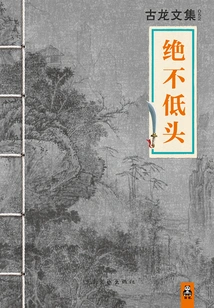
Gu Long's Collected Works: Never Bow Down
General Fiction古龙文集:绝不低头
G
"Never Bow" is Gu Long's only modern urban martial arts work and one of the "Famous Stories". Gu Long said: "Everyone will change. The only eternal thing is time, because time is the most ruthless. In this ruthless passage of time, everyone will slowly and unknowingly change." Therefore, Bobo has changed, Black Panther has changed, and Luo Lie has also changed, but the fate of the three people is still intertwined. Fortunately, there are always some things that will not change no matter what. As long as you want to live seriously, courage, chivalry, love and tolerance are all indispensable spiritual sources.
"Never Bow" is Gu Long's only modern urban martial arts work and one of the "Famous Stories". Gu Long said: "Everyone will change. The only eternal thing is time, because time is the most ruthless. In this ruthless passage of time, everyone will slowly and unknowingly change." Therefore, Bobo has changed, Black Panther has changed, and Luo Lie has also changed, but the fate of the three people is still intertwined. Fortunately, there are always some things that will not change no matter what. As long as you want to live seriously, courage, chivalry, love and tolerance are all indispensable spiritual sources.

Tokyoites (japanese Translation Series)
General Fiction东京人(和风译丛)
G
"Tokyo People" belongs to the Japanese translation series and is a novel by Kawabata Yasunari. Keiko, a native of Tokyo, lost her husband in middle age, but still loves life and lives a positive and sunny life with her two children. By chance, she met Toshizo and his daughter Yumiko. Junzo's wife has been recuperating away from home for many years due to illness. In the post-war environment, Keiko, Junzo and three children with very different personalities formed a strange family. Keiko's business is getting better and better. She not only supports the family's expenses, but also bears the medical expenses of Junsan's wife. However, Junsan's company is on the verge of bankruptcy. One day, Toshizo suddenly left without saying goodbye. Keiko and the three children experienced the world's human kindness and kindness through the joys and sorrows of the passing years. With a soothing pace, the novel gently and calmly depicts the family life of ordinary people, as well as the mood of everyone in the family - the hardships of life, inner demands and desires, the melancholy and loneliness that always surrounds them, and the self-blame and guilt of facing close people...
"Tokyo People" belongs to the Japanese translation series and is a novel by Kawabata Yasunari. Keiko, a native of Tokyo, lost her husband in middle age, but still loves life and lives a positive and sunny life with her two children. By chance, she met Toshizo and his daughter Yumiko. Junzo's wife has been recuperating away from home for many years due to illness. In the post-war environment, Keiko, Junzo and three children with very different personalities formed a strange family. Keiko's business is getting better and better. She not only supports the family's expenses, but also bears the medical expenses of Junsan's wife. However, Junsan's company is on the verge of bankruptcy. One day, Toshizo suddenly left without saying goodbye. Keiko and the three children experienced the world's human kindness and kindness through the joys and sorrows of the passing years. With a soothing pace, the novel gently and calmly depicts the family life of ordinary people, as well as the mood of everyone in the family - the hardships of life, inner demands and desires, the melancholy and loneliness that always surrounds them, and the self-blame and guilt of facing close people...
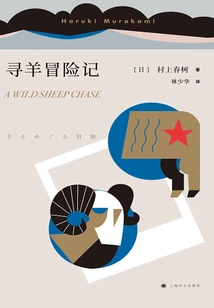
Sheep Hunting Adventures
General Fiction寻羊冒险记
G
"No matter how mediocre and boring this world is, it is my world after all." "Sheep Hunting Adventures" is the third novel in the "Rat and Me" series of trilogy after Haruki Murakami's debut novels "Hear the Wind Sing" and "1973 Pinball Game". A super-powered sheep that controls all of Japan has disappeared, and its host, the underworld leader, is dying. "I" accidentally received a photo of this sheep from my friend "Rat", and was coerced by the underworld, so I had to take my girlfriend on an adventure to find the sheep with strange star-shaped markings. Away from the boring life that I once had, in the process of searching for sheep, "I" continue to search and redeem myself, and determine the meaning of my existence. In the snow-capped mountains of Hokkaido, when "I" finally reunited with "Rat", at this moment, my friend had already become a ghost that had perished with the source of evil.
"No matter how mediocre and boring this world is, it is my world after all." "Sheep Hunting Adventures" is the third novel in the "Rat and Me" series of trilogy after Haruki Murakami's debut novels "Hear the Wind Sing" and "1973 Pinball Game". A super-powered sheep that controls all of Japan has disappeared, and its host, the underworld leader, is dying. "I" accidentally received a photo of this sheep from my friend "Rat", and was coerced by the underworld, so I had to take my girlfriend on an adventure to find the sheep with strange star-shaped markings. Away from the boring life that I once had, in the process of searching for sheep, "I" continue to search and redeem myself, and determine the meaning of my existence. In the snow-capped mountains of Hokkaido, when "I" finally reunited with "Rat", at this moment, my friend had already become a ghost that had perished with the source of evil.

Our Home
General Fiction我们的家
G
No matter how small the fragments between family members are, they are precious memories of life. To be born in this society is to be involved in the family - this unknowable relationship. Zi broke up with her live-in lover and was kicked out of the place where they lived together. Taking the opportunity of attending her grandmother's funeral, Zi returned to her hometown and lived in her parents' home. Her mother, Xiangzi, is old, but she is still worried about what happened in her childhood and complains about her daughter who is lazy every day. His father Shiyan felt helpless with such a wife and maintained lukewarm communication with a woman in her 40s. My aunt Daoshi ran a small store selling food and groceries in a remote countryside. She had never traveled before, and she embarked on a journey to New Zealand because of an opportunity. Uncle Bohe has lost contact for many years and has quietly started a new life in a distant place. The family members who were once together were separated due to various reasons, but they reunited at my grandma's funeral...
No matter how small the fragments between family members are, they are precious memories of life. To be born in this society is to be involved in the family - this unknowable relationship. Zi broke up with her live-in lover and was kicked out of the place where they lived together. Taking the opportunity of attending her grandmother's funeral, Zi returned to her hometown and lived in her parents' home. Her mother, Xiangzi, is old, but she is still worried about what happened in her childhood and complains about her daughter who is lazy every day. His father Shiyan felt helpless with such a wife and maintained lukewarm communication with a woman in her 40s. My aunt Daoshi ran a small store selling food and groceries in a remote countryside. She had never traveled before, and she embarked on a journey to New Zealand because of an opportunity. Uncle Bohe has lost contact for many years and has quietly started a new life in a distant place. The family members who were once together were separated due to various reasons, but they reunited at my grandma's funeral...
O
General Fictiono
G
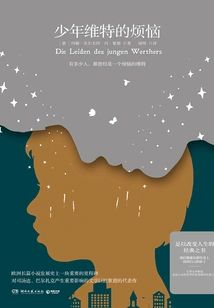
The plot of the novel is very simple. Young Werther comes to a small town, where the natural scenery, simple folk customs, and innocent and happy children bring him great happiness. At a dance, he met a girl named Lotte. Her every smile and every move attracted him. Lotte also liked him, but could not reciprocate her love. She was engaged to Werther's friend. Werther fell into embarrassment and pain. He resolutely left here, trying to get relief from his career and achieve something. However, the despicable environment, dirty interpersonal relationships, and the existing order that suppressed personality and suffocated freedom made him intolerable. When he returned to Lotte with no talent, he found that Lotte was married. He decided to die for love and ended his life with a pistol.
The plot of the novel is very simple. Young Werther comes to a small town, where the natural scenery, simple folk customs, and innocent and happy children bring him great happiness. At a dance, he met a girl named Lotte. Her every smile and every move attracted him. Lotte also liked him, but could not reciprocate her love. She was engaged to Werther's friend. Werther fell into embarrassment and pain. He resolutely left here, trying to get relief from his career and achieve something. However, the despicable environment, dirty interpersonal relationships, and the existing order that suppressed personality and suffocated freedom made him intolerable. When he returned to Lotte with no talent, he found that Lotte was married. He decided to die for love and ended his life with a pistol.
S
LiteratureS
G
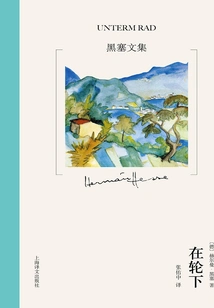
"The last knight of German Romanticism" and winner of the Nobel Prize for Literature, Hesse's new 10-volume anthology, translated by famous writers, includes novels, short and medium-length works, poetry, prose, fairy tales and paintings, comprehensively displaying Hesse's creative career. "Under the Wheel" is Hesse's early work. The story narrated in the novel is: the protagonist Hans has been extremely intelligent, diligent and studious since he was a child, and is regarded as a child prodigy by everyone. He was sent to a seminary to study. Influenced by his extended family and society, he was eager for fame and studied hard in an isolated school without any free time. His physical and mental health was damaged. His classmate Herman is stubborn by nature, despises fame and is not tolerated by the school; but Hans feels that only Herman is his confidant. Hans worked too hard, became physically weak, and his grades dropped; the school blamed Hermann for this. Hermann was expelled from school, and Hans felt even more lonely. He was scolded by teachers and ridiculed by classmates from time to time. Later, he suffered from neurasthenia, which made him unable to continue his studies and had to return to his hometown to work as a fitter to make a living. Social discrimination and frustration in life made him feel as if he had fallen under a ruthless and huge wheel. This is a novel that indicts the old education system in Germany and is considered to be highly autobiographical.
"The last knight of German Romanticism" and winner of the Nobel Prize for Literature, Hesse's new 10-volume anthology, translated by famous writers, includes novels, short and medium-length works, poetry, prose, fairy tales and paintings, comprehensively displaying Hesse's creative career. "Under the Wheel" is Hesse's early work. The story narrated in the novel is: the protagonist Hans has been extremely intelligent, diligent and studious since he was a child, and is regarded as a child prodigy by everyone. He was sent to a seminary to study. Influenced by his extended family and society, he was eager for fame and studied hard in an isolated school without any free time. His physical and mental health was damaged. His classmate Herman is stubborn by nature, despises fame and is not tolerated by the school; but Hans feels that only Herman is his confidant. Hans worked too hard, became physically weak, and his grades dropped; the school blamed Hermann for this. Hermann was expelled from school, and Hans felt even more lonely. He was scolded by teachers and ridiculed by classmates from time to time. Later, he suffered from neurasthenia, which made him unable to continue his studies and had to return to his hometown to work as a fitter to make a living. Social discrimination and frustration in life made him feel as if he had fallen under a ruthless and huge wheel. This is a novel that indicts the old education system in Germany and is considered to be highly autobiographical.
Y
General Fictiony
G
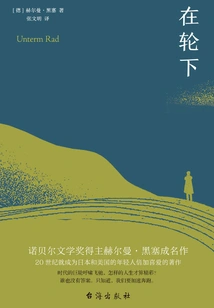
This is a novel that accuses the old German education system and has a strong autobiographical flavor. The protagonist of the story, named Hans, was born in an ordinary family. He has been extremely talented since childhood, diligent and studious, and is regarded as a child prodigy by everyone. Hans entered the seminary with excellent grades, but he was not good at socializing and was alone. Until by chance, he met Hermann. Herman was rebellious by nature, despised fame, and was not tolerated by the school. Although they are two completely different people, they have the same spirit and become good friends. When Hermann appears, Hans is lost. Her health deteriorated day by day, and her grades plummeted. The school blamed Herman for this and expelled Herman. After losing his friends, Hans became even more lonely and was often scolded by his teachers and ridiculed by his classmates. Day after day, Hans's mental condition became worse and worse, and he could no longer continue his studies, so he had to return to his hometown to work as a fitter to make a living. Social discrimination and frustration in life made Hans feel as if he had fallen under a ruthless and huge wheel...
This is a novel that accuses the old German education system and has a strong autobiographical flavor. The protagonist of the story, named Hans, was born in an ordinary family. He has been extremely talented since childhood, diligent and studious, and is regarded as a child prodigy by everyone. Hans entered the seminary with excellent grades, but he was not good at socializing and was alone. Until by chance, he met Hermann. Herman was rebellious by nature, despised fame, and was not tolerated by the school. Although they are two completely different people, they have the same spirit and become good friends. When Hermann appears, Hans is lost. Her health deteriorated day by day, and her grades plummeted. The school blamed Herman for this and expelled Herman. After losing his friends, Hans became even more lonely and was often scolded by his teachers and ridiculed by his classmates. Day after day, Hans's mental condition became worse and worse, and he could no longer continue his studies, so he had to return to his hometown to work as a fitter to make a living. Social discrimination and frustration in life made Hans feel as if he had fallen under a ruthless and huge wheel...
Y
General Fictiony
G
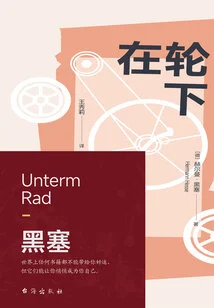
Hans was smart and talented since he was a child, and was regarded as a child prodigy. At school, he met Herman, a classmate who despised fame and was a maverick. Hans became a confidant, but Hermann was expelled from school. Hans was scolded by his teacher and ridiculed by his classmates. Amidst the ridicule day by day, Hans gradually lost control of his own destiny...
Hans was smart and talented since he was a child, and was regarded as a child prodigy. At school, he met Herman, a classmate who despised fame and was a maverick. Hans became a confidant, but Hermann was expelled from school. Hans was scolded by his teacher and ridiculed by his classmates. Amidst the ridicule day by day, Hans gradually lost control of his own destiny...
T
General FictionT
G
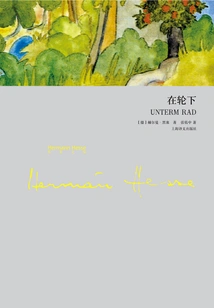
The protagonist Hans has been extremely intelligent, diligent and studious since he was a child, and is regarded as a child prodigy by everyone. He was sent to a seminary to study. Influenced by his extended family and society, he was eager for fame and studied hard in an isolated school without any free time. His physical and mental health was damaged. His classmate Herman is stubborn by nature, despises fame and is not tolerated by the school; but Hans feels that only Herman is his confidant. Hans worked too hard, became physically weak, and his grades dropped; the school blamed Hermann for this. Hermann was expelled from school, and Hans felt even more lonely. He was scolded by teachers and ridiculed by classmates from time to time. Later, he suffered from neurasthenia, which made him unable to continue his studies and had to return to his hometown to work as a fitter to make a living. Social discrimination and frustration in life made him feel as if he had fallen under a ruthless and huge wheel. This is a novel that indicts the old education system in Germany and is considered to be highly autobiographical.
The protagonist Hans has been extremely intelligent, diligent and studious since he was a child, and is regarded as a child prodigy by everyone. He was sent to a seminary to study. Influenced by his extended family and society, he was eager for fame and studied hard in an isolated school without any free time. His physical and mental health was damaged. His classmate Herman is stubborn by nature, despises fame and is not tolerated by the school; but Hans feels that only Herman is his confidant. Hans worked too hard, became physically weak, and his grades dropped; the school blamed Hermann for this. Hermann was expelled from school, and Hans felt even more lonely. He was scolded by teachers and ridiculed by classmates from time to time. Later, he suffered from neurasthenia, which made him unable to continue his studies and had to return to his hometown to work as a fitter to make a living. Social discrimination and frustration in life made him feel as if he had fallen under a ruthless and huge wheel. This is a novel that indicts the old education system in Germany and is considered to be highly autobiographical.
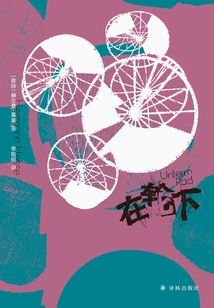
Under the Wheel (hesse Collection)
General Fiction在轮下(黑塞精选集)
G
"Hesse Selections" includes five masterpieces from different periods by Hermann Hesse, winner of the 1946 Nobel Prize for Literature: "Under the Wheel", "Demian: The Wandering Boyhood", "Siddhartha", "Steppenwolf" and "Narcissus and Goldmund". The young Hans Gibbenrath in "Under the Wheel" is talented, diligent and studious. He lives up to the high expectations of his father and teachers and is admitted to the seminary with excellent results. However, in the new environment, the young man carries too many expectations. Under the heavy pressure, he loses his way in growing up. He is abandoned by the rigid school and falls into loneliness. When the halo recedes and despair looms, the young life falls like falling under the roaring wheels.
"Hesse Selections" includes five masterpieces from different periods by Hermann Hesse, winner of the 1946 Nobel Prize for Literature: "Under the Wheel", "Demian: The Wandering Boyhood", "Siddhartha", "Steppenwolf" and "Narcissus and Goldmund". The young Hans Gibbenrath in "Under the Wheel" is talented, diligent and studious. He lives up to the high expectations of his father and teachers and is admitted to the seminary with excellent results. However, in the new environment, the young man carries too many expectations. Under the heavy pressure, he loses his way in growing up. He is abandoned by the rigid school and falls into loneliness. When the halo recedes and despair looms, the young life falls like falling under the roaring wheels.
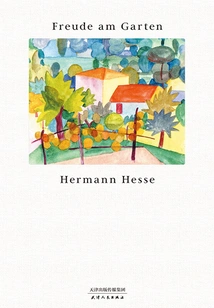
Y
LiteratureY
G
"Joy of the Garden" is a collection of essays by Hermann Hesse, the 1946 Nobel Prize winner for literature, including 61 articles and poems. In addition to being widely known as a writer, Hesse was also a living artist, painter and gardener. The text in this book mainly records Hesse's conversations and games with nature at different periods in his life.
"Joy of the Garden" is a collection of essays by Hermann Hesse, the 1946 Nobel Prize winner for literature, including 61 articles and poems. In addition to being widely known as a writer, Hesse was also a living artist, painter and gardener. The text in this book mainly records Hesse's conversations and games with nature at different periods in his life.

U
General Fictionu
G
Hesse's journey of self-healing and the inner monologue of "social fear". Harry is a "social phobia". He keeps to himself and does not like to socialize. He often feels that there is a "Steppenwolf" in his heart. This wolf makes him live in isolation, and he is torn between reason and desire every day. After meeting Hermina, his world was opened up, and he began to explore the possibilities of life, learned to return to the crowd, learned to live, and learned to laugh. This book is the masterpiece of Nobel Prize winner Hermann Hesse. It was written during the period when the author was mentally traumatized. Therefore, "Steppenwolf" can also be seen as his journey of self-healing.
Hesse's journey of self-healing and the inner monologue of "social fear". Harry is a "social phobia". He keeps to himself and does not like to socialize. He often feels that there is a "Steppenwolf" in his heart. This wolf makes him live in isolation, and he is torn between reason and desire every day. After meeting Hermina, his world was opened up, and he began to explore the possibilities of life, learned to return to the crowd, learned to live, and learned to laugh. This book is the masterpiece of Nobel Prize winner Hermann Hesse. It was written during the period when the author was mentally traumatized. Therefore, "Steppenwolf" can also be seen as his journey of self-healing.
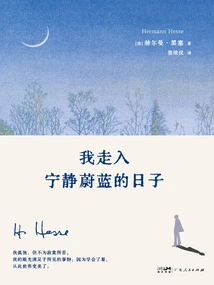
I Walk into the Quiet Blue Days
Literature我走入宁静蔚蓝的日子
G
This book is a collection of 38 essays and poems written by Hermann Hesse, the winner of the Nobel Prize for Literature, after he left Germany and lived in seclusion in a beautiful mountain village in Ticino, Switzerland, in order to treat his depression. He observed and experienced nature. It also includes a selection of many illustrations he created at the same time. Hesse took contemplation of the beauty of nature as a practice of self-healing in Ticino, which became a model for young people around the world to practice, and this work also became a guiding text for self-healing.
This book is a collection of 38 essays and poems written by Hermann Hesse, the winner of the Nobel Prize for Literature, after he left Germany and lived in seclusion in a beautiful mountain village in Ticino, Switzerland, in order to treat his depression. He observed and experienced nature. It also includes a selection of many illustrations he created at the same time. Hesse took contemplation of the beauty of nature as a practice of self-healing in Ticino, which became a model for young people around the world to practice, and this work also became a guiding text for self-healing.

阅读是安静的自我觉醒(果麦经典)
G
This book is a collection of reading essays by German writer Hesse. Hesse wrote and loved books, and he knew the charm of books best. He wrote more than 3,000 book reviews in his life, thinking about the purpose and process of reading, the relationship between people and reading, and also shared his favorite readings. He believes that reading must take the path of love, not the path of obligation. The purpose of reading should not be to forget ourselves and our daily lives, but to regain a more confident and mature grasp of our own lives. Hesse emphasized the inner unity of the book and the self. His literary criticism was not an objective analysis, but a "random impression" extracted from the literature after internalization. In this book, he talks about "reading" not from the perspective of a scholar but from the perspective of a reader. Here we can see through how Hesse transformed the world of books into his own world, thereby establishing a bibliography that suits his own temperament.
This book is a collection of reading essays by German writer Hesse. Hesse wrote and loved books, and he knew the charm of books best. He wrote more than 3,000 book reviews in his life, thinking about the purpose and process of reading, the relationship between people and reading, and also shared his favorite readings. He believes that reading must take the path of love, not the path of obligation. The purpose of reading should not be to forget ourselves and our daily lives, but to regain a more confident and mature grasp of our own lives. Hesse emphasized the inner unity of the book and the self. His literary criticism was not an objective analysis, but a "random impression" extracted from the literature after internalization. In this book, he talks about "reading" not from the perspective of a scholar but from the perspective of a reader. Here we can see through how Hesse transformed the world of books into his own world, thereby establishing a bibliography that suits his own temperament.

Siddhartha (2022 Version)
General Fiction悉达多(2022版)
G
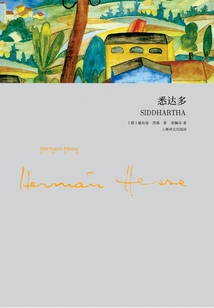
The young Siddhartha discovered that life would always involve experiencing all kinds of pain. In order to seek relief, he began to wander alone. On the way, he listened to the teachings of the elders, explored the mysteries of lust, and owned a lot of wealth... After almost exhausting the experience of both spirit and body, Siddhartha was still in deep pain and could not be relieved. In despair, he came to the river and planned to end his life, but at this moment he saw the wonderful harmony of the world... Throughout his long creative career, Hesse has always firmly grasped the symptoms of the disease of the times. He is good at exploring the contradictions and pain in the process of personal growth, and strives to show and analyze personal spiritual crises in his works, and use literature to heal himself and readers. "Siddhartha" epitomizes this point. In "Siddhartha", Siddhartha, who was born into a noble family, felt that life was very painful. He wandered around and finally achieved enlightenment by the river and gained spiritual liberation. It is precisely because Hesse's novels have a clear literary therapeutic significance for readers and himself that he is regarded as a life mentor by countless young people.
The young Siddhartha discovered that life would always involve experiencing all kinds of pain. In order to seek relief, he began to wander alone. On the way, he listened to the teachings of the elders, explored the mysteries of lust, and owned a lot of wealth... After almost exhausting the experience of both spirit and body, Siddhartha was still in deep pain and could not be relieved. In despair, he came to the river and planned to end his life, but at this moment he saw the wonderful harmony of the world... Throughout his long creative career, Hesse has always firmly grasped the symptoms of the disease of the times. He is good at exploring the contradictions and pain in the process of personal growth, and strives to show and analyze personal spiritual crises in his works, and use literature to heal himself and readers. "Siddhartha" epitomizes this point. In "Siddhartha", Siddhartha, who was born into a noble family, felt that life was very painful. He wandered around and finally achieved enlightenment by the river and gained spiritual liberation. It is precisely because Hesse's novels have a clear literary therapeutic significance for readers and himself that he is regarded as a life mentor by countless young people.
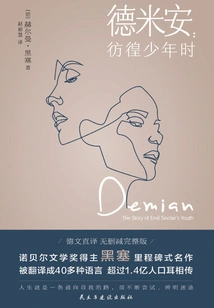
F
General FictionF
G
"Demian: The Wandering Boyhood" is one of Hesse's masterpieces. It tells the story of the arduous journey of the young Xinkelai to find his own way. This book was first published in 1919 and was signed by Emile Sinclair. Once the work came out, it caused a huge response. Its popularity can only be compared with "The Sorrows of Young Werther" in the last century.
"Demian: The Wandering Boyhood" is one of Hesse's masterpieces. It tells the story of the arduous journey of the young Xinkelai to find his own way. This book was first published in 1919 and was signed by Emile Sinclair. Once the work came out, it caused a huge response. Its popularity can only be compared with "The Sorrows of Young Werther" in the last century.
Y
LiteratureY
G
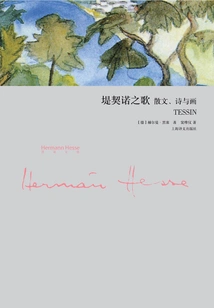
This book "Song of Ticino" can be said to be the essence of Hesse's works. It is a collection of prose and poetry, and it is also the author's induction, summary and interpretation of the artistic concepts, creative methods and philosophical thoughts of all his previous works. It is regarded by many experts and scholars as a key to the door of Hesse's thought.
This book "Song of Ticino" can be said to be the essence of Hesse's works. It is a collection of prose and poetry, and it is also the author's induction, summary and interpretation of the artistic concepts, creative methods and philosophical thoughts of all his previous works. It is regarded by many experts and scholars as a key to the door of Hesse's thought.
V
General Fictionv
G
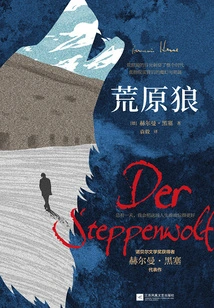
This book is an autobiographical novel by Hermann Hesse, a classic work of self-healing and growth for "social fears". The protagonist Harry had lofty personal ideals when he was young, but was rejected by the society at that time. Once, he read a booklet called "Steppenwolf" and awakened the "wolf nature" hidden under his "human nature". In order to get rid of the pain of loneliness, he went to a pub to get drunk and have fun, but he only gained short-term relief. Later, he entered a magic theater and saw various scattered personalities, so he pieced them together into a complete self. Finally, he got rid of despair and returned to real life. This book uses Harry's situation to express Hesse's own physical and mental healing process, while also revealing the symptoms of the decline of European culture at that time.
This book is an autobiographical novel by Hermann Hesse, a classic work of self-healing and growth for "social fears". The protagonist Harry had lofty personal ideals when he was young, but was rejected by the society at that time. Once, he read a booklet called "Steppenwolf" and awakened the "wolf nature" hidden under his "human nature". In order to get rid of the pain of loneliness, he went to a pub to get drunk and have fun, but he only gained short-term relief. Later, he entered a magic theater and saw various scattered personalities, so he pieced them together into a complete self. Finally, he got rid of despair and returned to real life. This book uses Harry's situation to express Hesse's own physical and mental healing process, while also revealing the symptoms of the decline of European culture at that time.
V
General Fictionv
G
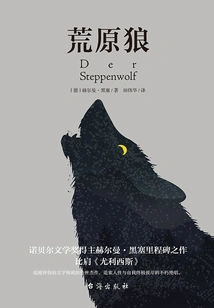
Harrell is an upright writer who despises the lifestyle of modern society. He often stays at home and is extremely lonely. He falls into a schizophrenic situation. One day, he accidentally read a short book "Review of Steppenwolf". He woke up from a dream and thought that he was a Steppenwolf with both "human nature" and "wolf nature". Later, he was invited to a party and found that the attendees all had narrow nationalist views, and his anti-war remarks were reprimanded, which made him feel very lonely. Later, he met the bar girl Hermina and gained sensual pleasure. Jinghe introduced him to the musician Pablo and the girl Maria. He forgot all his troubles and worries in music and sensory enjoyment. But when he saw Hermina getting close to Pablo, he became "wolfish" and killed Hermina out of jealousy. The novel is rich in fantasy color and profound symbolic meaning, and is considered to have a "surrealist" style. Thomas Mann called it "the German Ulysses".
Harrell is an upright writer who despises the lifestyle of modern society. He often stays at home and is extremely lonely. He falls into a schizophrenic situation. One day, he accidentally read a short book "Review of Steppenwolf". He woke up from a dream and thought that he was a Steppenwolf with both "human nature" and "wolf nature". Later, he was invited to a party and found that the attendees all had narrow nationalist views, and his anti-war remarks were reprimanded, which made him feel very lonely. Later, he met the bar girl Hermina and gained sensual pleasure. Jinghe introduced him to the musician Pablo and the girl Maria. He forgot all his troubles and worries in music and sensory enjoyment. But when he saw Hermina getting close to Pablo, he became "wolfish" and killed Hermina out of jealousy. The novel is rich in fantasy color and profound symbolic meaning, and is considered to have a "surrealist" style. Thomas Mann called it "the German Ulysses".

F
General FictionF
G
Emile Sinclair consciously lived in a warm and beautiful bright world, but it turned out to be just a lie. He longed for relief, but could not speak to anyone. The appearance of Demian helped him face these difficulties in life. Loneliness, timidity, hesitation, and rebellion came one after another every day, but he already had the courage to face it all...
Emile Sinclair consciously lived in a warm and beautiful bright world, but it turned out to be just a lie. He longed for relief, but could not speak to anyone. The appearance of Demian helped him face these difficulties in life. Loneliness, timidity, hesitation, and rebellion came one after another every day, but he already had the courage to face it all...
R
LiteratureR
G
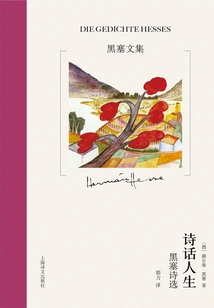
"The last knight of German Romanticism" and winner of the Nobel Prize for Literature, Hesse's new 10-volume anthology, translated by famous writers, includes novels, short and medium-length works, poetry, prose, fairy tales and paintings, comprehensively displaying Hesse's creative career. Hesse's literary career began and ended with poetry creation; his first collection of poems, "Romantic Songs," collected his poetry creation since the age of 15, and his last poem, "The Rattling of Broken Branches," was completed the day before his death. During the nearly 70 years of Hesse's poetry career, he composed about 1,400 poems, of which more than 800 were edited by him into 15 poetry anthologies. Hesse's poems are deeply loved by the German people. His poems are pure and touching, and each chapter expresses his true feelings. Not only is his language delicate and euphemistic, concise and simple, but his style is also particularly fresh, natural and smooth. "Poetry Talks about Life - Selected Poems of Hesse" selects 275 excellent poems from 15 collections of Hesse's poems and publishes them in five parts: "Youth", "Youth", "Middle-aged", "Old Age" and "Old Age". It fully presents the essence of Hesse's poetry creation.
"The last knight of German Romanticism" and winner of the Nobel Prize for Literature, Hesse's new 10-volume anthology, translated by famous writers, includes novels, short and medium-length works, poetry, prose, fairy tales and paintings, comprehensively displaying Hesse's creative career. Hesse's literary career began and ended with poetry creation; his first collection of poems, "Romantic Songs," collected his poetry creation since the age of 15, and his last poem, "The Rattling of Broken Branches," was completed the day before his death. During the nearly 70 years of Hesse's poetry career, he composed about 1,400 poems, of which more than 800 were edited by him into 15 poetry anthologies. Hesse's poems are deeply loved by the German people. His poems are pure and touching, and each chapter expresses his true feelings. Not only is his language delicate and euphemistic, concise and simple, but his style is also particularly fresh, natural and smooth. "Poetry Talks about Life - Selected Poems of Hesse" selects 275 excellent poems from 15 collections of Hesse's poems and publishes them in five parts: "Youth", "Youth", "Middle-aged", "Old Age" and "Old Age". It fully presents the essence of Hesse's poetry creation.
X
General FictionX
G
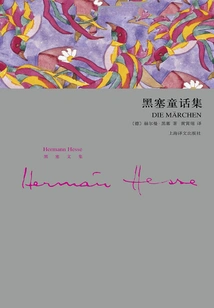
This book collects Hesse's twenty fairy tales, covering his entire creative career and witnessing his life trajectory. Hesse's fairy tales are not fairy tales in the traditional sense, but they are deeply influenced by Eastern and Western fairy tale traditions. From "Two Brothers", which he created when he was ten years old, to his last piece, "Birds" written in 1933, they bear witness to Hesse's attempts to use this genre to record his inner world as an artist. Like many European writers of his generation, Hesse paid close attention to everything happening around him: the rapid development of science and technology, the rise of materialism, the outbreak of world wars, economic boom and recession... All these, as well as the traumas, questions and dreams he personally experienced, are perfectly reflected in the world of artistic fairy tales.
This book collects Hesse's twenty fairy tales, covering his entire creative career and witnessing his life trajectory. Hesse's fairy tales are not fairy tales in the traditional sense, but they are deeply influenced by Eastern and Western fairy tale traditions. From "Two Brothers", which he created when he was ten years old, to his last piece, "Birds" written in 1933, they bear witness to Hesse's attempts to use this genre to record his inner world as an artist. Like many European writers of his generation, Hesse paid close attention to everything happening around him: the rapid development of science and technology, the rise of materialism, the outbreak of world wars, economic boom and recession... All these, as well as the traumas, questions and dreams he personally experienced, are perfectly reflected in the world of artistic fairy tales.
T
General Fictiont
G
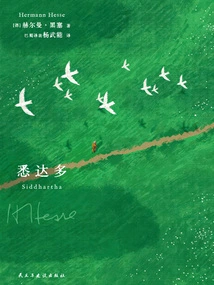
"Siddhartha" is a classic work that explores the soul and the meaning of life written by Nobel Prize winner Hermann Hesse. Siddhartha, the young son of a Brahmin, had a privileged family background, but he resolutely gave up worldly comfort and embarked on a long journey to find the meaning of life. He sharpened his will in asceticism, experienced desires in the world, and constantly tortured his soul in confusion and struggle. Along the way, he experienced countless unknowns and challenges, and gained profound life wisdom. If you feel confused in life, you might as well open "Siddhartha" and embark on this soul-touching journey with him to find your own true meaning of life.
"Siddhartha" is a classic work that explores the soul and the meaning of life written by Nobel Prize winner Hermann Hesse. Siddhartha, the young son of a Brahmin, had a privileged family background, but he resolutely gave up worldly comfort and embarked on a long journey to find the meaning of life. He sharpened his will in asceticism, experienced desires in the world, and constantly tortured his soul in confusion and struggle. Along the way, he experienced countless unknowns and challenges, and gained profound life wisdom. If you feel confused in life, you might as well open "Siddhartha" and embark on this soul-touching journey with him to find your own true meaning of life.
Y
General FictionY
G
This book contains three of Hesse's famous novellas, namely "Siddhartha", "Gertrude" and "Knolp". "Gertrude" tells the story of a love triangle between two extremely talented musicians and a beautiful young woman, hinting at the theme of the novel: the male protagonist is frustrated in love, but it promotes his artistic creation. "Knulp" was called "my favorite novel" by Hesse. It shows the customs of a small town in Germany in the last century. S. Stephen Zweig praised this sentimental work and said: "There is a German country in the book, which has never been seen before." Some people realize that, even we are no exception. "The main chapter "Siddhartha" describes the life of a young Brahmin aristocrat who seeks the true meaning of life. He went from being rich and luxurious to traveling as a monk, and then from being extravagant and extravagant to ferrying people to work, and finally became enlightened and became a Buddha. The novel is hailed as the essence of Hesse's thought and literary works, and is a successful work with worldwide influence.
This book contains three of Hesse's famous novellas, namely "Siddhartha", "Gertrude" and "Knolp". "Gertrude" tells the story of a love triangle between two extremely talented musicians and a beautiful young woman, hinting at the theme of the novel: the male protagonist is frustrated in love, but it promotes his artistic creation. "Knulp" was called "my favorite novel" by Hesse. It shows the customs of a small town in Germany in the last century. S. Stephen Zweig praised this sentimental work and said: "There is a German country in the book, which has never been seen before." Some people realize that, even we are no exception. "The main chapter "Siddhartha" describes the life of a young Brahmin aristocrat who seeks the true meaning of life. He went from being rich and luxurious to traveling as a monk, and then from being extravagant and extravagant to ferrying people to work, and finally became enlightened and became a Buddha. The novel is hailed as the essence of Hesse's thought and literary works, and is a successful work with worldwide influence.
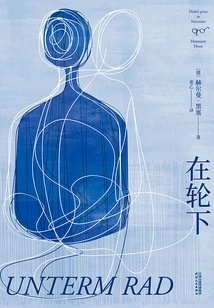
Y
General Fictiony
G
"Under the Wheel" is a semi-autobiographical novel written early in Hesse's creative career. It tells the story of the genius boy Hans Gibbenrath who gradually became tragic under the harsh educational system and social pressure. Hans was born in a small town in Germany and was extremely talented. He studied hard under the expectations of his family and teachers, and passed the state examination to enter the famous Maulbronn Academy. He sacrificed all the entertainment of his childhood just to meet the expectations of his father and teachers and become a "model student." Hans met the rebellious Hermann Heilner, who advocated freedom and despised the rigid education system. Heilner was expelled for defying school rules, while Hans gradually became physically and mentally exhausted due to mental depression and academic pressure, and his grades declined. Hans was forced to drop out of school due to neurasthenia. After returning to his hometown, he became a factory apprentice. He was ignored by society and eventually led to tragedy.
"Under the Wheel" is a semi-autobiographical novel written early in Hesse's creative career. It tells the story of the genius boy Hans Gibbenrath who gradually became tragic under the harsh educational system and social pressure. Hans was born in a small town in Germany and was extremely talented. He studied hard under the expectations of his family and teachers, and passed the state examination to enter the famous Maulbronn Academy. He sacrificed all the entertainment of his childhood just to meet the expectations of his father and teachers and become a "model student." Hans met the rebellious Hermann Heilner, who advocated freedom and despised the rigid education system. Heilner was expelled for defying school rules, while Hans gradually became physically and mentally exhausted due to mental depression and academic pressure, and his grades declined. Hans was forced to drop out of school due to neurasthenia. After returning to his hometown, he became a factory apprentice. He was ignored by society and eventually led to tragedy.