Library
Browse and search books
1,449 novels found
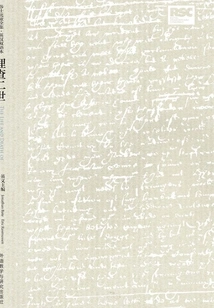
Richard Ii (shakespeare Historical Drama Series)
General Fiction理查二世(莎士比亚历史剧系列)
G
The latest classic version of FLTRP! "Richard II" tells the whole process of Richard II being politically defeated, militarily besieged, and finally imprisoned and killed by Bolingbroke (who became Henry IV after seizing the throne).
The latest classic version of FLTRP! "Richard II" tells the whole process of Richard II being politically defeated, militarily besieged, and finally imprisoned and killed by Bolingbroke (who became Henry IV after seizing the throne).
Y
General Fictiony
G
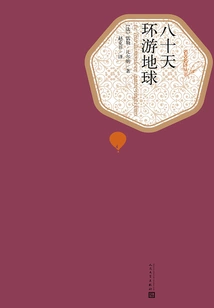
"Around the World in Eighty Days" is one of the most popular works by French science fiction writer Jules Verne. The protagonist Ford made a bet with his friends that he would travel around the world and return to London in 80 days. He and his servant Passepartout tried every possible means to overcome all the difficulties on the road, but they were still five minutes late when they arrived in London. He considered himself a failure, but unexpectedly won.
"Around the World in Eighty Days" is one of the most popular works by French science fiction writer Jules Verne. The protagonist Ford made a bet with his friends that he would travel around the world and return to London in 80 days. He and his servant Passepartout tried every possible means to overcome all the difficulties on the road, but they were still five minutes late when they arrived in London. He considered himself a failure, but unexpectedly won.

R
General Fictionr
G
The naughty bag Tom Sawyer is playful, rebellious, doesn't like going to school, and likes to take risks. He often gets into all kinds of troubles and gives adults headaches. Late one night, Tom and his friend Huck went to the cemetery to play and accidentally witnessed a murder. Fearing the murderer's revenge, they chose to run away from home and live the adventure life they longed for. However, creepy things happened one after another... This book has been popular all over the world since its publication. Tom's optimism, confidence, and bravery when encountering difficulties have infected countless children; through Tom's adventure stories, countless adults have understood children's inner worlds and completely changed the way they communicate with children.
The naughty bag Tom Sawyer is playful, rebellious, doesn't like going to school, and likes to take risks. He often gets into all kinds of troubles and gives adults headaches. Late one night, Tom and his friend Huck went to the cemetery to play and accidentally witnessed a murder. Fearing the murderer's revenge, they chose to run away from home and live the adventure life they longed for. However, creepy things happened one after another... This book has been popular all over the world since its publication. Tom's optimism, confidence, and bravery when encountering difficulties have infected countless children; through Tom's adventure stories, countless adults have understood children's inner worlds and completely changed the way they communicate with children.
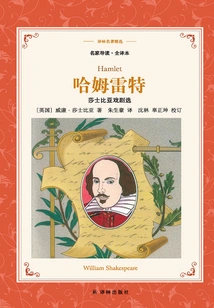
哈姆雷特:莎士比亚戏剧选(译林名著精选)
G
"Hamlet: Selected Plays of Shakespeare" includes four classic plays including "A Midsummer Night's Dream", "The Merchant of Venice", "Romeo and Juliet" and "Hamlet" translated by Mr. Zhu Shenghao. It includes different types of works by Shakespeare in various creative periods. They are all representative to a certain extent and basically reflect the creative characteristics of Shakespeare's plays.
"Hamlet: Selected Plays of Shakespeare" includes four classic plays including "A Midsummer Night's Dream", "The Merchant of Venice", "Romeo and Juliet" and "Hamlet" translated by Mr. Zhu Shenghao. It includes different types of works by Shakespeare in various creative periods. They are all representative to a certain extent and basically reflect the creative characteristics of Shakespeare's plays.
P
General Fictionp
G
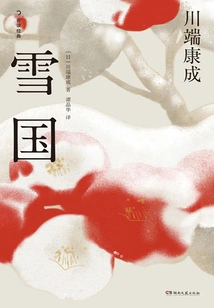
That spring, in order to find his lost self, the idle Tokyo dance researcher Shimamura came to Snow Country and met Komako, a maid at a hot spring hotel. By the time the two meet again in winter, Komako has become a geisha, and a girl named Ye Zi has appeared who has been taking care of the patients. The relationship between Dao Cun and Ju Zi is getting closer and closer, but they secretly fall in love with Zi Zi. In the autumn of the next year, Shimamura came to Snow Country for the third time. One night, a fire broke out in the Cocoon warehouse where the movie was shown. Ye Zi fell from the second floor of the fire scene and died.
That spring, in order to find his lost self, the idle Tokyo dance researcher Shimamura came to Snow Country and met Komako, a maid at a hot spring hotel. By the time the two meet again in winter, Komako has become a geisha, and a girl named Ye Zi has appeared who has been taking care of the patients. The relationship between Dao Cun and Ju Zi is getting closer and closer, but they secretly fall in love with Zi Zi. In the autumn of the next year, Shimamura came to Snow Country for the third time. One night, a fire broke out in the Cocoon warehouse where the movie was shown. Ye Zi fell from the second floor of the fire scene and died.
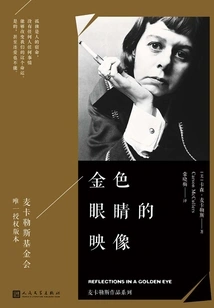
金色眼睛的映像(麦卡勒斯作品系列·珍藏版)
G
"Reflection in the Golden Eye" is McCullers's other masterpiece after "The Heart Is a Lonely Hunter". It has been adapted into a movie, starring Elizabeth Taylor, Marlon Brando, John Huston and other superstars. The novel is set in an army stationed in the southern United States in the 1930s. It tells the story of a bisexual Captain Pendant whose life was turned upside down by the arrival of Colonel Langton. McCullers' marriage to Leafs was on the verge of collapse at the time of writing, and her second novel illustrates her signature themes of human emotional alienation and unworkable love.
"Reflection in the Golden Eye" is McCullers's other masterpiece after "The Heart Is a Lonely Hunter". It has been adapted into a movie, starring Elizabeth Taylor, Marlon Brando, John Huston and other superstars. The novel is set in an army stationed in the southern United States in the 1930s. It tells the story of a bisexual Captain Pendant whose life was turned upside down by the arrival of Colonel Langton. McCullers' marriage to Leafs was on the verge of collapse at the time of writing, and her second novel illustrates her signature themes of human emotional alienation and unworkable love.
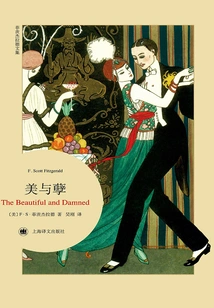
Beauty and Evil (collected Works of Fitzgerald 2016)
General Fiction美与孽(菲茨杰拉德文集2016)
G
This is a novel that vividly reproduces the romantic history of the Fitzgeralds, bringing to life the glamorous Jazz Age. It is also a classic work that represents the transformation of Fitzgerald's artistic style from youth to maturity. "Beauty and Evil" is Fitzgerald's second novel in his creative career. It is also an ukiyo-e depicting the eastern elites of the Jazz Age. The novel is highly autobiographical, and the protagonist in the book is largely similar to the relationship between Fitzgerald and his wife Zelda. Anthony Paige and Gloria - elegant and restrained, flirty and romantic, like a combination of black tea and chocolate; they pursue a luxurious and gorgeous upper-class life, rely on the wealth of the previous generation and do nothing to produce, and spend all their time in dissipation, causing their morals, economy, and health to be constantly distorted and degraded. "Beauty and Sin" is a mirror that reflects the author's autobiographical color; it is also a dazzling mockery of the greed of the American nouveau riche, the squandering of New York nightlife, and the waste of talent that blinds them.
This is a novel that vividly reproduces the romantic history of the Fitzgeralds, bringing to life the glamorous Jazz Age. It is also a classic work that represents the transformation of Fitzgerald's artistic style from youth to maturity. "Beauty and Evil" is Fitzgerald's second novel in his creative career. It is also an ukiyo-e depicting the eastern elites of the Jazz Age. The novel is highly autobiographical, and the protagonist in the book is largely similar to the relationship between Fitzgerald and his wife Zelda. Anthony Paige and Gloria - elegant and restrained, flirty and romantic, like a combination of black tea and chocolate; they pursue a luxurious and gorgeous upper-class life, rely on the wealth of the previous generation and do nothing to produce, and spend all their time in dissipation, causing their morals, economy, and health to be constantly distorted and degraded. "Beauty and Sin" is a mirror that reflects the author's autobiographical color; it is also a dazzling mockery of the greed of the American nouveau riche, the squandering of New York nightlife, and the waste of talent that blinds them.
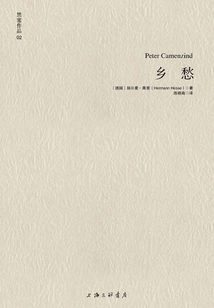
Nostalgia (hesse Works 02)
General Fiction乡愁(黑塞作品02)
G
"Nostalgia" is the work that made Hesse famous in one fell swoop and jumped into the literary world. Hesse's unique and musical style and his ability to observe the shadows of the soul gradually won his worldwide reputation with his series of subsequent works. The book depicts Pater's ups and downs and struggles in love and relationships, the blow of his friend's drowning, the isolation and loneliness encountered in life, the call and ties of family affection, and the youth's yearning for nature, making this work a touching educational novel. Hesse's works have a picturesque rhythm, like violin and piano sonatas, sometimes melodious, sometimes deep, with rich poetic nostalgia and persistent love for life. They also express the understanding after experiencing battle and tempering, so they can deeply touch the heartstrings of readers.
"Nostalgia" is the work that made Hesse famous in one fell swoop and jumped into the literary world. Hesse's unique and musical style and his ability to observe the shadows of the soul gradually won his worldwide reputation with his series of subsequent works. The book depicts Pater's ups and downs and struggles in love and relationships, the blow of his friend's drowning, the isolation and loneliness encountered in life, the call and ties of family affection, and the youth's yearning for nature, making this work a touching educational novel. Hesse's works have a picturesque rhythm, like violin and piano sonatas, sometimes melodious, sometimes deep, with rich poetic nostalgia and persistent love for life. They also express the understanding after experiencing battle and tempering, so they can deeply touch the heartstrings of readers.

Siddharth: an Indian Poem
General Fiction悉达多:一首印度的诗
G
During World War I, Hermann's youngest son Bruno suffered from a serious illness. In 1916, his father died, a marital crisis, and his wife's mental illness plunged the already famous writer and poet into a deep depression. In this situation, the author began to write this book. This work, written in 1922, is also his ninth work. It describes the protagonist Siddhartha's three important journeys in pursuing himself in ancient India. From conscious asceticism to self-exile and sensual enjoyment, inner peace finally became the ultimate goal he pursued. The whole book is written in a simple and poetic language. Siddhartha, an aristocratic young man in ancient India, had everything that people envied. In order to pursue his inner self, he embarked on a journey of self-seeking. After enjoying the indulgent happiness and luxurious life, he abandoned all sensory stimulation and came to the river. By the river, Siddhartha finally awakens and experiences the eternity of himself and the moment.
During World War I, Hermann's youngest son Bruno suffered from a serious illness. In 1916, his father died, a marital crisis, and his wife's mental illness plunged the already famous writer and poet into a deep depression. In this situation, the author began to write this book. This work, written in 1922, is also his ninth work. It describes the protagonist Siddhartha's three important journeys in pursuing himself in ancient India. From conscious asceticism to self-exile and sensual enjoyment, inner peace finally became the ultimate goal he pursued. The whole book is written in a simple and poetic language. Siddhartha, an aristocratic young man in ancient India, had everything that people envied. In order to pursue his inner self, he embarked on a journey of self-seeking. After enjoying the indulgent happiness and luxurious life, he abandoned all sensory stimulation and came to the river. By the river, Siddhartha finally awakens and experiences the eternity of himself and the moment.

Journey to the East (hesse Works 12)
General Fiction东方之旅(黑塞作品12)
G
"Journey to the East" is a turning point in Hesse's writing attitude, from the perfect individualism that emphasizes the self to the lofty spirit of service dedicated to the group. Describe the mental journey of the pursuer of life. We no longer have a protagonist striving towards a vague ideal, but only a central idea trying to express and realize the ideal. Through the fascinating techniques of the popular "Covenant novels" in the eighteenth century, Hesse's own protagonist H. H.'S symbolic journey for the Covenant - a "Kafkaesque" experience through time and space, finally effectively defines the eternal spiritual realm he pursues - the "Third Kingdom". The book that begins as a symbolic autobiography ends with the sanctification of art. Hesse has reached the ideal state of beauty here.
"Journey to the East" is a turning point in Hesse's writing attitude, from the perfect individualism that emphasizes the self to the lofty spirit of service dedicated to the group. Describe the mental journey of the pursuer of life. We no longer have a protagonist striving towards a vague ideal, but only a central idea trying to express and realize the ideal. Through the fascinating techniques of the popular "Covenant novels" in the eighteenth century, Hesse's own protagonist H. H.'S symbolic journey for the Covenant - a "Kafkaesque" experience through time and space, finally effectively defines the eternal spiritual realm he pursues - the "Third Kingdom". The book that begins as a symbolic autobiography ends with the sanctification of art. Hesse has reached the ideal state of beauty here.

The Wandering Soul (hesse Works 06)
General Fiction漂泊的灵魂(黑塞作品06)
G
"The Wandering Soul" consists of three consecutive novels: "Early Spring", "Remembering Knulp" and "The End". It is Hesse's famous "tramp style" novel. The protagonist Knulp is a amiable wanderer who wanders between towns, staying in friends' homes and eating the food given by his friends. Knulp never wanted to be beholden to any industry, place or person, and even abandoned his hiking companion, who was probably Hermann Hesse himself. Knulp's exile was blissful and self-absorbed. However, what lies behind "The Wandering Soul" is the conscience of an artist. In the eyes of this artist, his own liberation is worthless, and even has no morality at all.
"The Wandering Soul" consists of three consecutive novels: "Early Spring", "Remembering Knulp" and "The End". It is Hesse's famous "tramp style" novel. The protagonist Knulp is a amiable wanderer who wanders between towns, staying in friends' homes and eating the food given by his friends. Knulp never wanted to be beholden to any industry, place or person, and even abandoned his hiking companion, who was probably Hermann Hesse himself. Knulp's exile was blissful and self-absorbed. However, what lies behind "The Wandering Soul" is the conscience of an artist. In the eyes of this artist, his own liberation is worthless, and even has no morality at all.

Walking Reverie
Literature漫步遐想录
G
Rousseau's "Rambles" was written in older French. Some of the things he described have disappeared, and some of the words he used are no longer in use. In addition, his works are quite personal and philosophical, so it is easy to have different understandings when reading or translating them.
Rousseau's "Rambles" was written in older French. Some of the things he described have disappeared, and some of the words he used are no longer in use. In addition, his works are quite personal and philosophical, so it is easy to have different understandings when reading or translating them.

Creation Manifesto
Literature创造宣言
G
This book is a collection of essays about Tao Xingzhi's educational thoughts and life opinions. Tao Xingzhi's educational thoughts are broad and rich. This book consists of three parts: Educational Declaration, Zhaifu's Miscellaneous Talks and Letters and Speeches. Tao Xingzhi explained his views on education in vivid and humorous language, and how to learn and understand education in life. His "Creation Manifesto" and other works were selected into Chinese middle school Chinese textbooks.
This book is a collection of essays about Tao Xingzhi's educational thoughts and life opinions. Tao Xingzhi's educational thoughts are broad and rich. This book consists of three parts: Educational Declaration, Zhaifu's Miscellaneous Talks and Letters and Speeches. Tao Xingzhi explained his views on education in vivid and humorous language, and how to learn and understand education in life. His "Creation Manifesto" and other works were selected into Chinese middle school Chinese textbooks.

川端康成经典作品集(套装共3册)
G
The beauty of Japan is popular all over the world, and Yasu Kawabata is indispensable for its success. He regards beauty as his "belief" and uses beautiful words to expand the realm of aesthetics. His thoughts gradually matured and were scattered in many essays, making it difficult for ordinary readers to get a full picture. Mr. Chen Dewen, a famous translator and scholar, has studied Kawabata Yasunari for decades, carefully sorted out, integrated and translated this book, which completely and accurately presents Kawabata's aesthetic ideological system and presents the essence of Japanese oriental aesthetics in a textbook style. People with high emotional intelligence, simply put, have strong empathy. The first thing is to have a keen sense of perception and be able to distinguish between beauty and ugliness. Reading Kawabata's prose is like communicating with Kawabata Yasumimoto himself, listening directly to the gentle words of this Eastern soul known as "the most sensitive and most understanding of beauty", and understanding the mystery of the beauty of Japan and the East.
The beauty of Japan is popular all over the world, and Yasu Kawabata is indispensable for its success. He regards beauty as his "belief" and uses beautiful words to expand the realm of aesthetics. His thoughts gradually matured and were scattered in many essays, making it difficult for ordinary readers to get a full picture. Mr. Chen Dewen, a famous translator and scholar, has studied Kawabata Yasunari for decades, carefully sorted out, integrated and translated this book, which completely and accurately presents Kawabata's aesthetic ideological system and presents the essence of Japanese oriental aesthetics in a textbook style. People with high emotional intelligence, simply put, have strong empathy. The first thing is to have a keen sense of perception and be able to distinguish between beauty and ugliness. Reading Kawabata's prose is like communicating with Kawabata Yasumimoto himself, listening directly to the gentle words of this Eastern soul known as "the most sensitive and most understanding of beauty", and understanding the mystery of the beauty of Japan and the East.
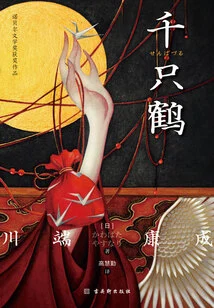
千只鹤(诺贝尔文学奖获奖作品)
G
"A Thousand Cranes" is one of Kawabata Yasunari's Nobel Prize-winning works. Many years after his father passed away, young Kikuji suddenly received an invitation from Kurimoto to attend a tea party. During the dinner, Kikuji met Miss Yukiko and later Miss Shimamura. In addition, Kikuji also accidentally came into contact with Mrs. Ota, who had a close relationship with his father. This triggered a bizarre love story involving two generations...
"A Thousand Cranes" is one of Kawabata Yasunari's Nobel Prize-winning works. Many years after his father passed away, young Kikuji suddenly received an invitation from Kurimoto to attend a tea party. During the dinner, Kikuji met Miss Yukiko and later Miss Shimamura. In addition, Kikuji also accidentally came into contact with Mrs. Ota, who had a close relationship with his father. This triggered a bizarre love story involving two generations...
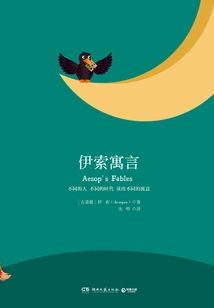
Aesop's Fables (new)
Literature伊索寓言(新)
G
"Aesop's Fables" is one of the ancient and widely circulated collections of fables. It embodies the hidden truths in daily life through short and concise stories. Among them, the well-known short stories include "The Farmer and the Snake", "The Fox and the Grapes", "The Tortoise and the Hare", "The Thirsty Crow", "The Coming Wolf", etc. They are concise and comprehensive and rich in philosophy.
"Aesop's Fables" is one of the ancient and widely circulated collections of fables. It embodies the hidden truths in daily life through short and concise stories. Among them, the well-known short stories include "The Farmer and the Snake", "The Fox and the Grapes", "The Tortoise and the Hare", "The Thirsty Crow", "The Coming Wolf", etc. They are concise and comprehensive and rich in philosophy.
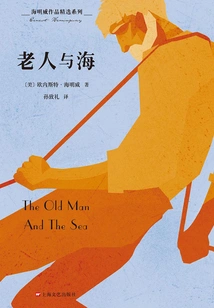
海明威作品精选系列:老人与海
G
"The Old Man and the Sea" was created in 1951 and is one of Hemingway's most famous works. It tells the story of an old fisherman's heroic fight with a huge marlin in the sea. Santiago, an old Cuban fisherman, finally caught a big marlin alone after eighty-four consecutive days without catching a fish. However, the fish was so big that he dragged his boat on the sea for three days before exhaustion. He killed it and tied it to the side of the boat. During the return trip, he was repeatedly attacked by sharks. When he finally returned to port, only the head, tail and a spine were left. During the days when old Santiago was at sea, his long-lost friend Manolin had been waiting loyally at the seaside, welcoming his return with confidence. Although this novel is short in length, it is rich in meaning. It creates a typical tough guy image in the history of literature, promotes the spirit of struggle that is not afraid of hardships, and brings Hemingway's simple and clear writing style into play. It has received numerous praises since its publication and established Hemingway's unshakable position in the British and American literary circles of the twentieth century.
"The Old Man and the Sea" was created in 1951 and is one of Hemingway's most famous works. It tells the story of an old fisherman's heroic fight with a huge marlin in the sea. Santiago, an old Cuban fisherman, finally caught a big marlin alone after eighty-four consecutive days without catching a fish. However, the fish was so big that he dragged his boat on the sea for three days before exhaustion. He killed it and tied it to the side of the boat. During the return trip, he was repeatedly attacked by sharks. When he finally returned to port, only the head, tail and a spine were left. During the days when old Santiago was at sea, his long-lost friend Manolin had been waiting loyally at the seaside, welcoming his return with confidence. Although this novel is short in length, it is rich in meaning. It creates a typical tough guy image in the history of literature, promotes the spirit of struggle that is not afraid of hardships, and brings Hemingway's simple and clear writing style into play. It has received numerous praises since its publication and established Hemingway's unshakable position in the British and American literary circles of the twentieth century.

Eugenie Grandet
Literature欧也妮?葛朗台
G
Fu Lei (April 7, 1908 - September 3, 1966) was a famous Chinese translator, writer, educator, and art critic. In his early years, he studied abroad at the University of Paris in France. He has translated a large number of French works, including works by Balzac, Romain Rolland, Voltaire and other famous writers. In the early 1960s, Fu Lei was admitted as a member of the French Balzac Research Society for his outstanding contributions in translating Balzac's works. Mr. Fu Lei has been translating Hong Fu throughout his life, and his translation career lasted for thirty years. His translations are characterized by expressiveness, smooth writing, rich word use, and good color changes. "Eugénie Grandet" Grandet, a typical miser, symbolizes the God of modern people, the God of Wealth with boundless power and ruthless face. In order to make a lot of money, he exploited outsiders; in order to save a small amount of money, he was mean to his family members. The shackles of gold and unfortunate love contributed to Eugenie Grandet's double tragedy. Among Balzac's novels, this is a work with the most classical structure. The article is concise, concise, elegant and natural, and can be regarded as the simplest epic.
Fu Lei (April 7, 1908 - September 3, 1966) was a famous Chinese translator, writer, educator, and art critic. In his early years, he studied abroad at the University of Paris in France. He has translated a large number of French works, including works by Balzac, Romain Rolland, Voltaire and other famous writers. In the early 1960s, Fu Lei was admitted as a member of the French Balzac Research Society for his outstanding contributions in translating Balzac's works. Mr. Fu Lei has been translating Hong Fu throughout his life, and his translation career lasted for thirty years. His translations are characterized by expressiveness, smooth writing, rich word use, and good color changes. "Eugénie Grandet" Grandet, a typical miser, symbolizes the God of modern people, the God of Wealth with boundless power and ruthless face. In order to make a lot of money, he exploited outsiders; in order to save a small amount of money, he was mean to his family members. The shackles of gold and unfortunate love contributed to Eugenie Grandet's double tragedy. Among Balzac's novels, this is a work with the most classical structure. The article is concise, concise, elegant and natural, and can be regarded as the simplest epic.

Selected Stories from Balzac
General Fiction巴尔扎克中短篇小说选
G
"Balzac's Selected Novels and Novels (Collector's Edition)" does not seek to be large-scale or comprehensive. Every book included in the light classics has been carefully selected and is of moderate length. The translators are all experts and scholars in their respective fields. The translations have been tested repeatedly by the market and time, and their quality is trustworthy. The translator carefully revised and polished the translation, and added necessary annotations to famous Western allusions, major historical events, characters, etc., To make the text more perfect.
"Balzac's Selected Novels and Novels (Collector's Edition)" does not seek to be large-scale or comprehensive. Every book included in the light classics has been carefully selected and is of moderate length. The translators are all experts and scholars in their respective fields. The translations have been tested repeatedly by the market and time, and their quality is trustworthy. The translator carefully revised and polished the translation, and added necessary annotations to famous Western allusions, major historical events, characters, etc., To make the text more perfect.
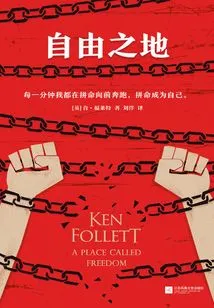
Land of Freedom
General Fiction自由之地
G
Readers from all over the world spend an average of one night reading it! The suspenseful masterpiece by Ken Follett, the author of "Fall of Giants" and master of all-night novels. Two passionate young people embarked on a thrilling escape between three cities. Every minute is so real, tense and exciting that it makes your heart beat faster! In a coal mining area in Scotland in 1767, an uneasy force surged: two restless young people - a miner who did not want to be a slave for the rest of his life, and a young lady who did not want to be content with the status quo - they were unwilling to be imprisoned by life and fate, so they tried their best to escape from here, but fell into trouble again and again...
Readers from all over the world spend an average of one night reading it! The suspenseful masterpiece by Ken Follett, the author of "Fall of Giants" and master of all-night novels. Two passionate young people embarked on a thrilling escape between three cities. Every minute is so real, tense and exciting that it makes your heart beat faster! In a coal mining area in Scotland in 1767, an uneasy force surged: two restless young people - a miner who did not want to be a slave for the rest of his life, and a young lady who did not want to be content with the status quo - they were unwilling to be imprisoned by life and fate, so they tried their best to escape from here, but fell into trouble again and again...
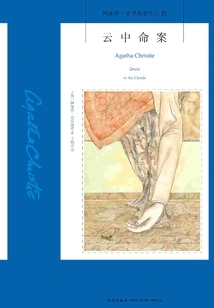
Murder in the Clouds
General Fiction云中命案
G
On the Prometheus flight to Paris, Poirot was worried about airsickness. A beautiful girl was enamored of the handsome young man sitting opposite, a doctor was playing the flute, two archaeologists were discussing academic issues enthusiastically, and a countess was chatting with herself. Their love rivals exchanged false greetings... However, no one noticed that the elderly French woman in the second seat had been unknowingly taken away by a mysterious hand, and a poisonous needle that only appeared in novels fell at her feet...
On the Prometheus flight to Paris, Poirot was worried about airsickness. A beautiful girl was enamored of the handsome young man sitting opposite, a doctor was playing the flute, two archaeologists were discussing academic issues enthusiastically, and a countess was chatting with herself. Their love rivals exchanged false greetings... However, no one noticed that the elderly French woman in the second seat had been unknowingly taken away by a mysterious hand, and a poisonous needle that only appeared in novels fell at her feet...
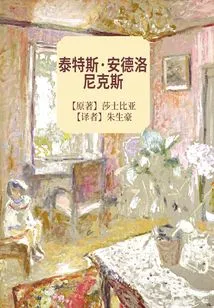
Titus Andronicus
Literature泰特斯·安德洛尼克斯
G
"Titus Andronicus" is a tragedy written by the English playwright William Shakespeare, first published in 1594. The play tells the story of Lavinia, a beautiful lady from a well-known family who was brutally tortured. Her father Titus retaliates in kind, leading to an equally horrifying feast of human flesh. The play tells a truth: Heaven is not indifferent to the sins in the world. This play is Shakespeare's early work. The play has a profound description of the psychological and physical pain suffered by political prisoners, and also depicts the cruel scenes of brutal massacres in detail.
"Titus Andronicus" is a tragedy written by the English playwright William Shakespeare, first published in 1594. The play tells the story of Lavinia, a beautiful lady from a well-known family who was brutally tortured. Her father Titus retaliates in kind, leading to an equally horrifying feast of human flesh. The play tells a truth: Heaven is not indifferent to the sins in the world. This play is Shakespeare's early work. The play has a profound description of the psychological and physical pain suffered by political prisoners, and also depicts the cruel scenes of brutal massacres in detail.
Julius Caesar
Literature裘力斯·凯撒
G
"Julius Caesar" (also translated as Julius Caesar, Julius Caesar) is a drama written by the British playwright Shakespeare. The plot of "Julius Caesar" revolves around the struggle between two political parties in ancient Rome. In the play, Caesar is the representative of the autocratic faction. He has great achievements and strives to expand his own power, so it is inevitable to wear the imperial robe. However, the republicans headed by Cassius and others oppose personal dictatorship and attempt to eradicate Caesar's power. However, they are weak and weak, so they enlist the highly respected Brutus to participate in their actions. Led by Brutus, the Republicans assassinated Caesar. Afterwards, Caesar's confidant Antony incited the Roman people with passionate speeches, causing them to change their original intentions and turn against Brutus, and expelled Brutus and others from the city of Rome. Finally, under siege by the soldiers of Antony and others, Brutus committed suicide and the republic was destroyed.
"Julius Caesar" (also translated as Julius Caesar, Julius Caesar) is a drama written by the British playwright Shakespeare. The plot of "Julius Caesar" revolves around the struggle between two political parties in ancient Rome. In the play, Caesar is the representative of the autocratic faction. He has great achievements and strives to expand his own power, so it is inevitable to wear the imperial robe. However, the republicans headed by Cassius and others oppose personal dictatorship and attempt to eradicate Caesar's power. However, they are weak and weak, so they enlist the highly respected Brutus to participate in their actions. Led by Brutus, the Republicans assassinated Caesar. Afterwards, Caesar's confidant Antony incited the Roman people with passionate speeches, causing them to change their original intentions and turn against Brutus, and expelled Brutus and others from the city of Rome. Finally, under siege by the soldiers of Antony and others, Brutus committed suicide and the republic was destroyed.
Y
LiteratureY
G
"Antony and Cleopatra" is a Roman tragedy written by Shakespeare around 1607. It is derived from "Lives of the Greeks and Romans" written by the ancient Roman historian Plutarch. The play tells the story of one of the three chief leaders of Rome at that time: Antony was obsessed with the beauty of Queen Cleopatra of Egypt and had no time to attend to national affairs. He spent all day hanging out with her in Egypt, drunkenly and dreamily. Later, Rome suffered from the rebellion of Sextus Pompeii, the invasion of pirates, the invasion of the Eastern Parthians, and the news that Antony's wife died because of his failure to challenge Caesar. Finally, he cheered up and returned to Rome resolutely to serve his motherland. Antony then reconciled with Octavian because of the situation and married his sister to consolidate their political relationship. This also made Cleopatra sad and angry. Finally, after all the wars were reconciled and subsided, Anthony couldn't wait to return to the Queen of Egypt. Later, Pompey was killed and his colleague Lepides was deposed, which led to the final confrontation between Antony and Octavian. In the battle at sea, Antony unwisely followed the Queen of Egypt to escape and was defeated, and eventually committed suicide in grief. Cleopatra finally saw Octavian's true face and committed suicide.
"Antony and Cleopatra" is a Roman tragedy written by Shakespeare around 1607. It is derived from "Lives of the Greeks and Romans" written by the ancient Roman historian Plutarch. The play tells the story of one of the three chief leaders of Rome at that time: Antony was obsessed with the beauty of Queen Cleopatra of Egypt and had no time to attend to national affairs. He spent all day hanging out with her in Egypt, drunkenly and dreamily. Later, Rome suffered from the rebellion of Sextus Pompeii, the invasion of pirates, the invasion of the Eastern Parthians, and the news that Antony's wife died because of his failure to challenge Caesar. Finally, he cheered up and returned to Rome resolutely to serve his motherland. Antony then reconciled with Octavian because of the situation and married his sister to consolidate their political relationship. This also made Cleopatra sad and angry. Finally, after all the wars were reconciled and subsided, Anthony couldn't wait to return to the Queen of Egypt. Later, Pompey was killed and his colleague Lepides was deposed, which led to the final confrontation between Antony and Octavian. In the battle at sea, Antony unwisely followed the Queen of Egypt to escape and was defeated, and eventually committed suicide in grief. Cleopatra finally saw Octavian's true face and committed suicide.
X
LiteratureX
G
It is a comedy written by the British playwright William Shakespeare. "A Midsummer Night's Dream" is a romantic comedy that tells a love story in which lovers finally get married.
It is a comedy written by the British playwright William Shakespeare. "A Midsummer Night's Dream" is a romantic comedy that tells a love story in which lovers finally get married.

U
LiteratureU
G
"Troilus and Cressida" is a play written by the English playwright William Shakespeare. It is a tragedy and was first published in 1609. The play mainly tells two stories: one is the story of the famous Trojan War in ancient history; the other is the love story of Troilus and Cressida that unfolded against the backdrop of the Trojan War. The play reflects the theme of idealism being shattered under the cruel reality through the tragic love between Troilus and Cressida.
"Troilus and Cressida" is a play written by the English playwright William Shakespeare. It is a tragedy and was first published in 1609. The play mainly tells two stories: one is the story of the famous Trojan War in ancient history; the other is the love story of Troilus and Cressida that unfolded against the backdrop of the Trojan War. The play reflects the theme of idealism being shattered under the cruel reality through the tragic love between Troilus and Cressida.
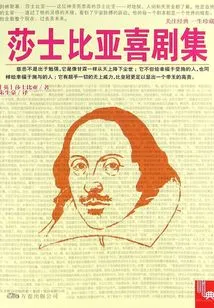
Shakespeare's Comedies (collection)
Literature莎士比亚喜剧集(典藏)
G
This "Shakespeare's Comedies" contains four of Shakespeare's comedies, including "A Midsummer Night's Dream" (1595-1596), "The Merchant of Venice" (1596-1597), "As You Like It" (1599-1600), and "Twelfth Night" (1599-1600). These dramas mainly write about love, friendship and marriage. The themes are similar, but the plots are vivid, rich and unconventional. The intricate plots are often composed of many deceptions, coincidences, disguises and adventures. The work shines with the light of humanistic ideals, is full of joyful atmosphere and optimistic spirit, praises the beautiful love and innocent friendship of mankind, and has eternal charm.
This "Shakespeare's Comedies" contains four of Shakespeare's comedies, including "A Midsummer Night's Dream" (1595-1596), "The Merchant of Venice" (1596-1597), "As You Like It" (1599-1600), and "Twelfth Night" (1599-1600). These dramas mainly write about love, friendship and marriage. The themes are similar, but the plots are vivid, rich and unconventional. The intricate plots are often composed of many deceptions, coincidences, disguises and adventures. The work shines with the light of humanistic ideals, is full of joyful atmosphere and optimistic spirit, praises the beautiful love and innocent friendship of mankind, and has eternal charm.
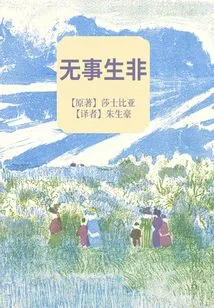
U
LiteratureU
G
"Much Ado About Nothing" is a play written by the British playwright William Shakespeare. It was written in 1598-1599. This comedy is a work from Shakespeare's mature writing period. It tells two types of love stories of that era: one is Hero and Claudius, who follow social norms and family status concepts and represent a traditional union; the other is initially mocking each other and refusing to give in. In the end, they fell in love with each other. The perfect union of Benedick and Beatrice. In this comedy, Shakespeare explores self-awareness, sincerity and mutual respect between men and women. And issues such as social order.
"Much Ado About Nothing" is a play written by the British playwright William Shakespeare. It was written in 1598-1599. This comedy is a work from Shakespeare's mature writing period. It tells two types of love stories of that era: one is Hero and Claudius, who follow social norms and family status concepts and represent a traditional union; the other is initially mocking each other and refusing to give in. In the end, they fell in love with each other. The perfect union of Benedick and Beatrice. In this comedy, Shakespeare explores self-awareness, sincerity and mutual respect between men and women. And issues such as social order.
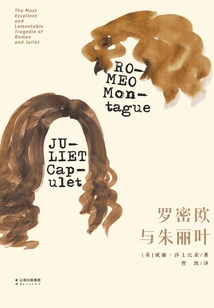
G
LiteratureG
G
There are two big families in the city of Vanluona who have a feud and kill each other, but in the embrace of hatred, a pair of star-crossed lovers are born. They talked to each other in the language of poetry in the garden at night, and tasted despair in the dark tomb. This is a real event that happened in Italy. Through Shakespeare's wonderful writing, it became synonymous with "love". Taking the love tragedy of "Romeo and Juliet" as the prototype, later writers wrote countless masterpieces, but none of them surpassed Shakespeare. Shakespeare is the eternal master in the elaboration of language and the development of plot.
There are two big families in the city of Vanluona who have a feud and kill each other, but in the embrace of hatred, a pair of star-crossed lovers are born. They talked to each other in the language of poetry in the garden at night, and tasted despair in the dark tomb. This is a real event that happened in Italy. Through Shakespeare's wonderful writing, it became synonymous with "love". Taking the love tragedy of "Romeo and Juliet" as the prototype, later writers wrote countless masterpieces, but none of them surpassed Shakespeare. Shakespeare is the eternal master in the elaboration of language and the development of plot.
Julius Caesar
Literature裘力斯·凯撒
G
The plot of "Julius Caesar" revolves around the struggle between two political parties in ancient Rome. In the play, Caesar is the representative of the autocratic faction. He has great achievements and strives to expand his own power, so it is inevitable to wear the imperial robe. However, the republicans headed by Cassius and others oppose personal dictatorship and attempt to eradicate Caesar's power. However, they are weak and weak, so they enlist the highly respected Brutus to participate in their actions. Led by Brutus, the Republicans assassinated Caesar. Afterwards, Caesar's confidant Antony incited the Roman people with passionate speeches, causing them to change their original intentions and turn against Brutus, and expelled Brutus and others from the city of Rome. Finally, under siege by the soldiers of Antony and others, Brutus committed suicide and the republic was destroyed.
The plot of "Julius Caesar" revolves around the struggle between two political parties in ancient Rome. In the play, Caesar is the representative of the autocratic faction. He has great achievements and strives to expand his own power, so it is inevitable to wear the imperial robe. However, the republicans headed by Cassius and others oppose personal dictatorship and attempt to eradicate Caesar's power. However, they are weak and weak, so they enlist the highly respected Brutus to participate in their actions. Led by Brutus, the Republicans assassinated Caesar. Afterwards, Caesar's confidant Antony incited the Roman people with passionate speeches, causing them to change their original intentions and turn against Brutus, and expelled Brutus and others from the city of Rome. Finally, under siege by the soldiers of Antony and others, Brutus committed suicide and the republic was destroyed.
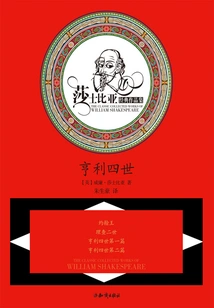
享利四世(莎士比亚经典作品集)
G
"Henry IV" is the most successful and popular of Shakespeare's historical dramas, and is regarded as the representative work of Shakespeare's historical dramas. The main content of this work is to reflect the process of Henry IV and his princes' desperate struggle against the rebellious princes and nobles. Shakespeare breaks through the network structure of traditional historical dramas in which multiple clues intertwine and develop, and adopts a structure in which two clues develop in parallel - the clue of court life represented by Henry IV and the clue of city life represented by Falstaff.
"Henry IV" is the most successful and popular of Shakespeare's historical dramas, and is regarded as the representative work of Shakespeare's historical dramas. The main content of this work is to reflect the process of Henry IV and his princes' desperate struggle against the rebellious princes and nobles. Shakespeare breaks through the network structure of traditional historical dramas in which multiple clues intertwine and develop, and adopts a structure in which two clues develop in parallel - the clue of court life represented by Henry IV and the clue of city life represented by Falstaff.
U
LiteratureU
G
"The Comedy of Errors" is a play written by the English playwright William Shakespeare. It is a comedy and was first published in 1623. "The Comedy of Errors" tells the story of the Syracuse merchant Igin's family who were separated for many years and finally reunited. It vividly reflects the social life and customs of Britain in the 16th century, and embodies the spirit of the Renaissance and the beautiful ideals of Shakespeare's humanism, which has certain ideological significance.
"The Comedy of Errors" is a play written by the English playwright William Shakespeare. It is a comedy and was first published in 1623. "The Comedy of Errors" tells the story of the Syracuse merchant Igin's family who were separated for many years and finally reunited. It vividly reflects the social life and customs of Britain in the 16th century, and embodies the spirit of the Renaissance and the beautiful ideals of Shakespeare's humanism, which has certain ideological significance.
G
LiteratureG
G
"King Lear" is a play written by Shakespeare and is one of his four major tragedies. The story comes from an ancient British legend, and the story itself happened around the 8th century. Later, many plays were compiled in the UK. In addition to Shakespeare, there is also an earlier unknown work among the existing plays. It is generally believed that Shakespeare's King Lear was adapted from this play. The story tells that after the aged King Lear abdicated the throne, he was driven into the wilderness by his eldest daughter and his second daughter. The third daughter, who became the Queen of France, led an army to save her father, but was killed. King Lear died sadly beside her.
"King Lear" is a play written by Shakespeare and is one of his four major tragedies. The story comes from an ancient British legend, and the story itself happened around the 8th century. Later, many plays were compiled in the UK. In addition to Shakespeare, there is also an earlier unknown work among the existing plays. It is generally believed that Shakespeare's King Lear was adapted from this play. The story tells that after the aged King Lear abdicated the throne, he was driven into the wilderness by his eldest daughter and his second daughter. The third daughter, who became the Queen of France, led an army to save her father, but was killed. King Lear died sadly beside her.
Married at Last (shakespeare Comedy Series)
General Fiction终成眷属(莎士比亚喜剧系列)
G
The latest classic version of FLTRP! "Finally Married" tells the story of how a beautiful and talented heroine goes to great lengths to win the love of a noble-born, arrogant and superficial playboy.
The latest classic version of FLTRP! "Finally Married" tells the story of how a beautiful and talented heroine goes to great lengths to win the love of a noble-born, arrogant and superficial playboy.
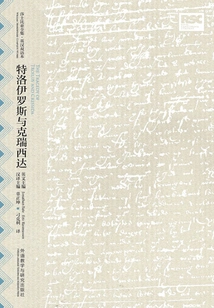
特洛伊罗斯与克瑞西达:英汉对照(莎士比亚悲剧系列)
G
"Troilus and Cressida" tells the story of the Trojan War and the love tragedy of Troilus and Cressida during the war.
"Troilus and Cressida" tells the story of the Trojan War and the love tragedy of Troilus and Cressida during the war.
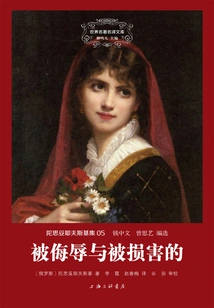
Insulted and Harmed
General Fiction被侮辱与被损害的
G
"The Insulted and Injured" was serialized in issues 1 to 7 of The Times in 1861. Because it is a long series, in order to attract readers, the plot of the novel must be fascinating, with ups and downs, climax after another, and it must be interrupted suddenly when it reaches the climax, so that people can continue to read the next issue. Therefore, this type of novel was called "essay-style novel" at that time, and it was famous for its tense and tortuous plot. This book is the first important work Dostoevsky completed after returning to Petersburg from exile. The novel describes the tragedy of two families caused by the bourgeois adventurer Valkovsky. First, he embezzled the only farm belonging to the poor and declining Ikhmenev noble family, and ruined the marriage between Ikhmenev's daughter Natasha and his son Alyosha in order to marry Katya, who had a millionaire fortune, as his daughter-in-law. The other is the old man Smith's family. His daughter was abandoned by Valkovsky from beginning to end, defrauded of her property, and died of poverty and illness. Smith eventually died of poverty. Smith's granddaughter cannot forgive her father, Valkovsky. Her stubbornness and crazy spirit of resistance arouse people's sympathy for those who are "insulted and damaged" and their hatred for the dark society, which shows the realism power of the novel. In the novel, these unfortunate people are often resigned, showing a sense of despair with no way out.
"The Insulted and Injured" was serialized in issues 1 to 7 of The Times in 1861. Because it is a long series, in order to attract readers, the plot of the novel must be fascinating, with ups and downs, climax after another, and it must be interrupted suddenly when it reaches the climax, so that people can continue to read the next issue. Therefore, this type of novel was called "essay-style novel" at that time, and it was famous for its tense and tortuous plot. This book is the first important work Dostoevsky completed after returning to Petersburg from exile. The novel describes the tragedy of two families caused by the bourgeois adventurer Valkovsky. First, he embezzled the only farm belonging to the poor and declining Ikhmenev noble family, and ruined the marriage between Ikhmenev's daughter Natasha and his son Alyosha in order to marry Katya, who had a millionaire fortune, as his daughter-in-law. The other is the old man Smith's family. His daughter was abandoned by Valkovsky from beginning to end, defrauded of her property, and died of poverty and illness. Smith eventually died of poverty. Smith's granddaughter cannot forgive her father, Valkovsky. Her stubbornness and crazy spirit of resistance arouse people's sympathy for those who are "insulted and damaged" and their hatred for the dark society, which shows the realism power of the novel. In the novel, these unfortunate people are often resigned, showing a sense of despair with no way out.
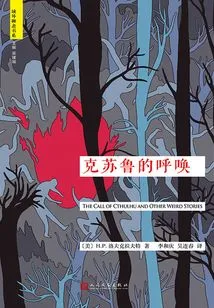
Call of Cthulhu ("outside the World" Book Series)
General Fiction克苏鲁的呼唤(“域外聊斋”书系)
G
In 1928, the American writer H. P. Lovecraft published the short story "The Call of Cthulhu", which was the beginning of the famous "Cthulhu Mythos System" in the history of horror and fantasy novels in the world. This book contains a total of nine Lovecraft representative novels, including "The Call of Cthulhu", "Dagon" and "At the Mountains of Madness". Although these novels are independent chapters, their contents often refer to each other. Together, they build the prototype of the "Cthulhu Mythos System". In 1999, "Call of Cthulhu" was included in the famous classic literature series - Penguin Classics. I think the most merciful thing in the world is that the human brain is unable to connect all the thoughts in the brain. Nowadays, we live on a quiet island of ignorance in the middle of a dark sea, but this does not mean that we must go sailing and explore. Although scientific research in various fields has tried its best to develop along its own trajectory, it has not caused us any harm so far. If we can one day piece together all the unrelated knowledge, then what will appear in front of us will be a very scary reality, and our situation will be full of fear. Until then, we will either be driven mad by the known truth, or we will flee the light and enter a new age of calm and darkness. --"Call of Cthulhu"
In 1928, the American writer H. P. Lovecraft published the short story "The Call of Cthulhu", which was the beginning of the famous "Cthulhu Mythos System" in the history of horror and fantasy novels in the world. This book contains a total of nine Lovecraft representative novels, including "The Call of Cthulhu", "Dagon" and "At the Mountains of Madness". Although these novels are independent chapters, their contents often refer to each other. Together, they build the prototype of the "Cthulhu Mythos System". In 1999, "Call of Cthulhu" was included in the famous classic literature series - Penguin Classics. I think the most merciful thing in the world is that the human brain is unable to connect all the thoughts in the brain. Nowadays, we live on a quiet island of ignorance in the middle of a dark sea, but this does not mean that we must go sailing and explore. Although scientific research in various fields has tried its best to develop along its own trajectory, it has not caused us any harm so far. If we can one day piece together all the unrelated knowledge, then what will appear in front of us will be a very scary reality, and our situation will be full of fear. Until then, we will either be driven mad by the known truth, or we will flee the light and enter a new age of calm and darkness. --"Call of Cthulhu"
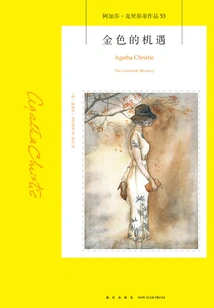
Golden Opportunity
General Fiction金色的机遇
G
The mysterious disappearance of Lord Listerdale; a newlywed woman who is afraid of her husband; a precious necklace hidden in a cherry basket; a mystery writer arrested for murder; an unprecedented marriage plan; can you get a wife with only two pence? Of course, as long as you seize that golden opportunity! ... A relaxing and romantic love adventure, an unexpected ending like O. Henry, and twelve bedtime sketches that will take you into a golden dreamland.
The mysterious disappearance of Lord Listerdale; a newlywed woman who is afraid of her husband; a precious necklace hidden in a cherry basket; a mystery writer arrested for murder; an unprecedented marriage plan; can you get a wife with only two pence? Of course, as long as you seize that golden opportunity! ... A relaxing and romantic love adventure, an unexpected ending like O. Henry, and twelve bedtime sketches that will take you into a golden dreamland.
Timon of Athens
Literature雅典的泰门
G
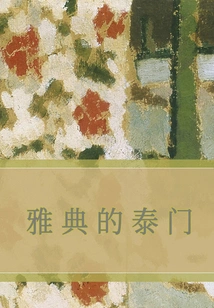
"Timon of Athens" is the last tragedy written by the British playwright William Shakespeare, which was written around 1607-1608. The plot tells the story of the Athenian nobleman Timon, who was generous and charitable by nature, so many people took the opportunity to come and defraud him of money. Later, he went bankrupt, his "friends" left him one after another, and finally died alone in despair. The script exposes the dominant role of money and the evils of money worship. When the protagonist Timon was rich, those dignitaries surrounded him like flies biting blood. When he went bankrupt, they ignored him. Facing the cruel reality, Timon finally woke up and understood that they had never loved him, all they loved was his money.
"Timon of Athens" is the last tragedy written by the British playwright William Shakespeare, which was written around 1607-1608. The plot tells the story of the Athenian nobleman Timon, who was generous and charitable by nature, so many people took the opportunity to come and defraud him of money. Later, he went bankrupt, his "friends" left him one after another, and finally died alone in despair. The script exposes the dominant role of money and the evils of money worship. When the protagonist Timon was rich, those dignitaries surrounded him like flies biting blood. When he went bankrupt, they ignored him. Facing the cruel reality, Timon finally woke up and understood that they had never loved him, all they loved was his money.
Second Bloodstain
General Fiction第二块血迹
G
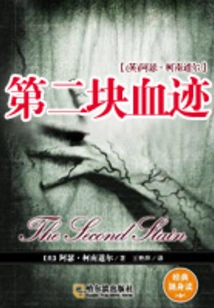
A top-secret document about the country is missing. Once the contents are leaked, war will break out across Europe... The Prime Minister personally visits Baker Street, trying to recover the damage... The tense international situation is about to break out... Can Holmes recover the stolen document? Can the amazing detective turn the tide this time?
A top-secret document about the country is missing. Once the contents are leaked, war will break out across Europe... The Prime Minister personally visits Baker Street, trying to recover the damage... The tense international situation is about to break out... Can Holmes recover the stolen document? Can the amazing detective turn the tide this time?
Crime and Punishment (classic Translation by Geng Ji)
General Fiction罪与罚(耿济之经典译本)
G
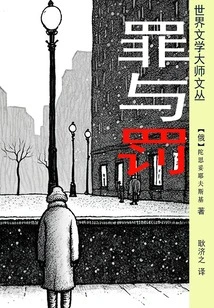
"Crime and Punishment" is an outstanding social psychological novel. It heartily analyzes the psychology of criminals and tears apart the gloomy veil of society. It is the masterpiece that won Dostoevsky world-wide reputation. The novel describes a poor college student, Raskolnikov, who was forced to commit murder due to the pressure of making a living. After experiencing a painful inner struggle, he met the girl with a holy soul, Sonia, a prostitute who fell into prostitution for the sake of an unfortunate family. This finally led him to the road of atonement and the dawn of new life... The novel takes the protagonist's crime and the conscience and moral punishment he received after the crime as the main line, and extensively describes the desperate situation of the poor in Russian cities and the increasingly acute social contradictions. With true sympathy and full of anger, the author mercilessly presents the darkness, abject poverty, despair and filth of the Russian capital in the 1860s to readers.
"Crime and Punishment" is an outstanding social psychological novel. It heartily analyzes the psychology of criminals and tears apart the gloomy veil of society. It is the masterpiece that won Dostoevsky world-wide reputation. The novel describes a poor college student, Raskolnikov, who was forced to commit murder due to the pressure of making a living. After experiencing a painful inner struggle, he met the girl with a holy soul, Sonia, a prostitute who fell into prostitution for the sake of an unfortunate family. This finally led him to the road of atonement and the dawn of new life... The novel takes the protagonist's crime and the conscience and moral punishment he received after the crime as the main line, and extensively describes the desperate situation of the poor in Russian cities and the increasingly acute social contradictions. With true sympathy and full of anger, the author mercilessly presents the darkness, abject poverty, despair and filth of the Russian capital in the 1860s to readers.
O
General Fictiono
G
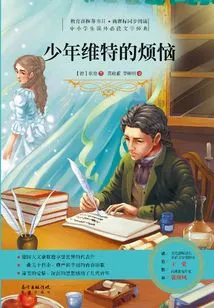
"The Sorrows of Young Werther" is regarded as the most important novel of the Sturm und Drang era. This novel had a very high print run of that era and triggered a "reading craze". The novel is written in the form of an epistolary letter and adopts the first person point of view. It tells the story of Werther's "wonderful joy" when he first arrived in Valheim, the respectable and lovely villagers and priests around him, and his heartbeat and pure emotions when he first met Lotte. Everything is so beautiful that it makes people have the urge to cry. However, Lotte was already engaged, and Werther followed the advice and found a small position in the official residence. However, he could not stand the minister's faultfinding, and was judged as arrogant by the people around him because of his unworldly thoughts. In the end, he was humiliated at a party, so he resigned and returned to Walheim. But the lovely and innocent old acquaintance was gone forever, but Werther was trapped in a fruitless love for Lotte and couldn't extricate himself, and finally committed suicide by drinking a bullet.
"The Sorrows of Young Werther" is regarded as the most important novel of the Sturm und Drang era. This novel had a very high print run of that era and triggered a "reading craze". The novel is written in the form of an epistolary letter and adopts the first person point of view. It tells the story of Werther's "wonderful joy" when he first arrived in Valheim, the respectable and lovely villagers and priests around him, and his heartbeat and pure emotions when he first met Lotte. Everything is so beautiful that it makes people have the urge to cry. However, Lotte was already engaged, and Werther followed the advice and found a small position in the official residence. However, he could not stand the minister's faultfinding, and was judged as arrogant by the people around him because of his unworldly thoughts. In the end, he was humiliated at a party, so he resigned and returned to Walheim. But the lovely and innocent old acquaintance was gone forever, but Werther was trapped in a fruitless love for Lotte and couldn't extricate himself, and finally committed suicide by drinking a bullet.
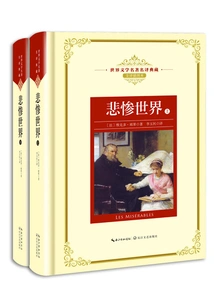
Les Miserables (two Volumes) (authoritative Translation by the Famous Translator Li Yumin)
General Fiction悲惨世界(全二册)(著名翻译家李玉民权威译作)
G
"Les Misérables" mainly tells the story of Jean Valjean, a convict. Jean Valjean, a poor worker who had been in prison for 19 years for stealing a piece of bread, still could not get rid of the label of a hard labor prisoner after he was released from prison.
"Les Misérables" mainly tells the story of Jean Valjean, a convict. Jean Valjean, a poor worker who had been in prison for 19 years for stealing a piece of bread, still could not get rid of the label of a hard labor prisoner after he was released from prison.
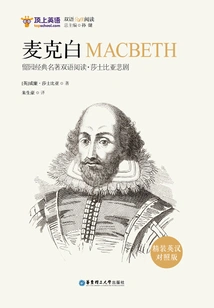
Macbeth (english-chinese Version)
General Fiction麦克白(英汉对照版)
G
"Macbeth" tells the story of General Macbeth, cousin of King Duncan of Scotland, who served the king in suppressing rebellion and resisting invasion. Driven by ambition, he murdered Duncan and became king. In order to cover up others' eyes and prevent others from seizing the throne, he gradually killed Duncan's bodyguards, Banquo, and the wife and children of the noble Macduff. Fear and suspicion make Macbeth more and more evil and cruel. Lady Macbeth also committed suicide due to a nervous breakdown. With all the rebels and relatives separated, Macbeth faced the siege of Duncan's son and the English reinforcements, and ended up bowing his head.
"Macbeth" tells the story of General Macbeth, cousin of King Duncan of Scotland, who served the king in suppressing rebellion and resisting invasion. Driven by ambition, he murdered Duncan and became king. In order to cover up others' eyes and prevent others from seizing the throne, he gradually killed Duncan's bodyguards, Banquo, and the wife and children of the noble Macduff. Fear and suspicion make Macbeth more and more evil and cruel. Lady Macbeth also committed suicide due to a nervous breakdown. With all the rebels and relatives separated, Macbeth faced the siege of Duncan's son and the English reinforcements, and ended up bowing his head.
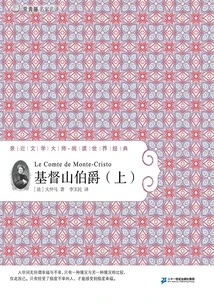
The Count of Monte Cristo (part 1)
General Fiction基督山伯爵(上)
G
"The Count of Monte Cristo" mainly describes a story of revenge that took place during the French Bourbon Dynasty. Dantes, the young first mate of the Pharaon ship, was entrusted by the captain to deliver a letter to the Napoleonic party before his death. He was framed by two despicable villains and the insidious prosecutor Villefort, and was imprisoned on death row. Depriving him of the beautiful sunshine, love and future that should have belonged to him. Eighteen years later, he escaped from prison with the secret told to him by his fellow inmate Faria before his death. After finding the treasure hidden by Faria, he became extremely rich. From then on, he changed his name to the Count of Monte Cristo. After careful planning, he repaid his benefactor and punished three enemies who wanted to kill him.
"The Count of Monte Cristo" mainly describes a story of revenge that took place during the French Bourbon Dynasty. Dantes, the young first mate of the Pharaon ship, was entrusted by the captain to deliver a letter to the Napoleonic party before his death. He was framed by two despicable villains and the insidious prosecutor Villefort, and was imprisoned on death row. Depriving him of the beautiful sunshine, love and future that should have belonged to him. Eighteen years later, he escaped from prison with the secret told to him by his fellow inmate Faria before his death. After finding the treasure hidden by Faria, he became extremely rich. From then on, he changed his name to the Count of Monte Cristo. After careful planning, he repaid his benefactor and punished three enemies who wanted to kill him.

Crime and Punishment (part 1 and 2)
General Fiction罪与罚(上下)
G
"Crime and Punishment" is an excellent social psychological novel and the masterpiece that won Dostoevsky worldwide reputation. The novel takes the protagonist's crime and the punishment of his conscience and morality as the main line, and extensively describes the desperate plight of the poor in Russian cities and the increasingly acute social contradictions. With true sympathy and full of anger, the author mercilessly presents the darkness, abject poverty, despair and filth of the Russian capital in the 1860s to readers.
"Crime and Punishment" is an excellent social psychological novel and the masterpiece that won Dostoevsky worldwide reputation. The novel takes the protagonist's crime and the punishment of his conscience and morality as the main line, and extensively describes the desperate plight of the poor in Russian cities and the increasingly acute social contradictions. With true sympathy and full of anger, the author mercilessly presents the darkness, abject poverty, despair and filth of the Russian capital in the 1860s to readers.
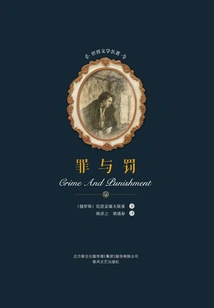
Q
General Fictionq
G
Raskolnikov, a college student, lives in a rented shabby room and relies on the little pension saved by his mother and borrowing debts. In order to struggle out of the predicament, in order not to implicate his mother and sister, but also to practice his "theory" and test whether he is a "lice" like everyone else, or an "extraordinary person" like Napoleon, he took a desperate risk and hacked to death an old loan sharking woman with an axe. Although things didn't go so smoothly, due to various coincidences, he escaped from the scene safely. The police have never been able to find conclusive evidence. However, his conscience and his "theory" were engaged in a fierce struggle almost every moment. He fell into painful mental torture, nervously exposed himself again and again, and even subconsciously went to the murder scene to ring the doorbell again, reliving the painful and terrible ugly feeling. In the end, inspired by the "love" of the prostitute Sonia, he surrendered.
Raskolnikov, a college student, lives in a rented shabby room and relies on the little pension saved by his mother and borrowing debts. In order to struggle out of the predicament, in order not to implicate his mother and sister, but also to practice his "theory" and test whether he is a "lice" like everyone else, or an "extraordinary person" like Napoleon, he took a desperate risk and hacked to death an old loan sharking woman with an axe. Although things didn't go so smoothly, due to various coincidences, he escaped from the scene safely. The police have never been able to find conclusive evidence. However, his conscience and his "theory" were engaged in a fierce struggle almost every moment. He fell into painful mental torture, nervously exposed himself again and again, and even subconsciously went to the murder scene to ring the doorbell again, reliving the painful and terrible ugly feeling. In the end, inspired by the "love" of the prostitute Sonia, he surrendered.
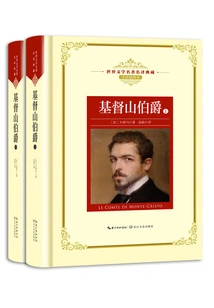
The Count of Monte Cristo (two Volumes in Total) (a Classic Among Alexandre Dumas' Novels)
General Fiction基督山伯爵(共二册)(大仲马小说中的经典之作)
G
In the history of human literature, "The Count of Monte Cristo" can truly be called a great life-changing novel. It has brought hope that cannot be weakened by any setbacks to people who have been insulted and damaged for thousands of years.
In the history of human literature, "The Count of Monte Cristo" can truly be called a great life-changing novel. It has brought hope that cannot be weakened by any setbacks to people who have been insulted and damaged for thousands of years.
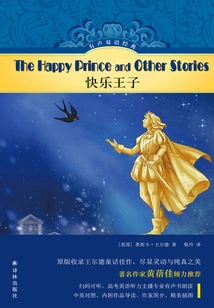
The Happy Prince (audio Bilingual Classic)
General Fiction快乐王子(有声双语经典)
G
The Happy Prince looked down on the city, decked out in gold leaf and decorated with precious gems, but the suffering he saw made him weep and grieve. In order to help the suffering poor, the Happy Prince asked the swallow to become a messenger to deliver the treasure to the people who were in urgent need of money to change their lives. The prince lost his gorgeous clothes and was thrown into the furnace by the city officials. The swallow missed the opportunity to fly south and froze to death at the prince's feet. But their souls were praised and received eternal life.
The Happy Prince looked down on the city, decked out in gold leaf and decorated with precious gems, but the suffering he saw made him weep and grieve. In order to help the suffering poor, the Happy Prince asked the swallow to become a messenger to deliver the treasure to the people who were in urgent need of money to change their lives. The prince lost his gorgeous clothes and was thrown into the furnace by the city officials. The swallow missed the opportunity to fly south and froze to death at the prince's feet. But their souls were praised and received eternal life.