Library
Browse and search books
3 novels found
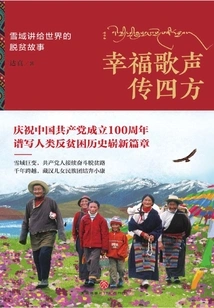
The Song of Happiness Spreads Everywhere: the Poverty Alleviation Story Told to the World by Xueyu
Literature幸福歌声传四方:雪域讲给世界的脱贫故事
Dazhen
This book is a long reportage that truly records the poverty alleviation work in Sichuan Garze Tibetan Autonomous Prefecture. The author spent nearly two years visiting 18 counties in Ganzi, doing a lot of research and thinking at the same time, and described the story of poverty alleviation in the Kham Snow Region from multiple angles. From a historical perspective, it traces back to the early days of the founding of New China, the exchanges and mutual assistance between the Chinese Communists and Kham Tibetan compatriots, and their efforts in the production and construction of the Garze region. From the industrial perspective, a dedicated chapter is dedicated to describing how leaders, cadres and the masses in 18 counties worked together to plan sustainable poverty alleviation industries according to local conditions, and introduced the plateau's extremely valuable agricultural products, livestock breeding, and unique beautiful scenery and Tibetan culture. From the human dimension, with Guo Kaichun as the representative, he focused on the down-to-earth work style of a series of village-based poverty alleviation cadres and the changes in the thinking of the poor people brought about by their efforts. From the educational perspective, it tells a series of stories about young students who were changed by the student aid policy in ethnic minority areas, and strongly illustrates the effectiveness of blocking the intergenerational transmission of poverty. At the end of the book, the author also focuses on the profound significance of the ecological environment for the upcoming moderately prosperous China, and puts forward pertinent suggestions on the ecological protection of the plateau. The entire book is full of pictures and texts, integrating various dimensions to vividly show the struggle process and social status quo of the children of all ethnic groups in Ganzi in the context of poverty alleviation.
This book is a long reportage that truly records the poverty alleviation work in Sichuan Garze Tibetan Autonomous Prefecture. The author spent nearly two years visiting 18 counties in Ganzi, doing a lot of research and thinking at the same time, and described the story of poverty alleviation in the Kham Snow Region from multiple angles. From a historical perspective, it traces back to the early days of the founding of New China, the exchanges and mutual assistance between the Chinese Communists and Kham Tibetan compatriots, and their efforts in the production and construction of the Garze region. From the industrial perspective, a dedicated chapter is dedicated to describing how leaders, cadres and the masses in 18 counties worked together to plan sustainable poverty alleviation industries according to local conditions, and introduced the plateau's extremely valuable agricultural products, livestock breeding, and unique beautiful scenery and Tibetan culture. From the human dimension, with Guo Kaichun as the representative, he focused on the down-to-earth work style of a series of village-based poverty alleviation cadres and the changes in the thinking of the poor people brought about by their efforts. From the educational perspective, it tells a series of stories about young students who were changed by the student aid policy in ethnic minority areas, and strongly illustrates the effectiveness of blocking the intergenerational transmission of poverty. At the end of the book, the author also focuses on the profound significance of the ecological environment for the upcoming moderately prosperous China, and puts forward pertinent suggestions on the ecological protection of the plateau. The entire book is full of pictures and texts, integrating various dimensions to vividly show the struggle process and social status quo of the children of all ethnic groups in Ganzi in the context of poverty alleviation.
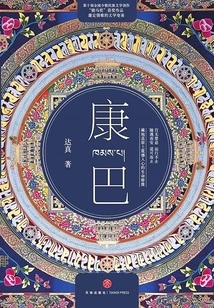
Kamba
General Fiction康巴
Dazhen
"Kham" is the representative work of Tibetan writer Dazhen, and also the winner of the Horse Award. This book realistically focuses on the Kham Tibetan area and the living conditions of the Kham people. It tells three stories that happened in Tibet and has the characteristics of a Kham Tibetan epic. The first part, "The Big Dream," tells the story of the early 20th century, when Zhao Erfeng's reform of the land was coming to an end. Yundeng Gelong, the great chieftain of Kangding, realized in the midst of panic and hesitation that this historical trend was unstoppable. In the midst of endless despair and struggle, he finally learned tolerance and respect, and finally calmly accepted the reality. The middle part "Sad Dream" tells the story of Zheng Yunlong, a young Hui nationality who was trapped in love. After he fled to Kham Tibet with his lover, he realized the huge cultural gap between different faiths. In order to survive, he worked hard to integrate with the local culture, seek common ground while reserving differences, and finally found a new life in the process of adapting. The second part "Awakening Dream" tells the story of the generational grudge between the great businessman Erjin Xia and Jiangyang Chieftain. In the end, only Erjin Xia's daughter Zeyangcuo was left in the two families. Zeyangcuo finally turned hatred into peace with the power of faith and sang "Ode to the Sinner" for the feud. With an epic layout and verve, this book puts the stories of the fate of ordinary people in the context of the great tea-horse trade, and presents those lost historical moments one by one in a meticulous manner, in one go. There are dozens of lifelike group portraits in the book, engraved in relief on the land of Kham, blooming out of the Kham people's struggle with the dangerous natural environment and complex social environment, the vitality of life and the beauty of humanity. The three protagonists and three different beliefs in the book, as well as the turbulent history, disputes and changes in the land of Kham in the past hundred years, comprehensively interpret the integration and harmony of survival, friendship, love, culture and other aspects of different ethnic groups and different beliefs in the same time and space. The three stories have a common theme, that is, Kangding is a very inclusive place, which allows different faiths, different nationalities, and different cultures to meet calmly and harmoniously here, forming Kangding's unique temperament and meaning. At the same time, the language of this book is poetic, beautiful and affectionate. It is a classic work that cannot be ignored in the history of Tibetan, especially Kham Tibetan writing.
"Kham" is the representative work of Tibetan writer Dazhen, and also the winner of the Horse Award. This book realistically focuses on the Kham Tibetan area and the living conditions of the Kham people. It tells three stories that happened in Tibet and has the characteristics of a Kham Tibetan epic. The first part, "The Big Dream," tells the story of the early 20th century, when Zhao Erfeng's reform of the land was coming to an end. Yundeng Gelong, the great chieftain of Kangding, realized in the midst of panic and hesitation that this historical trend was unstoppable. In the midst of endless despair and struggle, he finally learned tolerance and respect, and finally calmly accepted the reality. The middle part "Sad Dream" tells the story of Zheng Yunlong, a young Hui nationality who was trapped in love. After he fled to Kham Tibet with his lover, he realized the huge cultural gap between different faiths. In order to survive, he worked hard to integrate with the local culture, seek common ground while reserving differences, and finally found a new life in the process of adapting. The second part "Awakening Dream" tells the story of the generational grudge between the great businessman Erjin Xia and Jiangyang Chieftain. In the end, only Erjin Xia's daughter Zeyangcuo was left in the two families. Zeyangcuo finally turned hatred into peace with the power of faith and sang "Ode to the Sinner" for the feud. With an epic layout and verve, this book puts the stories of the fate of ordinary people in the context of the great tea-horse trade, and presents those lost historical moments one by one in a meticulous manner, in one go. There are dozens of lifelike group portraits in the book, engraved in relief on the land of Kham, blooming out of the Kham people's struggle with the dangerous natural environment and complex social environment, the vitality of life and the beauty of humanity. The three protagonists and three different beliefs in the book, as well as the turbulent history, disputes and changes in the land of Kham in the past hundred years, comprehensively interpret the integration and harmony of survival, friendship, love, culture and other aspects of different ethnic groups and different beliefs in the same time and space. The three stories have a common theme, that is, Kangding is a very inclusive place, which allows different faiths, different nationalities, and different cultures to meet calmly and harmoniously here, forming Kangding's unique temperament and meaning. At the same time, the language of this book is poetic, beautiful and affectionate. It is a classic work that cannot be ignored in the history of Tibetan, especially Kham Tibetan writing.
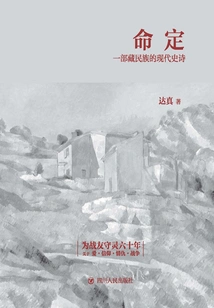
Destiny
General Fiction命定
Dazhen
A lama who is hunted by his lover's family for violating the precepts of adultery, and a tough man from the prairie who is hunted by his enemies for committing impulsive murder, meet on the way to escape. What kind of story will they play out? Turgi and Gonpot never expected that they would be driven by fate to move towards the anti-Japanese front line step by step. The two tough Kham men used their simple and ordinary actions to tell the world the true meaning of faith, life, love, friendship and family affection. The graceful figure of the horse flying on the snow on the battlefield, the scene of Gonpo burying the horse with tears, and Turji's feat of keeping vigil for his comrades for sixty years, all show to the world the Kham men's understanding of the altruistic spirit in their faith. It not only triggers us to question life, but also triggers us to rethink giving and giving, and is deeply impressed by human resilience.
A lama who is hunted by his lover's family for violating the precepts of adultery, and a tough man from the prairie who is hunted by his enemies for committing impulsive murder, meet on the way to escape. What kind of story will they play out? Turgi and Gonpot never expected that they would be driven by fate to move towards the anti-Japanese front line step by step. The two tough Kham men used their simple and ordinary actions to tell the world the true meaning of faith, life, love, friendship and family affection. The graceful figure of the horse flying on the snow on the battlefield, the scene of Gonpo burying the horse with tears, and Turji's feat of keeping vigil for his comrades for sixty years, all show to the world the Kham men's understanding of the altruistic spirit in their faith. It not only triggers us to question life, but also triggers us to rethink giving and giving, and is deeply impressed by human resilience.