Library
Browse and search books
2 novels found
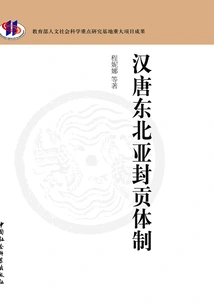
汉唐东北亚封贡体制
Cheng Nina Et Al.
The tribute system in Northeast Asia during the Han and Tang dynasties was a hierarchical political system established between the Han and Tang dynasties and the surrounding ethnic groups and countries. The scope of the tribute system in Northeast Asia during the Han and Tang dynasties can be divided into two parts. The first is the border minority areas outside counties and counties, which are managed by border counties and counties. They include various ethnic governments and primitive clan tribes of varying sizes, mainly the northeastern border areas under the jurisdiction of ancient Chinese dynasties. This book calls it the "inner circle." The second is the countries and regions surrounding the ancient Chinese dynasty. They conducted trade and cultural exchanges with China in the form of tribute, mainly the Korean Peninsula and the Japanese Archipelago, which this book calls the "outer circle." It is worth noting that the two parts are not static, especially the neighboring nations and countries. In certain historical periods, the "outer circle" nations or countries have turned into the "inner circle", and the "inner circle" nations or countries have turned into the "outer circle". The reasons for the changes are complicated. During the Han and Tang Dynasties, the Chinese dynasties experienced great changes from unity to division, and from division to unity again. Northeast Asia's tribute was not abolished because of the division of the Chinese dynasties. Instead, it experienced a change process from a unitary system to a pluralistic system, a dual system, and then returned to a unitary system again. From the Han Dynasty to the Tang Dynasty, the tribute system in Northeast Asia has always been an important political system in this region.
The tribute system in Northeast Asia during the Han and Tang dynasties was a hierarchical political system established between the Han and Tang dynasties and the surrounding ethnic groups and countries. The scope of the tribute system in Northeast Asia during the Han and Tang dynasties can be divided into two parts. The first is the border minority areas outside counties and counties, which are managed by border counties and counties. They include various ethnic governments and primitive clan tribes of varying sizes, mainly the northeastern border areas under the jurisdiction of ancient Chinese dynasties. This book calls it the "inner circle." The second is the countries and regions surrounding the ancient Chinese dynasty. They conducted trade and cultural exchanges with China in the form of tribute, mainly the Korean Peninsula and the Japanese Archipelago, which this book calls the "outer circle." It is worth noting that the two parts are not static, especially the neighboring nations and countries. In certain historical periods, the "outer circle" nations or countries have turned into the "inner circle", and the "inner circle" nations or countries have turned into the "outer circle". The reasons for the changes are complicated. During the Han and Tang Dynasties, the Chinese dynasties experienced great changes from unity to division, and from division to unity again. Northeast Asia's tribute was not abolished because of the division of the Chinese dynasties. Instead, it experienced a change process from a unitary system to a pluralistic system, a dual system, and then returned to a unitary system again. From the Han Dynasty to the Tang Dynasty, the tribute system in Northeast Asia has always been an important political system in this region.
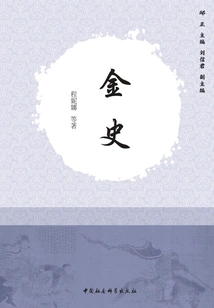
Jinshi
History金史
Cheng Nina Et Al.
In the middle of the 11th century, the Jurchens among the white mountains and black waters began to flourish. In 1115, they established the Jin Kingdom. In just over ten years, they successively destroyed the Liao Dynasty and the Song Dynasty, becoming a powerful northern dynasty. The nearly forty years since the capital of the Kingdom of Jin was located in the Northeast was a period of unprecedented development in the Northeast. The centralized state completed the transformation from the Jurchen old system to the Central Plains-style three provinces and six ministries system, and the local governments basically completed the transformation from the administrative system to the administrative control system, forming a dual governance system with Fuzhou and County and Meng'an Moke system in parallel. The area of cultivated land, agriculture and handicraft technology have reached the best level in history, Confucian culture has been widely spread, the Central Plains culture is the main body at the national level, the grassroots society shows the characteristics of the blending of multi-ethnic cultures, and the "integration" relationship between Northeast China and the Central Plains in all aspects is becoming increasingly closer.
In the middle of the 11th century, the Jurchens among the white mountains and black waters began to flourish. In 1115, they established the Jin Kingdom. In just over ten years, they successively destroyed the Liao Dynasty and the Song Dynasty, becoming a powerful northern dynasty. The nearly forty years since the capital of the Kingdom of Jin was located in the Northeast was a period of unprecedented development in the Northeast. The centralized state completed the transformation from the Jurchen old system to the Central Plains-style three provinces and six ministries system, and the local governments basically completed the transformation from the administrative system to the administrative control system, forming a dual governance system with Fuzhou and County and Meng'an Moke system in parallel. The area of cultivated land, agriculture and handicraft technology have reached the best level in history, Confucian culture has been widely spread, the Central Plains culture is the main body at the national level, the grassroots society shows the characteristics of the blending of multi-ethnic cultures, and the "integration" relationship between Northeast China and the Central Plains in all aspects is becoming increasingly closer.