Library
Browse and search books
4 novels found
中国艺术史(第三卷)
Chen Zhidong
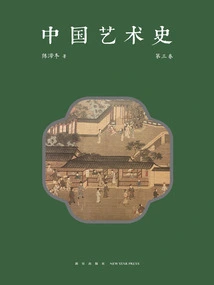
Mr. Chen Zhidong, an art history researcher, painter, calligrapher, and collector, has profound accomplishments in Chinese classical literature and rich experience in artistic creation. The "History of Chinese Art" series, which he spent many years creating, is based on getting rid of the historical view of Western centralism, reinterprets the long development process of Chinese art from a Chinese perspective, and shares the latest academic results and related archaeological discoveries. The book goes back to the period of the Chinese ancestors and ends in the first half of the 19th century, covering painting, calligraphy, architecture, sculpture and other art categories. It also focuses on the social background, creative ideas and humanistic values behind the works of art. It can be said that the "History of Chinese Art" series is not only a comprehensive general history of Chinese art, but also a history of Chinese thought. This volume explores in depth the ups and downs of the development of Chinese art from the second half of the 13th century to the early 20th century. Over the past few hundred years, Chinese society has experienced changes in different dynasties and the rapid development of the outside world, which has resulted in Chinese art taking on a diversified form during several innovations and developments. The rise of the Mongolian nation in the 13th century and the establishment of the Yuan Dynasty not only created the "blue and white porcelain" art trend in the interaction with the world, but also the impact of the Yuan Dynasty on the cultural traditions of the Central Plains prompted artists to use literati paintings as spiritual support in a turbulent society. The complex social environment in the early Ming Dynasty brought about the diversified development of painting art, and at the same time profoundly affected the paradigm of Chinese royal architectural aesthetics. The prosperity of commerce and handicraft industry in the Jiangnan region promoted the rise of individualism, which not only profoundly affected the aesthetics of literati art, but also promoted the development of folk secular art ranging from gardens to the aesthetics of utensils. From the development of woodblock color printing technology that flourished in the late Ming Dynasty to the Qing Dynasty, it played a key role in the popularity and decline of literati paintings. Later, the art of court painting reached its peak in the Qing Dynasty, and an artistic style combining Chinese and Western styles emerged. The dramatic changes in Chinese society during the late Qing Dynasty brought about the prosperity of pseudo-classicism and decorative arts, while the intrusion of the Western world ended the secular aesthetic carnival; China was forced to open its doors and ushered in the "Shanghai style" custom, which opened a new chapter for Chinese art...
Mr. Chen Zhidong, an art history researcher, painter, calligrapher, and collector, has profound accomplishments in Chinese classical literature and rich experience in artistic creation. The "History of Chinese Art" series, which he spent many years creating, is based on getting rid of the historical view of Western centralism, reinterprets the long development process of Chinese art from a Chinese perspective, and shares the latest academic results and related archaeological discoveries. The book goes back to the period of the Chinese ancestors and ends in the first half of the 19th century, covering painting, calligraphy, architecture, sculpture and other art categories. It also focuses on the social background, creative ideas and humanistic values behind the works of art. It can be said that the "History of Chinese Art" series is not only a comprehensive general history of Chinese art, but also a history of Chinese thought. This volume explores in depth the ups and downs of the development of Chinese art from the second half of the 13th century to the early 20th century. Over the past few hundred years, Chinese society has experienced changes in different dynasties and the rapid development of the outside world, which has resulted in Chinese art taking on a diversified form during several innovations and developments. The rise of the Mongolian nation in the 13th century and the establishment of the Yuan Dynasty not only created the "blue and white porcelain" art trend in the interaction with the world, but also the impact of the Yuan Dynasty on the cultural traditions of the Central Plains prompted artists to use literati paintings as spiritual support in a turbulent society. The complex social environment in the early Ming Dynasty brought about the diversified development of painting art, and at the same time profoundly affected the paradigm of Chinese royal architectural aesthetics. The prosperity of commerce and handicraft industry in the Jiangnan region promoted the rise of individualism, which not only profoundly affected the aesthetics of literati art, but also promoted the development of folk secular art ranging from gardens to the aesthetics of utensils. From the development of woodblock color printing technology that flourished in the late Ming Dynasty to the Qing Dynasty, it played a key role in the popularity and decline of literati paintings. Later, the art of court painting reached its peak in the Qing Dynasty, and an artistic style combining Chinese and Western styles emerged. The dramatic changes in Chinese society during the late Qing Dynasty brought about the prosperity of pseudo-classicism and decorative arts, while the intrusion of the Western world ended the secular aesthetic carnival; China was forced to open its doors and ushered in the "Shanghai style" custom, which opened a new chapter for Chinese art...
Idle Flowers and Grass
Literature闲花草
Chen Zhidong
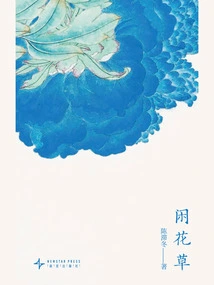
"Life is as long as grass and trees are in autumn." Study the aesthetic culture behind flowers and explore the historical changes of Chinese traditional culture. Chen Zhidong takes you into the artistic world of traditional Chinese flowers. "Idle Flowers" is an exquisite work that integrates art, literature, history and nature. It was created with great devotion by Mr. Chen Zhidong, an art history researcher, painter, calligrapher and collector. Chen Zhudong relied on his profound knowledge of Chinese classical literature and rich artistic creation experience to depict the beauty and charm of traditional Chinese flowers with his unique perspective and delicate brushwork, and shared with readers what he saw, heard, thought and painted about these flowers. The book contains the author's calligraphy and painting works on ten traditional Chinese flowers, including magnolias in early spring and March, banana flowers in the midsummer night rain, plum blossoms blooming in the cold wind of the twelfth lunar month, etc. Each work is accompanied by a detailed explanation, covering traditional cultural origins, botanical knowledge, relevant literary and artistic works and historical allusions, as well as the author's personal experience with these flowers. Reading this book is not only an appreciation of the beauty of Chinese flower-and-bird painting, but also an exploration of the aesthetic development of traditional Chinese culture. It is also a journey of spiritual healing through the dialogue between man and nature.
"Life is as long as grass and trees are in autumn." Study the aesthetic culture behind flowers and explore the historical changes of Chinese traditional culture. Chen Zhidong takes you into the artistic world of traditional Chinese flowers. "Idle Flowers" is an exquisite work that integrates art, literature, history and nature. It was created with great devotion by Mr. Chen Zhidong, an art history researcher, painter, calligrapher and collector. Chen Zhudong relied on his profound knowledge of Chinese classical literature and rich artistic creation experience to depict the beauty and charm of traditional Chinese flowers with his unique perspective and delicate brushwork, and shared with readers what he saw, heard, thought and painted about these flowers. The book contains the author's calligraphy and painting works on ten traditional Chinese flowers, including magnolias in early spring and March, banana flowers in the midsummer night rain, plum blossoms blooming in the cold wind of the twelfth lunar month, etc. Each work is accompanied by a detailed explanation, covering traditional cultural origins, botanical knowledge, relevant literary and artistic works and historical allusions, as well as the author's personal experience with these flowers. Reading this book is not only an appreciation of the beauty of Chinese flower-and-bird painting, but also an exploration of the aesthetic development of traditional Chinese culture. It is also a journey of spiritual healing through the dialogue between man and nature.
中国艺术史(第一卷)
Chen Zhidong
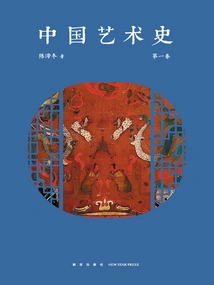
A rich and comprehensive history of Chinese art. The latest original work of the famous scholar-artist Mr. Chen Zhidong explores the historical changes of Chinese art and thought with unique language and perspective. Mr. Chen Zhidong, an art history researcher, painter, calligrapher, and collector, has profound accomplishments in Chinese classical literature and rich experience in artistic creation. The "History of Chinese Art" series, which he spent many years creating, is based on getting rid of the historical view of Western centralism, reinterprets the long development process of Chinese art from a Chinese perspective, and shares the latest academic results and related archaeological discoveries. The book dates from the time of the Chinese ancestors to the early 20th century, covering art categories such as painting, calligraphy, architecture, and sculpture. It also focuses on the social background, creative ideas, and humanistic values behind the works of art. It can be said that the "History of Chinese Art" series is not only a comprehensive general history of Chinese art, but also a history of Chinese thought. This volume shows how the civilizations within the East Asian continent integrated and oscillated from prehistoric times to the late second century AD, eventually forming the mainstream of Chinese culture. Including: China's Neolithic painted pottery culture; unique bronzes and jades in the Shang and Zhou dynasties, as well as the birth of writing: engraving, casting and handwriting; the formation of representative calligraphy art - the change of seal script during the Qin and Han Dynasties; the awakening of painting and painterliness - lines in the plastic arts of the Han Dynasty, and other exciting contents.
A rich and comprehensive history of Chinese art. The latest original work of the famous scholar-artist Mr. Chen Zhidong explores the historical changes of Chinese art and thought with unique language and perspective. Mr. Chen Zhidong, an art history researcher, painter, calligrapher, and collector, has profound accomplishments in Chinese classical literature and rich experience in artistic creation. The "History of Chinese Art" series, which he spent many years creating, is based on getting rid of the historical view of Western centralism, reinterprets the long development process of Chinese art from a Chinese perspective, and shares the latest academic results and related archaeological discoveries. The book dates from the time of the Chinese ancestors to the early 20th century, covering art categories such as painting, calligraphy, architecture, and sculpture. It also focuses on the social background, creative ideas, and humanistic values behind the works of art. It can be said that the "History of Chinese Art" series is not only a comprehensive general history of Chinese art, but also a history of Chinese thought. This volume shows how the civilizations within the East Asian continent integrated and oscillated from prehistoric times to the late second century AD, eventually forming the mainstream of Chinese culture. Including: China's Neolithic painted pottery culture; unique bronzes and jades in the Shang and Zhou dynasties, as well as the birth of writing: engraving, casting and handwriting; the formation of representative calligraphy art - the change of seal script during the Qin and Han Dynasties; the awakening of painting and painterliness - lines in the plastic arts of the Han Dynasty, and other exciting contents.
中国艺术史(第二卷)
Chen Zhidong
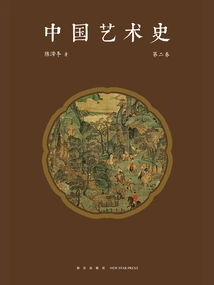
"History of Chinese Art (Volume 2)" (Three Kingdoms, Two Jins, Southern and Northern Dynasties, Sui and Tang to Two Songs) This volume shows the development of Chinese art in the fields of painting, calligraphy, sculpture, architecture, etc., From the third century to the thirteenth century AD. It also pays attention to social changes in different eras and explores the social thoughts and humanistic values behind artistic works. During these thousands of years, the Chinese nation has experienced the blending of various cultures and has been constantly rejuvenated: since the Wei and Jin Dynasties, there has been the integration and development of foreign Buddhist art and local civilization, as well as the formation of local religion-Taoism and its symbiotic dance with calligraphy; during the Sui and Tang Dynasties, figure painting gradually matured, and in the middle of the Tang Dynasty, there was the rise of landscape painting. In the late Tang Dynasty, the rise of flower-and-bird painting and "super realism" painting showed another mood of the times. At the same time, Chinese intellectuals gradually developed research on early Chinese art history, marking the high maturity of Chinese art; then the ink art of the Song Dynasty gradually matured, and calligraphy art and painting art diverged again, affecting the development of Chinese art in the following hundred years; the establishment of literati painting standards epoch-making opened up two aesthetic tendencies, the court and the folk, and Chinese art continued to develop in a more diversified direction...
"History of Chinese Art (Volume 2)" (Three Kingdoms, Two Jins, Southern and Northern Dynasties, Sui and Tang to Two Songs) This volume shows the development of Chinese art in the fields of painting, calligraphy, sculpture, architecture, etc., From the third century to the thirteenth century AD. It also pays attention to social changes in different eras and explores the social thoughts and humanistic values behind artistic works. During these thousands of years, the Chinese nation has experienced the blending of various cultures and has been constantly rejuvenated: since the Wei and Jin Dynasties, there has been the integration and development of foreign Buddhist art and local civilization, as well as the formation of local religion-Taoism and its symbiotic dance with calligraphy; during the Sui and Tang Dynasties, figure painting gradually matured, and in the middle of the Tang Dynasty, there was the rise of landscape painting. In the late Tang Dynasty, the rise of flower-and-bird painting and "super realism" painting showed another mood of the times. At the same time, Chinese intellectuals gradually developed research on early Chinese art history, marking the high maturity of Chinese art; then the ink art of the Song Dynasty gradually matured, and calligraphy art and painting art diverged again, affecting the development of Chinese art in the following hundred years; the establishment of literati painting standards epoch-making opened up two aesthetic tendencies, the court and the folk, and Chinese art continued to develop in a more diversified direction...