Library
Browse and search books
5 novels found
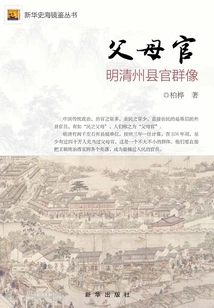
父母官:明清州县官群像
Bai Hua
This is a serious historical work describing grassroots officials in prefectures and counties during the Ming and Qing dynasties in China. This book takes parent officials, a group that directly implements rule to every corner, as the research object. Based on a large number of testable cases, it describes the composition, selection, management system of state and county officials in the Ming and Qing Dynasties, as well as the judicial, financial and other work practices of the Ming and Qing states and counties. It uses their political behavior as an analytical framework, and at the same time draws on Incorporating theories and methods from psychology and administrative management, it focuses on exploring the behavior of parents-in-chief during the specific historical period of the Ming and Qing Dynasties; by analyzing the changes in the political environment in which they governed, the composition of their power is studied; while introducing the power application methods of parents-in-law, it analyzes and explores their inner world and other group laws.
This is a serious historical work describing grassroots officials in prefectures and counties during the Ming and Qing dynasties in China. This book takes parent officials, a group that directly implements rule to every corner, as the research object. Based on a large number of testable cases, it describes the composition, selection, management system of state and county officials in the Ming and Qing Dynasties, as well as the judicial, financial and other work practices of the Ming and Qing states and counties. It uses their political behavior as an analytical framework, and at the same time draws on Incorporating theories and methods from psychology and administrative management, it focuses on exploring the behavior of parents-in-chief during the specific historical period of the Ming and Qing Dynasties; by analyzing the changes in the political environment in which they governed, the composition of their power is studied; while introducing the power application methods of parents-in-law, it analyzes and explores their inner world and other group laws.
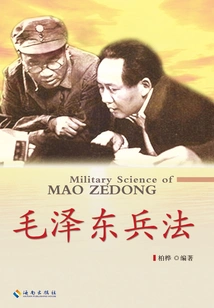
Mao Zedong's Art of War
Military毛泽东兵法
Bai Hua
British scholar Bartman calls Mao Zedong "a figure of the era who holds a full set of keys to unlock the military mysteries of this era." This book analyzes the rise of the military strategist Mao Zedong, the wonders of Mao Zedong's tactics, the depth of Mao Zedong's strategies, and the foundation of Mao Zedong's military management. , Mao Zedong's way of generalship, etc., It explores the content, characteristics and important role of Mao Zedong's Art of War in war, fully demonstrates the historical status and value of Mao Zedong's Art of War, and can also provide guidance and enlightenment in many fields such as politics, economy, and diplomacy. The author uses a wealth of cases to support his analysis of Mao Zedong. The cases are real and perceptible, and the writing is vivid, smooth and fascinating.
British scholar Bartman calls Mao Zedong "a figure of the era who holds a full set of keys to unlock the military mysteries of this era." This book analyzes the rise of the military strategist Mao Zedong, the wonders of Mao Zedong's tactics, the depth of Mao Zedong's strategies, and the foundation of Mao Zedong's military management. , Mao Zedong's way of generalship, etc., It explores the content, characteristics and important role of Mao Zedong's Art of War in war, fully demonstrates the historical status and value of Mao Zedong's Art of War, and can also provide guidance and enlightenment in many fields such as politics, economy, and diplomacy. The author uses a wealth of cases to support his analysis of Mao Zedong. The cases are real and perceptible, and the writing is vivid, smooth and fascinating.
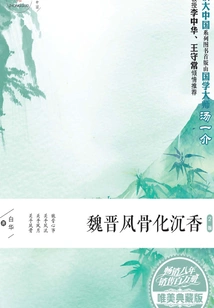
魏晋风骨化沉香(唯美典藏版)
Bai Hua
This book is a comprehensive revision based on the original book. The Wei and Jin Dynasties were a truly troubled time. But troubled times also gave birth to wonderful literary chapters. This book takes the poems and songs of the Wei and Jin Dynasties as clues. It not only talks about politics and celebrities, but also talks about emotions and lovesickness. It also talks about landscapes and seclusion. Based on the story, it uses lyrical words to describe the character and romance of the Wei and Jin Dynasties affectionately.
This book is a comprehensive revision based on the original book. The Wei and Jin Dynasties were a truly troubled time. But troubled times also gave birth to wonderful literary chapters. This book takes the poems and songs of the Wei and Jin Dynasties as clues. It not only talks about politics and celebrities, but also talks about emotions and lovesickness. It also talks about landscapes and seclusion. Based on the story, it uses lyrical words to describe the character and romance of the Wei and Jin Dynasties affectionately.
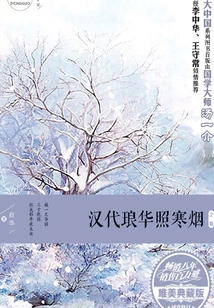
汉代琅华照寒烟(唯美典藏版)
Bai Hua
Han Fu and Yuefu poems are sung with the passion of life, like ancient love letters, strong and fresh, affectionate and sad, singing about the unparalleled splendor of the Han Dynasty and the vicissitudes of the world.
Han Fu and Yuefu poems are sung with the passion of life, like ancient love letters, strong and fresh, affectionate and sad, singing about the unparalleled splendor of the Han Dynasty and the vicissitudes of the world.
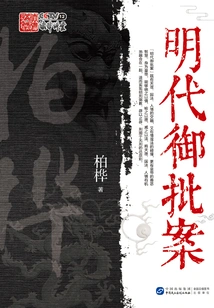
明代御批案
Bai Hua
Qin Shihuang, who established the emperor system, established the principle that "everything in the world, no matter how big or small, is determined by the superior". Therefore, he had to review 120 kilograms of slips and documents every day, which has been used throughout the generations. Zhu Yuanzhang, Taizu of the Ming Dynasty, reviewed an average of 200 documents every day. Although the subsequent 15 emperors were not as diligent as him, they still had to deal with many problems personally under the system where the emperor was the dictator of everything in the world, so they left many imperial approval cases. There are big and small cases of imperial approval. The big ones can alarm the whole country and influence future generations; while the small ones are rarely known, but they reflect the emperor's attitude towards various cases and declare his various ideas. In a case involving princes, nobles, civil and military officials, and three religions and nine schools, the Ming Dynasty emperor's thought-provoking instructions, unexpected judgments, little-known cases, amazing contingencies, and unpredictable imperial power are breathtaking. This book is revised based on the lecture notes broadcast on CCTV Channel 12's "Legal Lecture (Literature and History Edition)".
Qin Shihuang, who established the emperor system, established the principle that "everything in the world, no matter how big or small, is determined by the superior". Therefore, he had to review 120 kilograms of slips and documents every day, which has been used throughout the generations. Zhu Yuanzhang, Taizu of the Ming Dynasty, reviewed an average of 200 documents every day. Although the subsequent 15 emperors were not as diligent as him, they still had to deal with many problems personally under the system where the emperor was the dictator of everything in the world, so they left many imperial approval cases. There are big and small cases of imperial approval. The big ones can alarm the whole country and influence future generations; while the small ones are rarely known, but they reflect the emperor's attitude towards various cases and declare his various ideas. In a case involving princes, nobles, civil and military officials, and three religions and nine schools, the Ming Dynasty emperor's thought-provoking instructions, unexpected judgments, little-known cases, amazing contingencies, and unpredictable imperial power are breathtaking. This book is revised based on the lecture notes broadcast on CCTV Channel 12's "Legal Lecture (Literature and History Edition)".