Library
Browse and search books
374 novels found
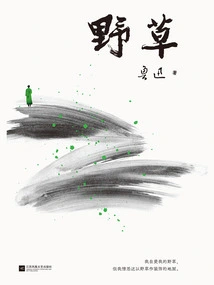
Weed
Literature野草
Lu Xun
Lu Xun once said that his entire life's philosophy is contained in "Weeds". In addition to the complete collection of 23 prose poems full of symbolic meaning in the original work, the new edition of "Weeds" also includes 15 classic Lu Xun poems, as well as 41 classic prose essays from the collections such as "Grave", "Hot Wind" and "Huagai Collection". Reading prose poems reveals Lu Xun's emotions; reading poetry reveals Lu Xun's personality; reading prose essays reveals Lu Xun's thoughts. In this book, Lu Xun showed his fragility, doubt, hesitation, and self-denial to the world, and completed a great spiritual debate through self-examination and self-contradiction. The era awakened a hundred years ago, and the world will awaken a hundred years later. To understand Lu Xun is to understand our society and these people.
Lu Xun once said that his entire life's philosophy is contained in "Weeds". In addition to the complete collection of 23 prose poems full of symbolic meaning in the original work, the new edition of "Weeds" also includes 15 classic Lu Xun poems, as well as 41 classic prose essays from the collections such as "Grave", "Hot Wind" and "Huagai Collection". Reading prose poems reveals Lu Xun's emotions; reading poetry reveals Lu Xun's personality; reading prose essays reveals Lu Xun's thoughts. In this book, Lu Xun showed his fragility, doubt, hesitation, and self-denial to the world, and completed a great spiritual debate through self-examination and self-contradiction. The era awakened a hundred years ago, and the world will awaken a hundred years later. To understand Lu Xun is to understand our society and these people.
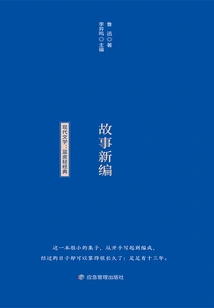
蓝皮轻经典阅读书系:故事新编
Lu Xun
"New Stories" is a collection of short stories written by Mr. Lu Xun based on ancient myths and historical legends. It includes short stories written by Lu Xun between 1922 and 1935. This book mainly takes mythology as its theme, with interesting stories and rich imagination. This book is Mr. Lu Xun's last innovative work. There are five articles in the book written in the last period of his life. The whole work reflects a calm, generous, humorous and free style. Although the article still retains the inherent sadness of Mr. Lu Xun's works, readers can clearly detect more or less humor, which can be said to be "the coexistence of solemnity and absurdity."
"New Stories" is a collection of short stories written by Mr. Lu Xun based on ancient myths and historical legends. It includes short stories written by Lu Xun between 1922 and 1935. This book mainly takes mythology as its theme, with interesting stories and rich imagination. This book is Mr. Lu Xun's last innovative work. There are five articles in the book written in the last period of his life. The whole work reflects a calm, generous, humorous and free style. Although the article still retains the inherent sadness of Mr. Lu Xun's works, readers can clearly detect more or less humor, which can be said to be "the coexistence of solemnity and absurdity."
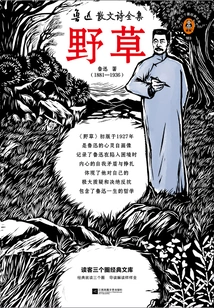
Weed
Literature野草
Lu Xun
More hesitant than "Wandering", and more hoarse than "Scream"! "Weeds" is an inner monologue of Lu Xun, recording Lu Xun's cry from the core of his soul, carrying Lu Xun's survival experience as a "lonely individual", and showing Lu Xun's hesitation and fragility that he never revealed. In "Weeds", Lu Xun exposed all his vulnerabilities to the world, and completed a great spiritual debate in self-torture and self-contradiction. This book is a complete collection of Lu Xun's prose poems, including "Wild Grass" and its prototype "Silloquy". It compiles comprehensive comments from Lu Xun himself and his relatives and friends to restore a true and full Lu Xun for readers.
More hesitant than "Wandering", and more hoarse than "Scream"! "Weeds" is an inner monologue of Lu Xun, recording Lu Xun's cry from the core of his soul, carrying Lu Xun's survival experience as a "lonely individual", and showing Lu Xun's hesitation and fragility that he never revealed. In "Weeds", Lu Xun exposed all his vulnerabilities to the world, and completed a great spiritual debate in self-torture and self-contradiction. This book is a complete collection of Lu Xun's prose poems, including "Wild Grass" and its prototype "Silloquy". It compiles comprehensive comments from Lu Xun himself and his relatives and friends to restore a true and full Lu Xun for readers.
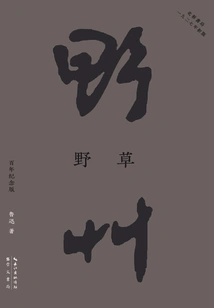
Wild Grass (centennial Edition)
Literature野草(百年纪念版)
Lu Xun
In July 1927, "Wild Grass" was first published by Beixin Book Company, nearly a hundred years ago. The first edition of "Wild Grass" was edited and finalized by Mr. Lu Xun, and included 23 prose poems he wrote between 1924 and 1926. The cover of the book was designed and drawn by the artist Sun Fuxi, the brother of Lu Xun's friend Sun Fuyuan. It was loved by readers as soon as it was launched and is still an irreplaceable classic version today. In this reprint, we focus on recreating the original appearance of the first edition of "Weeds" for readers. In terms of editing, in addition to converting the traditional vertical layout of the first edition into the simplified horizontal layout, only a few text, punctuation and intellectual errors in the first edition were corrected. A large number of Lu Xun's customary words, phrases and sentence patterns in the first edition have been retained as they are. In terms of binding, a double cover design is adopted, and the inner cover is the restored original first edition cover. Mr. Lu Xun's works remain timeless. I hope that this reprinted version of "Weeds" can accompany readers and be updated every time they read it.
In July 1927, "Wild Grass" was first published by Beixin Book Company, nearly a hundred years ago. The first edition of "Wild Grass" was edited and finalized by Mr. Lu Xun, and included 23 prose poems he wrote between 1924 and 1926. The cover of the book was designed and drawn by the artist Sun Fuxi, the brother of Lu Xun's friend Sun Fuyuan. It was loved by readers as soon as it was launched and is still an irreplaceable classic version today. In this reprint, we focus on recreating the original appearance of the first edition of "Weeds" for readers. In terms of editing, in addition to converting the traditional vertical layout of the first edition into the simplified horizontal layout, only a few text, punctuation and intellectual errors in the first edition were corrected. A large number of Lu Xun's customary words, phrases and sentence patterns in the first edition have been retained as they are. In terms of binding, a double cover design is adopted, and the inner cover is the restored original first edition cover. Mr. Lu Xun's works remain timeless. I hope that this reprinted version of "Weeds" can accompany readers and be updated every time they read it.
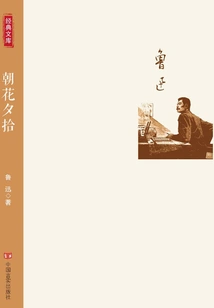
朝花夕拾
Lu Xun
"Morning Blossoms Plucked at Dusk" is Lu Xun's only collection of retrospective essays. "Morning Blossoms Plucked at Dusk" was a name later modified by Lu Xun, also known as "Revisiting Old Things". "Chao" means morning, here refers to the early years; "Xi" means evening, here refers to the old age. The title of the book means flowers that bloom in the morning and are picked or picked up in the evening. This refers to Mr. Lu Xun's memories of people and events in his childhood, adolescence, and middle age in his later years.
"Morning Blossoms Plucked at Dusk" is Lu Xun's only collection of retrospective essays. "Morning Blossoms Plucked at Dusk" was a name later modified by Lu Xun, also known as "Revisiting Old Things". "Chao" means morning, here refers to the early years; "Xi" means evening, here refers to the old age. The title of the book means flowers that bloom in the morning and are picked or picked up in the evening. This refers to Mr. Lu Xun's memories of people and events in his childhood, adolescence, and middle age in his later years.
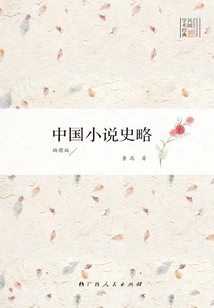
中国小说史略(插图版)
Lu Xun
This book is the first work in the study of the history of Chinese novels and a landmark academic work in the twentieth century. It mainly discusses the artistic techniques and evolutionary trends of Chinese classical novels, and analyzes the ideas and art of novels in the past dynasties. It is concise and comprehensive, and the judgment is fair. Lu Xun took the lead in systematically studying novels as a specialized subject, creating a new field of research on ancient Chinese literature and establishing an independent system for the history of Chinese novels.
This book is the first work in the study of the history of Chinese novels and a landmark academic work in the twentieth century. It mainly discusses the artistic techniques and evolutionary trends of Chinese classical novels, and analyzes the ideas and art of novels in the past dynasties. It is concise and comprehensive, and the judgment is fair. Lu Xun took the lead in systematically studying novels as a specialized subject, creating a new field of research on ancient Chinese literature and establishing an independent system for the history of Chinese novels.
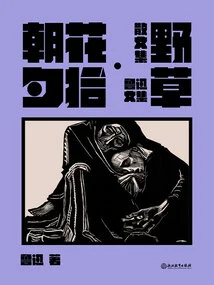
朝花夕拾·野草
Lu Xun
"Morning Blossoms Plucked at Dusk" is a collection of autobiographical essays by Lu Xun. It was originally called "Revisiting Old Things" and was first published in 1928. It includes 10 essays written by Lu Xun in 1926. They not only review Lu Xun's youth and boyhood, but also reflect the changes in Chinese society from the late Qing Dynasty to the Republic of China, as well as the touching traditional Chinese humanities and worldliness that flowed through them. "Wild Grass" was first published in 1927. It is Lu Xun's only collection of prose poems, including 23 works written from 1924 to 1926. Combining free-style poetry and prose poetry, these works are both free and casual, yet have the condensation of poetry, and are full of philosophical exploration of the meaning of life. Compared with "Picking Up Flowers in the Morning and Evening", Lu Xun's personal emotions in "Weeds" are stronger and deeper. "For my own sake, for the sake of friend and foe, man and beast, those whom I love and those whom I do not love, I hope for the swift death and decay of this wild grass."
"Morning Blossoms Plucked at Dusk" is a collection of autobiographical essays by Lu Xun. It was originally called "Revisiting Old Things" and was first published in 1928. It includes 10 essays written by Lu Xun in 1926. They not only review Lu Xun's youth and boyhood, but also reflect the changes in Chinese society from the late Qing Dynasty to the Republic of China, as well as the touching traditional Chinese humanities and worldliness that flowed through them. "Wild Grass" was first published in 1927. It is Lu Xun's only collection of prose poems, including 23 works written from 1924 to 1926. Combining free-style poetry and prose poetry, these works are both free and casual, yet have the condensation of poetry, and are full of philosophical exploration of the meaning of life. Compared with "Picking Up Flowers in the Morning and Evening", Lu Xun's personal emotions in "Weeds" are stronger and deeper. "For my own sake, for the sake of friend and foe, man and beast, those whom I love and those whom I do not love, I hope for the swift death and decay of this wild grass."
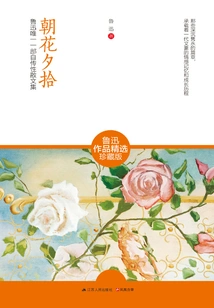
朝花夕拾
Lu Xun
"Morning Blossoms Plucked at Dusk" is Lu Xun's only collection of retrospective essays, including ten essays, which relatively completely records his life experience and ideological context from childhood to youth, and vividly depicts a picture of the social landscape of the late Qing Dynasty and the early Republic of China. Those unforgettable childhood anecdotes and those characters with distinctive personalities come to life in Mr. Lu Xun's memories full of love and warmth.
"Morning Blossoms Plucked at Dusk" is Lu Xun's only collection of retrospective essays, including ten essays, which relatively completely records his life experience and ideological context from childhood to youth, and vividly depicts a picture of the social landscape of the late Qing Dynasty and the early Republic of China. Those unforgettable childhood anecdotes and those characters with distinctive personalities come to life in Mr. Lu Xun's memories full of love and warmth.
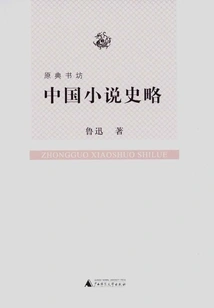
A Brief History of Chinese Novels
General Fiction中国小说史略
Lu Xun
"A Brief History of Chinese Novels" was originally Lu Xun's lecture notes on the history of Chinese novels at Peking University, with a total of twenty-eight articles. It was written in 1924 and published by Beijing Beixin Book Company in 1925. This book is the first monograph on the history of Chinese novels compiled by Mr. Lu Xun. The book has a total of twenty-eight chapters, describing the occurrence, development, and evolution of ancient Chinese novels, starting from myths and legends and ending with condemnation novels in the late Qing Dynasty. This book has a rich collection of materials and collected them carefully. It analyzes the thought and art of the novels of the past dynasties with concise words and accurate judgments. It is a landmark classic work in the 20th century. This book is also the first work in the study of the history of Chinese novels. It studies classical novels from a modern perspective and examines literary works from an aesthetic perspective. Together with Wang Guowei's "History of Song and Yuan Operas", it is known as "the two gems in the study of Chinese literature and art history".
"A Brief History of Chinese Novels" was originally Lu Xun's lecture notes on the history of Chinese novels at Peking University, with a total of twenty-eight articles. It was written in 1924 and published by Beijing Beixin Book Company in 1925. This book is the first monograph on the history of Chinese novels compiled by Mr. Lu Xun. The book has a total of twenty-eight chapters, describing the occurrence, development, and evolution of ancient Chinese novels, starting from myths and legends and ending with condemnation novels in the late Qing Dynasty. This book has a rich collection of materials and collected them carefully. It analyzes the thought and art of the novels of the past dynasties with concise words and accurate judgments. It is a landmark classic work in the 20th century. This book is also the first work in the study of the history of Chinese novels. It studies classical novels from a modern perspective and examines literary works from an aesthetic perspective. Together with Wang Guowei's "History of Song and Yuan Operas", it is known as "the two gems in the study of Chinese literature and art history".
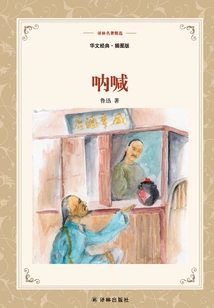
The Scream (selected Translations of Lin's Masterpieces)
General Fiction呐喊(译林名著精选)
Lu Xun
"The Scream" is a collection of short stories written by Lu Xun from 1918 to 1922, and is one of Lu Xun's masterpieces. It contains fourteen works including "Diary of a Madman" and "Kong Yiji". The work truly depicts social life from the Revolution of 1911 to the May 4th Movement. Starting from revolutionary democracy, with the purpose of Enlightenment and the spirit of humanitarianism, it reveals various deep-seated social contradictions, deeply analyzes and relatively completely negates China's old system and outdated traditional concepts, and shows a strong sense of worry for national survival and a strong desire for social change. It also contains eight works in "New Stories".
"The Scream" is a collection of short stories written by Lu Xun from 1918 to 1922, and is one of Lu Xun's masterpieces. It contains fourteen works including "Diary of a Madman" and "Kong Yiji". The work truly depicts social life from the Revolution of 1911 to the May 4th Movement. Starting from revolutionary democracy, with the purpose of Enlightenment and the spirit of humanitarianism, it reveals various deep-seated social contradictions, deeply analyzes and relatively completely negates China's old system and outdated traditional concepts, and shows a strong sense of worry for national survival and a strong desire for social change. It also contains eight works in "New Stories".
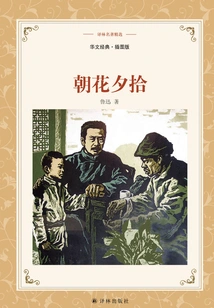
Picking up Flowers in the Morning and Evening (selected Translation of Lin's Masterpieces)
Literature朝花夕拾(译林名著精选)
Lu Xun
"Morning Blossoms Plucked at Dusk" is a collection of ten essays written by Lu Xun in 1926. These ten essays record Lu Xun's main experiences from childhood to youth, recall many family members, partners, relatives and friends, and present a picture of life in the late Qing Dynasty and the early Republic of China. These chapters mainly inherit the characteristics of traditional Chinese prose. The writing style is friendly, long-lasting, profound and meaningful. They are classics in modern prose. This book also includes the complete version of "Weeds", as well as some chapters of "Huagai Collection", "Huagai Collection Continuation", "Qiejieting Essays", "Qiejieting Essays Final Edition", and "Collection Supplements and Supplements".
"Morning Blossoms Plucked at Dusk" is a collection of ten essays written by Lu Xun in 1926. These ten essays record Lu Xun's main experiences from childhood to youth, recall many family members, partners, relatives and friends, and present a picture of life in the late Qing Dynasty and the early Republic of China. These chapters mainly inherit the characteristics of traditional Chinese prose. The writing style is friendly, long-lasting, profound and meaningful. They are classics in modern prose. This book also includes the complete version of "Weeds", as well as some chapters of "Huagai Collection", "Huagai Collection Continuation", "Qiejieting Essays", "Qiejieting Essays Final Edition", and "Collection Supplements and Supplements".
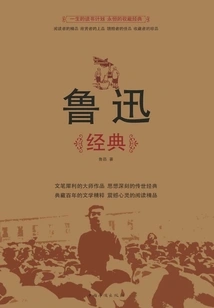
Lu Xun Classics
Literature鲁迅经典
Lu Xun
As one of the world's cultural giants in the 20th century, Lu Xun can be called the national soul of modern China. His spirit has profoundly influenced generations of Chinese people. This book is the complete collection of Lu Xun's classic works. It includes the most representative works of Lu Xun's short story collections "Scream", "Wandering", "New Stories", the collection of essays "Morning Flowers Picked at Dusk" and "Weeds", as well as excellent essays.
As one of the world's cultural giants in the 20th century, Lu Xun can be called the national soul of modern China. His spirit has profoundly influenced generations of Chinese people. This book is the complete collection of Lu Xun's classic works. It includes the most representative works of Lu Xun's short story collections "Scream", "Wandering", "New Stories", the collection of essays "Morning Flowers Picked at Dusk" and "Weeds", as well as excellent essays.
Diary of a Madman
General Fiction狂人日记
Lu Xun
This book contains the entire length of Lu Xun's novel collections "Scream" and "Wandering". Lu Xun's novels are not numerous in number, but they are all classics. Most of their contents are based on the morbid real society, and they have profound thoughts on the soul of the nation and the fate of intellectuals. At the same time, he is good at understanding and exploring the intrinsic nature of problems from the perspective of the life and death of the country and the nation, and casting typical artistic images, so it has extremely high artistic value. Lu Xun's works are worthy of being a mirror of Chinese society from the Revolution of 1911 to the First Civil Revolutionary War, and can be called a model of modern literature.
This book contains the entire length of Lu Xun's novel collections "Scream" and "Wandering". Lu Xun's novels are not numerous in number, but they are all classics. Most of their contents are based on the morbid real society, and they have profound thoughts on the soul of the nation and the fate of intellectuals. At the same time, he is good at understanding and exploring the intrinsic nature of problems from the perspective of the life and death of the country and the nation, and casting typical artistic images, so it has extremely high artistic value. Lu Xun's works are worthy of being a mirror of Chinese society from the Revolution of 1911 to the First Civil Revolutionary War, and can be called a model of modern literature.
New Story
General Fiction故事新编
Lu Xun
"New Stories" is a collection of short stories written by Mr. Lu Xun based on ancient myths and historical legends. It includes 8 works written by him in different periods. "New Story" is different from "The Scream" and "Wandering" in terms of material selection and writing method. Mr. Lu Xun himself believed that this was a collection of "myths, legends and historical facts".
"New Stories" is a collection of short stories written by Mr. Lu Xun based on ancient myths and historical legends. It includes 8 works written by him in different periods. "New Story" is different from "The Scream" and "Wandering" in terms of material selection and writing method. Mr. Lu Xun himself believed that this was a collection of "myths, legends and historical facts".
The Complete Works of Lu Xun (volume 1)
Literature鲁迅全集(第一卷)
Lu Xun
In October 1936, Mr. Lu Xun passed away in Shanghai. Mr. Lu Xun Memorial Committee is\
In October 1936, Mr. Lu Xun passed away in Shanghai. Mr. Lu Xun Memorial Committee is\
Weed
Literature野草
Lu Xun
Lu Xun once said that his whole life's philosophy is in "Weeds". The new edition of "Wild Grass" selects 74 short but meaningful poems. The book is divided into four parts. The opening chapter completely reproduces "Wild Grass", and the remaining three parts select short essays full of tension and charm from "Huagai Collection", "Zhun Feng Yue Tan", "San Xian Collection", "Ji Wai Collection" and "Qiejieting Essays". The tension of the article is the tension of personality, and the dimension of writing is also the dimension of personality - angry, but fun at the same time; profound, but proficient in the game; provocative, but always self-deprecating and critical... Perhaps we can understand our own philosophy of life from Mr. Da's words.
Lu Xun once said that his whole life's philosophy is in "Weeds". The new edition of "Wild Grass" selects 74 short but meaningful poems. The book is divided into four parts. The opening chapter completely reproduces "Wild Grass", and the remaining three parts select short essays full of tension and charm from "Huagai Collection", "Zhun Feng Yue Tan", "San Xian Collection", "Ji Wai Collection" and "Qiejieting Essays". The tension of the article is the tension of personality, and the dimension of writing is also the dimension of personality - angry, but fun at the same time; profound, but proficient in the game; provocative, but always self-deprecating and critical... Perhaps we can understand our own philosophy of life from Mr. Da's words.
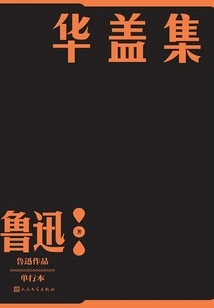
Huagaiji
Literature华盖集
Lu Xun
"Huagai Collection" is a book published by Beixin Book Company in 1926. The author is Lu Xun. It collects 31 essays written by Lu Xun in 1925, including "Easy Words", "Youth Must Read", "The Soul of Debate", "Three Insects in the Summer", "Sudden Thoughts", "I View Peking University", "Fragments", etc. Published by Beixin Book Company in 1926.
"Huagai Collection" is a book published by Beixin Book Company in 1926. The author is Lu Xun. It collects 31 essays written by Lu Xun in 1925, including "Easy Words", "Youth Must Read", "The Soul of Debate", "Three Insects in the Summer", "Sudden Thoughts", "I View Peking University", "Fragments", etc. Published by Beixin Book Company in 1926.
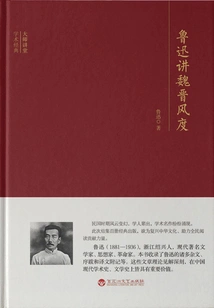
鲁迅讲魏晋风度
Lu Xun
This book contains many of Lu Xun's essays, prefaces and postscripts, and translation notes. These articles have profound theoretical insights and are of great value and significance in the history of modern Chinese academic and literary history.
This book contains many of Lu Xun's essays, prefaces and postscripts, and translation notes. These articles have profound theoretical insights and are of great value and significance in the history of modern Chinese academic and literary history.
The Complete Works of Lu Xun (volume 14)
Literature鲁迅全集(第十四卷)
Lu Xun
This book is the fourteenth volume compiled based on the collection of Chinese writer, thinker and revolutionary Mr. Lu Xun, including "Letters (1936 to Foreigners)" and other works.
This book is the fourteenth volume compiled based on the collection of Chinese writer, thinker and revolutionary Mr. Lu Xun, including "Letters (1936 to Foreigners)" and other works.
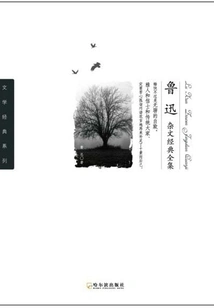
鲁迅杂文经典全集
Lu Xun
"Grave", "Hot Wind", "Huagai Collection", "Continuation of Huagai Collection", "Just Collection", "Sanxian Collection", "Erxin Collection", "Nanqianbeidiao Collection", "Pseudo Free Letters", "Lace Literature", "Qiejieting Essays", this book comprehensively displays the essays of the Chinese literary master Lu Xun, allowing you to fully appreciate the master's literary style.
"Grave", "Hot Wind", "Huagai Collection", "Continuation of Huagai Collection", "Just Collection", "Sanxian Collection", "Erxin Collection", "Nanqianbeidiao Collection", "Pseudo Free Letters", "Lace Literature", "Qiejieting Essays", this book comprehensively displays the essays of the Chinese literary master Lu Xun, allowing you to fully appreciate the master's literary style.
The Complete Works of Lu Xun (volume 16)
Literature鲁迅全集(第十六卷)
Lu Xun
This book is the sixteenth volume compiled based on the collection of Chinese writer, thinker and revolutionary Mr. Lu Xun, including "Diary (1927-1936)" and other works.
This book is the sixteenth volume compiled based on the collection of Chinese writer, thinker and revolutionary Mr. Lu Xun, including "Diary (1927-1936)" and other works.
The Complete Works of Lu Xun (volume 3)
Literature鲁迅全集(第三卷)
Lu Xun
This book is the third volume compiled based on the collection of Chinese writer, thinker and revolutionary Mr. Lu Xun, including "Huagai Collection", "Huagai Collection Sequel", "Jiji Collection" and other works.
This book is the third volume compiled based on the collection of Chinese writer, thinker and revolutionary Mr. Lu Xun, including "Huagai Collection", "Huagai Collection Sequel", "Jiji Collection" and other works.
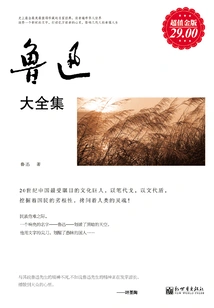
鲁迅大全集(超值金版)
Lu Xun
This book collects the best of Lu Xun's most representative novels, essays, poems, essays, literary treatises, letters, speeches, prefaces and postscripts. It tries its best to present the full picture of his works on the basis of respecting history and original works, so as to present readers with a true, rich and complete work of Lu Xun. At the same time, it is organized into categories, making it clear and easy to read.
This book collects the best of Lu Xun's most representative novels, essays, poems, essays, literary treatises, letters, speeches, prefaces and postscripts. It tries its best to present the full picture of his works on the basis of respecting history and original works, so as to present readers with a true, rich and complete work of Lu Xun. At the same time, it is organized into categories, making it clear and easy to read.
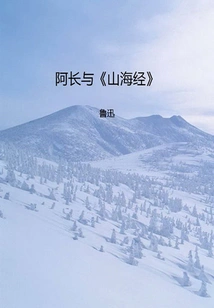
阿长与《山海经》(中文在线典藏版)
Lu Xun
"A Chang and the Classic of Mountains and Seas" is a retrospective narrative prose written by Lu Xun, a modern thinker and writer, in 1926. This article describes Lu Xun's childhood interactions with Chang, and describes the eldest mother's kind, simple yet superstitious, nagging, "full of troublesome etiquette" character. It is full of respect and gratitude for her purchase and gift of the painting "The Book of Mountains and Seas" that he has longed for, and expresses his sincere longing for this working woman and his deep nostalgia for the time when he was young and ignorant. The language of the whole text is plain and vivid, and the true feelings are revealed everywhere. In the narration without any pretense, the readers are brought into the world of the author when he was a child, which makes people feel particularly amiable.
"A Chang and the Classic of Mountains and Seas" is a retrospective narrative prose written by Lu Xun, a modern thinker and writer, in 1926. This article describes Lu Xun's childhood interactions with Chang, and describes the eldest mother's kind, simple yet superstitious, nagging, "full of troublesome etiquette" character. It is full of respect and gratitude for her purchase and gift of the painting "The Book of Mountains and Seas" that he has longed for, and expresses his sincere longing for this working woman and his deep nostalgia for the time when he was young and ignorant. The language of the whole text is plain and vivid, and the true feelings are revealed everywhere. In the narration without any pretense, the readers are brought into the world of the author when he was a child, which makes people feel particularly amiable.
Complete Works of Lu Xun's Prose
Literature鲁迅散文全集
Lu Xun
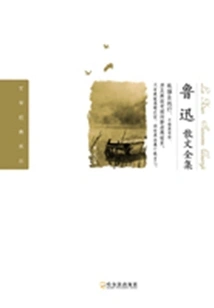
Mr. Lu Xun created two collections of essays in his life, "Morning Blossoms Plucked at Dusk" and "Wild Grass". This is recognized. In an emotional and poetic sense, "Book of Two Places" should also be included. This is a special text that records the spiritual journey of Mr. Lu Xun and his female student Xu Guangping from mutual respect to mutual understanding.
Mr. Lu Xun created two collections of essays in his life, "Morning Blossoms Plucked at Dusk" and "Wild Grass". This is recognized. In an emotional and poetic sense, "Book of Two Places" should also be included. This is a special text that records the spiritual journey of Mr. Lu Xun and his female student Xu Guangping from mutual respect to mutual understanding.
朝花夕拾(天津人民出版社)
Lu Xun
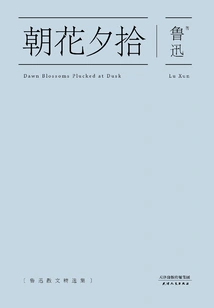
Lu Xun's works have always emphasized the combative side, while ignoring the leisurely, graceful, and even playful side of his literature. The new edition of "Pick Up Morning Blossoms at Dusk" selects 48 beautiful and interesting essays by Mr. Lu Xun. The whole book is divided into four parts: the first part is "Plucked Up at Morning Blossoms at Dusk", where the beautiful memories of childhood linger for a lifetime; the second part is a selection of Mr. Lu Xun's casual essays. Come to the beautiful essay, and enjoy the kites, autumn leaves, and snow in the south of the Yangtze River in your spare time; in the third part, watch the gentleman talk humorously about ancient and modern history; in the fourth part, the people and things in the memory are rippling in the gentleman's writing, quietly and peacefully. Please read these vivid words, get to know a living Lu Xun, and appreciate his fun, richness, grace, and gentleness.
Lu Xun's works have always emphasized the combative side, while ignoring the leisurely, graceful, and even playful side of his literature. The new edition of "Pick Up Morning Blossoms at Dusk" selects 48 beautiful and interesting essays by Mr. Lu Xun. The whole book is divided into four parts: the first part is "Plucked Up at Morning Blossoms at Dusk", where the beautiful memories of childhood linger for a lifetime; the second part is a selection of Mr. Lu Xun's casual essays. Come to the beautiful essay, and enjoy the kites, autumn leaves, and snow in the south of the Yangtze River in your spare time; in the third part, watch the gentleman talk humorously about ancient and modern history; in the fourth part, the people and things in the memory are rippling in the gentleman's writing, quietly and peacefully. Please read these vivid words, get to know a living Lu Xun, and appreciate his fun, richness, grace, and gentleness.
朝花夕拾
Lu Xun
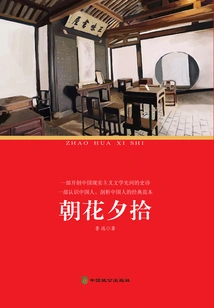
"Morning Blossoms Plucked at Dusk" is the only collection of essays in Mr. Lu Xun's creative career, including ten essays. The first five articles were written in Beijing, and the last five articles were written in Xiamen. These ten essays, according to Mr. Lu Xun, are "notes of memories", which relatively completely record his life experience and ideological context from childhood to youth, and vividly paint a picture of the social landscape of the late Qing Dynasty and the early Republic of China. They are important materials for studying Mr. Lu Xun's early thoughts and life. These works, with profound and meaningful writing style, are classics in modern Chinese prose.
"Morning Blossoms Plucked at Dusk" is the only collection of essays in Mr. Lu Xun's creative career, including ten essays. The first five articles were written in Beijing, and the last five articles were written in Xiamen. These ten essays, according to Mr. Lu Xun, are "notes of memories", which relatively completely record his life experience and ideological context from childhood to youth, and vividly paint a picture of the social landscape of the late Qing Dynasty and the early Republic of China. They are important materials for studying Mr. Lu Xun's early thoughts and life. These works, with profound and meaningful writing style, are classics in modern Chinese prose.
朝花夕拾
Lu Xun
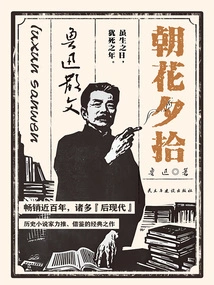
"Morning Blossoms Plucked at Dusk", as a "note of memories", reflects the author Lu Xun's teenage life in many aspects, and vividly reflects the formation of his character and interests. The first seven chapters reflect his childhood life in his family and private school in Shaoxing, while the last three chapters describe his experience of traveling from his hometown to Nanjing, then to Japan to study, and then back to China to teach. This book also collects two classic works of Lu Xun: "Sanxian Collection" and "Outline of the History of Chinese Literature".
"Morning Blossoms Plucked at Dusk", as a "note of memories", reflects the author Lu Xun's teenage life in many aspects, and vividly reflects the formation of his character and interests. The first seven chapters reflect his childhood life in his family and private school in Shaoxing, while the last three chapters describe his experience of traveling from his hometown to Nanjing, then to Japan to study, and then back to China to teach. This book also collects two classic works of Lu Xun: "Sanxian Collection" and "Outline of the History of Chinese Literature".
Shout
General Fiction呐喊
Lu Xun
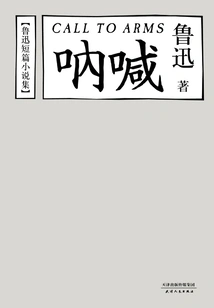
"The Scream" is Lu Xun's first collection of novels. In 1918, the New Culture Movement was at its peak. Lu Xun wrote his first vernacular novel "Diary of a Madman" because of a conversation about the "iron house" with his old friend "Jin Xinyi" (Qian Xuantong). By 1922, as the May Fourth Movement was gradually fading, Lu Xun was invited by Chen Duxiu to publish a collection of his previous novels, with the purpose of "crying out" for the New Culture Movement and comforting those "galloping warriors" in the struggle, so that they could move forward fearlessly. The new edition of "The Scream" completely contains fourteen novels written by Lu Xun from 1918 to 1922, a preface, and a long postscript written by Mr. Chen Danqing specially for the new edition.
"The Scream" is Lu Xun's first collection of novels. In 1918, the New Culture Movement was at its peak. Lu Xun wrote his first vernacular novel "Diary of a Madman" because of a conversation about the "iron house" with his old friend "Jin Xinyi" (Qian Xuantong). By 1922, as the May Fourth Movement was gradually fading, Lu Xun was invited by Chen Duxiu to publish a collection of his previous novels, with the purpose of "crying out" for the New Culture Movement and comforting those "galloping warriors" in the struggle, so that they could move forward fearlessly. The new edition of "The Scream" completely contains fourteen novels written by Lu Xun from 1918 to 1922, a preface, and a long postscript written by Mr. Chen Danqing specially for the new edition.
Hesitant
General Fiction彷徨
Lu Xun
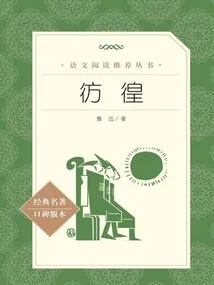
This book contains eleven novels written by the author from 1924 to 1925. They include "Blessings", "In the Restaurant", "Happy Family", "Soap", "Eternal Light", "Public", "Old Master Gao", "The Lonely", "Sorrowful Death", "Brothers" and "Divorce". Lu Xun's novels represent the highest level of modern Chinese novels in terms of their profound content and mature writing skills.
This book contains eleven novels written by the author from 1924 to 1925. They include "Blessings", "In the Restaurant", "Happy Family", "Soap", "Eternal Light", "Public", "Old Master Gao", "The Lonely", "Sorrowful Death", "Brothers" and "Divorce". Lu Xun's novels represent the highest level of modern Chinese novels in terms of their profound content and mature writing skills.
鲁迅全集(全20卷)
Lu Xun
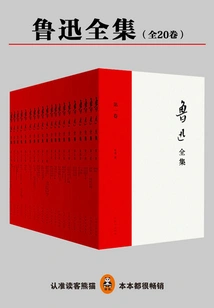
The only unedited and original text of Lu Xun, the most popular and easy-to-read version of Lu Xun on the market! In October 1936, Mr. Lu Xun passed away in Shanghai. Mr. Lu Xun Memorial Committee is\
The only unedited and original text of Lu Xun, the most popular and easy-to-read version of Lu Xun on the market! In October 1936, Mr. Lu Xun passed away in Shanghai. Mr. Lu Xun Memorial Committee is\