Library
Browse and search books
374 novels found
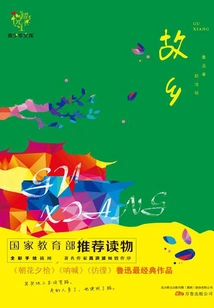
Joyful Growth Youth Library: Hometown
Literature悦成长青少年文库:故乡
Lu Xun
The works "Hometown" are selected from Mr. Lu Xun's collection of novels "The Scream". Among them, "Kong Yiji", "Medicine", "The True Story of Ah Q", "Hometown", etc. Are Mr. Lu Xun's most important masterpieces. I believe they will be loved by readers.
The works "Hometown" are selected from Mr. Lu Xun's collection of novels "The Scream". Among them, "Kong Yiji", "Medicine", "The True Story of Ah Q", "Hometown", etc. Are Mr. Lu Xun's most important masterpieces. I believe they will be loved by readers.
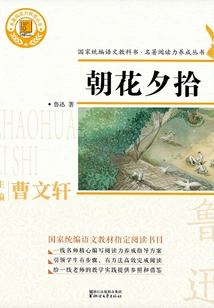
朝花夕拾
Lu Xun
Lu Xun's only collection of retrospective essays. "Morning Blossoms Picked Up at Dusk", formerly known as "Revisiting Old Things", is the only collection of retrospective essays written by Lu Xun. It includes representative works such as "From Baicao Garden to Sanwei Bookstore", "A Chang and the Classic of Mountains and Seas", "Mr. Fujino" and "Fan Ainong". The writing is deep and meaningful, and it relatively completely records his life experience and ideological context from childhood to youth. The book not only creates many characters with distinctive personalities, but also integrates the author's perception of life and current situations into his memories. It contains both warmth and childishness, as well as insight into the sophistication of human nature. It is a classic work in modern Chinese prose. In addition, this book specially invites front-line teachers to carefully write a guidance plan for developing reading comprehension, carefully formulates reading topics based on the requirements of the teaching materials, plans a variety of assessment tasks, and provides exciting side notes, etc., To comprehensively expand students' reading abilities.
Lu Xun's only collection of retrospective essays. "Morning Blossoms Picked Up at Dusk", formerly known as "Revisiting Old Things", is the only collection of retrospective essays written by Lu Xun. It includes representative works such as "From Baicao Garden to Sanwei Bookstore", "A Chang and the Classic of Mountains and Seas", "Mr. Fujino" and "Fan Ainong". The writing is deep and meaningful, and it relatively completely records his life experience and ideological context from childhood to youth. The book not only creates many characters with distinctive personalities, but also integrates the author's perception of life and current situations into his memories. It contains both warmth and childishness, as well as insight into the sophistication of human nature. It is a classic work in modern Chinese prose. In addition, this book specially invites front-line teachers to carefully write a guidance plan for developing reading comprehension, carefully formulates reading topics based on the requirements of the teaching materials, plans a variety of assessment tasks, and provides exciting side notes, etc., To comprehensively expand students' reading abilities.
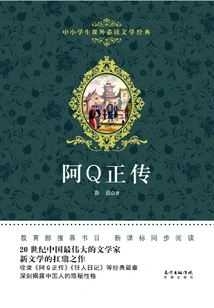
The True Story of Ah Q
Literature阿Q正传
Lu Xun
Based on the background of Weichuang, a rural town before and after the Revolution of 1911, a homeless man named Ah Q, whose main characteristic is "spiritual victory", is created, and the soul of the Chinese people who have been severely harmed both materially and spiritually is depicted. Lu Xun's novels are known for their acrimony. The Ah Q in "The True Story of Ah Q" is a transcendental expression of the spiritual victory method and is the pinnacle of Lu Xun's description of national character.
Based on the background of Weichuang, a rural town before and after the Revolution of 1911, a homeless man named Ah Q, whose main characteristic is "spiritual victory", is created, and the soul of the Chinese people who have been severely harmed both materially and spiritually is depicted. Lu Xun's novels are known for their acrimony. The Ah Q in "The True Story of Ah Q" is a transcendental expression of the spiritual victory method and is the pinnacle of Lu Xun's description of national character.
The Complete Works of Lu Xun (volume 1)
Literature鲁迅全集(第一卷)
Lu Xun
This book is the first volume compiled based on the collection of Chinese writer, thinker and revolutionary Mr. Lu Xun, including works such as "The Grave", "Hot Wind" and "The Scream".
This book is the first volume compiled based on the collection of Chinese writer, thinker and revolutionary Mr. Lu Xun, including works such as "The Grave", "Hot Wind" and "The Scream".
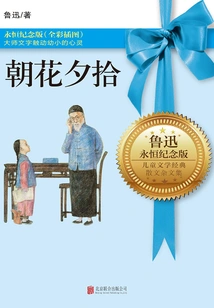
朝花夕拾
Lu Xun
"Morning Blossoms Plucked at Dusk" is the only collection of essays in Mr. Lu Xun's creative career, including ten essays. It relatively completely records his life experience and ideological context from childhood to youth, and vividly depicts a picture of the social landscape at the end of the Qing Dynasty and the beginning of the Republic of China. In addition to Mr. Lu Xun's collection of essays "Moon Moon Flowers Plucked at Dusk", this book also includes some of Mr. Lu Xun's fine essays. These essays embody the brilliance of Mr. Lu Xun's thoughts and wisdom. We hope that through this arrangement, readers can have a more comprehensive understanding of Mr. Lu Xun's literary creation process and style of works, and deeply understand Mr. Lu Xun's literary spirit and humanistic thoughts.
"Morning Blossoms Plucked at Dusk" is the only collection of essays in Mr. Lu Xun's creative career, including ten essays. It relatively completely records his life experience and ideological context from childhood to youth, and vividly depicts a picture of the social landscape at the end of the Qing Dynasty and the beginning of the Republic of China. In addition to Mr. Lu Xun's collection of essays "Moon Moon Flowers Plucked at Dusk", this book also includes some of Mr. Lu Xun's fine essays. These essays embody the brilliance of Mr. Lu Xun's thoughts and wisdom. We hope that through this arrangement, readers can have a more comprehensive understanding of Mr. Lu Xun's literary creation process and style of works, and deeply understand Mr. Lu Xun's literary spirit and humanistic thoughts.
The Complete Works of Lu Xun (volume 2)
Literature鲁迅全集(第二卷)
Lu Xun
This book is the second volume compiled based on the collection of Chinese writer, thinker and revolutionary Mr. Lu Xun, including "Wandering", "Weeds", "Morning Blossoms Picked at Dusk", "New Stories" and other works.
This book is the second volume compiled based on the collection of Chinese writer, thinker and revolutionary Mr. Lu Xun, including "Wandering", "Weeds", "Morning Blossoms Picked at Dusk", "New Stories" and other works.
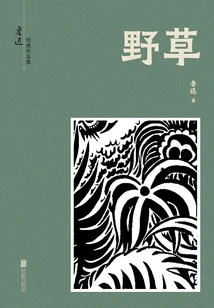
Youjian Bunko: Wild Grass
Literature有间文库:野草
Lu Xun
"Wild Grass" is a collection of prose poems that contains Mr. Lu Xun's entire philosophy of life. The work uses tortuous and obscure symbolic techniques to express his disappointment and resentment towards reality. Its writing style is profound and meaningful, and its imagery is mysterious and beautiful. It is a classic in modern Chinese poetry and an important material for studying Mr. Lu Xun's thoughts.
"Wild Grass" is a collection of prose poems that contains Mr. Lu Xun's entire philosophy of life. The work uses tortuous and obscure symbolic techniques to express his disappointment and resentment towards reality. Its writing style is profound and meaningful, and its imagery is mysterious and beautiful. It is a classic in modern Chinese poetry and an important material for studying Mr. Lu Xun's thoughts.
The Complete Works of Lu Xun (volume 11)
Literature鲁迅全集(第十一卷)
Lu Xun
This book is the eleventh volume compiled based on the collection of Chinese writer, thinker and revolutionary Mr. Lu Xun, including "Book of Two Places", "Letters (1904-1926)" and other works.
This book is the eleventh volume compiled based on the collection of Chinese writer, thinker and revolutionary Mr. Lu Xun, including "Book of Two Places", "Letters (1904-1926)" and other works.
The Complete Works of Lu Xun (volume 16)
Literature鲁迅全集(第十六卷)
Lu Xun
In October 1936, Mr. Lu Xun passed away in Shanghai. Mr. Lu Xun Memorial Committee is\
In October 1936, Mr. Lu Xun passed away in Shanghai. Mr. Lu Xun Memorial Committee is\
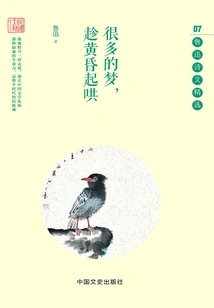
很多的梦,趁黄昏起哄:鲁迅诗文精选
Lu Xun
This book is a collection of Lu Xun's poems and essays, including Lu Xun's prose, poetry, novels, essays, and family letters. The prose collection includes famous articles such as "Morning Blossoms Picked Up at Dusk" and "Weeds", as well as a selection of Lu Xun's new-style poems and old-style poems. Lu Xun's poetry was an amateurish work, but his poems appropriately and brilliantly expressed his self-awareness, his values, and his ideological interests. Among them, some good lines such as "I send my message to the cold star in Tsuen, I recommend Xuanyuan with my blood" are still recited and praised by people today.
This book is a collection of Lu Xun's poems and essays, including Lu Xun's prose, poetry, novels, essays, and family letters. The prose collection includes famous articles such as "Morning Blossoms Picked Up at Dusk" and "Weeds", as well as a selection of Lu Xun's new-style poems and old-style poems. Lu Xun's poetry was an amateurish work, but his poems appropriately and brilliantly expressed his self-awareness, his values, and his ideological interests. Among them, some good lines such as "I send my message to the cold star in Tsuen, I recommend Xuanyuan with my blood" are still recited and praised by people today.
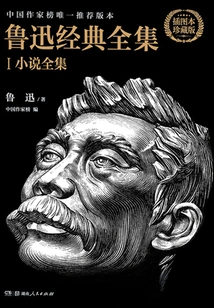
鲁迅经典全集Ⅰ:小说全集(插图本珍藏版)
Lu Xun
"The Complete Classics of Lu Xun I: The Complete Works of Novels (Illustrated Collector's Edition)", recommended by the Chinese Writers List - This is a milestone work of Chinese vernacular novels and a literary classic that established Lu Xun as the "King of Chinese Short Stories". This book completely includes three classic novel collections: "The Scream", "Wandering" and "New Stories", and is a groundbreaking collection of Lu Xun's little-known classical Chinese novels. With great compassion, unprecedented insight and literary talent, Lu Xun depicted the various states of life and spiritual landscape of Chinese people such as politicians, businessmen, intellectuals, civil servants, teachers, students, farmers and so on. The classic literary images created by Lu Xun such as Ah Q, Runtu, Kong Yiji, Sister Xianglin, Fake Foreign Devil, Mr. Lu Si, Red Eyed Ayi, Tofu Xishi Yang Ersao and other classic literary images are deeply rooted in the hearts of the people. To this day, they are still living around us, even ourselves. "The Complete Classics of Lu Xun II: The Complete Works of Prose (Illustrated Collector's Edition)", recommended by the Chinese Writers List - This is a prose classic that has been popular in China for a century, showing Lu Xun's warm, childlike and struggling inner world. This book completely includes 35 original articles of Lu Xun's masterpieces "Morning Blossoms Picked Up at Dusk" and "Weeds"; a special selection of 60 old and new style poems and 6 nostalgic essays. Open this book and follow in the footsteps of Lu Xun, from Baicao Garden to Sanwei Bookstore, along the way you will meet the singing cicada, the fat wasp, the nimble emperor, the low-singing oil fly, the cricket playing the piano, the seductive beauty snake... "The Complete Works of Lu Xun's Classics III: Essays (Illustrated Collection Edition)", recommended by the Chinese Writers List - This is China's most pungent, funny, profound and powerful essay of the past century. Lu Xun brought these immortal chapters into the palace of literature. This book selects 101 far-reaching classics from Lu Xun's 16 essays and more than 700 essays with 1.84 Million words. Open this book, enjoy the heartfelt reading, understand the human nature that has not changed for thousands of years, and improve your insight! "The Complete Works of Lu Xun's Classics IV: Collection of Family Letters (Illustrated Collector's Edition)", recommended by the Chinese Writers List - This is the breakthrough of Lu Xun's family letters, which were selected into the classic anthology alongside his novels, essays and essays. This book selects a total of 145 letters home from Lu Xun's more than 1,400 letters to his wife, mother, and younger brother. In these precious family letters, Lu Xun is a husband, a son, and an elder brother. He manages his love, family affection, and brotherhood with great care, and his affection is so profound that it is touching. Open this book to learn about Lu Xun's communication style with his family, and enter his secret, tender and rich inner world!
"The Complete Classics of Lu Xun I: The Complete Works of Novels (Illustrated Collector's Edition)", recommended by the Chinese Writers List - This is a milestone work of Chinese vernacular novels and a literary classic that established Lu Xun as the "King of Chinese Short Stories". This book completely includes three classic novel collections: "The Scream", "Wandering" and "New Stories", and is a groundbreaking collection of Lu Xun's little-known classical Chinese novels. With great compassion, unprecedented insight and literary talent, Lu Xun depicted the various states of life and spiritual landscape of Chinese people such as politicians, businessmen, intellectuals, civil servants, teachers, students, farmers and so on. The classic literary images created by Lu Xun such as Ah Q, Runtu, Kong Yiji, Sister Xianglin, Fake Foreign Devil, Mr. Lu Si, Red Eyed Ayi, Tofu Xishi Yang Ersao and other classic literary images are deeply rooted in the hearts of the people. To this day, they are still living around us, even ourselves. "The Complete Classics of Lu Xun II: The Complete Works of Prose (Illustrated Collector's Edition)", recommended by the Chinese Writers List - This is a prose classic that has been popular in China for a century, showing Lu Xun's warm, childlike and struggling inner world. This book completely includes 35 original articles of Lu Xun's masterpieces "Morning Blossoms Picked Up at Dusk" and "Weeds"; a special selection of 60 old and new style poems and 6 nostalgic essays. Open this book and follow in the footsteps of Lu Xun, from Baicao Garden to Sanwei Bookstore, along the way you will meet the singing cicada, the fat wasp, the nimble emperor, the low-singing oil fly, the cricket playing the piano, the seductive beauty snake... "The Complete Works of Lu Xun's Classics III: Essays (Illustrated Collection Edition)", recommended by the Chinese Writers List - This is China's most pungent, funny, profound and powerful essay of the past century. Lu Xun brought these immortal chapters into the palace of literature. This book selects 101 far-reaching classics from Lu Xun's 16 essays and more than 700 essays with 1.84 Million words. Open this book, enjoy the heartfelt reading, understand the human nature that has not changed for thousands of years, and improve your insight! "The Complete Works of Lu Xun's Classics IV: Collection of Family Letters (Illustrated Collector's Edition)", recommended by the Chinese Writers List - This is the breakthrough of Lu Xun's family letters, which were selected into the classic anthology alongside his novels, essays and essays. This book selects a total of 145 letters home from Lu Xun's more than 1,400 letters to his wife, mother, and younger brother. In these precious family letters, Lu Xun is a husband, a son, and an elder brother. He manages his love, family affection, and brotherhood with great care, and his affection is so profound that it is touching. Open this book to learn about Lu Xun's communication style with his family, and enter his secret, tender and rich inner world!
Lu Xun's Prose
Literature鲁迅散文
Lu Xun
This book is one of the collections of original Chinese prose illustrations. Lu Xun is a leading figure in modern literature and has always been a best-selling author in the current book market. This book is an indispensable item in the collection. This book has both pictures and texts, and the chapters are selected from Lu Xun's "Wild Grass", "Morning Blossoms Plucked at Dusk" and various collections of miscellaneous thoughts, etc. It reflects Lu Xun's thoughts and writing style and allows readers to have a glimpse of Lu Xun's profound spiritual world. This time, this book has been included in the Prose Collection Series of Chinese Modern and Contemporary Famous Masters. The chapters have been re-edited and the most important chapters of Lu Xun have been selected. The selection is more rigorous and professional. This book still adopts the unified style of the series, inserts photos and handwriting of Lu Xun's life, and compares the pictures and texts to complement each other.
This book is one of the collections of original Chinese prose illustrations. Lu Xun is a leading figure in modern literature and has always been a best-selling author in the current book market. This book is an indispensable item in the collection. This book has both pictures and texts, and the chapters are selected from Lu Xun's "Wild Grass", "Morning Blossoms Plucked at Dusk" and various collections of miscellaneous thoughts, etc. It reflects Lu Xun's thoughts and writing style and allows readers to have a glimpse of Lu Xun's profound spiritual world. This time, this book has been included in the Prose Collection Series of Chinese Modern and Contemporary Famous Masters. The chapters have been re-edited and the most important chapters of Lu Xun have been selected. The selection is more rigorous and professional. This book still adopts the unified style of the series, inserts photos and handwriting of Lu Xun's life, and compares the pictures and texts to complement each other.
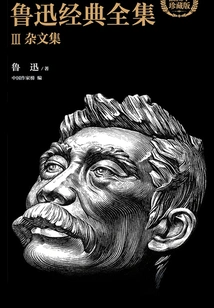
鲁迅经典全集Ⅲ:杂文集(插图本珍藏版)
Lu Xun
Recommended words for the Chinese Writers List: This is a famous Chinese essay that is pungent, funny, profound and powerful over the past century. Lu Xun brought these immortal chapters into the palace of literature. This book selects 101 far-reaching classics from Lu Xun's 16 essays and more than 700 essays with 1.84 Million words. Open this book, enjoy the heartfelt reading, understand the human nature that has not changed for thousands of years, and improve your insight!
Recommended words for the Chinese Writers List: This is a famous Chinese essay that is pungent, funny, profound and powerful over the past century. Lu Xun brought these immortal chapters into the palace of literature. This book selects 101 far-reaching classics from Lu Xun's 16 essays and more than 700 essays with 1.84 Million words. Open this book, enjoy the heartfelt reading, understand the human nature that has not changed for thousands of years, and improve your insight!
The Complete Works of Lu Xun (volume 6)
Literature鲁迅全集(第六卷)
Lu Xun
In October 1936, Mr. Lu Xun passed away in Shanghai. Mr. Lu Xun Memorial Committee is\
In October 1936, Mr. Lu Xun passed away in Shanghai. Mr. Lu Xun Memorial Committee is\
The Complete Works of Lu Xun (volume 8)
Literature鲁迅全集(第八卷)
Lu Xun
In October 1936, Mr. Lu Xun passed away in Shanghai. Mr. Lu Xun Memorial Committee is\
In October 1936, Mr. Lu Xun passed away in Shanghai. Mr. Lu Xun Memorial Committee is\
Complete Works of Lu Xun
Literature鲁迅全集
Lu Xun
"The Complete Works of Lu Xun" has 16 volumes in total, including "Grave", "Hot Wind", "Scream", "Wandering", "Weeds", "Morning Flowers Picked at Dusk", "New Stories", "Huagai Collection", "Huagai Collection Sequel", "The Already Collection", "Three Idle Collections", "Two Hearts Collection", "Nanqianbei Diao Collection", "Pseudo Free Letter", "Quasi Romantic Talk", "Lace Literature", etc. Lu Xun (September 25, 1881 - October 19, 1936), whose original name was Zhou Zhangshou, later changed his name to Zhou Shuren, and his courtesy name was Yushan, later changed to Hecai. "Lu Xun" was the pen name he used when he published "Diary of a Madman" in 1918. It was also his most influential pen name. He was born in Shaoxing, Zhejiang. Famous writer and thinker, important participant in the May 4th New Culture Movement, and the founder of modern Chinese literature. Mao Zedong once commented: "Lu Xun's direction is the direction of the new culture of the Chinese nation." Lu Xun made significant contributions to many fields throughout his life, including literary creation, literary criticism, ideological research, literary history research, translation, introduction of art theory, introduction to basic science, and collation and research of ancient books. He had a great influence on the ideological and cultural development of Chinese society after the May 4th Movement. He is well-known in the world of literature, especially in the ideological and cultural fields of Korea and Japan. He has an extremely important position and influence and is known as "the writer who occupies the largest territory on the cultural map of East Asia in the 20th century."
"The Complete Works of Lu Xun" has 16 volumes in total, including "Grave", "Hot Wind", "Scream", "Wandering", "Weeds", "Morning Flowers Picked at Dusk", "New Stories", "Huagai Collection", "Huagai Collection Sequel", "The Already Collection", "Three Idle Collections", "Two Hearts Collection", "Nanqianbei Diao Collection", "Pseudo Free Letter", "Quasi Romantic Talk", "Lace Literature", etc. Lu Xun (September 25, 1881 - October 19, 1936), whose original name was Zhou Zhangshou, later changed his name to Zhou Shuren, and his courtesy name was Yushan, later changed to Hecai. "Lu Xun" was the pen name he used when he published "Diary of a Madman" in 1918. It was also his most influential pen name. He was born in Shaoxing, Zhejiang. Famous writer and thinker, important participant in the May 4th New Culture Movement, and the founder of modern Chinese literature. Mao Zedong once commented: "Lu Xun's direction is the direction of the new culture of the Chinese nation." Lu Xun made significant contributions to many fields throughout his life, including literary creation, literary criticism, ideological research, literary history research, translation, introduction of art theory, introduction to basic science, and collation and research of ancient books. He had a great influence on the ideological and cultural development of Chinese society after the May 4th Movement. He is well-known in the world of literature, especially in the ideological and cultural fields of Korea and Japan. He has an extremely important position and influence and is known as "the writer who occupies the largest territory on the cultural map of East Asia in the 20th century."
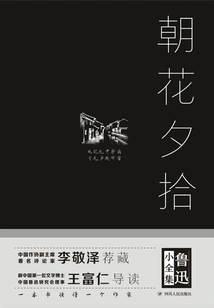
鲁迅小全集:朝花夕拾(精装)
Lu Xun
The style of "Morning Blossoms Plucked at Dusk" is obviously different from the works of many prose writers of the same period. The author closely integrates narrative, scene description, discussion, and lyrical expression methods, making the waves in his writing show an ever-changing situation. All of these embody Lu Xun's characteristics as a pioneer of ideological emancipation and a standard-bearer of artistic innovation, making "Picking Up Flowers in the Morning and Dusk" a model of modern Chinese memory prose. This manuscript is a text that cannot be bypassed when studying Lu Xun and the history of modern literature.
The style of "Morning Blossoms Plucked at Dusk" is obviously different from the works of many prose writers of the same period. The author closely integrates narrative, scene description, discussion, and lyrical expression methods, making the waves in his writing show an ever-changing situation. All of these embody Lu Xun's characteristics as a pioneer of ideological emancipation and a standard-bearer of artistic innovation, making "Picking Up Flowers in the Morning and Dusk" a model of modern Chinese memory prose. This manuscript is a text that cannot be bypassed when studying Lu Xun and the history of modern literature.
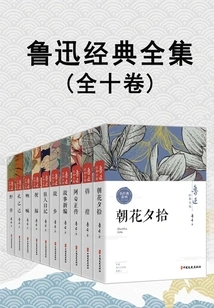
鲁迅经典全集(全十卷)
Lu Xun
Lu Xun (September 25, 1881 - October 19, 1936), a famous writer, thinker, educator, democratic activist, important participant in the May Fourth New Culture Movement, and the founder of modern Chinese literature. Comrade Lu Xun is known as "the main general of China's cultural revolution. Lu Xun's direction is the direction of the new culture of the Chinese nation. This series of books is "The Complete Works of Lu Xun's Classics", which contains ten volumes, including The True Story of Ah Q, Gathering Flowers at Dusk, New Stories, Hometown, Kong Yiji, Diary of a Madman, Scream, Wandering, Weeds, and Blessings. "The True Story of Ah Q" was created at the end of 1921, around the time of the Revolution of 1911. Set against the backdrop of rural China, it describes the story of Ah Q, a wandering farmhand in Weihuang, who, although he is "really capable" of working, has nothing, and even his name has been forgotten. "Reminiscences of Memories" reflects the author Lu Xun's teenage life in many aspects, and vividly reflects the formation of his character and interests. The first seven chapters reflect his childhood life in his family and private school in Shaoxing, and the last three chapters describe his journey from his hometown to Nanjing, and then to Japan to study. The experience of returning to China to teach later exposed all kinds of ugly and irrational phenomena in semi-feudal and semi-colonial society. It also reflected the difficult journey of aspiring young intellectuals to brave the dangers and search for light in the vast darkness of old China. It also expressed the author's nostalgia for his former relatives, friends and teachers. "New Stories" is a collection of short stories written by Mr. Lu Xun based on ancient myths and historical legends. It is Lu Xun's last innovative work. Five of the eight stories were written in the last period of Lu Xun's life. Facing the threat of death, he was in internal and external difficulties, and suffered from physical and mental exhaustion. "New Stories" is the entire collection. The overall style shows unprecedented calmness, richness, humor and freedom. Mr. Lu Xun himself believes that this is a collection of myths, legends and historical facts. "Hometown" takes "my" return to hometown as a clue, and is arranged according to the plot of "returning to hometown" - "being in hometown" and "leaving hometown". Pai, based on what "I" saw, heard, remembered and felt, focused on describing the characters of Runtu and Yang Ersao, thus reflecting the reality of rural bankruptcy and the miserable life of farmers before and after the Revolution of 1911; at the same time, it profoundly pointed out the spiritual suffering of the working people due to the influence of traditional concepts in feudal society. "Kong Yiji" is Lu Xun's second vernacular novel after "Diary of a Madman" on the eve of the May 4th Movement. The novel describes the tragic image of Kong Yiji, who was poisoned by the decadent feudal ideology and the imperial examination system, became mentally pedantic and insensitive, lived in industriousness, and lived in poverty. He spent his days in people's ridicule and banter, and was finally swallowed up by the feudal landlord class. It is not long, but it deeply reveals the tragic image. At that time, the imperial examination system poisoned the spirit of intellectuals and the "cannibalistic" nature of the feudal system had a strong anti-feudal significance. "Diary of a Madman" was the first short vernacular diary novel written by Lu Xun and the first modern vernacular novel in China. The novel uses the image of the persecuted "madman". The self-narrative description of the phenomenon and the "madman" reveals the "cannibalistic" nature of feudal ethics and expresses the author's resistance to Chinese feudal culture with feudal ethics as its main connotation; it also shows the author's profound sense of repentance towards Chinese culture from a thorough "revolutionary democratic" stance. "The Scream" truly depicts the social life from the Revolution of 1911 to the May 4th Movement. Starting from revolutionary democracy, with the purpose of enlightenment and the spirit of humanitarianism, "The Scream" reveals all kinds of profound problems. It deeply analyzes and relatively completely denies the old Chinese system and some obsolete traditional concepts, showing a strong awareness of national survival and a strong hope for social change. "The Scream" is the beginning and maturity of modern Chinese novels. The novel "Wandering" expresses the author's uncompromising spirit of opposing feudalism and is a mirror of China's revolutionary thoughts. The whole collection of novels mainly covers peasants and intellectuals who live under the heavy pressure of feudal forces. The collection of poems "Weeds" truly describes the author's continued fighting after the division of the New Culture United Front, but he still felt lonely and hesitant. The collection of poems is diverse in content, rich in imagination, unique in conception, rich in lyricism and musicality, and has a strong artistic appeal in the form of monologue lyric prose, deepening the poetic imagination and sublimation. The art and ideological conception of Chinese prose poetry. The work tells the story of an intellectual "I" who left his hometown and stayed at the house of his fourth uncle (Master Lu) at the end of the lunar calendar to prepare for a "blessing". The tragic life of Sister Xianglin shows the author's sympathy for oppressed women and his ruthless exposure of feudal ideology and ethics. It also illustrates the indifference and confusion of enlightened intellectuals like "me" in the article to the selfishness of people and the harsh social status quo at that time.
Lu Xun (September 25, 1881 - October 19, 1936), a famous writer, thinker, educator, democratic activist, important participant in the May Fourth New Culture Movement, and the founder of modern Chinese literature. Comrade Lu Xun is known as "the main general of China's cultural revolution. Lu Xun's direction is the direction of the new culture of the Chinese nation. This series of books is "The Complete Works of Lu Xun's Classics", which contains ten volumes, including The True Story of Ah Q, Gathering Flowers at Dusk, New Stories, Hometown, Kong Yiji, Diary of a Madman, Scream, Wandering, Weeds, and Blessings. "The True Story of Ah Q" was created at the end of 1921, around the time of the Revolution of 1911. Set against the backdrop of rural China, it describes the story of Ah Q, a wandering farmhand in Weihuang, who, although he is "really capable" of working, has nothing, and even his name has been forgotten. "Reminiscences of Memories" reflects the author Lu Xun's teenage life in many aspects, and vividly reflects the formation of his character and interests. The first seven chapters reflect his childhood life in his family and private school in Shaoxing, and the last three chapters describe his journey from his hometown to Nanjing, and then to Japan to study. The experience of returning to China to teach later exposed all kinds of ugly and irrational phenomena in semi-feudal and semi-colonial society. It also reflected the difficult journey of aspiring young intellectuals to brave the dangers and search for light in the vast darkness of old China. It also expressed the author's nostalgia for his former relatives, friends and teachers. "New Stories" is a collection of short stories written by Mr. Lu Xun based on ancient myths and historical legends. It is Lu Xun's last innovative work. Five of the eight stories were written in the last period of Lu Xun's life. Facing the threat of death, he was in internal and external difficulties, and suffered from physical and mental exhaustion. "New Stories" is the entire collection. The overall style shows unprecedented calmness, richness, humor and freedom. Mr. Lu Xun himself believes that this is a collection of myths, legends and historical facts. "Hometown" takes "my" return to hometown as a clue, and is arranged according to the plot of "returning to hometown" - "being in hometown" and "leaving hometown". Pai, based on what "I" saw, heard, remembered and felt, focused on describing the characters of Runtu and Yang Ersao, thus reflecting the reality of rural bankruptcy and the miserable life of farmers before and after the Revolution of 1911; at the same time, it profoundly pointed out the spiritual suffering of the working people due to the influence of traditional concepts in feudal society. "Kong Yiji" is Lu Xun's second vernacular novel after "Diary of a Madman" on the eve of the May 4th Movement. The novel describes the tragic image of Kong Yiji, who was poisoned by the decadent feudal ideology and the imperial examination system, became mentally pedantic and insensitive, lived in industriousness, and lived in poverty. He spent his days in people's ridicule and banter, and was finally swallowed up by the feudal landlord class. It is not long, but it deeply reveals the tragic image. At that time, the imperial examination system poisoned the spirit of intellectuals and the "cannibalistic" nature of the feudal system had a strong anti-feudal significance. "Diary of a Madman" was the first short vernacular diary novel written by Lu Xun and the first modern vernacular novel in China. The novel uses the image of the persecuted "madman". The self-narrative description of the phenomenon and the "madman" reveals the "cannibalistic" nature of feudal ethics and expresses the author's resistance to Chinese feudal culture with feudal ethics as its main connotation; it also shows the author's profound sense of repentance towards Chinese culture from a thorough "revolutionary democratic" stance. "The Scream" truly depicts the social life from the Revolution of 1911 to the May 4th Movement. Starting from revolutionary democracy, with the purpose of enlightenment and the spirit of humanitarianism, "The Scream" reveals all kinds of profound problems. It deeply analyzes and relatively completely denies the old Chinese system and some obsolete traditional concepts, showing a strong awareness of national survival and a strong hope for social change. "The Scream" is the beginning and maturity of modern Chinese novels. The novel "Wandering" expresses the author's uncompromising spirit of opposing feudalism and is a mirror of China's revolutionary thoughts. The whole collection of novels mainly covers peasants and intellectuals who live under the heavy pressure of feudal forces. The collection of poems "Weeds" truly describes the author's continued fighting after the division of the New Culture United Front, but he still felt lonely and hesitant. The collection of poems is diverse in content, rich in imagination, unique in conception, rich in lyricism and musicality, and has a strong artistic appeal in the form of monologue lyric prose, deepening the poetic imagination and sublimation. The art and ideological conception of Chinese prose poetry. The work tells the story of an intellectual "I" who left his hometown and stayed at the house of his fourth uncle (Master Lu) at the end of the lunar calendar to prepare for a "blessing". The tragic life of Sister Xianglin shows the author's sympathy for oppressed women and his ruthless exposure of feudal ideology and ethics. It also illustrates the indifference and confusion of enlightened intellectuals like "me" in the article to the selfishness of people and the harsh social status quo at that time.
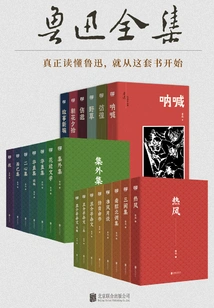
有间文库:鲁迅全集
Lu Xun
The complete works of Lu Xun include: Scream, Wandering, Sadness, New Stories, Picking Up Flowers in the Morning and Dusk, Wild Grasses, Hot Wind, Sanxian Collection, Nanqianbei Diao Collection, Pseudo Free Letters, Quan Feng Yue Tan, Qie Jie Ting Essays, Qie Jie Ting Essays Two Collections, Qie Jie Ting Essays Final Collection, Collection Outside Collection, Tomb, Huagai Collection, Huagai Collection Sequel, Erxin Collection, and 21 volumes of lace literature.
The complete works of Lu Xun include: Scream, Wandering, Sadness, New Stories, Picking Up Flowers in the Morning and Dusk, Wild Grasses, Hot Wind, Sanxian Collection, Nanqianbei Diao Collection, Pseudo Free Letters, Quan Feng Yue Tan, Qie Jie Ting Essays, Qie Jie Ting Essays Two Collections, Qie Jie Ting Essays Final Collection, Collection Outside Collection, Tomb, Huagai Collection, Huagai Collection Sequel, Erxin Collection, and 21 volumes of lace literature.
The Complete Works of Lu Xun (volume 4)
Literature鲁迅全集(第四卷)
Lu Xun
This book is the fourth volume compiled based on the collection of Chinese writer, thinker and revolutionary Mr. Lu Xun, including "San Xian Ji", "Er Heart Collection", "Nan Qian Bei Diao Ji" and other works.
This book is the fourth volume compiled based on the collection of Chinese writer, thinker and revolutionary Mr. Lu Xun, including "San Xian Ji", "Er Heart Collection", "Nan Qian Bei Diao Ji" and other works.
鲁迅全集(全十八卷)
Lu Xun
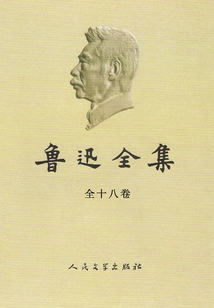
The new edition of "The Complete Works of Lu Xun" has been expanded from the original 16 volumes to 18 volumes, and one volume each of letters and diaries has been added. There are 10 volumes in total, including 4 volumes of letters, 3 volumes of diaries, and 1 volume of index, with a total of about 7 million words. Compared with the 1981 edition, this revision of "The Complete Works of Lu Xun" focuses on three aspects: the addition of lost articles and letters; the textual correction of the original work; and the addition and modification of the annotations.
The new edition of "The Complete Works of Lu Xun" has been expanded from the original 16 volumes to 18 volumes, and one volume each of letters and diaries has been added. There are 10 volumes in total, including 4 volumes of letters, 3 volumes of diaries, and 1 volume of index, with a total of about 7 million words. Compared with the 1981 edition, this revision of "The Complete Works of Lu Xun" focuses on three aspects: the addition of lost articles and letters; the textual correction of the original work; and the addition and modification of the annotations.
The Complete Works of Lu Xun (volume 9)
Literature鲁迅全集(第九卷)
Lu Xun
In October 1936, Mr. Lu Xun passed away in Shanghai. Mr. Lu Xun Memorial Committee is\
In October 1936, Mr. Lu Xun passed away in Shanghai. Mr. Lu Xun Memorial Committee is\
Collected Works of Lu Xun
Literature鲁迅文集
Lu Xun
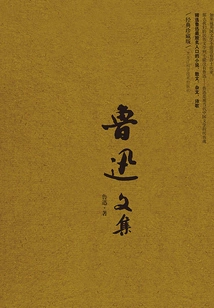
"Collected Works of Lu Xun (Classic Collection Edition)" contains several classic essays, novels, beautiful essays, and prose poems by the writer Lu Xun in different periods. These works have a high degree of spiritual characteristics and artistic realm, with fresh ideas, sincere passion, rich imagery, and beautiful styles. The language is vivid and skillful, the layers are clear, and the characterization of the characters is unique. The thoughts are rich in content, and most of them are products of the times. Some works are classics handed down from generation to generation and can be called the work of a master. These works are profound in meaning. If you taste them carefully, they will be fragrant and leave you with endless aftertaste.
"Collected Works of Lu Xun (Classic Collection Edition)" contains several classic essays, novels, beautiful essays, and prose poems by the writer Lu Xun in different periods. These works have a high degree of spiritual characteristics and artistic realm, with fresh ideas, sincere passion, rich imagery, and beautiful styles. The language is vivid and skillful, the layers are clear, and the characterization of the characters is unique. The thoughts are rich in content, and most of them are products of the times. Some works are classics handed down from generation to generation and can be called the work of a master. These works are profound in meaning. If you taste them carefully, they will be fragrant and leave you with endless aftertaste.
鲁迅经典作品集:呐喊·彷徨·朝花夕拾
Lu Xun
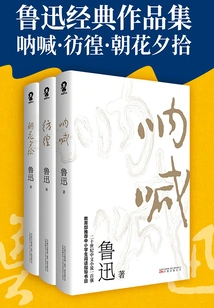
"The Scream" is Mr. Lu Xun's long-famous collection of novels. It is the pioneer and flagship work of modern Chinese novels. It collects fourteen novels written from 1918 to 1922, including his representative articles "Diary of a Madman", "Kong Yiji", "Medicine", "The True Story of Ah Q", "Hometown", "Social Opera", etc. "Wandering" is Mr. Lu Xun's second collection of short stories, which includes eleven short stories written between 1924 and 1925, including "Blessings", "At the Restaurant", "Happy Big Family", "Old Master Gao", "Brothers", "Sad Death", etc. "Morning Blossoms Plucked at Dusk" is a collection of ten essays in total written by Lu Xun in 1926. The first five articles were written in Beijing, and the last five articles were written in Xiamen. As a "note of memories", this collection of essays reflects the author's life as a teenager and vividly reflects the formation of his character and interests.
"The Scream" is Mr. Lu Xun's long-famous collection of novels. It is the pioneer and flagship work of modern Chinese novels. It collects fourteen novels written from 1918 to 1922, including his representative articles "Diary of a Madman", "Kong Yiji", "Medicine", "The True Story of Ah Q", "Hometown", "Social Opera", etc. "Wandering" is Mr. Lu Xun's second collection of short stories, which includes eleven short stories written between 1924 and 1925, including "Blessings", "At the Restaurant", "Happy Big Family", "Old Master Gao", "Brothers", "Sad Death", etc. "Morning Blossoms Plucked at Dusk" is a collection of ten essays in total written by Lu Xun in 1926. The first five articles were written in Beijing, and the last five articles were written in Xiamen. As a "note of memories", this collection of essays reflects the author's life as a teenager and vividly reflects the formation of his character and interests.
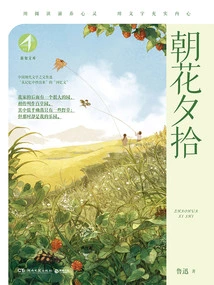
朝花夕拾(新知文库)
Lu Xun
This book is a collection of reminiscence essays by Mr. Lu Xun recalling different life experiences in his childhood, adolescence and youth. As a "note of memories", this book reflects sideways the author's life as a teenager and vividly reflects the formation of his character and interests. The first seven chapters reflect his childhood life in his family and private school in Shaoxing, while the last three chapters describe his experience of traveling from his hometown to Nanjing, then to Japan to study, and then back to China to teach. In addition to Mr. Lu Xun's collection of essays "Morning Blossoms Plucked at Dusk", this book also includes some other articles by the author. It is intended to use reading to nourish the reader's growth, cultivate the reader's sentiment, so that the reader's outlook on life and values are subtly affected during the reading process, and develop a good character. On the basis of selected beautiful articles, this book is also equipped with exquisite color illustrations, allowing readers to visually understand the author's heart while appreciating the beautiful articles.
This book is a collection of reminiscence essays by Mr. Lu Xun recalling different life experiences in his childhood, adolescence and youth. As a "note of memories", this book reflects sideways the author's life as a teenager and vividly reflects the formation of his character and interests. The first seven chapters reflect his childhood life in his family and private school in Shaoxing, while the last three chapters describe his experience of traveling from his hometown to Nanjing, then to Japan to study, and then back to China to teach. In addition to Mr. Lu Xun's collection of essays "Morning Blossoms Plucked at Dusk", this book also includes some other articles by the author. It is intended to use reading to nourish the reader's growth, cultivate the reader's sentiment, so that the reader's outlook on life and values are subtly affected during the reading process, and develop a good character. On the basis of selected beautiful articles, this book is also equipped with exquisite color illustrations, allowing readers to visually understand the author's heart while appreciating the beautiful articles.
The Complete Works of Lu Xun (volume 4)
Literature鲁迅全集(第四卷)
Lu Xun
In October 1936, Mr. Lu Xun passed away in Shanghai. Mr. Lu Xun Memorial Committee is\
In October 1936, Mr. Lu Xun passed away in Shanghai. Mr. Lu Xun Memorial Committee is\
鲁迅讲古籍序跋
Lu Xun
During the Republic of China, the situation was changing, scholars emerged in large numbers, and academic masterpieces emerged one after another. This collection of 100 volumes of classics is intended to contribute to the revival of Chinese culture and help all people read.
During the Republic of China, the situation was changing, scholars emerged in large numbers, and academic masterpieces emerged one after another. This collection of 100 volumes of classics is intended to contribute to the revival of Chinese culture and help all people read.
New Story
General Fiction故事新编
Lu Xun
Lu Xun was a descendant of a declining family, a township literati in the late Qing Dynasty, a student studying in Japan, an intellectual who mostly understood Europe and the United States from Japanese translations, a Jiangnan native who wore robes almost all his life, and a writer who wrote a collection of modern Chinese short stories. His novels are simple and refined, and pursue a sense of depth within the scope of the plane. His natural talent for writing is still unsurpassed by anyone. "New Stories" contains eight ancient stories, rich in imagination, vivid and interesting, and widely circulated. In addition, classic novels from "The Scream" and "Wandering" are selected. I believe that after reading it, you will praise: Mr. Lu Xun is so cool!
Lu Xun was a descendant of a declining family, a township literati in the late Qing Dynasty, a student studying in Japan, an intellectual who mostly understood Europe and the United States from Japanese translations, a Jiangnan native who wore robes almost all his life, and a writer who wrote a collection of modern Chinese short stories. His novels are simple and refined, and pursue a sense of depth within the scope of the plane. His natural talent for writing is still unsurpassed by anyone. "New Stories" contains eight ancient stories, rich in imagination, vivid and interesting, and widely circulated. In addition, classic novels from "The Scream" and "Wandering" are selected. I believe that after reading it, you will praise: Mr. Lu Xun is so cool!
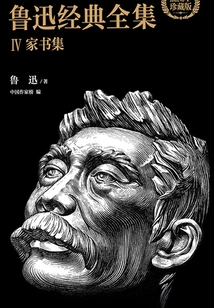
鲁迅经典全集IV:家书集(插图本珍藏版)
Lu Xun
"The Complete Works of Lu Xun's Classics III: Essays (Illustrated Collector's Edition)", recommended by the Chinese Writers List - This is China's spicy, funny, profound and powerful essays over the past century. Lu Xun brought these immortal chapters into the palace of literature. This book selects 101 far-reaching classics from Lu Xun's 16 essays and more than 700 essays with 1.84 Million words. Open this book, enjoy the heartfelt reading, understand the human nature that has not changed for thousands of years, and improve your insight!
"The Complete Works of Lu Xun's Classics III: Essays (Illustrated Collector's Edition)", recommended by the Chinese Writers List - This is China's spicy, funny, profound and powerful essays over the past century. Lu Xun brought these immortal chapters into the palace of literature. This book selects 101 far-reaching classics from Lu Xun's 16 essays and more than 700 essays with 1.84 Million words. Open this book, enjoy the heartfelt reading, understand the human nature that has not changed for thousands of years, and improve your insight!
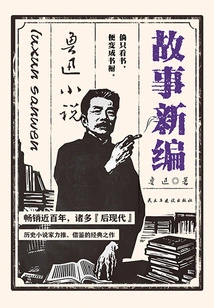
New Story
General Fiction故事新编
Lu Xun
"New Stories" contains eight short stories written by Mr. Lu Xun between 1922 and 1935 based on ancient myths and historical legends. It was first published by Shanghai Culture and Life Publishing House in January 1936 and listed as one of the "Literary Journals" edited by Ba Jin. "New Story" is different from "The Scream" and "Wandering" in terms of material selection and writing method. Mr. Lu Xun himself believed that this was a collection of "myths, legends and historical facts".
"New Stories" contains eight short stories written by Mr. Lu Xun between 1922 and 1935 based on ancient myths and historical legends. It was first published by Shanghai Culture and Life Publishing House in January 1936 and listed as one of the "Literary Journals" edited by Ba Jin. "New Story" is different from "The Scream" and "Wandering" in terms of material selection and writing method. Mr. Lu Xun himself believed that this was a collection of "myths, legends and historical facts".
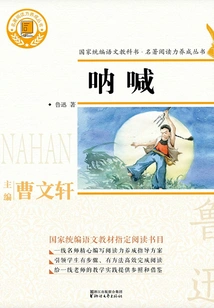
Shout
General Fiction呐喊
Lu Xun
Wake up the sleeping people in the iron house, get up and destroy the iron house, and at the same time support the May Fourth New Culture Movement and "comfort the warriors running in loneliness." "The Scream" is the beginning and maturity of modern Chinese novels. This book contains fourteen novels written by Lu Xun from 1918 to 1922. Each of these fourteen novels has its own complexity, but the content and themes can be roughly summarized as follows: "Diary of a Madman" criticizes the hypocrisy and cruelty of traditional life and can be regarded as the general outline of Lu Xun's novels. "Medicine", "Hometown", and "The True Story of Ah Q" not only reflect the social landscape after the Revolution of 1911, but also explore issues of national character. In novels such as "Kong Yiji" and "Dragon Boat Festival", the author exposed the mental trauma and crisis of old and new intellectuals. But "The Scream" is not all heavy work depicting pathologies. For example, "Social Opera" shows the kind and honest qualities of farmers, "Rabbit and Cat" and "Duck's Comedy" express thoughts on love and life in the form of prose, and the overall style is also clear.
Wake up the sleeping people in the iron house, get up and destroy the iron house, and at the same time support the May Fourth New Culture Movement and "comfort the warriors running in loneliness." "The Scream" is the beginning and maturity of modern Chinese novels. This book contains fourteen novels written by Lu Xun from 1918 to 1922. Each of these fourteen novels has its own complexity, but the content and themes can be roughly summarized as follows: "Diary of a Madman" criticizes the hypocrisy and cruelty of traditional life and can be regarded as the general outline of Lu Xun's novels. "Medicine", "Hometown", and "The True Story of Ah Q" not only reflect the social landscape after the Revolution of 1911, but also explore issues of national character. In novels such as "Kong Yiji" and "Dragon Boat Festival", the author exposed the mental trauma and crisis of old and new intellectuals. But "The Scream" is not all heavy work depicting pathologies. For example, "Social Opera" shows the kind and honest qualities of farmers, "Rabbit and Cat" and "Duck's Comedy" express thoughts on love and life in the form of prose, and the overall style is also clear.
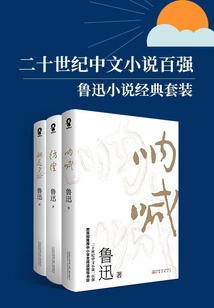
二十世纪中文小说百强:鲁迅小说经典套装
Lu Xun
A masterpiece of modern Chinese vernacular novels! Top 100 Chinese Novels of the 20th Century. Hope does not matter whether it is something or not. This is just like the road on the earth; in fact, there is no road on the earth, but when more people walk on it, it becomes a road.
A masterpiece of modern Chinese vernacular novels! Top 100 Chinese Novels of the 20th Century. Hope does not matter whether it is something or not. This is just like the road on the earth; in fact, there is no road on the earth, but when more people walk on it, it becomes a road.
Complete Works of Lu Xun's Novels
General Fiction鲁迅小说全集
Lu Xun
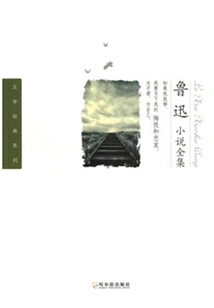
This book collects all of Lu Xun's novels, including 32 short stories and 1 novella, totaling 33. They are selected from "Scream", "Wandering" and "New Story" respectively.
This book collects all of Lu Xun's novels, including 32 short stories and 1 novella, totaling 33. They are selected from "Scream", "Wandering" and "New Story" respectively.
Hesitant
General Fiction彷徨
Lu Xun
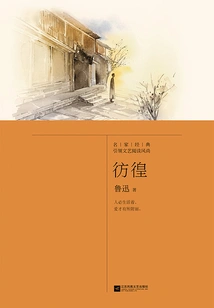
"Wandering" is a collection of Lu Xun's short stories, which includes 11 short stories written by Lu Xun between 1924 and 1925, including "Blessings", "At the Restaurant", "Happy Big Family", "Old Master Gao", "Brothers", "Sad Death", etc. Among them, chapters such as "Blessing" and "Divorce" reveal the spiritual and physical oppression of rural women by the old ethics; chapters such as "In the Restaurant" and "The Lonely" profoundly explain the plight of the once advanced middle-aged intellectuals trapped in the "Array of Nothingness". The entire collection of novels uses vivid writing skills to outline each character with typical significance. It is full of concern for the peasants and intellectuals who were living under the heavy pressure of feudal forces at that time, and deeply reflected the hesitation of an era.
"Wandering" is a collection of Lu Xun's short stories, which includes 11 short stories written by Lu Xun between 1924 and 1925, including "Blessings", "At the Restaurant", "Happy Big Family", "Old Master Gao", "Brothers", "Sad Death", etc. Among them, chapters such as "Blessing" and "Divorce" reveal the spiritual and physical oppression of rural women by the old ethics; chapters such as "In the Restaurant" and "The Lonely" profoundly explain the plight of the once advanced middle-aged intellectuals trapped in the "Array of Nothingness". The entire collection of novels uses vivid writing skills to outline each character with typical significance. It is full of concern for the peasants and intellectuals who were living under the heavy pressure of feudal forces at that time, and deeply reflected the hesitation of an era.
Lu Xun's Speeches
Literature鲁迅讲演录
Lu Xun
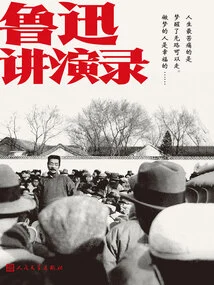
Lu Xun was a writer, thinker and outstanding speaker. Lu Xun adhered to the Enlightenment stance throughout his life and was committed to enabling Chinese youth to understand the world, avoid detours, and complete a decisive and creative life. This book contains 16 speeches by Lu Xun in the 1920s and 1930s. Each of them is popular and catchy, reflecting the passion of Lu Xun's speeches and the penetration of his language. Mr. Lu Xun was a man of profound knowledge. He often quoted from other sources in his speeches, turned stones into gold, and frequently made famous quotes. These speeches are still inspiring and thought-provoking when read today. The book is accompanied by precious photos of Lu Xun and attempts to apply modern technology, striving to give readers an immersive sense of the scene.
Lu Xun was a writer, thinker and outstanding speaker. Lu Xun adhered to the Enlightenment stance throughout his life and was committed to enabling Chinese youth to understand the world, avoid detours, and complete a decisive and creative life. This book contains 16 speeches by Lu Xun in the 1920s and 1930s. Each of them is popular and catchy, reflecting the passion of Lu Xun's speeches and the penetration of his language. Mr. Lu Xun was a man of profound knowledge. He often quoted from other sources in his speeches, turned stones into gold, and frequently made famous quotes. These speeches are still inspiring and thought-provoking when read today. The book is accompanied by precious photos of Lu Xun and attempts to apply modern technology, striving to give readers an immersive sense of the scene.
Wild Grass (illustrated Book)
Literature野草(插图本)
Lu Xun
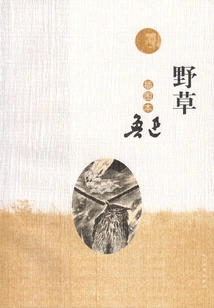
"Wild Grass" (illustrated edition) contains 23 prose poems written by Lu Xun from 1924 to 1926. It uses a total of 47 illustrations by Qiu Sha, Wang Weijun and Qiu Dali. It is one of Lu Xun's most popular works in the book market. The old version has been on the market for many years. In order to adapt to market changes and better enrich the book style of Lu Xun's works, it is planned to change the cover based on the original book.
"Wild Grass" (illustrated edition) contains 23 prose poems written by Lu Xun from 1924 to 1926. It uses a total of 47 illustrations by Qiu Sha, Wang Weijun and Qiu Dali. It is one of Lu Xun's most popular works in the book market. The old version has been on the market for many years. In order to adapt to market changes and better enrich the book style of Lu Xun's works, it is planned to change the cover based on the original book.
鲁迅杂文选(鲁迅作品:他和他的觉醒年代)
Lu Xun
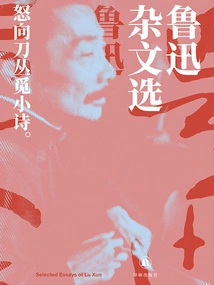
"Selected Essays of Lu Xun" selects 65 essays by Lu Xun, which is the essence of Lu Xun's essay creation. The main topics include: The soul of debate, warriors and flies, how we are fathers now, what happened after Nora left, on the collapse of Leifeng Pagoda, on "Fair play" should be slowed down, in memory of Liu Hezhen, some miscellaneous thoughts, in order to forget the memory, how I started a novel, "Beijing school" and "Shanghai school", Northerners and Southerners, scolding and praising, appropriationism, have the Chinese lost their self-confidence...
"Selected Essays of Lu Xun" selects 65 essays by Lu Xun, which is the essence of Lu Xun's essay creation. The main topics include: The soul of debate, warriors and flies, how we are fathers now, what happened after Nora left, on the collapse of Leifeng Pagoda, on "Fair play" should be slowed down, in memory of Liu Hezhen, some miscellaneous thoughts, in order to forget the memory, how I started a novel, "Beijing school" and "Shanghai school", Northerners and Southerners, scolding and praising, appropriationism, have the Chinese lost their self-confidence...
Youjian Library: Qiejieting Essays
Literature有间文库:且介亭杂文
Lu Xun
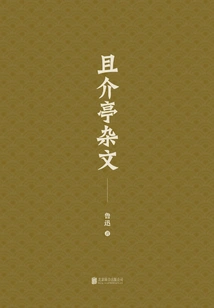
"Qiejieting Essays" is a collection of essays by Lu Xun. This book collects thirty-six essays written by Lu Xun in 1934, including "Two or Three Things About China", "Using Doctrine", "An Eye for an Eye", "Speaking of "Face"", etc. "Qiejie" is made up of half of the word "concession", which means that only half of China's sovereignty is left. These essays are not only sophisticated in technique and rich in argumentation, but the author's application of Marxist theory has also been integrated and integrated into specific content in accordance with the characteristics of miscellany. "Qiejieting Essays" is a collection of essays by Lu Xun. This book collects thirty-six essays written by Lu Xun in 1934, including "Two or Three Things About China", "Using Doctrine", "An Eye for an Eye", "Speaking of "Face"", etc. "Qiejie" is made up of half of the word "concession", which means that only half of China's sovereignty is left. These essays are not only skillful in technique and rich in argumentation, but the author's application of Marxist theory has also been integrated and integrated into the specific content in accordance with the characteristics of miscellaneous feelings.
"Qiejieting Essays" is a collection of essays by Lu Xun. This book collects thirty-six essays written by Lu Xun in 1934, including "Two or Three Things About China", "Using Doctrine", "An Eye for an Eye", "Speaking of "Face"", etc. "Qiejie" is made up of half of the word "concession", which means that only half of China's sovereignty is left. These essays are not only sophisticated in technique and rich in argumentation, but the author's application of Marxist theory has also been integrated and integrated into specific content in accordance with the characteristics of miscellany. "Qiejieting Essays" is a collection of essays by Lu Xun. This book collects thirty-six essays written by Lu Xun in 1934, including "Two or Three Things About China", "Using Doctrine", "An Eye for an Eye", "Speaking of "Face"", etc. "Qiejie" is made up of half of the word "concession", which means that only half of China's sovereignty is left. These essays are not only skillful in technique and rich in argumentation, but the author's application of Marxist theory has also been integrated and integrated into the specific content in accordance with the characteristics of miscellaneous feelings.
Shout
Literature呐喊
Lu Xun
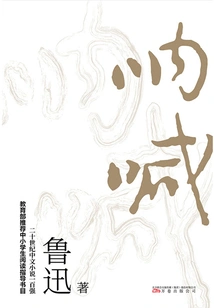
"The Scream" is Lu Xun's long-famous collection of novels. It is the pioneer and most important work of modern Chinese novels. It collects fourteen novels written from 1918 to 1922, including his representative articles "Diary of a Madman", "Kong Yiji", "Medicine", "The True Story of Ah Q", "Hometown", "Social Opera", etc. The first edition has been a best-seller for nearly a hundred years and has far-reaching influence. Many articles have been included in Chinese language textbooks for primary and secondary schools and colleges and universities. Before Lu Xun, there were no works in the history of Chinese novels that truly portrayed the image of farmers. Lu Xun's true feelings were always devoted to the farmers, but he focused more on exploring the mental disability of the farmers in old China and the servility in the national character. The short story collection "The Scream" was born under the background of the May Fourth Movement and the New Culture Movement. It is not only a banner of the New Culture Movement, but also a powerful declaration of Lu Xun's war against the old feudal ethics and old ideas.
"The Scream" is Lu Xun's long-famous collection of novels. It is the pioneer and most important work of modern Chinese novels. It collects fourteen novels written from 1918 to 1922, including his representative articles "Diary of a Madman", "Kong Yiji", "Medicine", "The True Story of Ah Q", "Hometown", "Social Opera", etc. The first edition has been a best-seller for nearly a hundred years and has far-reaching influence. Many articles have been included in Chinese language textbooks for primary and secondary schools and colleges and universities. Before Lu Xun, there were no works in the history of Chinese novels that truly portrayed the image of farmers. Lu Xun's true feelings were always devoted to the farmers, but he focused more on exploring the mental disability of the farmers in old China and the servility in the national character. The short story collection "The Scream" was born under the background of the May Fourth Movement and the New Culture Movement. It is not only a banner of the New Culture Movement, but also a powerful declaration of Lu Xun's war against the old feudal ethics and old ideas.
朝花夕拾 野草(鲁迅作品:他和他的觉醒年代)
Lu Xun
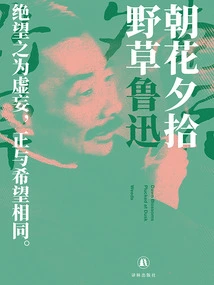
"Morning Blossoms Plucked at Dusk", formerly known as "Revisiting Old Things", contains 10 retrospective essays written by Lu Xun, as well as 1 short introduction and 1 postscript. First published in 1928. The chapters include: Xiao Yin, Dog·Cat·Mouse, A Chang and "The Classic of Mountains and Seas", "Twenty-Four Pictures of Filial Piety", Wuchang Meeting, Impermanence, From Baicao Garden to Sanwei Bookstore, Father's Illness, Trivial Notes, Mr. Fujino, Fan Ainong, and Postscript. "Wild Grass" contains 23 prose poems written by Lu Xun and one inscription. First published in 1927. Chapters include: inscription, autumn night, shadow's farewell, beggar, my lovelorn, revenge, revenge (Part 2), hope, snow, kite, good story, passerby, dead fire, dog's rebuttal, lost good hell, tombstone inscription, trembling of the line of decay, argument, after death, such warriors, wise men and fools and slaves, wax leaves, faint traces of blood, and a sleep.
"Morning Blossoms Plucked at Dusk", formerly known as "Revisiting Old Things", contains 10 retrospective essays written by Lu Xun, as well as 1 short introduction and 1 postscript. First published in 1928. The chapters include: Xiao Yin, Dog·Cat·Mouse, A Chang and "The Classic of Mountains and Seas", "Twenty-Four Pictures of Filial Piety", Wuchang Meeting, Impermanence, From Baicao Garden to Sanwei Bookstore, Father's Illness, Trivial Notes, Mr. Fujino, Fan Ainong, and Postscript. "Wild Grass" contains 23 prose poems written by Lu Xun and one inscription. First published in 1927. Chapters include: inscription, autumn night, shadow's farewell, beggar, my lovelorn, revenge, revenge (Part 2), hope, snow, kite, good story, passerby, dead fire, dog's rebuttal, lost good hell, tombstone inscription, trembling of the line of decay, argument, after death, such warriors, wise men and fools and slaves, wax leaves, faint traces of blood, and a sleep.
Shout
General Fiction呐喊
Lu Xun
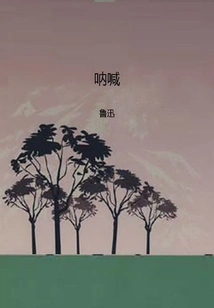
The novel collection "The Scream" includes 14 novels such as "Diary of a Madman", "Kong Yiji", "Medicine", "The True Story of Ah Q" and "Hometown", reflecting the appearance of China's ancient rural villages and towns from before and after the Revolution of 1911 to the "May 4th" period; The social reality of China during the "May 4th" period summarized the historical experience and lessons of the Revolution of 1911, profoundly exposed the cannibalistic nature and hypocrisy of the feudal patriarchal system and feudal ethics, painfully dissected the silent soul of the Chinese people, and criticized the bad nature of the people.
The novel collection "The Scream" includes 14 novels such as "Diary of a Madman", "Kong Yiji", "Medicine", "The True Story of Ah Q" and "Hometown", reflecting the appearance of China's ancient rural villages and towns from before and after the Revolution of 1911 to the "May 4th" period; The social reality of China during the "May 4th" period summarized the historical experience and lessons of the Revolution of 1911, profoundly exposed the cannibalistic nature and hypocrisy of the feudal patriarchal system and feudal ethics, painfully dissected the silent soul of the Chinese people, and criticized the bad nature of the people.
鲁迅文学全集(共7册)
Lu Xun
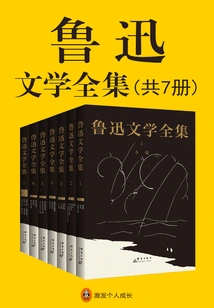
Not a single word has been changed, the original text of Lu Xun! The most popular and easy-to-read version of Lu Xun on the market! It truly collects all the literary works created by Lu Xun, including 31 novels, 668 essays, 33 essays, and 34 poems. The exclusive appendix "Lu Xun talks about writing", Lu Xun personally teaches the meaning of literature and the basic ideas of creation. Collecting Lu Xun's only "Autobiography", Lu Xun, who was nearly 50 years old, made a brief and objective review of his life. The 1938 edition compiled by the "Mr. Lu Xun Memorial Committee" retains Lu Xun's customary vocabulary without changing a word, making it truly original! Cai Yuanpei served as chairman of the Lu Xun Memorial Committee and wrote the preface himself!
Not a single word has been changed, the original text of Lu Xun! The most popular and easy-to-read version of Lu Xun on the market! It truly collects all the literary works created by Lu Xun, including 31 novels, 668 essays, 33 essays, and 34 poems. The exclusive appendix "Lu Xun talks about writing", Lu Xun personally teaches the meaning of literature and the basic ideas of creation. Collecting Lu Xun's only "Autobiography", Lu Xun, who was nearly 50 years old, made a brief and objective review of his life. The 1938 edition compiled by the "Mr. Lu Xun Memorial Committee" retains Lu Xun's customary vocabulary without changing a word, making it truly original! Cai Yuanpei served as chairman of the Lu Xun Memorial Committee and wrote the preface himself!
Scream (humanities Classic Library)
General Fiction呐喊(人文经典文库)
Lu Xun
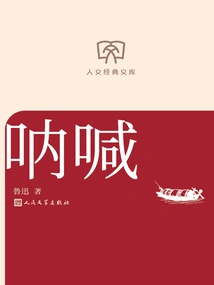
"The Scream" is Lu Xun's first novel and the foundation of novels in the history of modern literature. Published in 1923, it has a publishing history of more than a hundred years. It is still a long-selling book and is a true classic. Infecting and inspiring generations of readers. The book contains 14 short stories and a preface by the author. The content includes the well-known "The True Story of Ah Q", "Diary of a Madman", "Kong Yiji", "Hometown", etc. "The Scream" vividly and powerfully exposes the "cannibalistic" nature of feudal ethics, criticizes the bad nature of the people, and calls for social change. The author hopes to use "The Scream" to arouse the attention of numb people and realize the innovation and progress of the national spirit.
"The Scream" is Lu Xun's first novel and the foundation of novels in the history of modern literature. Published in 1923, it has a publishing history of more than a hundred years. It is still a long-selling book and is a true classic. Infecting and inspiring generations of readers. The book contains 14 short stories and a preface by the author. The content includes the well-known "The True Story of Ah Q", "Diary of a Madman", "Kong Yiji", "Hometown", etc. "The Scream" vividly and powerfully exposes the "cannibalistic" nature of feudal ethics, criticizes the bad nature of the people, and calls for social change. The author hopes to use "The Scream" to arouse the attention of numb people and realize the innovation and progress of the national spirit.
Weed
Literature野草
Lu Xun
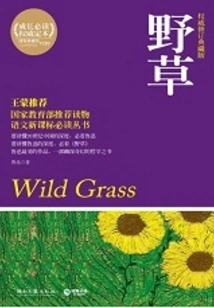
The prose poems in this book present a confusing, strange and beautiful artistic conception. They are like clouds of emotions, spinning and floating in the air, changing into various unexpected shapes. Lu Xun's inner depression turned into dreams and transcendent imagination, making "Weeds" a wonder in Chinese modernist literature, showing amazing artistic creativity. Lu Xun once said to others: "My philosophy is all in "Weeds"."
The prose poems in this book present a confusing, strange and beautiful artistic conception. They are like clouds of emotions, spinning and floating in the air, changing into various unexpected shapes. Lu Xun's inner depression turned into dreams and transcendent imagination, making "Weeds" a wonder in Chinese modernist literature, showing amazing artistic creativity. Lu Xun once said to others: "My philosophy is all in "Weeds"."
汉文学史纲要
Lu Xun
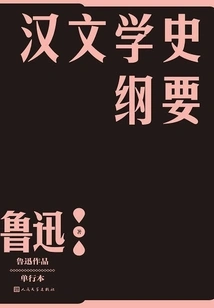
In the second half of 1926, Lu Xun opened a course on the history of Chinese literature at Xiamen University, for which he compiled a handout called "A Brief History of Chinese Literature," which seemed to match the meaning of "A Brief History of Chinese Novels." This handout has a complete manuscript and a mimeographed version, totaling 10 articles. In 1927, Lu Xun taught this course again at Sun Yat-sen University, and the lecture notes were renamed "Outline of the History of Ancient Chinese Literature". When compiling "The Complete Works of Lu Xun" in 1938, the editor changed the name of this handout to "Outline of the History of Chinese Literature".
In the second half of 1926, Lu Xun opened a course on the history of Chinese literature at Xiamen University, for which he compiled a handout called "A Brief History of Chinese Literature," which seemed to match the meaning of "A Brief History of Chinese Novels." This handout has a complete manuscript and a mimeographed version, totaling 10 articles. In 1927, Lu Xun taught this course again at Sun Yat-sen University, and the lecture notes were renamed "Outline of the History of Ancient Chinese Literature". When compiling "The Complete Works of Lu Xun" in 1938, the editor changed the name of this handout to "Outline of the History of Chinese Literature".
The Complete Works of Lu Xun (volume 15)
Literature鲁迅全集(第十五卷)
Lu Xun
This book is the fifteenth volume compiled based on the collection of Chinese writer, thinker and revolutionary Mr. Lu Xun, including "Diary (1912-1926)" and other works.
This book is the fifteenth volume compiled based on the collection of Chinese writer, thinker and revolutionary Mr. Lu Xun, including "Diary (1912-1926)" and other works.
Wandering (centennial Edition)
General Fiction彷徨(百年纪念版)
Lu Xun
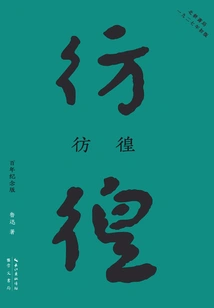
In August 1926, the first edition of "Wandering" was published by Beijing Beixin Book Company, nearly a hundred years ago. The first edition of "Wandering" was edited and finalized by Mr. Lu Xun, and included 11 novels he wrote between 1924 and 1925. The cover of the book was designed by Lu Xun's friend and artist Tao Yuanqing. It was loved by readers as soon as it was launched and is still an irreplaceable classic version today. In this reprint, we focus on recreating the original appearance of the first edition of "Wandering" for readers. In terms of editing, in addition to converting the traditional vertical layout of the first edition into the simplified horizontal layout, only a few text, punctuation and intellectual errors in the first edition were corrected. A large number of Lu Xun's customary words, phrases and sentence patterns in the first edition have been retained as they are. In terms of binding, a double cover design is adopted, and the inner cover is the restored original first edition cover. Mr. Lu Xun's works remain timeless.
In August 1926, the first edition of "Wandering" was published by Beijing Beixin Book Company, nearly a hundred years ago. The first edition of "Wandering" was edited and finalized by Mr. Lu Xun, and included 11 novels he wrote between 1924 and 1925. The cover of the book was designed by Lu Xun's friend and artist Tao Yuanqing. It was loved by readers as soon as it was launched and is still an irreplaceable classic version today. In this reprint, we focus on recreating the original appearance of the first edition of "Wandering" for readers. In terms of editing, in addition to converting the traditional vertical layout of the first edition into the simplified horizontal layout, only a few text, punctuation and intellectual errors in the first edition were corrected. A large number of Lu Xun's customary words, phrases and sentence patterns in the first edition have been retained as they are. In terms of binding, a double cover design is adopted, and the inner cover is the restored original first edition cover. Mr. Lu Xun's works remain timeless.
朝花夕拾(经典译林)
Lu Xun
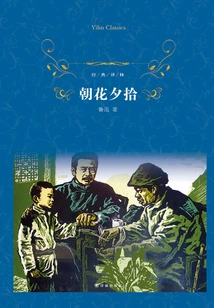
"Morning Blossoms Plucked at Dusk" is a collection of ten essays written by Lu Xun in 1926. These ten essays record Lu Xun's main experiences from childhood to youth, recall many family members, partners, relatives and friends, and present a picture of life in the late Qing Dynasty and the early Republic of China. These chapters mainly inherit the characteristics of traditional Chinese prose. The writing style is friendly, long-lasting, profound and meaningful. They are classics in modern prose.
"Morning Blossoms Plucked at Dusk" is a collection of ten essays written by Lu Xun in 1926. These ten essays record Lu Xun's main experiences from childhood to youth, recall many family members, partners, relatives and friends, and present a picture of life in the late Qing Dynasty and the early Republic of China. These chapters mainly inherit the characteristics of traditional Chinese prose. The writing style is friendly, long-lasting, profound and meaningful. They are classics in modern prose.
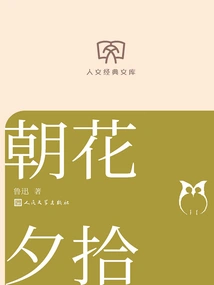
朝花夕拾(人文经典文库)
Lu Xun
This book is one of the most important collections of prose by Mr. Lu Xun and enjoys a high reputation in the history of modern Chinese prose. It contains a total of twelve works including "From Baicao Garden to Sanwei Bookstore", which describes the author's childhood life and study process in his youth, expresses his nostalgia for his former relatives, friends and teachers, and mocks the reactionary and conservative forces in the narration and discussion. It is a beautiful prose treasure based on memories and written with skillful literary techniques. It has been loved by generations of readers, especially young readers. This humanities classic library selects the most well-known literary classics from all over the world. "Morning Flowers and Picking Up Evening" is a masterpiece of prose that must be included in the modern literature section. It is easy to read and suitable for light reading.
This book is one of the most important collections of prose by Mr. Lu Xun and enjoys a high reputation in the history of modern Chinese prose. It contains a total of twelve works including "From Baicao Garden to Sanwei Bookstore", which describes the author's childhood life and study process in his youth, expresses his nostalgia for his former relatives, friends and teachers, and mocks the reactionary and conservative forces in the narration and discussion. It is a beautiful prose treasure based on memories and written with skillful literary techniques. It has been loved by generations of readers, especially young readers. This humanities classic library selects the most well-known literary classics from all over the world. "Morning Flowers and Picking Up Evening" is a masterpiece of prose that must be included in the modern literature section. It is easy to read and suitable for light reading.