Library
Browse and search books
1 novel found
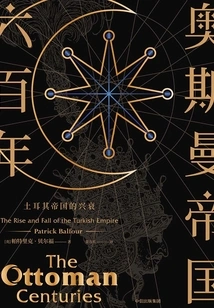
奥斯曼帝国六百年:土耳其帝国的兴衰
(uk)patrick Balfour
The six hundred years of the Ottoman Empire are a story of three hundred years of strength and three hundred years of decline. It is a huge empire spanning Europe, Asia and Africa and the crossroads of the world. The rise and fall of national destiny affects the direction of world history. The ancestors of the Turks came from the steppes of Central Asia. Around 1300 AD, they migrated to the westernmost tip of Asia and established their own country here. Only after the hard work of the three founding sultans, the Turks established themselves as an "empire" and left an invincible reputation in Europe. In 1453, Muhammad the Conqueror captured Constantinople, and in 1529, Suleiman the Magnificent marched under the walls of Vienna. The Ottoman Empire at its peak brought unprecedented impact to the political map of Eurasia. As modernity dawned on the world, the Ottoman Empire lagged behind. One after another, European countries stood on the cusp of historical change. The Habsburg Dynasty, Spain, Tsarist Russia, the Napoleonic Empire, the British Empire, and the Eastern power Ottoman had inevitable collisions. In 1683, the Ottoman army besieged Vienna again and suffered a disastrous defeat; in 1821, a war of independence broke out in Greece under the rule of the Ottoman Empire; at the same time, Egypt also established its own country. Since then, more than twenty countries have broken off from the Ottoman Empire's territories in the Balkans, the Middle East, and Africa. Many of these countries quickly became colonies of European powers such as Britain, France, and Russia. Eventually, the Ottoman Empire itself collapsed after its defeat in World War I. The six-hundred-year history of world empire has become a forgotten and lamented past, while modern Türkiye has opened a new chapter as a republic. In the ups and downs of Türkiye's national destiny, Chinese readers can find the shadow of their motherland and the roots of many international current situations. That imperial era is an indelible and unavoidable historical memory in Europe, Asia, and even the entire modern world.
The six hundred years of the Ottoman Empire are a story of three hundred years of strength and three hundred years of decline. It is a huge empire spanning Europe, Asia and Africa and the crossroads of the world. The rise and fall of national destiny affects the direction of world history. The ancestors of the Turks came from the steppes of Central Asia. Around 1300 AD, they migrated to the westernmost tip of Asia and established their own country here. Only after the hard work of the three founding sultans, the Turks established themselves as an "empire" and left an invincible reputation in Europe. In 1453, Muhammad the Conqueror captured Constantinople, and in 1529, Suleiman the Magnificent marched under the walls of Vienna. The Ottoman Empire at its peak brought unprecedented impact to the political map of Eurasia. As modernity dawned on the world, the Ottoman Empire lagged behind. One after another, European countries stood on the cusp of historical change. The Habsburg Dynasty, Spain, Tsarist Russia, the Napoleonic Empire, the British Empire, and the Eastern power Ottoman had inevitable collisions. In 1683, the Ottoman army besieged Vienna again and suffered a disastrous defeat; in 1821, a war of independence broke out in Greece under the rule of the Ottoman Empire; at the same time, Egypt also established its own country. Since then, more than twenty countries have broken off from the Ottoman Empire's territories in the Balkans, the Middle East, and Africa. Many of these countries quickly became colonies of European powers such as Britain, France, and Russia. Eventually, the Ottoman Empire itself collapsed after its defeat in World War I. The six-hundred-year history of world empire has become a forgotten and lamented past, while modern Türkiye has opened a new chapter as a republic. In the ups and downs of Türkiye's national destiny, Chinese readers can find the shadow of their motherland and the roots of many international current situations. That imperial era is an indelible and unavoidable historical memory in Europe, Asia, and even the entire modern world.