Library
Browse and search books
4 novels found
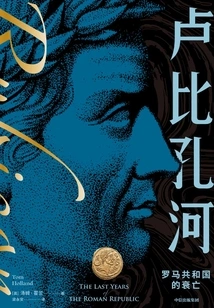
卢比孔河:罗马共和国的衰亡(第二版)
(uk) Tom Holland
At the beginning of the 1st century BC, Rome had become the hegemonic country in the Mediterranean. Carthage was destroyed, the Greek states surrendered, and Spain, Gaul, and Pergamon returned to Rome. Expansion brought wealth and glory to Rome, but it also sown the seeds of violence and corruption. The power of the provincial governor expanded, and the soldiers who followed the governor in battle increasingly became the governor's "private soldiers", and the governor became a military giant of the separatist party. The wealth, beauty, and political culture from the Eastern Provinces also eroded the foundation of the Republic. At the same time, class divisions in Rome became increasingly serious. Aristocrats live in villas equipped with "sky baths" and feast on oysters, while many civilians live in shared apartment buildings and struggle to survive. The class struggle became intense. All parties to the struggle continue to break through the political bottom line. This book takes Caesar's crossing of the Rubicon as the starting point and depicts the magnificent and bloody history of the last century of the Roman Republic. This is a great era of political transformation, full of power struggles, political intrigues, class struggles and brutal civil wars. There are many characters in the book, including not only political giants such as Sulla, Caesar, Pompey, Cicero, Antony, and Octavian, but also political clowns who dress up as women, frustrated politicians who sit by the fish pond and "lie down" while fishing, and assassins who sacrifice their lives for the sake of the Republic. Together they played a variation on the path to empire.
At the beginning of the 1st century BC, Rome had become the hegemonic country in the Mediterranean. Carthage was destroyed, the Greek states surrendered, and Spain, Gaul, and Pergamon returned to Rome. Expansion brought wealth and glory to Rome, but it also sown the seeds of violence and corruption. The power of the provincial governor expanded, and the soldiers who followed the governor in battle increasingly became the governor's "private soldiers", and the governor became a military giant of the separatist party. The wealth, beauty, and political culture from the Eastern Provinces also eroded the foundation of the Republic. At the same time, class divisions in Rome became increasingly serious. Aristocrats live in villas equipped with "sky baths" and feast on oysters, while many civilians live in shared apartment buildings and struggle to survive. The class struggle became intense. All parties to the struggle continue to break through the political bottom line. This book takes Caesar's crossing of the Rubicon as the starting point and depicts the magnificent and bloody history of the last century of the Roman Republic. This is a great era of political transformation, full of power struggles, political intrigues, class struggles and brutal civil wars. There are many characters in the book, including not only political giants such as Sulla, Caesar, Pompey, Cicero, Antony, and Octavian, but also political clowns who dress up as women, frustrated politicians who sit by the fish pond and "lie down" while fishing, and assassins who sacrifice their lives for the sake of the Republic. Together they played a variation on the path to empire.
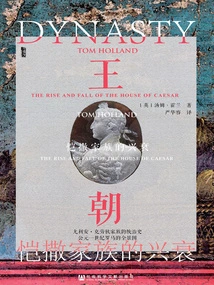
王朝:恺撒家族的兴衰
(uk) Tom Holland
Tom Holland attempts to fill the gap between historical materials and rumors in the form of narrative history, helping us to open up a new path between credulity and excessive doubt to trace the history of the Julian Claudian dynasty. From Augustus, Tiberius, and Caligula to Claudius and Nero, the years the family dominated Rome were a long period of experimentation, with each emperor testing the boundaries of power. Tiberius transforms from great general to cynical hermit, Caligula rides across the sea in pursuit of pleasure, and Nero establishes himself as a tragic hero through his matricide. In "Dynasty", a painting depicting the first dynasty of Rome, Holland will look for the causes and consequences of these events, or the creative motivations behind these rumors, and vividly restore this story about domination and destruction.
Tom Holland attempts to fill the gap between historical materials and rumors in the form of narrative history, helping us to open up a new path between credulity and excessive doubt to trace the history of the Julian Claudian dynasty. From Augustus, Tiberius, and Caligula to Claudius and Nero, the years the family dominated Rome were a long period of experimentation, with each emperor testing the boundaries of power. Tiberius transforms from great general to cynical hermit, Caligula rides across the sea in pursuit of pleasure, and Nero establishes himself as a tragic hero through his matricide. In "Dynasty", a painting depicting the first dynasty of Rome, Holland will look for the causes and consequences of these events, or the creative motivations behind these rumors, and vividly restore this story about domination and destruction.
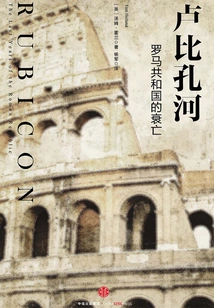
Rubicon River
History卢比孔河
(uk) Tom Holland
In 49 BC, Caesar led the Gallic legions across the Rubicon River and returned to Rome, pushing the 460-year-old Roman Republic into the abyss of civil war. The Rubicon is a dividing river. According to the laws of the Roman Republic, any general was not allowed to lead his army across the Rubicon, otherwise he would be considered a treason. In the 1st century BC, it was in front of this small river that Caesar made the decision to rebel. Why did Caesar, who was at the pinnacle of power, do this? What made him determined to leave the glory of the Republic behind when he hesitated on the banks of the Rubicon? Where will Rome go under Caesar? How will the world outside Rome change? This book tells us the final process of the decline of the Roman Republic through the incident of Caesar crossing the Rubicon. Since the establishment of the Republic in 509 BC, Rome has expanded rapidly after several conquests. By the 1st century BC, it had transformed from a small city-state into a world empire. The republic was unsustainable, and Rome would usher in a drastic social change. The book focuses on describing the social conditions of class antagonism and contradictions in the Republic before the advent of change. The most dazzling stars in Roman history also appeared one after another during this period. The three giants of Rome who competed for dictatorial privileges, Cicero and Cato who adhered to the ideals of the Republic, and Spartacus who launched a slave uprising... They jointly performed the bloody process of the decline of the Roman Republic, and outlined a portrait of the late Republic full of sacrifice, betrayal, disaster, intrigue and unlimited ambition.
In 49 BC, Caesar led the Gallic legions across the Rubicon River and returned to Rome, pushing the 460-year-old Roman Republic into the abyss of civil war. The Rubicon is a dividing river. According to the laws of the Roman Republic, any general was not allowed to lead his army across the Rubicon, otherwise he would be considered a treason. In the 1st century BC, it was in front of this small river that Caesar made the decision to rebel. Why did Caesar, who was at the pinnacle of power, do this? What made him determined to leave the glory of the Republic behind when he hesitated on the banks of the Rubicon? Where will Rome go under Caesar? How will the world outside Rome change? This book tells us the final process of the decline of the Roman Republic through the incident of Caesar crossing the Rubicon. Since the establishment of the Republic in 509 BC, Rome has expanded rapidly after several conquests. By the 1st century BC, it had transformed from a small city-state into a world empire. The republic was unsustainable, and Rome would usher in a drastic social change. The book focuses on describing the social conditions of class antagonism and contradictions in the Republic before the advent of change. The most dazzling stars in Roman history also appeared one after another during this period. The three giants of Rome who competed for dictatorial privileges, Cicero and Cato who adhered to the ideals of the Republic, and Spartacus who launched a slave uprising... They jointly performed the bloody process of the decline of the Roman Republic, and outlined a portrait of the late Republic full of sacrifice, betrayal, disaster, intrigue and unlimited ambition.
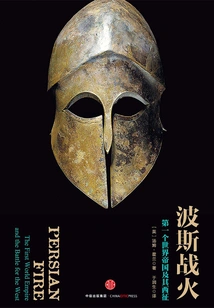
Persian War
History波斯战火
(uk) Tom Holland
"Persian War" tells the story of the causes and consequences of the Persian War and the entire process, from the Persian emperor who was proficient in power and the Greek city-states who were keen on infighting, to the Spartan warriors who were militarized and perverted, and the Athenian politicians who flaunted good government. It wrote a majestic epic full of wildness. The most exciting thing about the book is the restoration of the thrilling and fierce battle scenes between the two sides. Whether it was the encounter between the two sides on the Plains of Marathon in 490 BC; or the bloody battle between 300 Spartan warriors and the "King of Kings" Xerxes at the Thermopylae Pass; or the naval battle of Salamis, where 1,200 Persian warships were completely defeated by 300 Athenian warships... Every scene is vividly depicted, as if the reader was on an ancient battlefield and saw it with his own eyes through armor. As the first international contest across Europe and Asia in the classical world, the Persian War marked the beginning of thousands of years of conflict between Eastern and Western civilizations. "Persian War" reproduces this civilizational struggle in the classical world from a new perspective. For readers who want to understand this period of history, this book is a highly anticipated introductory book.
"Persian War" tells the story of the causes and consequences of the Persian War and the entire process, from the Persian emperor who was proficient in power and the Greek city-states who were keen on infighting, to the Spartan warriors who were militarized and perverted, and the Athenian politicians who flaunted good government. It wrote a majestic epic full of wildness. The most exciting thing about the book is the restoration of the thrilling and fierce battle scenes between the two sides. Whether it was the encounter between the two sides on the Plains of Marathon in 490 BC; or the bloody battle between 300 Spartan warriors and the "King of Kings" Xerxes at the Thermopylae Pass; or the naval battle of Salamis, where 1,200 Persian warships were completely defeated by 300 Athenian warships... Every scene is vividly depicted, as if the reader was on an ancient battlefield and saw it with his own eyes through armor. As the first international contest across Europe and Asia in the classical world, the Persian War marked the beginning of thousands of years of conflict between Eastern and Western civilizations. "Persian War" reproduces this civilizational struggle in the classical world from a new perspective. For readers who want to understand this period of history, this book is a highly anticipated introductory book.