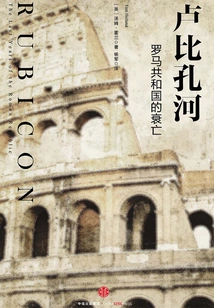
Rubicon River
About This Novel
In 49 BC, Caesar led the Gallic legions across the Rubicon River and returned to Rome, pushing the 460-year-old Roman Republic into the abyss of civil war. The Rubicon is a dividing river. According to the laws of the Roman Republic, any general was not allowed to lead his army across the Rubicon, otherwise he would be considered a treason. In the 1st century BC, it was in front of this small river that Caesar made the decision to rebel. Why did Caesar, who was at the pinnacle of power, do this? What made him determined to leave the glory of the Republic behind when he hesitated on the banks of the Rubicon? Where will Rome go under Caesar? How will the world outside Rome change? This book tells us the final process of the decline of the Roman Republic through the incident of Caesar crossing the Rubicon. Since the establishment of the Republic in 509 BC, Rome has expanded rapidly after several conquests. By the 1st century BC, it had transformed from a small city-state into a world empire. The republic was unsustainable, and Rome would usher in a drastic social change. The book focuses on describing the social conditions of class antagonism and contradictions in the Republic before the advent of change. The most dazzling stars in Roman history also appeared one after another during this period. The three giants of Rome who competed for dictatorial privileges, Cicero and Cato who adhered to the ideals of the Republic, and Spartacus who launched a slave uprising... They jointly performed the bloody process of the decline of the Roman Republic, and outlined a portrait of the late Republic full of sacrifice, betrayal, disaster, intrigue and unlimited ambition.
Official Sources
What Readers Think
Rating
Community(0)
Rating
Community(0)