Library
Browse and search books
2 novels found
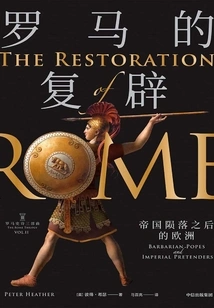
罗马的复辟:帝国陨落之后的欧洲
(uk) Peter Heather
In 476, the last emperor of Western Rome was deposed, and centuries of imperial tradition came to an end. However, the culture, system, and spirit of the empire still existed, and the interests associated with them spurred the ambition to rebuild the empire. In the west, Theoderic the Goth almost restored the empire to its glory. In 511, he used Roman methods to direct the affairs of nearly half of the Western Roman homeland, and his hegemony extended to North Africa and Central Europe. But as soon as he died, the aura of the empire completely disappeared from his former territory. In Eastern Rome, Emperor Justinian, who ascended the throne in 527, compiled legal codes and used war to demonstrate his strength. He conquered North Africa and recaptured Italy. He was like the reviver of the Western Empire. But less than two generations after his death, Eastern Rome's territory was only one-third of its former size, and it no longer had the power to regain its glory. On Christmas Day 800, Charlemagne, a Frank from the north, walked into St. Peter's Basilica. The Pope crowned him and declared him emperor of the Romans. Charlemagne initiated reforms as a divine monarch and unified Christian culture within the empire. After his death, however, the fortunes of the Carolingian dynasty ran out, and succession disputes shattered the dream of a renewed empire. 500 Years after the fall of Western Rome, attempts at revival from the west, east, and north have all failed. The structure of the western part of the Eurasian continent is no longer what it once was, and it is impossible for the empire that embodies the essence of Rome to be resurrected. However, the competition for royal power gave religion great power and inadvertently created the pope's new Roman Empire - Latin Christendom, which has stood for thousands of years since the 11th century and its influence continues to this day.
In 476, the last emperor of Western Rome was deposed, and centuries of imperial tradition came to an end. However, the culture, system, and spirit of the empire still existed, and the interests associated with them spurred the ambition to rebuild the empire. In the west, Theoderic the Goth almost restored the empire to its glory. In 511, he used Roman methods to direct the affairs of nearly half of the Western Roman homeland, and his hegemony extended to North Africa and Central Europe. But as soon as he died, the aura of the empire completely disappeared from his former territory. In Eastern Rome, Emperor Justinian, who ascended the throne in 527, compiled legal codes and used war to demonstrate his strength. He conquered North Africa and recaptured Italy. He was like the reviver of the Western Empire. But less than two generations after his death, Eastern Rome's territory was only one-third of its former size, and it no longer had the power to regain its glory. On Christmas Day 800, Charlemagne, a Frank from the north, walked into St. Peter's Basilica. The Pope crowned him and declared him emperor of the Romans. Charlemagne initiated reforms as a divine monarch and unified Christian culture within the empire. After his death, however, the fortunes of the Carolingian dynasty ran out, and succession disputes shattered the dream of a renewed empire. 500 Years after the fall of Western Rome, attempts at revival from the west, east, and north have all failed. The structure of the western part of the Eurasian continent is no longer what it once was, and it is impossible for the empire that embodies the essence of Rome to be resurrected. However, the competition for royal power gave religion great power and inadvertently created the pope's new Roman Empire - Latin Christendom, which has stood for thousands of years since the 11th century and its influence continues to this day.
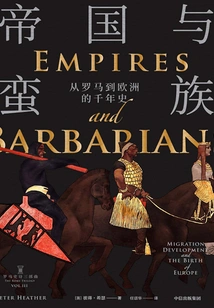
帝国与蛮族:从罗马到欧洲的千年史(罗马史诗三部曲)
(uk) Peter Heather
In Europe today, countries interact frequently, and their lifestyles are generally similar. People move around. Immigrants change the places they go, and they are also changed by their surroundings. This pattern was actually formed more than a thousand years ago. The origins of modern Europe can be traced back to a thousand-year transformation. With the rise and fall of empires, the Germanic-speaking Goths, Anglo-Saxons, and Franks, the nomadic Huns, Avars, and Magyars, the Vikings who came across the sea, and the Slavs who replaced the Germans to rule Central and Eastern Europe came and went across the land of Europe. These immigrants coveted the empire's wealth and were also afraid of the empire's violence. They followed the land route, sea route, and river network, either dragging their families with them to find a new home, or forming small teams to plunder, or trading slaves and furs for profit. From Rome to Europe, this is the story of immigrants who changed the world. A thousand years of migration ended the order dominated by the Roman Empire. The barbarians in the eyes of the Romans redrawn the human geography and political map of western Eurasia. In the struggle between the empire and the barbarians, the prototype of modern Europe gradually emerged.
In Europe today, countries interact frequently, and their lifestyles are generally similar. People move around. Immigrants change the places they go, and they are also changed by their surroundings. This pattern was actually formed more than a thousand years ago. The origins of modern Europe can be traced back to a thousand-year transformation. With the rise and fall of empires, the Germanic-speaking Goths, Anglo-Saxons, and Franks, the nomadic Huns, Avars, and Magyars, the Vikings who came across the sea, and the Slavs who replaced the Germans to rule Central and Eastern Europe came and went across the land of Europe. These immigrants coveted the empire's wealth and were also afraid of the empire's violence. They followed the land route, sea route, and river network, either dragging their families with them to find a new home, or forming small teams to plunder, or trading slaves and furs for profit. From Rome to Europe, this is the story of immigrants who changed the world. A thousand years of migration ended the order dominated by the Roman Empire. The barbarians in the eyes of the Romans redrawn the human geography and political map of western Eurasia. In the struggle between the empire and the barbarians, the prototype of modern Europe gradually emerged.