Library
Browse and search books
2 novels found
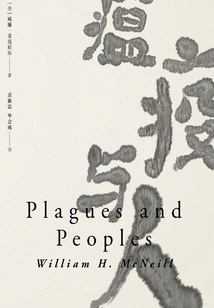
Plague and People
History瘟疫与人
(u. S.) William Mcneil
Epidemics are one of the fundamental parameters and determinants of human history. A generation of historians, William McNeill, used a chronological approach from the perspective of the history of epidemics, writing from prehistoric times to the first half of the last century, to explore in detail how infectious diseases ravaged Europe, Asia, Africa and other birthplaces of civilization, and how these diseases shaped the characteristics of different civilizations. He was the first to combine history with pathology to reinterpret human behavior; he placed infectious diseases at the center of history and gave them their due status; with fluent writing, sharp reasoning, and superb skills, he narrated the important role that infectious diseases played in the changes in human history and the development of civilization. "Plagues and People" is a popular classic work by William McNeil, and it is also an excellent historical work that discusses the relationship between plagues and human history at a macro level. The New York Review of Books said that "this book has since changed the way people look at world history", and the New Yorker believes that this book is "a truly revolutionary work." Pulitzer Prize winner Harrison Salisbury praised it for proposing "innovative and challenging historical concepts with far-reaching influence", while historian Will Durant said: "I have benefited a lot from "Plagues and Men" as a new perspective on history."
Epidemics are one of the fundamental parameters and determinants of human history. A generation of historians, William McNeill, used a chronological approach from the perspective of the history of epidemics, writing from prehistoric times to the first half of the last century, to explore in detail how infectious diseases ravaged Europe, Asia, Africa and other birthplaces of civilization, and how these diseases shaped the characteristics of different civilizations. He was the first to combine history with pathology to reinterpret human behavior; he placed infectious diseases at the center of history and gave them their due status; with fluent writing, sharp reasoning, and superb skills, he narrated the important role that infectious diseases played in the changes in human history and the development of civilization. "Plagues and People" is a popular classic work by William McNeil, and it is also an excellent historical work that discusses the relationship between plagues and human history at a macro level. The New York Review of Books said that "this book has since changed the way people look at world history", and the New Yorker believes that this book is "a truly revolutionary work." Pulitzer Prize winner Harrison Salisbury praised it for proposing "innovative and challenging historical concepts with far-reaching influence", while historian Will Durant said: "I have benefited a lot from "Plagues and Men" as a new perspective on history."
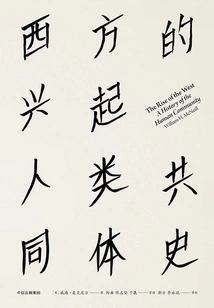
西方的兴起:人类共同体史
(u. S.) William Mcneil
"The Rise of the West: A History of the Human Community" is a foundational masterpiece of global history. It tells the history of the entire human race from a global perspective, allowing you to understand the evolution of human civilization and the world pattern in one book. On the occasion of the first publication of the authorized Chinese version, master historian William McNeil wrote "To Chinese Readers" to express his message to China's renaissance, dedicating this historical masterpiece to Chinese readers who hope to gain insight into human history in a novel way. The global history that is gaining momentum today began in the 1960s, and its representative work is William McNeil's "The Rise of the West." Conceived in 1936, written in 1954, and published in 1963, it took McNeil 27 years to complete this masterpiece of history. After its release, it was immediately highly praised by historians Toynbee and Trevor Roper, and even won the National Book Award.
"The Rise of the West: A History of the Human Community" is a foundational masterpiece of global history. It tells the history of the entire human race from a global perspective, allowing you to understand the evolution of human civilization and the world pattern in one book. On the occasion of the first publication of the authorized Chinese version, master historian William McNeil wrote "To Chinese Readers" to express his message to China's renaissance, dedicating this historical masterpiece to Chinese readers who hope to gain insight into human history in a novel way. The global history that is gaining momentum today began in the 1960s, and its representative work is William McNeil's "The Rise of the West." Conceived in 1936, written in 1954, and published in 1963, it took McNeil 27 years to complete this masterpiece of history. After its release, it was immediately highly praised by historians Toynbee and Trevor Roper, and even won the National Book Award.