Library
Browse and search books
25 novels found
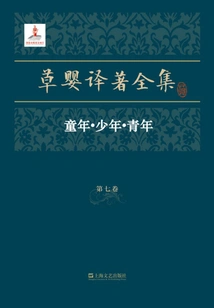
草婴译著全集·第七卷:童年·少年·青年
(russian) Leo Tolstoy
"The Complete Translations of Cao Ying" is a complete collection of literary works translated and created by the famous Russian-Soviet literary translator Mr. Cao Ying throughout his life, with a total of 21 volumes and about 7 million words. Among them, 12 volumes include the classic Russian literary works translated by Cao Ying, mainly the complete novels of the great writer Leo Tolstoy; 7 volumes include important works translated by Cao Ying that reflect the Soviet Patriotic War and Soviet socialist construction, including the works of writers such as Nobel Prize winners Sholokhov and Lermontov; 1 volume includes Cao Ying's personal works on Russian-Soviet literature and literary translation issues; and 1 volume collects Cao Ying's translated articles published in various newspapers and magazines over the years. This volume is: Volume 7 of Cao Ying's complete translation works "Childhood·Youth·Youth".
"The Complete Translations of Cao Ying" is a complete collection of literary works translated and created by the famous Russian-Soviet literary translator Mr. Cao Ying throughout his life, with a total of 21 volumes and about 7 million words. Among them, 12 volumes include the classic Russian literary works translated by Cao Ying, mainly the complete novels of the great writer Leo Tolstoy; 7 volumes include important works translated by Cao Ying that reflect the Soviet Patriotic War and Soviet socialist construction, including the works of writers such as Nobel Prize winners Sholokhov and Lermontov; 1 volume includes Cao Ying's personal works on Russian-Soviet literature and literary translation issues; and 1 volume collects Cao Ying's translated articles published in various newspapers and magazines over the years. This volume is: Volume 7 of Cao Ying's complete translation works "Childhood·Youth·Youth".
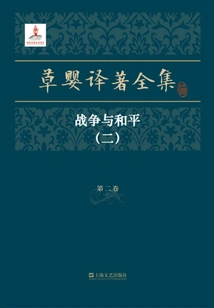
草婴译著全集·第二卷:战争与和平(二)
(russian) Leo Tolstoy
"The Complete Translations of Cao Ying" is a complete collection of literary works translated and created by the famous Russian-Soviet literary translator Mr. Cao Ying throughout his life, with a total of 21 volumes and about 7 million words. Among them, 12 volumes include the classic Russian literary works translated by Cao Ying, mainly the complete novels of the great writer Leo Tolstoy; 7 volumes include important works translated by Cao Ying that reflect the Soviet Patriotic War and Soviet socialist construction, including the works of writers such as Nobel Prize winners Sholokhov and Lermontov; 1 volume includes Cao Ying's personal works on Russian-Soviet literature and literary translation issues; and 1 volume collects Cao Ying's translated articles published in various newspapers and magazines over the years. This volume is: "War and Peace" (Volume 2), the second volume of Cao Ying's translations.
"The Complete Translations of Cao Ying" is a complete collection of literary works translated and created by the famous Russian-Soviet literary translator Mr. Cao Ying throughout his life, with a total of 21 volumes and about 7 million words. Among them, 12 volumes include the classic Russian literary works translated by Cao Ying, mainly the complete novels of the great writer Leo Tolstoy; 7 volumes include important works translated by Cao Ying that reflect the Soviet Patriotic War and Soviet socialist construction, including the works of writers such as Nobel Prize winners Sholokhov and Lermontov; 1 volume includes Cao Ying's personal works on Russian-Soviet literature and literary translation issues; and 1 volume collects Cao Ying's translated articles published in various newspapers and magazines over the years. This volume is: "War and Peace" (Volume 2), the second volume of Cao Ying's translations.
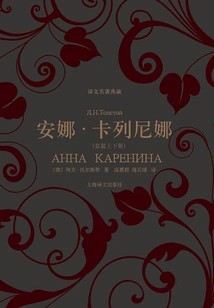
安娜·卡列尼娜(套装上下册)(译文名著典藏)
(russian) Leo Tolstoy
The story takes place in St. Petersburg in the 19th century. The heroine Anna meets the young officer Vronsky during a trip and falls in love. After her husband Karenin discovers the matter, Anna's request for divorce is rejected and she is threatened that she will never see her beloved son again. Anna then eloped with Vronsky and lived a short and happy life, but the indifference and boredom after passion caused the final blow to her unfortunate fate. Anna missed her beloved son day by day. She was unable to resist the hypocritical and cold moral pressure of the upper class society, and could not completely break away from the aristocratic society. Finally, she committed suicide on the train in the midst of contradiction and despair. Levin and Kitty became a loving couple based on love, but not everything goes as planned in married life. Levin was saddened by the decline of the landlord economy, and tried to resist the development of capitalism, hoping to ease class conflicts through the cooperation between landlords and farmers. After his dreams were shattered, he became pessimistic and disappointed, and finally found his spiritual destination by converting to religion.
The story takes place in St. Petersburg in the 19th century. The heroine Anna meets the young officer Vronsky during a trip and falls in love. After her husband Karenin discovers the matter, Anna's request for divorce is rejected and she is threatened that she will never see her beloved son again. Anna then eloped with Vronsky and lived a short and happy life, but the indifference and boredom after passion caused the final blow to her unfortunate fate. Anna missed her beloved son day by day. She was unable to resist the hypocritical and cold moral pressure of the upper class society, and could not completely break away from the aristocratic society. Finally, she committed suicide on the train in the midst of contradiction and despair. Levin and Kitty became a loving couple based on love, but not everything goes as planned in married life. Levin was saddened by the decline of the landlord economy, and tried to resist the development of capitalism, hoping to ease class conflicts through the cooperation between landlords and farmers. After his dreams were shattered, he became pessimistic and disappointed, and finally found his spiritual destination by converting to religion.
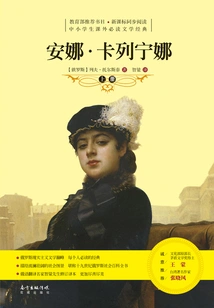
Anna Karenina (part 1)
General Fiction安娜·卡列宁娜(上)
(russian) Leo Tolstoy
"Anna Karenina" is one of the famous works of Tolstoy, the master of Russian literature. Through the tragedy of the heroine Anna's pursuit of love, and Levin's thinking and exploration of reform, it depicts the social panorama of Russia from Moscow to the countryside in the late 19th and early 21st centuries. It is a classic encyclopedia-style work. Through the relationship between the central character Anna Karenina, her husband Karenin, and her lover Vronsky, and through the relationship between her brother Oblonsky, the story connects Anna's life circle with another circle, forming a system of hundreds of characters. The writer used the relationships between people reflected in this huge system to vividly and profoundly write about the social outlook of Russia in the mid-19th century when capitalism was just emerging, and raised the problems that existed in Russia during this historical period.
"Anna Karenina" is one of the famous works of Tolstoy, the master of Russian literature. Through the tragedy of the heroine Anna's pursuit of love, and Levin's thinking and exploration of reform, it depicts the social panorama of Russia from Moscow to the countryside in the late 19th and early 21st centuries. It is a classic encyclopedia-style work. Through the relationship between the central character Anna Karenina, her husband Karenin, and her lover Vronsky, and through the relationship between her brother Oblonsky, the story connects Anna's life circle with another circle, forming a system of hundreds of characters. The writer used the relationships between people reflected in this huge system to vividly and profoundly write about the social outlook of Russia in the mid-19th century when capitalism was just emerging, and raised the problems that existed in Russia during this historical period.
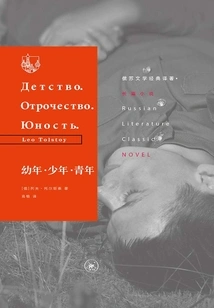
Childhood, Youth, Youth
General Fiction幼年·少年·青年
(russian) Leo Tolstoy
Most of the author Tolstoy's novels reflect the real life of Russian society in the 19th century, describe all kinds of Russian characters, and create many models with distinctive personalities. Reading Tolstoy's novels, we seem to be in the Russian environment at that time, and we can really say that we are immersed in it; we come into contact with characters of various identities and personalities, as if we see them and hear their voices; at the same time, along with their joys and sorrows, joys and sorrows, we naturally have a strong resonance with their experiences. Literary and artistic works mainly move people with emotion. By reading excellent literary and artistic works, you can unknowingly gain beneficial influence, and thus have thoughts about the world and life. Tolstoy's life was mainly concerned with caring for people, sympathizing with the suffering of unfortunate people, and thinking about how to fill the world with sincere love between people, which is to promote the spirit of humanitarianism. It is this great personality that has moved and continues to move the hearts of all upright people around the world. No wonder his works have been translated into the most languages in the world and have always ranked first among classic works in terms of number of prints. The protagonist of this autobiographical novel, Nikolenka, was born in an ordinary aristocratic family in Russia. She lived in a spacious and gorgeous mansion, had groups of servants, had a dedicated tutor, often attended banquets and dances, went hunting in the suburbs, and lived a life full of food. Despite living in a greenhouse, acute social problems are still inevitably exposed, such as Karl, who has a miserable life experience, the serfs who depend on others and are exploited but do not know how to resist, the hypocrisy of university professors, the indulgence of university life, the favoritism of government officials, the corruption of the conscription system, etc.
Most of the author Tolstoy's novels reflect the real life of Russian society in the 19th century, describe all kinds of Russian characters, and create many models with distinctive personalities. Reading Tolstoy's novels, we seem to be in the Russian environment at that time, and we can really say that we are immersed in it; we come into contact with characters of various identities and personalities, as if we see them and hear their voices; at the same time, along with their joys and sorrows, joys and sorrows, we naturally have a strong resonance with their experiences. Literary and artistic works mainly move people with emotion. By reading excellent literary and artistic works, you can unknowingly gain beneficial influence, and thus have thoughts about the world and life. Tolstoy's life was mainly concerned with caring for people, sympathizing with the suffering of unfortunate people, and thinking about how to fill the world with sincere love between people, which is to promote the spirit of humanitarianism. It is this great personality that has moved and continues to move the hearts of all upright people around the world. No wonder his works have been translated into the most languages in the world and have always ranked first among classic works in terms of number of prints. The protagonist of this autobiographical novel, Nikolenka, was born in an ordinary aristocratic family in Russia. She lived in a spacious and gorgeous mansion, had groups of servants, had a dedicated tutor, often attended banquets and dances, went hunting in the suburbs, and lived a life full of food. Despite living in a greenhouse, acute social problems are still inevitably exposed, such as Karl, who has a miserable life experience, the serfs who depend on others and are exploited but do not know how to resist, the hypocrisy of university professors, the indulgence of university life, the favoritism of government officials, the corruption of the conscription system, etc.
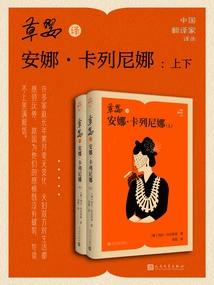
Cao Ying's Translation of Anna Karenina in 2 Volumes (chinese Translators' Translation Series)
General Fiction草婴译安娜·卡列尼娜全2册(中国翻译家译丛)
(russian) Leo Tolstoy
"Anna Karenina" is a novel written by Russian writer Leo Tolstoy and is also his representative work. The work tells the story of Anna, an aristocratic woman, who pursues love and happiness, but is defeated by Karenin's hypocrisy and Vronsky's indifference and selfishness. She eventually ends up committing suicide by lying on a train and leaving her body in a station. The manor owner Levin opposed the private ownership of land, resisted the capitalist system, and sympathized with the poor peasants, but he could not get rid of the aristocratic habits and fell into an inextricable contradiction. Contradictory periods, contradictory systems, contradictory characters, and contradictory psychology make the whole book bump in the whirlpool of contradictions. Dostoyevsky commented that "this is a perfect artistic masterpiece, and there is nothing similar in modern European literature that can compare with it." The heroine in the book, Anna Karenina, has become one of the most graceful and plump female images in the history of world literature. Cao Ying, a literary translator, has single-handedly accomplished the feat of translating all of Leo Tolstoy's novels. The translation is famous for its concise, bright, smooth and easy-to-read text.
"Anna Karenina" is a novel written by Russian writer Leo Tolstoy and is also his representative work. The work tells the story of Anna, an aristocratic woman, who pursues love and happiness, but is defeated by Karenin's hypocrisy and Vronsky's indifference and selfishness. She eventually ends up committing suicide by lying on a train and leaving her body in a station. The manor owner Levin opposed the private ownership of land, resisted the capitalist system, and sympathized with the poor peasants, but he could not get rid of the aristocratic habits and fell into an inextricable contradiction. Contradictory periods, contradictory systems, contradictory characters, and contradictory psychology make the whole book bump in the whirlpool of contradictions. Dostoyevsky commented that "this is a perfect artistic masterpiece, and there is nothing similar in modern European literature that can compare with it." The heroine in the book, Anna Karenina, has become one of the most graceful and plump female images in the history of world literature. Cao Ying, a literary translator, has single-handedly accomplished the feat of translating all of Leo Tolstoy's novels. The translation is famous for its concise, bright, smooth and easy-to-read text.
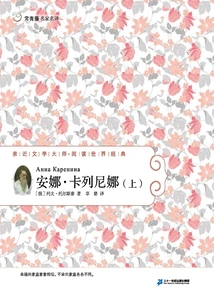
Anna Karenina (part 1)
General Fiction安娜·卡列尼娜(上)
(russian) Leo Tolstoy
"Anna Karenina" is Tolstoy's second landmark novel, written from 1873 to 1877. Anna is a high-society lady, young and beautiful, pursuing individual liberation and freedom of love, while her husband is a "bureaucratic machine" with an indifferent temperament. Once at the station, Anna met the young officer Vronsky. The latter was attracted by her beauty and pursued her desperately. In the end, Anna fell in love and decided to leave her husband and live with Vronsky. But the longing for her son and the pressure from the surrounding environment made her fall into pain and uneasiness, and she gradually discovered that Vronsky was not a dedicated and ideal figure. After losing her son and her last spiritual support, Vronsky, in despair, she chose to commit suicide by lying on the train. The novel exposes the ugliness and hypocrisy of the Russian upper class in the 1860s and 1970s. It also expresses the author's complex moral exploration and ideological exploration during a period of social transformation.
"Anna Karenina" is Tolstoy's second landmark novel, written from 1873 to 1877. Anna is a high-society lady, young and beautiful, pursuing individual liberation and freedom of love, while her husband is a "bureaucratic machine" with an indifferent temperament. Once at the station, Anna met the young officer Vronsky. The latter was attracted by her beauty and pursued her desperately. In the end, Anna fell in love and decided to leave her husband and live with Vronsky. But the longing for her son and the pressure from the surrounding environment made her fall into pain and uneasiness, and she gradually discovered that Vronsky was not a dedicated and ideal figure. After losing her son and her last spiritual support, Vronsky, in despair, she chose to commit suicide by lying on the train. The novel exposes the ugliness and hypocrisy of the Russian upper class in the 1860s and 1970s. It also expresses the author's complex moral exploration and ideological exploration during a period of social transformation.
War and Peace (part 1)
General Fiction战争与和平(上)
(russian) Leo Tolstoy
The classic translation of the Republic of China period was the first direct translation of the original Russian work into Chinese, which was vivid and fluent and maintained the artistic style of the original work. The translator, Gao Zhi, is a famous writer and translator in my country. He is fluent in English, Japanese, and Russian. He is especially committed to the study of Russian literature and is the author of "On the Works of Leo Tolstoy". He is considered the most authoritative person in my country to translate Tolstoy's works.
The classic translation of the Republic of China period was the first direct translation of the original Russian work into Chinese, which was vivid and fluent and maintained the artistic style of the original work. The translator, Gao Zhi, is a famous writer and translator in my country. He is fluent in English, Japanese, and Russian. He is especially committed to the study of Russian literature and is the author of "On the Works of Leo Tolstoy". He is considered the most authoritative person in my country to translate Tolstoy's works.
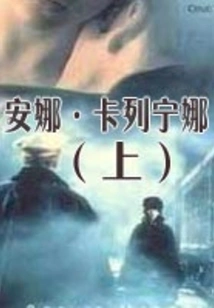
Anna Karenina (part 1)
General Fiction安娜·卡列宁娜(上)
(russian) Leo Tolstoy
Anna is a high-society lady, young and beautiful, pursuing individual liberation and freedom of love, while her husband is a "bureaucratic machine" with an indifferent temperament.
Anna is a high-society lady, young and beautiful, pursuing individual liberation and freedom of love, while her husband is a "bureaucratic machine" with an indifferent temperament.
War and Peace (part 2)
General Fiction战争与和平(下)
(russian) Leo Tolstoy
The classic translation of the Republic of China period was the first direct translation of the original Russian work into Chinese, which was vivid and fluent and maintained the artistic style of the original work. The translator, Gao Zhi, is a famous writer and translator in my country. He is fluent in English, Japanese, and Russian. He is especially committed to the study of Russian literature and is the author of "On the Works of Leo Tolstoy". He is considered the most authoritative person in my country to translate Tolstoy's works.
The classic translation of the Republic of China period was the first direct translation of the original Russian work into Chinese, which was vivid and fluent and maintained the artistic style of the original work. The translator, Gao Zhi, is a famous writer and translator in my country. He is fluent in English, Japanese, and Russian. He is especially committed to the study of Russian literature and is the author of "On the Works of Leo Tolstoy". He is considered the most authoritative person in my country to translate Tolstoy's works.
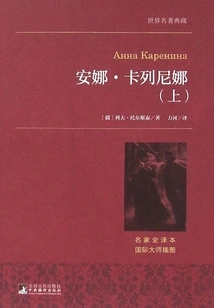
Anna Karenina (part 1)
General Fiction安娜·卡列尼娜(上)
(russian) Leo Tolstoy
This book is the second monumental novel by the great writer Tolstoy. The protagonist Anna is an upper-class lady. She is young and beautiful, pursuing individual liberation and freedom of love, while her husband is a "bureaucratic machine" with an indifferent temperament. A chance encounter with a young military officer made Anna fall in love, and she resolutely left her husband and children to live with her sweetheart. But the longing for her son and the pressure from the surrounding environment made her fall into pain and uneasiness, and she gradually discovered that the sweetheart around her was not an ideal lover with single-minded affection. After experiencing a series of blows such as the loss of her son and a love change, Anna found that she could no longer live in this hypocritical society. In despair, she chose to commit suicide by lying on the train. The novel profoundly exposes the ugliness and hypocrisy of the Russian upper class in the 1860s and 1970s. It also expresses the author's moral and ideological exploration during the period of social transformation.
This book is the second monumental novel by the great writer Tolstoy. The protagonist Anna is an upper-class lady. She is young and beautiful, pursuing individual liberation and freedom of love, while her husband is a "bureaucratic machine" with an indifferent temperament. A chance encounter with a young military officer made Anna fall in love, and she resolutely left her husband and children to live with her sweetheart. But the longing for her son and the pressure from the surrounding environment made her fall into pain and uneasiness, and she gradually discovered that the sweetheart around her was not an ideal lover with single-minded affection. After experiencing a series of blows such as the loss of her son and a love change, Anna found that she could no longer live in this hypocritical society. In despair, she chose to commit suicide by lying on the train. The novel profoundly exposes the ugliness and hypocrisy of the Russian upper class in the 1860s and 1970s. It also expresses the author's moral and ideological exploration during the period of social transformation.
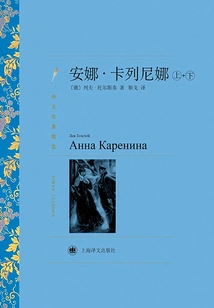
安娜·卡列尼娜(上下册)(译文名著精选)
(russian) Leo Tolstoy
Tolstoy's masterpiece novel. Novels from life. A brand new translation of famous names. "Anna Karenina" is the masterpiece of the great Russian writer Tolstoy. It unfolds from two clues that seem to be distinct, but are actually closely connected. One of the clues revolves around Anna's feelings, telling the process of Anna and Vronsky's acquaintance, love, and destruction, as well as the whirlpools this incident stirred up in the surrounding social network; the other clue mainly focuses on the other protagonist Levin, telling his life, story, and his personal thinking in a religious sense. The story covers St. Petersburg and Moscow as well as the vast Russian countryside. The author uses the tragedy of Anna's failure in pursuing love and finally chooses to commit suicide by lying on the train and the various problems faced by the Russian countryside through Levin's perspective, restoring a complete and realistic picture of Russian society.
Tolstoy's masterpiece novel. Novels from life. A brand new translation of famous names. "Anna Karenina" is the masterpiece of the great Russian writer Tolstoy. It unfolds from two clues that seem to be distinct, but are actually closely connected. One of the clues revolves around Anna's feelings, telling the process of Anna and Vronsky's acquaintance, love, and destruction, as well as the whirlpools this incident stirred up in the surrounding social network; the other clue mainly focuses on the other protagonist Levin, telling his life, story, and his personal thinking in a religious sense. The story covers St. Petersburg and Moscow as well as the vast Russian countryside. The author uses the tragedy of Anna's failure in pursuing love and finally chooses to commit suicide by lying on the train and the various problems faced by the Russian countryside through Levin's perspective, restoring a complete and realistic picture of Russian society.
Anna Karenina (part 2)
General Fiction安娜·卡列宁娜(下)
(russian) Leo Tolstoy
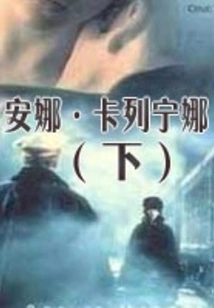
Anna is a high-society lady, young and beautiful, pursuing individual liberation and freedom of love, while her husband is a "bureaucratic machine" with an indifferent temperament. Once at the station, Anna met the young officer Vronsky. The latter was attracted by her beauty and pursued her desperately. However, Anna cannot move towards the life she longs for...
Anna is a high-society lady, young and beautiful, pursuing individual liberation and freedom of love, while her husband is a "bureaucratic machine" with an indifferent temperament. Once at the station, Anna met the young officer Vronsky. The latter was attracted by her beauty and pursued her desperately. However, Anna cannot move towards the life she longs for...
Resurrection
General Fiction复活
(russian) Leo Tolstoy
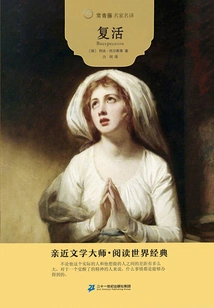
This book tells the story of the aristocratic young man Nekhludoff who seduced the adopted daughter of his aunt, the peasant girl Katyusha Maslova, causing her to become a prostitute; but when she was falsely accused of murder for money, he attended the court as a jury to try her. This seemingly coincidental event had typical social significance at the time. On the one hand, the novel presents the representative themes of the author's later years - spiritual awakening and running away from home; on the other hand, it mainly uses Nekhlyudov's experience and knowledge to show the dark side of society from cities to rural areas, and makes a profound criticism of the government, courts, prisons, churches, private ownership of land and the capitalist system.
This book tells the story of the aristocratic young man Nekhludoff who seduced the adopted daughter of his aunt, the peasant girl Katyusha Maslova, causing her to become a prostitute; but when she was falsely accused of murder for money, he attended the court as a jury to try her. This seemingly coincidental event had typical social significance at the time. On the one hand, the novel presents the representative themes of the author's later years - spiritual awakening and running away from home; on the other hand, it mainly uses Nekhlyudov's experience and knowledge to show the dark side of society from cities to rural areas, and makes a profound criticism of the government, courts, prisons, churches, private ownership of land and the capitalist system.

Two Hussars
General Fiction两个骠骑兵
(russian) Leo Tolstoy
The third part of "Cao Ying's Translation of Leo Tolstoy's Short Stories and Short Stories" - "The Two Hussars", is titled with the main title of one of them, and includes seven of the writer's military-themed works, including the author's autobiographical Sevastopol series "Sevastopol in December", "Sevastopol in May", "Sevastopol in August 1855", as well as the separate "Assault", "Logging", "Two Hussars" and "Singing in the Village". From the passionate praise of the patriotism and romanticism of soldiers in "The Raid" in 1852, to the doubt in "Logging", and finally to the return to the recruiting scene in "The Village Song" in 1909, this new combination helps readers see the writer's almost lifelong thinking about war and peace.
The third part of "Cao Ying's Translation of Leo Tolstoy's Short Stories and Short Stories" - "The Two Hussars", is titled with the main title of one of them, and includes seven of the writer's military-themed works, including the author's autobiographical Sevastopol series "Sevastopol in December", "Sevastopol in May", "Sevastopol in August 1855", as well as the separate "Assault", "Logging", "Two Hussars" and "Singing in the Village". From the passionate praise of the patriotism and romanticism of soldiers in "The Raid" in 1852, to the doubt in "Logging", and finally to the return to the recruiting scene in "The Village Song" in 1909, this new combination helps readers see the writer's almost lifelong thinking about war and peace.
Anna Karenina
General Fiction安娜·卡列尼娜
(russian) Leo Tolstoy
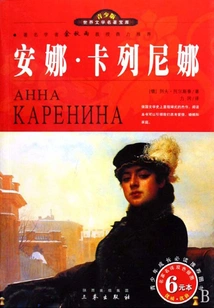
The novel depicts a vast and colorful picture of Russia from Moscow to the provincial countryside. It is a social encyclopedia-style work that reflects the family life of all classes in Russia in the 1860s and 1870s, and exposes the greed, fraud and hypocrisy of the entire society. Lenin called it "a mirror of the Russian Revolution."
The novel depicts a vast and colorful picture of Russia from Moscow to the provincial countryside. It is a social encyclopedia-style work that reflects the family life of all classes in Russia in the 1860s and 1870s, and exposes the greed, fraud and hypocrisy of the entire society. Lenin called it "a mirror of the Russian Revolution."
Anna Karenina (complete Works)
General Fiction安娜·卡列尼娜(全集)
(russian) Leo Tolstoy
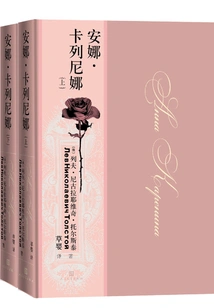
The novel "Anna Karenina" reflects the relationship between people through Anna's emotional life and a huge character system, and vividly and profoundly describes the period when Russian capitalism was just emerging in the mid-19th century.
The novel "Anna Karenina" reflects the relationship between people through Anna's emotional life and a huge character system, and vividly and profoundly describes the period when Russian capitalism was just emerging in the mid-19th century.
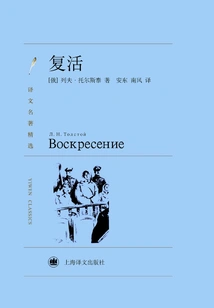
Resurrection (selected Translations of Famous Works)
General Fiction复活(译文名著精选)
(russian) Leo Tolstoy
"Resurrection" is a masterpiece that Tolstoy worked on for more than ten years in his later years. It is also the pinnacle of his life's thoughts and art. The plot of this novel is based on a true story. In his innocent boyhood, the aristocratic young Nekhlyudov fell in love with his aunt's maid Maslova, seduced and abandoned her. After being hurt, the innocent and beautiful girl had no choice but to suffer humiliation and torture. Her beautiful soul was distorted and she became a prostitute. Eight years later, during a court hearing, fate reunited these two people who had forgotten their past by chance. Maslova was wrongfully convicted of murder and sentenced to hard labor in Siberia. Nekhlyudov actively rescued her in a state of self-blame, regret and conflict, and worked hard to mediate between courts, prisons, churches, government agencies and even the palace and other upper-class societies in order to restore her innocence. During this process, Nekhlyudov's spiritual humanity constantly defeated his bestial humanity through constant self-reflection.
"Resurrection" is a masterpiece that Tolstoy worked on for more than ten years in his later years. It is also the pinnacle of his life's thoughts and art. The plot of this novel is based on a true story. In his innocent boyhood, the aristocratic young Nekhlyudov fell in love with his aunt's maid Maslova, seduced and abandoned her. After being hurt, the innocent and beautiful girl had no choice but to suffer humiliation and torture. Her beautiful soul was distorted and she became a prostitute. Eight years later, during a court hearing, fate reunited these two people who had forgotten their past by chance. Maslova was wrongfully convicted of murder and sentenced to hard labor in Siberia. Nekhlyudov actively rescued her in a state of self-blame, regret and conflict, and worked hard to mediate between courts, prisons, churches, government agencies and even the palace and other upper-class societies in order to restore her innocence. During this process, Nekhlyudov's spiritual humanity constantly defeated his bestial humanity through constant self-reflection.
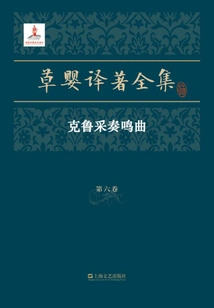
草婴译著全集·第六卷:克鲁采奏鸣曲
(russian) Leo Tolstoy
"The Complete Translations of Cao Ying" is a complete collection of literary works translated and created by the famous Russian-Soviet literary translator Mr. Cao Ying throughout his life, with a total of 21 volumes and about 7 million words. Among them, 12 volumes include the classic Russian literary works translated by Cao Ying, mainly the complete novels of the great writer Leo Tolstoy; 7 volumes include important works translated by Cao Ying that reflect the Soviet Patriotic War and Soviet socialist construction, including the works of writers such as Nobel Prize winners Sholokhov and Lermontov; 1 volume includes Cao Ying's personal works on Russian-Soviet literature and literary translation issues; and 1 volume collects Cao Ying's translated articles published in various newspapers and magazines over the years. This volume is: Cao Ying's translation of the sixth volume of "Kreutzer Sonatas".
"The Complete Translations of Cao Ying" is a complete collection of literary works translated and created by the famous Russian-Soviet literary translator Mr. Cao Ying throughout his life, with a total of 21 volumes and about 7 million words. Among them, 12 volumes include the classic Russian literary works translated by Cao Ying, mainly the complete novels of the great writer Leo Tolstoy; 7 volumes include important works translated by Cao Ying that reflect the Soviet Patriotic War and Soviet socialist construction, including the works of writers such as Nobel Prize winners Sholokhov and Lermontov; 1 volume includes Cao Ying's personal works on Russian-Soviet literature and literary translation issues; and 1 volume collects Cao Ying's translated articles published in various newspapers and magazines over the years. This volume is: Cao Ying's translation of the sixth volume of "Kreutzer Sonatas".
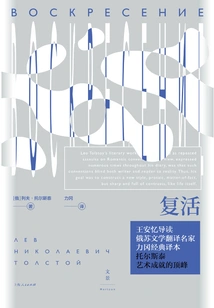
Resurrection (wenjing·star System)
General Fiction复活(文景·恒星系)
(russian) Leo Tolstoy
The pinnacle of Tolstoy's artistic achievements, he outlines a broad picture of Russian social life in the 19th century. A classic translation by the famous Russian-Soviet literary translator Li Gang, interpreted by Wang Anyi. A profound interpretation of Tolstoy's outlook on life and art. Face the darkness and light in the heart, and write about the deep confrontation between good and evil in human nature. This year, Maslova was twenty-six years old and stood trial on charges of murder. Nekhlyudov, the aristocratic young master who once fell in love with her, possessed her, and abandoned her, happened to be one of the jurors in this trial. After many years, Nekhludoff felt deeply guilty when he saw Maslova again, whose life had been changed by his temptation. Deep in his heart, the "spiritual man" gradually defeated the "animal man". Due to the negligence of the judge and jury, Maslova, who was supposed to be innocent, was sentenced to exile. Nekhludoff was determined to avenge her and even married her to redeem his sins.
The pinnacle of Tolstoy's artistic achievements, he outlines a broad picture of Russian social life in the 19th century. A classic translation by the famous Russian-Soviet literary translator Li Gang, interpreted by Wang Anyi. A profound interpretation of Tolstoy's outlook on life and art. Face the darkness and light in the heart, and write about the deep confrontation between good and evil in human nature. This year, Maslova was twenty-six years old and stood trial on charges of murder. Nekhlyudov, the aristocratic young master who once fell in love with her, possessed her, and abandoned her, happened to be one of the jurors in this trial. After many years, Nekhludoff felt deeply guilty when he saw Maslova again, whose life had been changed by his temptation. Deep in his heart, the "spiritual man" gradually defeated the "animal man". Due to the negligence of the judge and jury, Maslova, who was supposed to be innocent, was sentenced to exile. Nekhludoff was determined to avenge her and even married her to redeem his sins.
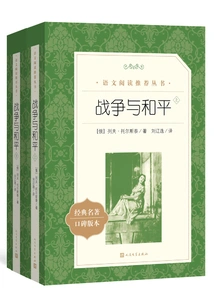
War and Peace (2 Volumes in Total)
General Fiction战争与和平(全2册)
(russian) Leo Tolstoy
"War and Peace" is a novel written by Russian writer Lev Nikolayevich Tolstoy and is also his masterpiece. The work centers on the Patriotic War of 1812 and reflects major historical events from 1805 to 1820. Politically and militarily, Tolstoy focused on the Russian Patriotic War of 1812. In expressing social life, Tolstoy focused on describing the changes and explorations of young members of the four major families.
"War and Peace" is a novel written by Russian writer Lev Nikolayevich Tolstoy and is also his masterpiece. The work centers on the Patriotic War of 1812 and reflects major historical events from 1805 to 1820. Politically and militarily, Tolstoy focused on the Russian Patriotic War of 1812. In expressing social life, Tolstoy focused on describing the changes and explorations of young members of the four major families.
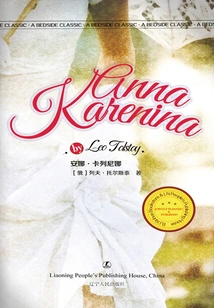
Anna Karenina (complete Works) (english Version)
General Fiction安娜卡列尼娜(全集)(英文版)
(russian) Leo Tolstoy
"Anna Karenina" is the representative work of Leo Tolstoy, the most famous Russian writer in the 19th century. It was first published in 1877. Through Anna's personal life experience, the work profoundly explains to the society the writer's profound thinking on major issues such as women, marriage, life, life and death.
"Anna Karenina" is the representative work of Leo Tolstoy, the most famous Russian writer in the 19th century. It was first published in 1877. Through Anna's personal life experience, the work profoundly explains to the society the writer's profound thinking on major issues such as women, marriage, life, life and death.
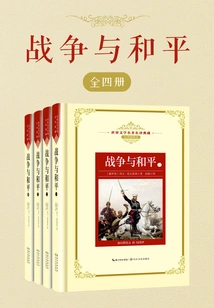
War and Peace (all Four Volumes)
General Fiction战争与和平(全四册)
(russian) Leo Tolstoy
"War and Peace" is the first novel written by Tolstoy and is known as one of "the greatest novels in the world". With an epic and grand vision, this novel describes the major historical events that occurred in Russia from 1805 to 1820. It connects war and peace, the front line and the rear, domestic and foreign countries, the army and society, the upper class and the lower class. It comprehensively reflects the style of the times and vividly depicts the tragedy and comedy of people who cannot control their own destiny in the turbulent era.
"War and Peace" is the first novel written by Tolstoy and is known as one of "the greatest novels in the world". With an epic and grand vision, this novel describes the major historical events that occurred in Russia from 1805 to 1820. It connects war and peace, the front line and the rear, domestic and foreign countries, the army and society, the upper class and the lower class. It comprehensively reflects the style of the times and vividly depicts the tragedy and comedy of people who cannot control their own destiny in the turbulent era.
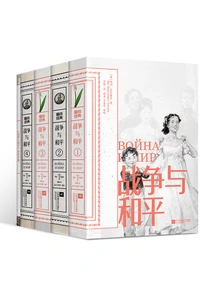
磨铁经典第5辑:战争与和平(全4册)
(russian) Leo Tolstoy
"War and Peace" is a masterpiece that covers the suffering and sweetness of life, the turbulence and peace of history, and is known as the pinnacle of Russian realist literature. Taking the Russian society during the Napoleonic Wars as the background, Tolstoy created more than 500 characters from all walks of life. They struggled between love and hate, courage and cowardice, ideals and reality, reflecting profound thoughts on human nature. In addition, Tolstoy's true description of war and profound understanding of the value of peace make the work not only a historical novel, but also a profound philosophical reflection.
"War and Peace" is a masterpiece that covers the suffering and sweetness of life, the turbulence and peace of history, and is known as the pinnacle of Russian realist literature. Taking the Russian society during the Napoleonic Wars as the background, Tolstoy created more than 500 characters from all walks of life. They struggled between love and hate, courage and cowardice, ideals and reality, reflecting profound thoughts on human nature. In addition, Tolstoy's true description of war and profound understanding of the value of peace make the work not only a historical novel, but also a profound philosophical reflection.
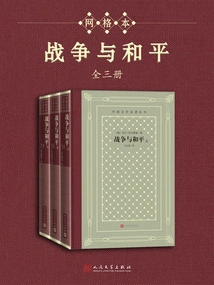
War and Peace (three Volumes)
General Fiction战争与和平(全三册)
(russian) Leo Tolstoy
"War and Peace" is a novel written by Russian writer Lev Nikolayevich Tolstoy and his representative work. It was written between 1863 and 1869. The work centers on the Patriotic War of 1812 and reflects major historical events from 1805 to 1820. Taking the experiences of the four nobles Balkans, Bezukhov, Rostov and Kuragin as the main line, it connects many events and characters in the alternate description of war and peace. The author cross-describes two lives and two clues of "war" and "peace" to form a magnificent encyclopedia-style epic. In the entire history of the development of Russian literature, "War and Peace" is the first novel with pan-European significance. Translator Liu Liaoyi (1915-2001), formerly known as Liu Changsong, is a famous editor and translator who has been engaged in Russian literary translation for a long time. Academic circles believe that "War and Peace" translated by Liu Liaoyi is one of the best Chinese translations at present.
"War and Peace" is a novel written by Russian writer Lev Nikolayevich Tolstoy and his representative work. It was written between 1863 and 1869. The work centers on the Patriotic War of 1812 and reflects major historical events from 1805 to 1820. Taking the experiences of the four nobles Balkans, Bezukhov, Rostov and Kuragin as the main line, it connects many events and characters in the alternate description of war and peace. The author cross-describes two lives and two clues of "war" and "peace" to form a magnificent encyclopedia-style epic. In the entire history of the development of Russian literature, "War and Peace" is the first novel with pan-European significance. Translator Liu Liaoyi (1915-2001), formerly known as Liu Changsong, is a famous editor and translator who has been engaged in Russian literary translation for a long time. Academic circles believe that "War and Peace" translated by Liu Liaoyi is one of the best Chinese translations at present.