Library
Browse and search novels
21 novels found

Three Words
General Fiction三言
(ming Dynasty) Feng Menglong
"Three Words" consists of ten ancient vernacular novels, telling the world, human emotions, joys and sorrows that have been circulated for a long time. Du Shiniang, the Oil Seller, Governor Qiao... These touching images in folk tales will be restored to the HIFI level in this book. The selected passages in the book are all from Ming Dynasty writer Feng Menglong's "Essays to Tell the World", "Words to Warn the World" and "Everlasting Words to Awaken the World" - these "three words" are also the origin of the title of the book. Different from previous editions, there are no deletions in the selected chapters, and everything is vivid and full of form and spirit. As a literary masterpiece comparable to "Jin Ping Mei", "Three Characters" has always been highly praised for its readability and storytelling skills. This selection of "Three Words" eliminates old and outdated concepts and themes, and only retains the works that are suitable and must-read today - ten selected from the original 120 articles - which embody the brilliance of the art of novels in the past.

Warning Words·1
General Fiction警世通言·壹
(ming Dynasty) Feng Menglong
"Jingshi Tongyan" describes the lives of citizens in the Song, Yuan and Ming dynasties, showing the persecution they suffered under the rule of the feudal dark forces and their resistance struggles. Love descriptions account for a large proportion in the works of "Warning to the World", which generally reflect the more common social problems at that time, especially the misfortunes of women. Among them, "Du Shiniang Sinks the Treasure Box in Anger" represents the highest achievement of the Ming Dynasty's scripts in both ideological and artistic terms. "Warning to the World" also has some works that promote loyalty, such as "Lu Dalang Returns Gold and Flesh and Bones", which emphasizes the need to be generous with temporary wealth, "Zhao Taizu Sends Thousand Miles to Jingniang" highlights selfless help to others, and "Gui Yuan's Confession while Traveling" criticizes ungrateful behavior from the negative side, all of which reflect the moral concepts of the citizen class. However, there are many works in "Jingshi Tongyan", such as "Old Disciple Repays His Gratitude in Three Lives", "Chen Kechang Sitting on the Dragon Boat Festival", etc., Which advocate feudal morality and promote religious superstition. This shows that even some excellent works are often mixed with some backward ideological elements and show considerable limitations.

Words of Warning (hardcover Collection)
General Fiction警世通言(精装典藏本)
(ming Dynasty) Feng Menglong
"Tongyan to Warn the World" is a collection of story-telling novels written by Feng Menglong in the late Ming Dynasty. Together with "Mingyan to Yushi" and "Eternal Words to Awaken the World", they are collectively known as "Three Words". It is processed and edited from the original manuscripts of folk speakers in the Song and Yuan Dynasties. It may describe the marriage and destiny of young men and women, or reveal people's pursuit of fame and fortune and their understanding of life, or depict strange things, injustices and strange worlds in the world. It shows the ideological outlook, hobbies, life scenes, etc. Of the citizen class at that time, and builds its own unique artistic world. Compared with the early "Huaben", "Jingshi Tongyan" has undergone great changes and developments in terms of language, style and structure. It provides us with rich and detailed written materials for understanding and studying the society of the Song and Yuan Dynasties, and also made popular literature reach a level of social recognition. It is the pinnacle of ancient vernacular short stories.

三言·警世通言(中华经典小说注释系列)
(ming Dynasty) Feng Menglong
"Three Words" is the collective name of "Mingyan", "Words to Warn the World" and "Everlasting Words to Awaken the World" compiled by the famous Ming Dynasty writer Feng Menglong. It is also collectively known as "Sanyan Erpai" together with "Erpai" written by the famous Ming Dynasty writer Ling Shuchu. It enjoys a high status in the history of Chinese literature and is as famous as the "Four Great Classics" and "Jin Ping Mei". "Warning Words" is the second of "Three Words" by Feng Menglong, a famous popular writer in the Ming Dynasty. It is the most popular story-telling novel with the theme of marriage and love. The profound ideological connotation and superb artistic skills displayed are refreshing. What is particularly valuable is that the book has created a number of images of women with distinctive personalities, which have strong artistic appeal. "Du Shiniang Sinks the Treasure Chest in Anger" is the representative work of this book, which is perfect both ideologically and artistically. This time we asked relevant experts to annotate the noun system, dialect titles at that time, and uncommon words in the book to facilitate readers' reading and understanding.

A Clear Statement About the World·1
General Fiction喻世明言·壹
(ming Dynasty) Feng Menglong
"Yu Shi Ming Yan" mainly collects stories or scripts based on real folk life in the Song, Yuan, and Ming dynasties. The themes cover love, marriage, friendship, etc., Showing the various social conditions at that time. Most of them are old scripts from the Song and Yuan Dynasties, such as "Shi Hongzhao's Meeting of the Dragon and Tiger Monarchs and His Ministers" and "The Four Dukes of the Song Dynasty Raised the Soul-forbidden Zhang", while a few are scripts from the Ming Dynasty, such as "Brother Jiang Xing Meets Again in Pearl Shirt" and "Shen Xiaoxia Meets as a Teacher". The themes are also closely related to urban life. For example, "The Golden Jade Slave Beats the Lover with a Stick" condemns the unfaithfulness of a heartless man; "Jiang Xing Ge Reunites in Pearl Shirt" describes the unforgettable old love for his wife who lost his virginity and reunited with her husband; "Redemption of Friends" and "Fan Juqing's Friend of Life and Death" extol the spirit of loyalty to friendship regardless of life and death; while "Yang Siwen meets an old friend in Yanshan", "Mu Mian'an Zheng Huchen avenges injustice", "Yang Balao's unexpected encounter with the country of Yue" touch on real political themes such as alien invasions and powerful ministers mistreating the country. In addition, some historical legends are included and adapted, such as "Yan Pingzhong's two peaches killed three soldiers" and so on.

An Overview of Ancient and Modern Stories (4)
General Fiction古今谭概(四)
(ming Dynasty) Feng Menglong
This book is a collection of ancient Chinese jokes and humorous sketches, divided into 36 parts in total. The author Feng Menglong collected a large number of ridiculous and interesting stories from the official history and unofficial history notes of the past dynasties, exposing the ugly phenomena of society and various weird and pathological phenomena. It can not only entertain the readers, but also educate and warn themselves. It is a very enlightening reading. Most of the content is allusions from past dynasties, such as the famous "state officials set fire" and so on.

A Compilation of Three Words and Two Beats (4 Volumes)
General Fiction三言二拍精编(4册)
(ming Dynasty) Feng Menglong
The works included in "Three Words", whether they are old pieces from the Song and Yuan Dynasties, new works from the Ming Dynasty or Feng Menglong's drafts, have been added, deleted, and retouched by Feng Menglong to varying degrees. These works have a wide range of themes and complex contents. There are condemnations of the ugliness of feudal bureaucracy and praise of the virtues of upright officials. There are praises of friendship and love and rebuke of treachery and heartless behavior. What is more noteworthy is that there are many works describing the lives of ordinary people in the city. Some of the works of "Erpai" reflect the lives of citizens and their ideologies. "Erpai" is good at organizing plots, so most chapters have a certain appeal and the language is more vivid.

Youjian Library: Awakening Words
General Fiction有间文库:醒世恒言
(ming Dynasty) Feng Menglong
"Eternal Words for Awakening the World", "Eternal Words for Awakening the World" and "Words for Warning the World" are collectively called "Three Words". The book has forty volumes. Like "Mingyan" and "Tongyan", its themes come from folklore, historical biographies and novels of the Tang and Song Dynasties. The editor has many creative elements. The content is well-edited, the image is clear, the structure is substantial and complete, and the description is delicate. It reflects the social outlook and citizens' thoughts and feelings at that time to varying degrees.

A Clear Metaphor for the World·4
General Fiction喻世明言·肆
(ming Dynasty) Feng Menglong
"Yu Shi Ming Yan" mainly collects stories or scripts based on real folk life in the Song, Yuan, and Ming dynasties. The themes cover love, marriage, friendship, etc., Showing the various social conditions at that time. Most of them are old scripts from the Song and Yuan Dynasties, such as "Shi Hongzhao's Meeting of the Dragon and Tiger Monarchs and His Ministers" and "The Four Dukes of the Song Dynasty Raised the Soul-forbidden Zhang", while a few are scripts from the Ming Dynasty, such as "Brother Jiang Xing Meets Again in Pearl Shirt" and "Shen Xiaoxia Meets as a Teacher". The themes are also closely related to urban life. For example, "The Golden Jade Slave Beats the Lover with a Stick" condemns the unfaithfulness of a heartless man; "Jiang Xing Ge Reunites in Pearl Shirt" describes the unforgettable old love for his wife who lost his virginity and reunited with her husband; "Redemption of Friends" and "Fan Juqing's Friend of Life and Death" extol the spirit of loyalty to friendship regardless of life and death; while "Yang Siwen meets an old friend in Yanshan", "Mu Mian'an Zheng Huchen avenges injustice", "Yang Balao's unexpected encounter with the country of Yue" touch on real political themes such as alien invasions and powerful ministers mistreating the country. In addition, some historical legends are included and adapted, such as "Yan Pingzhong's two peaches killed three soldiers" and so on.

Warning Words·4
General Fiction警世通言·肆
(ming Dynasty) Feng Menglong
"Jingshi Tongyan" describes the lives of citizens in the Song, Yuan and Ming dynasties, showing the persecution they suffered under the rule of the feudal dark forces and their resistance struggles. Love descriptions account for a large proportion in the works of "Warning to the World", which generally reflect the more common social problems at that time, especially the misfortunes of women. Among them, "Du Shiniang Sinks the Treasure Box in Anger" represents the highest achievement of the Ming Dynasty's scripts in both ideological and artistic terms. "Warning to the World" also has some works that promote loyalty, such as "Lu Dalang Returns Gold and Flesh and Bones", which emphasizes the need to be generous with temporary wealth, "Zhao Taizu Sends Thousand Miles to Jingniang" highlights selfless help to others, and "Gui Yuan's Confession while Traveling" criticizes ungrateful behavior from the negative side, all of which reflect the moral concepts of the citizen class. However, there are many works in "Jingshi Tongyan", such as "Old Disciple Repays His Gratitude in Three Lives", "Chen Kechang Sitting on the Dragon Boat Festival", etc., Which advocate feudal morality and promote religious superstition. This shows that even some excellent works are often mixed with some backward ideological elements and show considerable limitations.

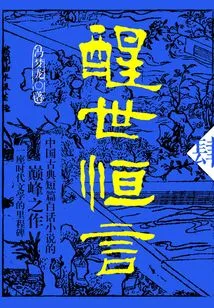
Everlasting Words to Awaken the World · Collection
General Fiction醒世恒言·拾
(ming Dynasty) Feng Menglong
"Eternal Words to Awaken the World" is a collection of short stories in vernacular compiled by Feng Menglong in the late Ming Dynasty. This book collects 40 stories in different styles since the Song and Yuan Dynasties. Some of these stories come from historical biographies, some come from notes and novels of past dynasties, and the most fundamental sources are directly from folklore stories and from the actual life of society. Through these storylines and characters, the social life and people's wishes at that time are reflected from different angles and to varying degrees. It is rich in content, some reflecting love and marriage; some praising feudal officials and exposing the darkness of officialdom; some praising chivalry and denouncing ingratitude. The plot of the story is bizarre and twists, the characters have distinctive personalities and are full of interest.
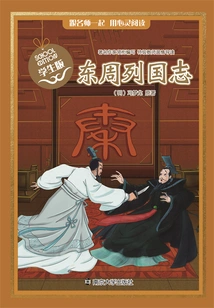
东周列国志(精装典藏本)
(ming Dynasty) Feng Menglong
"Records of the States of the Eastern Zhou Dynasty (hardcover collection)" was compiled by Feng Menglong, a novelist in the late Ming Dynasty, who revised and polished the "Records of the States" by his predecessors based on historical biographies. During the Qianlong period of the Qing Dynasty, Cai Yuanfang revised the book and named it "Records of the States of the Eastern Zhou Dynasty". "The Chronicles of the States of the Eastern Zhou Dynasty (hardcover collection)" narrates the huge historical events that lasted for 500 years from the end of the Western Zhou Dynasty to the unification of the six countries by the Qin Dynasty. During this period, heroes emerged in large numbers and stars shone brightly. From the rise and fall of the fortunes of various countries to the ups and downs of personal honor and disgrace, it almost became the theoretical source of success or failure for future generations. This novel cleverly intersperses and arranges scattered historical events into a historical romance with a complete structure; it also uses popular language to consolidate them, significantly improving its artistic achievements.

Awakening Words
Literature醒世恒言
(ming Dynasty) Feng Menglong
"Awakening the World" is a collection of vernacular short stories compiled by Feng Menglong in the late Ming Dynasty. This book collects 40 stories in different styles since the Song and Yuan Dynasties. Some of these stories come from historical biographies, some come from notes and novels of past dynasties, and the most fundamental sources are directly from folklore stories and from the actual life of society. Through these storylines and characters, the social life and people's wishes at that time are reflected from different angles and to varying degrees. It is rich in content, some reflecting love and marriage; some praising feudal officials and exposing the darkness of officialdom; some praising chivalry and denouncing ingratitude. The plot of the story is bizarre and twists, the characters have distinctive personalities and are full of interest.

Think Tank (classical Library)
Literature智囊(古典文库)
(ming Dynasty) Feng Menglong
This book contains a total of more than 1,200 wisdom stories from the pre-Qin Dynasty to the Ming Dynasty. The book contains not only grand strategies in politics, military affairs, and diplomacy, but also miraculous wisdom in the daily lives of soldiers, drifters, servants, monks, farmers, painters and other small figures. The classics involved in the book cover almost all official history before the Ming Dynasty and a large number of notes and unofficial histories. Therefore, this book about wisdom and strategy has important data and collation value. In addition, the general narration and sub-narration before each section in the book, the comments after each chapter, and the comments in the text are all written by Feng Menglong. They express Feng Menglong's political attitude, life values, love and hate in the most direct and concentrated manner, and are first-hand materials for studying Feng Menglong's thoughts.

Three Words and Two Beats, a Metaphor for the World
General Fiction三言二拍之喻世明言
(ming Dynasty) Feng Menglong
"Yu Shi Ming Yan", formerly known as "Ancient and Modern Novels", was compiled by Feng Menglong, a litterateur in the Ming Dynasty. As the first mature collection of vernacular short stories in the history of Chinese literature, it is like a long picture depicting the life of the people in the Song, Yuan and Ming dynasties, establishing the literary status of vernacular novels. This book contains a total of forty stories, covering a wide range of topics. Feng Menglong took the name "Yu Shi" and aimed to "use the true feelings between men and women to spread the fake medicine of Mingjiao". Many of them are sincere tributes to love and friendship, and some use ancient stories to satirize the present, using historical stories to show the darkness of officialdom and the bleakness of the world. The stories in the book often involve encounters with ghosts and magic, but at their core they always focus on real life, admonishing the world that good and evil will be rewarded, and the principles of nature are clear. Its narrative is tactful, the characters are full, and the language is popular and vivid. It was not only widely circulated at the time, but also provided an endless source of inspiration for later literary and artistic creations.

Three Words and Two Pats·warning Words
General Fiction三言二拍·警世通言
(ming Dynasty) Feng Menglong
"Three Words and Two Pai" is a collection of short stories in ancient Chinese vernacular, including "Three Words": "Mingyan Yan", "Warning Words" and "Everlasting Words to Awaken the World" compiled by the literary master Feng Menglong of the Ming Dynasty; and "Two Pai" edited by the novel master Ling Shuchu: "Surprise at the First Carving" and "Surprise at the Second Moment". "Three Words and Two Patterns" has a total of 200 classic short stories in vernacular, which completely encompasses the essence of short stories in vernacular from the Song, Yuan and Ming dynasties. Each story in the book is independent, exciting and ups and downs, such as the White Snake who forever holds down the Leifeng Pagoda, Du Shiniang who sank his treasure chest in anger, and Yu Boya who dropped his piano to say goodbye. Classic stories that are familiar to Chinese people, such as the bosom friend, are all derived from the "three words and two beats"; "Three words and two beats" are also derived from the "three words and two beats"; "Three words and two beats" are also derived from "Three words and two beats"; "It is difficult to be a master without suffering", "It is difficult to draw a dragon or a tiger, but it is difficult to draw a skeleton, and you know people and their faces but not their hearts". Thousands of thousands of years of worldly wonders, people and events are all captured in a few words and two shots; two hundred classic short stories are written about all kinds of situations in the world! Writer Da Bing strongly recommends: "Know sentient beings in the impermanent place, and know all living beings in the sentient place."

古代经典故事库:东周列国演义(二)
(ming Dynasty) Feng Menglong
"The Romance of the Eastern Zhou Dynasties" is a novel about the history of the Spring and Autumn Period and the Warring States Period. Starting from the Western Weekend when King You of Zhou was killed, King Ping of Zhou moved to the east, and Qin Shihuang unified the world, the history of more than five hundred years is briefly described. The people and events of this period are the most prominent and typical in history. It is almost the theoretical source of success or failure for future generations, and it is also the standard and example for future generations to behave. Through rich and vivid storylines, the novel praises the good-hearted princes, strict rewards and punishments, generous princes and loyal, brave and strategic generals, as well as the brave, resourceful and courageous heroes who act for justice. The novel also tells about some foolish, cruel, shameless emperors, princes and other rulers as well as greedy, treacherous and insidious sycophants. "The Romance of the Kingdoms of the Eastern Zhou Dynasty" is divided into four volumes with a total of 108 chapters. This book is the second volume and includes the content from "Chapter 28, Rick killed the solitary master Mu Gong of Jin and suppressed the civil strife of Jin" to "Chapter 54, Xun Lin's father was a subordinate of his dead master Meng Zhiru and asked You to realize the master".

喻世明言全鉴(典藏诵读版)
(ming Dynasty) Feng Menglong
"Yu Shi Ming Yan", formerly known as "Ancient and Modern Novels", also known as "Holistic Ancient and Modern Novels", is a collection of short vernacular novels published in the Ming Dynasty. Together with "Warning Words" and "Awakening Words", they are collectively known as "Three Words" and were compiled by Feng Menglong in the late Ming Dynasty. Many chapters in the book are adapted from old stories from the Song and Yuan Dynasties, with a wide range of topics, covering marriage, love, filial piety, friendship, ghosts, gods, etc. It reflects the prosperity of the Ming Dynasty's commercial society and the spiritual outlook of small and medium-sized businessmen. It is a precious legacy in the treasure house of ancient Chinese novels. Sun Hongying's interpretation of "The Complete Book of Mingyan in the World (Collection Edition)" is based on "Ancient and Modern Novels", "Warning Words" and "Everlasting Words to Awaken the World" photocopied by Shanghai Ancient Books Society. A brief summary is given before each story, and the plot of the novel is briefly introduced and commented to help readers better understand the story and understand its gist.

古代经典故事库:东周列国演义(一)
(ming Dynasty) Feng Menglong
"The Romance of the Eastern Zhou Dynasties" is a novel about the history of the Spring and Autumn Period and the Warring States Period. Starting from the Western Weekend when King You of Zhou was killed, King Ping of Zhou moved to the east, and Qin Shihuang unified the world, the history of more than five hundred years is briefly described. The people and events of this period are the most prominent and typical in history. It is almost the theoretical source of success or failure for future generations, and it is also the standard and example for future generations to behave. Through rich and vivid storylines, the novel praises the good-hearted princes, strict rewards and punishments, generous princes and loyal, brave and strategic generals, as well as the brave, resourceful and courageous heroes who act for justice. The novel also tells about some foolish, cruel, shameless emperors, princes and other rulers as well as greedy, treacherous and insidious sycophants. "The Romance of the Kingdoms of the Eastern Zhou Dynasty" is divided into four volumes with a total of 108 chapters. This book is the first volume and includes the content from "Chapter 1, King Xuan of Zhou heard the rumors and lightly killed Dr. Du to avenge Li," to "Chapter 27, Li Ji cleverly plotted to kill Shen Sheng and Xian Gong told Xun to rest before his death."

A Warning to the World in Three Words and Two Beats
General Fiction三言二拍之警世通言
(ming Dynasty) Feng Menglong
"Warning Words" is a collection of short stories in vernacular compiled by Feng Menglong in the late Ming Dynasty. The book was completed in the fourth year of Qi tomorrow (1624). Its themes may come from folklore, or from folk religious scrolls and novels. The era described in the story includes the Song, Yuan and Ming dynasties. Many of the works in this collection are based on the real life of the lower class people and express their thoughts and feelings. Among them, a large proportion of works describe love, praising young men and women's pursuit of happy love, their single-mindedness and loyalty to sincere love, and their struggle against feudal ethics. In addition, there are also some works that express the dissatisfaction and resistance of the lower class people against the feudal rulers.

Warning Words
General Fiction警世通言
(ming Dynasty) Feng Menglong
"Words to Warn the World" is a collection of short stories in vernacular compiled by Feng Menglong, a writer in the late Ming Dynasty. Together with Feng Menglong's other two novels "Awakening Words to Awaken the World" and "Yingshi Mingyan", they are collectively known as "Three Words" by later generations. Together with Ling Shuchu's "Surprise at the First Moment" and "Surprise at the Second Moment" by Ling Shuchu, they are also known as "Three Words and Two Pai". As a peak of ancient vernacular short stories, "Jingshi Tongyan" contains a total of forty stories in the Song, Yuan and Ming dynasties in both scripts and pseudo-hua scripts. The themes of "Words to Warn the World" are all-encompassing, including marriage, love and women's fate, fame and fortune and the vicissitudes of life, strange and unjust cases and the weird world, which focus on the thoughts, artistic characteristics and achievements of "Three Words". Except for "Old Disciple III Repaying Favor" written by Feng Menglong, which has been confirmed to be written by Feng Menglong himself, the other works included in the collection were processed and organized by the editor. Among them, "Du Shiniang sank her treasure chest in anger", "Spring falls in the Yutang and it is hard to find a husband", "Yu Boya threw his zither to thank his close friend", "Li banished the immortal with drunken grass and frightened the barbarians", etc. Are all popular famous works.