Library
Browse and search books
4 novels found
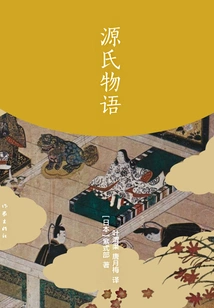
The Tale of Genji
General Fiction源氏物语
(japanese) Murasaki Shikibu
"The Tale of Genji" is a novel by the Japanese female writer Murasaki Shikibu. It is also the earliest full-length realistic novel in the world and represents the peak of Japanese classical literature. Ye Weiqu and Tang Yuemei, two influential Japanese translators and scholars, spent eight years working together to create a brand new translation for readers. With a translation that is closer to the original text and detailed annotations, it can be said to be suitable for both reading and research.
"The Tale of Genji" is a novel by the Japanese female writer Murasaki Shikibu. It is also the earliest full-length realistic novel in the world and represents the peak of Japanese classical literature. Ye Weiqu and Tang Yuemei, two influential Japanese translators and scholars, spent eight years working together to create a brand new translation for readers. With a translation that is closer to the original text and detailed annotations, it can be said to be suitable for both reading and research.

Feng Zikai's Translation of the Tale of Genji: 3 Volumes (translation Series by Chinese Translators)
General Fiction丰子恺译源氏物语:全3册(中国翻译家译丛)
(japanese) Murasaki Shikibu
"The Tale of Genji" is a classic Japanese literary masterpiece that has had a huge impact on the development of Japanese literature. It is known as the peak of Japanese classical literature and opened the era of "mono-sorrow" in Japan. "The Tale of Genji" is generally believed to have been written between 1001 and 1008, making it the world's earliest full-length novel. The novel is set in the heyday of the Heian Dynasty in Japan and describes the life experience and love story of the protagonist Genji. The book has a total of fifty-four chapters and nearly one million words. The story told lasts for more than 70 years and involves more than 400 characters. The characters are mainly upper-class nobles, but also include middle- and lower-class nobles, palace maids, maids, and common people, reflecting the cultural life and social background of the Heian period. The translation adopted by our publisher this time is Feng Zikai's translation which our publisher has been publishing since the 1980s. Feng Zikai is a modern Chinese calligrapher, painter, essayist, translator, and cartoonist. His translation is elegant and smooth, and his translation of "The Tale of Genji" is recognized as one of the classic versions.
"The Tale of Genji" is a classic Japanese literary masterpiece that has had a huge impact on the development of Japanese literature. It is known as the peak of Japanese classical literature and opened the era of "mono-sorrow" in Japan. "The Tale of Genji" is generally believed to have been written between 1001 and 1008, making it the world's earliest full-length novel. The novel is set in the heyday of the Heian Dynasty in Japan and describes the life experience and love story of the protagonist Genji. The book has a total of fifty-four chapters and nearly one million words. The story told lasts for more than 70 years and involves more than 400 characters. The characters are mainly upper-class nobles, but also include middle- and lower-class nobles, palace maids, maids, and common people, reflecting the cultural life and social background of the Heian period. The translation adopted by our publisher this time is Feng Zikai's translation which our publisher has been publishing since the 1980s. Feng Zikai is a modern Chinese calligrapher, painter, essayist, translator, and cartoonist. His translation is elegant and smooth, and his translation of "The Tale of Genji" is recognized as one of the classic versions.
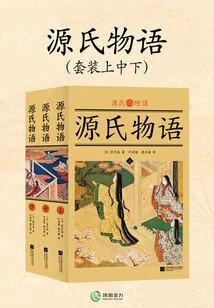
The Tale of Genji (set of 3 Volumes)
General Fiction源氏物语(套装共3册)
(japanese) Murasaki Shikibu
"The Tale of Genji" is set in the heyday of the Heian Dynasty in Japan and describes the life experience and love story of the protagonist Genji. The book has a total of fifty-four chapters and involves more than 400 characters, among whom there are 20 or 30 memorable ones. The characters are mainly upper-class nobles, but there are also middle- and lower-class nobles, palace maids, maids and common people. The book uses several major events as the key and turning point in the development of the story, and methodically passes through various small events to integrate the development and climax of the story with each other, gradually revealing the inside story of aristocratic social life. "The Tale of Genji" reflects the cultural life and social background of the Heian period. While implementing the realistic "real" aesthetic idea, it also created the Japanese romantic idea of "mono-sorrow".
"The Tale of Genji" is set in the heyday of the Heian Dynasty in Japan and describes the life experience and love story of the protagonist Genji. The book has a total of fifty-four chapters and involves more than 400 characters, among whom there are 20 or 30 memorable ones. The characters are mainly upper-class nobles, but there are also middle- and lower-class nobles, palace maids, maids and common people. The book uses several major events as the key and turning point in the development of the story, and methodically passes through various small events to integrate the development and climax of the story with each other, gradually revealing the inside story of aristocratic social life. "The Tale of Genji" reflects the cultural life and social background of the Heian period. While implementing the realistic "real" aesthetic idea, it also created the Japanese romantic idea of "mono-sorrow".
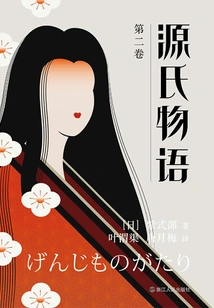
The Tale of Genji (volume 2)
General Fiction源氏物语(第二卷)
(japanese) Murasaki Shikibu
A love story that has been passed down for thousands of years, an ultimate interpretation of the beauty of physical sorrow, and a literary classic that has shaped the entire Japanese nation. "The Tale of Genji" had a huge impact on the development of Japanese literature. It was the peak of Japanese classical literature and opened the era of "mono-sorrow" in Japan. The Tale of Genji, written in the Heian period, has a history of more than 1,000 years. The book has more than 1 million words, nearly 500 characters and 795 Japanese songs. The novel takes Genji's life experience and love story as the main line, describes the style of Japan's Heian period, reveals the complexity of human nature and cruel court struggles, and reflects the palace life of the Heian period.
A love story that has been passed down for thousands of years, an ultimate interpretation of the beauty of physical sorrow, and a literary classic that has shaped the entire Japanese nation. "The Tale of Genji" had a huge impact on the development of Japanese literature. It was the peak of Japanese classical literature and opened the era of "mono-sorrow" in Japan. The Tale of Genji, written in the Heian period, has a history of more than 1,000 years. The book has more than 1 million words, nearly 500 characters and 795 Japanese songs. The novel takes Genji's life experience and love story as the main line, describes the style of Japan's Heian period, reveals the complexity of human nature and cruel court struggles, and reflects the palace life of the Heian period.