Library
Browse and search novels
2 novels found
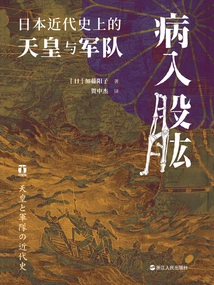
病入股肱:日本近代史上的天皇与军队
(japan) Yoko Kato
Japan's modern emperor system is supported by the concept of the emperor personally leading the army, emphasizing the emperor's absolute leadership of the army and the absolute loyalty of soldiers to the emperor. However, after World War I, the emperor's authority as the supreme commander was greatly shaken, and the military, which was regarded as a "gut-armed minister", also underwent a qualitative change. As Pandora's box of military interference in politics was opened, Japan stepped into the abyss of war. This book is the culmination of decades of "war" research by Yoko Kato, the "first person to study Japanese wars" and a professor at the University of Tokyo. It explores the development history of the relationship between the emperor and the military in modern times, traces the historical roots of Japan's founding of the army and constitution in the Meiji period, extends to the issues of disarmament and repatriation of the Japanese army, and covers the entire period of the existence of the "Japanese army". She analyzed the facts with clear logic and bright writing style, put forward a new perspective to capture history, analyzed the characteristics of modern Japanese political-military relations, and elaborated on the background of Japan's national decision-making. By exploring the relationship between the emperor and the military, we answer a long-standing question: "Why didn't the emperor stop the war?"
Japan's modern emperor system is supported by the concept of the emperor personally leading the army, emphasizing the emperor's absolute leadership of the army and the absolute loyalty of soldiers to the emperor. However, after World War I, the emperor's authority as the supreme commander was greatly shaken, and the military, which was regarded as a "gut-armed minister", also underwent a qualitative change. As Pandora's box of military interference in politics was opened, Japan stepped into the abyss of war. This book is the culmination of decades of "war" research by Yoko Kato, the "first person to study Japanese wars" and a professor at the University of Tokyo. It explores the development history of the relationship between the emperor and the military in modern times, traces the historical roots of Japan's founding of the army and constitution in the Meiji period, extends to the issues of disarmament and repatriation of the Japanese army, and covers the entire period of the existence of the "Japanese army". She analyzed the facts with clear logic and bright writing style, put forward a new perspective to capture history, analyzed the characteristics of modern Japanese political-military relations, and elaborated on the background of Japan's national decision-making. By exploring the relationship between the emperor and the military, we answer a long-standing question: "Why didn't the emperor stop the war?"
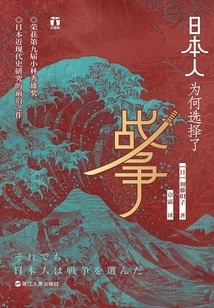
日本人为何选择了战争
(japan) Yoko Kato
This is a popular history book for public readers. Through multi-dimensional analysis, Professor Kato Yoko aims to let readers understand several wars that changed the fate of the country in Japan's modern history, so as to help the younger generation establish a correct view of history. This book, known as "the most cutting-edge modern history of Japan", has been deeply loved by Japanese readers since its publication in 2009, and is still a bestseller in major bookstores. This book shows the Japanese academic community's profound reflection on history. The author bluntly states that "everything was caused by Japan provoking the war and trying to change China's policy towards Japan through force." In addition, like Humboldt and Johnson, Yoko Kato attempts to present a dynamic picture of the interconnected world at that time, and does not look at Japan's "internal decision-making" in isolation. In other words, the author hopes to re-examine the position of the "past" in a higher dimension. Changing the perspective can reveal different scenery. The uniqueness of Kato Yoko is that it does not just focus on Japan or China, but considers how the two countries face the Western powers and reform to become stronger. China and Japan have competition and cooperation. Human
This is a popular history book for public readers. Through multi-dimensional analysis, Professor Kato Yoko aims to let readers understand several wars that changed the fate of the country in Japan's modern history, so as to help the younger generation establish a correct view of history. This book, known as "the most cutting-edge modern history of Japan", has been deeply loved by Japanese readers since its publication in 2009, and is still a bestseller in major bookstores. This book shows the Japanese academic community's profound reflection on history. The author bluntly states that "everything was caused by Japan provoking the war and trying to change China's policy towards Japan through force." In addition, like Humboldt and Johnson, Yoko Kato attempts to present a dynamic picture of the interconnected world at that time, and does not look at Japan's "internal decision-making" in isolation. In other words, the author hopes to re-examine the position of the "past" in a higher dimension. Changing the perspective can reveal different scenery. The uniqueness of Kato Yoko is that it does not just focus on Japan or China, but considers how the two countries face the Western powers and reform to become stronger. China and Japan have competition and cooperation. Human