Library
Browse and search books
18 novels found

Sanshirō (Classic Translation by Lin)
General Fiction三四郎(林译经典)
(japan) Natsume Soseki
After Sanshirō Ogawa came to Tokyo from his hometown of Kumamoto to study at university, he had three worlds in front of him. One is my mother's hometown far away, which is like the last safe haven. You can go back if you want, but you don't want to go back unless you have to. One is the intellectual world where Mr. Hirota and Nonomiya live. There are books everywhere. It is difficult to understand the interest of them. It would be a pity to give up. The other is a gorgeous place where his crush, Mineko, is. There are cheers and laughter. Sanshirō is deeply attracted to Mineko, but Mineko's attitude is ambiguous. Sanshirō felt confused and confused in these three worlds, and he continued to experience and grow in these three worlds.
After Sanshirō Ogawa came to Tokyo from his hometown of Kumamoto to study at university, he had three worlds in front of him. One is my mother's hometown far away, which is like the last safe haven. You can go back if you want, but you don't want to go back unless you have to. One is the intellectual world where Mr. Hirota and Nonomiya live. There are books everywhere. It is difficult to understand the interest of them. It would be a pity to give up. The other is a gorgeous place where his crush, Mineko, is. There are cheers and laughter. Sanshirō is deeply attracted to Mineko, but Mineko's attitude is ambiguous. Sanshirō felt confused and confused in these three worlds, and he continued to experience and grow in these three worlds.
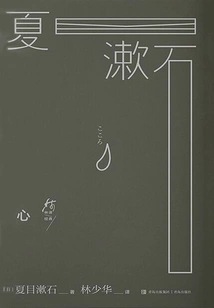
Heart (Classic Translated by Lin)
General Fiction心(林译经典)
(japan) Natsume Soseki
"I" met a "Mr." And later received a long letter from "Mr." ("Mr." Was no longer alive at that time). The letter told that "Mr." And his friend K fell in love with the landlord's beautiful only daughter when they were in college. "Sir" designed K to commit suicide, and he got his wish. But after marriage, she often suffered from conscience and moral condemnation, and finally committed suicide.
"I" met a "Mr." And later received a long letter from "Mr." ("Mr." Was no longer alive at that time). The letter told that "Mr." And his friend K fell in love with the landlord's beautiful only daughter when they were in college. "Sir" designed K to commit suicide, and he got his wish. But after marriage, she often suffered from conscience and moral condemnation, and finally committed suicide.
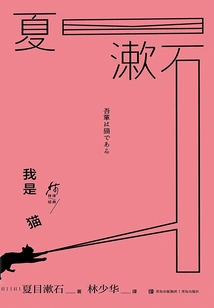
I Am a Cat (Classic Translated by Lin)
General Fiction我是猫(林译经典)
(japan) Natsume Soseki
The cat's eye view of the world, a unique cat's perspective, a cold-eyed peek at all living beings in Japanese society. This is a cat with "temperament" who is knowledgeable, talented, thoughtful, righteous, and funny. However, he never abides by the cat's duty of catching mice, but is good at "sitting and talking". Natsume Soseki used the words of a cat to criticize and ridicule the dark and pedantic social atmosphere and vulgar and boring novel characters. He also used a unique satirical technique to describe scenes of funny and ugly scenes, achieving a carnival-like comedy effect.
The cat's eye view of the world, a unique cat's perspective, a cold-eyed peek at all living beings in Japanese society. This is a cat with "temperament" who is knowledgeable, talented, thoughtful, righteous, and funny. However, he never abides by the cat's duty of catching mice, but is good at "sitting and talking". Natsume Soseki used the words of a cat to criticize and ridicule the dark and pedantic social atmosphere and vulgar and boring novel characters. He also used a unique satirical technique to describe scenes of funny and ugly scenes, achieving a carnival-like comedy effect.
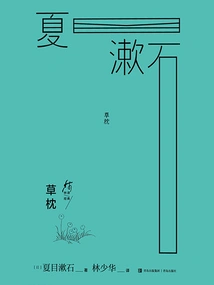
Straw Pillow
Literature草枕
(japan) Natsume Soseki
In order to pursue the pure true meaning of art, the young painter deliberately escaped from the secular world and embarked on a journey to collect scenery in the mountains. He held himself in a detached state of mind and observed the world from an "impersonal" aesthetic perspective. He tried to include the teahouse grandmother, the beautiful girl, and the barber shop owner in the painting. However, the painting failed many times, which triggered his in-depth thinking about the mood of painting and Eastern aesthetics. After a short journey, the painter returned to the real world, and his views on nature and art have been reconstructed. This is not only a landscape journey in the real world, but also a spiritual journey into the world of art, guiding people to touch the essence of art.
In order to pursue the pure true meaning of art, the young painter deliberately escaped from the secular world and embarked on a journey to collect scenery in the mountains. He held himself in a detached state of mind and observed the world from an "impersonal" aesthetic perspective. He tried to include the teahouse grandmother, the beautiful girl, and the barber shop owner in the painting. However, the painting failed many times, which triggered his in-depth thinking about the mood of painting and Eastern aesthetics. After a short journey, the painter returned to the real world, and his views on nature and art have been reconstructed. This is not only a landscape journey in the real world, but also a spiritual journey into the world of art, guiding people to touch the essence of art.
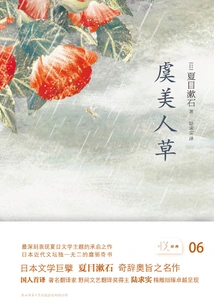
Poppy Poppy
General Fiction虞美人草
(japan) Natsume Soseki
This book is a representative work of Natsume Soseki, a master of modern Japanese literature, and is famous for its profound presentation of the theme of "self-grasping" in Natsume's literature. The original text is quaint and elegant, with every detail carefully crafted and rich in formal beauty. It is difficult to translate, so there has never been a Chinese translation. Mr. Lu Qiushi, a famous translator and winner of the Noma Literary Translator Award, spent two years carefully translating and restoring its original style. He also wrote a preface and annotations to interpret the book, which made up for this shortcoming.
This book is a representative work of Natsume Soseki, a master of modern Japanese literature, and is famous for its profound presentation of the theme of "self-grasping" in Natsume's literature. The original text is quaint and elegant, with every detail carefully crafted and rich in formal beauty. It is difficult to translate, so there has never been a Chinese translation. Mr. Lu Qiushi, a famous translator and winner of the Noma Literary Translator Award, spent two years carefully translating and restoring its original style. He also wrote a preface and annotations to interpret the book, which made up for this shortcoming.
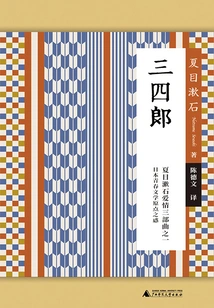
Sanshirō
General Fiction三四郎
(japan) Natsume Soseki
"Sanshiro", "Ever After" and "The Gate" are Natsume Soseki's classic love trilogy. The novel stories respectively correspond to the three stages in a boy's life: youthful love, love choice, and staying together after marriage. "Sanshiro" is the first prologue in the "Love Trilogy" by Japanese writer Natsume Soseki. It is called the most outstanding youth novel in Soseki's literature. The novel describes what the protagonist Sanshirō saw, heard, and felt as he grew from a rural high school student to a Tokyo university student, as well as his mental journey. The work is easy to understand, full of knowledge and interest, and launches a deeper critique of social reality and a search for the true meaning of life.
"Sanshiro", "Ever After" and "The Gate" are Natsume Soseki's classic love trilogy. The novel stories respectively correspond to the three stages in a boy's life: youthful love, love choice, and staying together after marriage. "Sanshiro" is the first prologue in the "Love Trilogy" by Japanese writer Natsume Soseki. It is called the most outstanding youth novel in Soseki's literature. The novel describes what the protagonist Sanshirō saw, heard, and felt as he grew from a rural high school student to a Tokyo university student, as well as his mental journey. The work is easy to understand, full of knowledge and interest, and launches a deeper critique of social reality and a search for the true meaning of life.
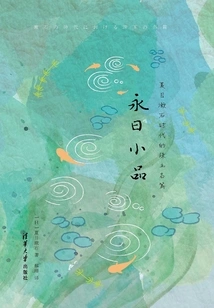
Yongri Sketch
Literature永日小品
(japan) Natsume Soseki
Natsume Soseki's prose essays have been continuously translated and introduced in the country in recent years and are deeply loved by readers. "Nagahi Essays" is another important collection of essays by Natsume Soseki after "Ten Nights of Dreams". It not only contains Soseki's description of Japanese people and customs, but also his reminiscences of his time studying in England. The writing may be humorous and warm, dreamlike or dreamlike; or it may be profound and philosophical.
Natsume Soseki's prose essays have been continuously translated and introduced in the country in recent years and are deeply loved by readers. "Nagahi Essays" is another important collection of essays by Natsume Soseki after "Ten Nights of Dreams". It not only contains Soseki's description of Japanese people and customs, but also his reminiscences of his time studying in England. The writing may be humorous and warm, dreamlike or dreamlike; or it may be profound and philosophical.
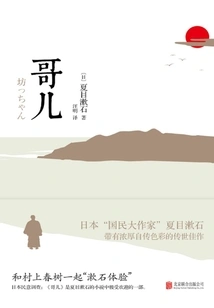
Brothers
General Fiction哥儿
(japan) Natsume Soseki
"Brother" describes a straightforward, reckless but simple, kind-hearted young man with a sense of justice. After his parents died and he graduated from school, he left Tokyo to teach in a school elsewhere. As soon as he entered society, he fell into people's intrigues and plots against each other. He fought hard but fell into traps one after another. He felt strange and lonely. In the end, he beat his enemies severely, got angry, and returned to Tokyo to make a living. The novel exposes and criticizes the evil forces in society and profit-seeking interpersonal relationships. The language is humorous, bright and simple, and contains the beneficial elements of "rakugo" (a folk art similar to cross talk) in popular literature. It is funny and interesting. More importantly, it expresses the typical character of the cheerful "Edo child" and adds a permanent and lovely image to the history of Japanese literature. Through the various dramatic conflicts between his brother and the common people around him after he entered society, the author pungently and skillfully satirized the ugly phenomena in society, lashed out at despicability, power and hypocrisy, and praised justice, straightforwardness and innocence.
"Brother" describes a straightforward, reckless but simple, kind-hearted young man with a sense of justice. After his parents died and he graduated from school, he left Tokyo to teach in a school elsewhere. As soon as he entered society, he fell into people's intrigues and plots against each other. He fought hard but fell into traps one after another. He felt strange and lonely. In the end, he beat his enemies severely, got angry, and returned to Tokyo to make a living. The novel exposes and criticizes the evil forces in society and profit-seeking interpersonal relationships. The language is humorous, bright and simple, and contains the beneficial elements of "rakugo" (a folk art similar to cross talk) in popular literature. It is funny and interesting. More importantly, it expresses the typical character of the cheerful "Edo child" and adds a permanent and lovely image to the history of Japanese literature. Through the various dramatic conflicts between his brother and the common people around him after he entered society, the author pungently and skillfully satirized the ugly phenomena in society, lashed out at despicability, power and hypocrisy, and praised justice, straightforwardness and innocence.
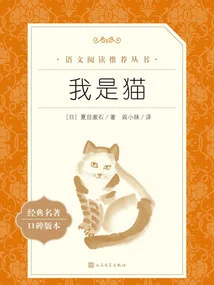
I Am a Cat
General Fiction我是猫
(japan) Natsume Soseki
"I am a Cat" is Natsume Soseki's masterpiece. The novel vividly reflects the thoughts and life of Japan's petty and middle-class bourgeoisie at the beginning of the twentieth century, and sharply exposes and criticizes the "civilized and enlightened" capitalist society of Meiji. This work takes a poor teacher's cat as the protagonist and observes human psychology from the perspective of this anthropomorphized cat. This is a cat who is good at thinking, knowledgeable, full of justice and literary temperament, but he has never learned to catch mice until his death.
"I am a Cat" is Natsume Soseki's masterpiece. The novel vividly reflects the thoughts and life of Japan's petty and middle-class bourgeoisie at the beginning of the twentieth century, and sharply exposes and criticizes the "civilized and enlightened" capitalist society of Meiji. This work takes a poor teacher's cat as the protagonist and observes human psychology from the perspective of this anthropomorphized cat. This is a cat who is good at thinking, knowledgeable, full of justice and literary temperament, but he has never learned to catch mice until his death.
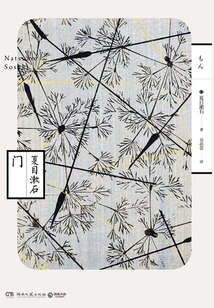
Door
General Fiction门
(japan) Natsume Soseki
Sosuke and Ami live in a world within the gate. They became husband and wife due to an accidental encounter. They fed each other with sweet love inside the gate. But when they went out, they were spurned by society and experienced the pain of deviating from morality. Compared with the simple Ami, Zongsuke is tortured by guilt all the time. In order to stay away from it all, he escapes to a temple in the mountains, hoping that Zen learning can open the locked door in his heart. However, his practice encountered more doors, and he could not muster the courage to open them anyway. He could only stand outside the door forever, staring at his lonely self...
Sosuke and Ami live in a world within the gate. They became husband and wife due to an accidental encounter. They fed each other with sweet love inside the gate. But when they went out, they were spurned by society and experienced the pain of deviating from morality. Compared with the simple Ami, Zongsuke is tortured by guilt all the time. In order to stay away from it all, he escapes to a temple in the mountains, hoping that Zen learning can open the locked door in his heart. However, his practice encountered more doors, and he could not muster the courage to open them anyway. He could only stand outside the door forever, staring at his lonely self...
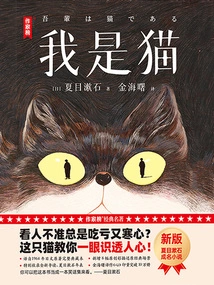
I Am a Cat
General Fiction我是猫
(japan) Natsume Soseki
I am a cat who has not yet been named. He seems to have nothing to do on weekdays, lying lazily on his back, either basking in the sun or sleeping. Let me tell you quietly, in fact, I have been observing you humans, looking at people through the peephole, and I can spot them accurately! My owner is a teacher. He seems to be diligent and studious. After coming back from school every day, he goes into the study room. Everyone thinks that he is studying and preparing for lessons, but this is not the case - I peek and see that he is most likely sleeping soundly in the study room, sometimes drooling on the books! Those who come to visit the host's house are even more bizarre. Some are flattering, some are hypocritical and cunning, some are stupid and ridiculous, some think one thing, say another thing, and do another... In my opinion, the human heart is not complicated, but some people just can't see it clearly, can't see it clearly, and can't see it through. Open this book and let you see through the human heart at a glance!
I am a cat who has not yet been named. He seems to have nothing to do on weekdays, lying lazily on his back, either basking in the sun or sleeping. Let me tell you quietly, in fact, I have been observing you humans, looking at people through the peephole, and I can spot them accurately! My owner is a teacher. He seems to be diligent and studious. After coming back from school every day, he goes into the study room. Everyone thinks that he is studying and preparing for lessons, but this is not the case - I peek and see that he is most likely sleeping soundly in the study room, sometimes drooling on the books! Those who come to visit the host's house are even more bizarre. Some are flattering, some are hypocritical and cunning, some are stupid and ridiculous, some think one thing, say another thing, and do another... In my opinion, the human heart is not complicated, but some people just can't see it clearly, can't see it clearly, and can't see it through. Open this book and let you see through the human heart at a glance!
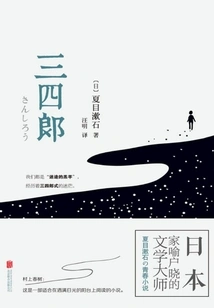
Sanshirō
General Fiction三四郎
(japan) Natsume Soseki
The protagonist Sanshirō Ogawa graduated from high school in Kumamoto and was admitted to a university in Tokyo. After coming to Tokyo, a world completely different from what he had known before, under the impact of modern civilization and modern women, he was confused and at a loss. He was surrounded by three worlds at the same time: one was his hometown of Kumamoto, the other was the world of learning where Nonomiya and Hirota teachers lived, and the third was the world of glitz. Sanshirō becomes increasingly attracted to the glitzy world in which his crush, Miyako, lives. Sanshirō is passionately devoted to Miyako, but Miyako's attitude is ambiguous. She mentioned the term "lost lamb" to Sanshirō several times, but eventually married her brother's friend. Ordinary young people slowly grow up through interactions with all kinds of people in the metropolis.
The protagonist Sanshirō Ogawa graduated from high school in Kumamoto and was admitted to a university in Tokyo. After coming to Tokyo, a world completely different from what he had known before, under the impact of modern civilization and modern women, he was confused and at a loss. He was surrounded by three worlds at the same time: one was his hometown of Kumamoto, the other was the world of learning where Nonomiya and Hirota teachers lived, and the third was the world of glitz. Sanshirō becomes increasingly attracted to the glitzy world in which his crush, Miyako, lives. Sanshirō is passionately devoted to Miyako, but Miyako's attitude is ambiguous. She mentioned the term "lost lamb" to Sanshirō several times, but eventually married her brother's friend. Ordinary young people slowly grow up through interactions with all kinds of people in the metropolis.
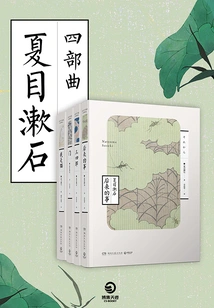
Natsume Soseki's Tetralogy
General Fiction夏目漱石四部曲
(japan) Natsume Soseki
This set of books consists of four volumes, namely "What Happened Later", "Sanshiro", "The Gate" and "I Am a Cat". It is the representative work of Natsume Soseki, a great Japanese writer who is good at describing personal psychology in detail!
This set of books consists of four volumes, namely "What Happened Later", "Sanshiro", "The Gate" and "I Am a Cat". It is the representative work of Natsume Soseki, a great Japanese writer who is good at describing personal psychology in detail!
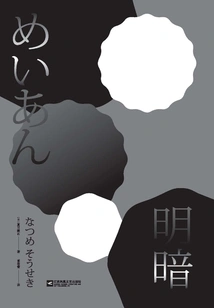
Light and Darkness (natsume Soseki's Unfinished Final Work)
General Fiction明暗(夏目漱石未完的绝笔之作)
(japan) Natsume Soseki
The marriage that everyone admired was the reason why Tsuda decided to leave Tokyo temporarily after the operation. The story begins when Tsuda is about to be hospitalized for the second time. His father sends a notice, suspending financial assistance. This makes Tsuda very embarrassed, so his wife Ayan wants to sell her gorgeous clothes, but Tsuda, who has always doted on his wife, does not want to do this because he feels it is shameful. In this way, Tsuda planned to let some relatives of the couple interact with his father, hoping to get his father to send this month's subsidy as soon as possible. From this, two families were brought together... After going through the pain and waste of life, and on a journey of self-cultivation away from his hometown, Tsuda will eventually find the eyes that have longed for him the most.
The marriage that everyone admired was the reason why Tsuda decided to leave Tokyo temporarily after the operation. The story begins when Tsuda is about to be hospitalized for the second time. His father sends a notice, suspending financial assistance. This makes Tsuda very embarrassed, so his wife Ayan wants to sell her gorgeous clothes, but Tsuda, who has always doted on his wife, does not want to do this because he feels it is shameful. In this way, Tsuda planned to let some relatives of the couple interact with his father, hoping to get his father to send this month's subsidy as soon as possible. From this, two families were brought together... After going through the pain and waste of life, and on a journey of self-cultivation away from his hometown, Tsuda will eventually find the eyes that have longed for him the most.
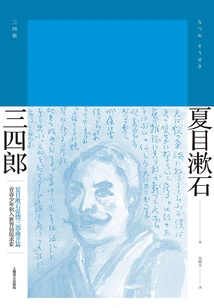
Sanshirō
General Fiction三四郎
(japan) Natsume Soseki
Natsume Soseki's novel, written in 1908, forms a love trilogy with "The Next Thing" and "The Gate". The protagonist Sanshirō Ogawa graduated from high school in Kumamoto and was admitted to a university in Tokyo. After coming to Tokyo, a world completely different from what he had known before, under the impact of modern civilization and modern women, he was confused and at a loss. He was surrounded by three worlds at the same time: one was his hometown of Kumamoto, the other was the world of learning where Nonomiya and Hirota teachers lived, and the third was the world of glitz. Sanshirō becomes increasingly attracted to the glitzy world in which his crush, Miyako, lives. Sanshirō is passionately devoted to Miyako, but Miyako's attitude is ambiguous. She mentioned the term "lost lamb" to Sanshirō several times, but eventually married her brother's friend. Ordinary young people slowly grow up through interactions with all kinds of people in the metropolis.
Natsume Soseki's novel, written in 1908, forms a love trilogy with "The Next Thing" and "The Gate". The protagonist Sanshirō Ogawa graduated from high school in Kumamoto and was admitted to a university in Tokyo. After coming to Tokyo, a world completely different from what he had known before, under the impact of modern civilization and modern women, he was confused and at a loss. He was surrounded by three worlds at the same time: one was his hometown of Kumamoto, the other was the world of learning where Nonomiya and Hirota teachers lived, and the third was the world of glitz. Sanshirō becomes increasingly attracted to the glitzy world in which his crush, Miyako, lives. Sanshirō is passionately devoted to Miyako, but Miyako's attitude is ambiguous. She mentioned the term "lost lamb" to Sanshirō several times, but eventually married her brother's friend. Ordinary young people slowly grow up through interactions with all kinds of people in the metropolis.
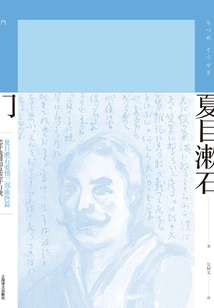
Door
General Fiction门
(japan) Natsume Soseki
It is not only the tragic end of the love trilogy, but also the prelude to a series of late works by the author. The male protagonist Sosuke Nonaka of "The Gate" falls in love with his friend's wife Ami, which leads to social rejection. They live in seclusion in a house without sunlight. On the one hand, they taste the sweetness of sincere understanding, and on the other hand, they feel the bitterness of being guilty of others. They fall into a dilemma and cannot extricate themselves. This is a human tragedy in which free and sincere love is not tolerated by society. It is also a spiritual portrayal of intellectuals pursuing personal happiness but being unable to get rid of the fetters of moral norms. "The Door" is one of Natsume Soseki's representative works of anti-naturalism. The author used a combination of realism and romanticism to create a sentimental world.
It is not only the tragic end of the love trilogy, but also the prelude to a series of late works by the author. The male protagonist Sosuke Nonaka of "The Gate" falls in love with his friend's wife Ami, which leads to social rejection. They live in seclusion in a house without sunlight. On the one hand, they taste the sweetness of sincere understanding, and on the other hand, they feel the bitterness of being guilty of others. They fall into a dilemma and cannot extricate themselves. This is a human tragedy in which free and sincere love is not tolerated by society. It is also a spiritual portrayal of intellectuals pursuing personal happiness but being unable to get rid of the fetters of moral norms. "The Door" is one of Natsume Soseki's representative works of anti-naturalism. The author used a combination of realism and romanticism to create a sentimental world.
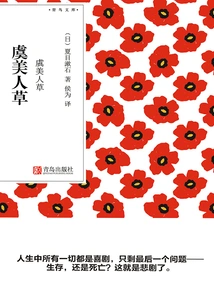
Poppy (blue Bird Library)
General Fiction虞美人草(青鸟文库)
(japan) Natsume Soseki
Although Fujio, the daughter of a well-known family, had a tacit marriage contract with his "relative" Munechika, after his father's death, his mother urged him to marry the poet Ono as soon as possible in order to seize the inheritance from Fujio's half-brother Kono. Ono became a scholar with the support of his mentor Inoue. Faced with the olive branch offered by the Fujio family, he unexpectedly failed to live up to the deep friendship of his mentor who had worked hard to cultivate him for many years. He cruelly rejected the love of Sayoko, who had been close to him for many years, and desperately wanted to marry Fujio. When all the truth was exposed by Kono and Munechika, Ono resolutely changed his mind, determined to sever the relationship with Fujio, and reconcile with Sayoko; Fujio became angry and chose to end his life...
Although Fujio, the daughter of a well-known family, had a tacit marriage contract with his "relative" Munechika, after his father's death, his mother urged him to marry the poet Ono as soon as possible in order to seize the inheritance from Fujio's half-brother Kono. Ono became a scholar with the support of his mentor Inoue. Faced with the olive branch offered by the Fujio family, he unexpectedly failed to live up to the deep friendship of his mentor who had worked hard to cultivate him for many years. He cruelly rejected the love of Sayoko, who had been close to him for many years, and desperately wanted to marry Fujio. When all the truth was exposed by Kono and Munechika, Ono resolutely changed his mind, determined to sever the relationship with Fujio, and reconcile with Sayoko; Fujio became angry and chose to end his life...
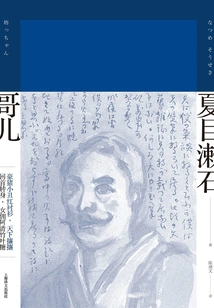
Brothers
General Fiction哥儿
(japan) Natsume Soseki
"Brother" is one of Natsume Soseki's masterpieces. Through the various dramatic conflicts between an unsophisticated, frank and reckless man who enters the society and the vulgar things around him, the work pungently and skillfully satirizes the ugly phenomena in society, lashes out at despicability, power and hypocrisy, and praises justice, straightforwardness and innocence. The writing is smooth, the rhythm is lively, and the image is vivid.
"Brother" is one of Natsume Soseki's masterpieces. Through the various dramatic conflicts between an unsophisticated, frank and reckless man who enters the society and the vulgar things around him, the work pungently and skillfully satirizes the ugly phenomena in society, lashes out at despicability, power and hypocrisy, and praises justice, straightforwardness and innocence. The writing is smooth, the rhythm is lively, and the image is vivid.