Library
Browse and search books
23 novels found
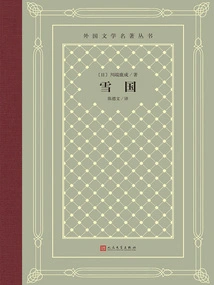
雪国(外国文学名著丛书)
(japan) Kawabata Yasunari
"Snow Country" contains a total of seven works by the author: "The Dancing Girl of Izu", "Snow Country", "Waltz of Flowers", "Thousand-Feathered Crane", "Mountain Sound", "Sleeping Beauty" and "Ancient Capital". These seven works range from the author's early famous work "Dancing Girl of Izu" to "Snow Country", "Thousand-Feathered Crane" and "Mountain Sound" in his creative period, to the mature works "Sleeping Beauty" and "Ancient Capital" in his later years. From short stories to novellas to full-length works, it can be said that they contain the essence of Kawabata Yasunari's life creation in one book. This selection arrangement is the only one of its kind in the market. Among them, "Snow Country" is Kawabata Yasunari's masterpiece. The novel describes a Western dance researcher named Shimamura who went to a hot spring hotel in the snow country three times and developed a subtle emotional relationship with a local geisha named Komako and the girl Ye Zi. The story finally ended with Ye Zi's accidental death. In the novel, Kawabata Yasunari skillfully applied the expression technique of stream of consciousness to describe the character's psychology delicately. The whole work is full of aestheticism and deserves to be a masterpiece in the history of Japanese literature. The translator of this book, Mr. Chen Dewen, has made brand-new revisions to the translation, ensuring that the translation is accurate and novel, which is not available in other versions of the translation.
"Snow Country" contains a total of seven works by the author: "The Dancing Girl of Izu", "Snow Country", "Waltz of Flowers", "Thousand-Feathered Crane", "Mountain Sound", "Sleeping Beauty" and "Ancient Capital". These seven works range from the author's early famous work "Dancing Girl of Izu" to "Snow Country", "Thousand-Feathered Crane" and "Mountain Sound" in his creative period, to the mature works "Sleeping Beauty" and "Ancient Capital" in his later years. From short stories to novellas to full-length works, it can be said that they contain the essence of Kawabata Yasunari's life creation in one book. This selection arrangement is the only one of its kind in the market. Among them, "Snow Country" is Kawabata Yasunari's masterpiece. The novel describes a Western dance researcher named Shimamura who went to a hot spring hotel in the snow country three times and developed a subtle emotional relationship with a local geisha named Komako and the girl Ye Zi. The story finally ended with Ye Zi's accidental death. In the novel, Kawabata Yasunari skillfully applied the expression technique of stream of consciousness to describe the character's psychology delicately. The whole work is full of aestheticism and deserves to be a masterpiece in the history of Japanese literature. The translator of this book, Mr. Chen Dewen, has made brand-new revisions to the translation, ensuring that the translation is accurate and novel, which is not available in other versions of the translation.
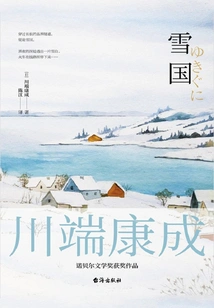
Snow Country
General Fiction雪国
(japan) Kawabata Yasunari
This book includes the Nobel Prize-winning novel "Snow Country" and seven classic works including "Oil", "Fantasy of May", "Bonfire", "Her Dress", "Thousand Generations", "Orphan's Feelings" and "Human Heart" from the collection of first love short stories "First Love Novels". "Snow Country" is Kawabata Yasunari's representative work of aestheticism. The author uses a graceful and sad style to describe a snow world where the beauty of nothingness, cleanliness and sadness are intertwined for readers. The story mainly tells the story of a Tokyo dance art researcher named Shimamura, who went to a hot spring hotel in the snow country three times, and had a love entanglement with the local geisha Komako and the girl Ye Zi who met by chance. The article is full of delicate emotions of love and futility.
This book includes the Nobel Prize-winning novel "Snow Country" and seven classic works including "Oil", "Fantasy of May", "Bonfire", "Her Dress", "Thousand Generations", "Orphan's Feelings" and "Human Heart" from the collection of first love short stories "First Love Novels". "Snow Country" is Kawabata Yasunari's representative work of aestheticism. The author uses a graceful and sad style to describe a snow world where the beauty of nothingness, cleanliness and sadness are intertwined for readers. The story mainly tells the story of a Tokyo dance art researcher named Shimamura, who went to a hot spring hotel in the snow country three times, and had a love entanglement with the local geisha Komako and the girl Ye Zi who met by chance. The article is full of delicate emotions of love and futility.
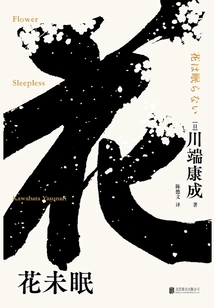
Flowers Are Not Sleeping
Literature花未眠
(japan) Kawabata Yasunari
"Flowers Never Sleep" selects Kawabata Yasunari's fine prose, including "Flowers Never Sleep", "Sorrow", "The Beauty of Japanese Literature", etc. Kawabata Yasunari's delicate sensitivity is reflected in his observation of life details, and his aesthetic thoughts are also hidden in many essays. This collection of essays presents Kawabata's aesthetic thoughts and the essence of oriental Japanese aesthetics.
"Flowers Never Sleep" selects Kawabata Yasunari's fine prose, including "Flowers Never Sleep", "Sorrow", "The Beauty of Japanese Literature", etc. Kawabata Yasunari's delicate sensitivity is reflected in his observation of life details, and his aesthetic thoughts are also hidden in many essays. This collection of essays presents Kawabata's aesthetic thoughts and the essence of oriental Japanese aesthetics.
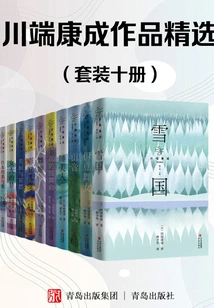
Selected Works of Kawabata Yasunari (set of Ten Volumes)
General Fiction川端康成作品精选(套装十册)
(japan) Kawabata Yasunari
Selected works by Nobel Prize winner Yasunari Kawabata, set in ten volumes.
Selected works by Nobel Prize winner Yasunari Kawabata, set in ten volumes.

Ancient Capital
General Fiction古都
(japan) Kawabata Yasunari
It's so beautiful that I want to cry. I really want to go to Kyoto after reading it. Chieko and Naeko are twin sisters. The elder sister Chieko was adopted by a wealthy brocade weaver in the ancient capital of Kyoto, while the younger sister stayed in the village where she was born. As a result, their fates became completely different. On the night of the Gion Festival, the two sisters unexpectedly reunited and learned the truth. However, in the end, they could not recognize each other due to their identities, and each returned to their own lives. A heart-warming story, the plot never strays from the scenery, festivals, and customs of Kyoto. Kawabata reconstructed the cultural Kyoto with beautiful language, which can be called the "hometown on paper" of the Japanese nation.
It's so beautiful that I want to cry. I really want to go to Kyoto after reading it. Chieko and Naeko are twin sisters. The elder sister Chieko was adopted by a wealthy brocade weaver in the ancient capital of Kyoto, while the younger sister stayed in the village where she was born. As a result, their fates became completely different. On the night of the Gion Festival, the two sisters unexpectedly reunited and learned the truth. However, in the end, they could not recognize each other due to their identities, and each returned to their own lives. A heart-warming story, the plot never strays from the scenery, festivals, and customs of Kyoto. Kawabata reconstructed the cultural Kyoto with beautiful language, which can be called the "hometown on paper" of the Japanese nation.
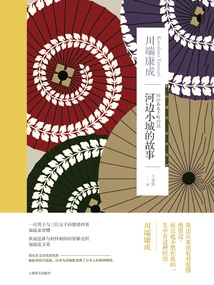
河边小城的故事(川端康成作品系列)
(japan) Kawabata Yasunari
The emotional entanglement between a man and three women is like the sweetness of a flowing spring; the interweaving of the desire to talk and the frank treatment of each other is like a beautiful flower. The work of Nobel Prize winner Yasunari Kawabata, a love story in a small town in Japan after World War II, overturns the stereotype of Japanese women and is sincere and touching. With a writing style that is often filled with sadness, he has the insight to discover delicate beauty, and through the characters in the book, he expresses his persistence in love and his feelings about the impermanence of life. The young talent Jun Yizo is an intern. His colleagues in the hospital, Minzi, his cousin Taozi, and the sister of the patient he treated all fell in love with him. The three girls expressed their love for Yisan in different ways. Minzi took care of the sick Yisan, and Taozi went to Tokyo alone to find the whereabouts of Yisan's house. And Yisan and the house can be said to be in love with each other. The house experienced ups and downs. First, her young brother passed away, and then all her belongings were stolen while living in the dormitory with Yisan. She had no choice but to escape secretly, join her former neighbor and sister, and work as a dancer at a US military base. While working as a dancer in the house, the valet Daji was injured in order to save the house from being captured by the US military, which eventually led to his death. The house was in a trance from then on, and somehow returned to the original small town. Fortunately, Minzi met her and sent her to the hospital. Yisan was finally reunited with the house after suffering from worry and anxiety.
The emotional entanglement between a man and three women is like the sweetness of a flowing spring; the interweaving of the desire to talk and the frank treatment of each other is like a beautiful flower. The work of Nobel Prize winner Yasunari Kawabata, a love story in a small town in Japan after World War II, overturns the stereotype of Japanese women and is sincere and touching. With a writing style that is often filled with sadness, he has the insight to discover delicate beauty, and through the characters in the book, he expresses his persistence in love and his feelings about the impermanence of life. The young talent Jun Yizo is an intern. His colleagues in the hospital, Minzi, his cousin Taozi, and the sister of the patient he treated all fell in love with him. The three girls expressed their love for Yisan in different ways. Minzi took care of the sick Yisan, and Taozi went to Tokyo alone to find the whereabouts of Yisan's house. And Yisan and the house can be said to be in love with each other. The house experienced ups and downs. First, her young brother passed away, and then all her belongings were stolen while living in the dormitory with Yisan. She had no choice but to escape secretly, join her former neighbor and sister, and work as a dancer at a US military base. While working as a dancer in the house, the valet Daji was injured in order to save the house from being captured by the US military, which eventually led to his death. The house was in a trance from then on, and somehow returned to the original small town. Fortunately, Minzi met her and sent her to the hospital. Yisan was finally reunited with the house after suffering from worry and anxiety.
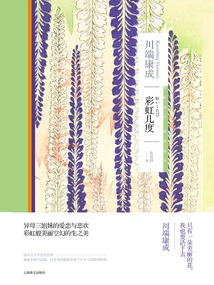
彩虹几度(川端康成作品系列)
(japan) Kawabata Yasunari
The works of Nobel Prize winner Kawabata Yasunari, the love, joys and sorrows of three half-sisters, and the rainbow-like beauty of life express the spiritual characteristics of the Japanese people with extraordinary sensitivity. "How Many Times the Rainbow" is a novella written by Kawabata Yasunari in 1956. It tells the rather unique story of three half-sisters Momoko, Asako, and Wakako. The background is Kyoto in the early 1950s, shortly after the war. The main line of the story is clear, and the branch lines are mixed but not chaotic. The entanglement between the parents and the alienated and caring relationship between the three sisters are all described in detail. It is a gem in the long history of Kawabata's literature. At the beginning of the novel, the fleeting image of a rainbow is outlined with clear brushstrokes. The beauty and rootlessness of the rainbow is a symbol of the fate of the heroines in the book. The work uses the quaint customs and charm of Kyoto and surrounding areas as the background to depict the love and joys and sorrows of the three sisters' love and life.
The works of Nobel Prize winner Kawabata Yasunari, the love, joys and sorrows of three half-sisters, and the rainbow-like beauty of life express the spiritual characteristics of the Japanese people with extraordinary sensitivity. "How Many Times the Rainbow" is a novella written by Kawabata Yasunari in 1956. It tells the rather unique story of three half-sisters Momoko, Asako, and Wakako. The background is Kyoto in the early 1950s, shortly after the war. The main line of the story is clear, and the branch lines are mixed but not chaotic. The entanglement between the parents and the alienated and caring relationship between the three sisters are all described in detail. It is a gem in the long history of Kawabata's literature. At the beginning of the novel, the fleeting image of a rainbow is outlined with clear brushstrokes. The beauty and rootlessness of the rainbow is a symbol of the fate of the heroines in the book. The work uses the quaint customs and charm of Kyoto and surrounding areas as the background to depict the love and joys and sorrows of the three sisters' love and life.
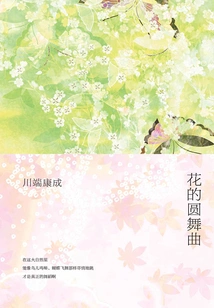
Waltz of Flowers
General Fiction花的圆舞曲
(japan) Kawabata Yasunari
"Waltz of Flowers" is a collection of classic short stories written by Nobel Prize winner Yasunari Kawabata. Yu Hua highly recommends "Waltz of Flowers", a collection of classic short stories by Yasunari Kawabata. Its name comes from the group dance of the Candy Fairy and other fairies in Tchaikovsky's ballet "The Nutcracker". Xingzhi and the orphan Suzuko developed a close attachment because of ballet. The beautiful youth of the girls is like twin flowers, vying for beauty in the spinning and jumping dance steps. At this time, Nanjo, whom Suzuko had been waiting for, returned home miserably, and regained life because of Hoshizhi's dance. All the implicit love that seems to be absent is entangled in a waltz... It contains a total of 15 short stories such as "Letter to Parents" and "An Arm", especially "The Waltz of Flowers".
"Waltz of Flowers" is a collection of classic short stories written by Nobel Prize winner Yasunari Kawabata. Yu Hua highly recommends "Waltz of Flowers", a collection of classic short stories by Yasunari Kawabata. Its name comes from the group dance of the Candy Fairy and other fairies in Tchaikovsky's ballet "The Nutcracker". Xingzhi and the orphan Suzuko developed a close attachment because of ballet. The beautiful youth of the girls is like twin flowers, vying for beauty in the spinning and jumping dance steps. At this time, Nanjo, whom Suzuko had been waiting for, returned home miserably, and regained life because of Hoshizhi's dance. All the implicit love that seems to be absent is entangled in a waltz... It contains a total of 15 short stories such as "Letter to Parents" and "An Arm", especially "The Waltz of Flowers".
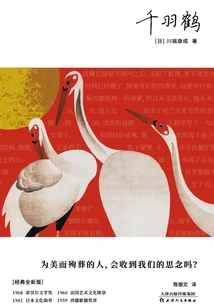
Thousand Feathered Crane
General Fiction千羽鹤
(japan) Kawabata Yasunari
This is an unethical love. The lonely Kawabata throws a porcelain bowl that has been used by tea drinkers for generations into an unethical love. Its owners were cursed with being too obsessed with the false makeup of women and the exquisiteness of ceramics. Like his father, Kikuji was deeply entangled with women. He even followed his father's story and had an affair with his lover, which led to Mrs. Ota's final suicide. And the teacup stained with guilt continues to wander in the weirdness, just like the loneliness of sentimental objects is also in the eternal reincarnation.
This is an unethical love. The lonely Kawabata throws a porcelain bowl that has been used by tea drinkers for generations into an unethical love. Its owners were cursed with being too obsessed with the false makeup of women and the exquisiteness of ceramics. Like his father, Kikuji was deeply entangled with women. He even followed his father's story and had an affair with his lover, which led to Mrs. Ota's final suicide. And the teacup stained with guilt continues to wander in the weirdness, just like the loneliness of sentimental objects is also in the eternal reincarnation.
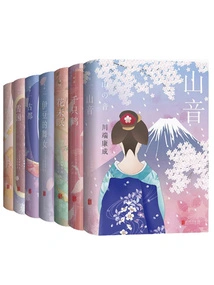
川端康成小说集(套装共七册)
(japan) Kawabata Yasunari
"Snow Country" is a crystal clear artistic world carved by Kawabata Yasunari's pen. This place, far away from the hustle and bustle, is full of the emptiness and silence of the original state of life. Through the portrayal of the three main characters Shimamura, Komako and Ye Zi, the novel shows the unremitting pursuit of beautiful love, the ultimate yearning for the beauty of reality, and the infinite sorrow for nihilism. "Ancient Capital" is a literary postcard of the city of Kyoto carefully drawn by Yasunari Kawabata. The novel uses light and delicate writing to narrate the joys and sorrows of the twin sisters Chieko and Naeko, and writes about their bitter life experiences, pure love, and their yearning for a better life. Cleverly, the author places the beautiful relationship between the sisters in the four seasons of Kyoto to describe it. The scenes blend together, allowing readers to appreciate the beauty of Kyoto's ancient culture. "A Thousand Cranes" is the Nobel Prize-winning work of Kawabata Yasunari. It is the ultimate masterpiece that combines morality and desire into the tea ceremony. The novel tells the story of Kikuji, who was born in a famous tea ceremony family, and quietly met several women who had a close relationship with his father at a tea party, and was involved in the whirlpool of fate. "The Dancing Girl of Izu" is a poignant, romantic and sad novel written by Kawabata Yasunari based on his personal experience. The work describes a high school student "I" who traveled to Izu alone and met an innocent dancing girl, and then developed a beautiful and regretful innocent love. "Flowers Never Sleep" was written by Kawabata Yasunari after he woke up at four o'clock in the morning. At that time, he found that begonia flowers were still blooming at night, which triggered a series of philosophical thoughts on beauty. He carved a flower and a world with his warm writing style; he used his subtle inner feelings to develop a word and a wisdom; he used his flowing thoughts to spread out an article and a life. "Mountain Sound" is the work of Kawabata Yasunari in his later years. Shingo, who is in his sixties, suffers from the burnout and fatigue of his many years of life. He is deeply aware of the invisible barriers between people and the lack of warmth and love. The sound of the mountain that arouses Shingo's fear of death is the cry of first love that has been buried deep in his heart for decades and has never been satisfied. He always looks for emotional and spiritual solace in his first love and daughter-in-law Juzi, which become a bright rainbow in his spiritual world. "Sleeping Beauty" is the culmination of Kawabata Yasushi's 60th birthday. Through the five experiences of the old man Eguchi to Sleeping Beauty's house, six sleeping beauties, and three dreams, the novel tells the story of people's helplessness towards aging and death in old age, their inferiority complex towards old men and their nostalgia for youth.
"Snow Country" is a crystal clear artistic world carved by Kawabata Yasunari's pen. This place, far away from the hustle and bustle, is full of the emptiness and silence of the original state of life. Through the portrayal of the three main characters Shimamura, Komako and Ye Zi, the novel shows the unremitting pursuit of beautiful love, the ultimate yearning for the beauty of reality, and the infinite sorrow for nihilism. "Ancient Capital" is a literary postcard of the city of Kyoto carefully drawn by Yasunari Kawabata. The novel uses light and delicate writing to narrate the joys and sorrows of the twin sisters Chieko and Naeko, and writes about their bitter life experiences, pure love, and their yearning for a better life. Cleverly, the author places the beautiful relationship between the sisters in the four seasons of Kyoto to describe it. The scenes blend together, allowing readers to appreciate the beauty of Kyoto's ancient culture. "A Thousand Cranes" is the Nobel Prize-winning work of Kawabata Yasunari. It is the ultimate masterpiece that combines morality and desire into the tea ceremony. The novel tells the story of Kikuji, who was born in a famous tea ceremony family, and quietly met several women who had a close relationship with his father at a tea party, and was involved in the whirlpool of fate. "The Dancing Girl of Izu" is a poignant, romantic and sad novel written by Kawabata Yasunari based on his personal experience. The work describes a high school student "I" who traveled to Izu alone and met an innocent dancing girl, and then developed a beautiful and regretful innocent love. "Flowers Never Sleep" was written by Kawabata Yasunari after he woke up at four o'clock in the morning. At that time, he found that begonia flowers were still blooming at night, which triggered a series of philosophical thoughts on beauty. He carved a flower and a world with his warm writing style; he used his subtle inner feelings to develop a word and a wisdom; he used his flowing thoughts to spread out an article and a life. "Mountain Sound" is the work of Kawabata Yasunari in his later years. Shingo, who is in his sixties, suffers from the burnout and fatigue of his many years of life. He is deeply aware of the invisible barriers between people and the lack of warmth and love. The sound of the mountain that arouses Shingo's fear of death is the cry of first love that has been buried deep in his heart for decades and has never been satisfied. He always looks for emotional and spiritual solace in his first love and daughter-in-law Juzi, which become a bright rainbow in his spiritual world. "Sleeping Beauty" is the culmination of Kawabata Yasushi's 60th birthday. Through the five experiences of the old man Eguchi to Sleeping Beauty's house, six sleeping beauties, and three dreams, the novel tells the story of people's helplessness towards aging and death in old age, their inferiority complex towards old men and their nostalgia for youth.
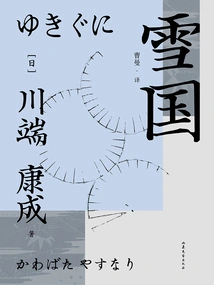
Snow Country
General Fiction雪国
(japan) Kawabata Yasunari
"Snow Country" was one of the three novels mentioned by Kawabata Yasunari when he was awarded the Nobel Prize for Literature. The story begins with a train heading to the snowy country. The dusk scene passing by outside the window reflects the girl's eyes reflected on the glass, making it confusing. Shimamura, a dance art researcher, went to the snowy northern mountain village three times. He fell into love entanglement with the local geisha Komako and the girl Ye Zi who met by chance. The falling snow covered up all love and futility... There is no twists and turns in the book, but Shimamura laments that life is like a dream. , Juzi's resentment of not being able to love, Ye Zi's vague memories of life and death, supplemented by the cold scenery of the northern mountain village, bring the beauty of nothingness, cleanliness and sadness depicted in it to the extreme. It is heart-stirring and melancholy. It can be said to be "the pinnacle of lyrical literature in the history of modern literature."
"Snow Country" was one of the three novels mentioned by Kawabata Yasunari when he was awarded the Nobel Prize for Literature. The story begins with a train heading to the snowy country. The dusk scene passing by outside the window reflects the girl's eyes reflected on the glass, making it confusing. Shimamura, a dance art researcher, went to the snowy northern mountain village three times. He fell into love entanglement with the local geisha Komako and the girl Ye Zi who met by chance. The falling snow covered up all love and futility... There is no twists and turns in the book, but Shimamura laments that life is like a dream. , Juzi's resentment of not being able to love, Ye Zi's vague memories of life and death, supplemented by the cold scenery of the northern mountain village, bring the beauty of nothingness, cleanliness and sadness depicted in it to the extreme. It is heart-stirring and melancholy. It can be said to be "the pinnacle of lyrical literature in the history of modern literature."
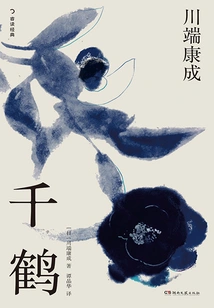
Chizuru
General Fiction千鹤
(japan) Kawabata Yasunari
The protagonist Kikuji is invited by Chikako to attend a tea party. Chikako was once the lover of Kikuji's father. After the death of Kikuji's father's friend Ota, Mrs. Ota often came to Kikuji's father to discuss things, and she became Kikuji's father's new lover during their interactions. Chikako invites Kikuji to a tea party in order to introduce him to his love interest, Miss Inamura. Also seated were Mrs. Ota and her daughter Fumiko. Seeing Kikuji, Mrs. Ota felt a familiar attraction, and the two had sexual relations that night. After being exposed, he was opposed by Chiako and Fumiko. Mrs. Ota felt deeply guilty and committed suicide after seeing Kikuji for the last time. After Fumiko spent the night with Kikuji, she disappeared from sight. Kikuji also admires Yukiko whom Chiko introduced to him. Kawabata Yasunari uses a delicate and euphemistic style to describe the intricate relationship between Kikuji and several women around him, trying to explore the sadness and beauty of human nature from the emotional entanglements that are not recognized by social morality.
The protagonist Kikuji is invited by Chikako to attend a tea party. Chikako was once the lover of Kikuji's father. After the death of Kikuji's father's friend Ota, Mrs. Ota often came to Kikuji's father to discuss things, and she became Kikuji's father's new lover during their interactions. Chikako invites Kikuji to a tea party in order to introduce him to his love interest, Miss Inamura. Also seated were Mrs. Ota and her daughter Fumiko. Seeing Kikuji, Mrs. Ota felt a familiar attraction, and the two had sexual relations that night. After being exposed, he was opposed by Chiako and Fumiko. Mrs. Ota felt deeply guilty and committed suicide after seeing Kikuji for the last time. After Fumiko spent the night with Kikuji, she disappeared from sight. Kikuji also admires Yukiko whom Chiko introduced to him. Kawabata Yasunari uses a delicate and euphemistic style to describe the intricate relationship between Kikuji and several women around him, trying to explore the sadness and beauty of human nature from the emotional entanglements that are not recognized by social morality.
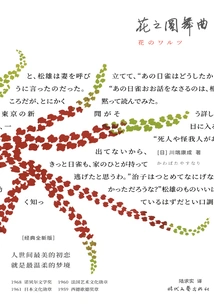
紫图经典文库:川端康成·花之圆舞曲
(japan) Kawabata Yasunari
"Waltz of Flowers" is a collection of short stories by Kawabata Yasunari. In addition to the representative work "Waltz of Flowers" on the theme of first love, it also contains three short stories ("Italian Song", "Morning Clouds" and "Coal Tit") that are missing in other Kawabata translations in China. It also exclusively includes important documents for in-depth understanding of Kawabata Yasunari: Yukio Mishima's long commentary. Hoshidae and Suzuko, two girls with completely different backgrounds and personalities, developed a close attachment to each other while studying ballet, and at the same time developed their first love with the male dancer Nanjo. The unique first love of two girls bloomed side by side in a waltz with a brilliance rarely seen in the world. Different from Kawabata's common sad tone of "a girl destroyed by her first love", "Waltz of Flowers" is a hymn of love and life, which can be read to gain unprecedented excitement and healing.
"Waltz of Flowers" is a collection of short stories by Kawabata Yasunari. In addition to the representative work "Waltz of Flowers" on the theme of first love, it also contains three short stories ("Italian Song", "Morning Clouds" and "Coal Tit") that are missing in other Kawabata translations in China. It also exclusively includes important documents for in-depth understanding of Kawabata Yasunari: Yukio Mishima's long commentary. Hoshidae and Suzuko, two girls with completely different backgrounds and personalities, developed a close attachment to each other while studying ballet, and at the same time developed their first love with the male dancer Nanjo. The unique first love of two girls bloomed side by side in a waltz with a brilliance rarely seen in the world. Different from Kawabata's common sad tone of "a girl destroyed by her first love", "Waltz of Flowers" is a hymn of love and life, which can be read to gain unprecedented excitement and healing.
Ancient Capital
General Fiction古都
(japan) Kawabata Yasunari
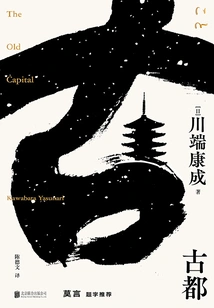
"Ancient Capital" is a Nobel Prize-winning novel by Kawabata Yasunari. The author uses light and delicate writing to describe the joys and sorrows of the twin sisters Chieko and Miaozi, as well as the loneliness of the world.
"Ancient Capital" is a Nobel Prize-winning novel by Kawabata Yasunari. The author uses light and delicate writing to describe the joys and sorrows of the twin sisters Chieko and Miaozi, as well as the loneliness of the world.
Sleeping Beauty
General Fiction睡美人
(japan) Kawabata Yasunari
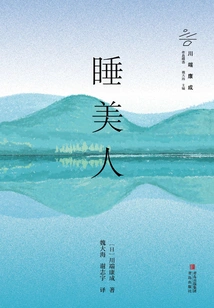
Eguchi, who is nearly seventy years old, comes to a mysterious hotel by the sea. Waiting for him there was the unconscious girl sleeping. Next to the fresh and young Sleeping Beauty, the old man regains the joy of life, but the past and nightmares also come one after another... Bozi, a middle-aged ballet teacher, is trying his best to entrust his dance dream to his daughter Tatoko in his hard life. At the same time, he is torn between the disappointment of drifting away from her husband and the expectation of reconnecting with his childhood sweetheart...
Eguchi, who is nearly seventy years old, comes to a mysterious hotel by the sea. Waiting for him there was the unconscious girl sleeping. Next to the fresh and young Sleeping Beauty, the old man regains the joy of life, but the past and nightmares also come one after another... Bozi, a middle-aged ballet teacher, is trying his best to entrust his dance dream to his daughter Tatoko in his hard life. At the same time, he is torn between the disappointment of drifting away from her husband and the expectation of reconnecting with his childhood sweetheart...
川端康成名作名译系列:花的圆舞曲
(japan) Kawabata Yasunari
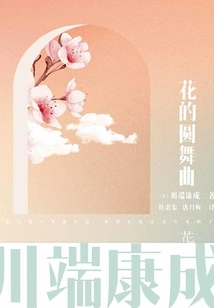
"Waltz of Flowers" is a collection of Kawabata Yasunari's classic short stories, including "Waltz of Flowers", "Mother's First Love", "Beasts", "One Arm" and other classic short stories. Xingzhi and the orphan Suzuko developed a close attachment because of ballet. The beautiful youth of the girls is like twin flowers, vying for beauty in the spinning and jumping dance steps. At this time, Nanjo, whom Suzuko had been waiting for, returned home miserably, and regained life because of Hoshizhi's dance. All the implicit love that seems to be absent is entangled in a waltz... Kawabata Yasunari tried to use the work "Waltz of Flowers" to promote the theme that the power of art can defeat illness and defeat everything.
"Waltz of Flowers" is a collection of Kawabata Yasunari's classic short stories, including "Waltz of Flowers", "Mother's First Love", "Beasts", "One Arm" and other classic short stories. Xingzhi and the orphan Suzuko developed a close attachment because of ballet. The beautiful youth of the girls is like twin flowers, vying for beauty in the spinning and jumping dance steps. At this time, Nanjo, whom Suzuko had been waiting for, returned home miserably, and regained life because of Hoshizhi's dance. All the implicit love that seems to be absent is entangled in a waltz... Kawabata Yasunari tried to use the work "Waltz of Flowers" to promote the theme that the power of art can defeat illness and defeat everything.
Vine Flowers and Strawberries
General Fiction藤花与草莓
(japan) Kawabata Yasunari
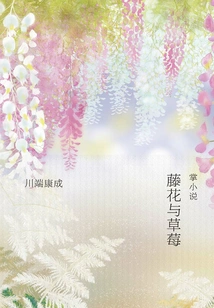
Hardcover collector's edition of Kawabata Yasunari's novel. Yu Hua highly recommends! Every exquisite story is a reappearance of Kawabata Yasunari's aesthetic style. "Wisteria and Strawberry" is Kawabata Yasunari's "Collection of Palm Novels", which includes a total of 55 palm novels such as "Five Cents" and "Beauty Under the Moon". In the evening of late spring and early summer, the wife and husband were talking about a wonderful thing by the window. The sister of an old friend had an inexplicable attachment to her because of her sister's friendship with this lady. This reminded my wife of the lost girl time under the wisteria trees in Nara... The swaying wisteria flowers by the quiet lake were like a hazy dream.
Hardcover collector's edition of Kawabata Yasunari's novel. Yu Hua highly recommends! Every exquisite story is a reappearance of Kawabata Yasunari's aesthetic style. "Wisteria and Strawberry" is Kawabata Yasunari's "Collection of Palm Novels", which includes a total of 55 palm novels such as "Five Cents" and "Beauty Under the Moon". In the evening of late spring and early summer, the wife and husband were talking about a wonderful thing by the window. The sister of an old friend had an inexplicable attachment to her because of her sister's friendship with this lady. This reminded my wife of the lost girl time under the wisteria trees in Nara... The swaying wisteria flowers by the quiet lake were like a hazy dream.
紫图经典文库:川端康成·花未眠
(japan) Kawabata Yasunari
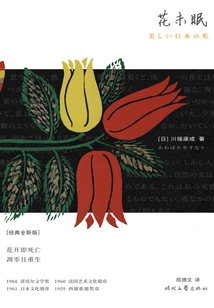
The beauty of Japan is popular all over the world, and Yasu Kawabata is indispensable for its success. He regards beauty as his "belief" and uses beautiful words to expand the realm of aesthetics. His thoughts gradually matured and were scattered in many essays, making it difficult for ordinary readers to get a full picture. Mr. Chen Dewen, a famous translator and scholar, has studied Kawabata Yasunari for decades, carefully sorted out, integrated and translated this book, which completely and accurately presents Kawabata's aesthetic ideological system and presents the essence of Japanese oriental aesthetics in a textbook style. People with high emotional intelligence, simply put, have strong empathy. The first thing is to have a keen sense of perception and be able to distinguish between beauty and ugliness. Reading Kawabata's prose is like communicating with Kawabata Yasumimoto himself, listening directly to the gentle words of this "sensitive and beautiful oriental soul", and understanding the mystery of the beauty of Japan and the East.
The beauty of Japan is popular all over the world, and Yasu Kawabata is indispensable for its success. He regards beauty as his "belief" and uses beautiful words to expand the realm of aesthetics. His thoughts gradually matured and were scattered in many essays, making it difficult for ordinary readers to get a full picture. Mr. Chen Dewen, a famous translator and scholar, has studied Kawabata Yasunari for decades, carefully sorted out, integrated and translated this book, which completely and accurately presents Kawabata's aesthetic ideological system and presents the essence of Japanese oriental aesthetics in a textbook style. People with high emotional intelligence, simply put, have strong empathy. The first thing is to have a keen sense of perception and be able to distinguish between beauty and ugliness. Reading Kawabata's prose is like communicating with Kawabata Yasumimoto himself, listening directly to the gentle words of this "sensitive and beautiful oriental soul", and understanding the mystery of the beauty of Japan and the East.

Collected Works of Nobel Laureate Yasunari Kawabata·50th Anniversary Edition (6 Volumes in Total)
Literature诺奖得主川端康成文集·50周年纪念版(共6册)
(japan) Kawabata Yasunari
Kawabata Yasunari, winner of the Nobel Prize for Literature and a master of Japanese aesthetic literature, is a masterpiece that will not be forgotten! "A Thousand Cranes", "The Dancing Girl of Izu", "Snow Country", "Ancient Capital", "Friends" and "Distant Journey".
Kawabata Yasunari, winner of the Nobel Prize for Literature and a master of Japanese aesthetic literature, is a masterpiece that will not be forgotten! "A Thousand Cranes", "The Dancing Girl of Izu", "Snow Country", "Ancient Capital", "Friends" and "Distant Journey".
Sleeping Beauty
General Fiction睡美人
(japan) Kawabata Yasunari
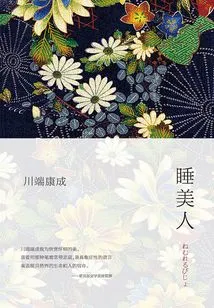
Kawabata Yasunari's classic work, Yu Hua highly recommends it! "Sleeping Beauty" includes Kawabata Yasunari's classic masterpieces "Sleeping Beauty" and "La Bayadere". Eguchi, who is nearly seventy years old, comes to a mysterious hotel by the sea. Waiting for him there was the unconscious girl sleeping. Next to the fresh and young Sleeping Beauty, the old man regains the joy of life, but the past and nightmares also come one after another... Bozi, a middle-aged ballet teacher, is trying his best to entrust his dance dream to his daughter Tatoko in his hard life. At the same time, he is torn between the disappointment of drifting away from her husband and the expectation of reconnecting with his childhood sweetheart...
Kawabata Yasunari's classic work, Yu Hua highly recommends it! "Sleeping Beauty" includes Kawabata Yasunari's classic masterpieces "Sleeping Beauty" and "La Bayadere". Eguchi, who is nearly seventy years old, comes to a mysterious hotel by the sea. Waiting for him there was the unconscious girl sleeping. Next to the fresh and young Sleeping Beauty, the old man regains the joy of life, but the past and nightmares also come one after another... Bozi, a middle-aged ballet teacher, is trying his best to entrust his dance dream to his daughter Tatoko in his hard life. At the same time, he is torn between the disappointment of drifting away from her husband and the expectation of reconnecting with his childhood sweetheart...
Ancient Capital
General Fiction古都
(japan) Kawabata Yasunari
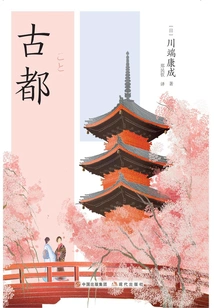
"Ancient Capital" tells the story of the joys and sorrows of a pair of twin sisters in Kyoto. The elder sister Chieko was abandoned due to her poor family, and was later adopted by the silk merchant Taijiro and his wife, and became a beautiful girl; the younger sister Miaozi became an orphan when she was in her infancy, and stayed in the mountain village to be employed when she grew up. The two met by chance on the night of Gion Festival and were surprised to learn that they were twin sisters. One is delicate and sensitive, the other is kind and simple, but they cannot recognize each other due to the huge difference in status... "Ancient Capital" is one of the three works by Kawabata Yasunari that won the Nobel Prize for Literature in 1968. In this novel, Kawabata Yasunari depicts the beautiful Japan in his heart. The image of the girl in his works is pure and lovely, and the whole novel is filled with the girl's poetic sadness. The colors of the works are bright and healthy, and the style of the times is also shown. Readers will fall in love with Kyoto and yearn for Kyoto through this book.
"Ancient Capital" tells the story of the joys and sorrows of a pair of twin sisters in Kyoto. The elder sister Chieko was abandoned due to her poor family, and was later adopted by the silk merchant Taijiro and his wife, and became a beautiful girl; the younger sister Miaozi became an orphan when she was in her infancy, and stayed in the mountain village to be employed when she grew up. The two met by chance on the night of Gion Festival and were surprised to learn that they were twin sisters. One is delicate and sensitive, the other is kind and simple, but they cannot recognize each other due to the huge difference in status... "Ancient Capital" is one of the three works by Kawabata Yasunari that won the Nobel Prize for Literature in 1968. In this novel, Kawabata Yasunari depicts the beautiful Japan in his heart. The image of the girl in his works is pure and lovely, and the whole novel is filled with the girl's poetic sadness. The colors of the works are bright and healthy, and the style of the times is also shown. Readers will fall in love with Kyoto and yearn for Kyoto through this book.
Chizuru (kawabata Yasunari's Work Series)
General Fiction千鹤(川端康成作品系列)
(japan) Kawabata Yasunari
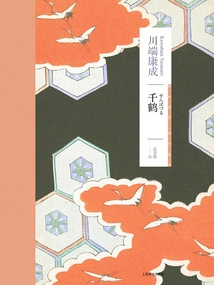
Kawabata Yasunari's masterpiece and Nobel Prize-winning work. The representative works of Japanese post-war literature use words to outline the beauty of color, the centuries-old circulation of an ancient tea set, and a story of abnormal love involving two generations. They show the conflict between love and morality. They also depict the psychology very delicately, showing a scene of extreme beauty and sadness. "Thousand Cranes" is a short story collection by Kawabata Yasunari, which includes "Thousand Cranes" and the sequel to "Thousand Cranes", "A Chidori on the Blue Waves". The story mainly tells that Mitani Kikuharu's father had an affair with a woman named Kurimoto Chikako during his lifetime, and later fell in love with Mrs. Ota, but was alienated from the former because of the latter. Four years after his father's death, Kikuji and Mrs. Ota met unexpectedly at a tea party held by Chikako Kurimoto. Because Mrs. Ota missed Kikuji's father, she actually moved on to his son Kikuji, and Kikuji also accepted this immoral love. However, Mrs. Ota drank medicine and committed suicide out of guilt. Mrs. Ota's daughter Fumiko gradually fell in love with Kikuji during her contact with him. Chikako introduced her female disciple Yukiko to Kikuji and tried every means to bring them together. Wenzi was so ashamed of her mother that she finally left without saying goodbye.
Kawabata Yasunari's masterpiece and Nobel Prize-winning work. The representative works of Japanese post-war literature use words to outline the beauty of color, the centuries-old circulation of an ancient tea set, and a story of abnormal love involving two generations. They show the conflict between love and morality. They also depict the psychology very delicately, showing a scene of extreme beauty and sadness. "Thousand Cranes" is a short story collection by Kawabata Yasunari, which includes "Thousand Cranes" and the sequel to "Thousand Cranes", "A Chidori on the Blue Waves". The story mainly tells that Mitani Kikuharu's father had an affair with a woman named Kurimoto Chikako during his lifetime, and later fell in love with Mrs. Ota, but was alienated from the former because of the latter. Four years after his father's death, Kikuji and Mrs. Ota met unexpectedly at a tea party held by Chikako Kurimoto. Because Mrs. Ota missed Kikuji's father, she actually moved on to his son Kikuji, and Kikuji also accepted this immoral love. However, Mrs. Ota drank medicine and committed suicide out of guilt. Mrs. Ota's daughter Fumiko gradually fell in love with Kikuji during her contact with him. Chikako introduced her female disciple Yukiko to Kikuji and tried every means to bring them together. Wenzi was so ashamed of her mother that she finally left without saying goodbye.

Sleeping Beauty Lake (kawabata Yasunari Collection)
General Fiction睡美人 湖(川端康成精选集)
(japan) Kawabata Yasunari
This book is a collection of works by Nobel Prize winner and famous Japanese writer Kawabata Yasunari. The two works included are both his late masterpieces. In "Sleeping Beauty", the sixty-seven-year-old Eguchi was introduced to a unique hotel by a friend. At night, in a hotel, next to a sleeping young woman, Eguchi, who has reached the end of his life, is uncertain. His past emotions and his daughter's marriage come to mind, and he struggles with aging as time goes by... Yinping in "The Lake" embarks on another journey of struggle. After losing his father at a young age, he became an adult and could not suppress his desire for the opposite sex and beauty. However, he was addicted to sex and developed a abnormal emotion. Facing the unspeakable loneliness, Yinping wanders hopelessly on the road of life...
This book is a collection of works by Nobel Prize winner and famous Japanese writer Kawabata Yasunari. The two works included are both his late masterpieces. In "Sleeping Beauty", the sixty-seven-year-old Eguchi was introduced to a unique hotel by a friend. At night, in a hotel, next to a sleeping young woman, Eguchi, who has reached the end of his life, is uncertain. His past emotions and his daughter's marriage come to mind, and he struggles with aging as time goes by... Yinping in "The Lake" embarks on another journey of struggle. After losing his father at a young age, he became an adult and could not suppress his desire for the opposite sex and beauty. However, he was addicted to sex and developed a abnormal emotion. Facing the unspeakable loneliness, Yinping wanders hopelessly on the road of life...