Library
Browse and search books
7 novels found
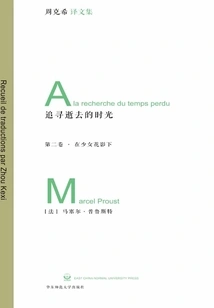
追寻逝去的时光:在少女花影下(第2卷)
(french) Proust
"In the Shadow of the Girl's Flowers" is the second volume of the multi-volume novel "In Search of Lost Time" by the famous 20th century French novelist Proust. The book is divided into two parts, the first part is "Beside Mrs. Swann" and the second part is "Place Names and Places: Places". At the end of the book is a summary of each section. This book is one of the "Collected Works of Zhou Kexi's Translations" published by East China Normal University Press, which accurately and vividly demonstrates the original author's beautiful and unique stream-of-consciousness style. The translator of the new version, the famous translator Mr. Zhou Kexi, has revised it again and made it more perfect.
"In the Shadow of the Girl's Flowers" is the second volume of the multi-volume novel "In Search of Lost Time" by the famous 20th century French novelist Proust. The book is divided into two parts, the first part is "Beside Mrs. Swann" and the second part is "Place Names and Places: Places". At the end of the book is a summary of each section. This book is one of the "Collected Works of Zhou Kexi's Translations" published by East China Normal University Press, which accurately and vividly demonstrates the original author's beautiful and unique stream-of-consciousness style. The translator of the new version, the famous translator Mr. Zhou Kexi, has revised it again and made it more perfect.
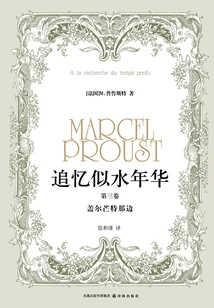
Remembrance of Lost Time (volume 3): Beyond Guermantes
General Fiction追忆似水年华(第三卷):盖尔芒特那边
(french) Proust
"In Search of Lost Time" is an epoch-making masterpiece and one of the most important novels in the world literary world in the 20th century. Together with "Ulysses", it is called the pinnacle of stream-of-consciousness novels. This novel uses a fresh and lively unique artistic style, and with the help of a subconscious mind that transcends time and space, the lost time is reappeared in his writing, and he expresses his endless nostalgia for his old friends and past events, as well as his irresistible melancholy. André Mauroa once said: "Proust's simple, individual and regional narratives arouse enthusiasm all over the world, which is both the most beautiful thing and the fairest phenomenon in the world. Just like a great philosopher summarizes all thoughts with one thought, a great novelist uses one person's life and some of the most ordinary things to make everyone's life emerge in his writing."
"In Search of Lost Time" is an epoch-making masterpiece and one of the most important novels in the world literary world in the 20th century. Together with "Ulysses", it is called the pinnacle of stream-of-consciousness novels. This novel uses a fresh and lively unique artistic style, and with the help of a subconscious mind that transcends time and space, the lost time is reappeared in his writing, and he expresses his endless nostalgia for his old friends and past events, as well as his irresistible melancholy. André Mauroa once said: "Proust's simple, individual and regional narratives arouse enthusiasm all over the world, which is both the most beautiful thing and the fairest phenomenon in the world. Just like a great philosopher summarizes all thoughts with one thought, a great novelist uses one person's life and some of the most ordinary things to make everyone's life emerge in his writing."
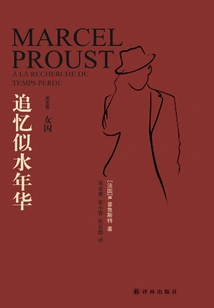
Reminiscing About Lost Time: Female Prisoners (volume 5)
General Fiction追忆似水年华:女囚(第五卷)
(french) Proust
"Reminiscences of Lost Time" reviews the past in the form of memories, including childhood memories, family life, first love and lost love, observations of historical events, as well as insights into art and understanding of time and space, etc. Time is the protagonist of this novel. The author uses wisdom and imagination to make time concrete, vivid and perfect. It is like a symphony composed of multiple themes, such as love, jealousy, death, memory, and time, sometimes overlapping and sometimes drifting apart. However, on a macro level, the entire work is integrated and has vigorous vitality. "In Search of Lost Time" is recognized as a new attempt in literary creation and the first of its kind in mainstream novels.
"Reminiscences of Lost Time" reviews the past in the form of memories, including childhood memories, family life, first love and lost love, observations of historical events, as well as insights into art and understanding of time and space, etc. Time is the protagonist of this novel. The author uses wisdom and imagination to make time concrete, vivid and perfect. It is like a symphony composed of multiple themes, such as love, jealousy, death, memory, and time, sometimes overlapping and sometimes drifting apart. However, on a macro level, the entire work is integrated and has vigorous vitality. "In Search of Lost Time" is recognized as a new attempt in literary creation and the first of its kind in mainstream novels.
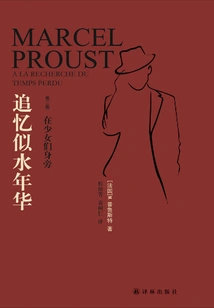
Memories of Lost Time: by the Girls' Side (volume 2)
General Fiction追忆似水年华:在少女们身旁(第二卷)
(french) Proust
"Reminiscences of Lost Time" reviews the past in the form of memories, including childhood memories, family life, first love and lost love, observations of historical events, as well as insights into art and understanding of time and space, etc. Time is the protagonist of this novel. The author uses wisdom and imagination to make time concrete, vivid and perfect. It is like a symphony composed of multiple themes, such as love, jealousy, death, memory, and time, sometimes overlapping and sometimes drifting apart. However, on a macro level, the entire work is integrated and has vigorous vitality. "In Search of Lost Time" is recognized as a new attempt in literary creation and the first of its kind in mainstream novels.
"Reminiscences of Lost Time" reviews the past in the form of memories, including childhood memories, family life, first love and lost love, observations of historical events, as well as insights into art and understanding of time and space, etc. Time is the protagonist of this novel. The author uses wisdom and imagination to make time concrete, vivid and perfect. It is like a symphony composed of multiple themes, such as love, jealousy, death, memory, and time, sometimes overlapping and sometimes drifting apart. However, on a macro level, the entire work is integrated and has vigorous vitality. "In Search of Lost Time" is recognized as a new attempt in literary creation and the first of its kind in mainstream novels.
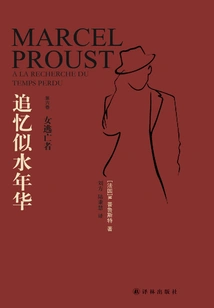
Reminiscing About Lost Time: the Female Fugitive (volume 6)
General Fiction追忆似水年华:女逃亡者(第六卷)
(french) Proust
"Reminiscences of Lost Time" reviews the past in the form of memories, including childhood memories, family life, first love and lost love, observations of historical events, as well as insights into art and understanding of time and space, etc. Time is the protagonist of this novel. The author uses wisdom and imagination to make time concrete, vivid and perfect. It is like a symphony composed of multiple themes, such as love, jealousy, death, memory, and time, sometimes overlapping and sometimes drifting apart. However, on a macro level, the entire work is integrated and has vigorous vitality. "In Search of Lost Time" is recognized as a new attempt in literary creation and the first of its kind in mainstream novels.
"Reminiscences of Lost Time" reviews the past in the form of memories, including childhood memories, family life, first love and lost love, observations of historical events, as well as insights into art and understanding of time and space, etc. Time is the protagonist of this novel. The author uses wisdom and imagination to make time concrete, vivid and perfect. It is like a symphony composed of multiple themes, such as love, jealousy, death, memory, and time, sometimes overlapping and sometimes drifting apart. However, on a macro level, the entire work is integrated and has vigorous vitality. "In Search of Lost Time" is recognized as a new attempt in literary creation and the first of its kind in mainstream novels.
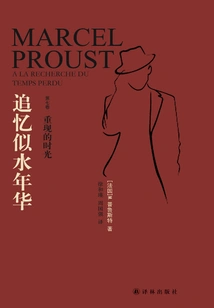
Reminiscing About Lost Time: Time Comes Back (volume 7)
General Fiction追忆似水年华:重现的时光(第七卷)
(french) Proust
"Reminiscences of Lost Time" reviews the past in the form of memories, including childhood memories, family life, first love and lost love, observations of historical events, as well as insights into art and understanding of time and space, etc. Time is the protagonist of this novel. The author uses wisdom and imagination to make time concrete, vivid and perfect. It is like a symphony composed of multiple themes, such as love, jealousy, death, memory, and time, sometimes overlapping and sometimes drifting apart. However, on a macro level, the entire work is integrated and has vigorous vitality. "In Search of Lost Time" is recognized as a new attempt in literary creation and the first of its kind in mainstream novels.
"Reminiscences of Lost Time" reviews the past in the form of memories, including childhood memories, family life, first love and lost love, observations of historical events, as well as insights into art and understanding of time and space, etc. Time is the protagonist of this novel. The author uses wisdom and imagination to make time concrete, vivid and perfect. It is like a symphony composed of multiple themes, such as love, jealousy, death, memory, and time, sometimes overlapping and sometimes drifting apart. However, on a macro level, the entire work is integrated and has vigorous vitality. "In Search of Lost Time" is recognized as a new attempt in literary creation and the first of its kind in mainstream novels.
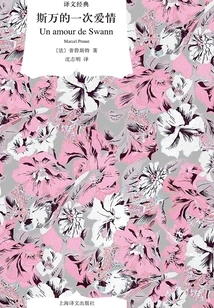
Swann's Love (translation Classic)
General Fiction斯万的一次爱情(译文经典)
(french) Proust
Proust is one of the greatest literary masters of the twentieth century. "In Search of Lost Time" is a voluminous volume and is one of the most famous and difficult works in the entire history of literature. The whole book takes the narrator "I" as the main body and integrates what he sees, hears, thinks and feels. It is not only a true description of social life and human relations, but also a record of the author's inner experience of self-pursuit and self-understanding. It can be said to be a novel tree with many branches derived from the trunk of a novel, or it can be said to be a giant symphony intertwined with several themes. "Swann's Love" is the only independent novella in "Reminiscence of Lost Time". The French call it "narration" or "narrative", and musicians call it "solo" or "solo". It is like the Wagner overture favored by Proust. In short, it can be published or performed alone. "Swann's Love" is originally a chapter of the first volume "At Swann's House", but it is the only one narrated in the third person in the entire masterpiece, and "I" (Marcel) is responsible for everything else. In 1913, Proust pointed out in a letter: "At Swann's House", especially the chapter "Swann's Love", is full of foreshadowing. It can be said to be a kind of "preface" and a condensation of the entire book "Reminiscence of Lost Time".
Proust is one of the greatest literary masters of the twentieth century. "In Search of Lost Time" is a voluminous volume and is one of the most famous and difficult works in the entire history of literature. The whole book takes the narrator "I" as the main body and integrates what he sees, hears, thinks and feels. It is not only a true description of social life and human relations, but also a record of the author's inner experience of self-pursuit and self-understanding. It can be said to be a novel tree with many branches derived from the trunk of a novel, or it can be said to be a giant symphony intertwined with several themes. "Swann's Love" is the only independent novella in "Reminiscence of Lost Time". The French call it "narration" or "narrative", and musicians call it "solo" or "solo". It is like the Wagner overture favored by Proust. In short, it can be published or performed alone. "Swann's Love" is originally a chapter of the first volume "At Swann's House", but it is the only one narrated in the third person in the entire masterpiece, and "I" (Marcel) is responsible for everything else. In 1913, Proust pointed out in a letter: "At Swann's House", especially the chapter "Swann's Love", is full of foreshadowing. It can be said to be a kind of "preface" and a condensation of the entire book "Reminiscence of Lost Time".