Library
Browse and search books
3 novels found
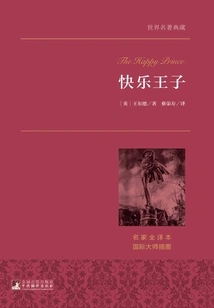
Happy Prince
General Fiction快乐王子
(british) Oscar Wilde
This book contains a total of thirteen fairy tales written by Oscar Wilde: "The Happy Prince", "The Nightingale and the Rose", "The Selfish Giant", "The Faithful Friend", "The Great Rocket Fireworks", "The Young King", "The Star Child", "The Birthday of the Spanish Princess", "The Fisherman and His Soul", among which the most famous one is "The Happy Prince", whose statue towers over the city. Seeing the ugliness and poverty in the world, even though his heart was made of lead, he couldn't help but cry. With the help of Yanzi, he gave away all the valuable things he had to the poor, and eventually became dim and buried in the garbage heap with Yanzi... Several other stories also used touching plots and delicate writing to create a slightly sad and aesthetic atmosphere, praising truth, goodness, and beauty with passionate love.
This book contains a total of thirteen fairy tales written by Oscar Wilde: "The Happy Prince", "The Nightingale and the Rose", "The Selfish Giant", "The Faithful Friend", "The Great Rocket Fireworks", "The Young King", "The Star Child", "The Birthday of the Spanish Princess", "The Fisherman and His Soul", among which the most famous one is "The Happy Prince", whose statue towers over the city. Seeing the ugliness and poverty in the world, even though his heart was made of lead, he couldn't help but cry. With the help of Yanzi, he gave away all the valuable things he had to the poor, and eventually became dim and buried in the garbage heap with Yanzi... Several other stories also used touching plots and delicate writing to create a slightly sad and aesthetic atmosphere, praising truth, goodness, and beauty with passionate love.
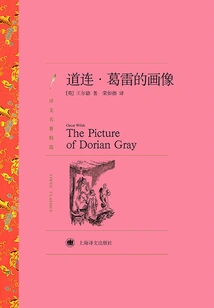
道连·葛雷的画像(译文名著精选)
(british) Oscar Wilde
The beautiful boy Dorian Gray faced the portrait painted by his friend Hallward and said: "If I could stay young forever and let this portrait grow old... I would trade my soul for youth!" This absurd wish formed the basis of the plot of "The Picture of Dorian Gray", the only novel by Oscar Wilde, a representative writer of aestheticism. Unexpectedly, as soon as this statement came out, it became a prophecy. As a result of the influence of environment and the pursuit of pleasure, Gray fell deeper and deeper into the quagmire of self-indulgence until he was completely destroyed. The book also includes two of Wilde's masterpieces, basically covering the essence of Wilde's novels.
The beautiful boy Dorian Gray faced the portrait painted by his friend Hallward and said: "If I could stay young forever and let this portrait grow old... I would trade my soul for youth!" This absurd wish formed the basis of the plot of "The Picture of Dorian Gray", the only novel by Oscar Wilde, a representative writer of aestheticism. Unexpectedly, as soon as this statement came out, it became a prophecy. As a result of the influence of environment and the pursuit of pleasure, Gray fell deeper and deeper into the quagmire of self-indulgence until he was completely destroyed. The book also includes two of Wilde's masterpieces, basically covering the essence of Wilde's novels.
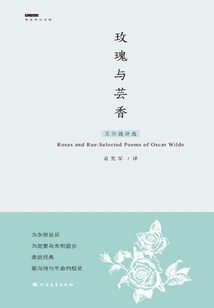
玫瑰与芸香:王尔德诗选
(british) Oscar Wilde
Wilde was a famous British playwright, novelist, poet, and critic at the end of the 19th century. Wilde's poetry creation reflects his deliberate pursuit of capturing the rich gestures of language in order to present the charm of language itself. Broadly speaking, it is also a reflection of Wilde's "dandy" style in poetry creation. Love is the eternal theme of poetry. Wilde wrote a large number of poems to praise love and express the pain caused by love. The poems selected in this book also include Wilde's thoughts on nature and life.
Wilde was a famous British playwright, novelist, poet, and critic at the end of the 19th century. Wilde's poetry creation reflects his deliberate pursuit of capturing the rich gestures of language in order to present the charm of language itself. Broadly speaking, it is also a reflection of Wilde's "dandy" style in poetry creation. Love is the eternal theme of poetry. Wilde wrote a large number of poems to praise love and express the pain caused by love. The poems selected in this book also include Wilde's thoughts on nature and life.