The first hundred chapters can be given full marks, but the cheats of the system are getting bigger and bigger in the following chapters. Every time I look forward to how Shou solves the problem and see Shou solve it by redeeming system props with favorability points, I feel like I am not getting better. Moreover, the author has not systematically introduced what props there are. Every time he encounters a problem, he will inexplicably pull out a new prop that he has never seen before. When there are no restrictions on the use of props in the later period, there are countless such excuses. Generally speaking, the plot before the death of the first big boss is very interesting, but the plot after the halo of the original protagonist disappears is a bit boring and weak, and Goldfinger is overused. But what is very surprising is that the poems written by the protagonist in the article are all original and not just excerpts of poems. They have a good sense of ancient style.
The love line between the general and the powerful minister is well written, the wits and tactics are average but the logic is basically self-consistent. The overall atmosphere is good and feels good.
It is an ancient style but the taste of ancient style is very light. Let's switch to the article, next year, some of the plots are so good that they will surprise me. Overall, it's one of P's big books that doesn't require much thought.
Miracle, the process of slowly exploring the main plot from Shou's perspective is extremely wonderful, and I really want to clear my memory and watch it again. But the ending is a little unclear, and it feels a bit unsatisfying to have to be tortured inexplicably. Overall, the flaws do not hide the virtues.
Good-looking, good-looking, good-looking! Very much to my liking! Although the language is a bit too similar to Dream of Red Mansions, it is a bit of a drama, but surprisingly it is a sweet and well-written article with group portraits that does not require much thought.
The way to pretend to be stupid is to memorize bad Internet memes. Later, pretending to be stupid became so natural that I couldn't tell whether it was real or fake. It's a brainless sweet story, and you can watch it smoothly after saving your brain in the first chapter.
No-brainer sweet stories about having a baby (there are really a lot of them these days), no surprises, the logic is self-consistent, and the pace is okay.
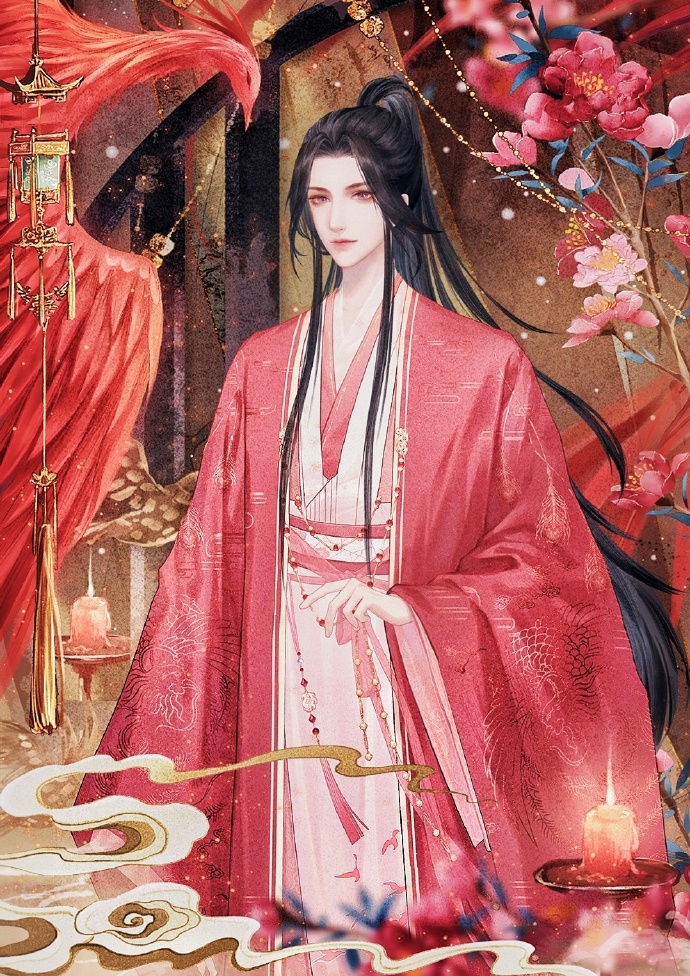 Young Master Ying Pianpian
77.3kFavorites119.4kClicks/ch101.2kNutrition
Young Master Ying Pianpian
77.3kFavorites119.4kClicks/ch101.2kNutrition
 Golden Platform
394.7kFavorites397.1kClicks/ch162.6kNutrition
Golden Platform
394.7kFavorites397.1kClicks/ch162.6kNutrition
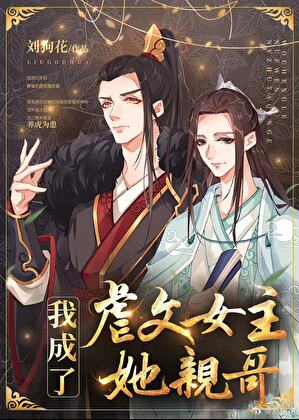 I Became the Real Brother of the Heroine of the Sadistic Novel
372.8kFavorites639.8kClicks/ch161.1kNutrition
I Became the Real Brother of the Heroine of the Sadistic Novel
372.8kFavorites639.8kClicks/ch161.1kNutrition
 Willing to Hire with Mountains and Rivers
345.9kFavorites525kClicks/ch214.9kNutrition
Willing to Hire with Mountains and Rivers
345.9kFavorites525kClicks/ch214.9kNutrition
 The Husband Is Frail and Sickly
234.2kFavorites364.4kClicks/ch270.1kNutrition
The Husband Is Frail and Sickly
234.2kFavorites364.4kClicks/ch270.1kNutrition
Qiye 204.1kFavorites266.5kClicks/ch45.9kNutrition
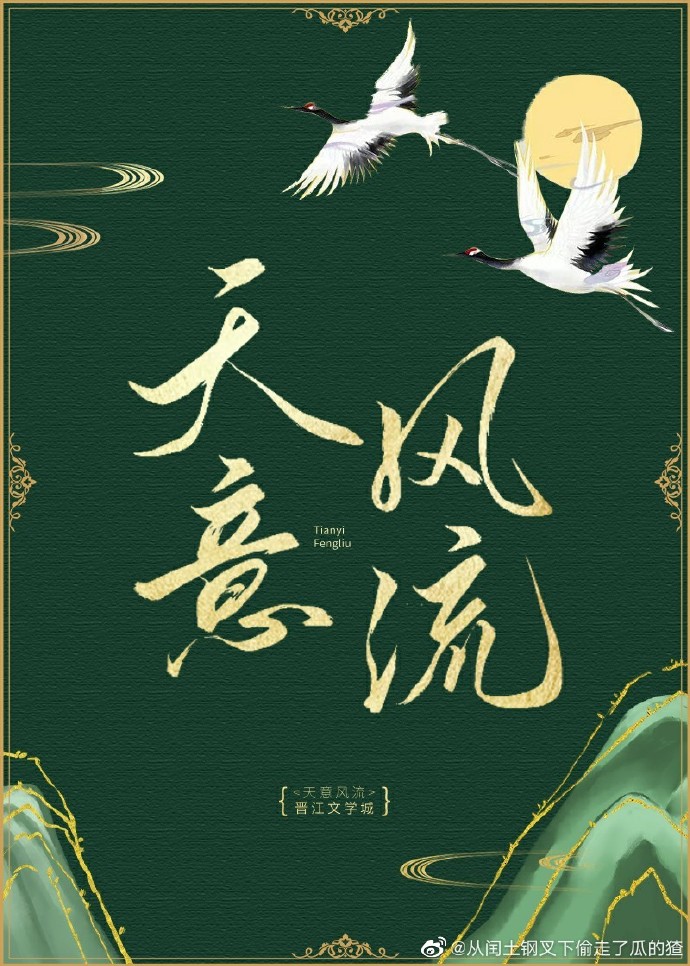 Providence Is Romantic
198.7kFavorites190.4kClicks/ch207.7kNutrition
Providence Is Romantic
198.7kFavorites190.4kClicks/ch207.7kNutrition
 After the Fan Who Wrote About the Emperor Was Discovered
108.2kFavorites191.8kClicks/ch85.4kNutrition
After the Fan Who Wrote About the Emperor Was Discovered
108.2kFavorites191.8kClicks/ch85.4kNutrition
Entering a Male Channel to Build Infrastructure 108.1kFavorites202.3kClicks/ch154.2kNutrition
 After Pretending to Be Stupid, He Was Targeted by Yin Leng's Palm Print.
94.7kFavorites131.3kClicks/ch107kNutrition
After Pretending to Be Stupid, He Was Targeted by Yin Leng's Palm Print.
94.7kFavorites131.3kClicks/ch107kNutrition
 After Transforming into the Black Lotus Emperor's Master
81.6kFavorites129.8kClicks/ch29.2kNutrition
After Transforming into the Black Lotus Emperor's Master
81.6kFavorites129.8kClicks/ch29.2kNutrition
 Husband, I Ran Back with the Ball
76kFavorites127.1kClicks/ch46.5kNutrition
Husband, I Ran Back with the Ball
76kFavorites127.1kClicks/ch46.5kNutrition
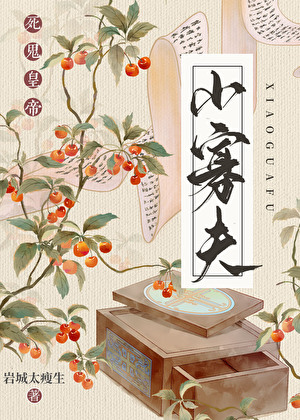 Little Widow
41.9kFavorites53.1kClicks/ch24.4kNutrition
Little Widow
41.9kFavorites53.1kClicks/ch24.4kNutrition