Shen Lei, a talentless idol with a pretty face, transmigrated into the real daughter of the Rong family, who had been lost outside the household.
Her parents doted on her, her brothers were kind, and even the fake daughter was a gentle, virtuous young lady.
The only problem was that her entire family were the villains in the groveling-to-win-her-back novel My Live-in Son-in-Law Is the Crown Prince!
Her father, a battle-hardened general, dared to defy the emperor to his face at the slightest provocation!
Her mother, the Grand Princess who protected the nation, dared to slap the Crown Prince!
Her rebellious elder brother, who had left home to become a monk, successfully passed himself off as a mystic, then pointed at the heroine and called her a monster!
Her fake-daughter older sister, raised from childhood to become the Crown Princess, was the most wicked villainess of all. She nearly caused the heroine to die in childbirth!
Even the real daughter, who had barely been mentioned, dared use her family's power to destroy the heroine's shops.
Shen Lei: “...”
She recalled the scene in the novel where the hero and heroine resolved their misunderstandings: once the Crown Prince had secured the throne, he personally slaughtered all 180 members of the Rong family and buried 50,000 Rong soldiers alive to demonstrate the depth of his love for the heroine, moving her to forgive him.
Terrified, Shen Lei immediately tried to save herself.
Just as the story reached a crucial turning point, the emperor offered the Rong family three choices to appease them:
First, properly raise the real daughter to become the Crown Princess, while the fake daughter became a concubine to support her.
Second, make the fake daughter a secondary consort to the Crown Prince, while the real daughter could marry freely.
Third, marry the fake daughter to the Grand Academician, the chief councilor who had served the court, and let the emperor arrange a marriage for the real daughter later.
In the book, Shen Lei's hot-tempered parents rejected all three choices.
After all, everyone knew that the Crown Prince was in love with someone else. Any girl who married him would be walking into a fiery pit.
As for the Grand Academician, he was young, but he'd been injured saving the emperor and had less than two months to live. Marry him and she'd be a widow almost immediately!
Shen Lei clutched her empty head and thought it over again and again before earnestly proposing, “There's a fourth possibility. I'll marry the Grand Academician and become a widow!”
She absolutely could not let the Rong family and the Crown Prince end up in the same boat!
The Shen family was appalled and tried every way they could to talk her out of it.
Shen Lei argued confidently, “Being a widow is great. Then I won't have to be scolded for being crude or learn all those rules! And after you refuse the emperor, Mother and Father, are you planning to raise troops and defy the court? You'll offend both the Crown Prince and the emperor!”
As soon as she finished speaking, she saw the fake daughter look determined. “Father, Mother, there's a fourth possibility. Send me into the palace as a consort! I can bear children!”
Shen Lei: “???”
Reading Guide:
1. The sisters get along well, and Shen Lei ultimately ascends the throne as emperor.
2. Shen Lei is first made a Protector Princess because of her achievements and bloodline, then takes in a live-in husband.
3. The romantic pairing is the Assistant Minister of the Court of Judicial Review, not the Grand Academician!
[This novel enters paid chapters on September 17, 2026, with chapters 1–18 becoming paid starting on the 18th. Please support it, mwah!]
Theme: United sisters can break any obstacle
When will there be an update? This book is well written, and the characters are well created. They have family, country, and personal relationships. From their respective standpoints, there is nothing wrong. Before reading this chapter, I always looked at the perspective of the heroine and disliked the original heroine. After reading this chapter, I have become aware of modern women. What modern woman with a temper can tolerate what the original heroine encountered? He is the one who exchanged the real and fake daughter, and it was also the revenge of the princess for killing his brother. The character creation is very full.
It's true that others' suffering is downplayed, and it only hurts when the knife cuts on one's own body.
Gu Liming is the eldest princess, and the prince calls her aunt. Then Gu Liming called the prince his nephew.
Father's father: grandfather (grandfather), grandma (grandmother), "zu" means "ancestor" or "predecessor", usually used to refer to the root or source of the family, indicating the distant elders in the family, distinguishing different generations.
Father's brothers: uncle, uncle, aunt, uncle, dam, uncle, aunt. Those who are older than the father are called "bo", such as eldest uncle, second uncle, and third uncle; those who are younger than the father are called "uncle", such as fourth uncle, fifth uncle, and brother-in-law.
Father's sisters: aunt, uncle, father's sister or sister are all called "gu", such as eldest aunt, second aunt, sister-in-law. The original meaning of "gu" refers to women in ancient times, and later expanded to mean female relatives, that is, father's sisters.
The children of the father's brothers: cousins, cousins, cousins, and cousins. The ancients paid great attention to the concept of family, and often several generations lived together in the same "tang" (tall house). This is how cousins came to be.
Children of father's sisters: cousins, cousins, cousins, cousins. The word "cousin" refers to cousins who are slightly more distant, not direct relatives, but somewhat related by blood, and are relatives who have different surnames but are of the same generation as one's own.
Mother's father: grandfather (grandfather), grandmother (grandmother). The word "wai" means that these elders are external relatives. Unlike direct relatives, grandfather and grandmother also play a very important role in the family genealogy.
Mother's brothers: uncles and aunts (妗子). In ancient times, if a married sister or sister was upset by her husband's family, it was inconvenient for the parents to come forward. Only the uncle could come forward, so the uncle's status was generally higher.
Mother's sisters: aunts and uncles, the names may be different in different regions and cultural backgrounds. In most places, those who are older than the mother are called aunts, and those who are younger than the mother are called aunts or aunts.
The children of the mother's brother: cousin, cousin, cousin, cousin. Whether they are the children of the mother's brother or the children of the mother's sister, they are all called cousin, cousin, cousin, and cousin. In fact, cousins and cousins are easy to distinguish.
One's own brothers: elder brother, younger brother, sister-in-law, sister-in-law. "Sister-in-law" is the combination of "female" and "old man", and "old man" refers to an older person. Therefore, "sister-in-law" generally refers to a young married woman, that is, the brother's wife.
One's own sisters: elder sister, younger sister, brother-in-law, brother-in-law. "Brother-in-law" is also the husband of the elder sister. It is used to express the different generations in the kinship relationship and conveys the cultural values of family values and respect for elders.
The children of one's own brothers: nephews, nieces, "nephews" are the same. Nephews and nieces have the same surname, are continuation of the same bloodline, are close relatives, and are equal to one's own children, so they are called nephews and nieces.
Children of one's own sisters: nephews and nieces. In ancient times, "nephew" meant son. To simply understand, anyone with the same surname as yourself, whether a boy or a girl, could be called a nephew. Those with different surnames were nephews.
Wow, you hit the nail on the head and pointed out the household registration problem of people with amnesia in ancient Chinese and those who fake their own deaths, as well as the problem of the kind-hearted heroine adopting orphan refugees and cultivating confidants. This is the end of the dynasty.
The update you have been waiting for for a long time, don't be fooled! ! !
The original heroine was not a good person either. She implicated innocent people and even evaded taxes.
What about updates? If you don't get bigger every day, why would you give up such a beautiful cover picture?

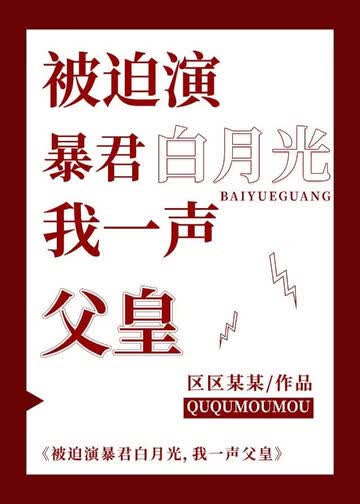 Forced to Play the Role of the Tyrant Bai Yueguang, I Am Called Father
 The Eldest Princess's Consort Is Actually a Time-Traveling Man
 The Imperial Grandfather Supported Me to Become the Empress
 I Am Still Willing to Hire You as My Queen
 A Farmer's Daughter Takes Her Younger Sister to Take the Imperial Examination
 After Thousands of People Suspected That He Donated Hundreds of Billions of Inheritance
 He and the Tyrant's Younger Brother Had to Survive in the Ancient Imperial Examination.
 After Reading the Mind, the Farmer's Son Is Forced to Support His Family.
 Wu Xun's Children Were Ordered by the Emperor to Take the Imperial Examination and Serve as Officials
 The Real Young Master Was Forced to Take the Imperial Examination by the Fake Young Master
 How Can the Cannon Fodder Divorce the Protagonist Smoothly?
 After Marrying on Behalf of Others, I Became the Founding Queen [Puishu]
When will there be an update? This book is well written, and the characters are well created. They have family, country, and personal relationships. From their respective standpoints, there is nothing wrong. Before reading this chapter, I always looked at the perspective of the heroine and disliked the original heroine. After reading this chapter, I have become aware of modern women. What modern woman with a temper can tolerate what the original heroine encountered? He is the one who exchanged the real and fake daughter, and it was also the revenge of the princess for killing his brother. The character creation is very full.
It's true that others' suffering is downplayed, and it only hurts when the knife cuts on one's own body.
Gu Liming is the eldest princess, and the prince calls her aunt. Then Gu Liming called the prince his nephew. Father's father: grandfather (grandfather), grandma (grandmother), "zu" means "ancestor" or "predecessor", usually used to refer to the root or source of the family, indicating the distant elders in the family, distinguishing different generations. Father's brothers: uncle, uncle, aunt, uncle, dam, uncle, aunt. Those who are older than the father are called "bo", such as eldest uncle, second uncle, and third uncle; those who are younger than the father are called "uncle", such as fourth uncle, fifth uncle, and brother-in-law. Father's sisters: aunt, uncle, father's sister or sister are all called "gu", such as eldest aunt, second aunt, sister-in-law. The original meaning of "gu" refers to women in ancient times, and later expanded to mean female relatives, that is, father's sisters. The children of the father's brothers: cousins, cousins, cousins, and cousins. The ancients paid great attention to the concept of family, and often several generations lived together in the same "tang" (tall house). This is how cousins came to be. Children of father's sisters: cousins, cousins, cousins, cousins. The word "cousin" refers to cousins who are slightly more distant, not direct relatives, but somewhat related by blood, and are relatives who have different surnames but are of the same generation as one's own. Mother's father: grandfather (grandfather), grandmother (grandmother). The word "wai" means that these elders are external relatives. Unlike direct relatives, grandfather and grandmother also play a very important role in the family genealogy. Mother's brothers: uncles and aunts (妗子). In ancient times, if a married sister or sister was upset by her husband's family, it was inconvenient for the parents to come forward. Only the uncle could come forward, so the uncle's status was generally higher. Mother's sisters: aunts and uncles, the names may be different in different regions and cultural backgrounds. In most places, those who are older than the mother are called aunts, and those who are younger than the mother are called aunts or aunts. The children of the mother's brother: cousin, cousin, cousin, cousin. Whether they are the children of the mother's brother or the children of the mother's sister, they are all called cousin, cousin, cousin, and cousin. In fact, cousins and cousins are easy to distinguish. One's own brothers: elder brother, younger brother, sister-in-law, sister-in-law. "Sister-in-law" is the combination of "female" and "old man", and "old man" refers to an older person. Therefore, "sister-in-law" generally refers to a young married woman, that is, the brother's wife. One's own sisters: elder sister, younger sister, brother-in-law, brother-in-law. "Brother-in-law" is also the husband of the elder sister. It is used to express the different generations in the kinship relationship and conveys the cultural values of family values and respect for elders. The children of one's own brothers: nephews, nieces, "nephews" are the same. Nephews and nieces have the same surname, are continuation of the same bloodline, are close relatives, and are equal to one's own children, so they are called nephews and nieces. Children of one's own sisters: nephews and nieces. In ancient times, "nephew" meant son. To simply understand, anyone with the same surname as yourself, whether a boy or a girl, could be called a nephew. Those with different surnames were nephews.
Wow, you hit the nail on the head and pointed out the household registration problem of people with amnesia in ancient Chinese and those who fake their own deaths, as well as the problem of the kind-hearted heroine adopting orphan refugees and cultivating confidants. This is the end of the dynasty.
The update you have been waiting for for a long time, don't be fooled! ! !
The original heroine was not a good person either. She implicated innocent people and even evaded taxes.
What about updates? If you don't get bigger every day, why would you give up such a beautiful cover picture?
I suddenly forgot who Gu Liming was.
When will it be updated? Hungry, hungry, hungry.
Attracted by the cover