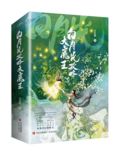
Oh, Empress Dowager, why are you meddling in the palace intrigue? The serious synopsis: When she was eight, a high official's daughter, she had no idea her father would be killed on the road while traveling to report for duty. At ten, living under someone else's roof, she had no idea she'd be selected to enter the palace and receive the emperor's favor. At fifteen, the most favored woman in the harem, she had no idea the old emperor would suddenly die, leaving her alone. At nineteen, she was made Empress Dowager. The emperor and empress, in the prime of their lives, had already begun building a splendid age of prosperity that belonged to them, and at last she understood that this golden age had nothing to do with her. [Important content warning] The couple is the Empress Dowager and the emperor. Neither the male nor female lead is a virgin. If that's not for you, please move along!
Theme: Exploring whether women in a feudal dynasty can pursue their own sense of self
I found it too draggy at the end and the ending was vague. But it is rare to write about this kind of relationship that is not recognized by the secular world in a way that is not greasy, tender and sweet, nor is it a superficial sweet love story. The two people love each other and know each other, but they also have all kinds of worries. They like the queen, but she is not a holy mother. It is true that there are struggles and jealousies. I also like Xiaomi, who was loved and protected by two generations of emperors. She is not coquettish at all in her beauty, and she still maintains her self in the deep palace. The emperor is also a rare male protagonist. His deep love cannot be expressed through words. He gave his only love to Xiaomi. It was not earth-shattering, but he missed and cared about her day after day. Bu'er's ending was too hasty. She was evil to the core and had no conscience. I really wanted to see her psychological confession in the end when she planned to do everything possible to kill her.
I would like to suggest to the author that if you want to write about a noble saint, there is no need to write about the forbidden love between the heroine and the hero, especially the story where the heroine is the queen mother and the wife of the late emperor, and the hero is the emperor who has a wife and concubines, but has an affair with the heroine. The heroine's sense of moral guilt is so heavy in the later stage, but why is she easily tempted in the early stage and indulges herself and the male protagonist in sinking? It's really annoying to write a story like this and express how noble the heroine is.
What happened to the Queen Mother and the Emperor?
So, King Fu is not the Queen Mother's biological child? In the end, Mi Zhi went to conquer Wenlu with the emperor? Why did the emperor say, "I'm afraid you won't be able to be granted the position of queen" and "it's not easy to return to this city." What was the reason for the tears they shed in the end? I'm scratching my head but I just can't figure it out. I beg the author for an answer!
The prince must have gone to Xuanhu to save the world incognito, right? I guess the queen's early death was the prince's biggest pain, so he studied medicine. This novel is one of my favorites. After reading the ending after a few years, I felt in a different mood.
Is Ashu going to leave on the 19th?
It's so tiring to watch. It's obviously very good-looking in the front, but it's really too pretentious in the back. Here, I didn't see the relationship between the male and female protagonists because the female protagonist is the queen mother and the wife of the late emperor, and the male protagonist is the emperor and the son of the late emperor. They can't be together because of this relationship. Painful, but because of my deep debt to the queen that I can't understand. Why did I write the miserable White Lotus about the heroine? Is it to write about the bad feelings of the hero and heroine, and later to foreshadow how kind the heroine is and how painful she is to restore the image of the heroine? It's not necessary, and the male protagonist is originally Meng Lang. When he didn't like the female protagonist, he flirted and doted on the concubine, so there was no need to write about his extreme guilt towards the queen.
Keep writing. This is so obscure that I couldn't help but ask: "Yes... Are we together?"






I found it too draggy at the end and the ending was vague. But it is rare to write about this kind of relationship that is not recognized by the secular world in a way that is not greasy, tender and sweet, nor is it a superficial sweet love story. The two people love each other and know each other, but they also have all kinds of worries. They like the queen, but she is not a holy mother. It is true that there are struggles and jealousies. I also like Xiaomi, who was loved and protected by two generations of emperors. She is not coquettish at all in her beauty, and she still maintains her self in the deep palace. The emperor is also a rare male protagonist. His deep love cannot be expressed through words. He gave his only love to Xiaomi. It was not earth-shattering, but he missed and cared about her day after day. Bu'er's ending was too hasty. She was evil to the core and had no conscience. I really wanted to see her psychological confession in the end when she planned to do everything possible to kill her.
I would like to suggest to the author that if you want to write about a noble saint, there is no need to write about the forbidden love between the heroine and the hero, especially the story where the heroine is the queen mother and the wife of the late emperor, and the hero is the emperor who has a wife and concubines, but has an affair with the heroine. The heroine's sense of moral guilt is so heavy in the later stage, but why is she easily tempted in the early stage and indulges herself and the male protagonist in sinking? It's really annoying to write a story like this and express how noble the heroine is.
What happened to the Queen Mother and the Emperor?
So, King Fu is not the Queen Mother's biological child? In the end, Mi Zhi went to conquer Wenlu with the emperor? Why did the emperor say, "I'm afraid you won't be able to be granted the position of queen" and "it's not easy to return to this city." What was the reason for the tears they shed in the end? I'm scratching my head but I just can't figure it out. I beg the author for an answer!
The prince must have gone to Xuanhu to save the world incognito, right? I guess the queen's early death was the prince's biggest pain, so he studied medicine. This novel is one of my favorites. After reading the ending after a few years, I felt in a different mood.
Is Ashu going to leave on the 19th?
It's so tiring to watch. It's obviously very good-looking in the front, but it's really too pretentious in the back. Here, I didn't see the relationship between the male and female protagonists because the female protagonist is the queen mother and the wife of the late emperor, and the male protagonist is the emperor and the son of the late emperor. They can't be together because of this relationship. Painful, but because of my deep debt to the queen that I can't understand. Why did I write the miserable White Lotus about the heroine? Is it to write about the bad feelings of the hero and heroine, and later to foreshadow how kind the heroine is and how painful she is to restore the image of the heroine? It's not necessary, and the male protagonist is originally Meng Lang. When he didn't like the female protagonist, he flirted and doted on the concubine, so there was no need to write about his extreme guilt towards the queen.
Keep writing. This is so obscure that I couldn't help but ask: "Yes... Are we together?"
Finally, I was hit by Ashu's story.
... This ending is really